Loading subject page…


852,104 views

Video Summary: What Is Seed Plants
Did you know that seed plants represent nearly 400,000 species and dominate Earth's vegetation from California's towering redwoods to Texas wildflowers? Seed plants are the most successful plant group, divided into gymnosperms (like pine trees) and angiosperms (flowering plants including all fruits and vegetables we eat). These remarkable organisms share key adaptations including protective seed structures and specialized reproductive strategies. Watch the full video on JoVE Coach to master this concept with expert-led visuals and step-by-step explanations.
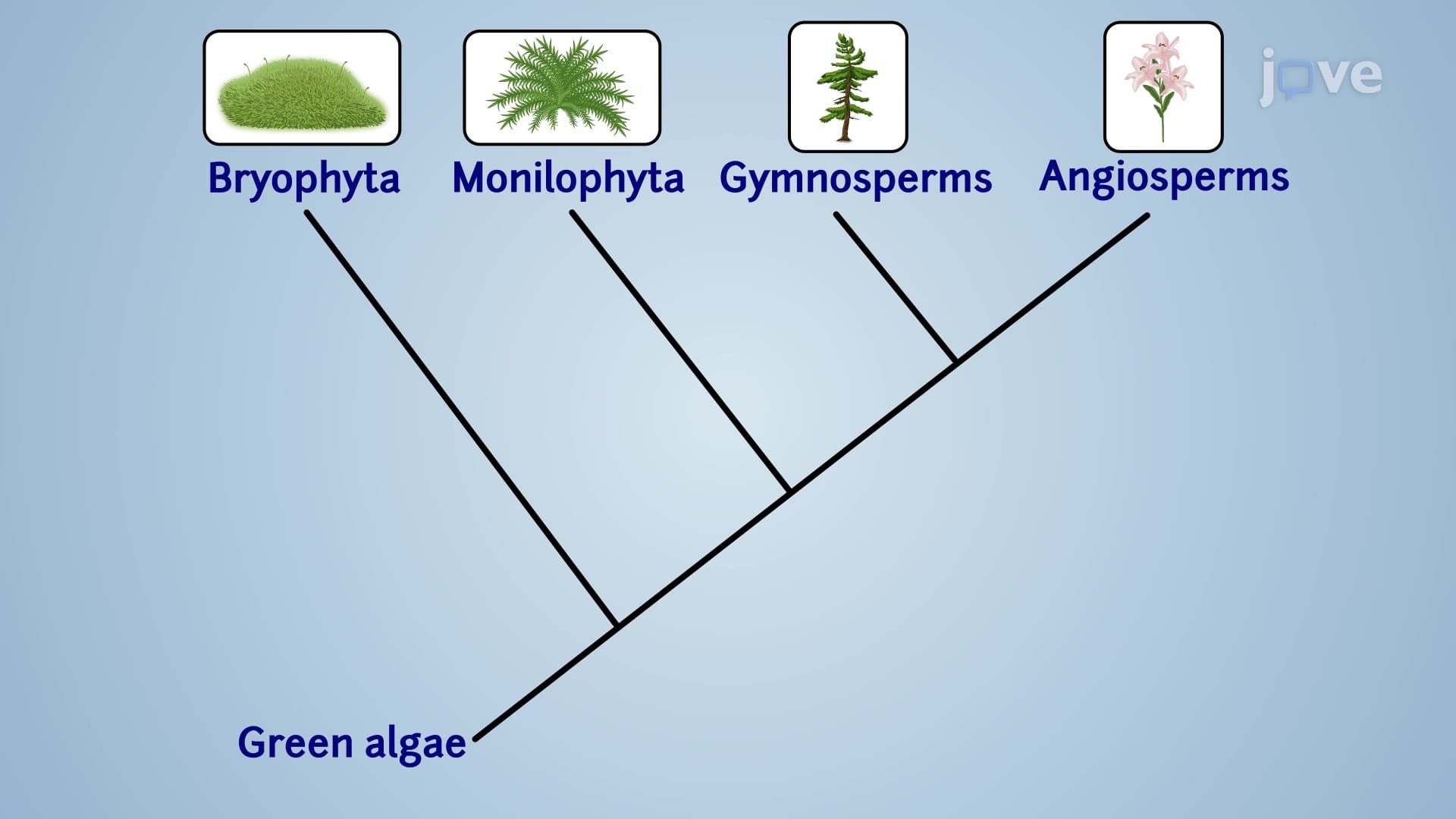
Seed plants represent the pinnacle of plant evolution, comprising nearly 400,000 species that dominate terrestrial ecosystems worldwide. From the giant sequoias of California's Sierra Nevada to the corn fields of Iowa, seed plants have conquered virtually every land habitat through remarkable reproductive innovations. This success stems from their ability to produce seeds-protected, nutrient-rich structures that give offspring a significant survival advantage over spore-dependent plants.
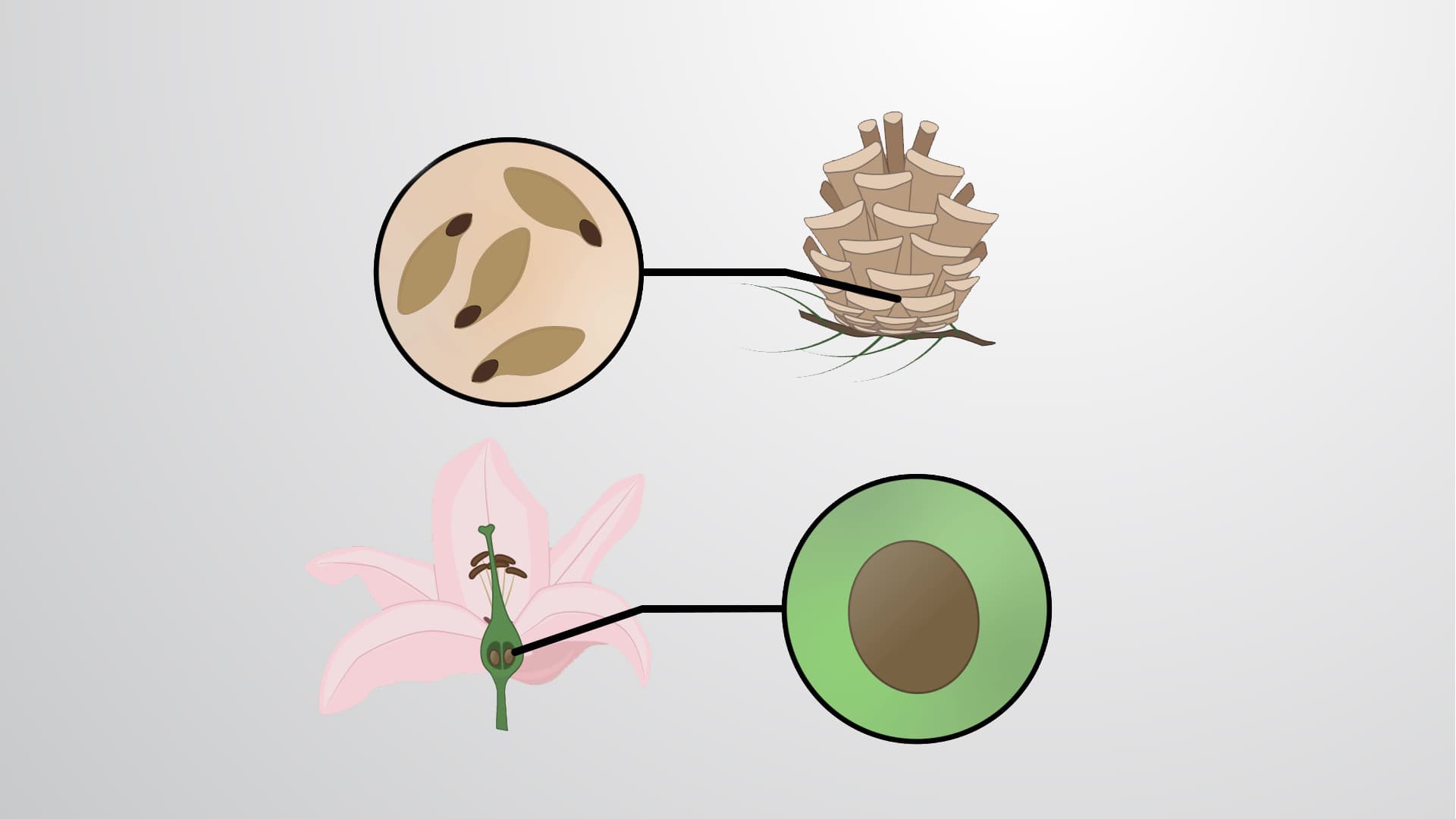
The seed plant lineage split into two distinct groups with different reproductive strategies. Gymnosperms, including conifers like Douglas firs and ponderosa pines common throughout the American West, produce "naked seeds" typically housed in cones. These ancient plants dominated Earth's forests for millions of years and remain crucial to modern ecosystems and timber industries.
Angiosperms, or flowering plants, represent the newer evolutionary innovation that now comprises over 90% of plant species. From oak trees lining New England streets to prairie grasses across the Great Plains, angiosperms surround seeds with fruits that facilitate dispersal. Consider how apple trees in Washington orchards attract animals to consume fruits, spreading seeds across landscapes, or how maple "helicopter" fruits spin through autumn winds in Vermont forests.
Upon germination, seed plants reveal their evolutionary relationships through cotyledon number. Gymnosperms typically produce 8-20 seed leaves arranged in whorls around the stem-easily observed when pine seedlings emerge in forest clearings. Angiosperms simplify this pattern into either one cotyledon (monocots) or two (eudicots).
This distinction proves crucial for students preparing for AP Biology exams or college botany courses. Monocots include economically vital crops like corn, wheat, and rice that feed America, plus ornamental plants like lilies and orchids. Eudicots encompass most trees, shrubs, and broadleaf crops including soybeans, cotton, and vegetables.
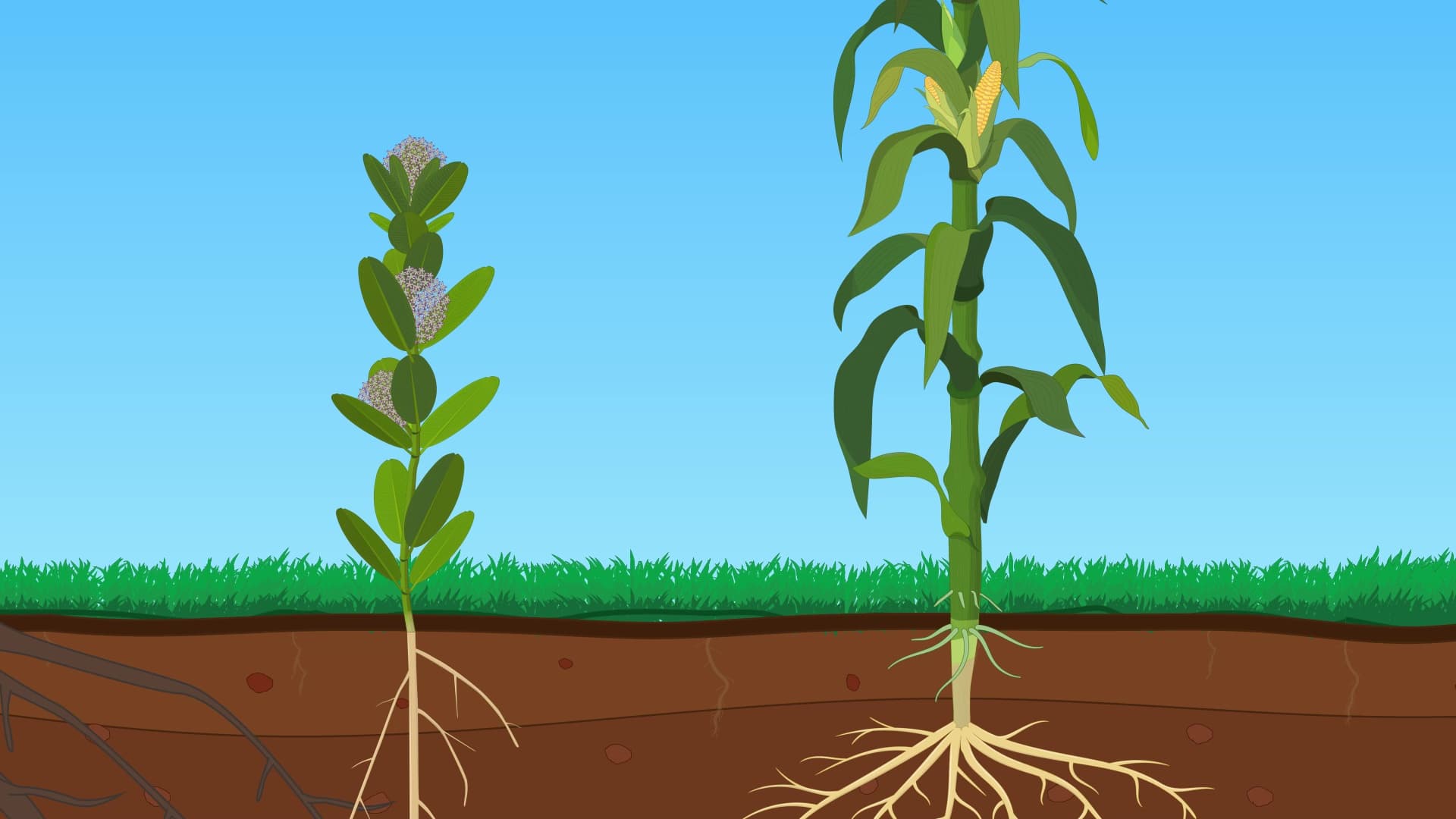
Beyond cotyledons, several anatomical features reliably separate these groups. Eudicots typically develop taproot systems (like carrot plants) and display netted leaf venation patterns, while monocots show fibrous root systems (like grass) and parallel leaf veins. Flower parts also differ predictably: eudicot flowers appear in multiples of four or five petals, while monocot flowers show multiples of three-patterns easily observed in backyard gardens or during field studies for environmental science classes.
Related Micro-courses