Loading subject page…


852,106 views


Video Summary: What Is Seedless Vascular Plants
Did you know that the towering ferns in California's redwood forests represent some of Earth's most ancient plant lineages? Seedless vascular plants evolved specialized transport systems millions of years before flowering plants existed, making them the first tall plants on our planet. These fascinating organisms, including the Boston ferns commonly found in American households, bridge the gap between simple mosses and complex seed-bearing plants. Watch the full video on JoVE Coach to master this concept with expert-led visuals and step-by-step explanations.
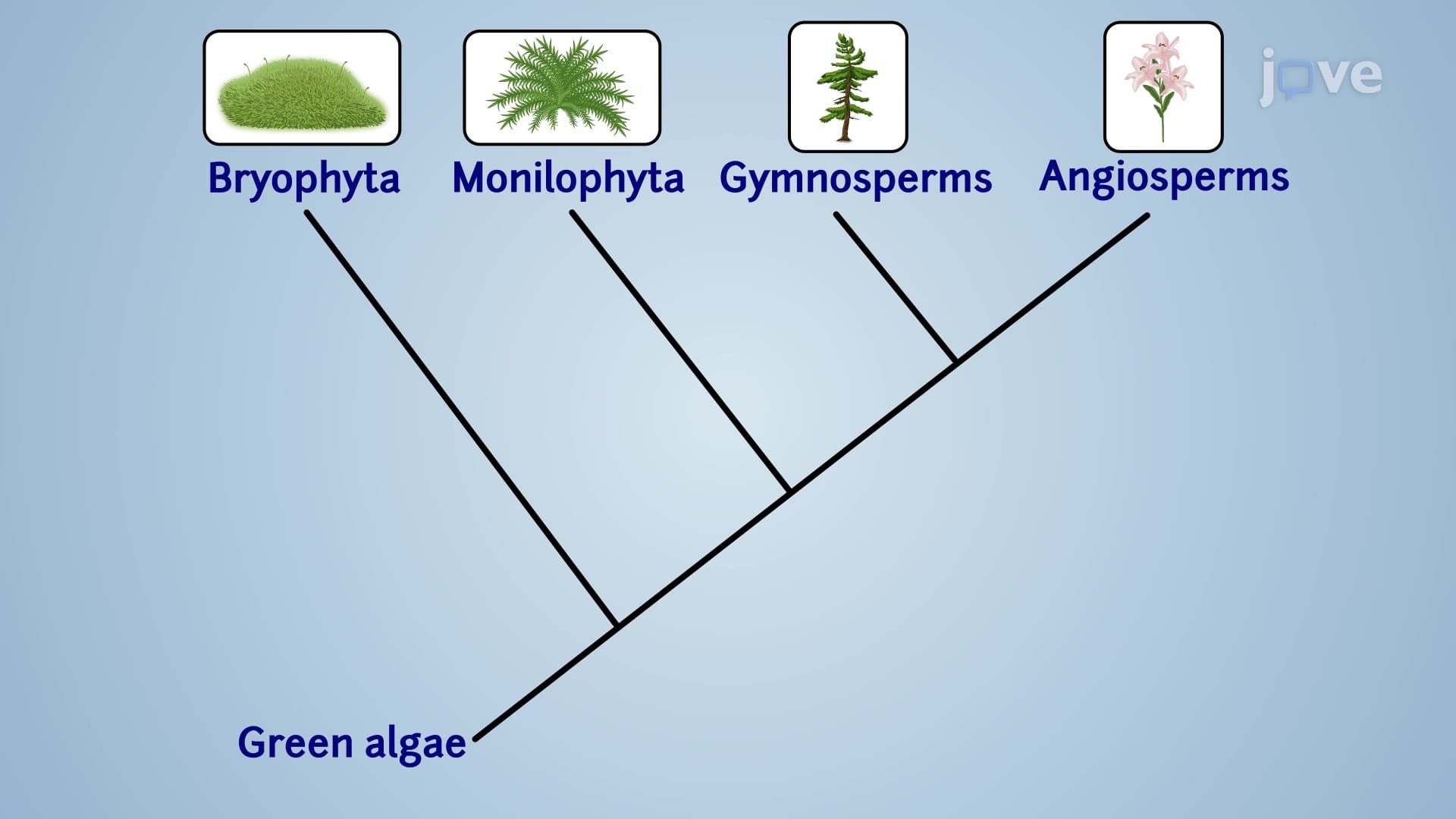
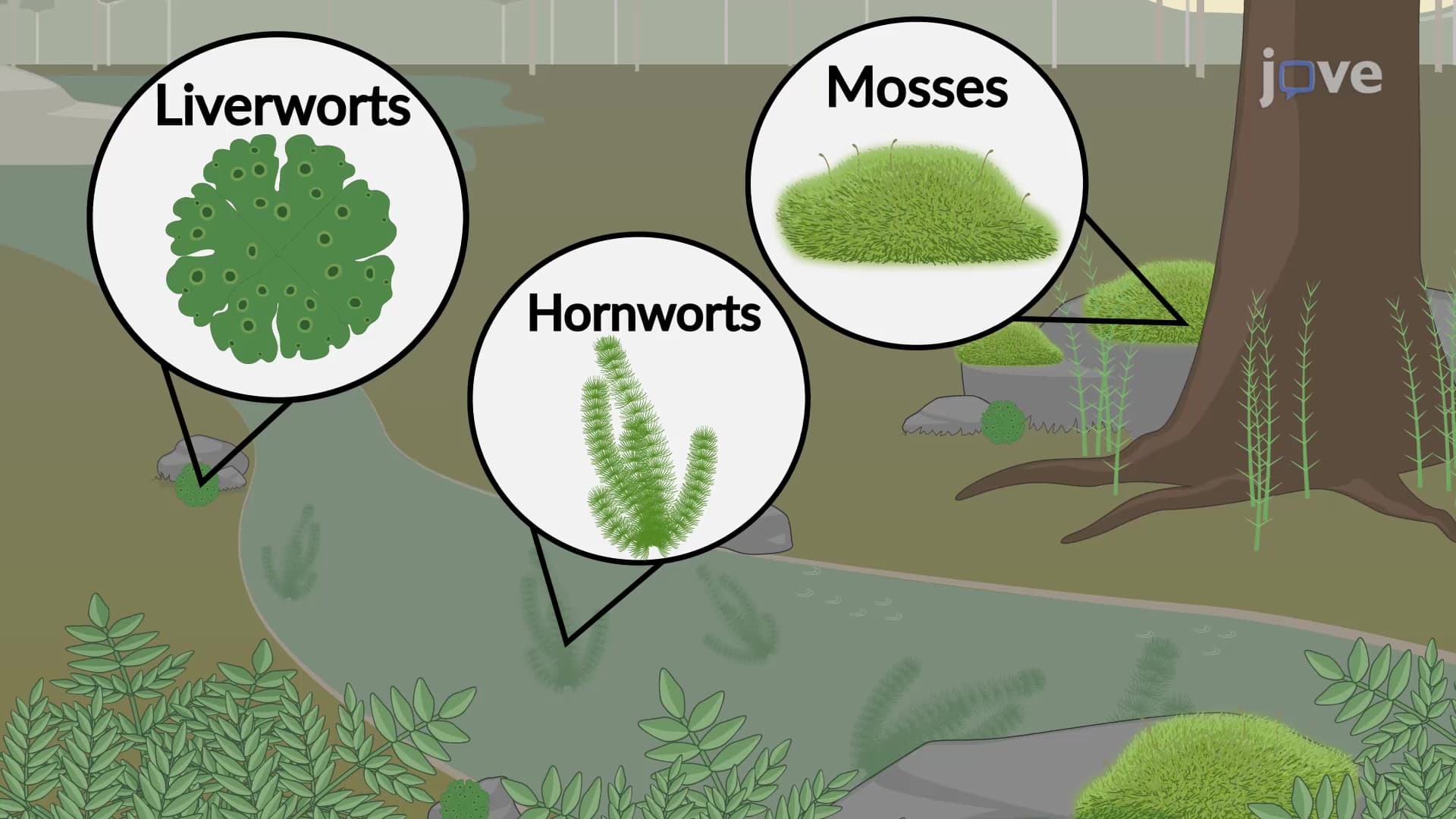
Seedless vascular plants represent a crucial evolutionary stepping stone in plant biology, marking the transition from small, ground-hugging organisms to the towering plants we see today. These remarkable organisms developed the first specialized vascular systems-networks of tubes that transport water, nutrients, and organic compounds throughout the plant body. This innovation allowed them to break free from the size constraints that limited their nonvascular ancestors.
The seedless vascular plant lineage divides into two primary groups that students encounter in AP Biology and college botany courses. Lycophytes include clubmosses, spikemosses, and quillworts-none of which are true mosses despite their common names. These plants are often found in the understory of American forests, particularly in the Pacific Northwest and southeastern states. Monilophytes encompass the more familiar ferns, along with horsetails and whisk ferns. The Boston fern (Nephrolepis exaltata), commonly sold in American nurseries, exemplifies this group and demonstrates the characteristic frond structure students learn to identify.
The reproductive strategy of seedless vascular plants showcases one of biology's most elegant cycles-alternation of generations. This concept frequently appears on standardized tests like the SAT Subject Test in Biology and college midterm exams. The cycle begins with spore production in structures called sori, visible as brown dots on the undersides of fern fronds. These sori contain numerous sporangia that release haploid spores when mature. Unlike the familiar seeds of flowering plants, these spores develop into independent gametophytes-small, heart-shaped structures typically found at soil level in moist environments.
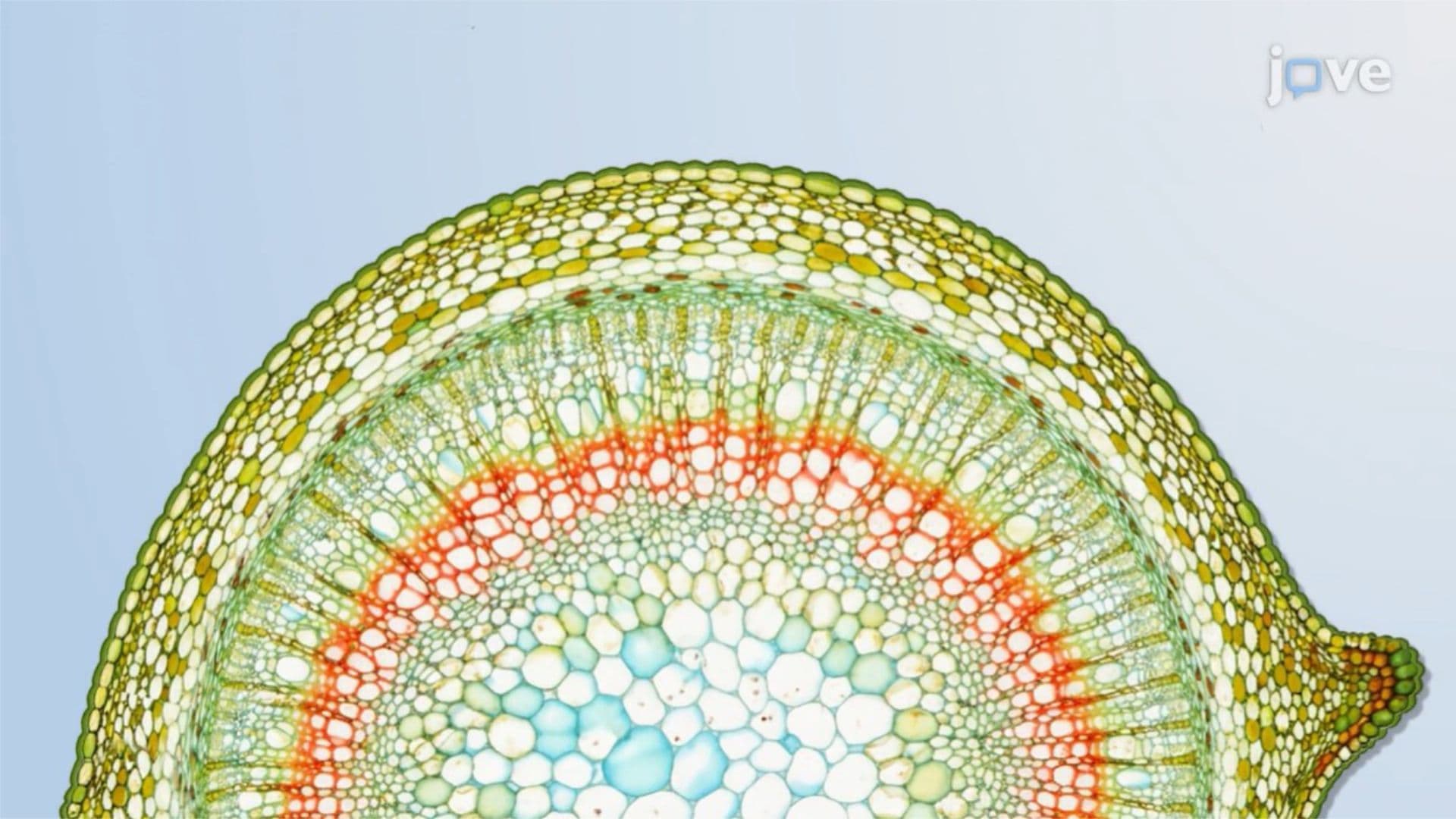
The vascular tissue that defines these plants-consisting of xylem for water transport and phloem for nutrient distribution-represents a pivotal evolutionary innovation. This adaptation enabled seedless vascular plants to colonize diverse habitats across the United States, from the tropical ferns of Florida's Everglades to the hardy bracken ferns of New England forests. Their water-dependent reproduction explains why these plants remain most abundant in humid environments, making them excellent indicators of ecosystem health in American wetlands and forest understories.
Related Micro-courses