Loading video…


 21 Concepts
 852.1K views

Video Summary: What Is the Apoplast and Symplast
Ever wonder how a towering California redwood moves water from its roots to leaves 300 feet above? The answer lies in understanding the apoplast symplast transport systems that every plant uses. These two distinct pathways-what is the apoplast and symplast-work together to move water, nutrients, and chemical signals throughout plant tissues. Watch the full video on JoVE Coach to master this concept with expert-led visuals and step-by-step explanations.
The apoplast symplast concept represents one of botany's most elegant transport solutions. Plants face a fundamental challenge: moving resources efficiently from soil to distant tissues without an active circulatory system like animals possess. The solution involves two interconnected yet distinct pathways that handle different types of molecular traffic.
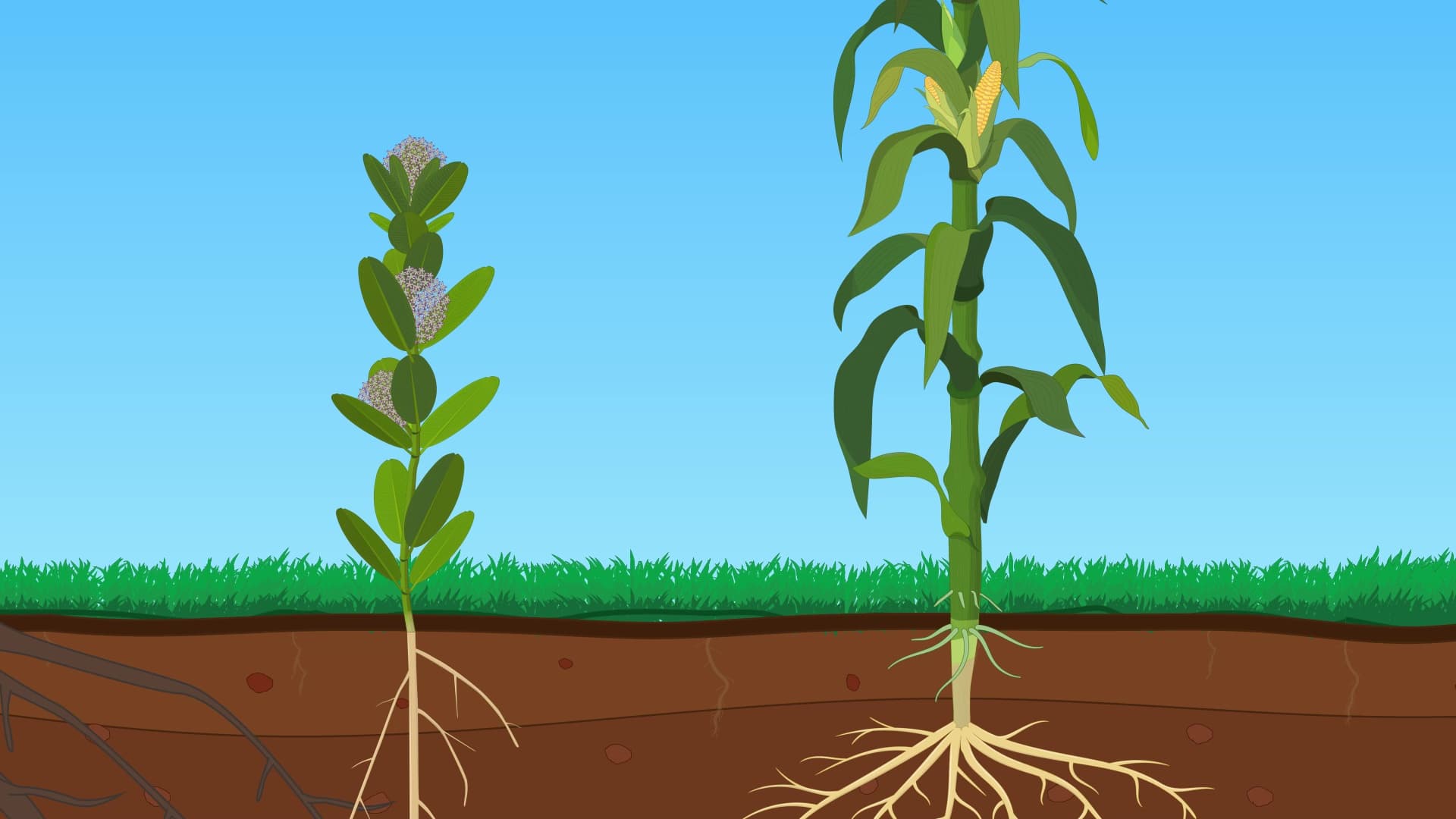
The apoplast functions like a plant's interstate highway system-a continuous network of extracellular spaces including cell walls, intercellular air spaces, and xylem vessels. This pathway allows passive transport of water, dissolved minerals, and gases without crossing cellular membranes. Think of corn plants in Iowa during drought conditions: water moves rapidly through apoplastic spaces to reach thirsty leaves.
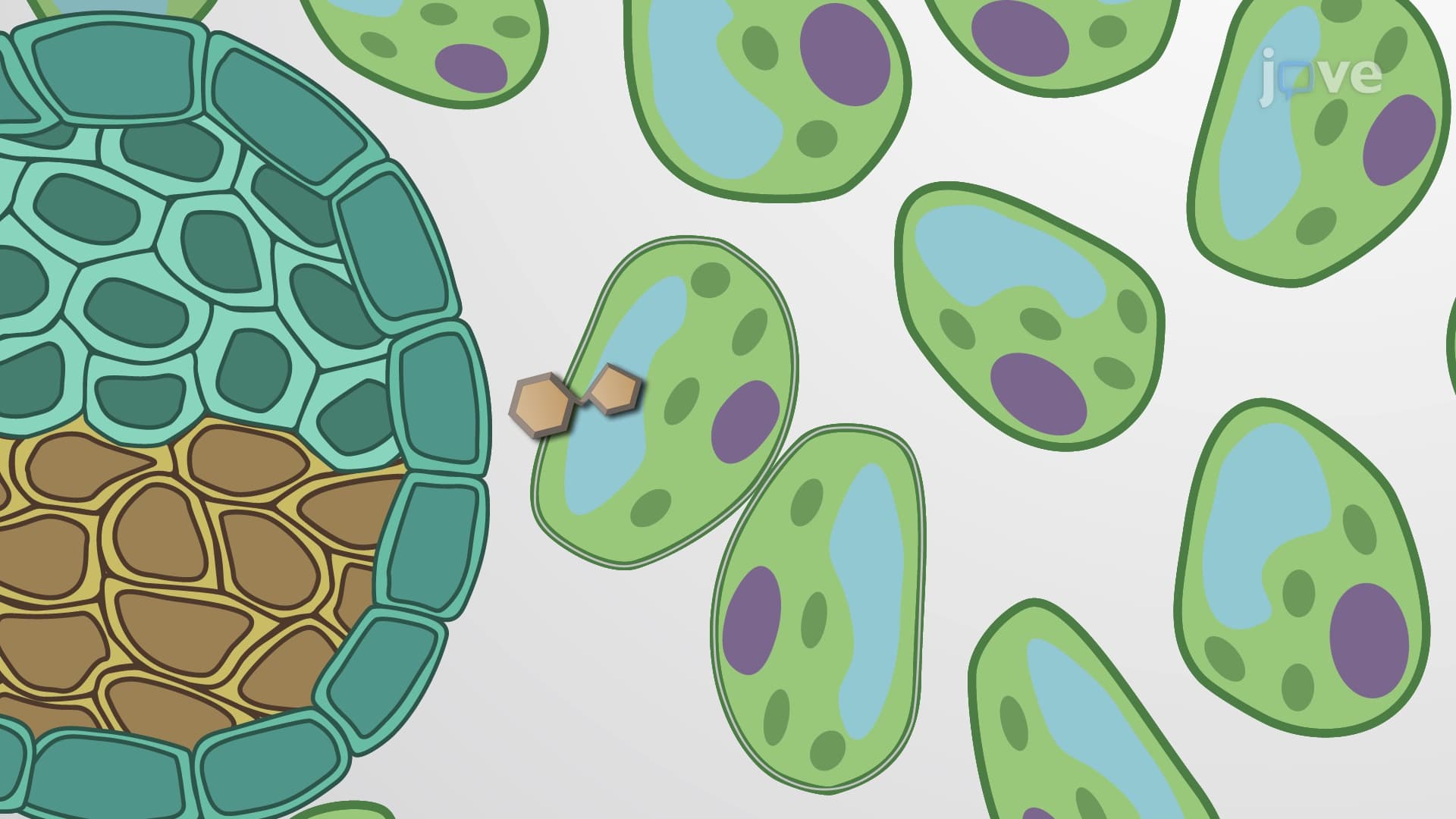
The apoplast also serves critical defensive functions. When harmful chemicals enter through roots, specialized cells can secrete binding molecules into apoplastic spaces, effectively trapping toxins before they damage living tissue. This process is particularly important for crop plants like soybeans exposed to herbicides or industrial pollutants.
In contrast, the symplast resembles a sophisticated telecommunications network. This system consists of interconnected cytoplasm linking neighboring cells through plasmodesmata-microscopic channels that pierce cell walls. Unlike the apoplast's passive transport, symplastic movement often involves active cellular processes.
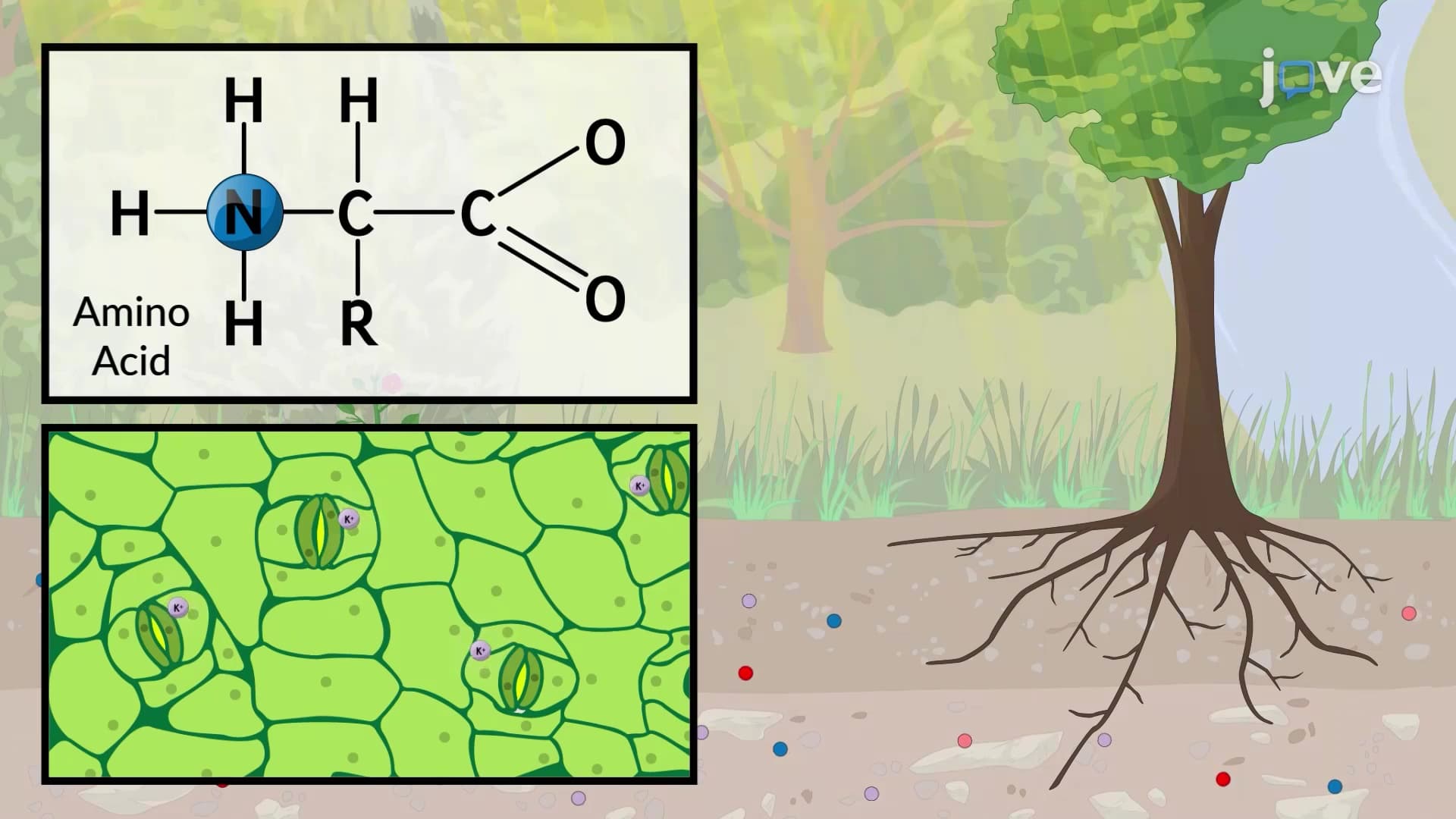
The symplast excels at transporting signaling molecules. For instance, when a tomato plant in California's Central Valley faces water stress, stress hormones like abscisic acid travel through symplastic pathways to coordinate drought responses across the entire plant. Similarly, cytokinins promoting cell division and small regulatory RNAs controlling gene expression move efficiently through this cellular highway.
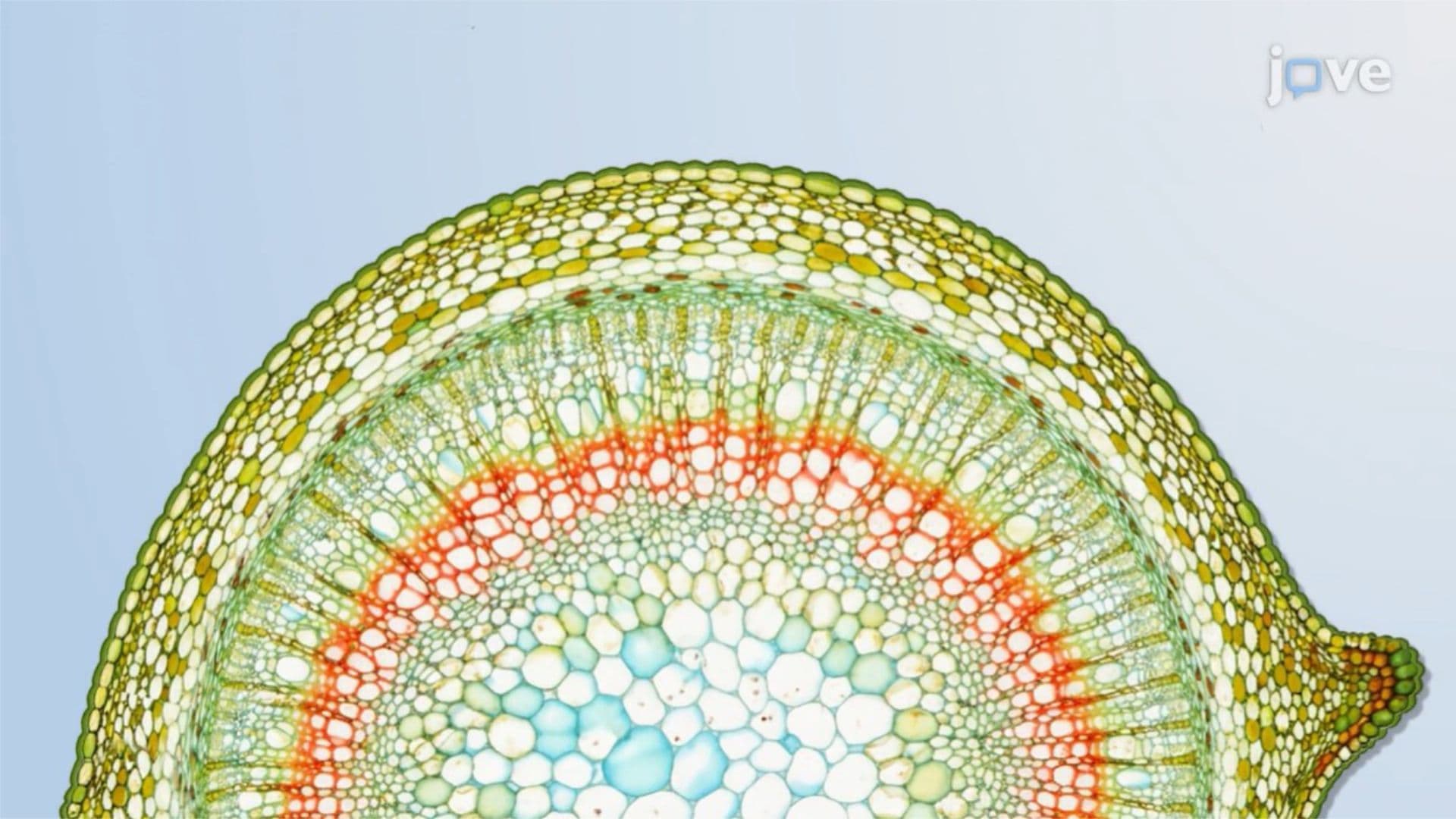
These pathways don't operate independently. The Casparian strip in root endodermal cells creates a crucial checkpoint where materials must transition from apoplastic to symplastic transport. This selective barrier ensures plants control which substances reach their vascular systems-essential for both nutrition and defense.
Understanding these concepts proves valuable for AP Biology exams, college botany courses, and the MCAT, where transport mechanisms frequently appear in plant physiology questions.
Related Micro-courses