Loading video…


 21 Concepts
 852.1K views

Video Summary: What Is Water and Mineral Acquisition
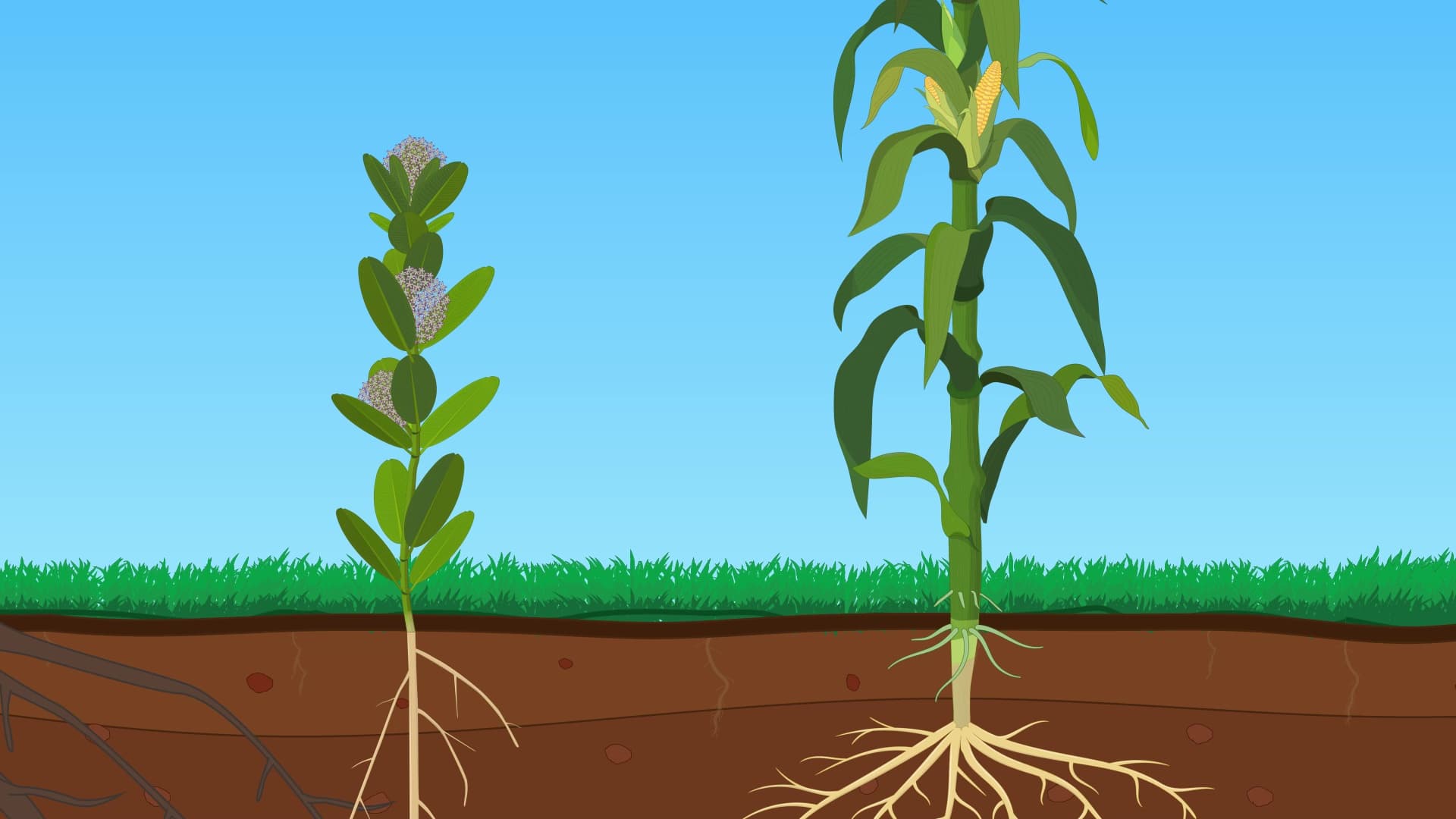
Did you know that a single corn plant can absorb over 50 gallons of water during its growing season? Water mineral acquisition is the fundamental process by which plants obtain the water and essential nutrients they need to survive and thrive. Through specialized root structures and biochemical processes, plants like the towering redwoods in California's national parks efficiently extract water and minerals from soil to support photosynthesis, growth, and reproduction. What is Water And Mineral Acquisition involves complex cellular mechanisms that ensure plants get the resources they need while filtering out harmful substances. Watch the full video on JoVE Coach to master this concept with expert-led visuals and step-by-step explanations.
Water and mineral acquisition represents one of the most sophisticated biological processes in the plant kingdom. Plants face the constant challenge of extracting sufficient water and nutrients from soil while maintaining selective control over what enters their vascular systems. This process becomes even more critical when considering that water comprises over 80% of most plant tissue and serves as the medium for virtually all cellular processes.
The significance of this process extends far beyond basic survival. In agricultural contexts across the United States, understanding water and mineral acquisition helps farmers optimize crop yields and develop drought-resistant varieties. Students preparing for AP Biology exams frequently encounter questions about these mechanisms, particularly focusing on the relationship between structure and function in plant transport systems.
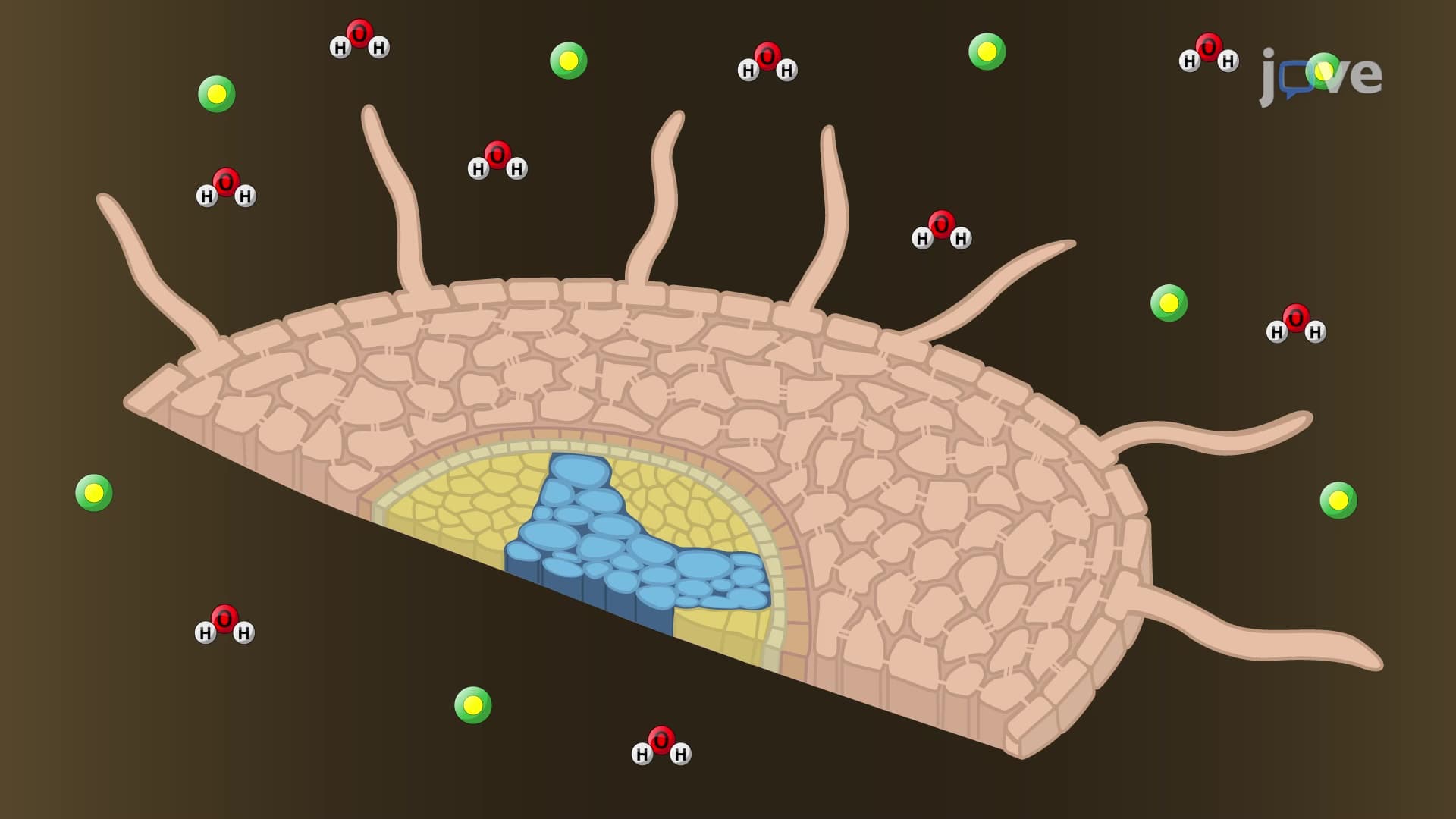
The efficiency of water and mineral acquisition depends heavily on root system design and specialized cellular structures. Root hairs, microscopic extensions of epidermal cells, dramatically increase the surface area available for absorption. These structures can be so numerous that a single rye plant may have over 14 billion root hairs, creating an absorption network spanning hundreds of square meters.
This architectural specialization directly relates to questions commonly found on college biology midterms and standardized tests. Students studying for the MCAT often need to understand how surface area modifications enhance absorption efficiency, connecting this concept to similar adaptations in human physiology, such as intestinal villi.
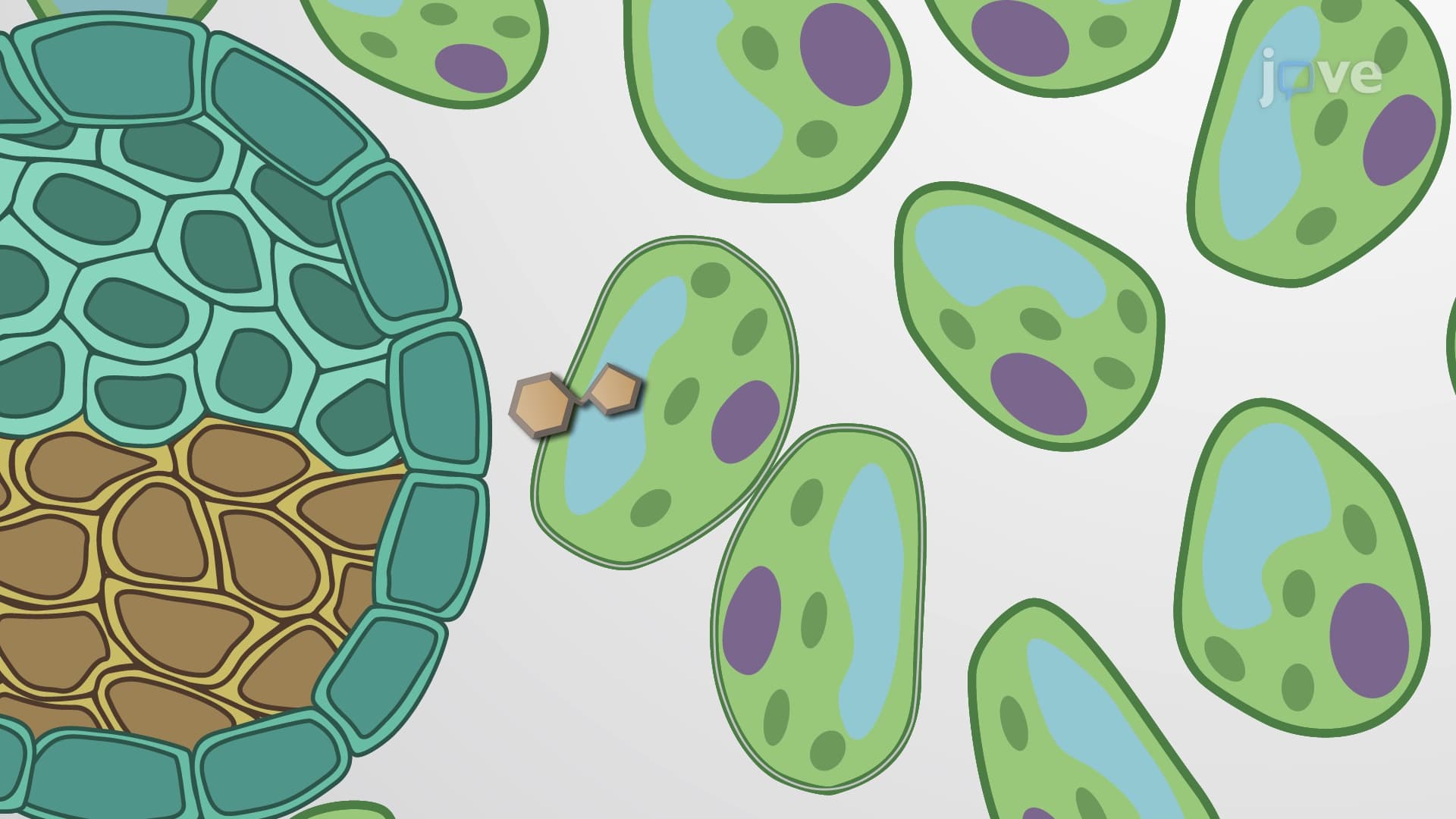
The biochemical aspect of water mineral acquisition involves sophisticated chemical processes that make nutrients available in soil solutions. When plant roots release hydrogen ions and carbon dioxide, they trigger cation exchange reactions that liberate essential minerals like potassium, calcium, and magnesium from soil particles. This process exemplifies how plants actively modify their environment to enhance nutrient availability.
Understanding cation exchange proves essential for students pursuing agricultural science or environmental studies at universities like UC Davis or Cornell. This concept frequently appears in soil science courses and relates to broader topics in chemistry, including acid-base reactions and ion interactions.
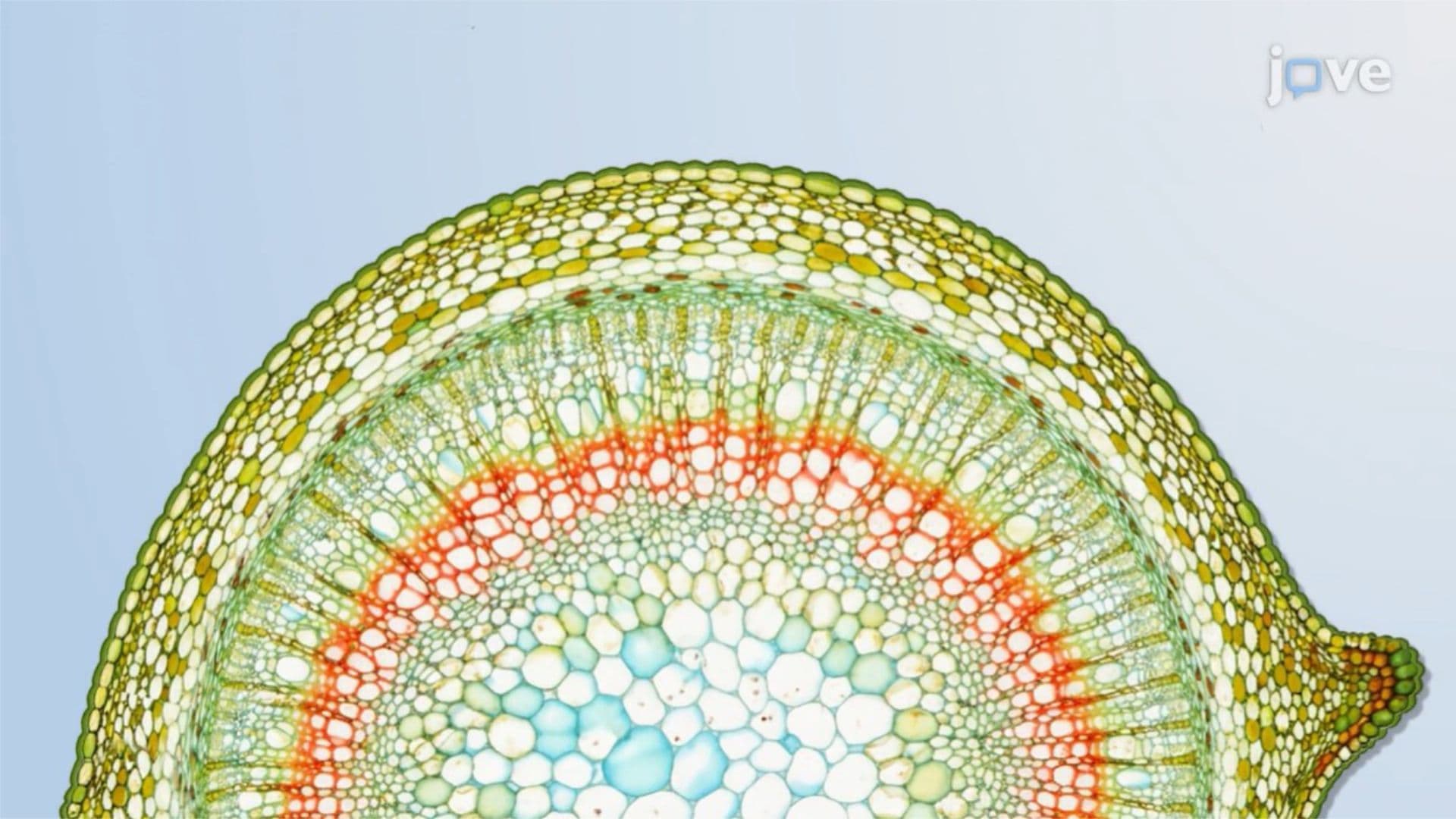
Once absorbed, water and minerals must navigate two distinct transport pathways: the apoplast (cell walls and intercellular spaces) and the symplast (living cell contents). The presence of Casparian strips in the endodermis creates a critical checkpoint where all materials must cross a living cell membrane before entering the plant's vascular system. This selective barrier protects plants from potentially harmful substances while ensuring essential nutrients reach their destinations.
This selective transport mechanism connects to broader principles of membrane biology that appear throughout biology curricula, from high school AP courses to undergraduate cell biology. Students often encounter related questions on exams requiring them to predict how various substances would move through these pathways.
Related Micro-courses