Loading subject page…


852,104 views


Video Summary: Xylem and Transpiration Driven Transport Explained
Ever wonder how a towering California redwood moves water 350 feet from its roots to its crown? Xylem transpiration driven transport creates a powerful suction system that defies gravity, pulling water and nutrients through specialized plant tissues. This remarkable process enables massive sequoias in Yosemite National Park to transport hundreds of gallons daily from soil to sky. Understanding Xylem And Transpiration Driven Transport Explained reveals nature's ingenious hydraulic engineering system. Watch the full video on JoVE Coach to master this concept with expert-led visuals and step-by-step explanations.
Plant water transport represents one of biology's most elegant engineering solutions. Unlike animals with active pumping hearts, plants rely entirely on physical forces to move water from roots to leaves. This xylem transpiration driven transport system operates through a combination of root pressure, capillary action, and most importantly, transpiration-induced tension.
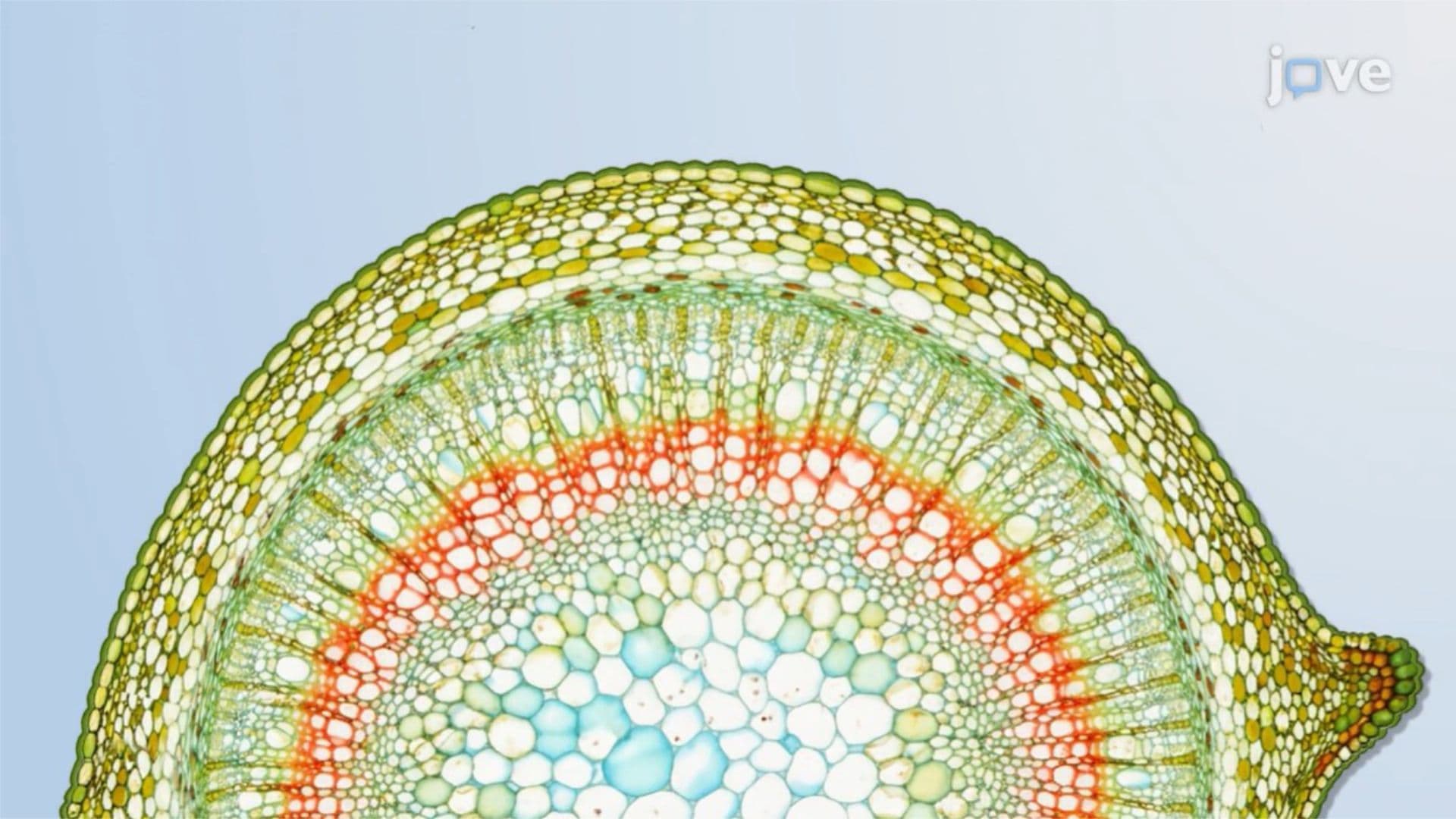
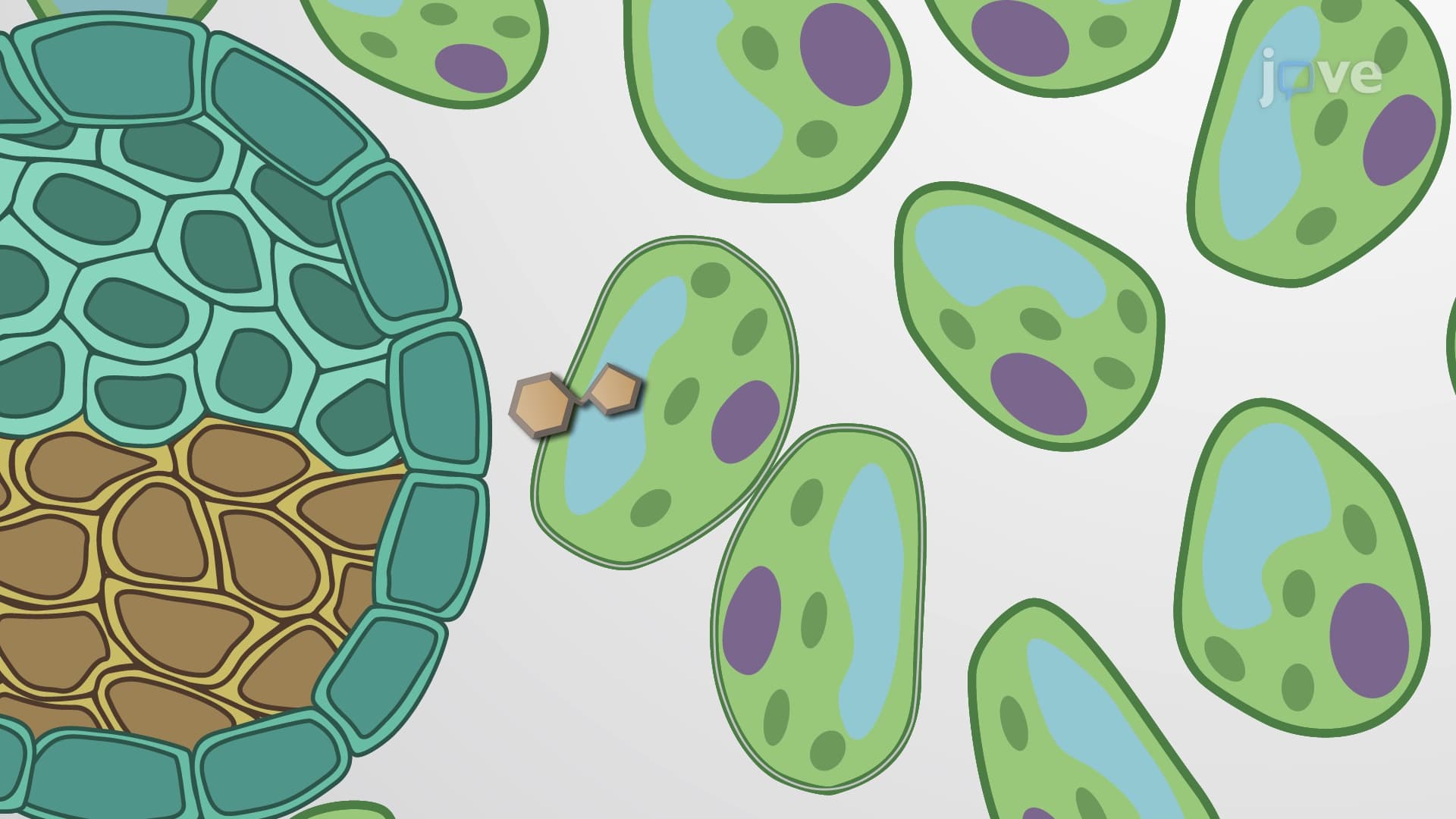
The xylem tissue functions as plant plumbing, consisting of two primary cell types: tracheids and vessel elements. These specialized cells undergo programmed cell death, leaving behind hollow, lignin-reinforced tubes. Lignin, the same compound that makes wood strong, prevents these transport vessels from collapsing under negative pressure. In angiosperms (flowering plants), vessel elements create continuous tubes called vessels, while gymnosperms rely on overlapping tracheids with bordered pits for water movement.
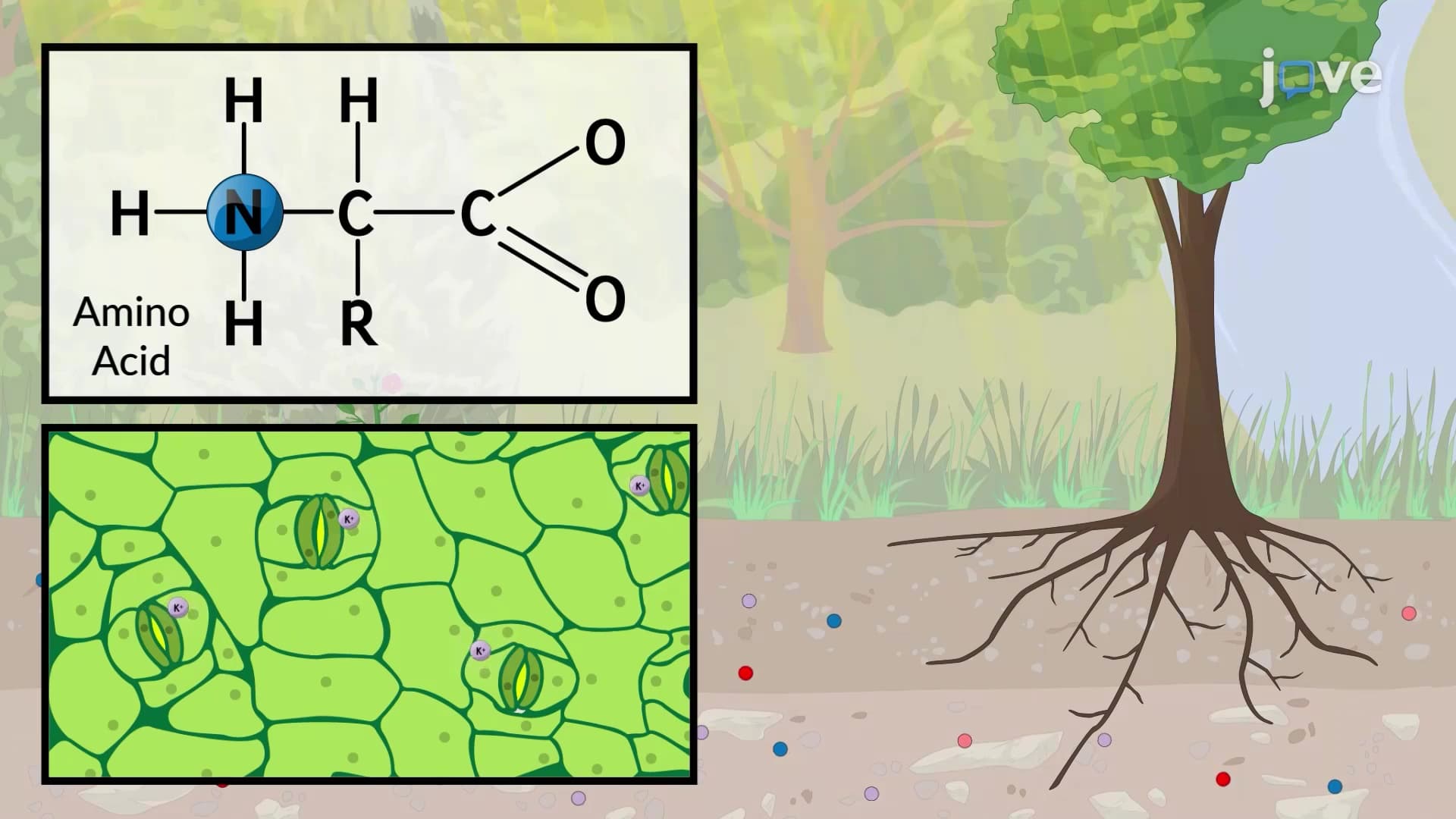
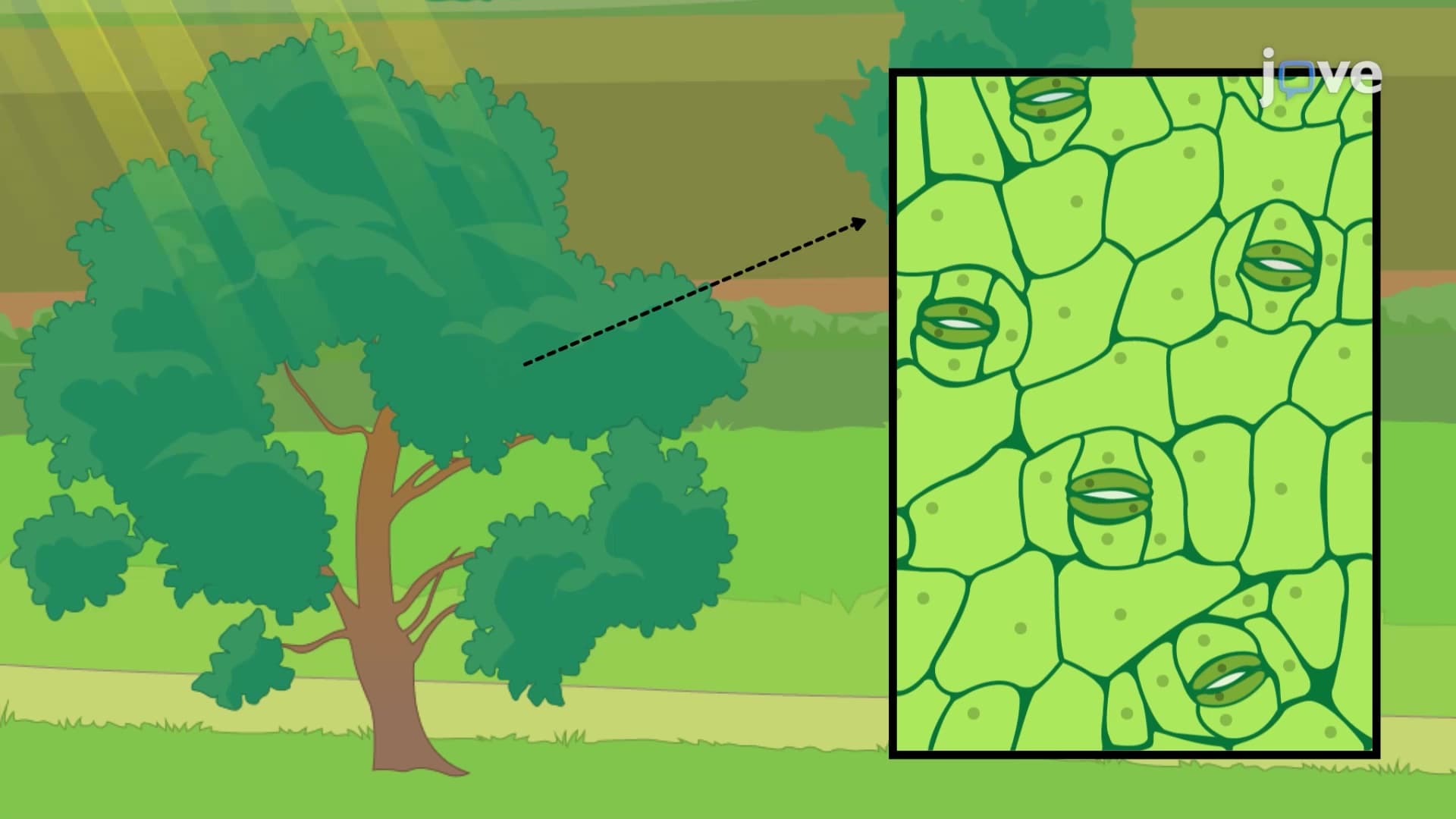
Transpiration drives approximately 90% of water movement in plants. When stomata open for gas exchange during photosynthesis, water vapor escapes from leaf air spaces to the drier atmosphere. This water loss creates tension (negative pressure) in leaf cells, which propagates through the plant's vascular system. The cohesion-tension theory explains how water molecules, linked by hydrogen bonds, form continuous columns that can be "pulled" upward without breaking.
This concept appears frequently on AP Biology exams, particularly in questions about plant structure and function. MCAT test-takers encounter xylem transport in biological systems passages. College botany and plant physiology courses extensively cover this topic, often requiring students to calculate transpiration rates or explain how environmental stressors affect water transport.
Understanding xylem transport helps explain agricultural phenomena like wilting during drought, the effectiveness of drip irrigation, and why cutting flowers need fresh water. Forest management professionals use transpiration data to predict fire risks, while agricultural scientists develop drought-resistant crops by studying water transport efficiency.
Related Micro-courses