Loading subject page…

284,300 views

Video Summary: What Is Distribution and Dispersion
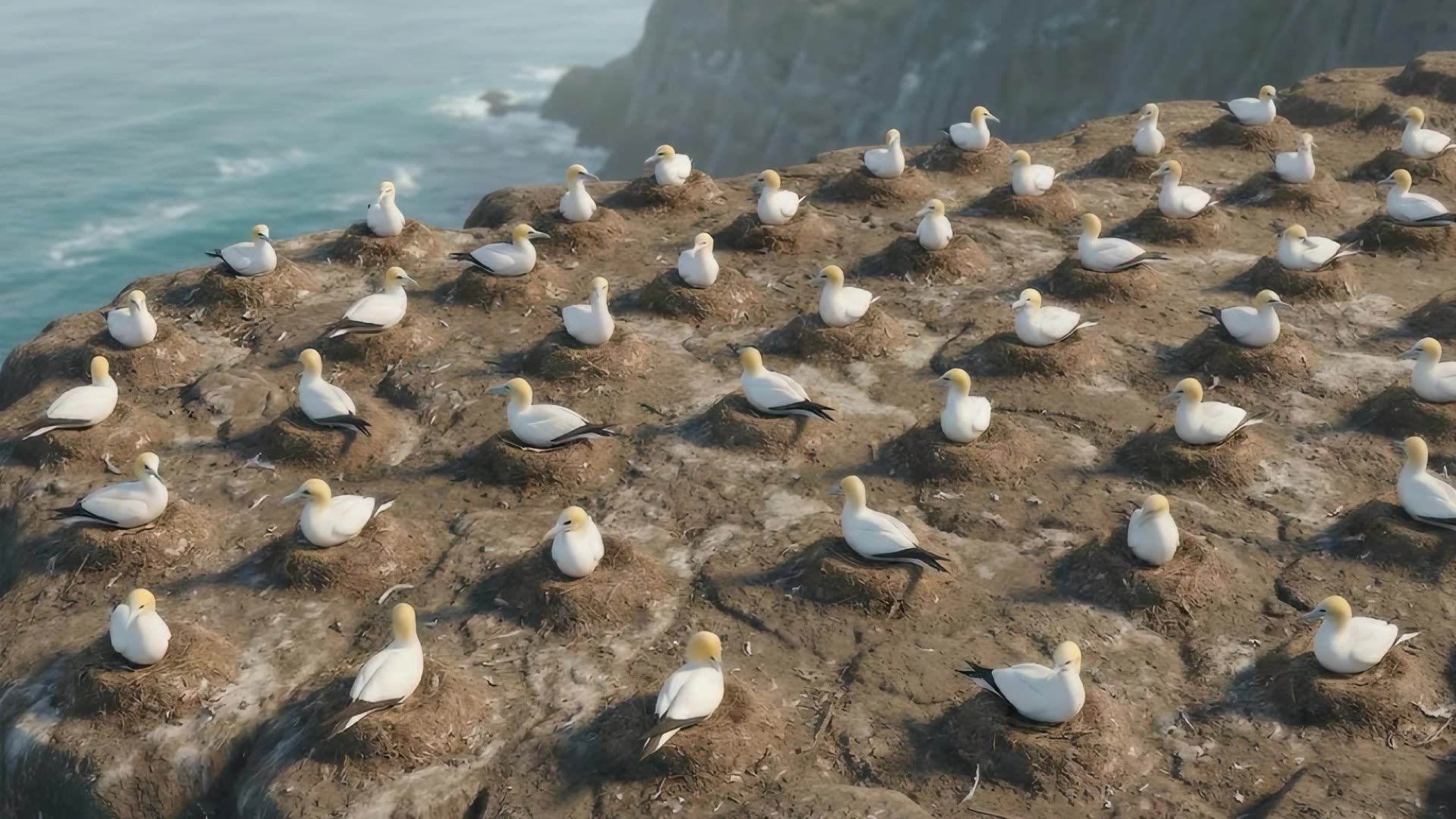
Ever wonder why prairie dogs live in clustered "towns" while desert cacti seem randomly scattered across the landscape? Distribution and dispersion patterns reveal how species organize themselves across their habitats, from the uniform territories of nesting seabirds along California's coastline to the clumped communities of wolves in Yellowstone National Park. Understanding What is Distribution And Dispersion helps ecologists predict animal behavior, manage wildlife populations, and assess ecosystem health. Watch the full video on JoVE Coach to master this concept with expert-led visuals and step-by-step explanations.
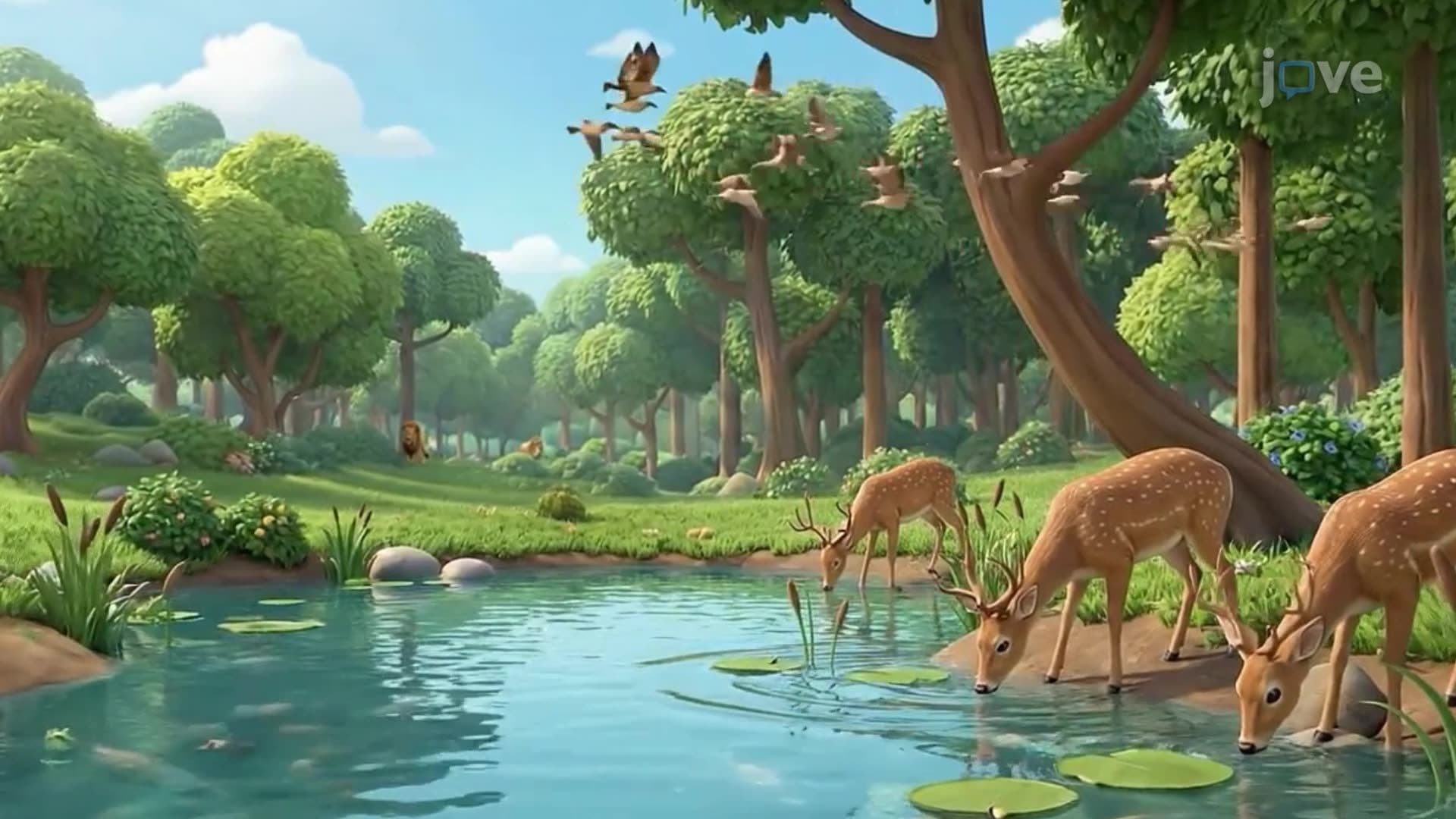
What is Distribution And Dispersion represents two interconnected concepts that form the foundation of population ecology. Distribution refers to the entire geographic range where a species exists, while dispersion describes how individuals are spaced within that range. These patterns provide crucial insights into species behavior, resource competition, and environmental adaptation strategies.
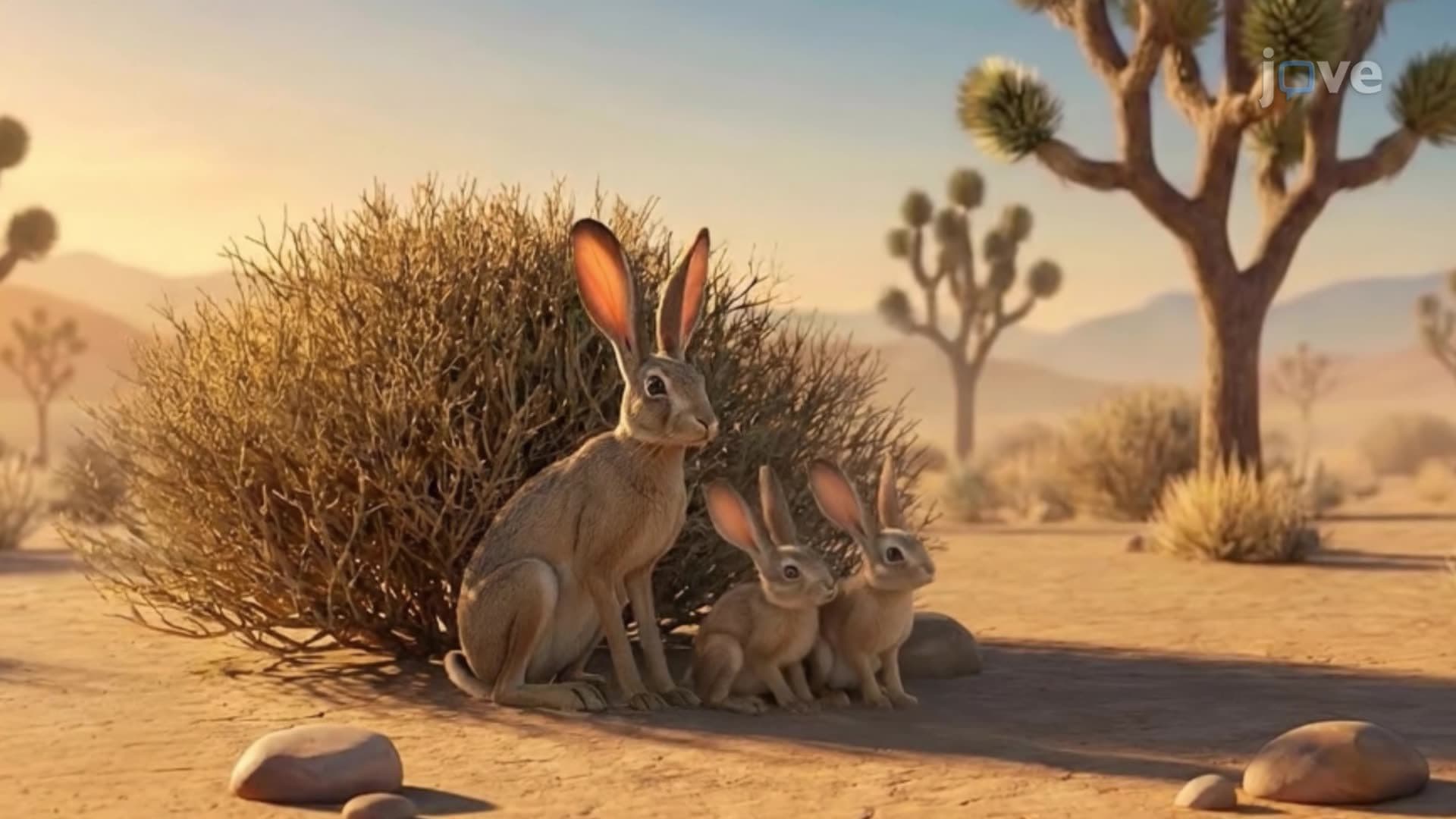
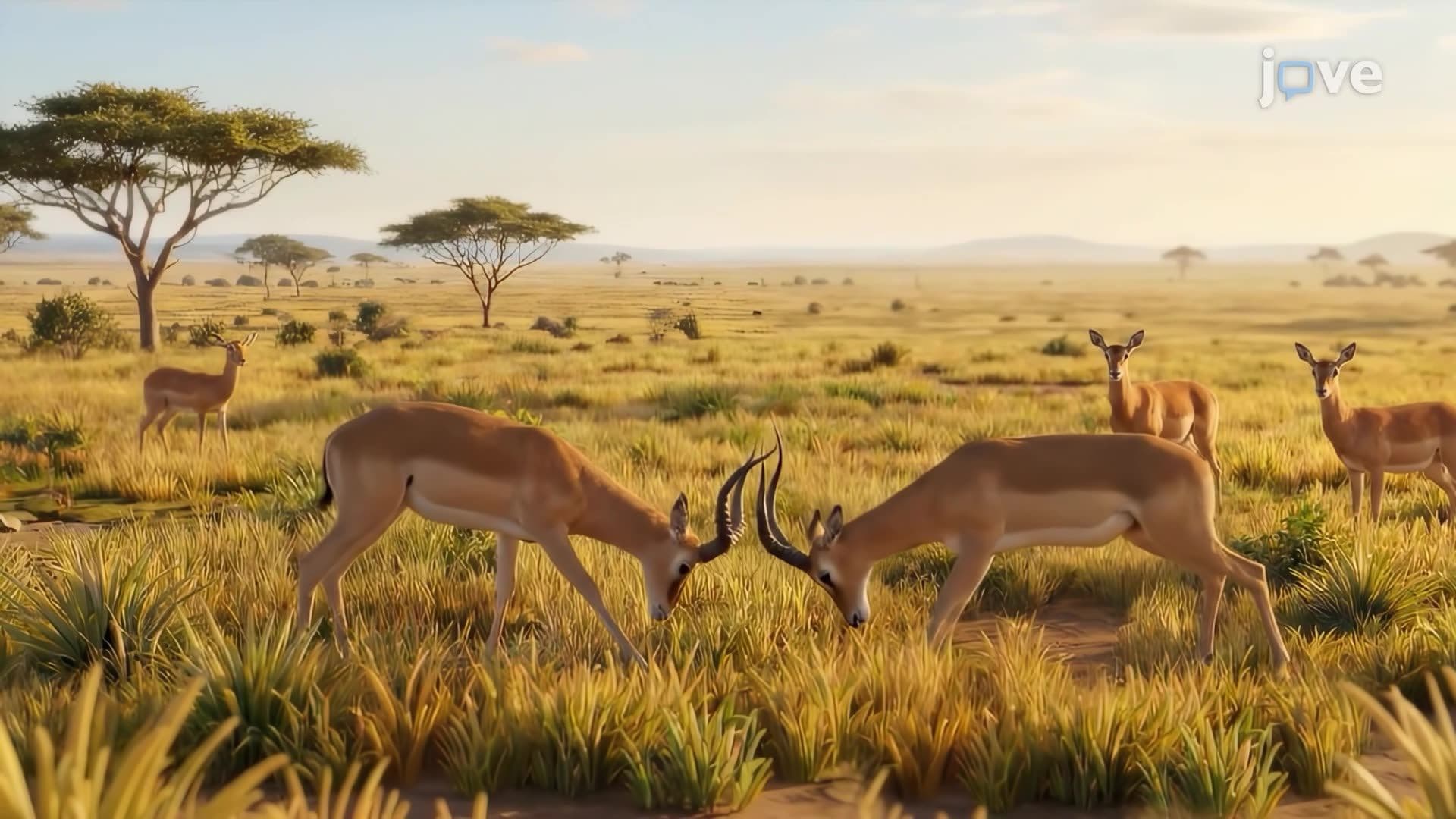
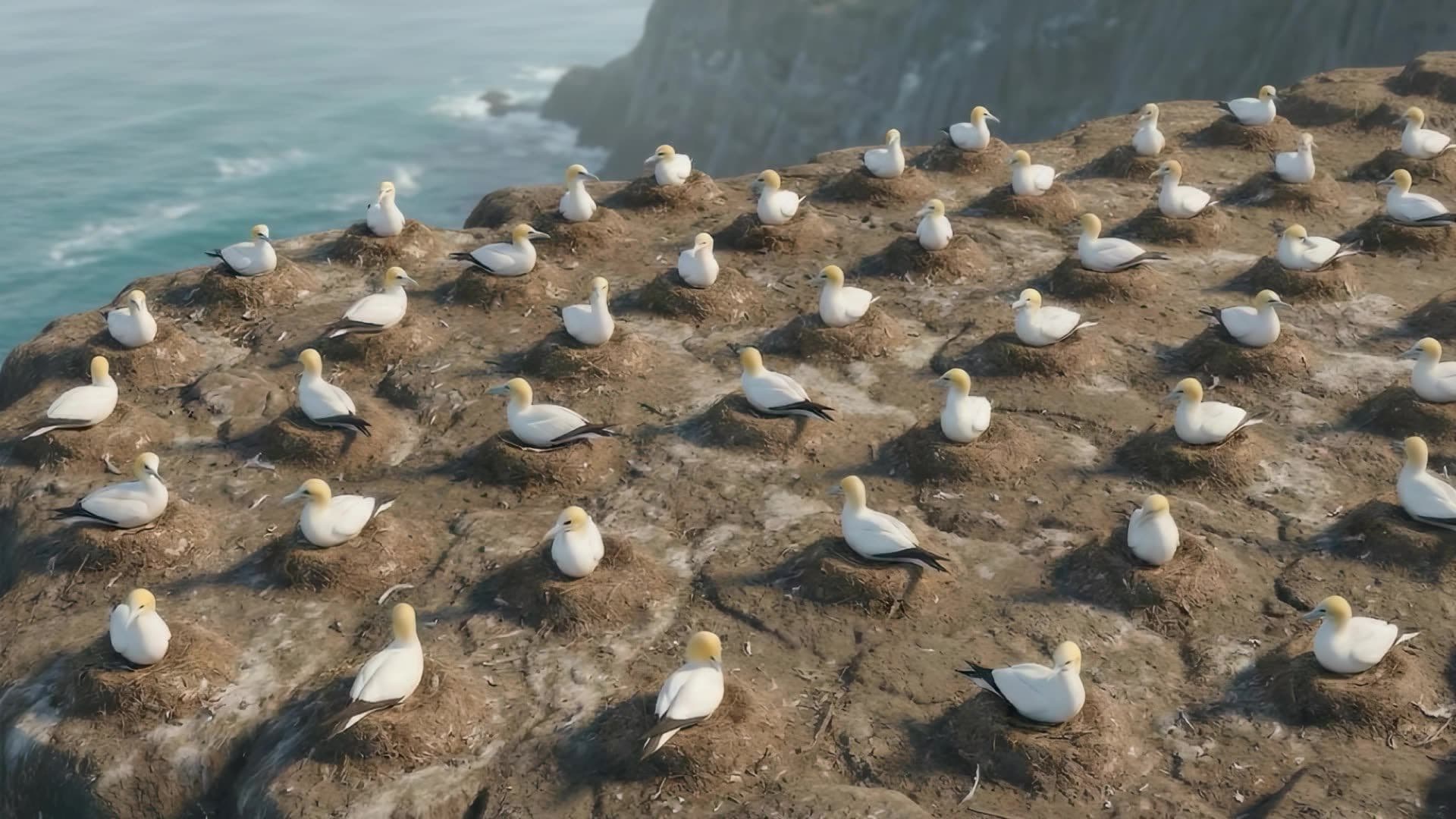
Uniform dispersion occurs when organisms maintain relatively equal spacing between individuals. This pattern typically results from territorial behavior or competition for limited resources. California sea lions establish uniform territories along rocky coastlines, with each male defending a specific area during breeding season. Similarly, desert creosote bushes in Nevada exhibit uniform spacing due to chemical inhibition of nearby competitors-a phenomenon called allelopathy.
Random dispersion represents the statistical expectation when individual placement is independent of other organisms' locations. This pattern is relatively rare in nature but can occur when resources are abundant and evenly distributed. Maple seedlings in eastern deciduous forests sometimes show random dispersion when light and nutrients are readily available throughout the habitat.
Clumped dispersion is the most common pattern in nature, where organisms aggregate in groups around favorable resources or conditions. Bison herds on the Great Plains demonstrate clumped dispersion, gathering around water sources and prime grazing areas. Similarly, mushrooms cluster around decaying logs in Pacific Northwest forests, taking advantage of concentrated nutrients.
Environmental heterogeneity plays a crucial role in shaping dispersion patterns. In Everglades National Park, alligators show clumped distribution around deeper water holes during dry seasons but disperse more randomly during wet periods when water is abundant. Climate, topography, and resource availability all contribute to these spatial arrangements.
Social behaviors also influence dispersion patterns. Wolf packs in Alaska maintain territories that create uniform dispersion at the pack level, while individual wolves within each pack show clumped dispersion for cooperative hunting and protection.
Understanding dispersion patterns helps wildlife managers make informed decisions about habitat conservation and species protection. The California condor recovery program relies heavily on distribution data to identify suitable release sites and monitor population recovery. Similarly, forest management practices consider tree dispersion patterns when planning sustainable logging operations.
For students preparing for AP Biology or college ecology courses, mastering these concepts provides essential knowledge for understanding population dynamics, community interactions, and ecosystem management principles that appear frequently on standardized tests and practical applications.
Related Micro-courses