Loading subject page…

284,300 views

Video Summary: What Is Ecological Niches
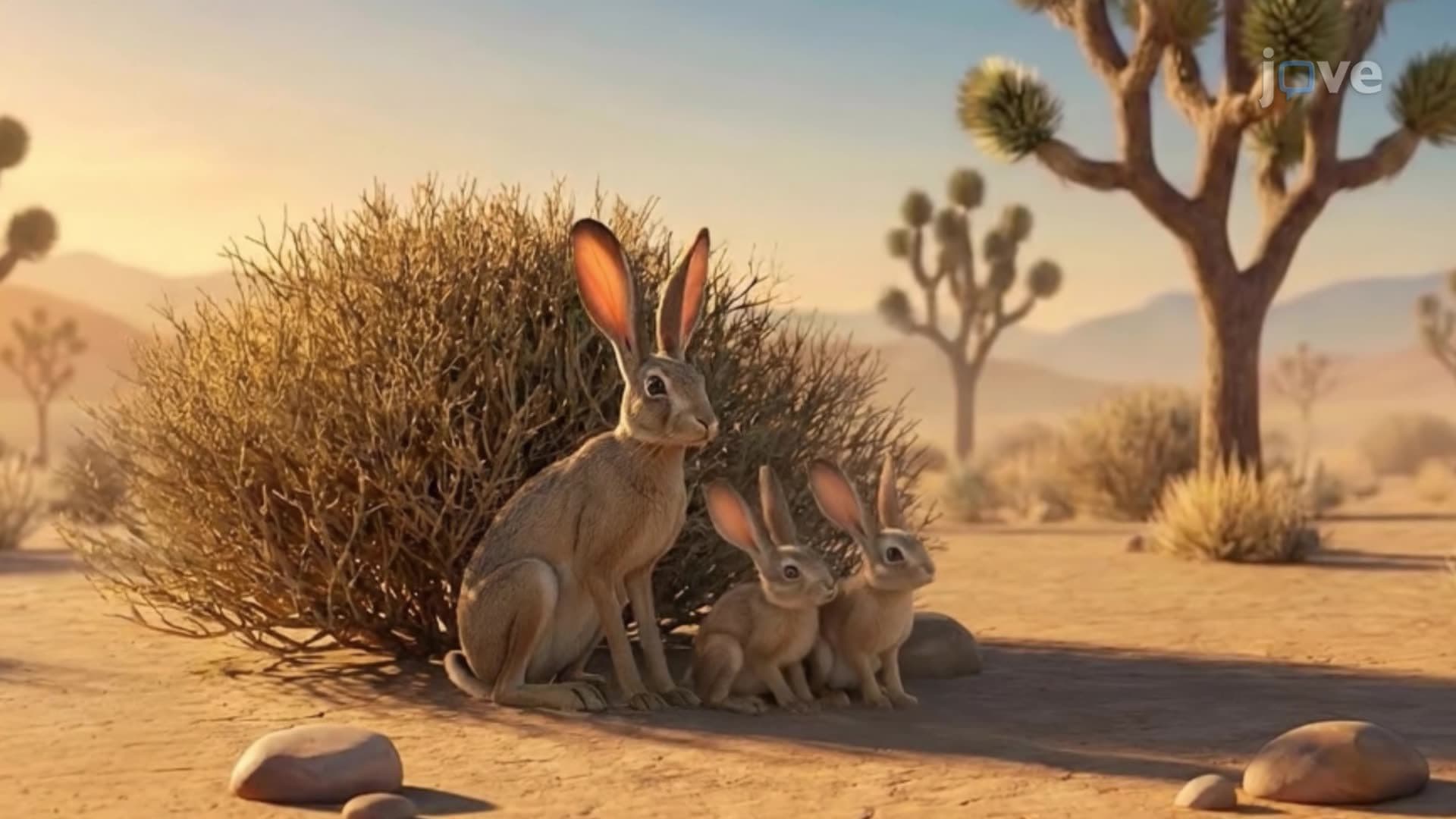
Did you know that five different warbler species can live in the same New England oak tree without directly competing? Ecological niches explain how organisms carve out unique roles in their environment, using specific combinations of living and non-living resources. From the climate preferences of desert cacti in Arizona to the feeding habits of grizzly bears in Yellowstone National Park, every species occupies its own ecological space. Watch the full video on JoVE Coach to master this concept with expert-led visuals and step-by-step explanations.
Ecological niches represent far more than just where an organism lives-they encompass the complete "job description" of a species within its ecosystem. Think of a niche as the intersection of what an organism needs, what it does, and how it interacts with everything around it. This multidimensional concept includes physical habitat requirements, food sources, reproductive patterns, and relationships with other species.
The distinction between fundamental and realized niches reveals a crucial ecological principle. A species' fundamental niche represents its full potential-all the resources and conditions it could theoretically use if no competitors existed. However, the realized niche is typically much smaller due to interspecific competition. For example, gray wolves in Yellowstone could potentially hunt across the entire park (fundamental niche), but their actual hunting territories (realized niche) are constrained by pack boundaries, prey availability, and human activity zones.
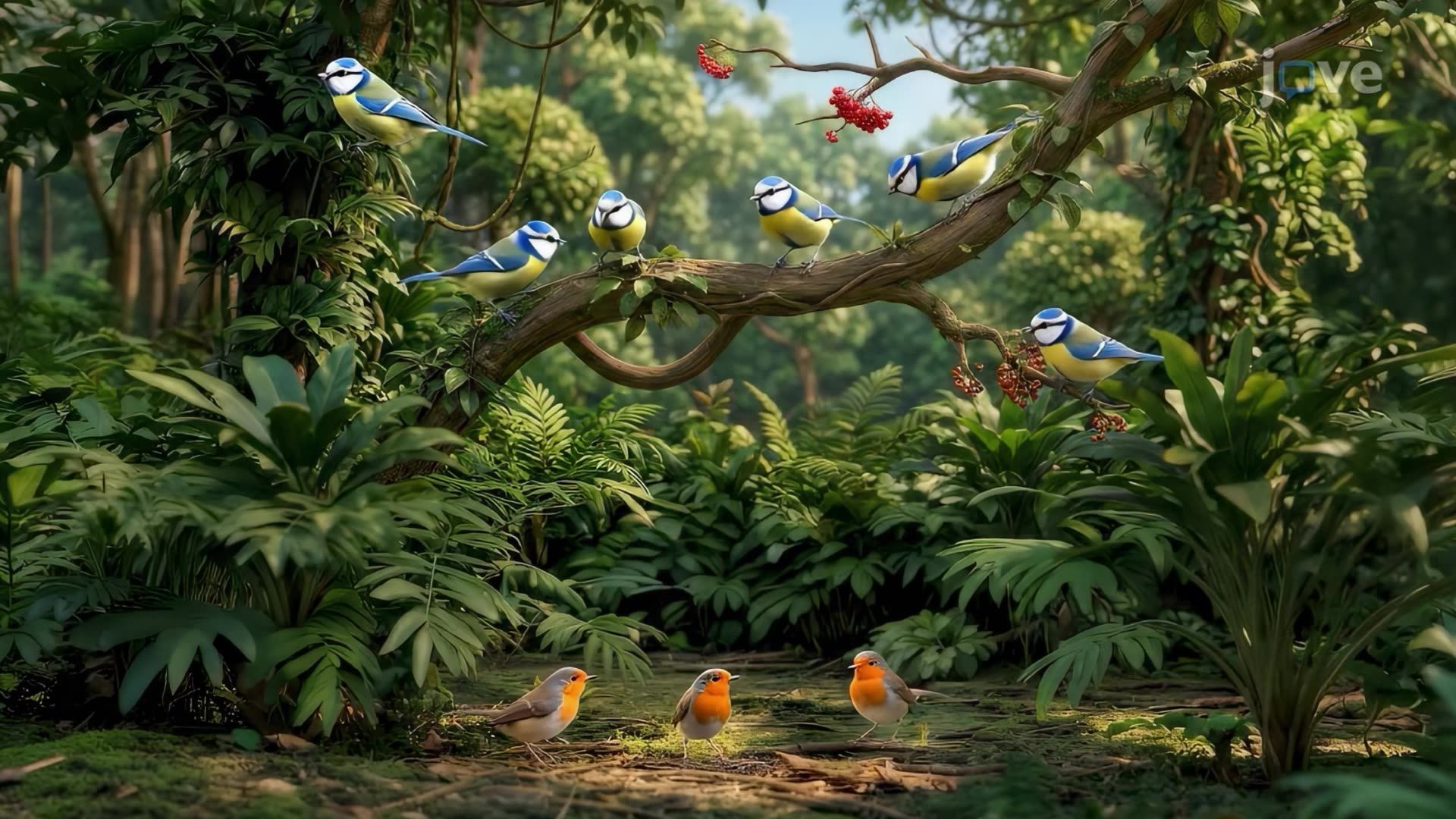
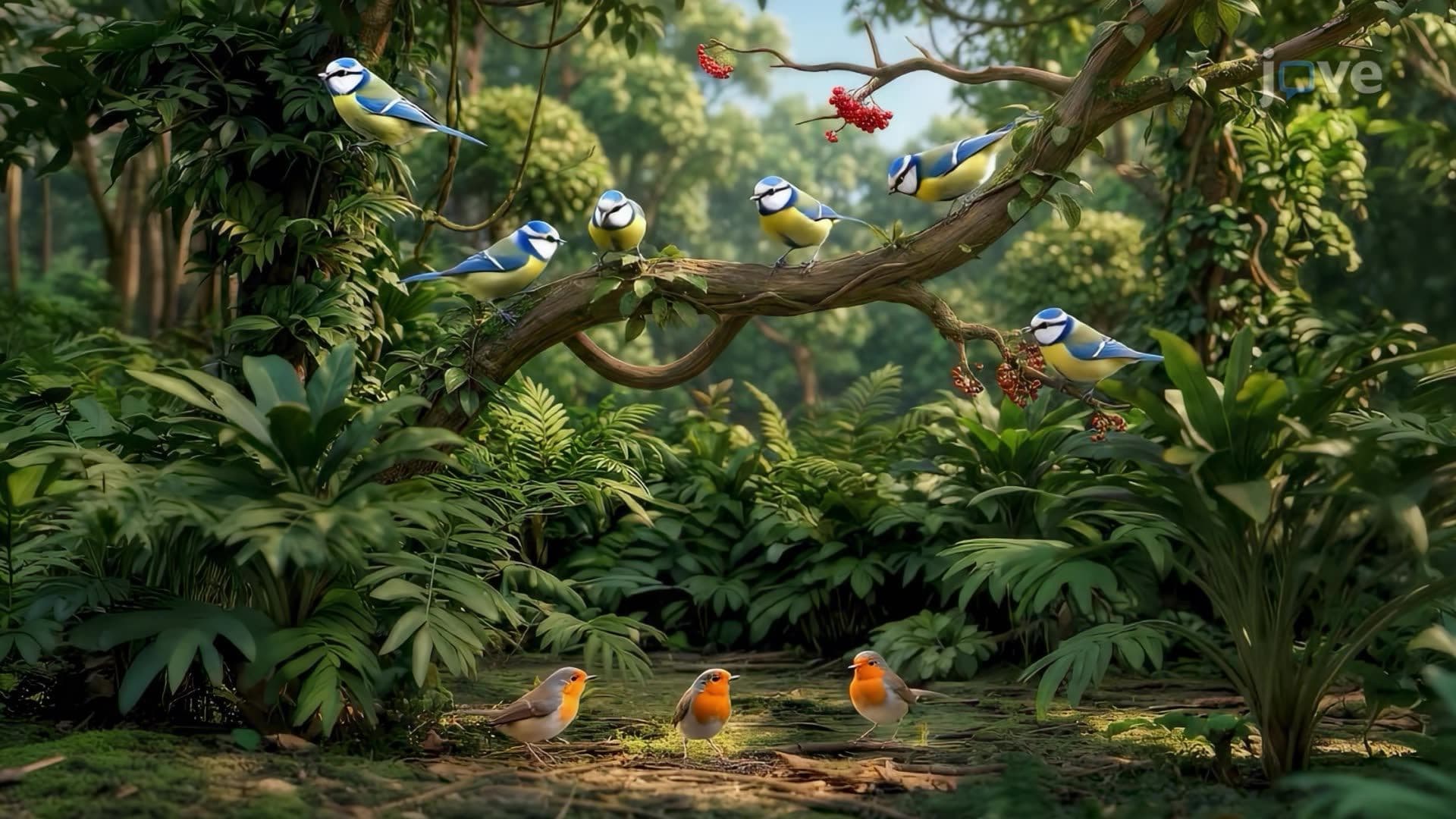
When ecologically similar species coexist, they often develop resource partitioning strategies that reduce direct competition. Robert MacArthur's classic warbler study in New England forests demonstrates this perfectly: Cape May warblers feed in the upper crown, Bay-breasted warblers prefer the middle sections, and Yellow-rumped warblers forage in the lower branches. This spatial separation allows multiple insectivorous species to share the same forest without depleting each other's food sources.
Understanding ecological niches proves essential for AP Biology students, particularly when analyzing ecosystem dynamics and species interactions. The concept frequently appears in college-level ecology courses and standardized tests like the MCAT. Conservation biologists apply niche theory when designing wildlife corridors-for instance, ensuring that Florida panther habitats include sufficient hunting territories, denning sites, and travel routes. Climate change research also heavily relies on niche modeling to predict species range shifts as environmental conditions change across North America.
Related Micro-courses