Loading subject page…

284,300 views
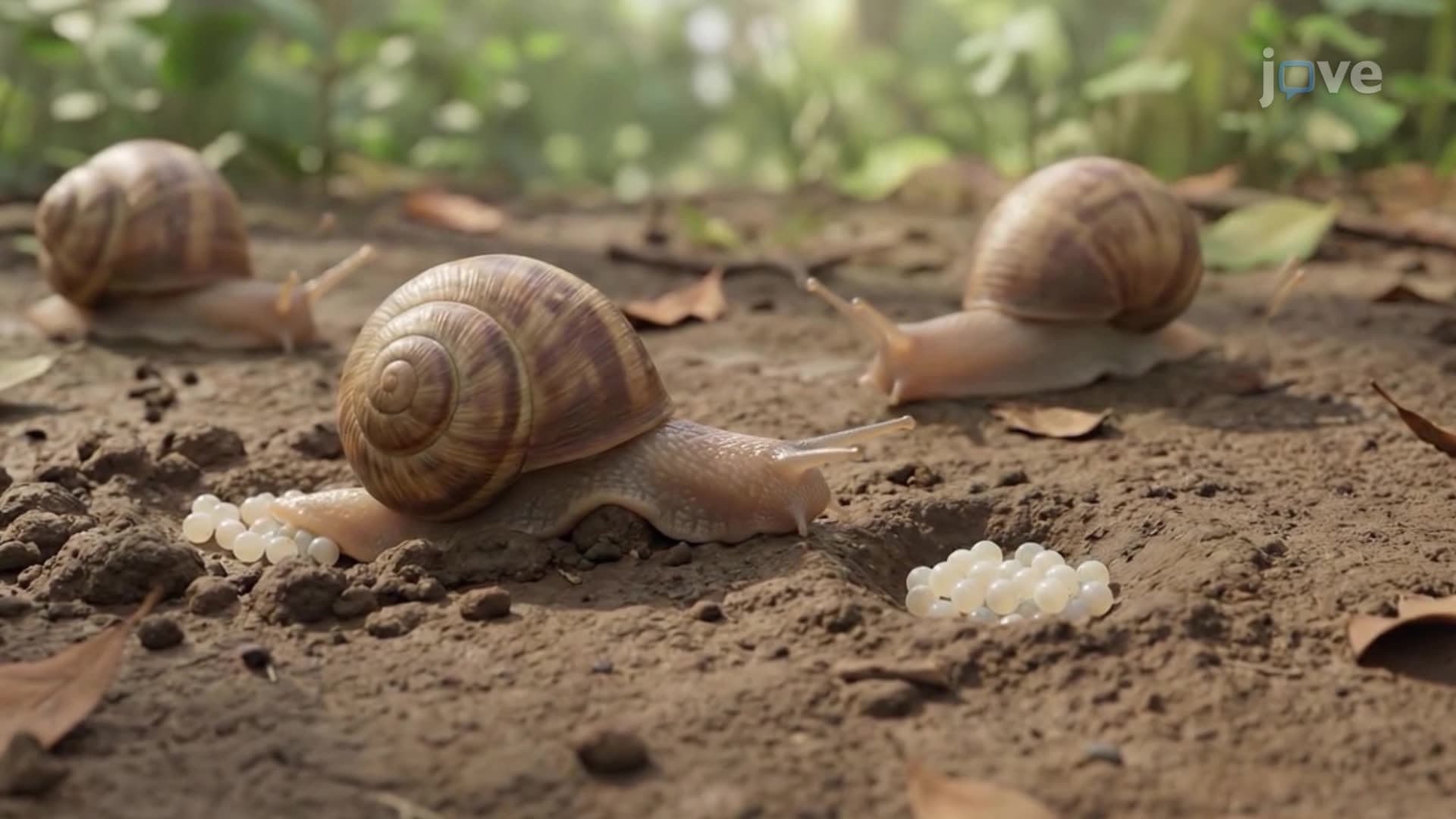

Video Summary: What Is Life Histories
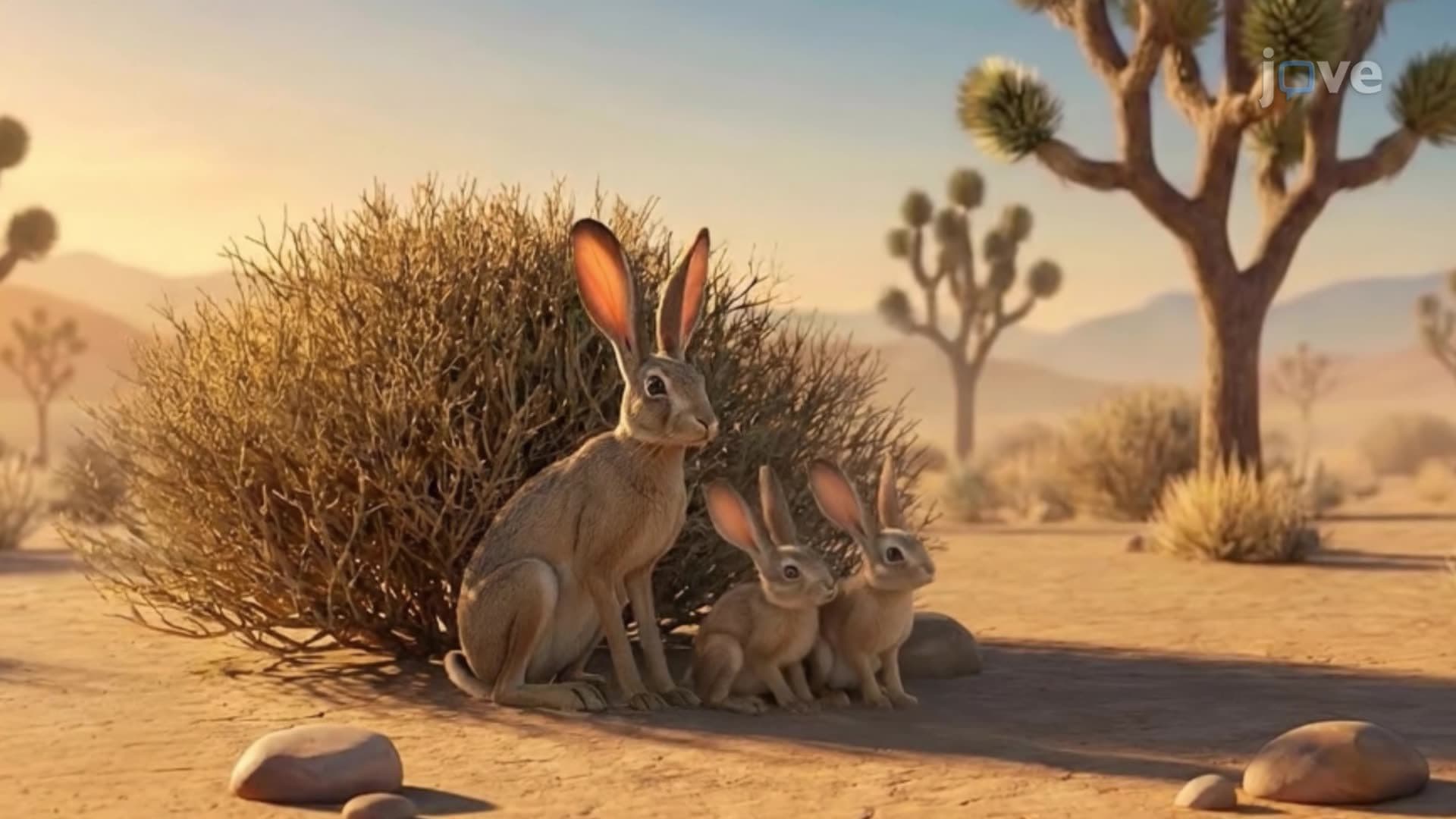
Why do California ground squirrels produce dozens of offspring while American black bears typically have just 1-3 cubs? Life histories explain these dramatic reproductive differences across species. Life histories encompass all survival and reproduction strategies that organisms use throughout their lifespans, from rapid-reproducing species like mourning doves to slow-maturing giants like American alligators. These patterns reveal how evolution shapes when organisms reproduce, how many offspring they have, and how much energy they invest in parental care. Watch the full video on JoVE Coach to master this concept with expert-led visuals and step-by-step explanations.
Life histories represent the evolved schedule of an organism's key life events, including when it reaches sexual maturity, how often it reproduces, how many offspring it produces, and how it allocates energy between growth, reproduction, and survival. These patterns aren't random-they're finely tuned evolutionary solutions to environmental challenges that have shaped species over millions of years.
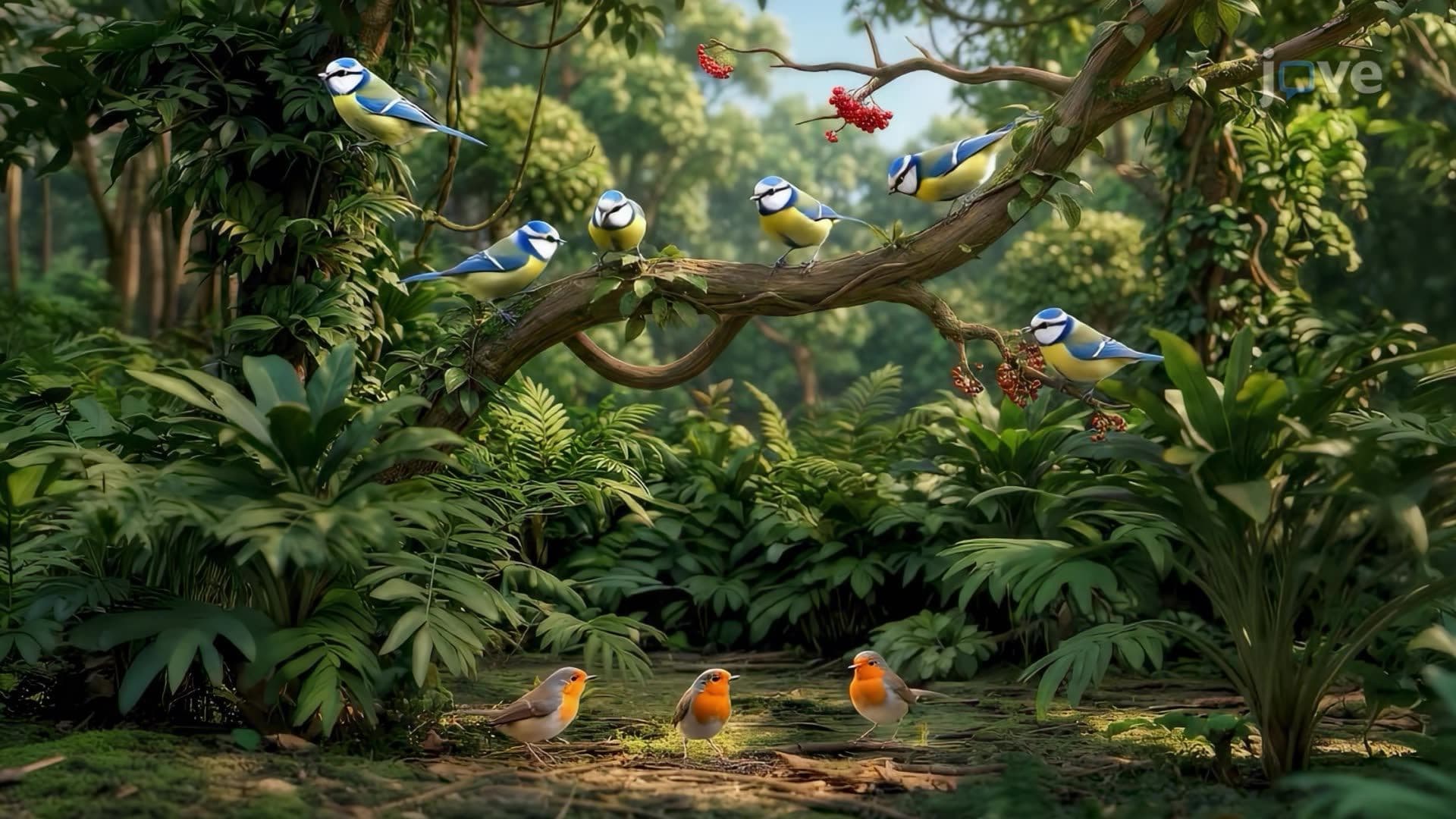
The classic r-K selection model describes two extreme reproductive strategies. r-selected species maximize reproductive output, producing many offspring with minimal parental investment. Think of American robins laying 3-5 eggs multiple times per breeding season, or eastern cottontail rabbits producing up to 35 offspring annually. These species bet on quantity over quality, assuming high juvenile mortality rates.
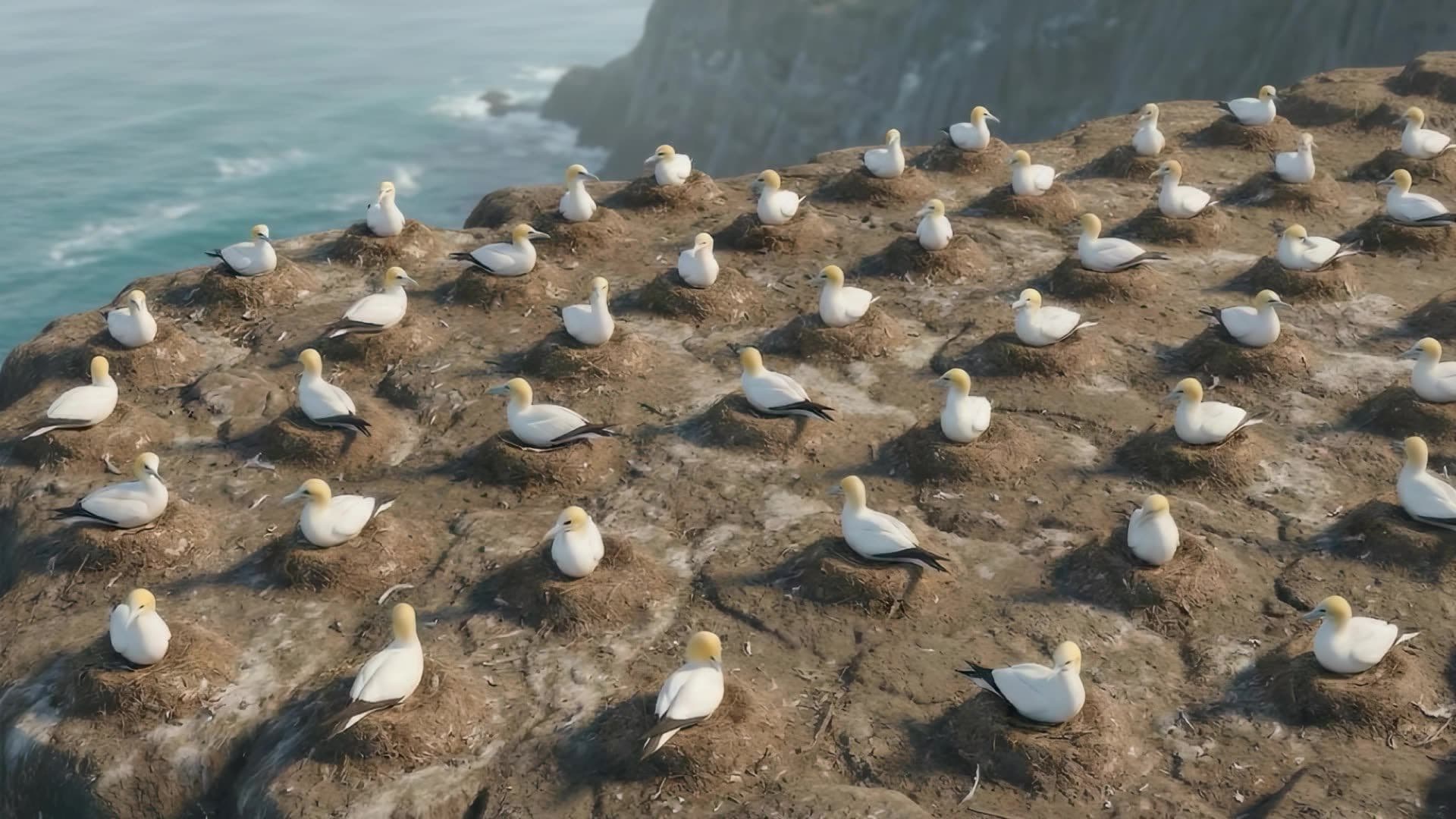
K-selected species take the opposite approach, investing heavily in fewer offspring. Mountain gorillas in captivity at US zoos typically have one infant every 3-4 years, with mothers providing intensive care for several years. Similarly, California condors-with only about 500 individuals remaining-lay just one egg every other year, requiring extensive parental investment and delayed maturity until age 5-8 years.
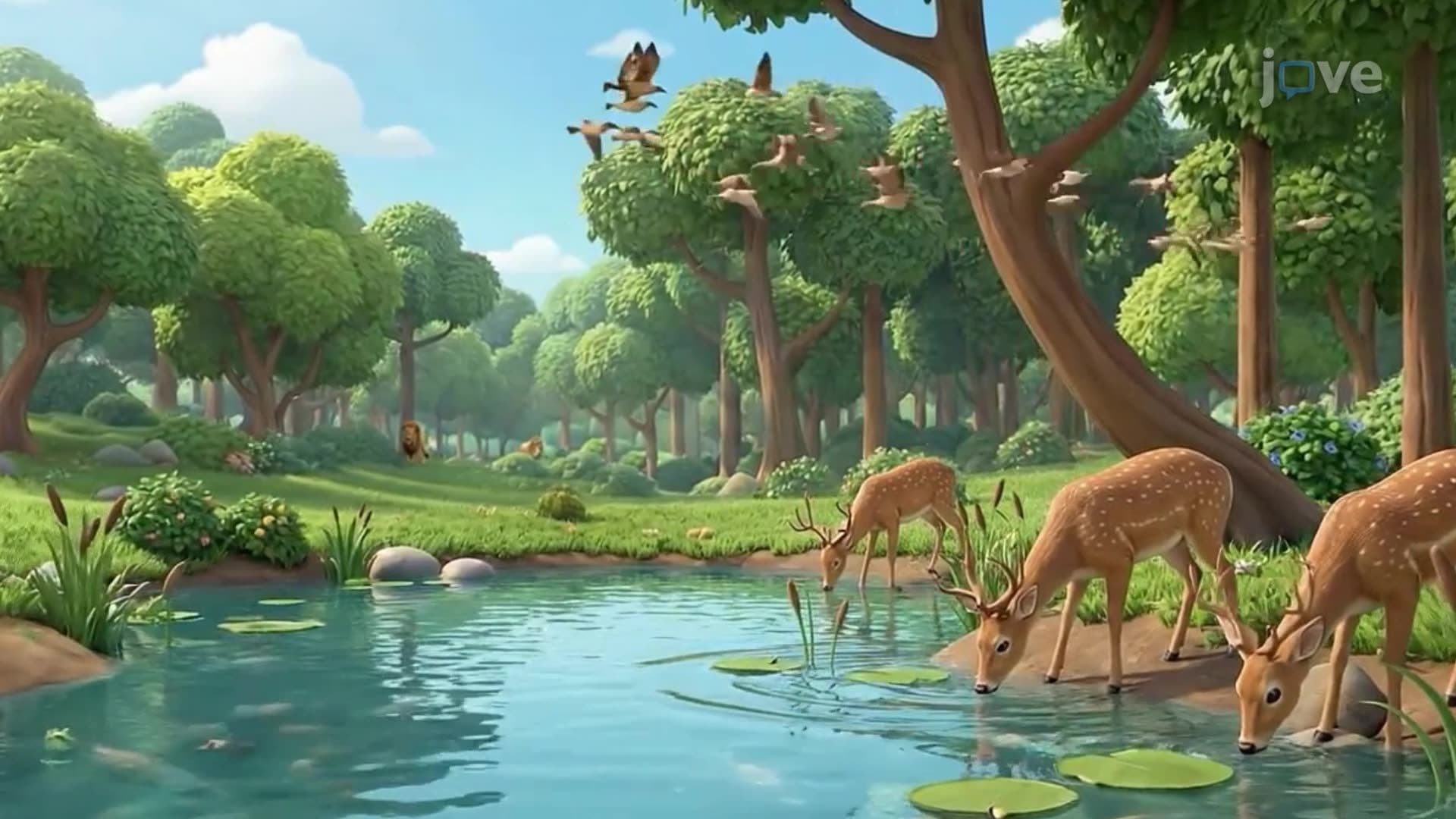
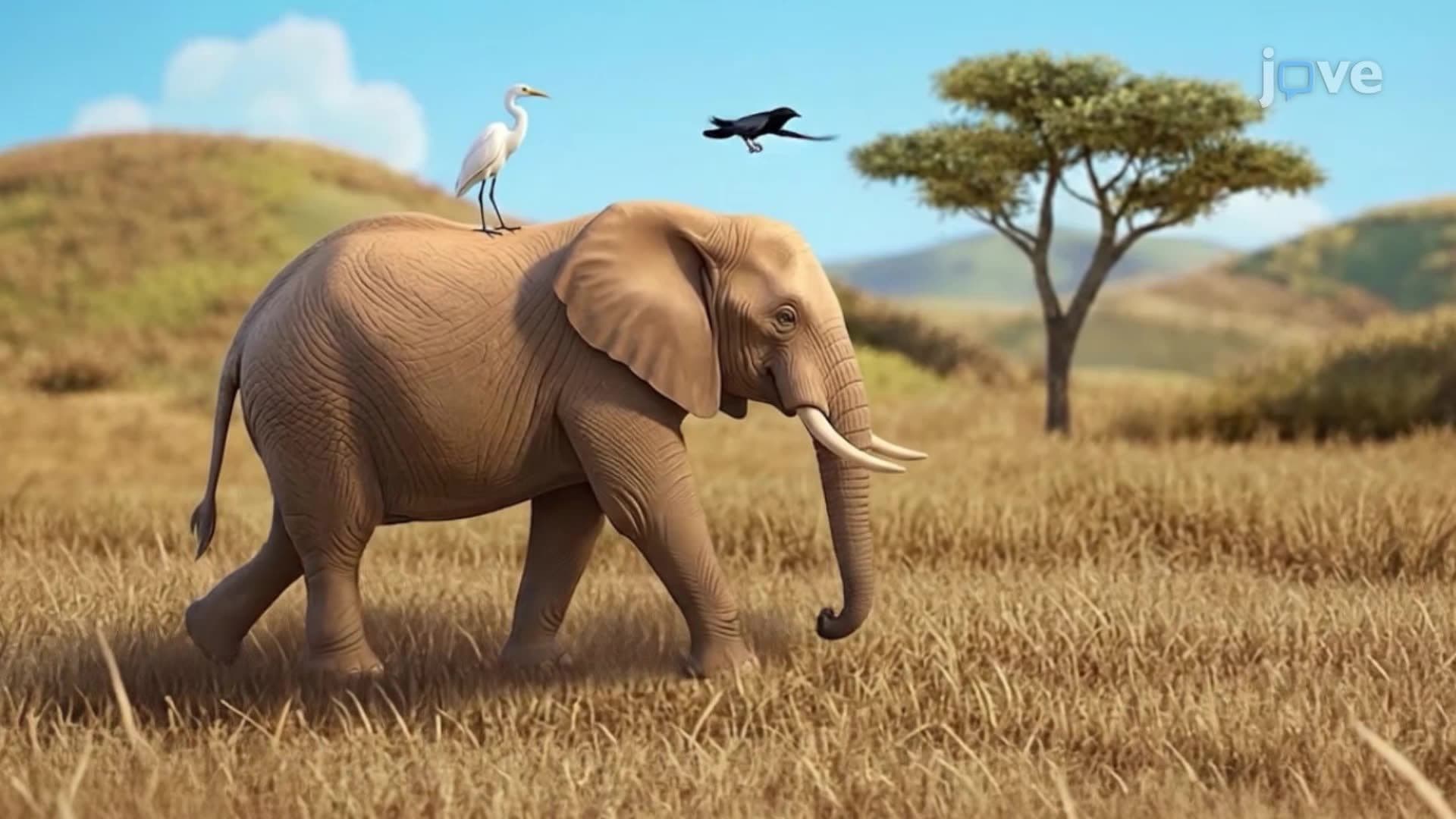
Type I survivorship curves characterize K-selected species like humans and large mammals in US national parks. These organisms experience low juvenile mortality but increased death rates in later life stages. White-tailed deer populations in Yellowstone demonstrate this pattern, with most deaths occurring in older adults.
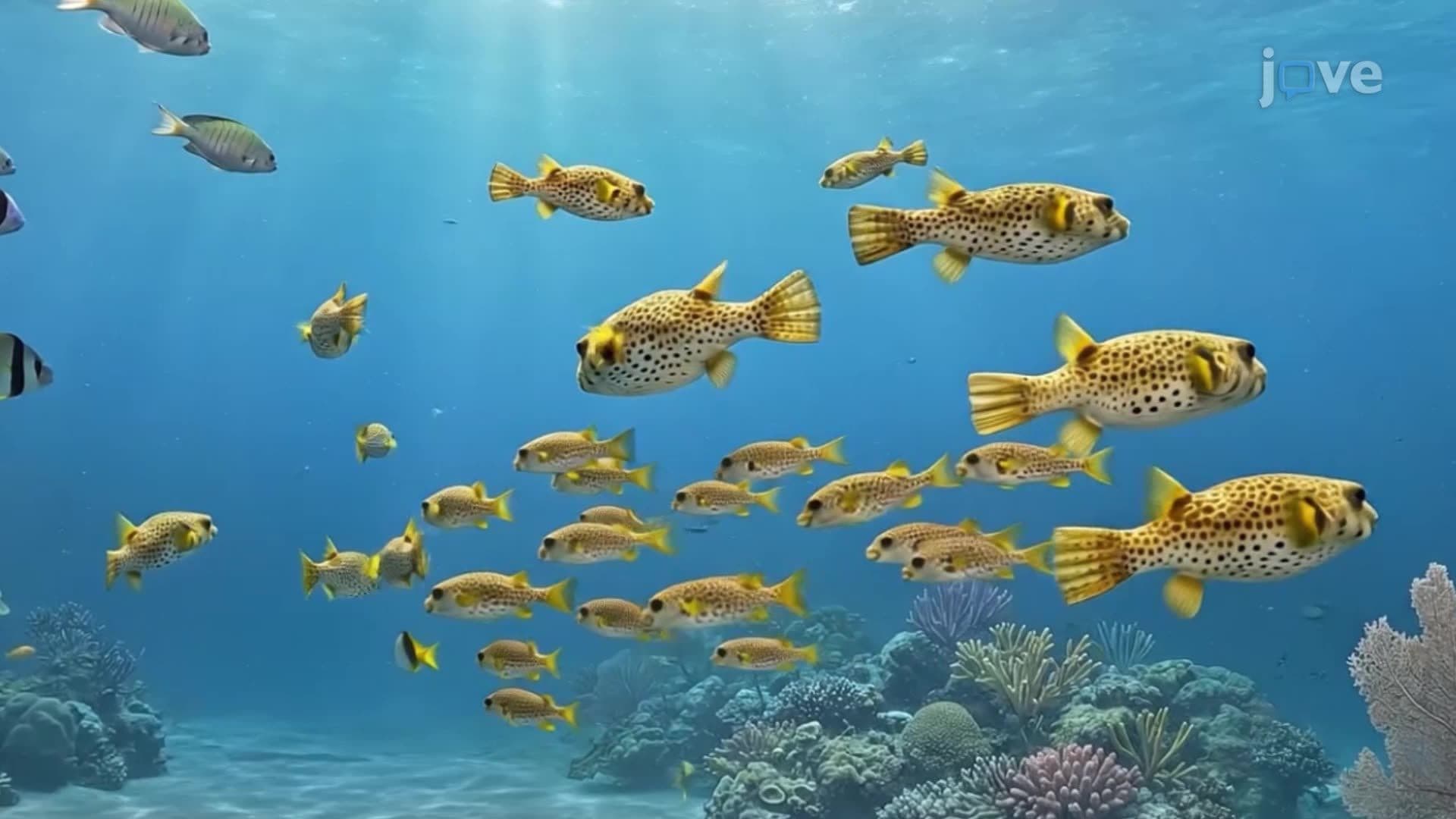
Type II curves show constant mortality rates throughout life, seen in many bird species like American kestrels. Type III curves, typical of r-selected species, show extremely high early mortality followed by relatively stable adult survival-evident in species like Pacific salmon, where thousands of eggs produce only a few surviving adults.
Understanding life histories proves crucial for wildlife management and conservation efforts. The California condor recovery program succeeded partly because biologists recognized this K-selected species' slow reproductive rate, leading to captive breeding programs and intensive monitoring. AP Biology students frequently encounter life history questions on exams, while college ecology courses use these concepts to explain population dynamics and species interactions. Pre-med students studying for the MCAT should understand how life history theory connects to evolutionary biology and population genetics concepts.
Related Micro-courses