Loading subject page…

284,301 views

Video Summary: What Is Symbiosis
Did you know that the oxpeckers cleaning ticks off American bison aren't just being helpful neighbors-they're engaged in one of nature's most fundamental survival strategies? Symbiosis governs countless species interactions across ecosystems, from the coral reefs off Florida's coast to the forests of Yellowstone National Park. Understanding what is symbiosis reveals how organisms depend on each other through commensalism, mutualism, and parasitism relationships that shape entire biological communities. Watch the full video on JoVE Coach to master this concept with expert-led visuals and step-by-step explanations.
Symbiosis represents one of biology's most fascinating phenomena-the close, long-term interactions between different species that fundamentally shape ecosystem dynamics. The symbiosis definition encompasses three distinct relationship types that determine how organisms survive, reproduce, and evolve together across diverse habitats from Alaska's tundra to Florida's Everglades.
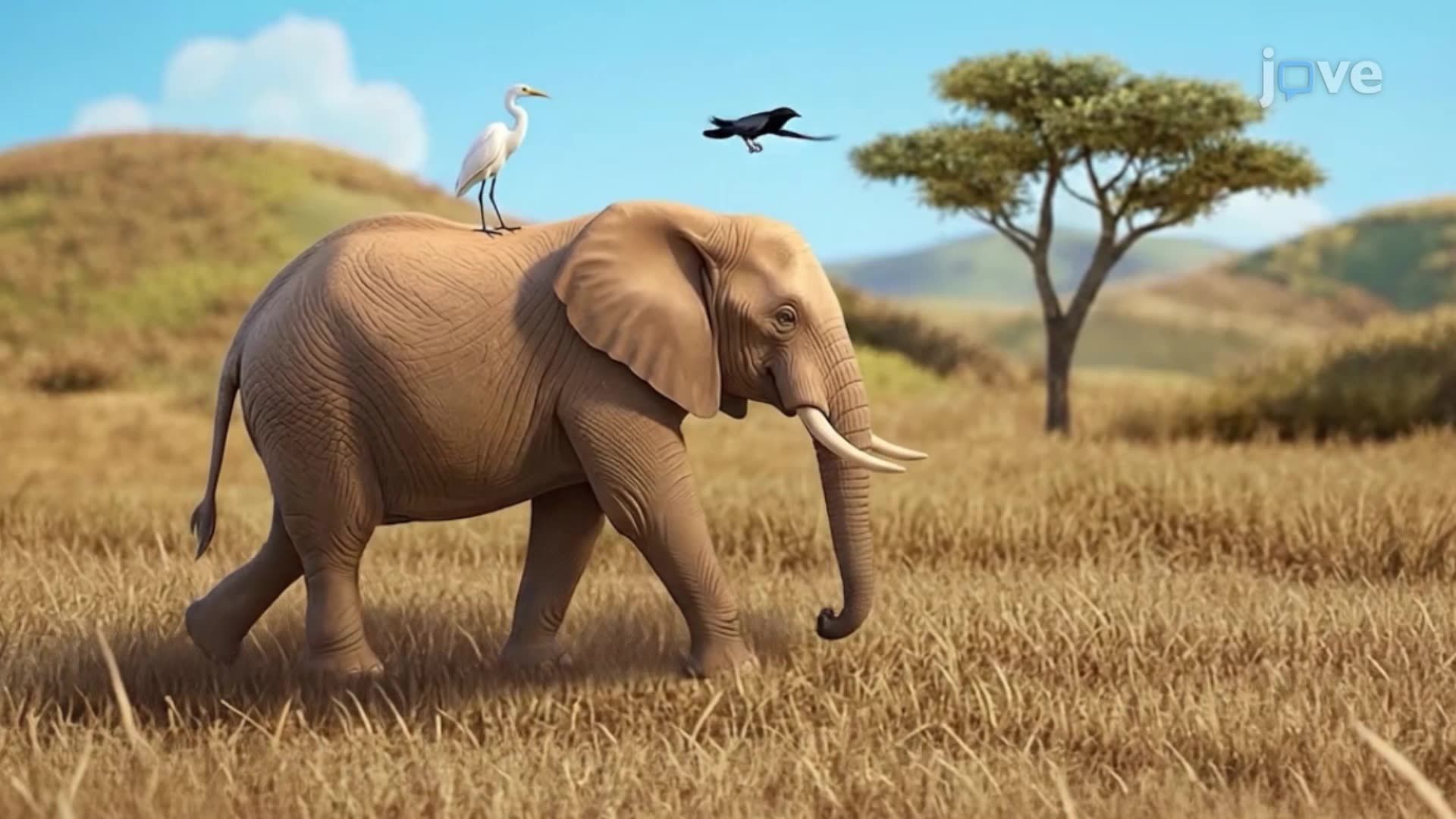
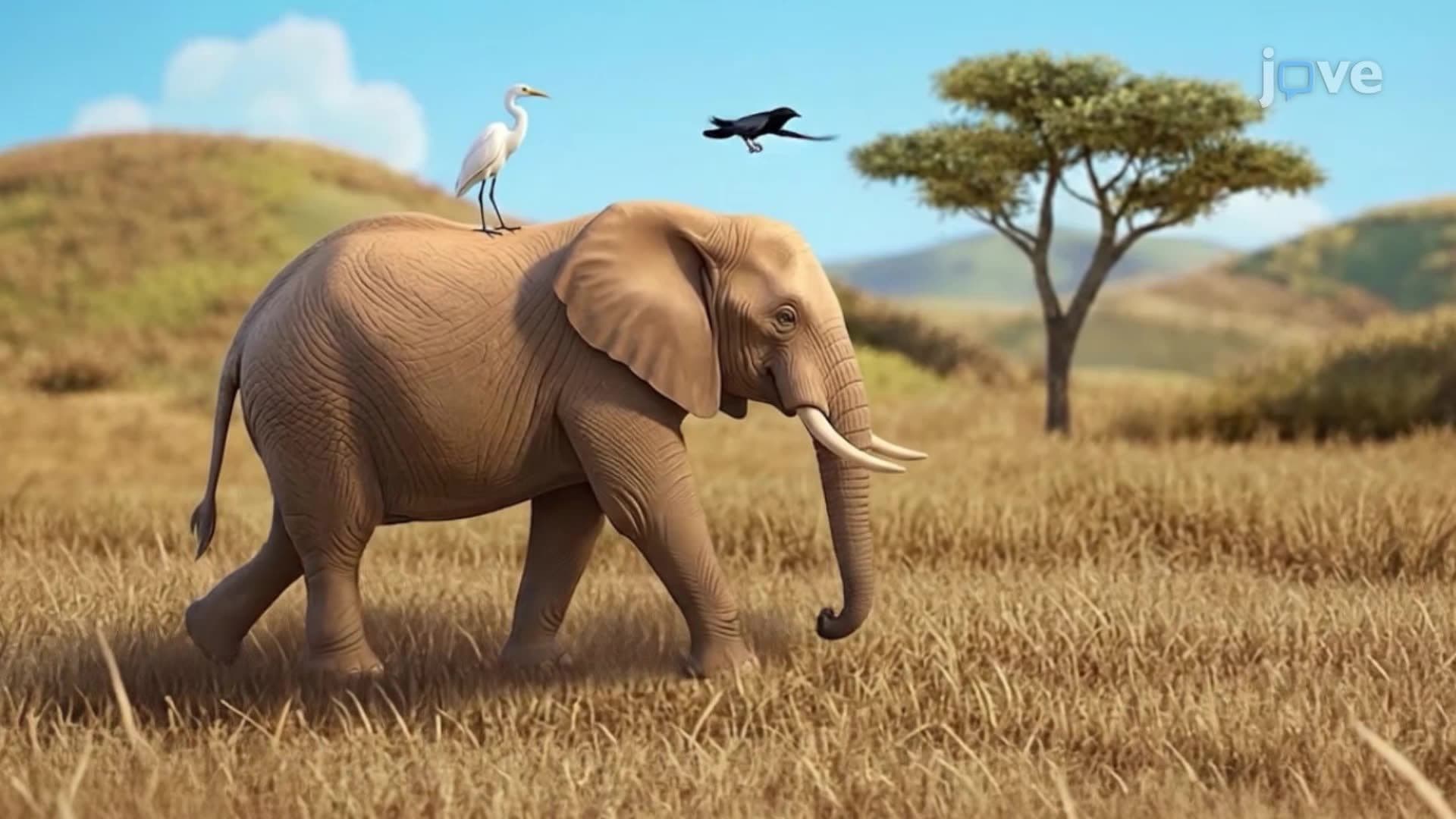
Commensalistic relationships demonstrate nature's opportunistic side, where one species capitalizes on another's activities without causing harm or providing benefit. Classic examples include cattle egrets following American cattle across Great Plains pastures, catching insects disturbed by grazing hooves. Similarly, epiphytic plants like Spanish moss drape Southern live oaks, gaining elevated access to sunlight without damaging their host trees. These relationships prove crucial for AP Biology students studying population ecology, as they illustrate how species can exploit environmental opportunities created by other organisms' behaviors.
Mutualistic symbiosis creates biological partnerships where both species gain significant advantages. North American examples include mycorrhizal fungi forming networks with forest tree roots throughout the Pacific Northwest, exchanging soil nutrients for plant-produced sugars. Pollination relationships between native bees and wildflowers across American prairies represent another vital mutualistic interaction-bees obtain nectar and pollen while facilitating plant reproduction. These concepts frequently appear on MCAT biology sections and college ecology exams, requiring students to analyze energy flow and resource exchange patterns.
Parasitic relationships showcase evolution's darker side, where one organism thrives by harming its host. American examples range from deer ticks transmitting Lyme disease in northeastern forests to tapeworms inhabiting mammalian digestive systems. Understanding parasitism proves essential for pre-med students preparing for MCAT questions about disease mechanisms and host-pathogen interactions. These relationships also demonstrate coevolutionary pressures, as hosts develop defensive mechanisms while parasites evolve strategies to overcome host defenses.
College biology courses emphasize how symbiotic relationships drive natural selection, influence biodiversity patterns, and maintain ecosystem stability across American biomes from Appalachian mountains to California redwood forests.
Related Micro-courses