Loading subject page…

- Biology
- Population Genetics
- Genetic Drift
Micro-course: Population Genetics
275,910 views
Learn key concepts and earn your certificate.
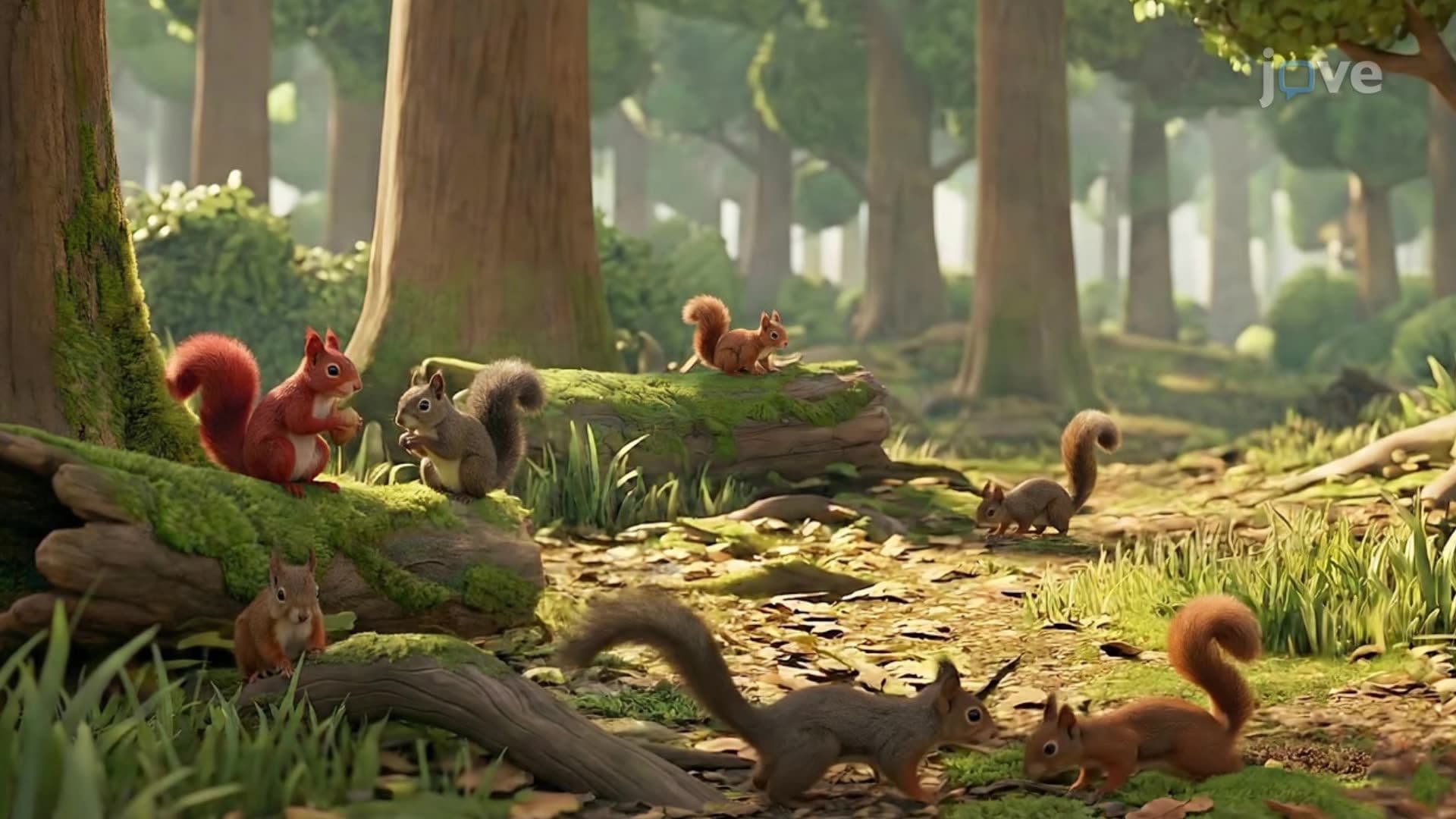

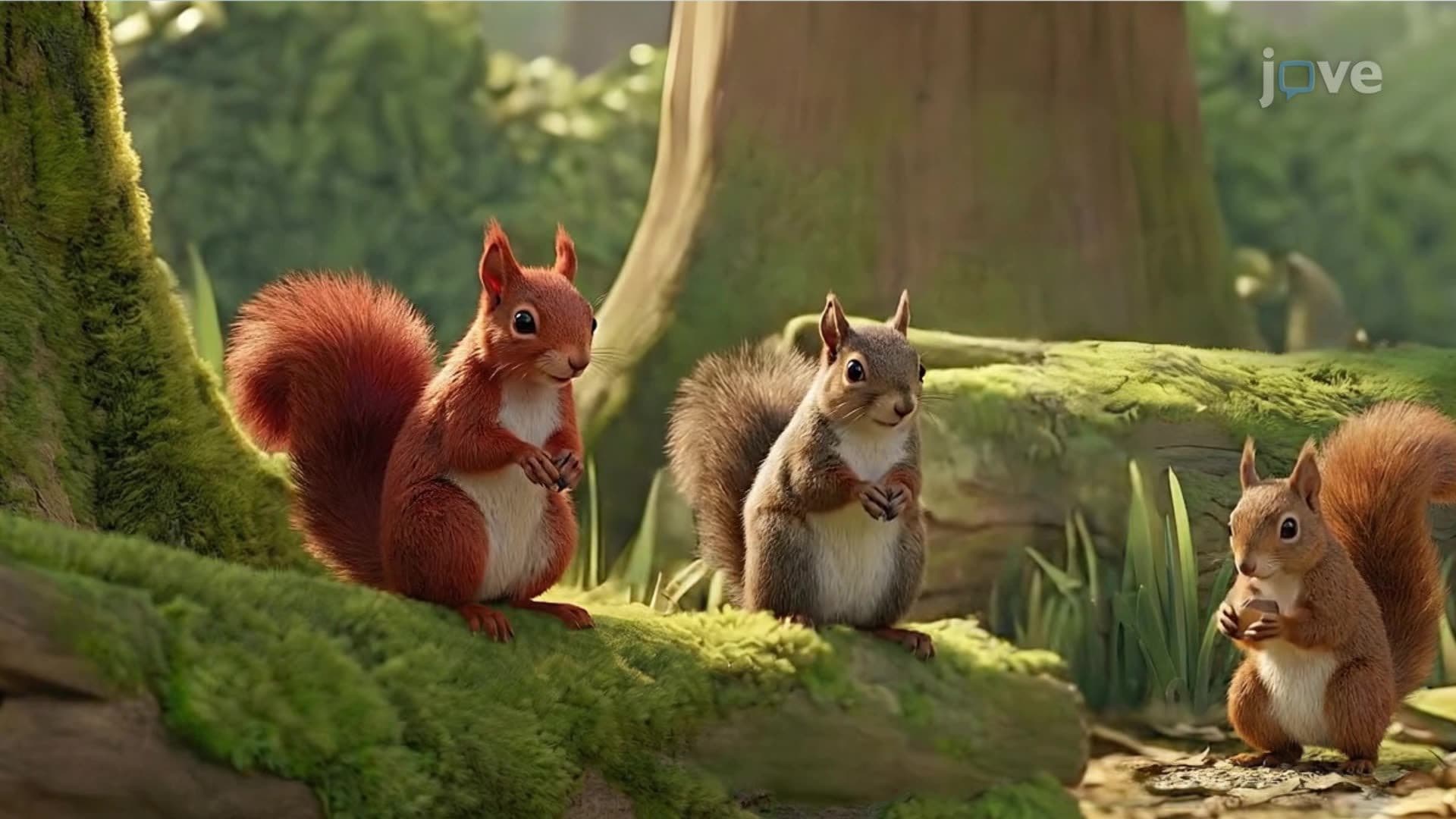
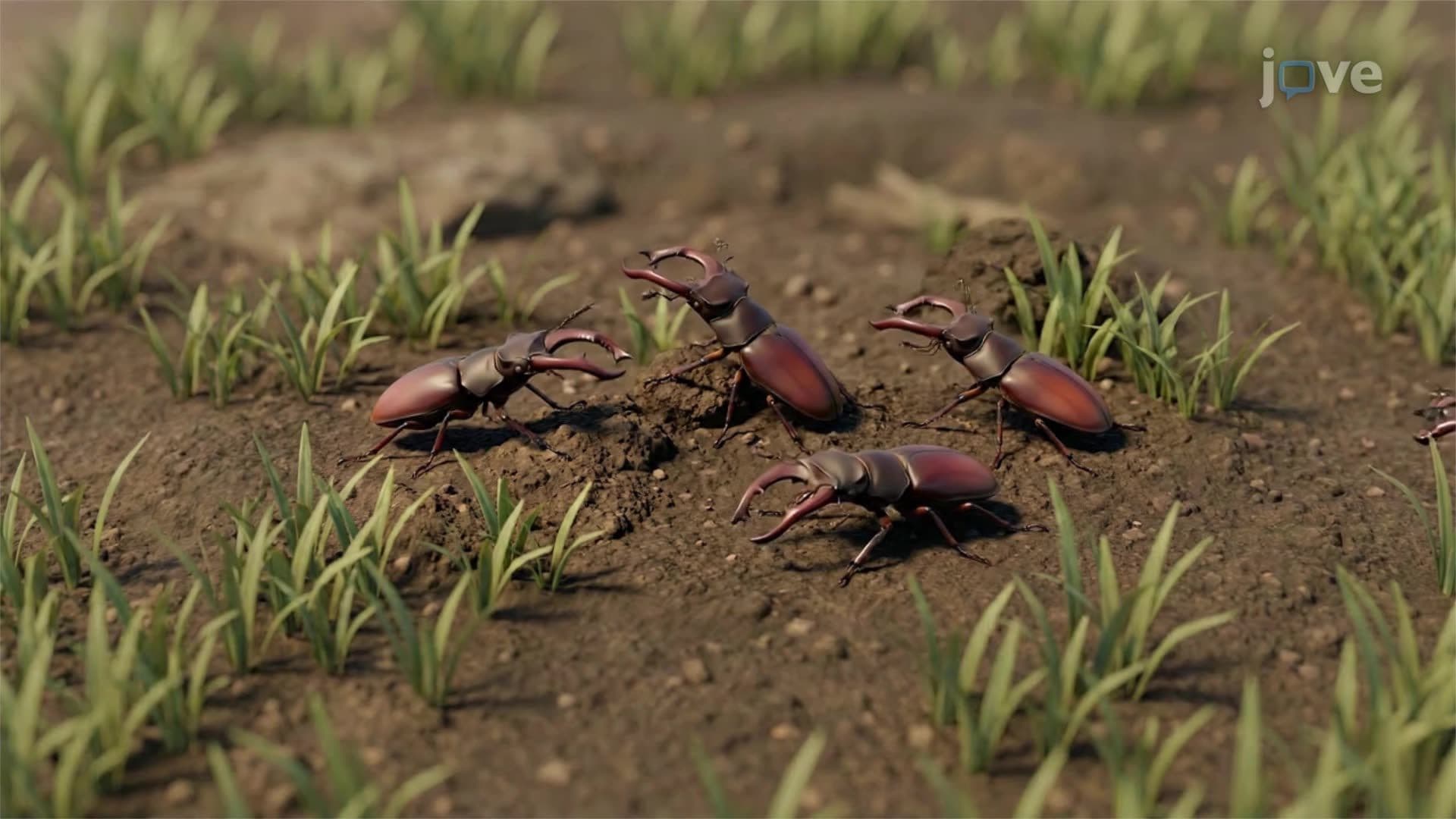
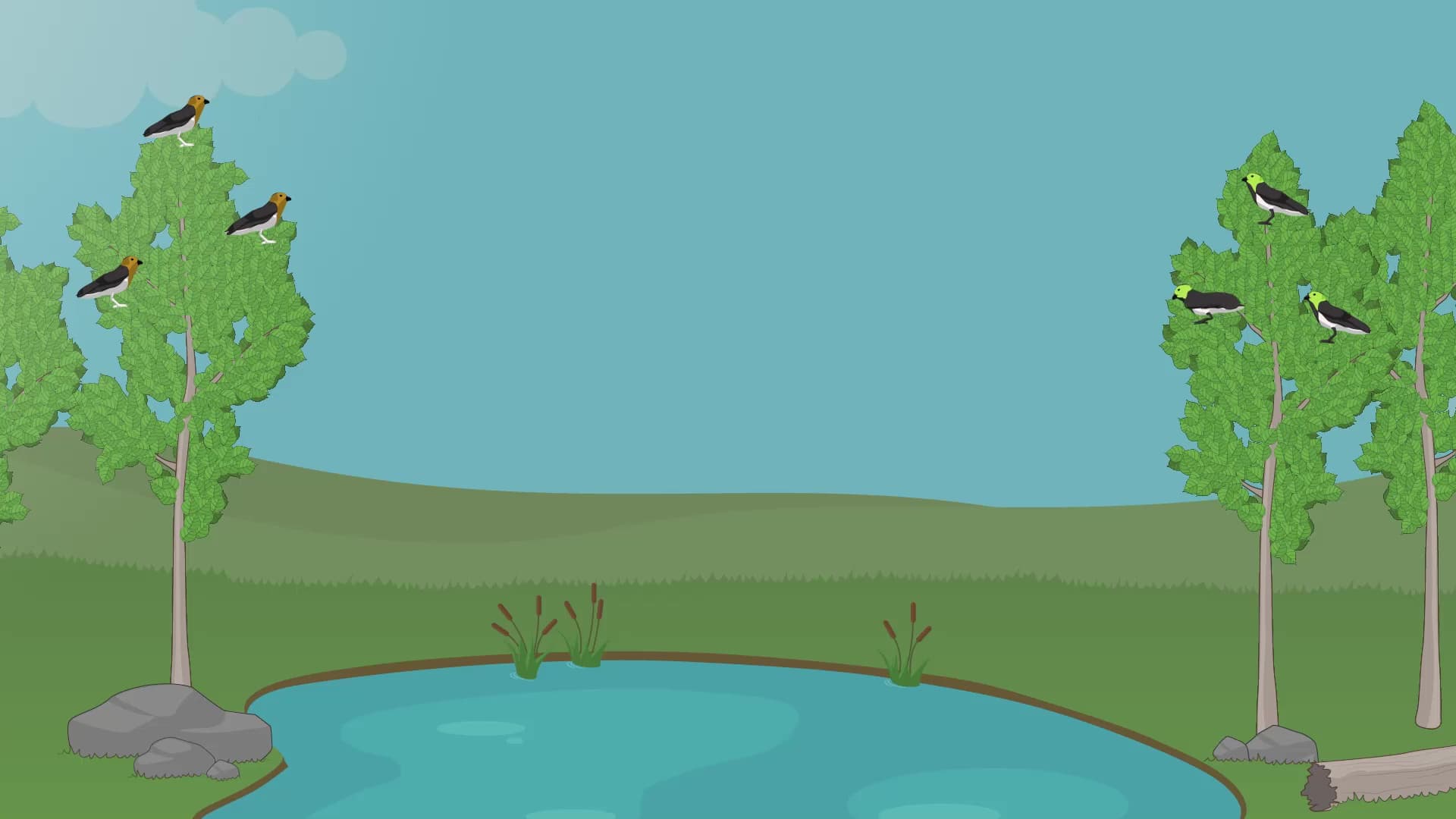
Genetic Drift


00:00
03:33
Video Summary: What Is Genetic Drift
Did you know that evolution can happen completely by accident? Genetic drift causes species to evolve through pure chance, not survival advantages. Unlike natural selection where beneficial traits spread, genetic drift randomly changes which genes survive in populations. Consider how the northern elephant seal population near California's coast dropped to just 20 individuals in the 1890s due to hunting-the few survivors determined the genetic makeup of today's 200,000+ seals purely by chance. What is genetic drift becomes clearer when you realize it's evolution's lottery system, where random events reshape entire species. Watch the full video on JoVE Coach to master this concept with expert-led visuals and step-by-step explanations.
- Understand what is genetic drift and how it differs from natural selection as an evolutionary mechanism
- Identify the key characteristics that define genetic drift as random changes in allele frequencies over time
- Compare genetic drift effects in small versus large populations and predict their evolutionary consequences
- Analyze the bottleneck effect and founder effect as extreme examples of genetic drift in action
- Evaluate real-world scenarios to determine when genetic drift versus natural selection is the primary evolutionary force
- Apply genetic drift concepts to solve population genetics problems on exams and homework assignments
- Recognize how chance events like natural disasters can permanently alter a species' genetic diversity
- Explore the relationship between population size and genetic drift strength in conservation biology contexts
Understanding What is Genetic Drift: The Basics
Genetic drift represents one of evolution's most counterintuitive processes-species change not because certain traits help survival, but purely through random chance. This genetic drift biology concept challenges the common assumption that all evolution stems from "survival of the fittest." Instead, genetic drift demonstrates how accidental sampling of genes from one generation to the next can dramatically reshape populations over time.
The mathematics behind genetic drift reveals why population size matters enormously. In large populations (thousands of individuals), random sampling has minimal impact because statistical averaging smooths out chance variations. However, small populations face severe genetic drift effects where a few random deaths or reproductive failures can eliminate entire gene variants permanently.
Extreme Genetic Drift: Bottleneck and Founder Effects
The bottleneck effect occurs when populations crash to tiny numbers, creating genetic "bottlenecks" that permanently reduce diversity. America's bison population exemplifies this perfectly-from an estimated 60 million animals in the 1800s, hunting reduced them to fewer than 1,000 by 1889. Today's 500,000 bison descend from those survivors, carrying only a fraction of the original genetic variation.
The founder effect happens when small groups establish new populations in isolated locations. Hawaiian fruit flies showcase this phenomenon beautifully-over 800 species evolved from perhaps a dozen original colonizers, each island population developing unique characteristics based on which genes the founders happened to carry.
Genetic Drift in Academic and Professional Contexts
For AP Biology students, genetic drift questions frequently appear alongside Hardy-Weinberg equilibrium problems. The key distinction: Hardy-Weinberg assumes no genetic drift (infinite population size), while real populations always experience some drift effects. MCAT test-takers encounter genetic drift in evolution passages, often requiring calculations of allele frequency changes in small versus large populations.
College genetics courses emphasize genetic drift's role in conservation biology. Endangered species management relies heavily on understanding minimum viable population sizes needed to prevent genetic drift from eliminating crucial genetic variation. The California condor recovery program, which built today's population from just 27 birds, demonstrates both genetic drift's destructive potential and conservation genetics' power to counter it.
Frequently Asked Questions
Genetic drift is evolution by chance-random changes in which genes get passed to the next generation. Unlike natural selection where "better" genes spread, genetic drift randomly eliminates or increases genes regardless of whether they help survival. Think of it as evolution's coin flip determining which traits persist in populations.
AP Biology frequently tests genetic drift through population genetics scenarios and Hardy-Weinberg problems. You'll analyze graphs showing allele frequency changes over time, calculate drift effects in different population sizes, and distinguish between drift and selection as evolutionary forces. Practice identifying bottleneck and founder effect examples from real ecosystems.
The MCAT emphasizes this crucial distinction: natural selection changes allele frequencies because certain alleles improve survival or reproduction, while genetic drift changes frequencies purely by chance. Selection is directional and predictable; drift is random and stronger in smaller populations. Both appear in evolution passages requiring careful analysis of causation.
The Amish populations in Pennsylvania demonstrate genetic drift perfectly. Small founding populations and limited intermarriage created unique genetic profiles, including higher frequencies of certain genetic disorders like Ellis-van Creveld syndrome. Their gene pools reflect the random genetic makeup of original settlers, not natural selection pressures.
Genetic drift concepts are very manageable with the right approach. The marble-drawing analogy makes the randomness clear, and focusing on population size effects helps build intuition. Start with simple examples like coin flips, then progress to biological scenarios. Most students grasp it well once they see it's just "random sampling" applied to genes.
Focus on three key areas: mathematical relationships (drift strength inversely related to population size), real-world examples (bottlenecks and founder effects), and comparisons with natural selection. Practice calculating effective population sizes and predicting genetic diversity changes. Create concept maps linking drift to conservation biology and speciation.
Gene flow and migration naturally follow genetic drift, as they counteract drift's effects by introducing new alleles. Population genetics theory, including Hardy-Weinberg deviations, builds on drift concepts. Advanced topics include molecular evolution, phylogenetics, and quantitative genetics-all incorporating random genetic changes alongside selective pressures.
Population genetics courses treat genetic drift as a fundamental evolutionary force equal to selection, mutation, and migration. You'll use mathematical models to predict drift effects, analyze DNA sequence data for drift signatures, and study conservation applications. Understanding drift becomes essential for interpreting molecular evolution patterns and speciation mechanisms.
Related Micro-courses
7 Concepts
21 Concepts

7 Concepts