Loading subject page…
- Biology
- Scientific Inquiry
- Taxonomy
Micro-course: Scientific Inquiry
942,120 views
Learn key concepts and earn your certificate.





Taxonomy

00:00
01:31
Video Summary: What Is Taxonomy
Did you know that scientists have discovered over 1.5 million animal species, yet millions more remain unnamed? Taxonomy biology explained reveals how scientists organize this incredible diversity using a system developed by Carolus Linnaeus in the 1700s. From the American bison (*Bison bison*) to microscopic bacteria, every organism on Earth fits into a precise hierarchical classification system. Understanding what is taxonomy helps us make sense of life's complexity through organized categories from species to domains. Watch the full video on JoVE Coach to master this concept with expert-led visuals and step-by-step explanations.
- Understand what is taxonomy and its role as the foundational science for organizing all living organisms based on shared characteristics
- Identify the seven main levels of the taxonomic hierarchy: domain, kingdom, phylum, class, order, family, genus, and species
- Analyze how binomial nomenclature works using two-part scientific names to identify specific organisms precisely
- Compare related organisms at different taxonomic levels, from closely related species within the same genus to distantly related groups
- Evaluate the evolutionary relationships between organisms using their taxonomic classifications
- Apply taxonomic principles to classify unfamiliar organisms based on their observable characteristics
- Recognize how Linnaean taxonomy forms the backbone of modern biological classification systems
- Explore connections between taxonomy and other biological fields like ecology, evolution, and conservation biology
Understanding What is Taxonomy in Modern Biology
Biological taxonomy classification serves as biology's organizational framework, much like how libraries use the Dewey Decimal System to arrange books. This scientific discipline, pioneered by Swedish botanist Carolus Linnaeus, creates order from the overwhelming diversity of life on Earth. Today's taxonomists continue building on Linnaeus's foundation, using advanced DNA sequencing and molecular techniques alongside traditional morphological studies to refine our understanding of evolutionary relationships.
The Taxonomic Hierarchy: From Broad to Specific
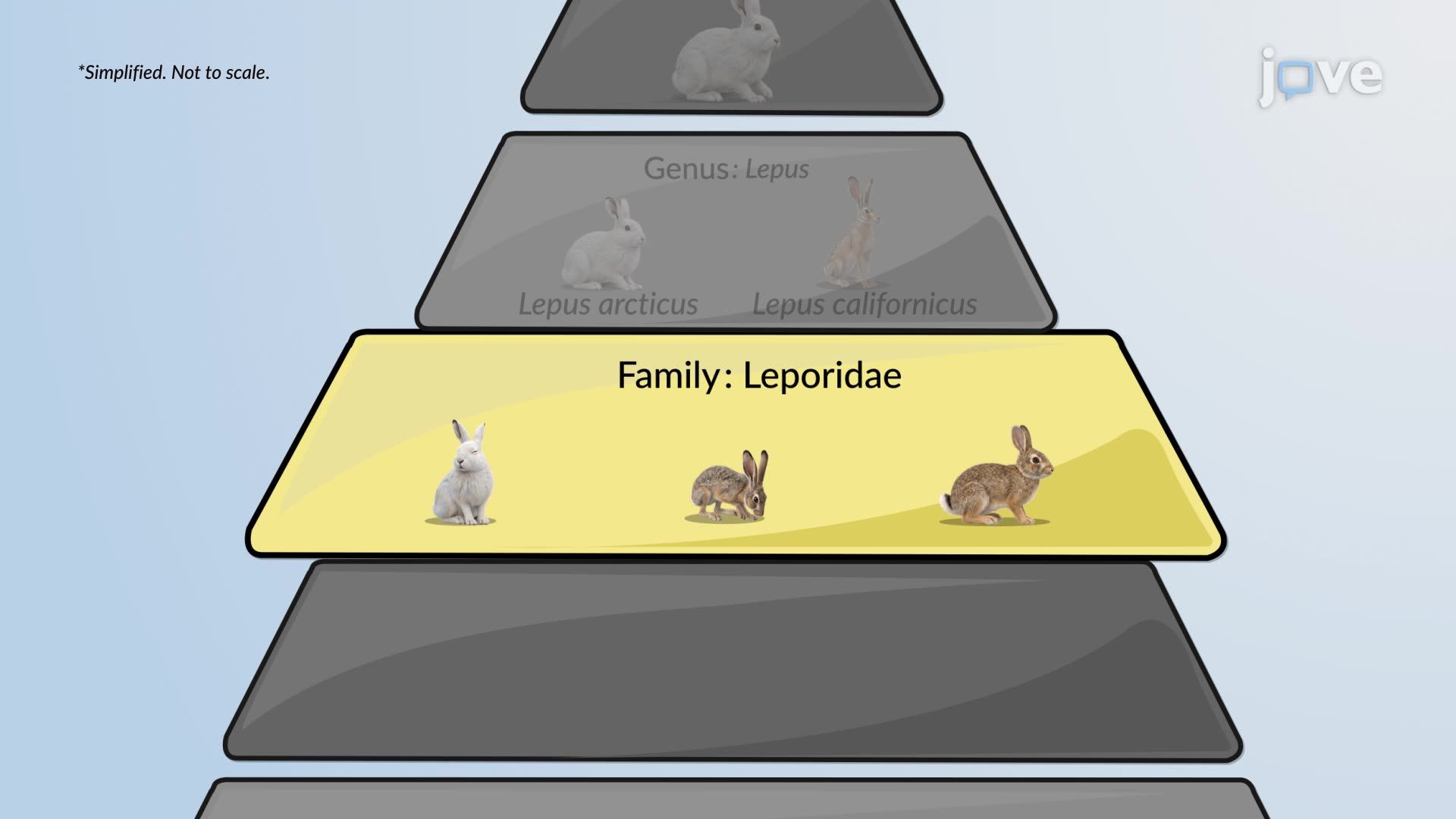
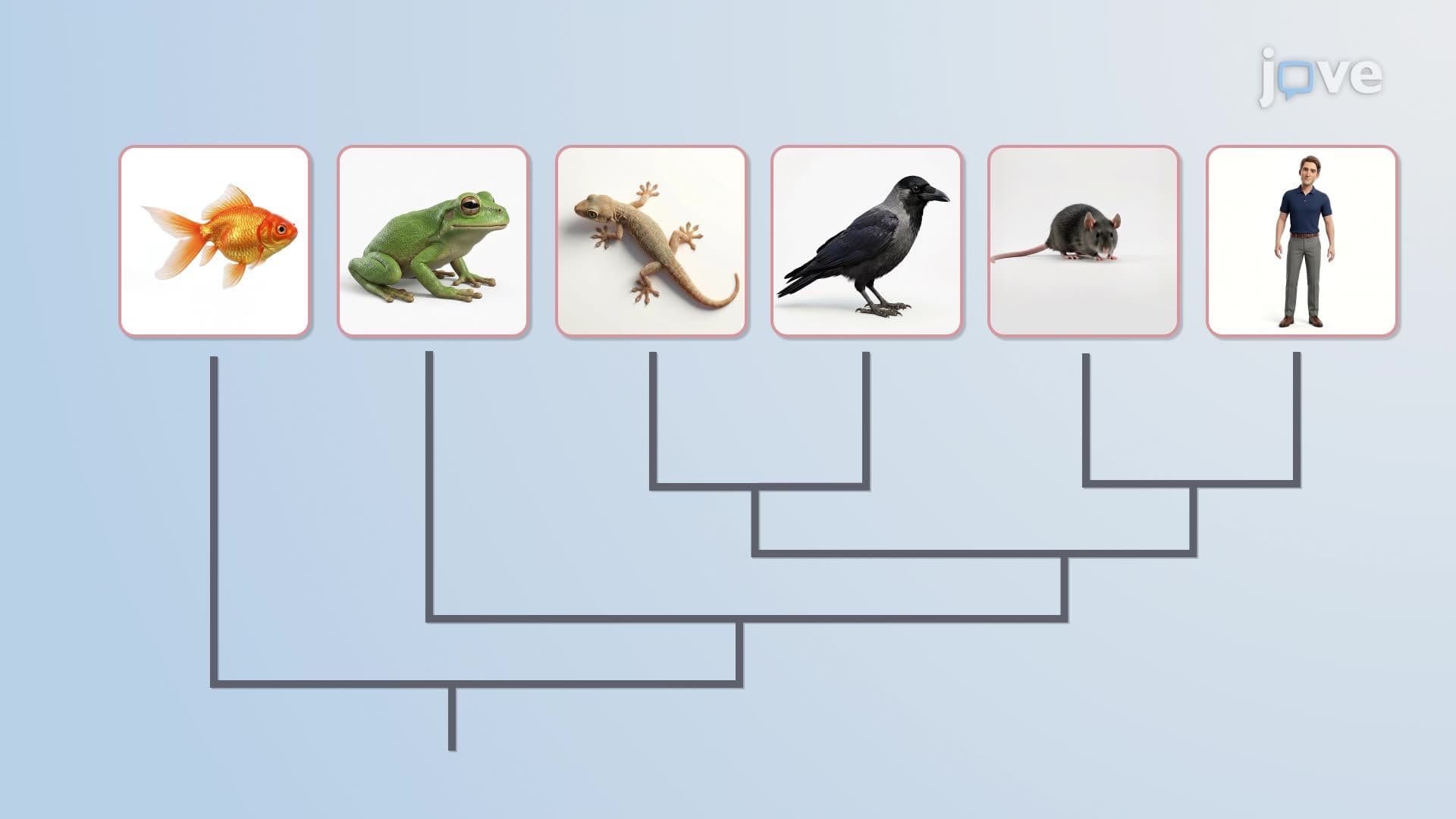
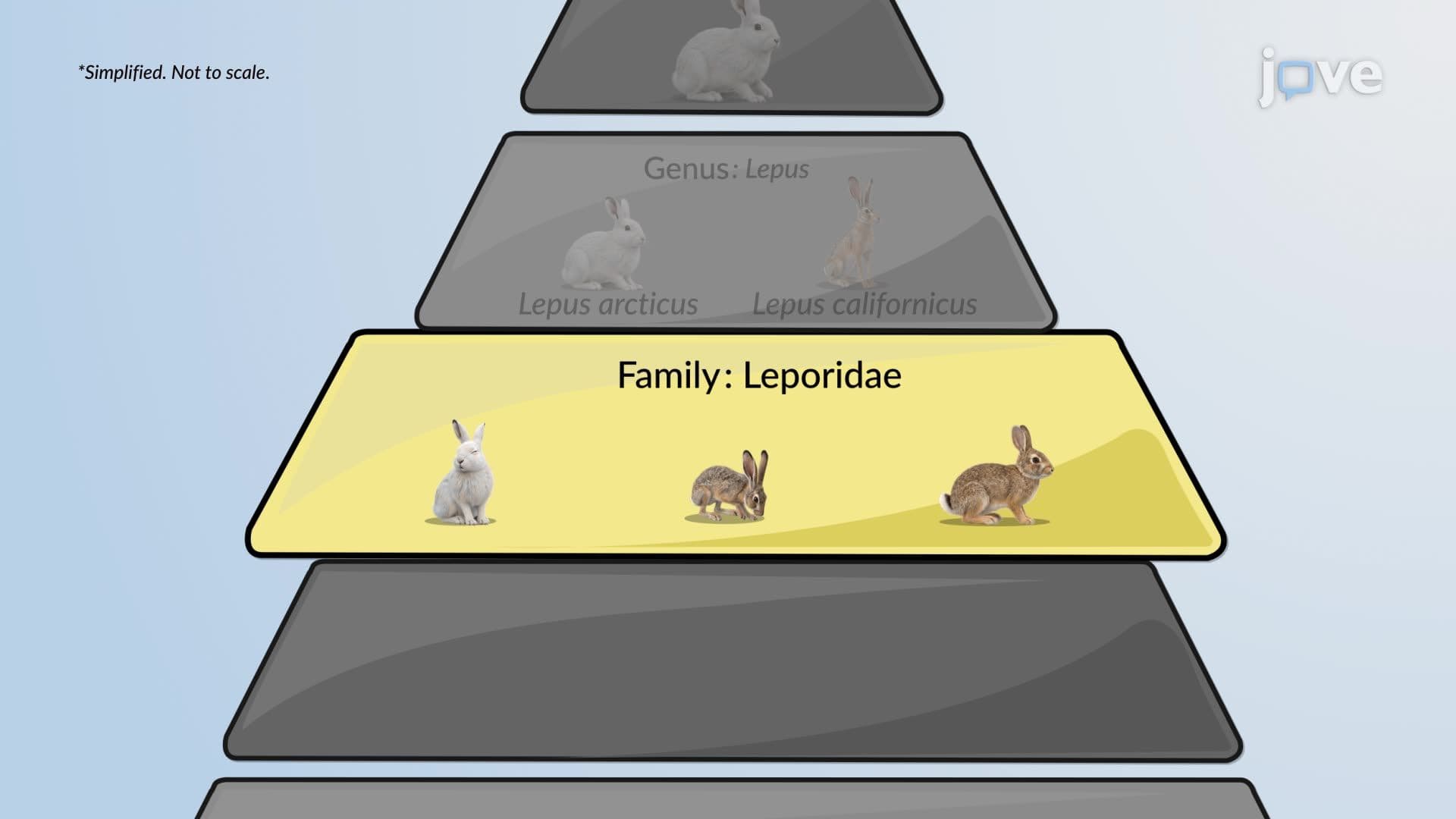
The taxonomic hierarchy classification follows a logical progression from broad, inclusive groups to narrow, specific categories. At the top, the three domains-Bacteria, Archaea, and Eukarya-represent life's most fundamental divisions. Within Eukarya, kingdoms separate major groups like animals, plants, and fungi. Each successive level becomes more restrictive: phyla group organisms with similar body plans, classes unite those with comparable lifestyles, orders collect related families, families gather similar genera, and genera contain closely related species.
Consider the American black bear (*Ursus americanus*). This species belongs to genus *Ursus* (bears), family Ursidae (bear family), order Carnivora (carnivores), class Mammalia (mammals), phylum Chordata (vertebrates), kingdom Animalia (animals), and domain Eukarya (organisms with nucleated cells). Each level reveals something meaningful about the bear's biology and evolutionary history.
Binomial Nomenclature: The Universal Language of Biology
Binomial nomenclature taxonomy provides every species with a unique two-part scientific name, eliminating confusion caused by common names. The first part indicates the genus (always capitalized), while the second specifies the species (lowercase). Both parts appear in italics when printed. This system proves invaluable in scientific communication-when researchers discuss *Escherichia coli*, everyone knows exactly which bacterium they mean, regardless of their native language.
American students encounter this system frequently in AP Biology courses and college biology classes. For instance, humans are *Homo sapiens*, domestic dogs are *Canis lupus familiaris*, and the iconic California redwood is *Sequoia sempervirens*. Understanding binomial nomenclature helps students navigate scientific literature and participate in advanced biological discussions.
Practical Applications and Modern Relevance
Linnaean taxonomy biology extends far beyond academic classification. Medical professionals use taxonomic knowledge to understand pathogen relationships-knowing that *Salmonella typhimurium* and *Salmonella enteritidis* are closely related helps predict similar treatment approaches. Conservation biologists rely on taxonomy to prioritize endangered species protection, while agricultural scientists use it to develop pest management strategies. Even emerging fields like synthetic biology depend on taxonomic frameworks to engineer novel organisms safely.
Frequently Asked Questions
Taxonomy is the scientific system for naming and classifying organisms based on their shared characteristics and evolutionary relationships. Biologists need taxonomy to communicate clearly about species, understand evolutionary patterns, and organize biological knowledge systematically. Without this universal classification system, scientific research and education would be chaotic and inefficient.
AP Biology frequently tests taxonomic knowledge through classification questions, phylogenetic tree analysis, and evolutionary relationship problems. Students must identify organisms' taxonomic levels, interpret scientific names using binomial nomenclature, and analyze how classification reflects evolutionary history. Practice with sample organisms and their complete taxonomic hierarchies before the exam.
Yes, MCAT biology sections regularly include taxonomy-based questions about evolutionary relationships, species classification, and phylogenetic analysis. Strong taxonomic knowledge supports understanding of broader biological concepts like evolution, ecology, and comparative anatomy. Many MCAT passages use scientific names and taxonomic relationships to present biological scenarios.
When American researchers discover new species, they follow international nomenclature rules established by organizations like the International Commission on Zoological Nomenclature. They publish detailed descriptions in peer-reviewed journals, assign binomial names, and deposit specimens in museums like the Smithsonian. Recent examples include new spider species discovered in California's Channel Islands and novel bacterial species from Yellowstone's hot springs.
No, taxonomy concepts are accessible to high school students with basic biology backgrounds. The hierarchical system follows logical patterns that most students grasp quickly. Start with familiar organisms like pets or local wildlife, then practice identifying their taxonomic levels. Understanding increases naturally with exposure to more examples.
Use memory devices like "Dear King Philip Came Over For Good Soup" (Domain, Kingdom, Phylum, Class, Order, Family, Genus, Species). Practice with specific organisms you know well, work through complete classifications repeatedly, and create flashcards linking organisms to their taxonomic levels. Focus on understanding relationships rather than just memorizing lists.
DNA sequencing reveals evolutionary relationships that morphology alone cannot show, sometimes requiring taxonomic revisions. However, the basic Linnaean framework remains valuable and widely used. Modern phylogenetic analysis enhances rather than replaces traditional taxonomy, providing molecular evidence to support or modify existing classifications while maintaining the practical naming system scientists worldwide understand.
Build on taxonomic knowledge by exploring phylogenetics, evolutionary biology, and comparative anatomy. These fields use taxonomic relationships to understand how organisms evolved and adapted. Ecology also heavily relies on taxonomic understanding to study species interactions and community dynamics.
Related Micro-courses