Loading subject page…

- Cell Biology
- Cell Division
- Determining the Plane of Cell Division
Micro-course: Cell Division
37,915 views
Learn key concepts and earn your certificate.
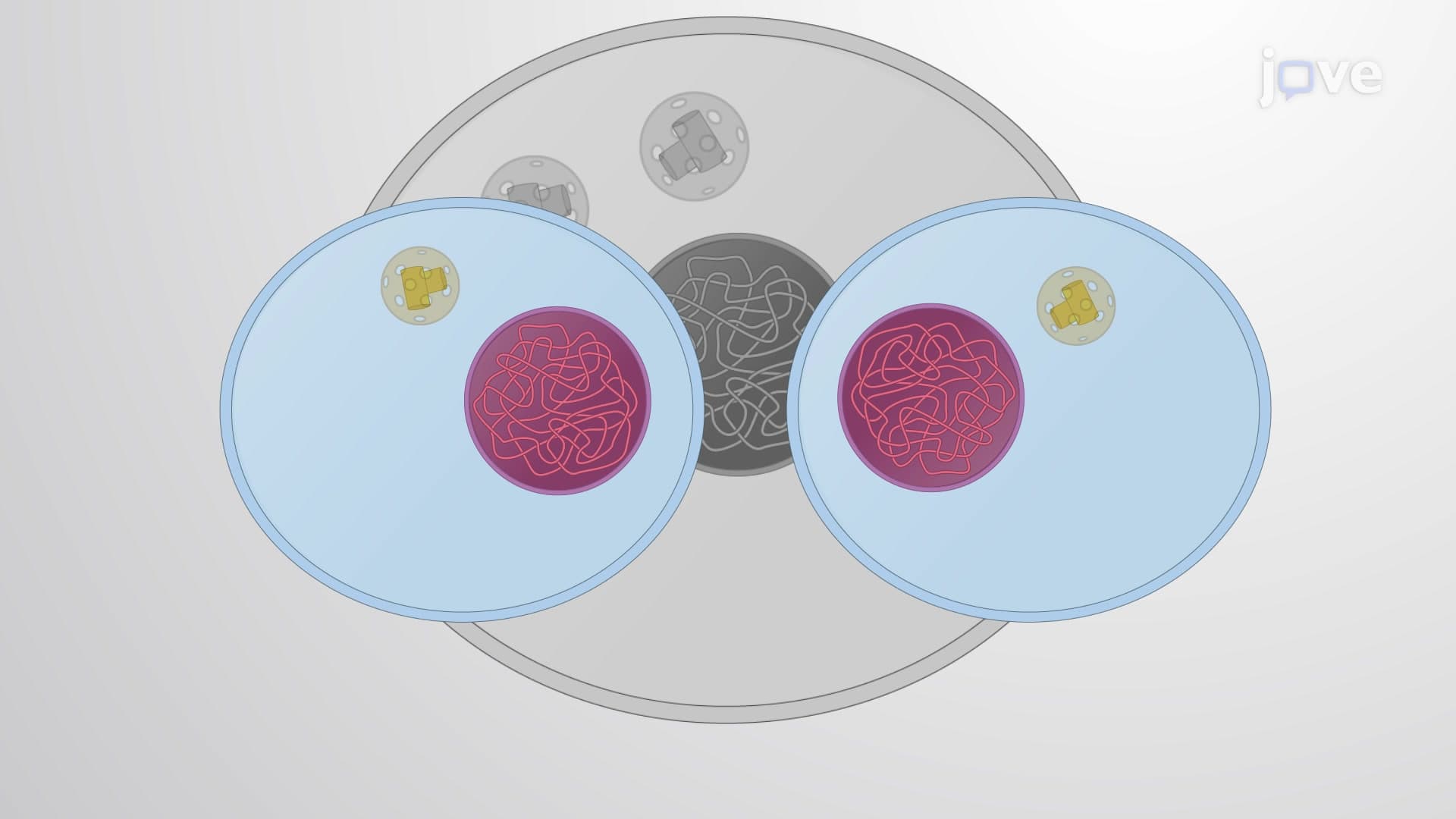

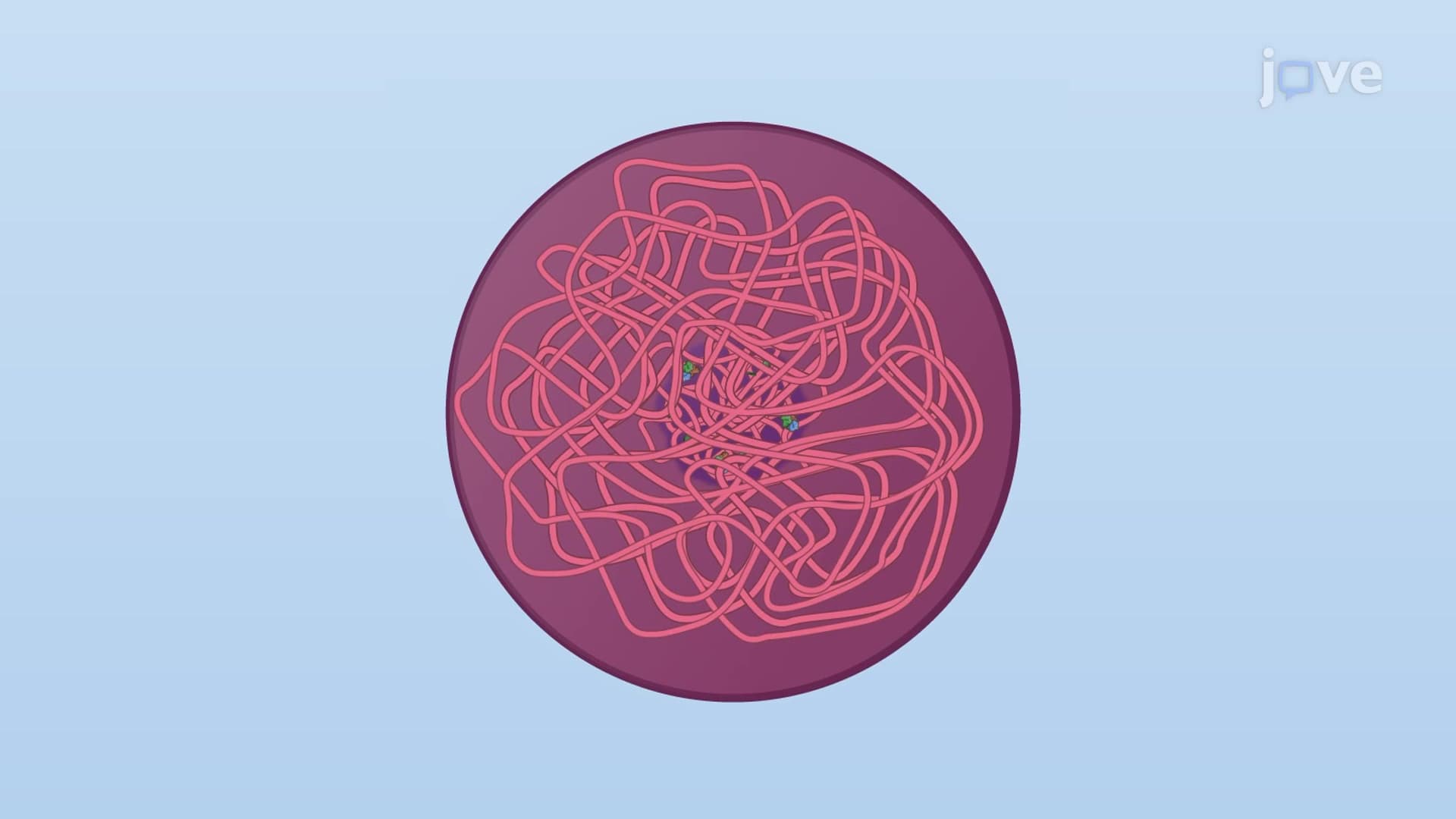
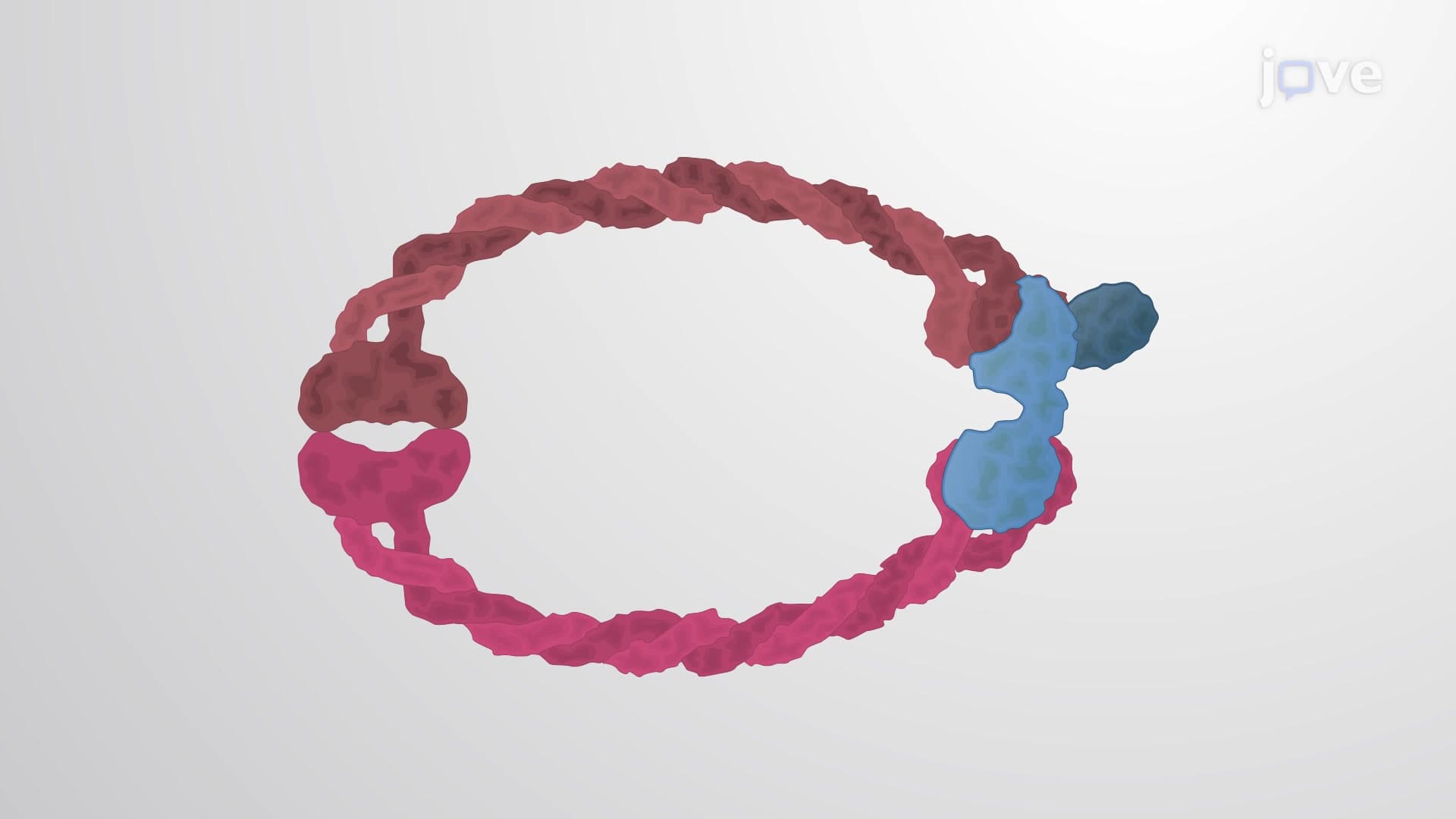
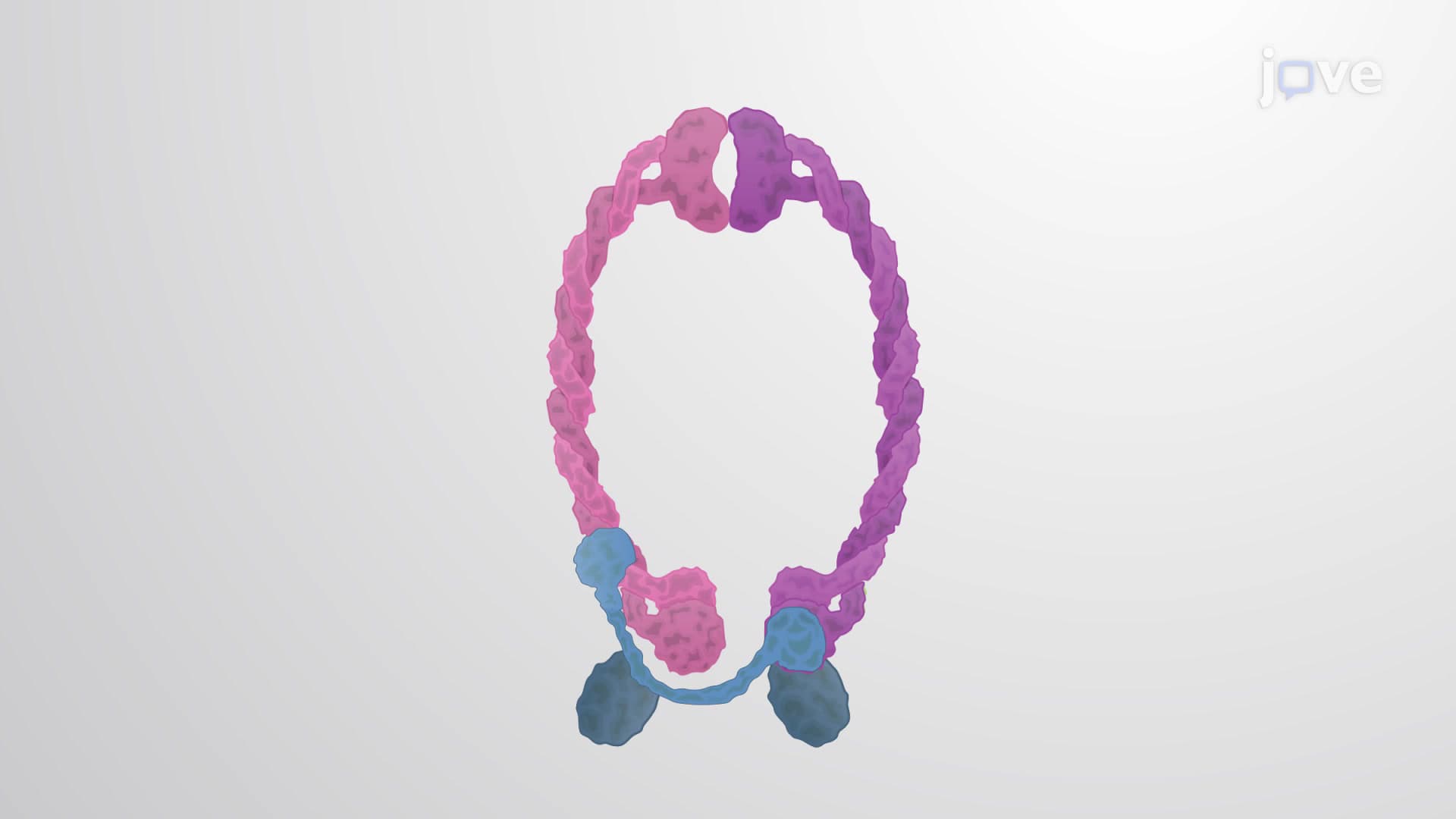
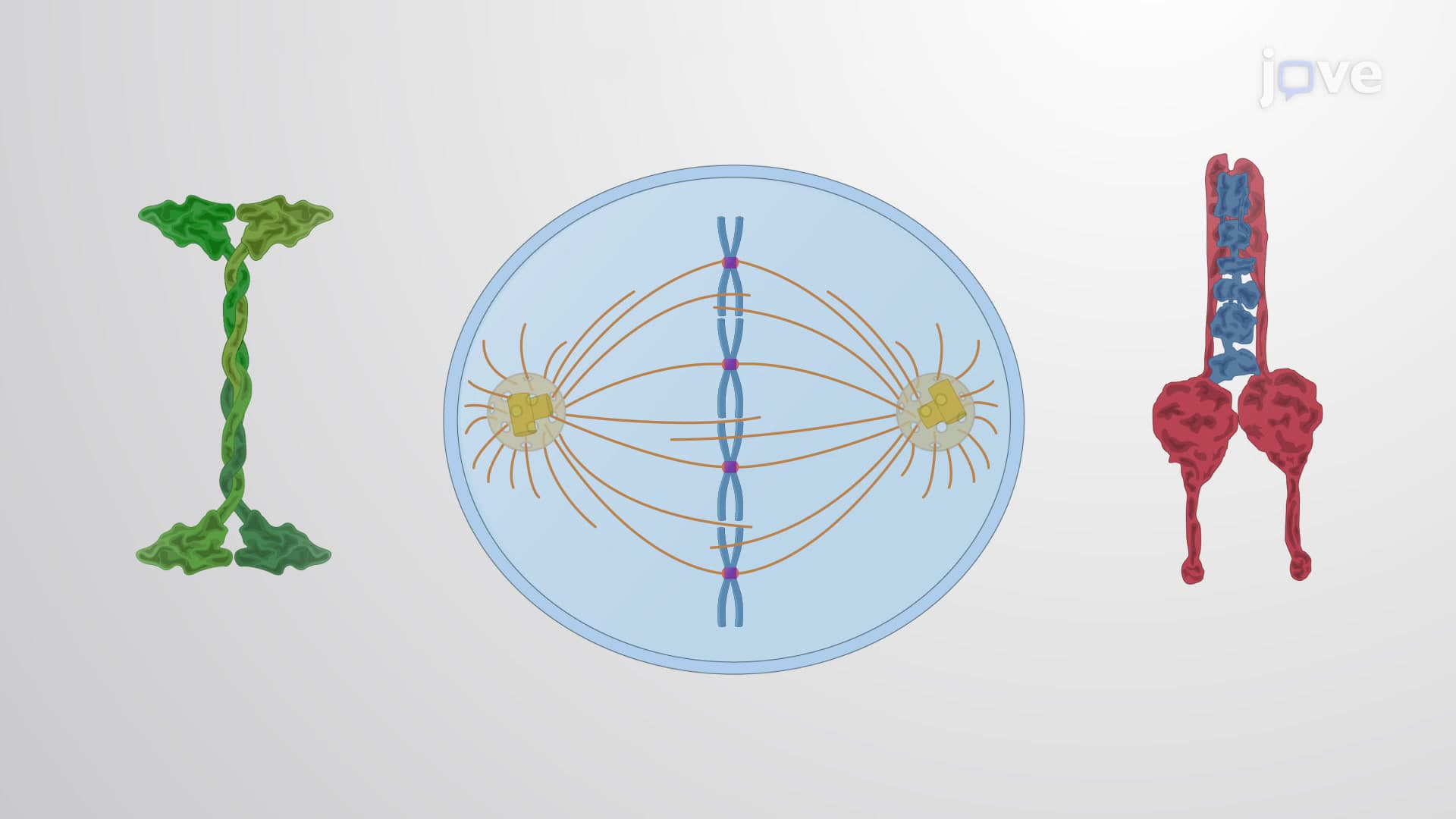
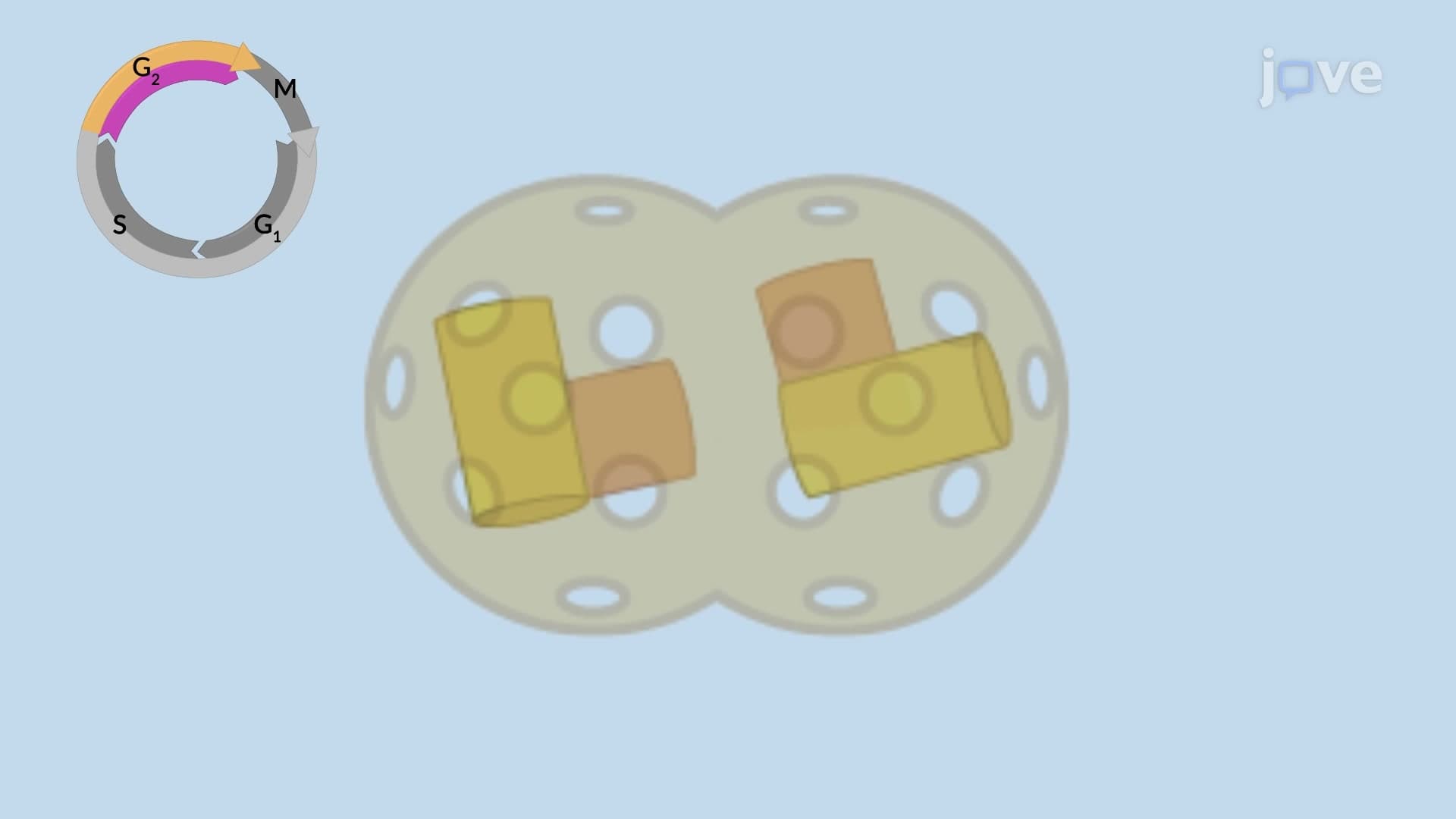

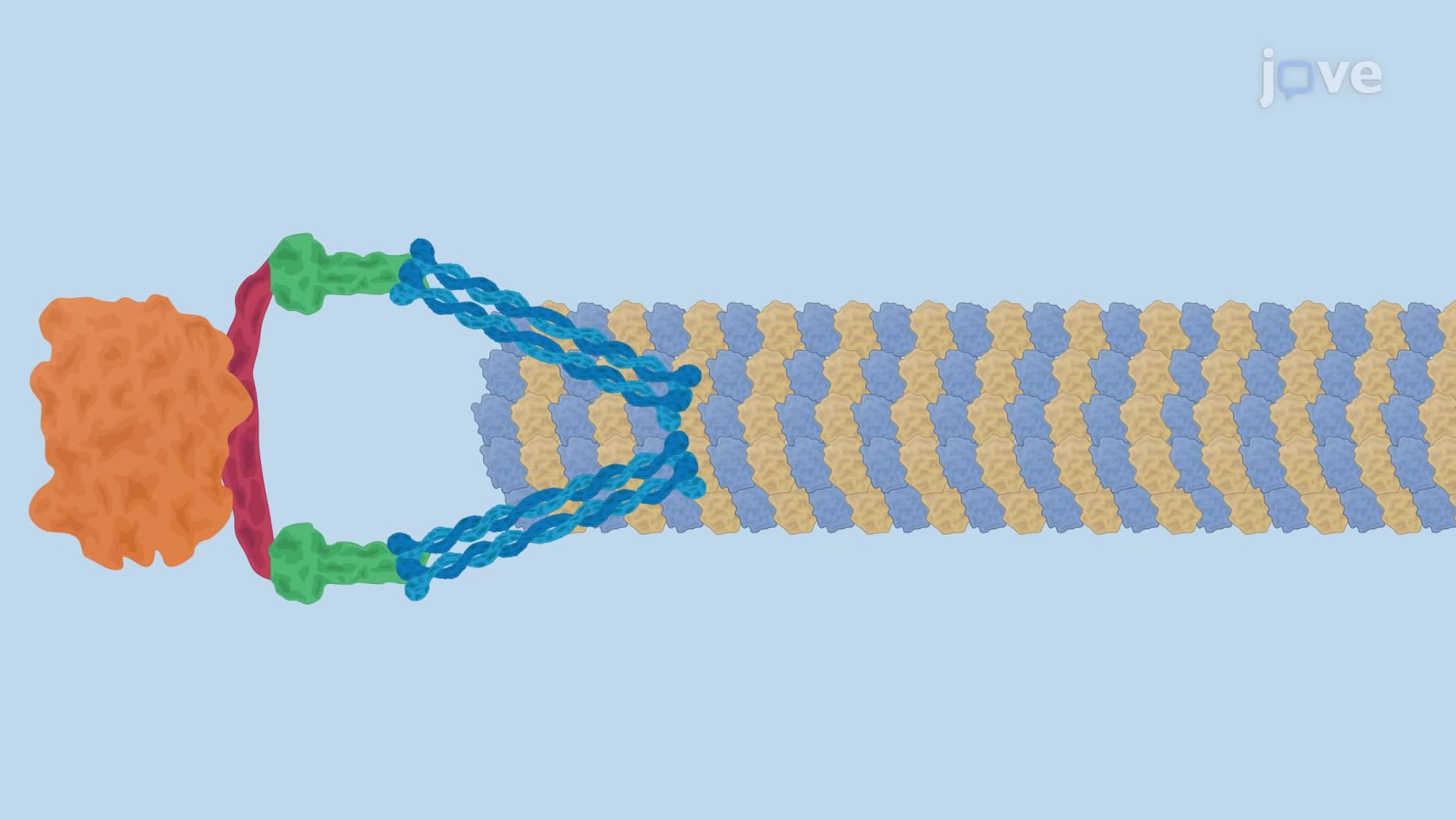
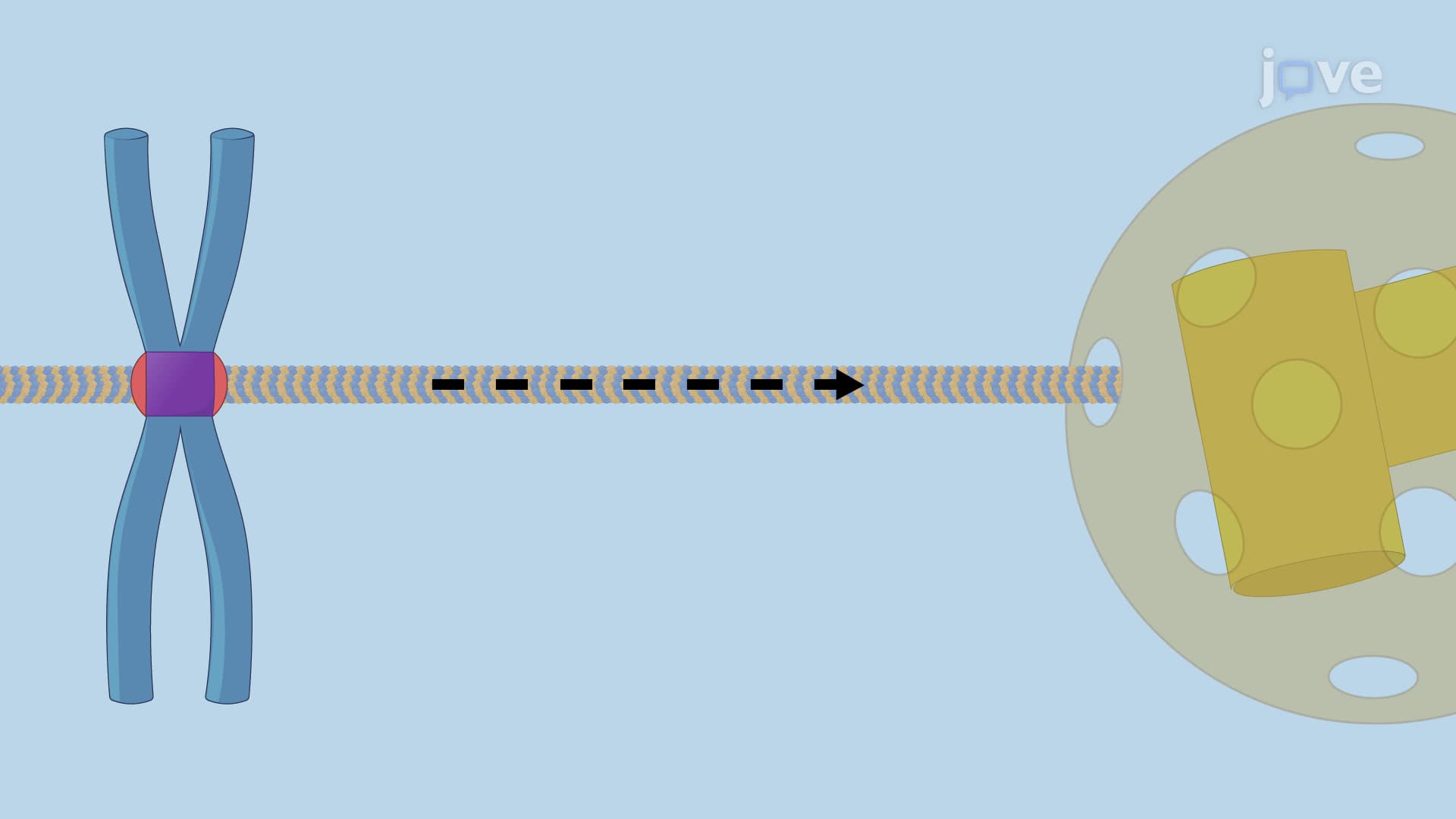


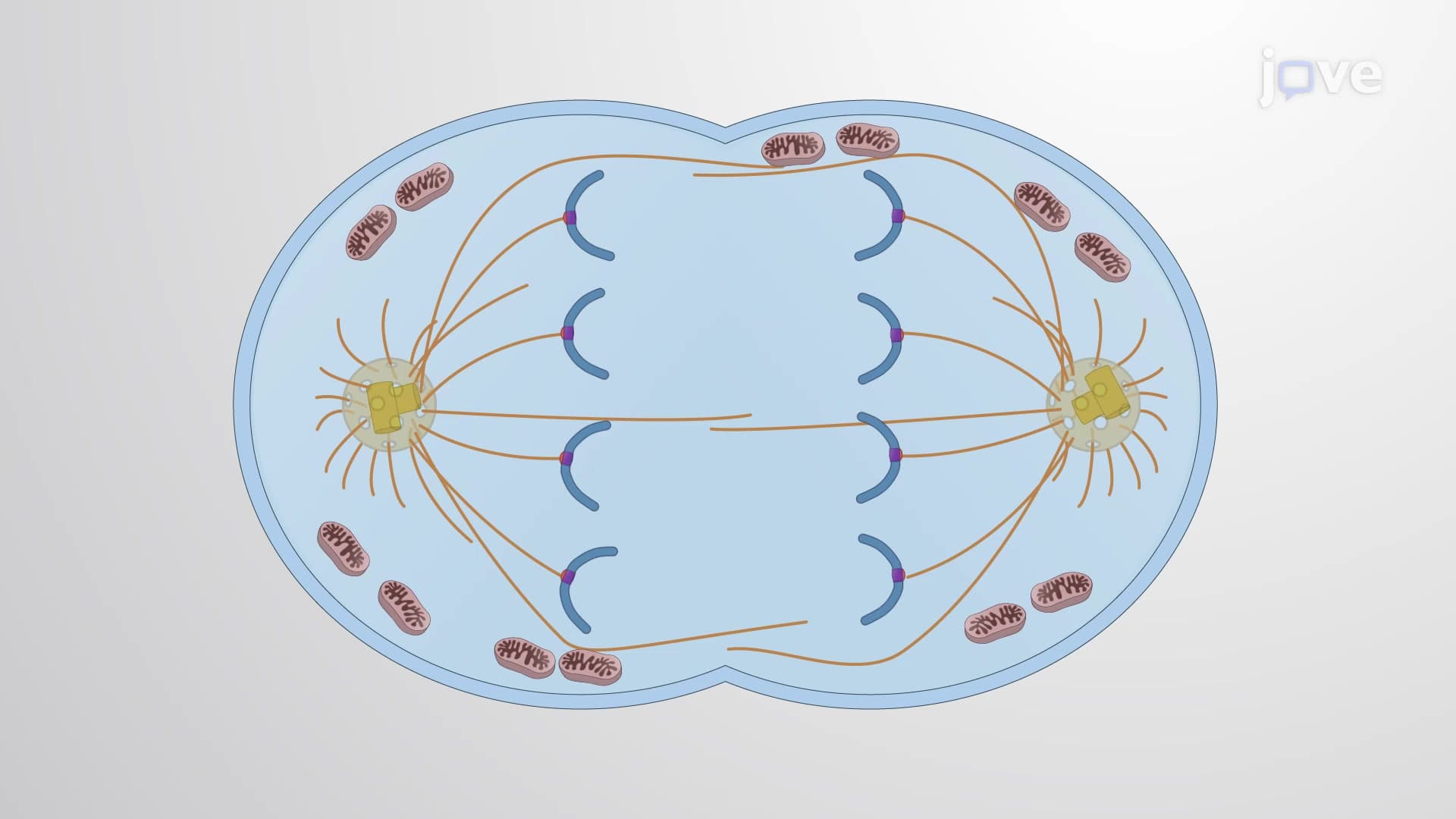
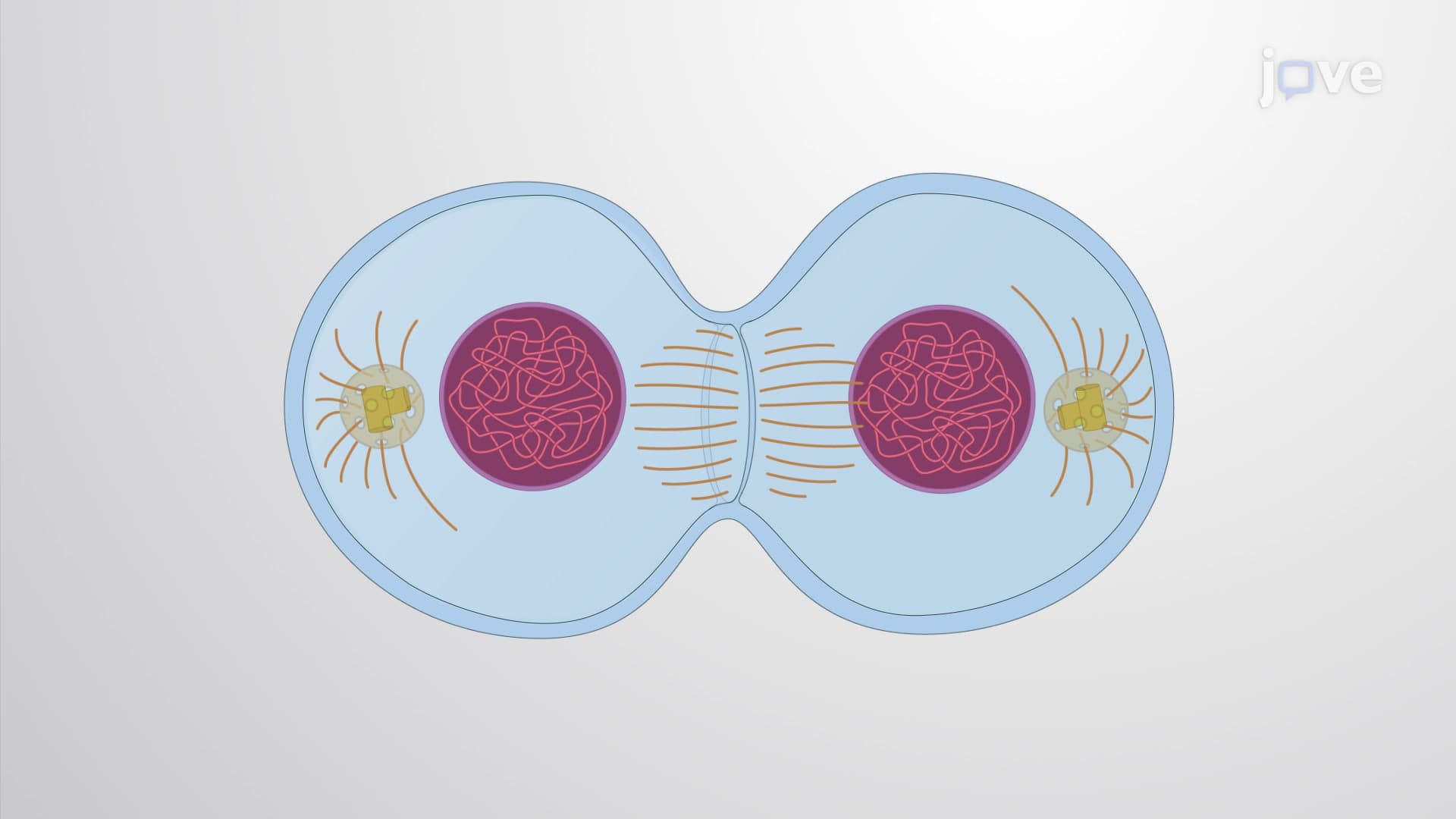
Determining the Plane of Cell Division

00:00
02:13
Video Summary: Determining the Plane of Cell Division Explained
Did you know that a single misplaced cell division can turn healthy tissue into cancerous tumors? Determining the plane of cell division controls whether cells divide symmetrically or asymmetrically, fundamentally shaping how organisms develop and tissues maintain themselves. In cancer research at MD Anderson Cancer Center, scientists study how disrupted division planes contribute to tumor formation and metastasis. Watch the full video on JoVE Coach to master this concept with expert-led visuals and step-by-step explanations.
- Understand how determining the plane of cell division governs symmetric versus asymmetric cell division and its impact on tissue architecture
- Identify key molecular players including the Par complex, LGN, NuMA, and dynein-dynactin motor complexes in spindle orientation
- Analyze the role of intrinsic and extrinsic cues in positioning the mitotic spindle during cell division
- Compare symmetric division for tissue growth with asymmetric division for stem cell differentiation and cell fate determination
- Evaluate how mechanical forces and cell polarity markers influence division plane orientation
- Apply knowledge of division plane regulation to understand developmental defects and cancer progression
- Recognize the clinical significance of spindle orientation in regenerative medicine and cancer therapy
- Explore computational models that simulate spindle dynamics and force balances in dividing cells
Understanding Determining the Plane of Cell Division Fundamentals
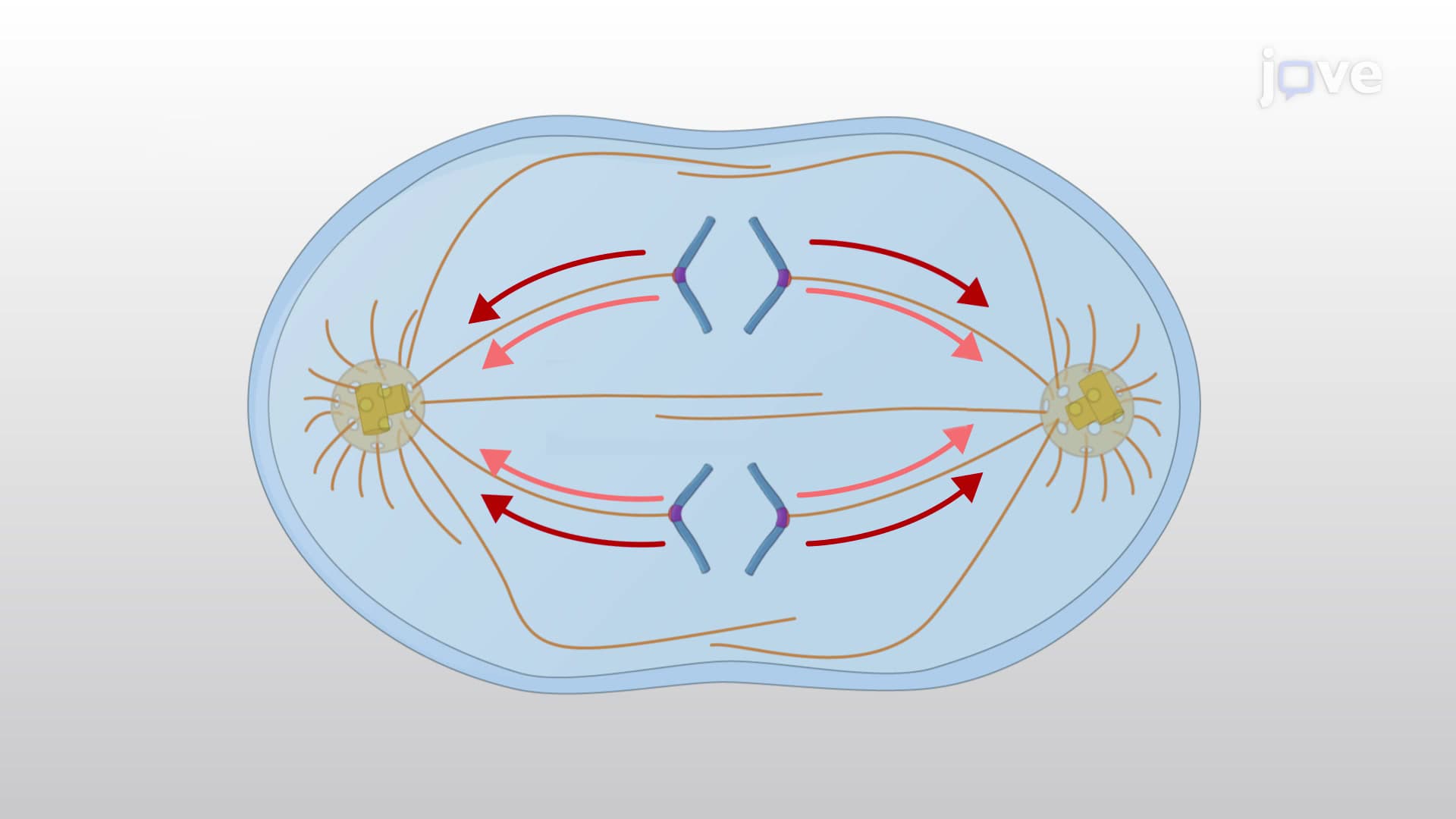
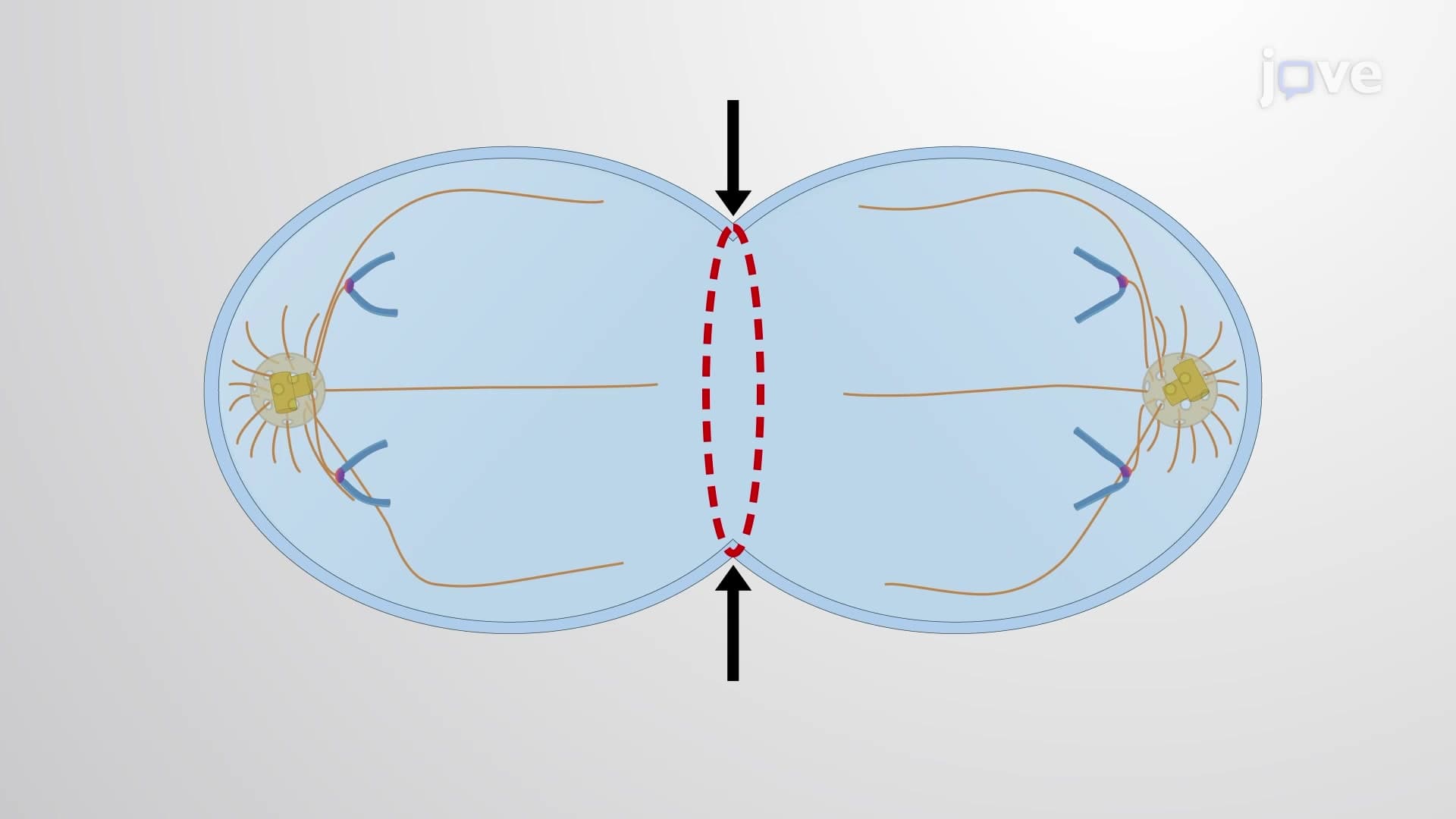
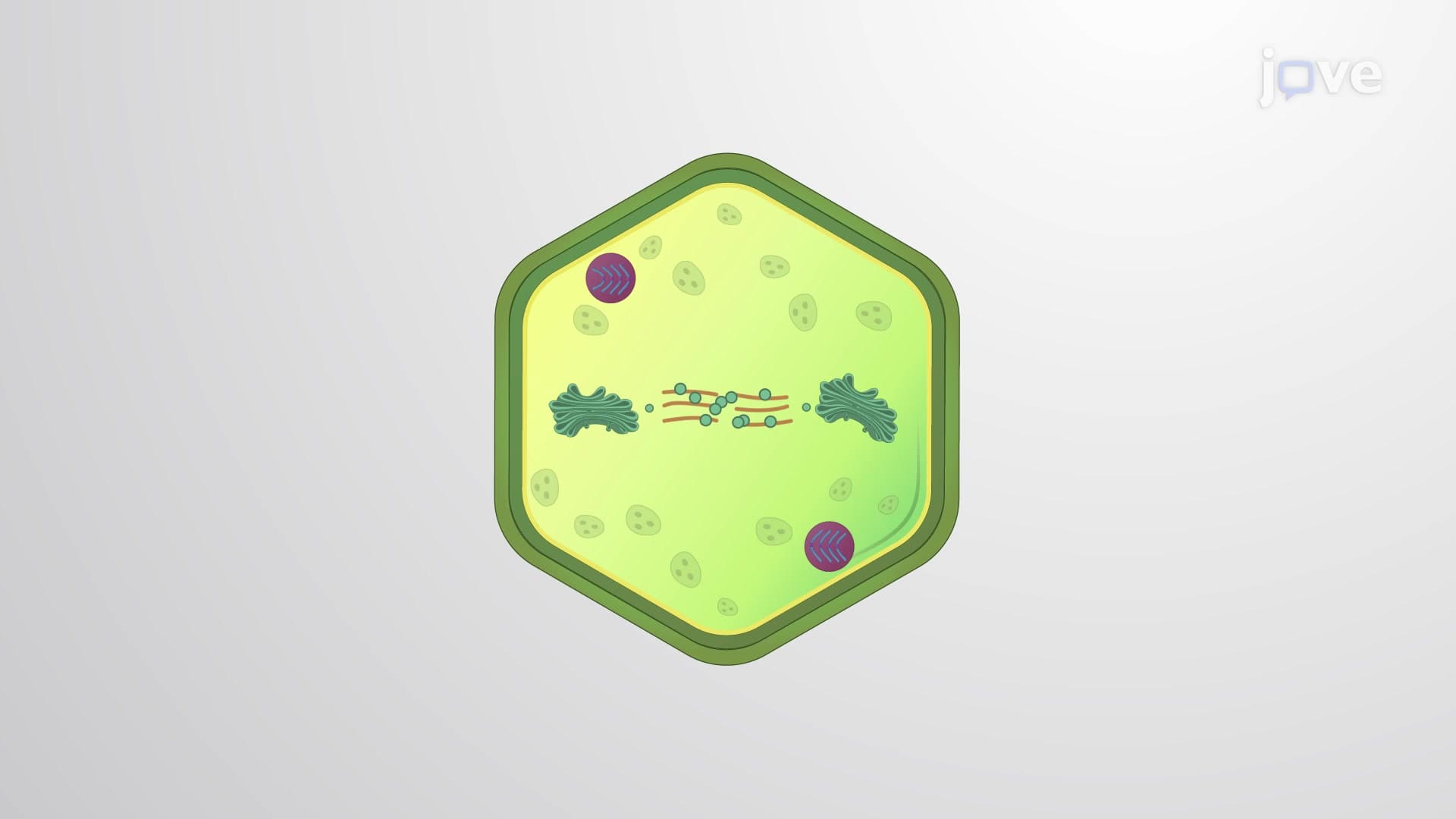
Determining the plane of cell division represents one of cell biology's most critical processes, dictating how a single parent cell splits into two daughter cells. The division plane's orientation-controlled by the positioning of the cleavage furrow and mitotic spindle-ultimately determines whether daughter cells inherit identical or distinct cellular components, directly impacting their future roles in tissue development and maintenance.
This concept frequently appears on AP Biology exams and college cell biology courses, where students must understand both the molecular mechanisms and broader developmental implications. The process involves a sophisticated interplay between internal cellular machinery and external environmental signals that guide spindle positioning with remarkable precision.
Molecular Machinery and Spindle Positioning Mechanisms
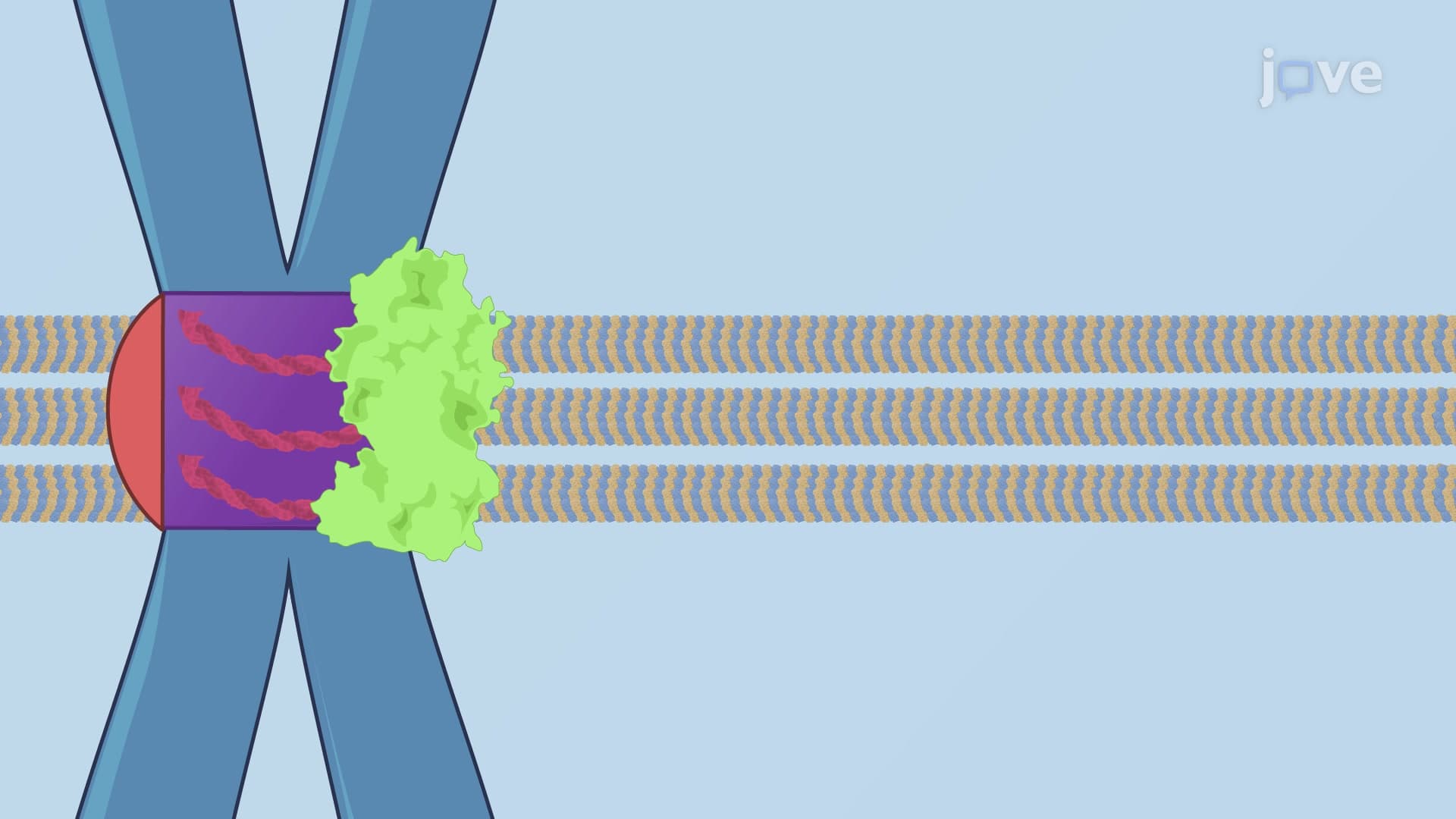
The cellular machinery responsible for division plane determination operates through several key protein complexes working in concert. The Par complex (consisting of Par3, Par6, and aPKC proteins) establishes initial cell polarity by creating distinct cellular domains. This polarity information then gets transmitted to spindle-positioning proteins like LGN and NuMA, which act as molecular anchors connecting the spindle apparatus to the cell cortex.
Dynein-dynactin motor complexes generate the mechanical forces necessary to pull and orient the mitotic spindle toward its proper position. These motors work like cellular tugboats, using ATP energy to physically reposition the spindle based on cortical cues. Understanding these molecular interactions helps students grasp how cells achieve such precise control over their division orientation-a concept that bridges molecular biology and developmental biology coursework.
Symmetric vs. Asymmetric Division: Biological Consequences
The orientation of cell division determines whether the resulting daughter cells will be functionally identical (symmetric division) or distinct (asymmetric division). Symmetric division produces two equivalent cells, crucial for tissue growth and organ expansion during development. This process dominates in rapidly proliferating tissues like skin epidermis and intestinal crypts, where cellular uniformity maintains tissue integrity.
Asymmetric division, conversely, generates daughter cells with different fates, sizes, or molecular contents. This mechanism drives stem cell biology, where one daughter cell maintains stemness while the other begins differentiation. Neural stem cells in the developing brain exemplify this process, producing both self-renewing stem cells and committed neuronal precursors through precisely controlled asymmetric divisions.
Clinical Applications and Disease Implications
Disrupted division plane determination contributes significantly to human disease, particularly cancer development and progression. When spindle orientation mechanisms malfunction, cells may undergo inappropriate symmetric divisions, leading to uncontrolled proliferation and tumor formation. Research at institutions like Harvard Medical School and Stanford University has revealed how oncogenes and tumor suppressors directly influence division plane machinery.
Understanding these mechanisms informs therapeutic approaches in regenerative medicine and cancer treatment. Scientists at the California Institute for Regenerative Medicine use division plane manipulation to control stem cell behavior in tissue engineering applications. Similarly, cancer researchers explore targeted therapies that restore normal division orientation to limit tumor growth-making this fundamental cell biology concept directly relevant to cutting-edge medical research.
Frequently Asked Questions
Determining the plane of cell division is the process by which cells orient their mitotic spindle to control how they split into daughter cells. This orientation determines whether division produces identical cells (symmetric) or functionally different cells (asymmetric), directly impacting tissue development, stem cell maintenance, and organ function. The process is essential for proper embryonic development and adult tissue homeostasis.
MCAT questions often test understanding of spindle orientation mechanisms, polarity proteins like Par complex, and connections to cancer biology. AP Biology exams focus on symmetric versus asymmetric division outcomes, developmental consequences, and molecular machinery involved in spindle positioning. Students should understand both the mechanistic details and broader biological significance for comprehensive exam preparation.
College cell biology courses emphasize key protein complexes: Par proteins establish polarity, LGN and NuMA anchor spindles to the cortex, and dynein motors generate positioning forces. Students must understand how these components interact through signaling cascades, respond to mechanical cues, and integrate developmental signals. This knowledge forms the foundation for advanced topics in developmental biology and cancer research.
Cancer cells frequently show abnormal spindle orientation, leading to inappropriate symmetric divisions that promote uncontrolled growth. Research at major US cancer centers like Memorial Sloan Kettering demonstrates how oncogenes disrupt normal division plane machinery. Understanding these mechanisms helps explain tumor heterogeneity, metastasis patterns, and provides targets for novel therapeutic interventions in precision oncology approaches.
No advanced mathematics is required beyond basic algebra for understanding force calculations and protein concentrations. The concept builds on fundamental biology knowledge of cell structure, protein function, and basic biochemistry. High school students with solid biology backgrounds can master these concepts, while computational modeling aspects remain optional for introductory courses.
Focus on creating concept maps linking molecular players (Par complex, LGN, dynein) to their specific functions in spindle positioning. Practice drawing division scenarios showing symmetric versus asymmetric outcomes, and memorize key examples like neural stem cell division. Use active recall techniques with flashcards for protein names and functions, then apply knowledge to clinical scenarios involving cancer and development.
Division plane control is fundamental to stem cell biology, determining whether stem cells self-renew or differentiate into specialized cell types. Researchers at institutions like Harvard Stem Cell Institute manipulate division orientation to direct stem cell fate in tissue engineering applications. This knowledge is crucial for developing treatments for spinal cord injuries, heart disease, and neurodegenerative conditions.
Advanced students can explore computational modeling of spindle forces, mechanobiology of cell shape effects on division, and evolutionary conservation of orientation mechanisms across species. Topics like asymmetric inheritance of cellular organelles, epigenetic regulation of polarity proteins, and single-cell analysis techniques for tracking division outcomes provide deeper understanding relevant for graduate-level research and medical school preparation.
Related Micro-courses


