Loading subject page…

- Cell Biology
- Cell Division
- Cohesins
Micro-course: Cell Division
37,915 views
Learn key concepts and earn your certificate.
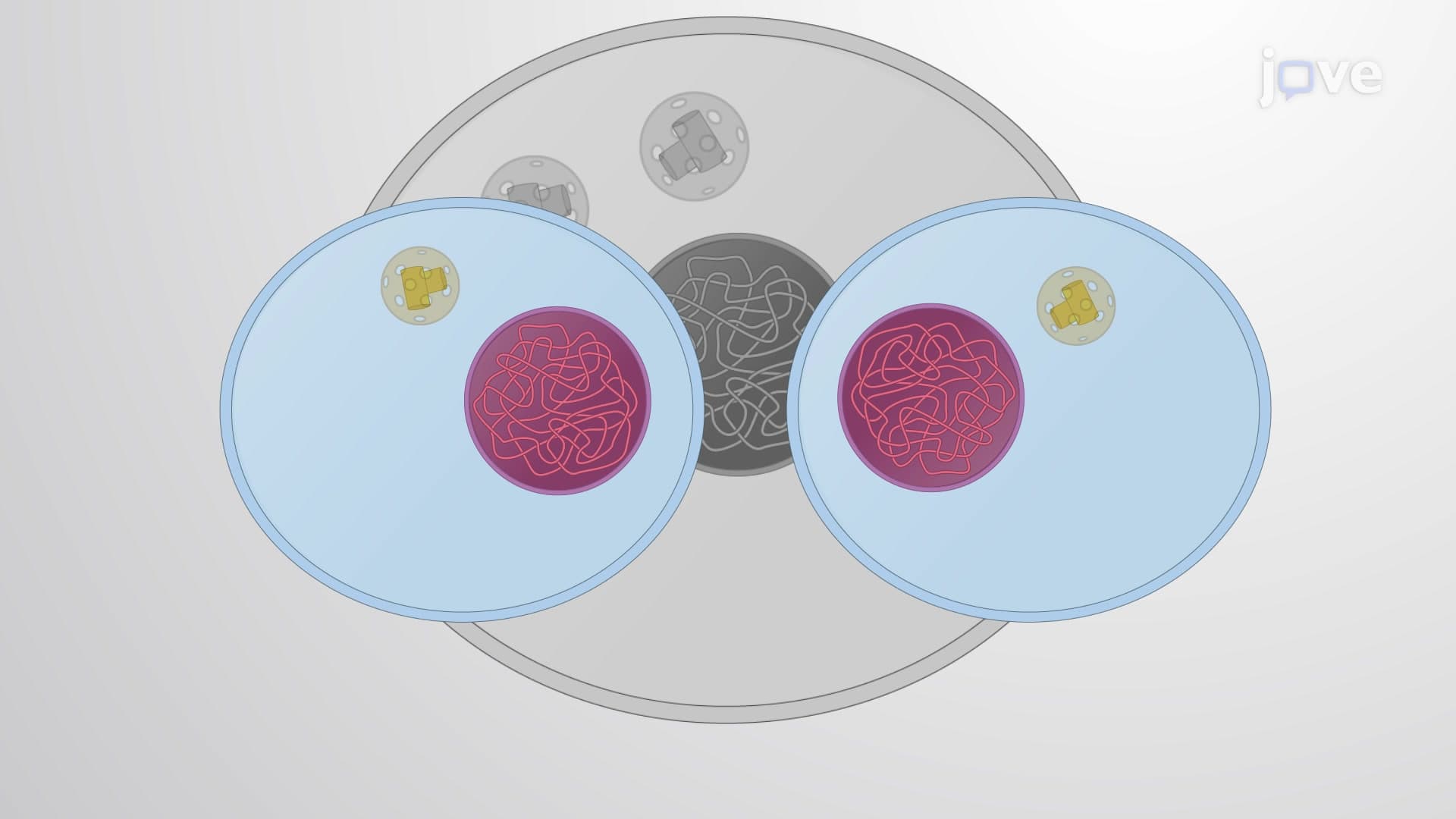

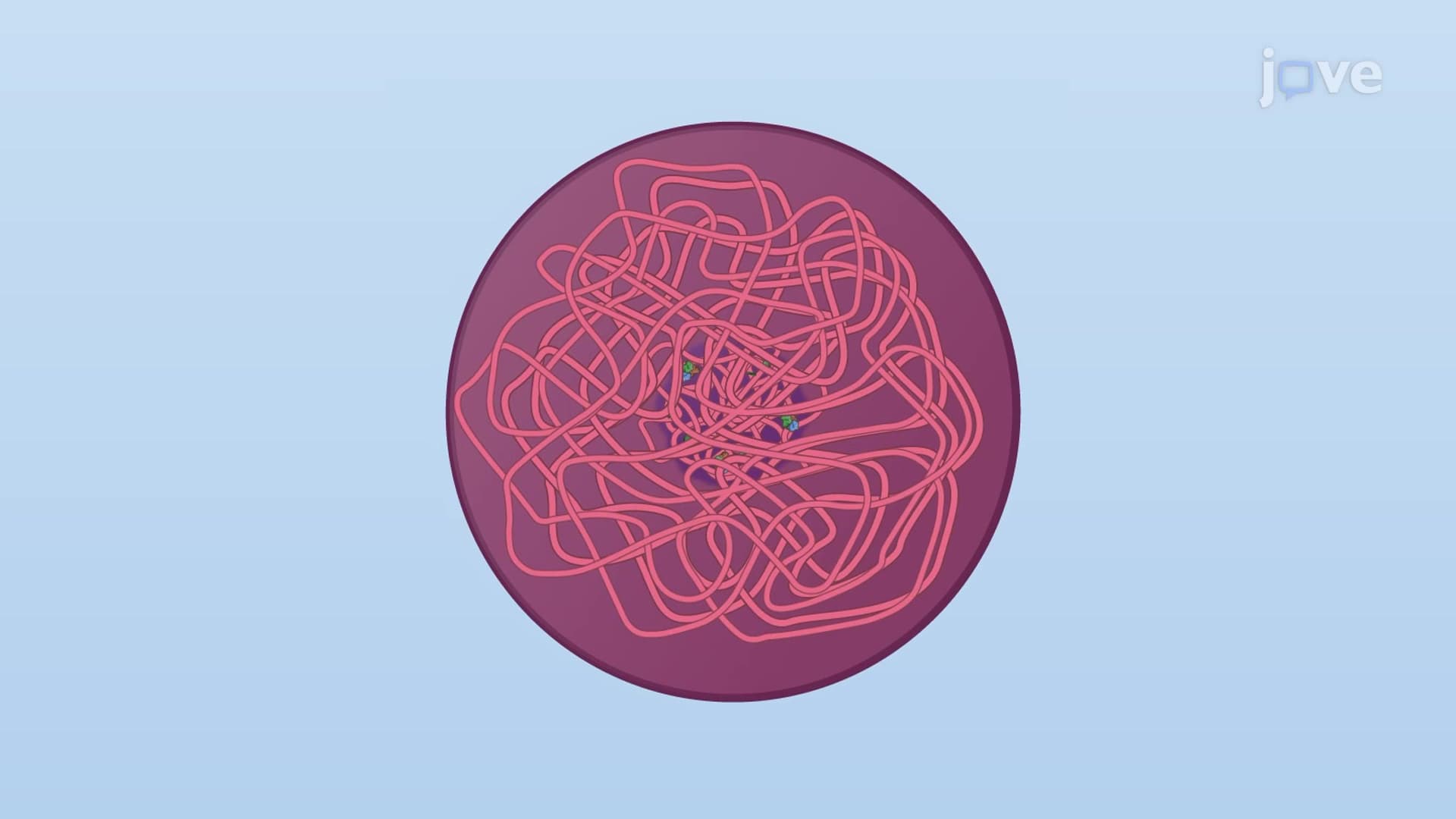
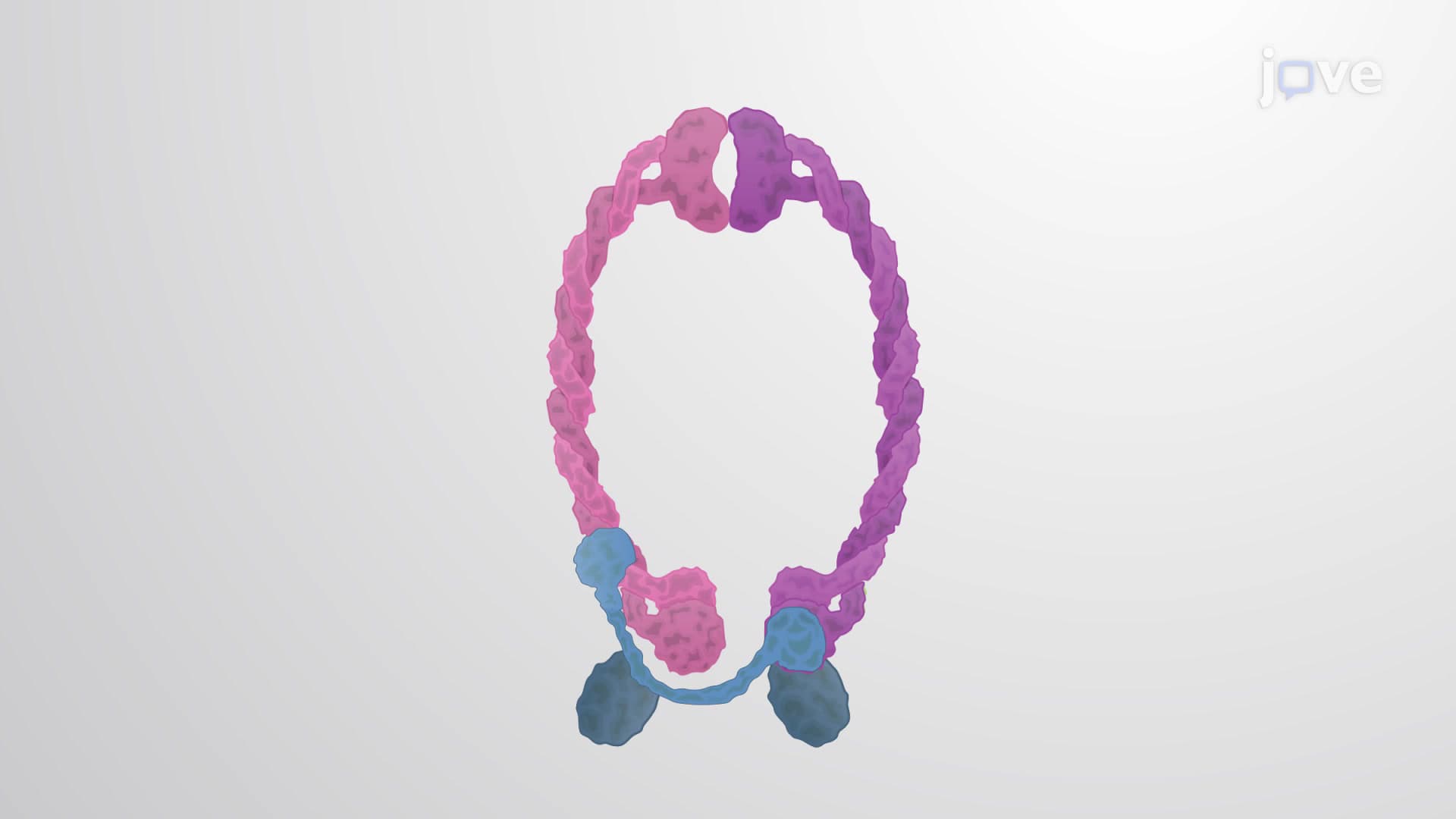
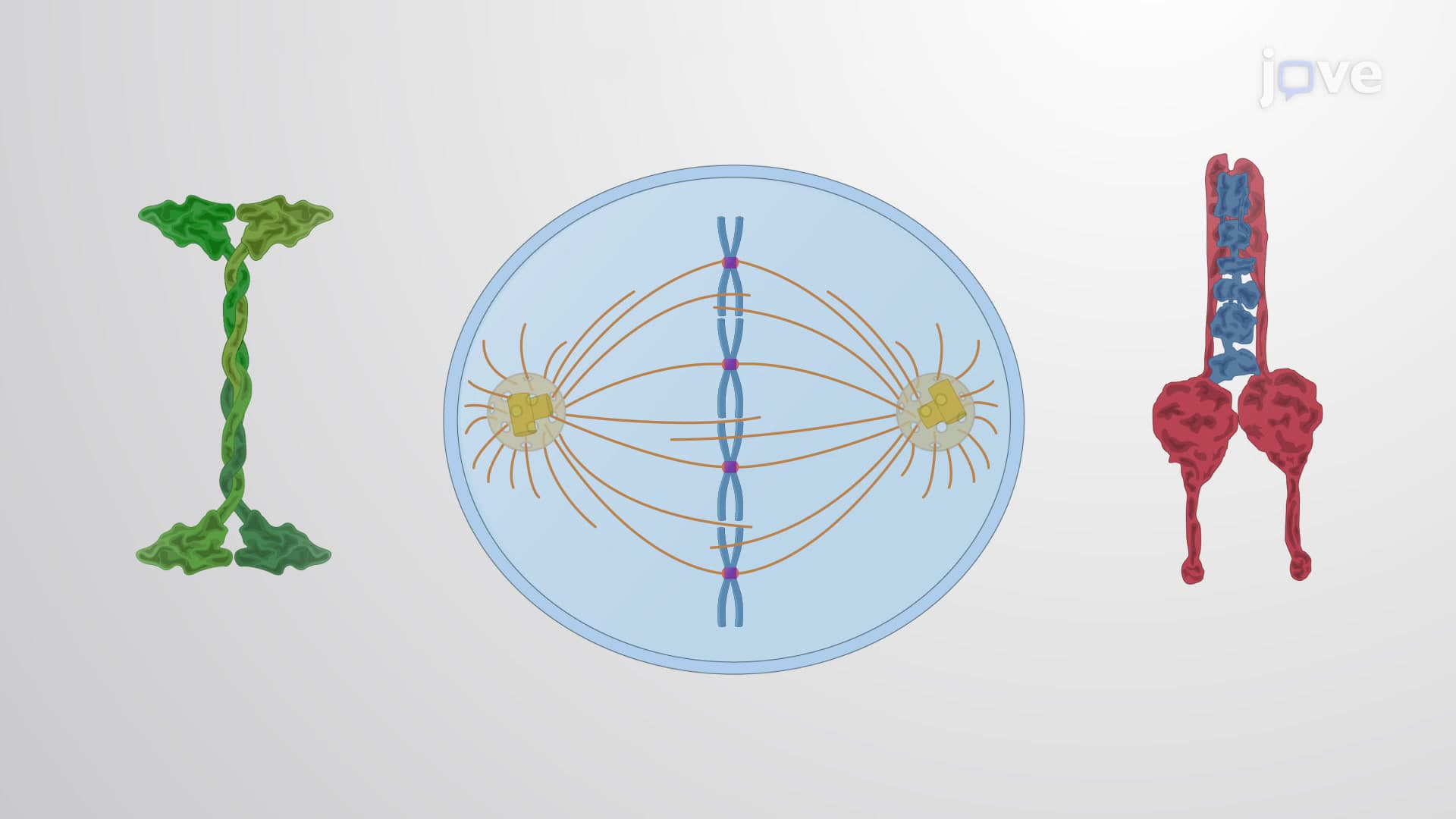
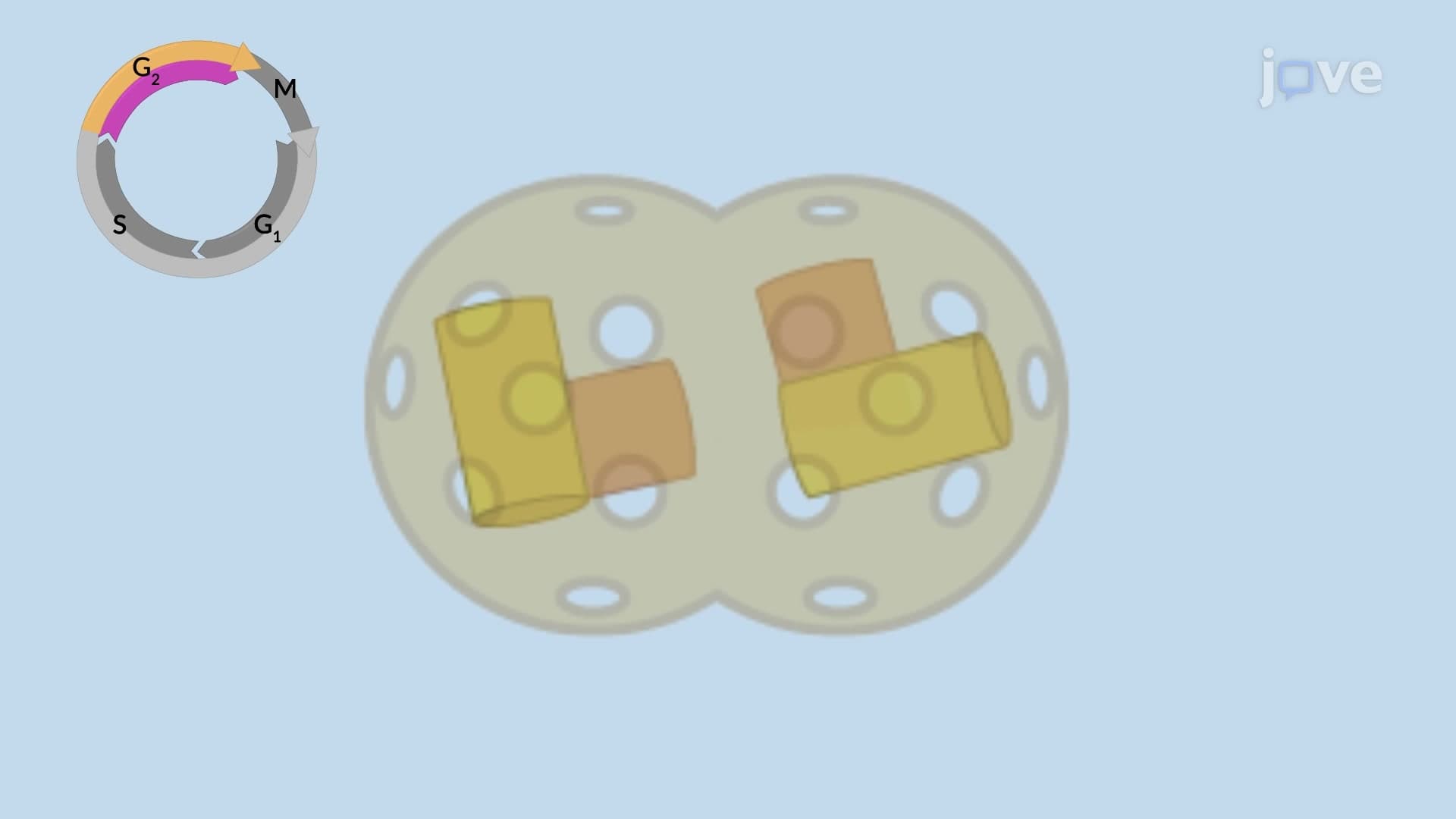

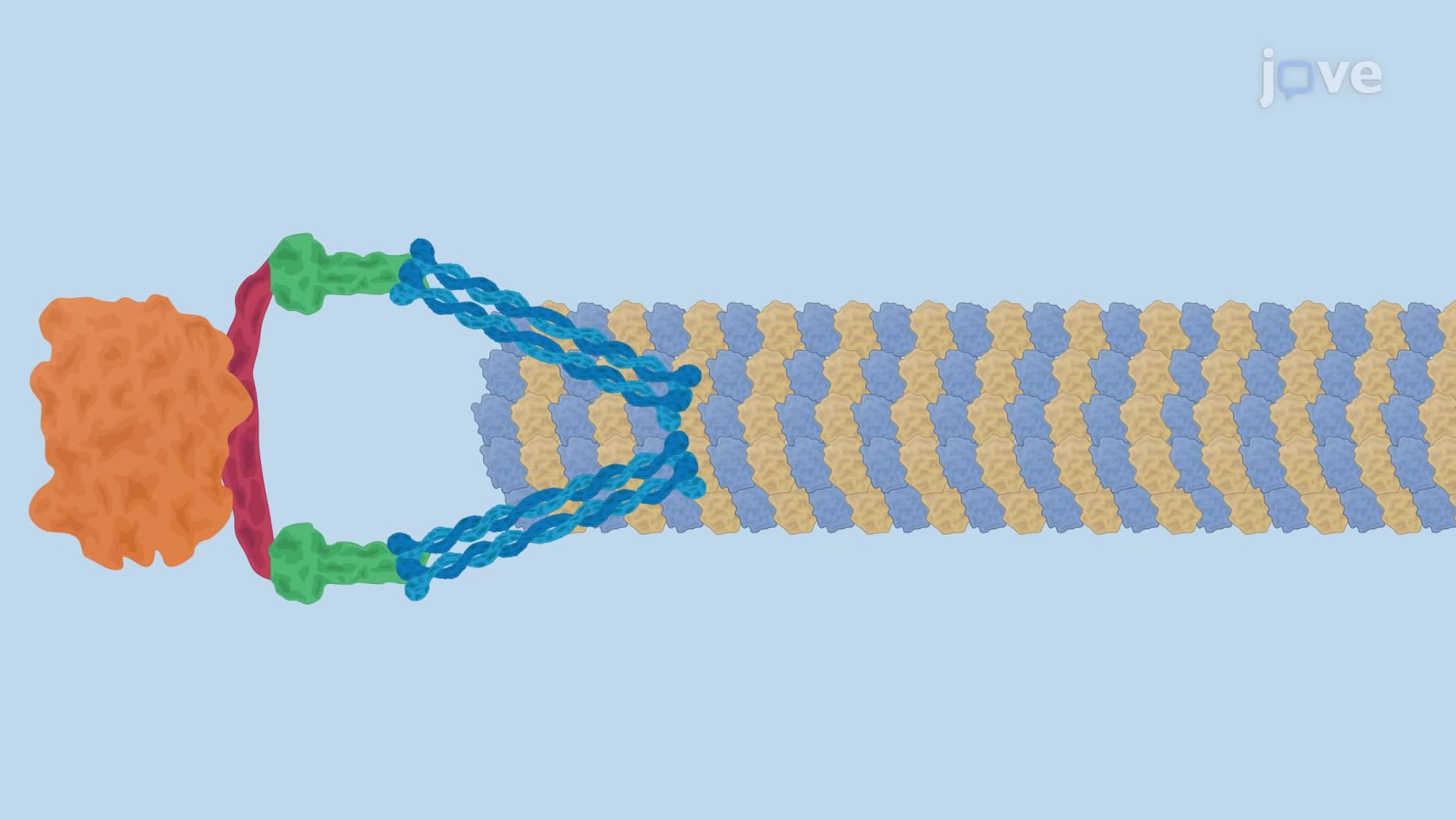
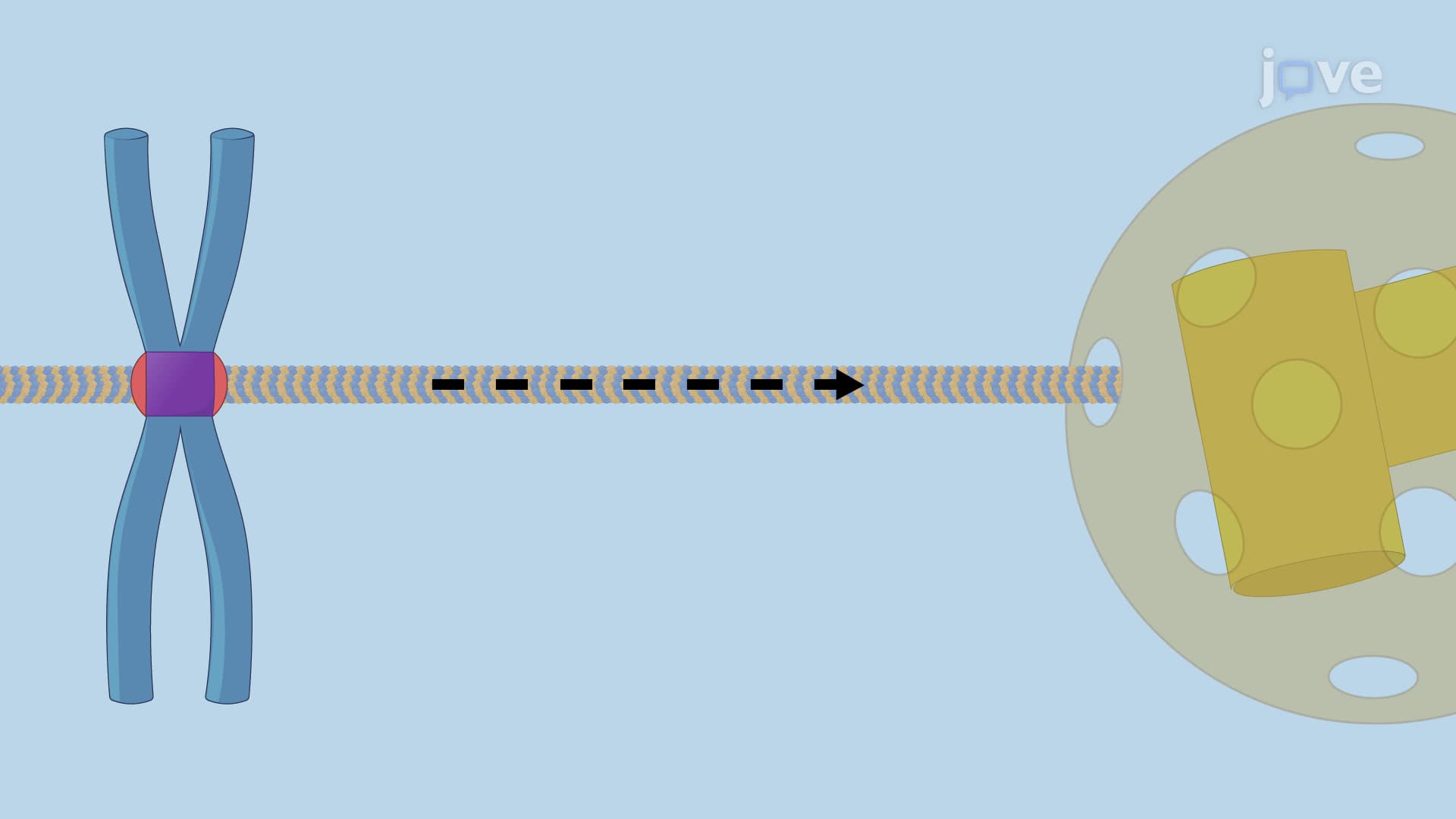

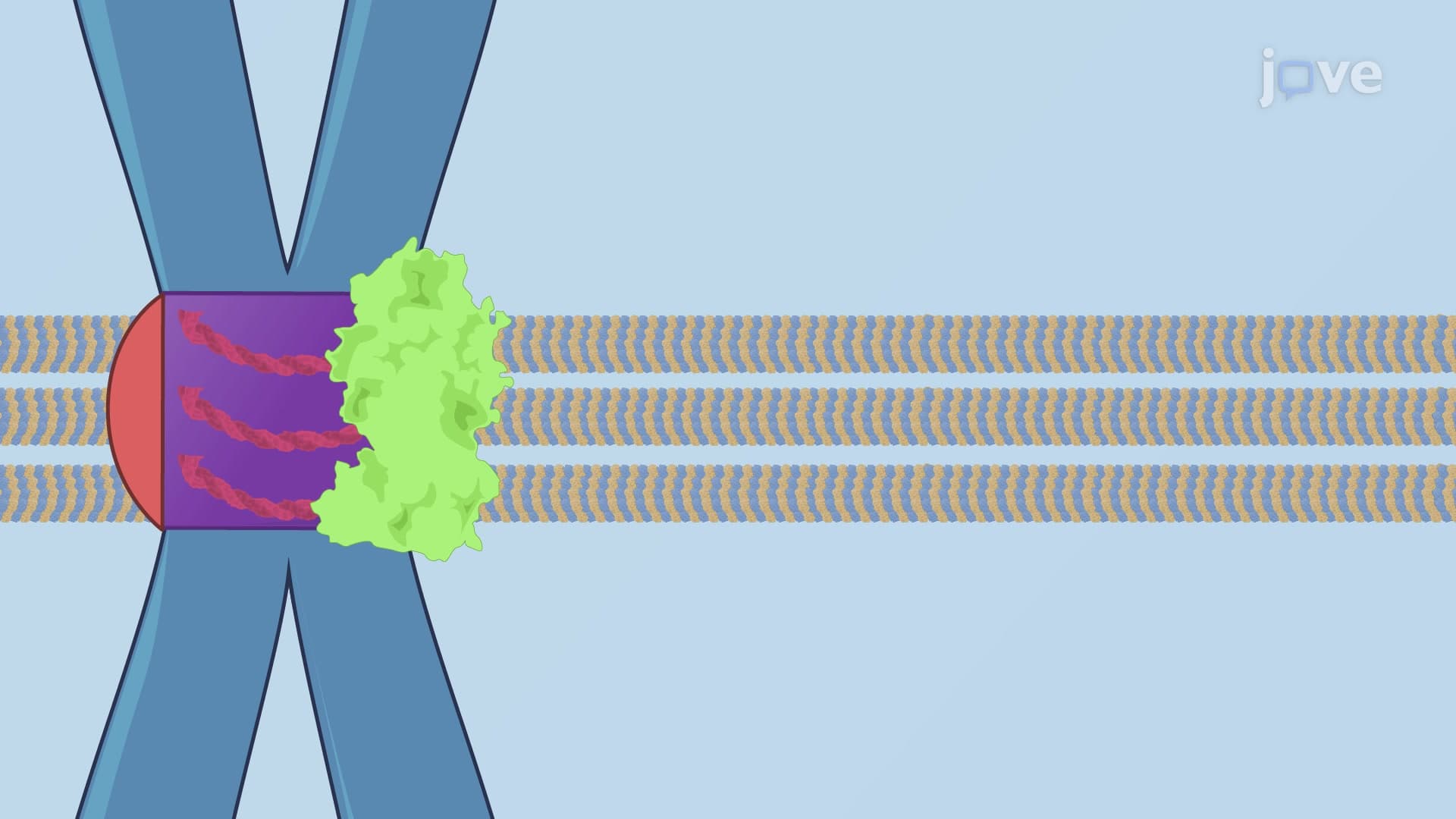

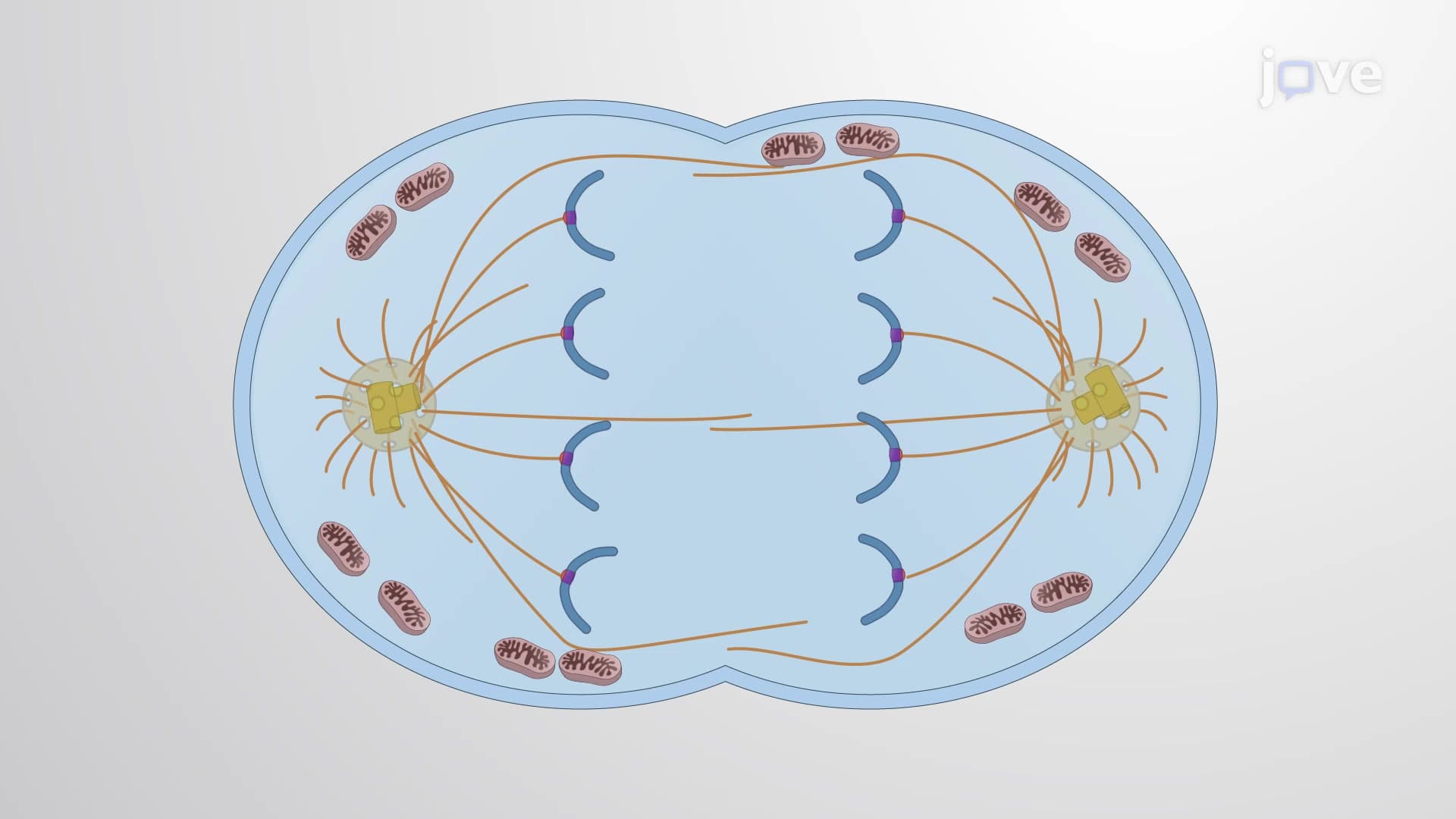
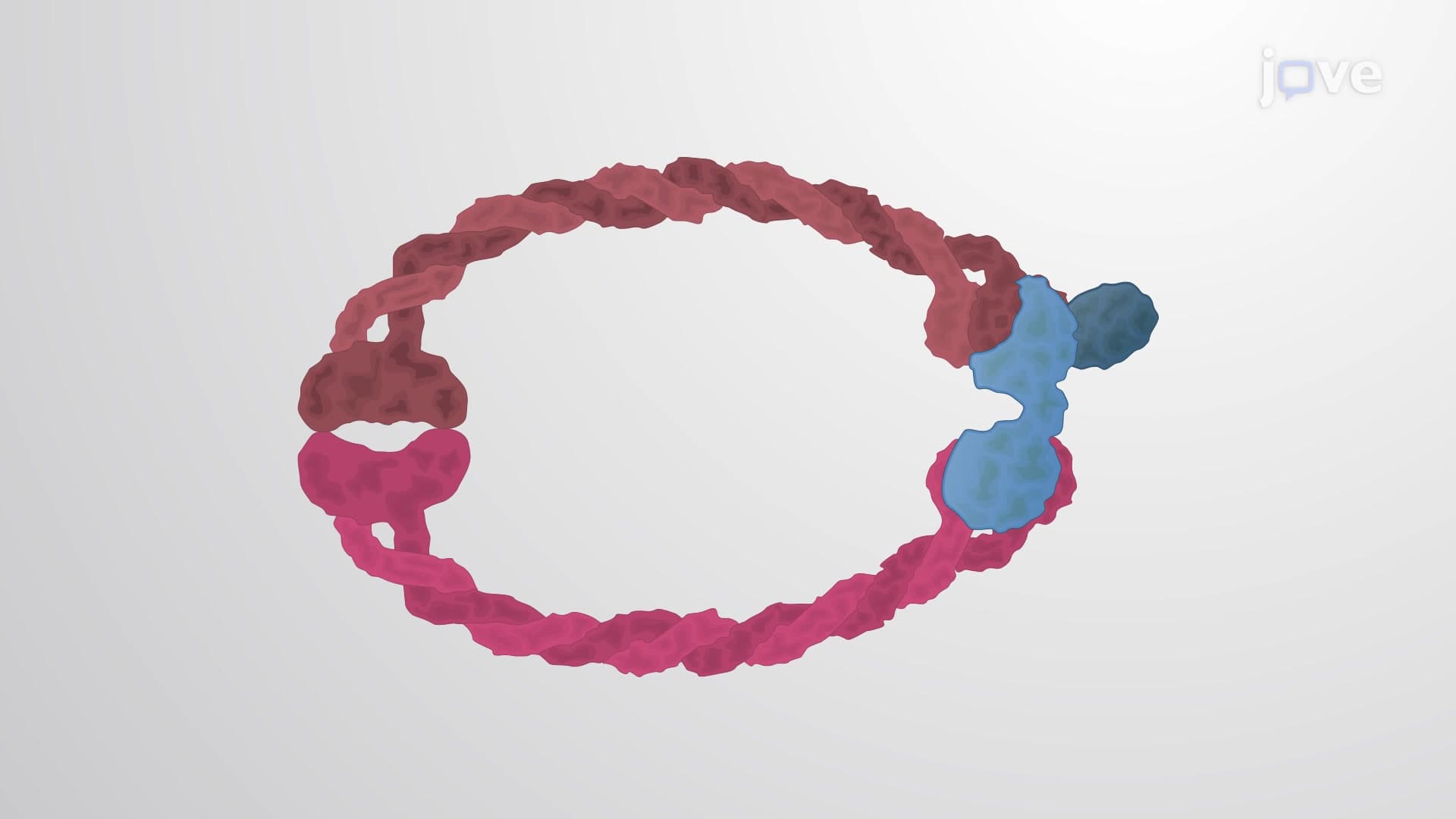
Cohesins

00:00
02:20
Video Summary: What are Cohesins
Ever wonder how your body prevents genetic chaos during the trillions of cell divisions happening right now? Cohesins are ring-shaped protein complexes that act as molecular "glue," holding sister chromatids together until precisely the right moment during cell division. When cohesins malfunction, disorders like Cornelia de Lange syndrome can result, affecting thousands of Americans annually. Watch the full video on JoVE Coach to master this concept with expert-led visuals and step-by-step explanations.
- Understand what are cohesins and their fundamental ring-shaped protein structure composed of SMC proteins
- Identify the critical timing of cohesin function from S phase through anaphase in mitosis and meiosis
- Analyze how cohesins prevent aneuploidy by ensuring accurate chromosome segregation during cell division
- Compare the roles of regulatory proteins like separase, WAPL, and sororin in cohesin dynamics
- Evaluate the connection between cohesin dysfunction and human genetic disorders like cohesinopathies
- Apply knowledge of cohesin mechanisms to understand chromosomal instability in cancer biology
- Recognize cohesins' additional roles in DNA repair, gene expression regulation, and chromatin architecture
- Explore the relationship between cohesins and condensins in maintaining genome organization
Understanding What are Cohesins: The Molecular Guardians
Cohesins represent one of biology's most elegant solutions to a fundamental challenge: how to keep paired chromosomes together while preparing them for eventual separation. These ring-shaped protein complexes consist primarily of Structural Maintenance of Chromosomes (SMC) proteins-specifically SMC1 and SMC3-along with regulatory subunits that control their function. Think of cohesins as sophisticated molecular handcuffs that can be precisely unlocked when the time is right.
Types of Cohesins and Their Cellular Functions
Different types of cohesins serve specialized roles throughout the cell cycle. Mitotic cohesins maintain sister chromatid cohesion during regular cell division, while meiotic cohesins have unique properties essential for sexual reproduction. The loading process begins during S phase when cohesins encircle newly replicated sister chromatids. This process requires specific loading factors and occurs at numerous sites along each chromosome. Students preparing for the AP Biology exam should understand that cohesin loading isn't random-it's precisely regulated and occurs preferentially at certain chromatin regions.
Regulation and Clinical Significance
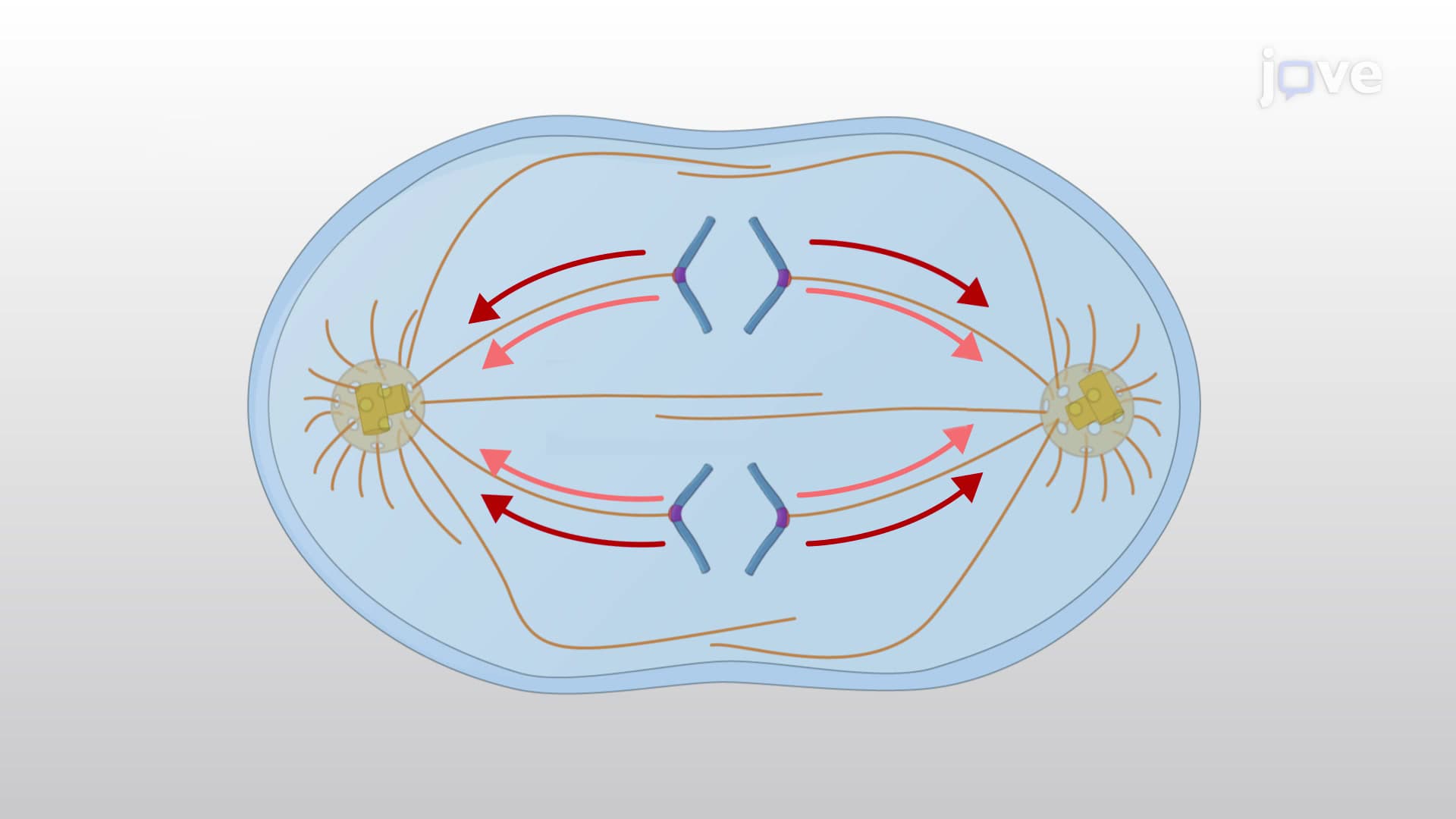
The regulation of cohesin function involves a complex network of proteins. Separase enzyme cleaves cohesins during anaphase, allowing sister chromatids to separate and move to opposite poles of the cell. However, this process is tightly controlled by the spindle checkpoint mechanism, ensuring all chromosomes are properly attached before separation begins. WAPL protein promotes cohesin removal, while sororin stabilizes cohesin binding-a balance crucial for maintaining genomic stability.
Real-World Applications and Disease Connections
Cohesin dysfunction has serious medical implications in the United States. Cornelia de Lange syndrome, affecting approximately 1 in 10,000 to 30,000 newborns, often results from mutations in cohesin pathway genes like NIPBL, SMC1A, or SMC3. Patients at institutions like Boston Children's Hospital and Johns Hopkins regularly receive care for these cohesinopathies. Additionally, cancer researchers at major medical centers including MD Anderson and Memorial Sloan Kettering study how cohesin defects contribute to the chromosomal instability characteristic of many tumors. Understanding cohesins is essential for students pursuing careers in genetics, oncology, or developmental biology, making this knowledge valuable for MCAT preparation and advanced coursework.
Frequently Asked Questions
Cohesins are ring-shaped protein complexes that hold sister chromatids together after DNA replication. They act like molecular glue, ensuring chromosome pairs stay connected until it's time for cell division. Without functional cohesins, cells would experience chaotic chromosome separation leading to genetic disorders or cell death.
Human cells contain mitotic cohesins for regular cell division and meiotic cohesins for reproductive cell formation. The core components include SMC1, SMC3, and regulatory subunits like RAD21 and SA proteins. Meiotic cohesins have specialized variants like REC8 that persist longer to enable proper gamete formation.
MCAT questions often focus on cohesin function during mitosis/meiosis and their role in preventing aneuploidy. AP Biology may test cohesin timing in cell cycle phases and their connection to genetic disorders. Practice identifying cohesin dysfunction consequences and regulatory mechanisms like separase activation for optimal exam performance.
Understanding cohesins provides essential foundation knowledge for advanced genetics, cell biology, and molecular biology courses. This concept connects to chromosome structure, cell cycle regulation, DNA repair mechanisms, and human genetic diseases. Strong cohesin knowledge will enhance your performance in upper-level biology coursework and research opportunities.
Cohesin defects cause cohesinopathies like Cornelia de Lange syndrome, affecting facial features, growth, and cognitive development. Cancer patients may also have tumors with cohesin mutations leading to chromosomal instability. Major US medical centers actively research these conditions, making cohesin knowledge relevant for future healthcare careers.
Cohesins are manageable with proper foundation in basic cell biology and DNA structure. Focus on the "molecular glue" analogy and visualize the ring structure encircling chromatids. Breaking down the concept into loading, maintenance, and removal phases makes it more approachable for students at all levels.
Create timeline diagrams showing cohesin function throughout the cell cycle, from S phase loading through anaphase removal. Practice drawing the ring structure and identifying key regulatory proteins like separase and WAPL. Connect cohesins to broader topics like chromosome segregation errors and human genetic diseases for comprehensive understanding.
Explore condensins, which organize chromosome structure during mitosis, and kinetochore proteins that attach chromosomes to spindle fibers. Understanding the spindle checkpoint mechanism and aneuploidy consequences will deepen your cell division knowledge. These topics frequently appear together on advanced biology exams and research applications.
Related Micro-courses


