Loading subject page…

- Cell Biology
- Cell Division
- Forces Acting on Chromosomes
Micro-course: Cell Division
37,915 views
Learn key concepts and earn your certificate.




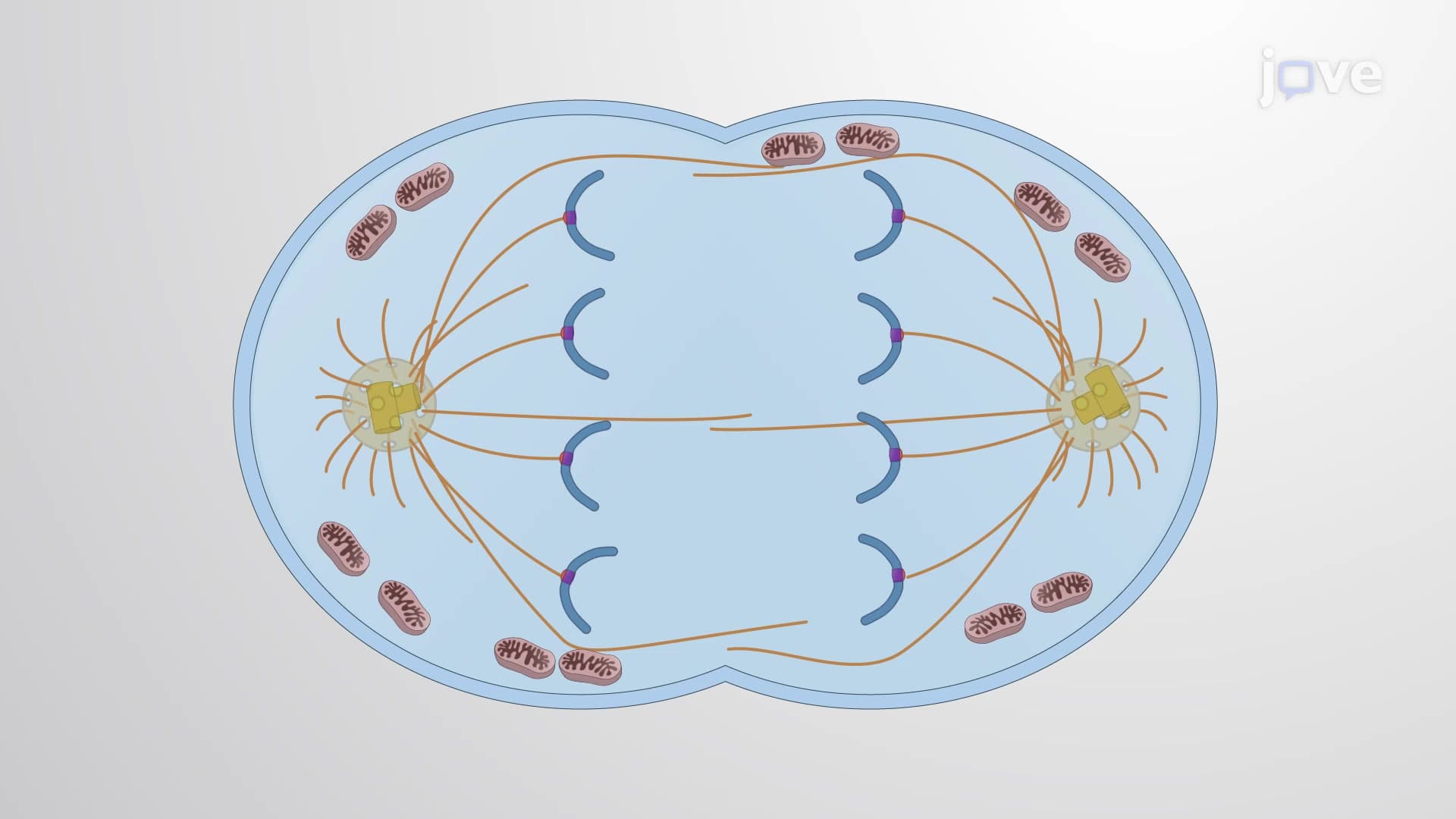
Forces Acting on Chromosomes

00:00
02:11
Video Summary: What are Forces Acting on Chromosomes
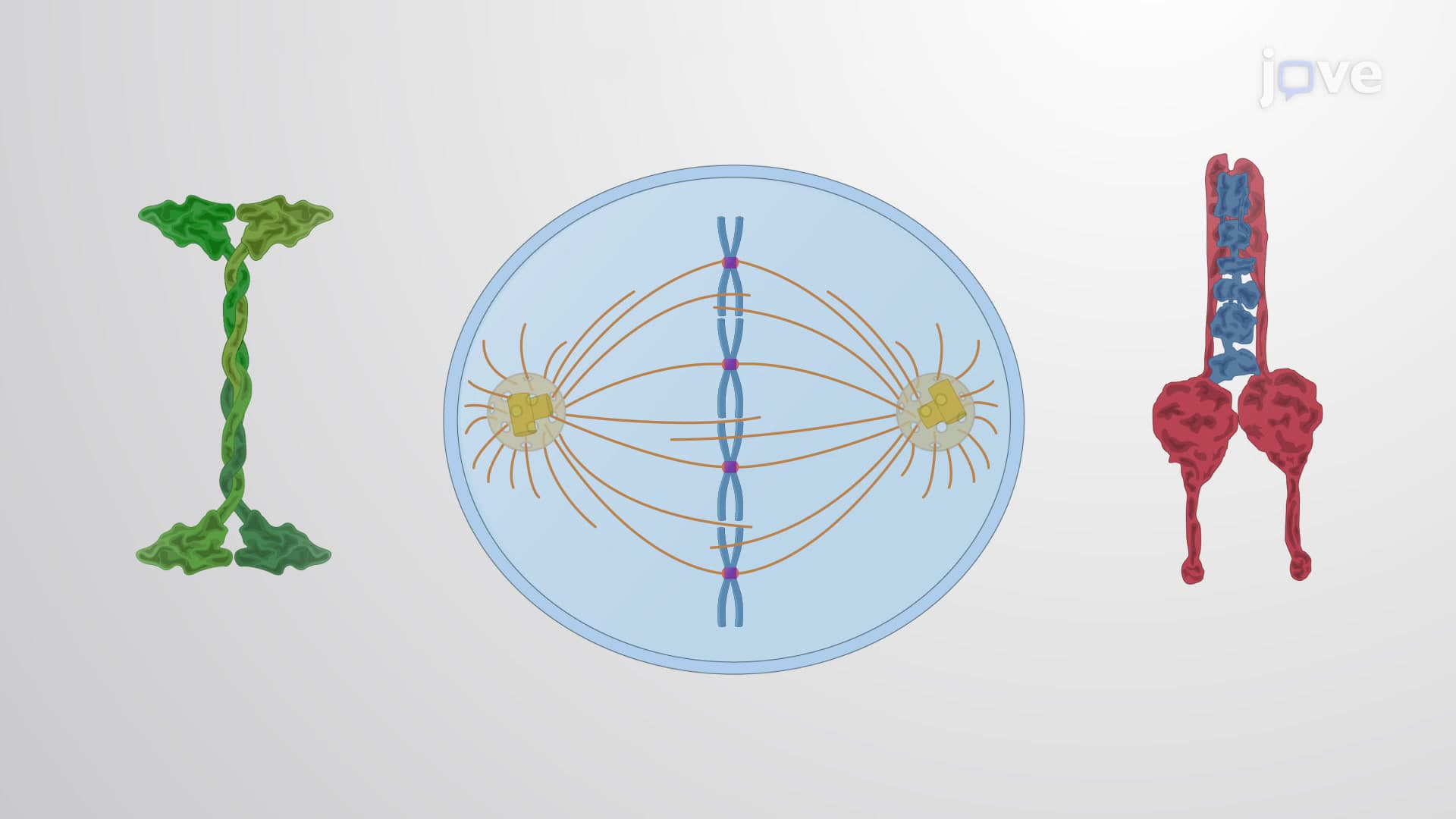
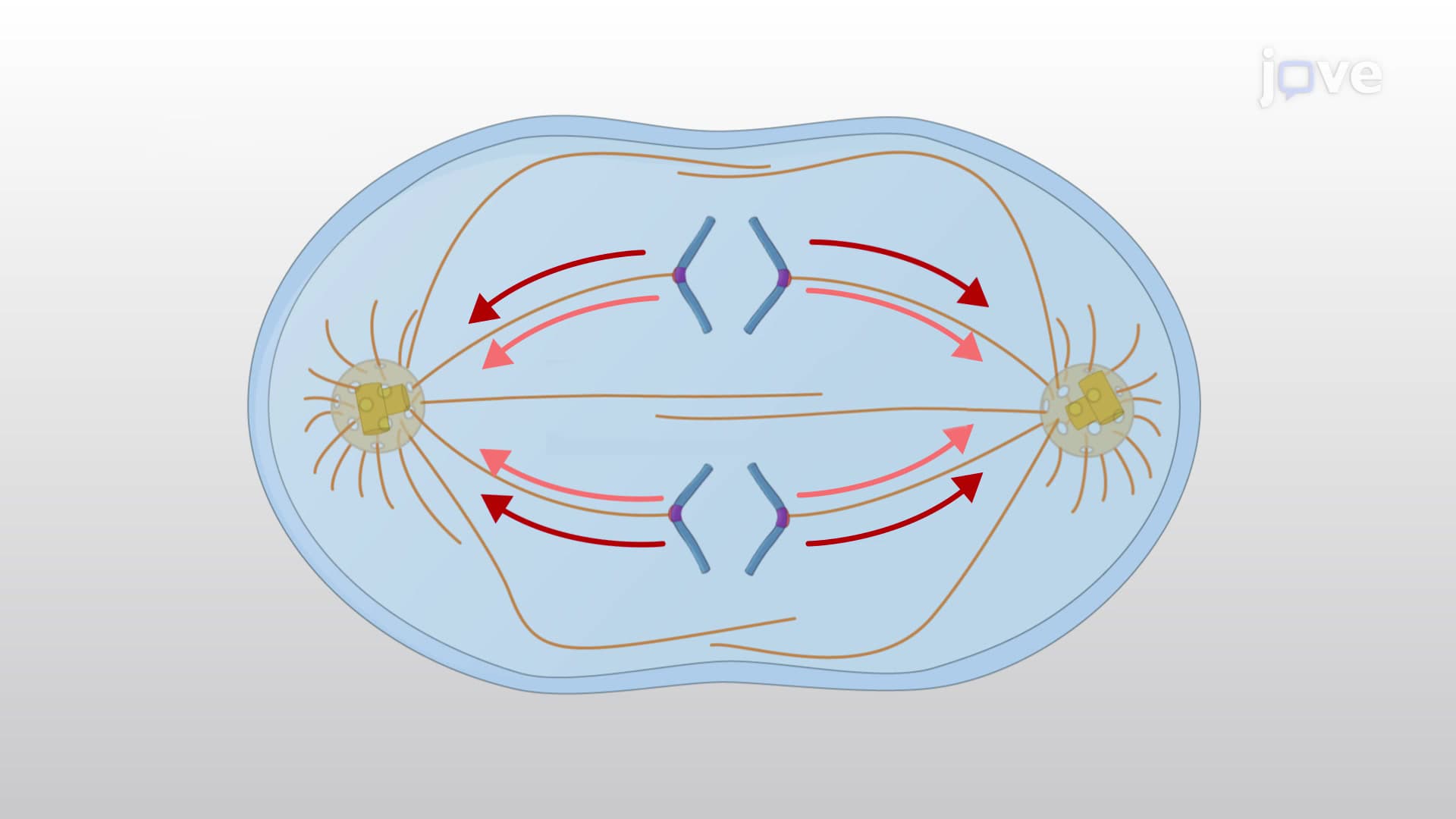
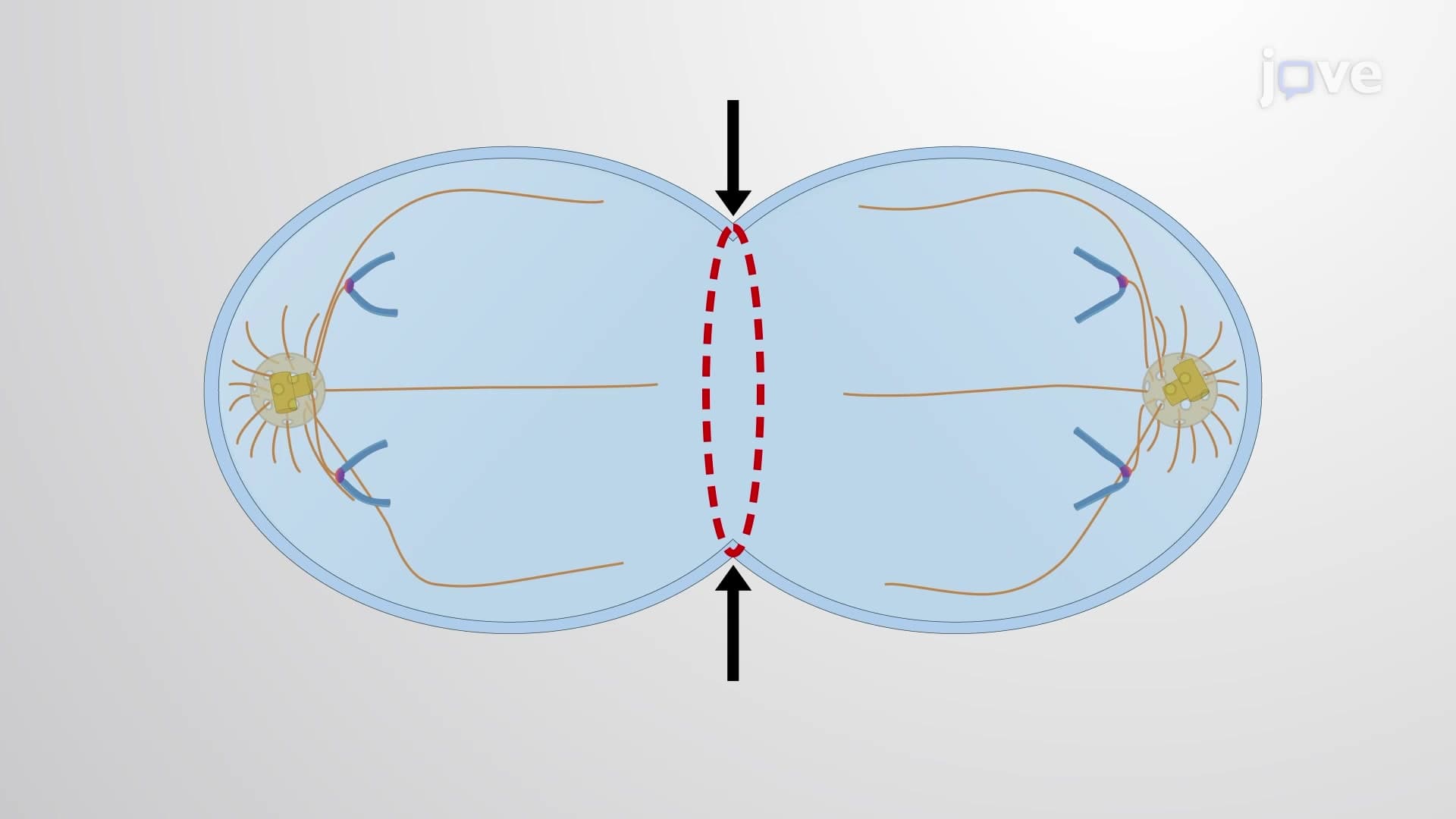
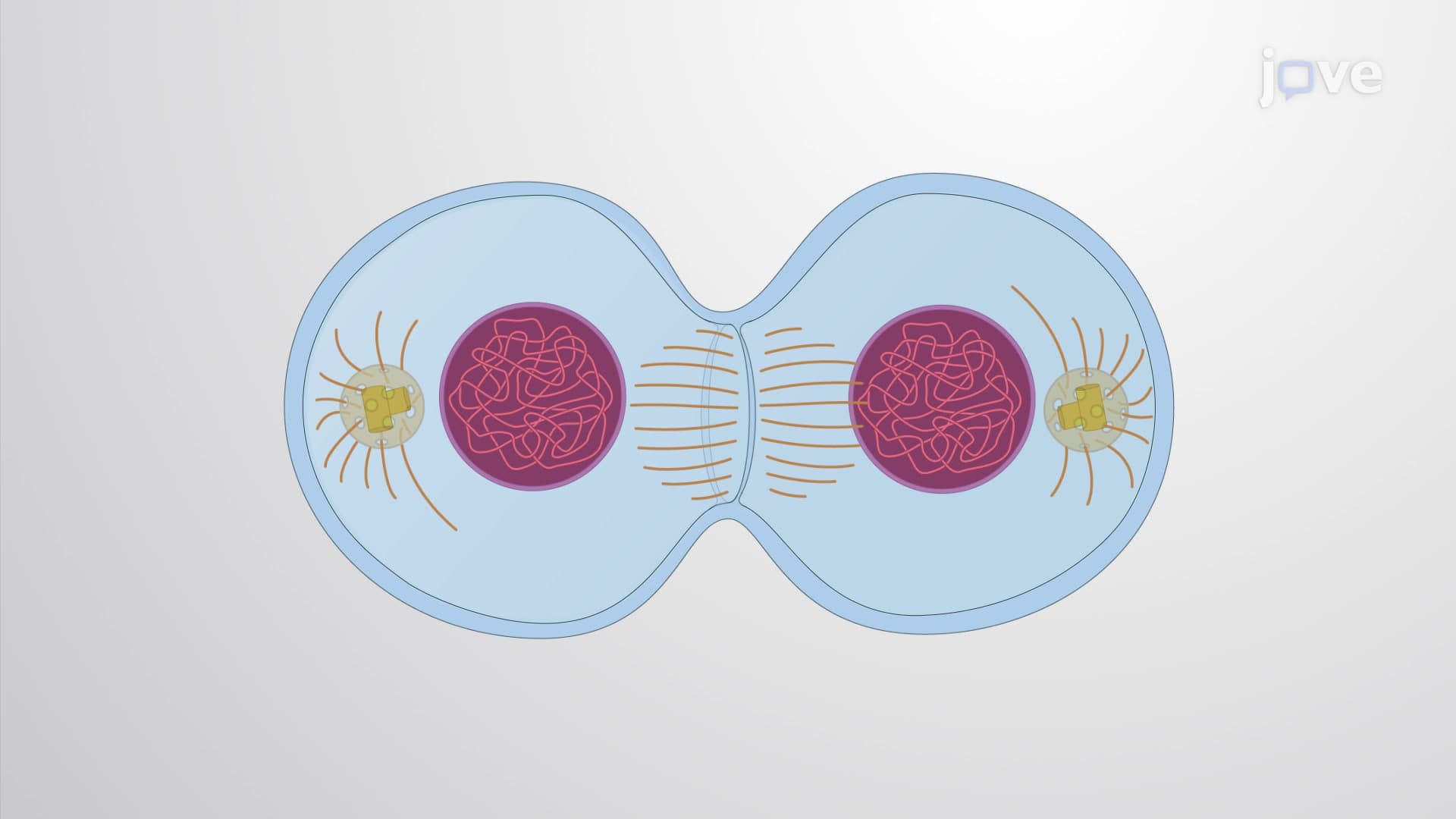
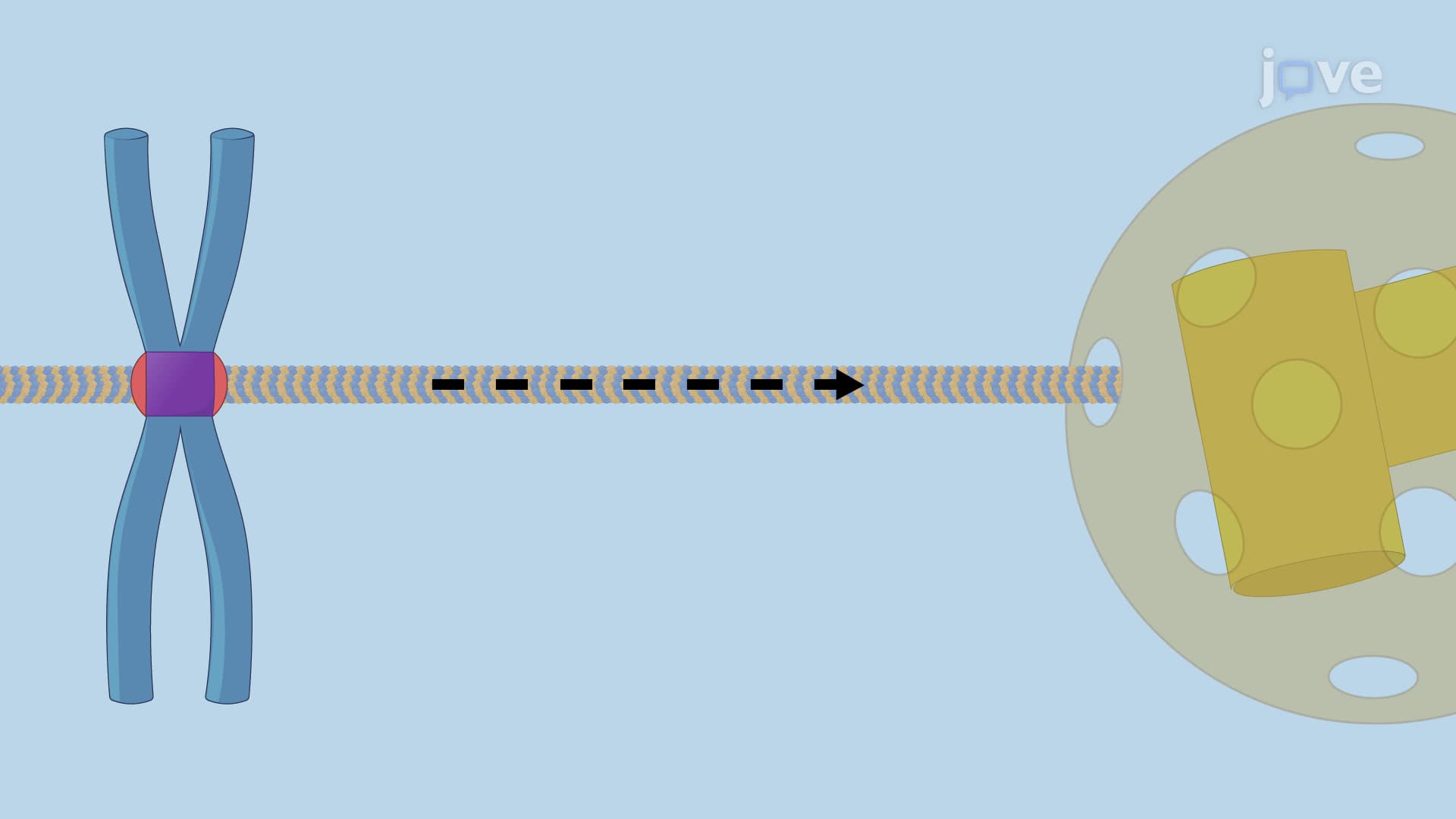
During every cell division in your body, chromosomes must navigate a complex dance of mechanical forces to ensure genetic material distributes correctly-a process so critical that errors can lead to conditions like Down syndrome. The forces acting on chromosomes include poleward pulling forces from kinetochore microtubules, polar ejection forces that push chromosomes away from spindle poles, and tension forces that stabilize attachments. Watch the full video on JoVE Coach to master this concept with expert-led visuals and step-by-step explanations.
- Understand what are forces acting on chromosomes and their essential role in maintaining genetic stability during cell division
- Identify the three main types of forces acting on chromosomes: poleward pulling, polar ejection, and tension forces
- Analyze how motor proteins like dynein and kinesin generate directional movement along spindle microtubules
- Compare the roles of cohesins and condensins in maintaining chromosome structural integrity under mechanical stress
- Evaluate how the spindle assembly checkpoint responds to force imbalances to prevent chromosomal errors
- Apply knowledge of chromosome forces to understand how mitotic errors lead to aneuploidy and cancer development
- Recognize experimental techniques like laser ablation and micromanipulation used to measure chromosomal forces
- Explore the integration of biochemical and mechanical signals that coordinate accurate chromosome segregation
Understanding What Are Forces Acting On Chromosomes
Forces acting on chromosomes represent the mechanical interactions that govern chromosome movement and positioning during mitosis and meiosis. These forces emerge from a sophisticated cellular machinery involving microtubules, motor proteins, and chromosomal structural elements working in concert to ensure accurate genetic inheritance. Understanding these forces is fundamental for AP Biology students and essential for pre-med coursework, particularly when studying cell division abnormalities.
Types of Forces Acting on Chromosomes
The primary forces include poleward pulling forces generated by kinetochore microtubules that attach to chromosome centromeres and pull sister chromatids toward opposite spindle poles. Polar ejection forces act in opposition, pushing chromosomes away from spindle poles through interactions between chromosome arms and spindle microtubules. Tension forces develop when sister chromatids are pulled in opposite directions, creating the mechanical signal that satisfies the spindle assembly checkpoint. These force types work together to establish chromosome positioning at the metaphase plate-a concept frequently tested on the MCAT and college cell biology exams.
Molecular Mechanisms Behind Chromosomal Forces
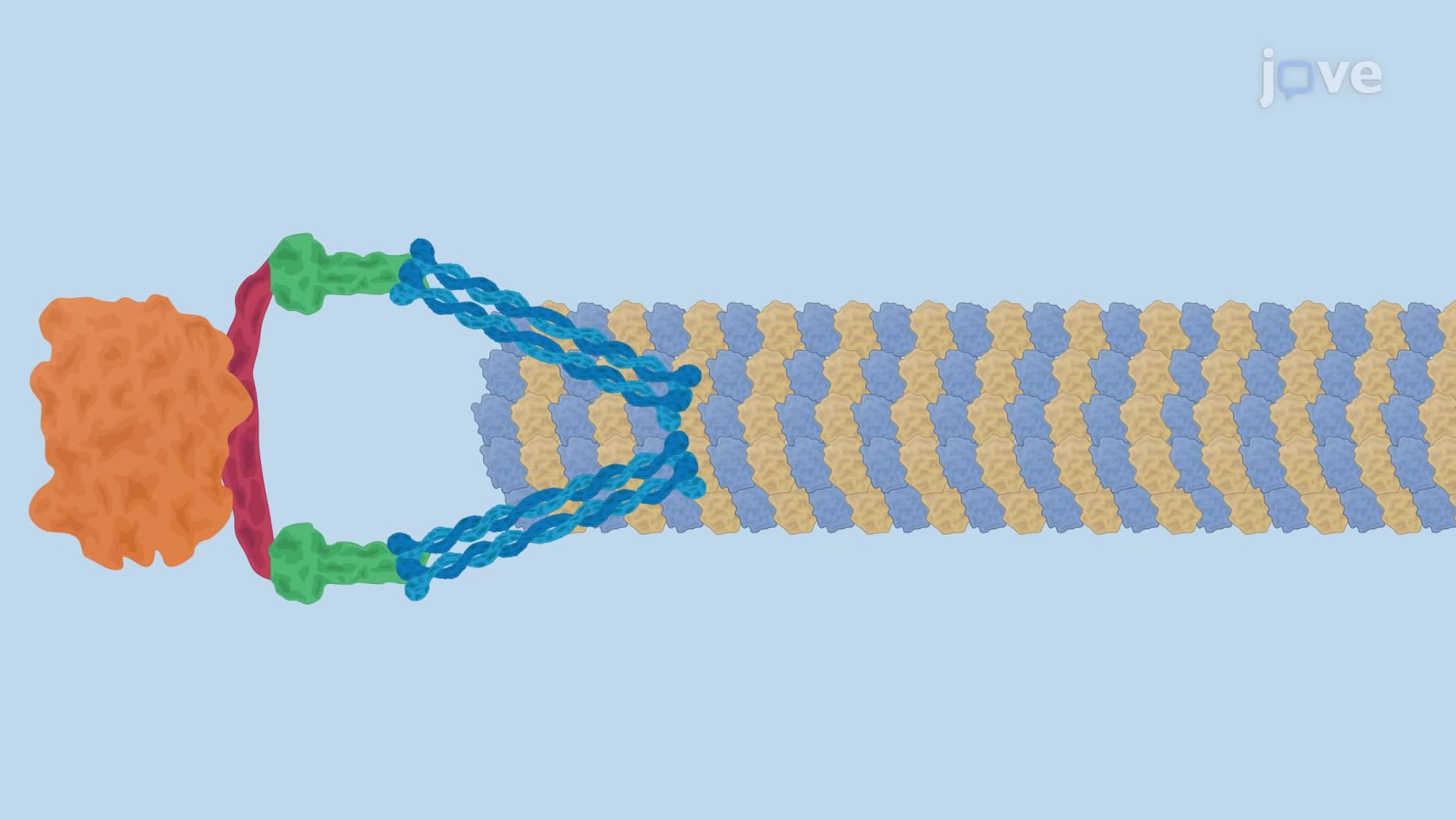
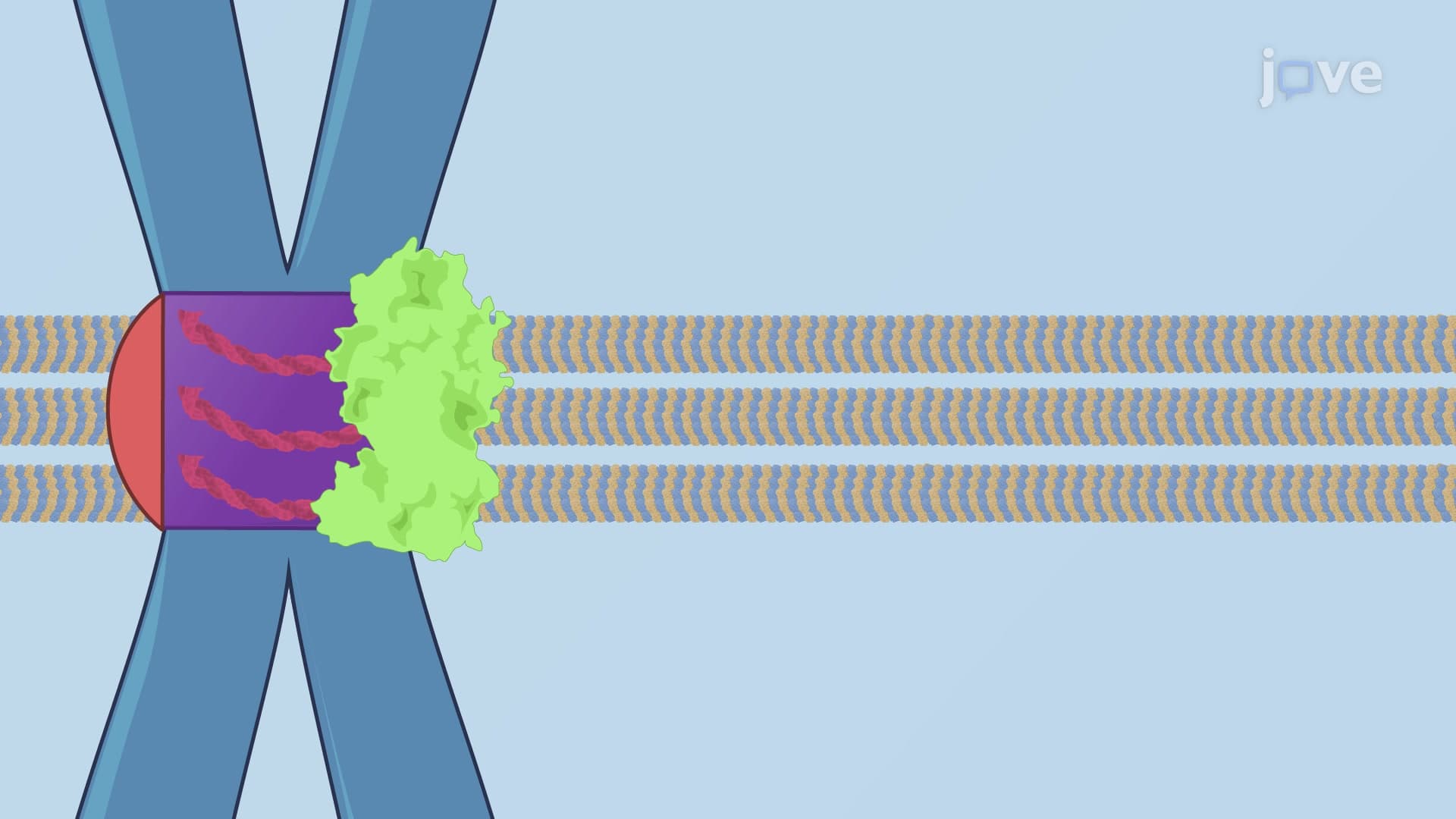
Motor proteins serve as the primary force generators, with dynein producing minus-end directed movement toward spindle poles and kinesin generating plus-end directed movement away from poles. Microtubule dynamics contribute through polymerization and depolymerization cycles that can push or pull chromosomes. The kinetochore acts as a force-coupling device, converting microtubule dynamics into chromosome movement while maintaining stable attachments under tension. This molecular understanding proves crucial for students pursuing careers in oncology or genetic counseling.
Clinical and Research Applications
Defects in chromosomal force generation lead to aneuploidy-abnormal chromosome numbers-which causes genetic disorders like Turner syndrome and contributes to cancer development. Pharmaceutical companies target these mechanisms when developing chemotherapy drugs like taxanes that disrupt microtubule dynamics. Research institutions like the National Institutes of Health use advanced biophysical techniques to measure forces in the piconewton range, advancing our understanding of cellular mechanics. Students studying for the USMLE will encounter questions about how chemotherapeutic agents exploit these force-generating systems to selectively target rapidly dividing cancer cells.
Frequently Asked Questions
Forces acting on chromosomes are the mechanical pushes and pulls that move chromosomes during cell division to ensure each new cell gets the correct genetic material. These forces come from protein motors and cellular structures called microtubules working together like a sophisticated cellular conveyor belt system.
AP Biology commonly tests this through multiple-choice questions about spindle apparatus function and free-response questions requiring explanations of mitotic errors. Students must explain how force imbalances lead to nondisjunction events and connect these to genetic disorders. Practice questions often involve interpreting experimental data from micromanipulation studies.
MCAT passages frequently present experimental scenarios involving laser ablation of kinetochores or drug treatments affecting microtubule dynamics. Questions test understanding of how motor protein defects cause chromosomal instability and cancer. Students must analyze data showing force measurements and predict outcomes of molecular interventions.
Many chemotherapy drugs used in American cancer centers work by disrupting chromosomal forces-taxol stabilizes microtubules while vincristine prevents their formation, both causing cancer cells to die during attempted division. Understanding these mechanisms helps explain why chemotherapy affects rapidly dividing cells like hair follicles and intestinal lining.
This concept builds naturally on basic cell division knowledge from freshman biology, requiring only familiarity with proteins and cellular structures. The key is visualizing chromosomes as objects being pushed and pulled by molecular machines, similar to how magnets interact with metal objects.
Create diagrams showing the three force types with arrows indicating direction, then practice explaining how each force contributes to proper chromosome alignment. Use active recall by drawing the spindle apparatus from memory and labeling force-generating components without looking at notes.
Explore cell cycle checkpoints that monitor these forces, particularly the spindle assembly checkpoint mechanism that prevents cell division when forces are unbalanced. Advanced topics include kinetochore structure and the mathematical modeling of chromosomal movements used in current research.
College exams often present scenarios where specific proteins are mutated or drugs are applied, asking students to predict effects on chromosome behavior. Lab practical exams may show microscopy images of abnormal mitotic figures, requiring identification of force-related defects causing the abnormalities.
Related Micro-courses


