Loading subject page…

- Cell Biology
- Cell Division
- Anaphase A and B
Micro-course: Cell Division
37,915 views
Learn key concepts and earn your certificate.
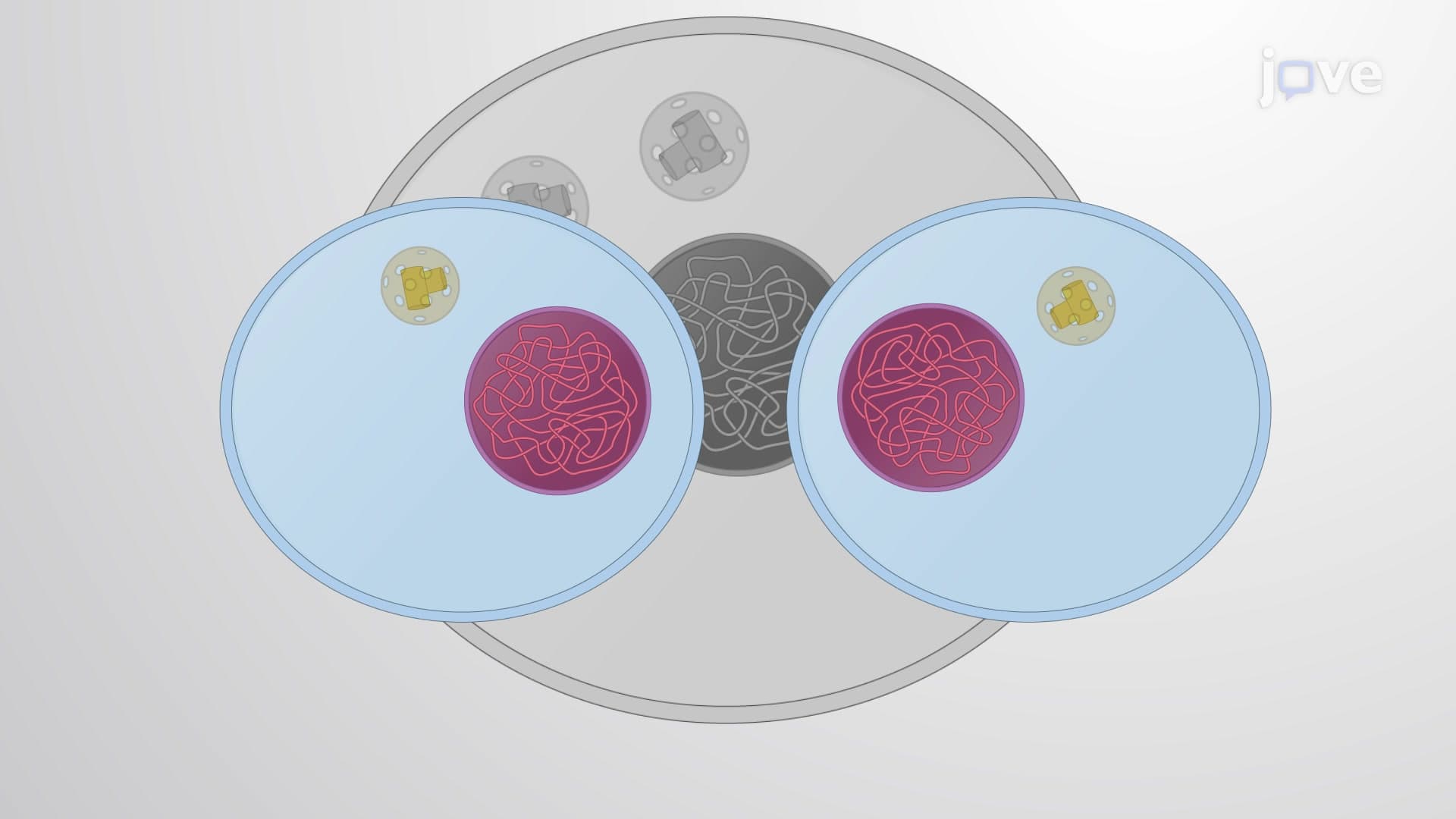

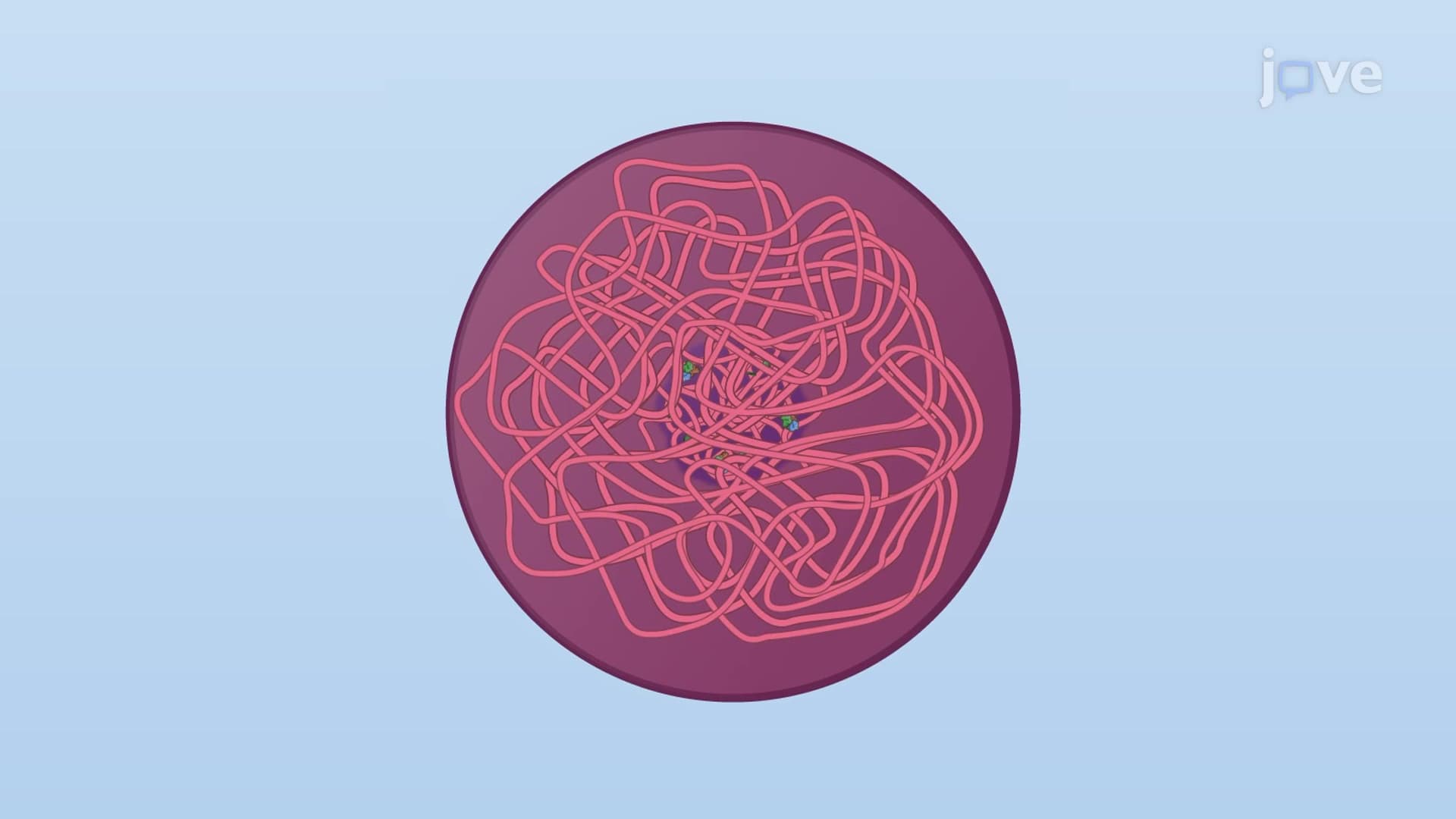
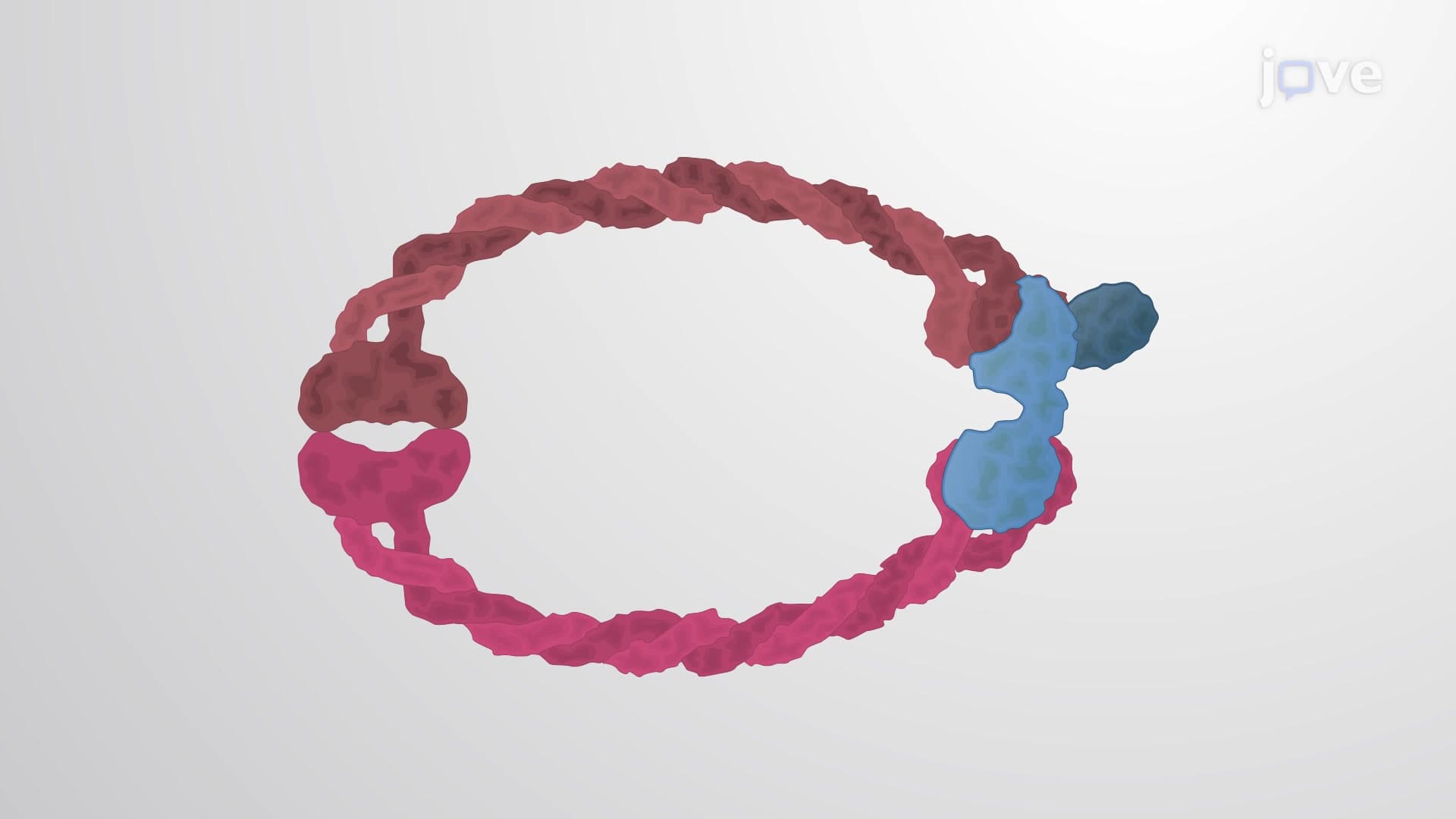
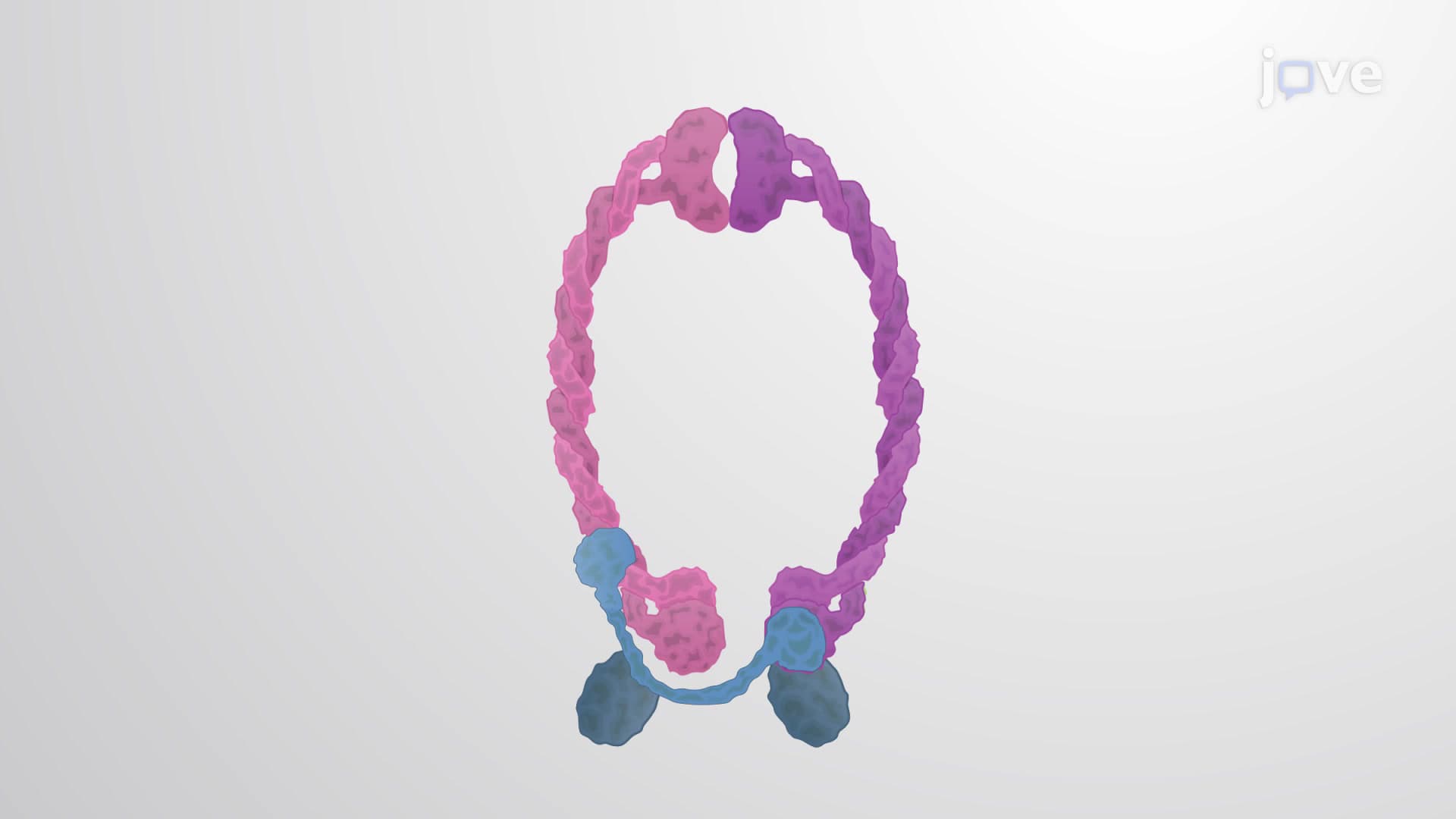



Anaphase A and B

00:00
01:39
Video Summary: What Is Anaphase a and B
Ever wonder how cancer drugs like Taxol disrupt cell division to fight tumors? The secret lies in understanding anaphase A and B, two precisely coordinated phases that ensure chromosomes separate correctly during cell division. When researchers at Johns Hopkins discovered how these phases work mechanically, it revolutionized cancer treatment strategies by targeting the cellular machinery that pulls chromosomes apart. What is Anaphase A And B becomes crucial for anyone studying cellular biology, as these phases determine whether cells divide successfully or develop the chromosome errors seen in cancer. Watch the full video on JoVE Coach to master this concept with expert-led visuals and step-by-step explanations.
- Understand What is Anaphase A And B and distinguish between these two sequential phases of chromosome separation during mitosis
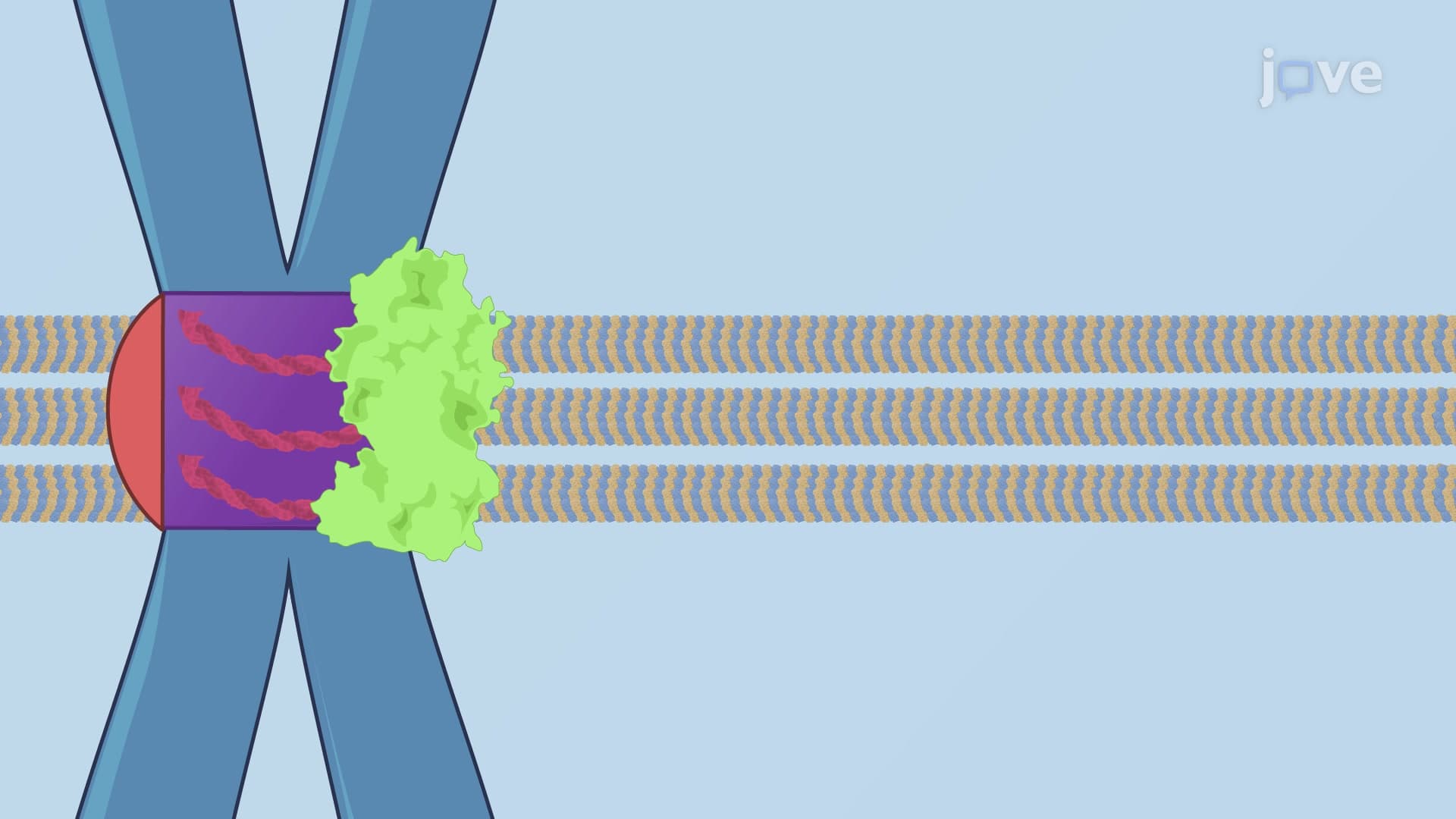
- Identify the specific molecular mechanisms driving anaphase A, including kinetochore microtubule shortening and motor protein activity
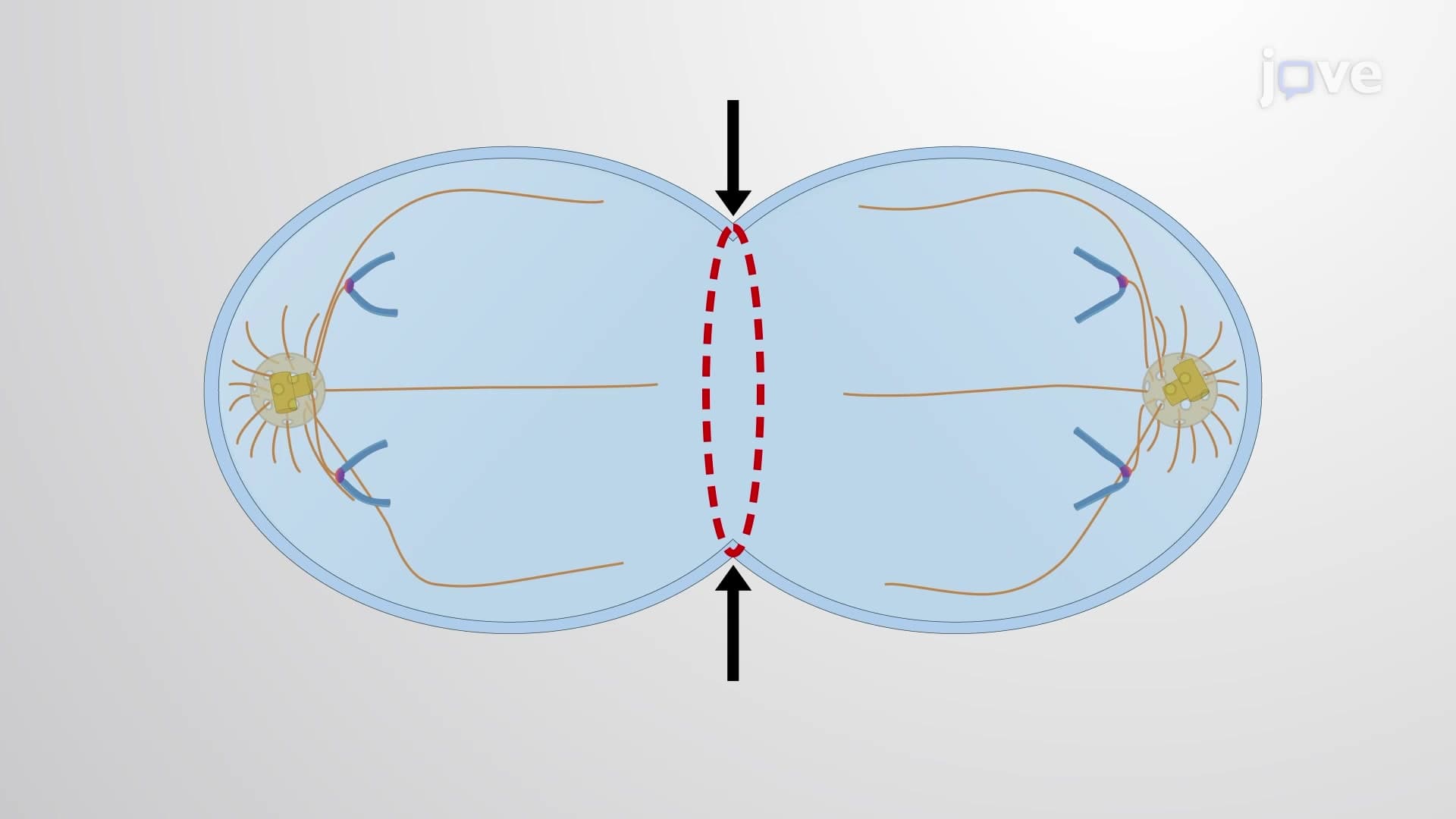
- Analyze how anaphase B elongates the mitotic spindle through interpolar microtubule sliding and astral microtubule pulling forces
- Compare the roles of different motor proteins like dynein, kinesin, and kinesin-5 in coordinating both anaphase phases
- Evaluate the clinical significance of anaphase defects in cancer development and how anti-mitotic drugs exploit these processes
- Apply knowledge of microtubule dynamics to predict the consequences of disrupting anaphase A or B mechanisms
- Recognize how anaphase timing and coordination prevent aneuploidy and maintain genomic stability
- Explore the biophysical forces and mathematical models that describe chromosome movement during cell division
Understanding Anaphase A and B: The Molecular Choreography of Cell Division
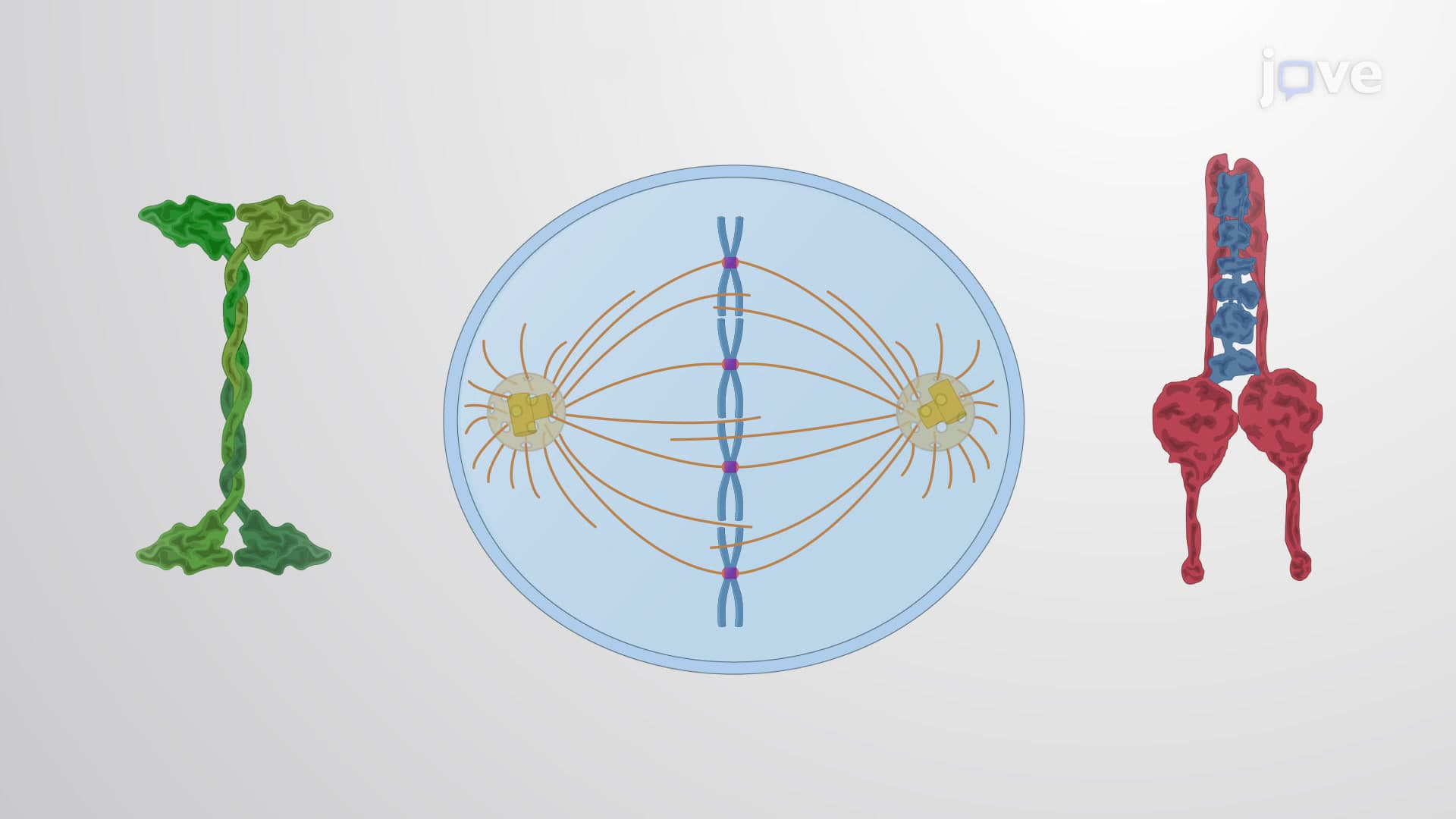
Anaphase A and B represent one of biology's most elegant examples of mechanical precision at the cellular level. These two phases work together like a perfectly synchronized machine to ensure that when a cell divides, each daughter cell receives exactly one copy of every chromosome. This process is so critical that even minor disruptions can lead to cancer or developmental disorders.
Anaphase A: The Chromosome Pulling Phase
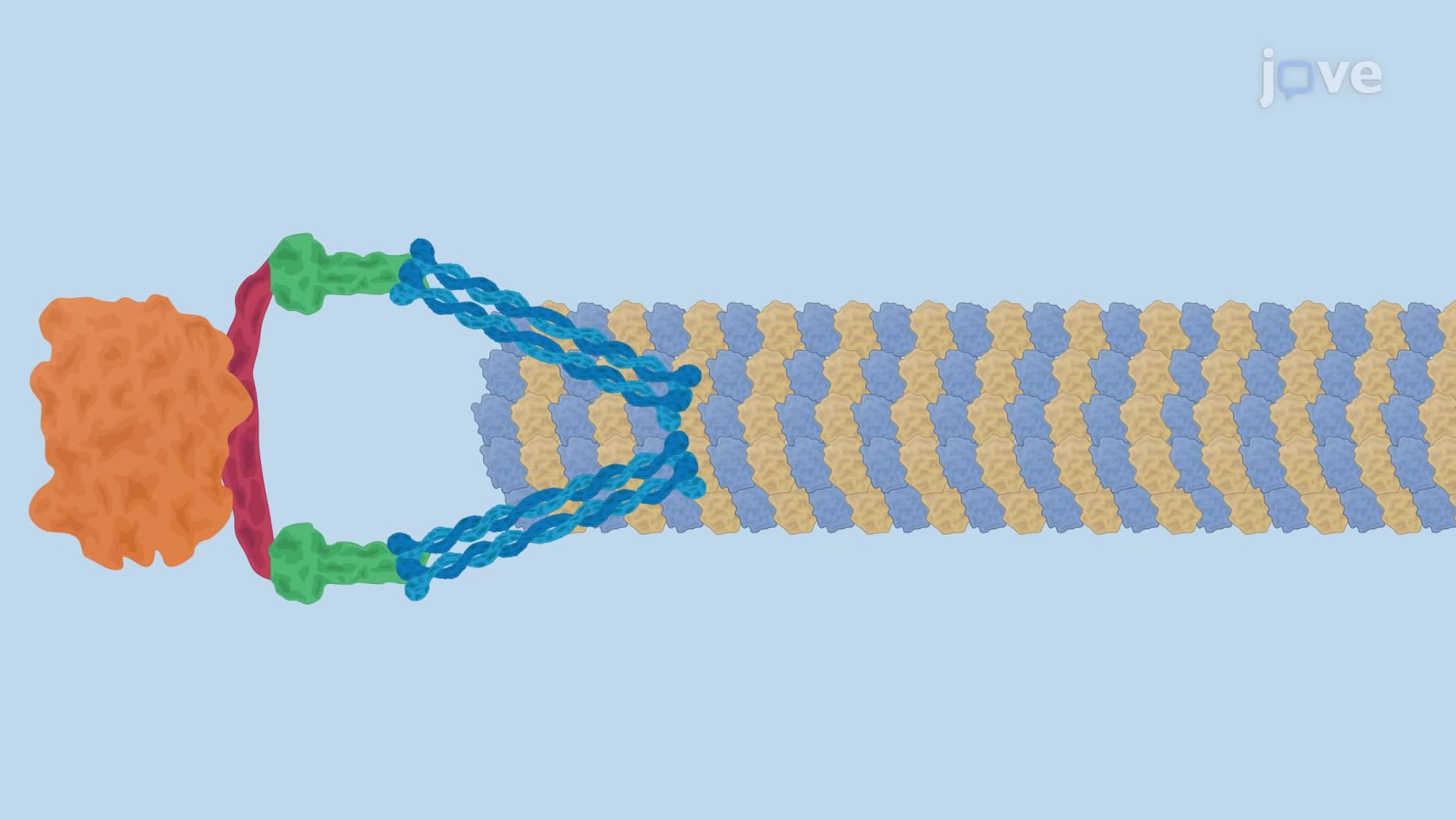
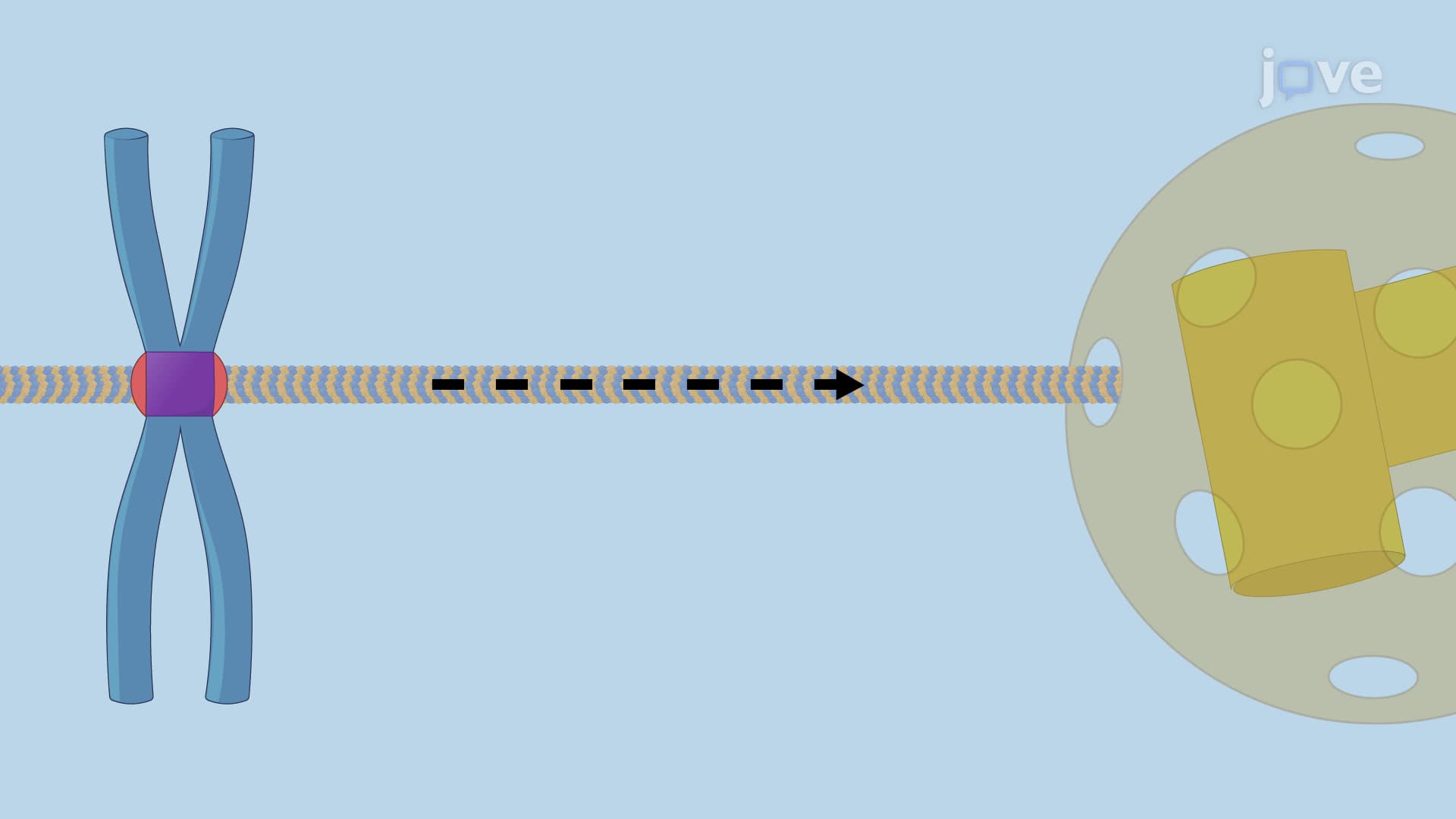
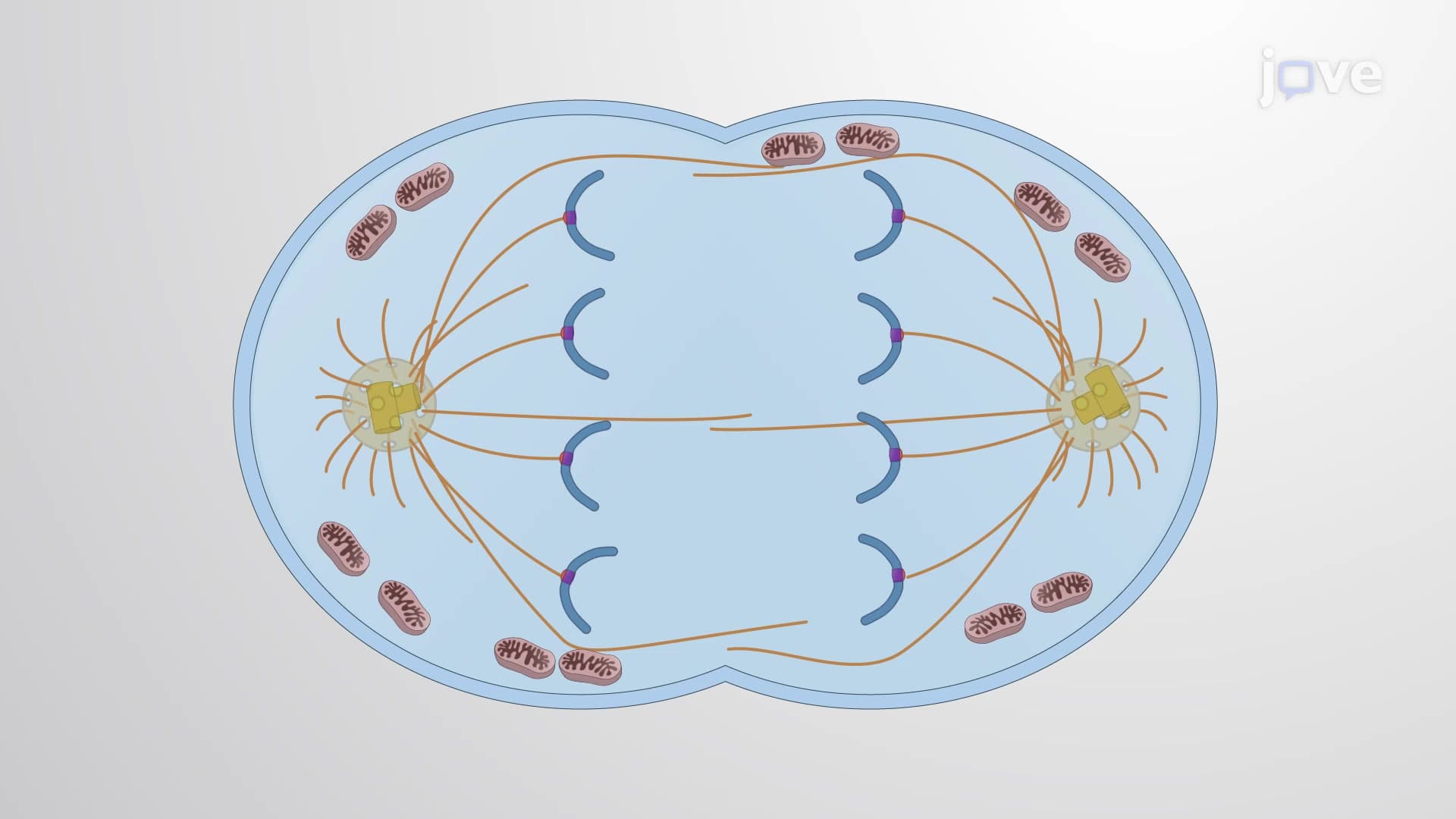
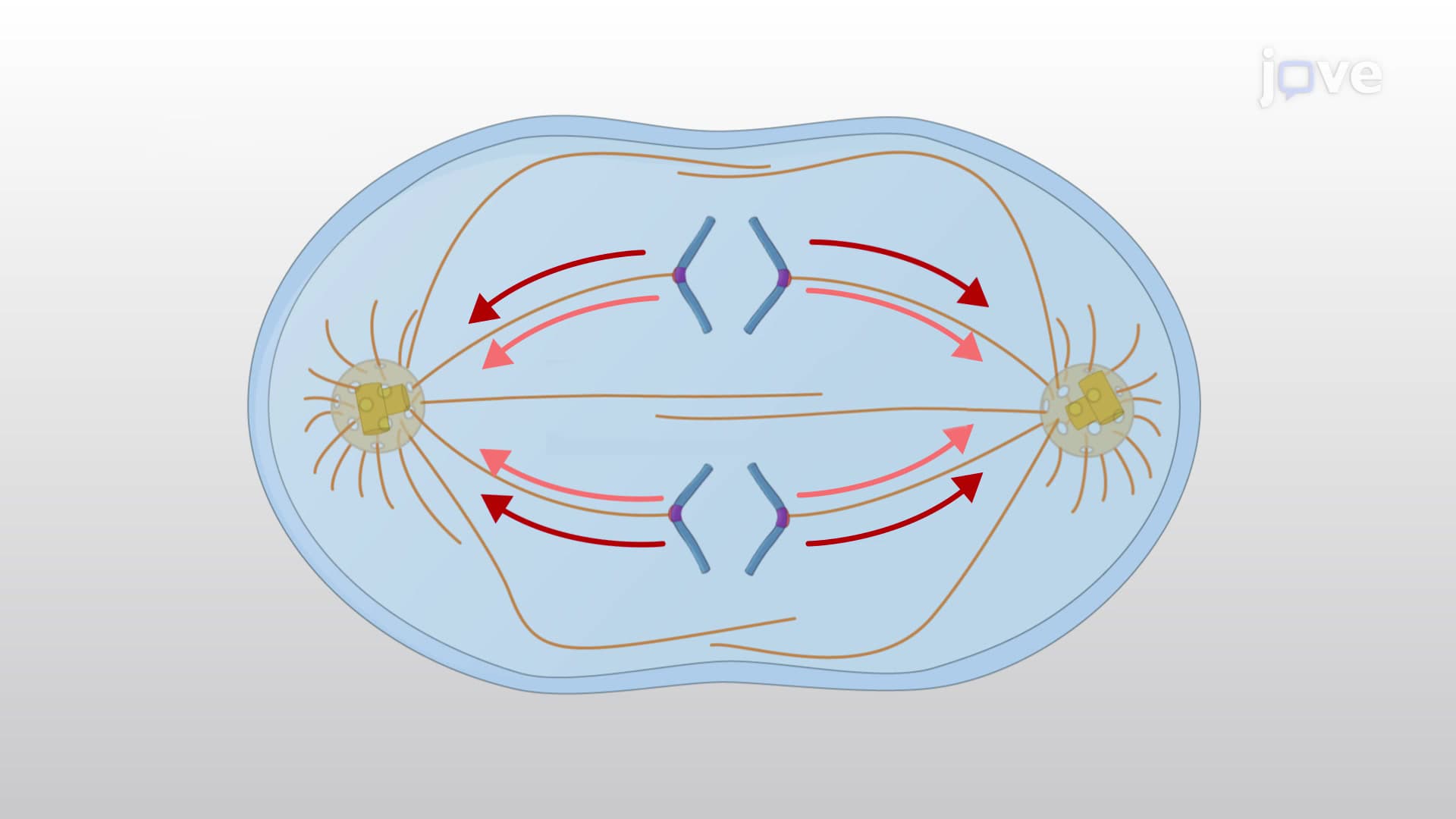
During anaphase A, the primary mechanism involves kinetochore microtubule shortening. Think of kinetochores as molecular hooks that attach chromosomes to spindle fibers. Motor proteins, particularly dynein complexes, work like tiny molecular motors to shorten these microtubules from their kinetochore ends. This creates a pulling force that draws sister chromatids toward opposite spindle poles at speeds of approximately 1-2 micrometers per minute.
The anaphase A and B definition becomes clearer when you consider that anaphase A focuses entirely on chromosome movement toward the poles, while the spindle poles themselves remain relatively stationary. This phase typically lasts 2-3 minutes in human cells and is tightly regulated by the anaphase-promoting complex (APC/C), which ensures that separation doesn't begin until all chromosomes are properly attached.
Anaphase B: Spindle Elongation and Pole Separation
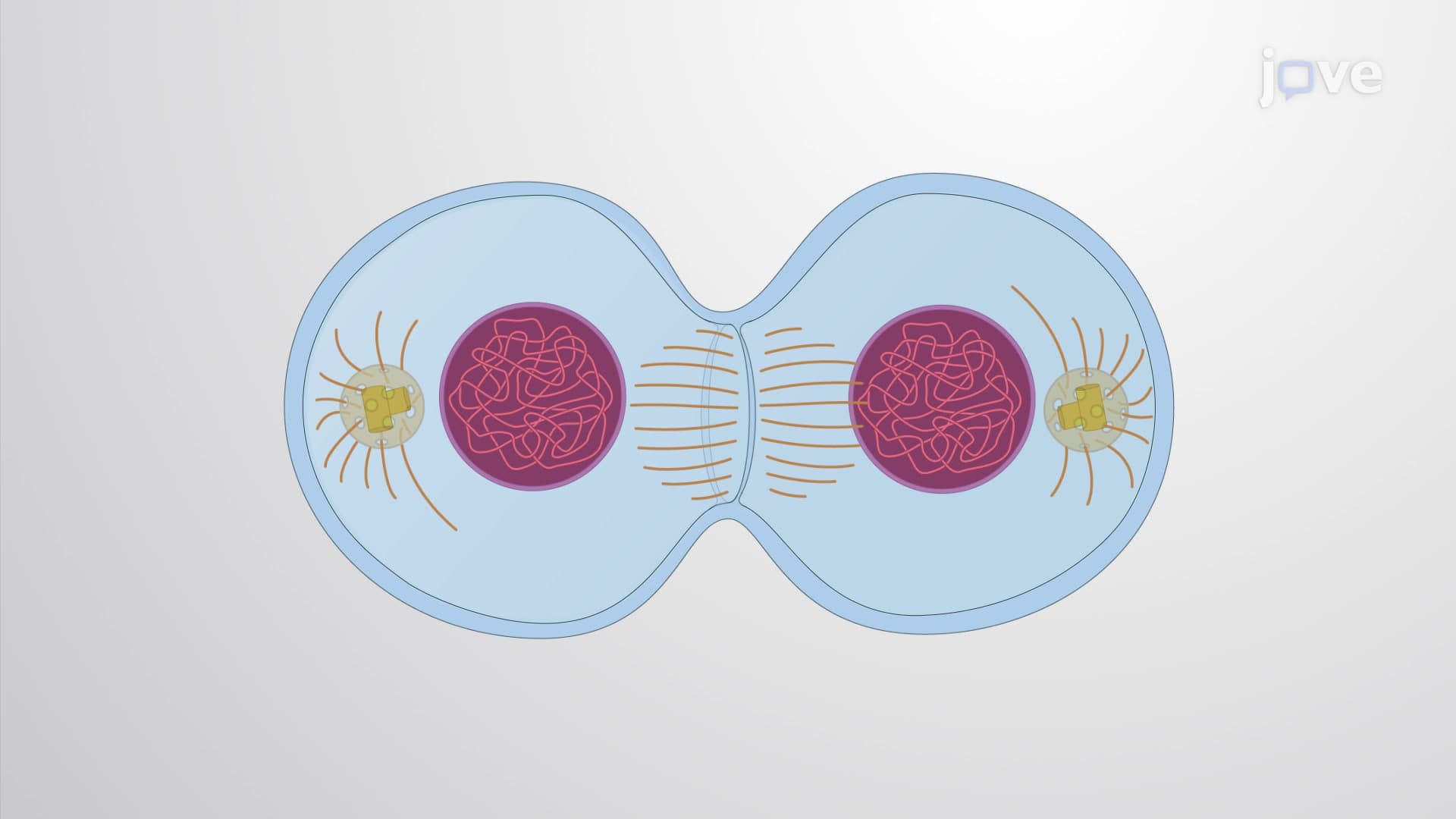
What is anaphase A and B in detail requires understanding that anaphase B operates through a completely different mechanism. Here, the spindle apparatus itself elongates as interpolar microtubules slide past each other, driven primarily by kinesin-5 motor proteins. Simultaneously, astral microtubules anchored to the cell cortex help pull the spindle poles apart, effectively doubling the distance between the separated chromosome sets.
This dual mechanism ensures robust chromosome separation even if one system fails. Research at Stanford University has shown that cells can complete division using primarily anaphase A or B mechanisms alone, though both phases together provide optimal efficiency and accuracy.
Clinical and Academic Relevance
Understanding these phases is essential for AP Biology students preparing for the cellular processes section of their exam, where mitosis questions frequently test knowledge of anaphase mechanisms. MCAT preparation also emphasizes these concepts in cell biology passages, particularly relating to cancer therapeutics.
Clinically, many chemotherapy drugs target these processes. Paclitaxel (Taxol) stabilizes microtubules to prevent proper anaphase progression, while aurora kinase inhibitors disrupt the regulatory mechanisms controlling anaphase timing. The anaphase A and B study guide concepts appear regularly in medical school curricula, particularly in oncology and cell biology courses.
Frequently Asked Questions
Anaphase A and B are two sequential phases of chromosome separation during mitosis. Anaphase A involves pulling chromosomes toward spindle poles through microtubule shortening, while anaphase B elongates the spindle itself to increase separation distance. Both phases work together to ensure accurate chromosome distribution to daughter cells.
AP Biology defines anaphase A as the phase where sister chromatids separate and move toward opposite spindle poles via kinetochore microtubule shortening. Anaphase B follows, characterized by spindle pole separation through interpolar microtubule sliding and astral microtubule pulling forces.
MCAT questions often focus on the molecular mechanisms and clinical relevance of these phases. Expect passages about cancer drugs targeting mitotic processes, motor protein functions, or experimental scenarios disrupting normal anaphase progression. Understanding both phases helps answer complex cell biology passages.
Cell Biology, Molecular Biology, and Cancer Biology courses provide the most comprehensive coverage. Developmental Biology courses also explore how anaphase orientation affects tissue formation. These concepts typically appear in sophomore-level courses and are prerequisites for advanced genetics or oncology studies.
Many FDA-approved chemotherapy drugs target these phases by disrupting microtubule dynamics or motor protein function. Hospitals like MD Anderson and Mayo Clinic use drugs that prevent proper anaphase progression, causing cancer cells to die from chromosome segregation errors while normal cells remain less affected.
Not at all! While researchers use complex biophysical models, the core concepts rely on understanding mechanical forces and protein interactions. High school students can master these topics by focusing on the step-by-step processes and molecular components rather than mathematical equations.
Create visual diagrams showing both phases side-by-side, emphasizing the different mechanisms involved. Use mnemonics like "A for Apart" (chromosomes move apart) and "B for Big" (spindle gets bigger). Practice drawing the process from memory and explaining it aloud to reinforce understanding.
Explore cell cycle checkpoints, particularly the spindle assembly checkpoint that regulates anaphase onset. Study cancer genetics to understand how anaphase defects contribute to tumor development, or investigate developmental biology to see how controlled anaphase orientation shapes tissue architecture during embryogenesis.
Related Micro-courses


