Loading subject page…


37,923 views
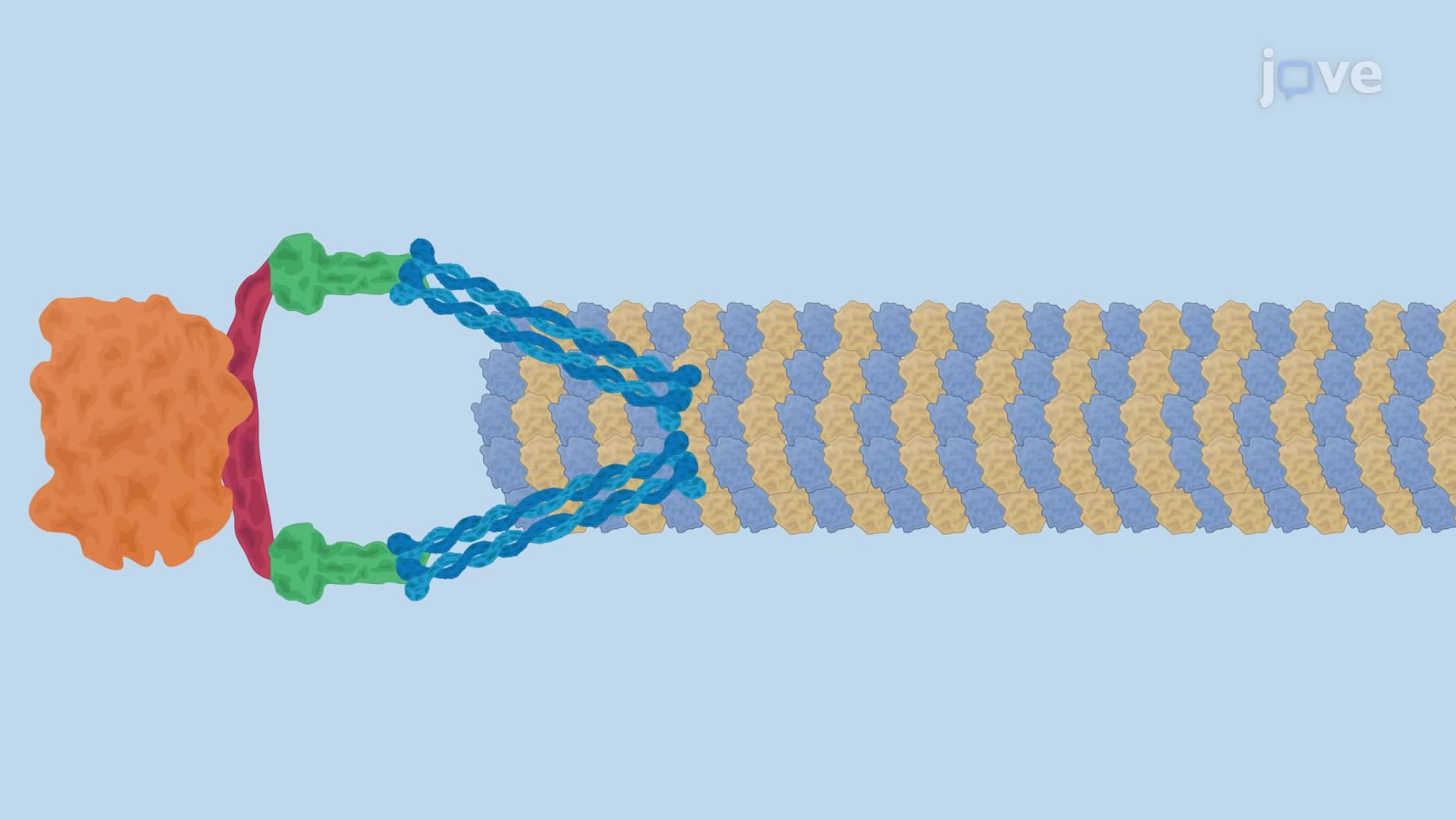

Video Summary: What Is Attachment of Sister Chromatids
Every time your body produces millions of new cells each day, a remarkable molecular dance prevents genetic disasters like Down syndrome. The attachment of sister chromatids to cellular machinery called kinetochores ensures that each daughter cell receives exactly the right number of chromosomes. At Johns Hopkins University, researchers studying chromosomal instability in cancer have shown that errors in this process contribute to tumor formation in over 85% of solid cancers. Watch the full video on JoVE Coach to master this concept with expert-led visuals and step-by-step explanations.
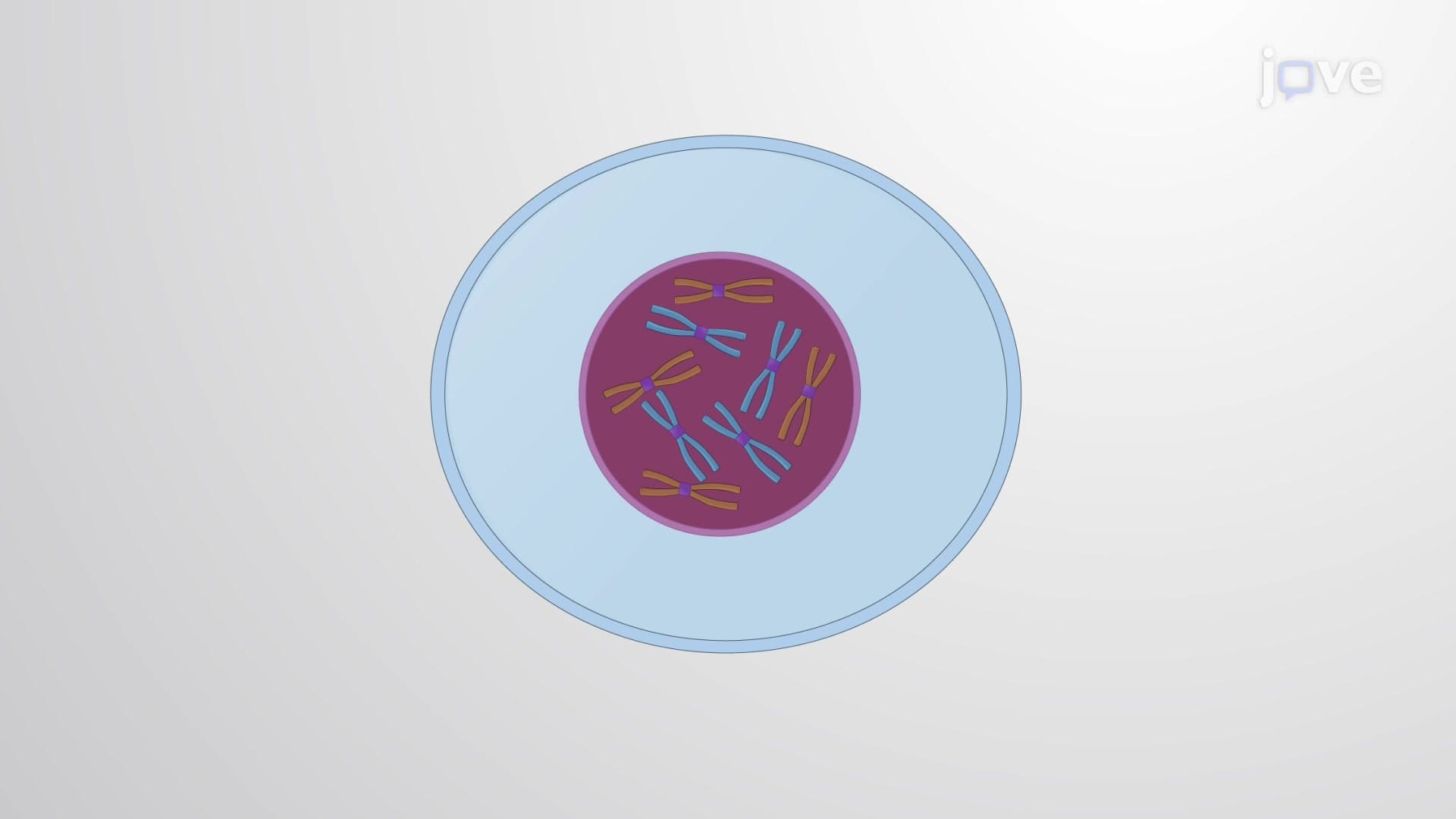
The attachment of sister chromatids represents one of biology's most precisely orchestrated processes, ensuring that genetic material divides accurately during mitosis and meiosis. This molecular mechanism serves as the cellular equivalent of a quality control system, preventing the catastrophic consequences of unequal chromosome distribution that can lead to birth defects or cancer.
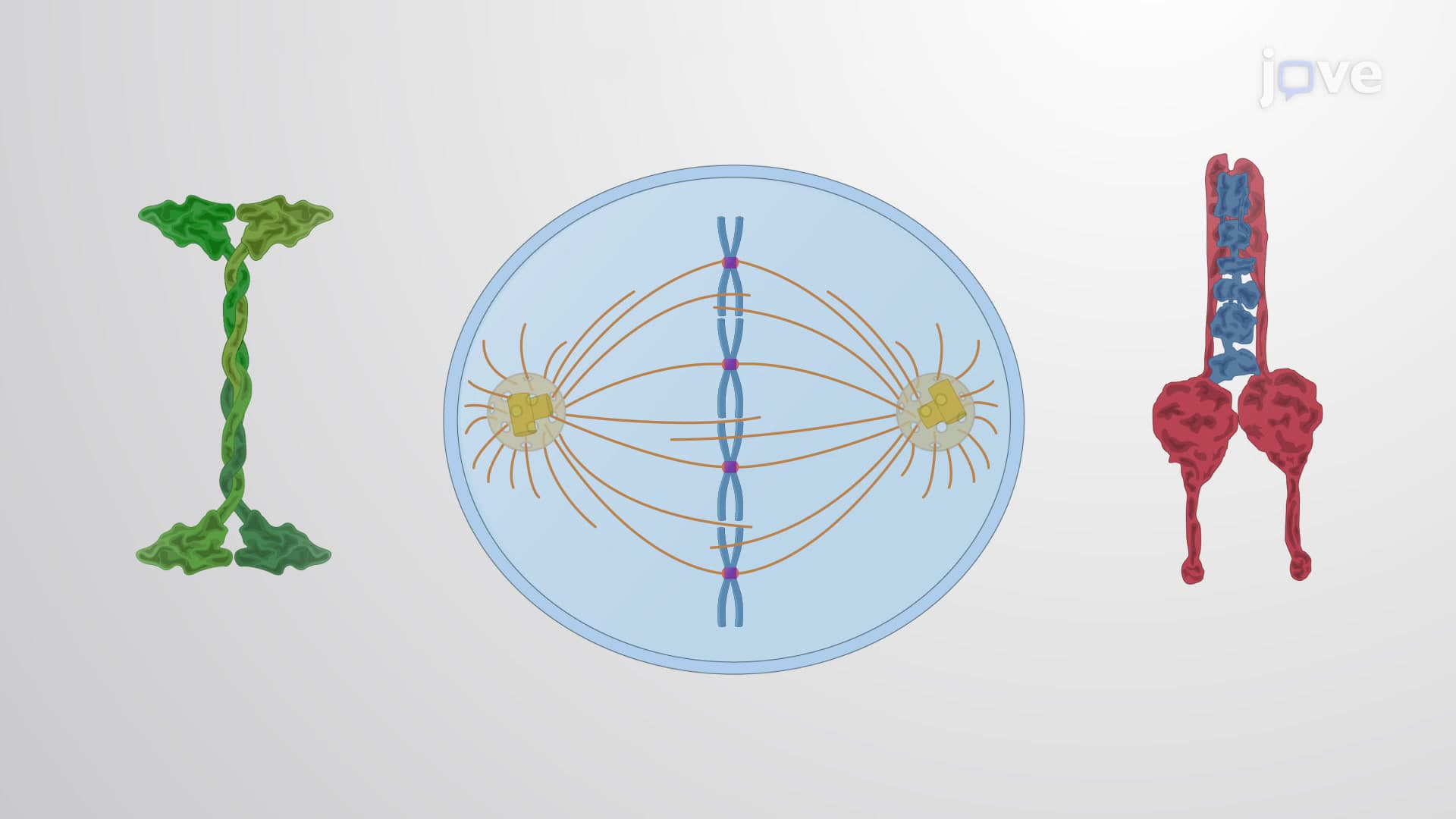
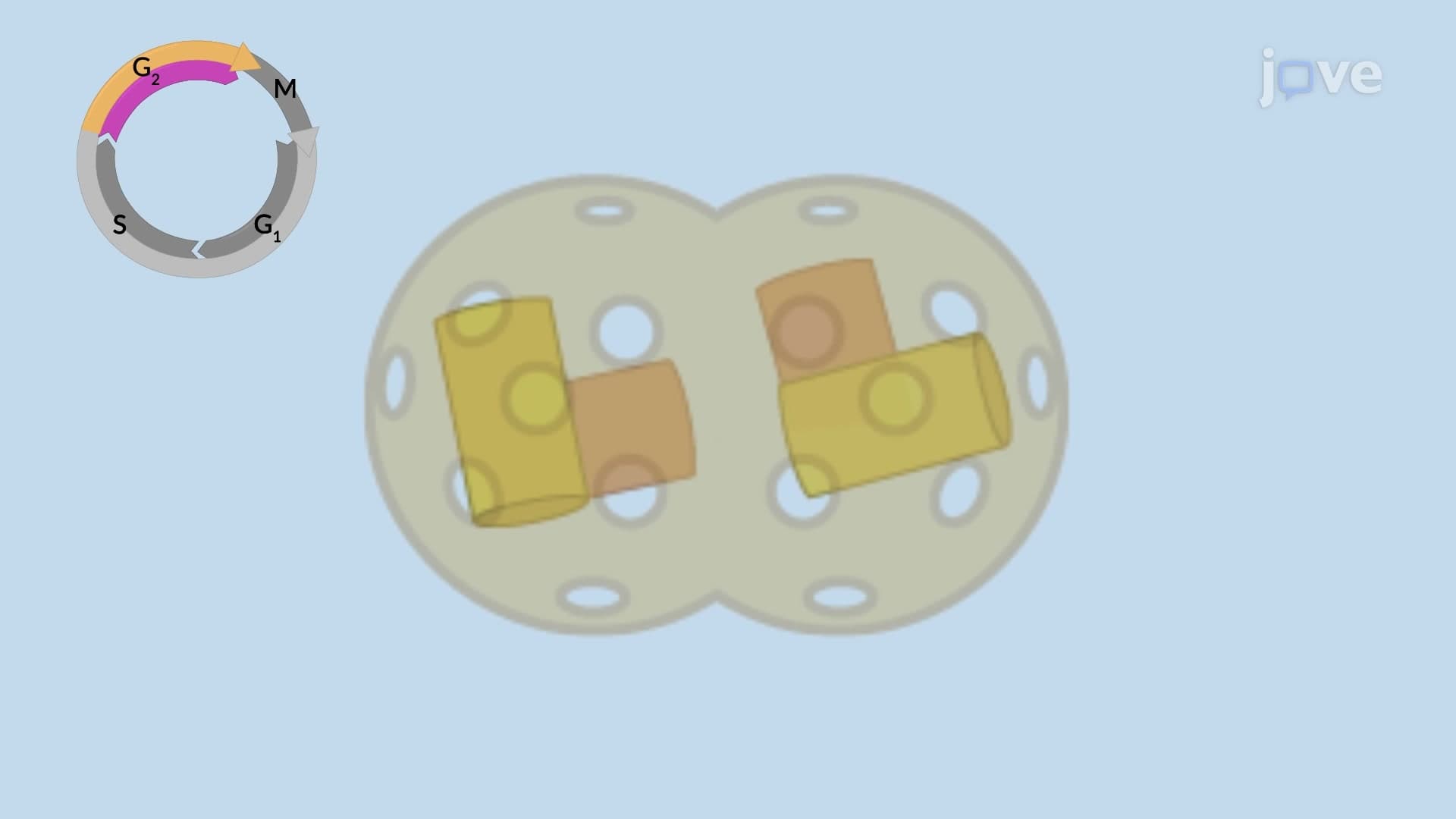
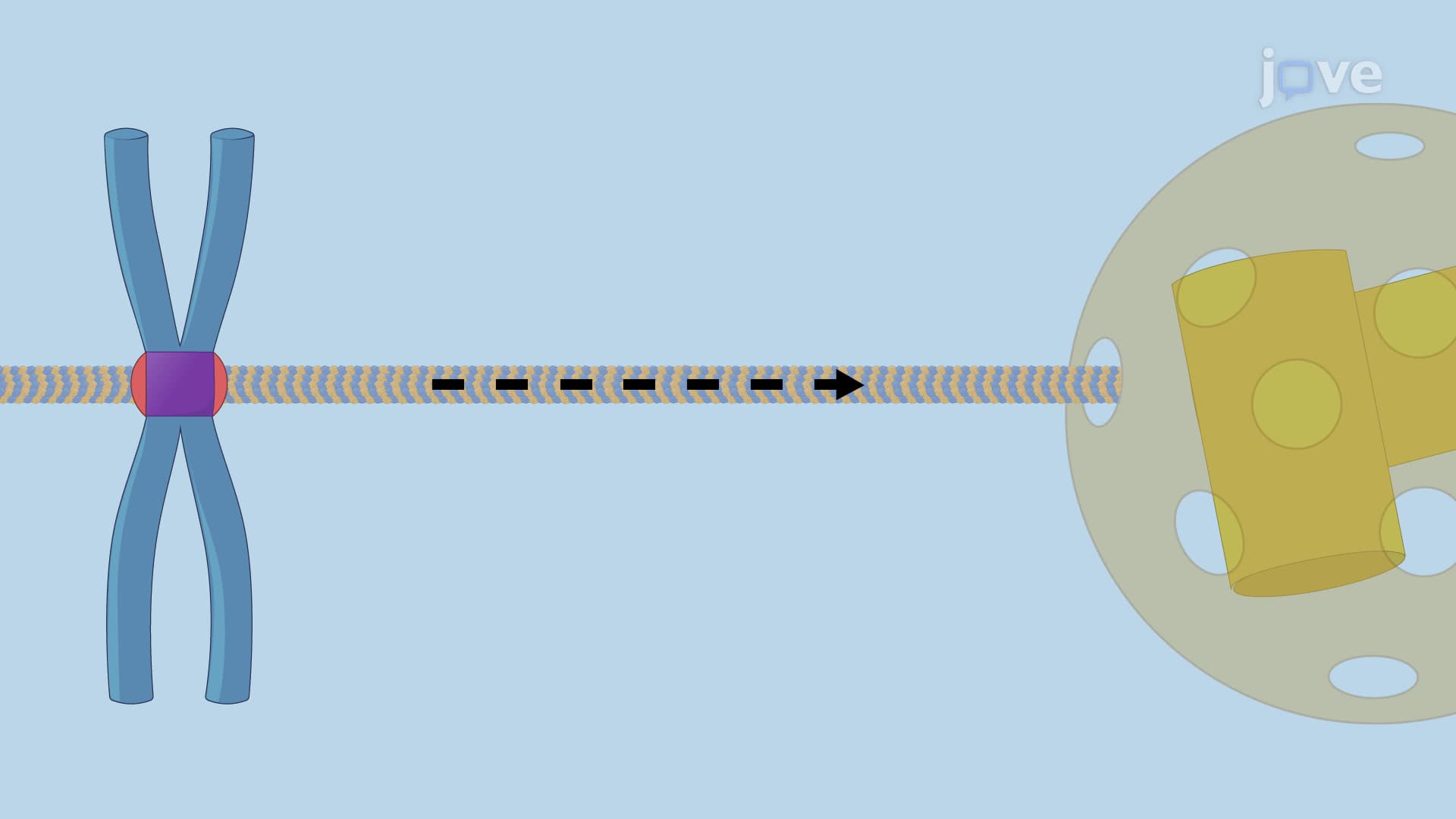
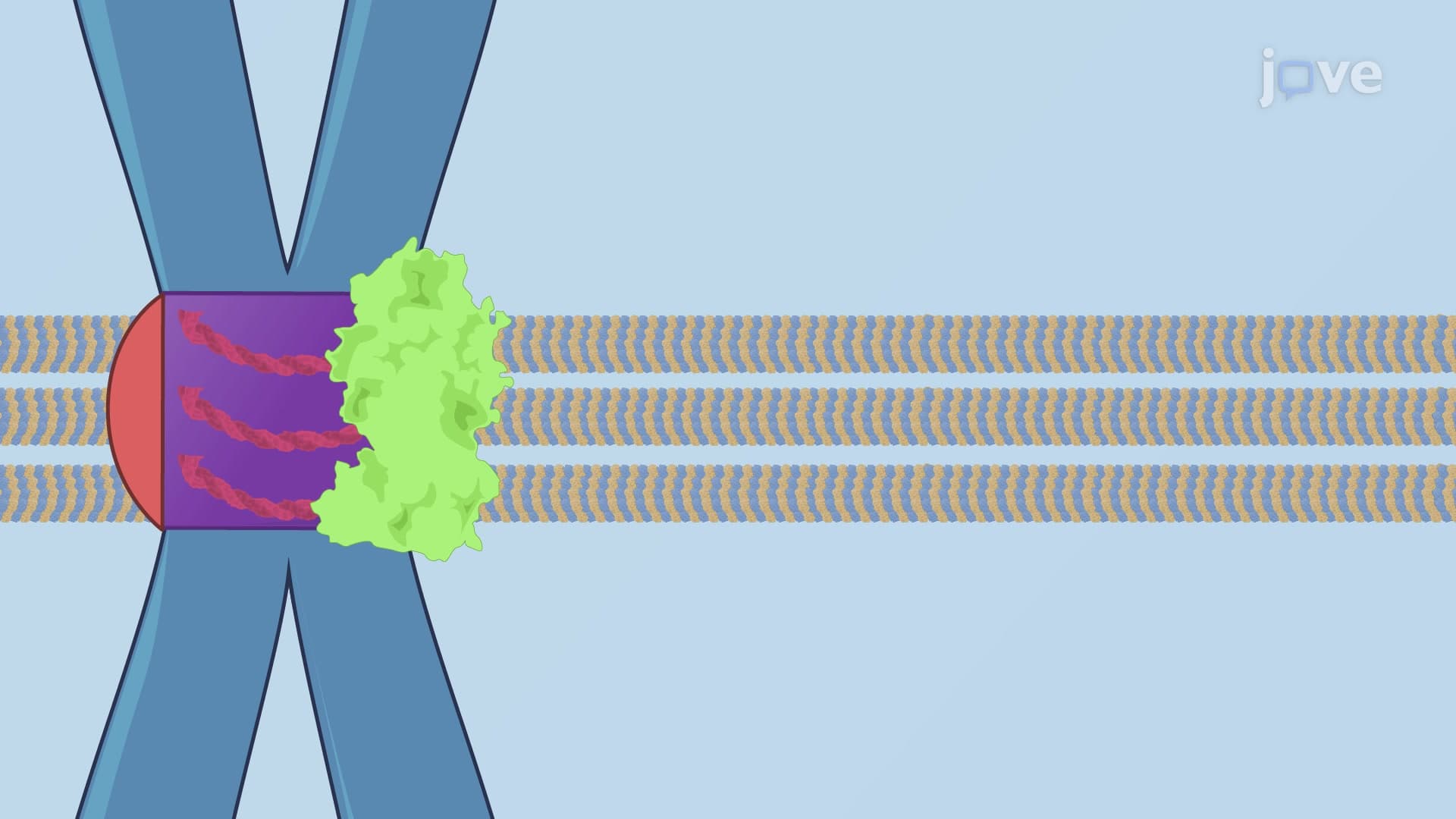
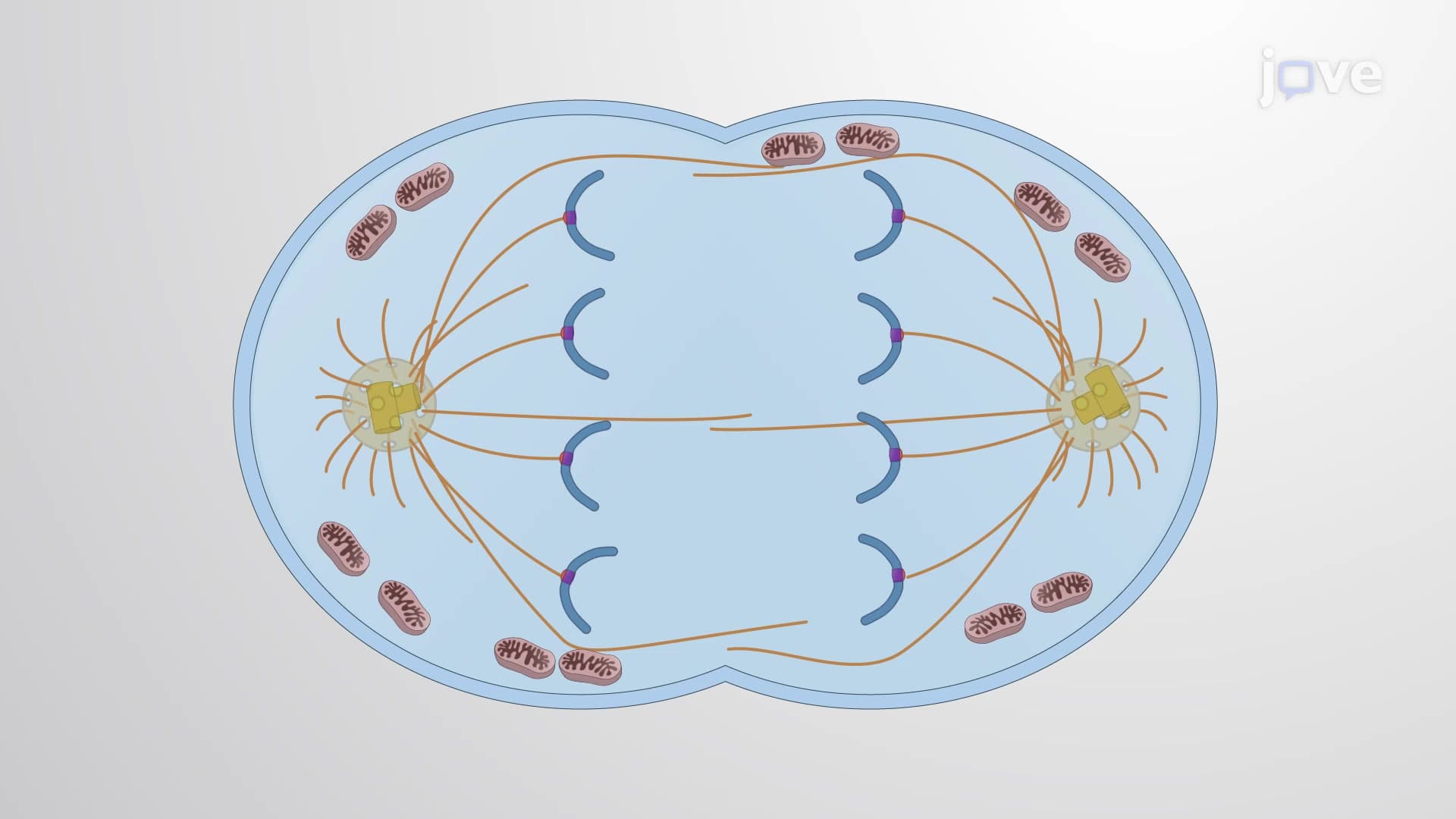
At the heart of sister chromatid attachment lies the kinetochore, a massive protein complex assembled at each chromosome's centromere. Think of kinetochores as sophisticated docking stations-each human chromosome builds two kinetochores that must capture spindle microtubules extending from opposite poles of the dividing cell. The Ndc80 complex acts as the primary microtubule-binding interface, while inner kinetochore proteins like CENP-A provide the foundation for this entire structure.
This process becomes particularly relevant for students preparing for AP Biology or college-level cell biology courses, where understanding kinetochore dynamics often appears in free-response questions about cell cycle regulation. At institutions like Harvard Medical School, researchers have identified over 100 proteins involved in kinetochore assembly, highlighting the complexity of this cellular machinery.
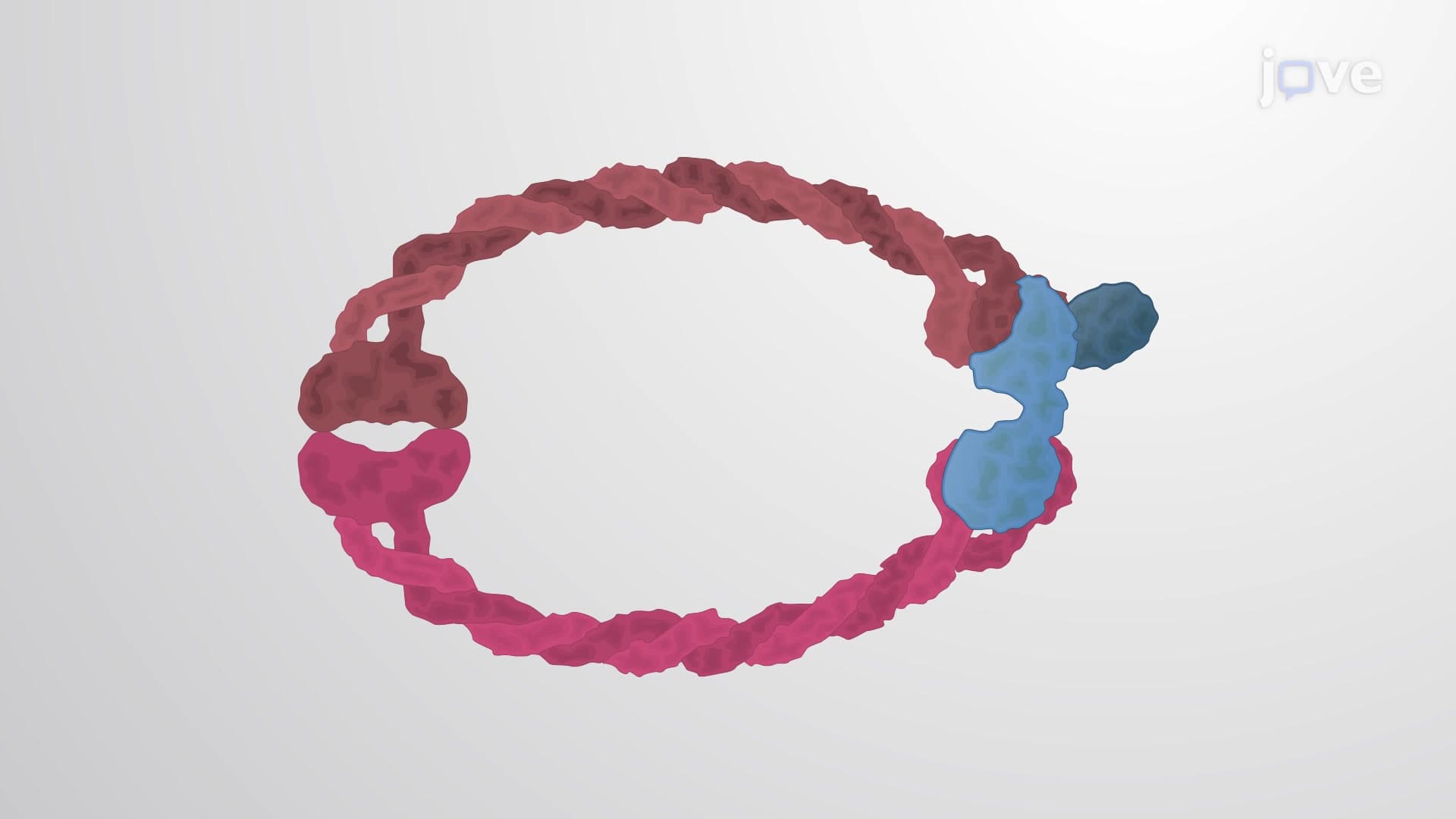
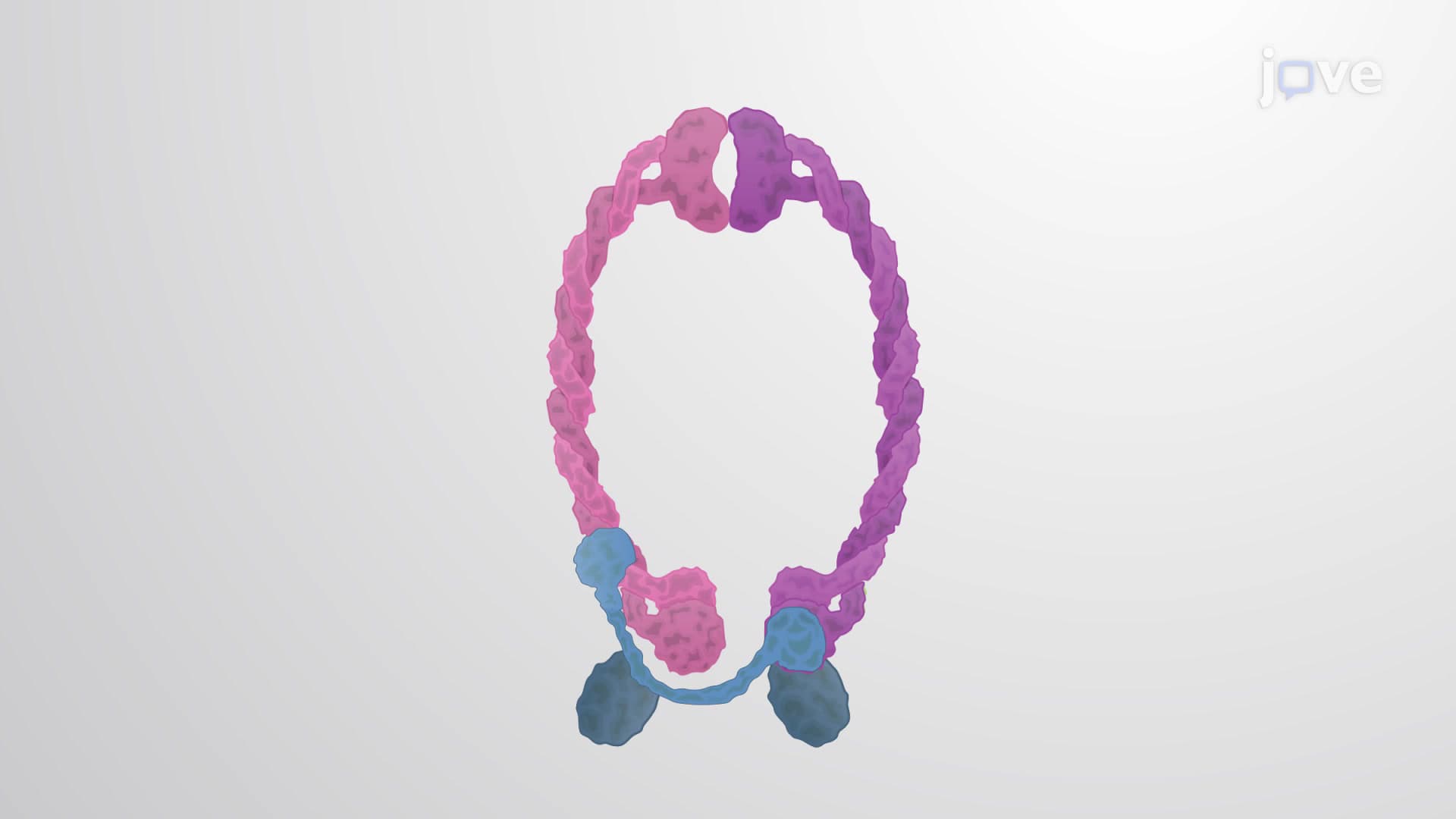
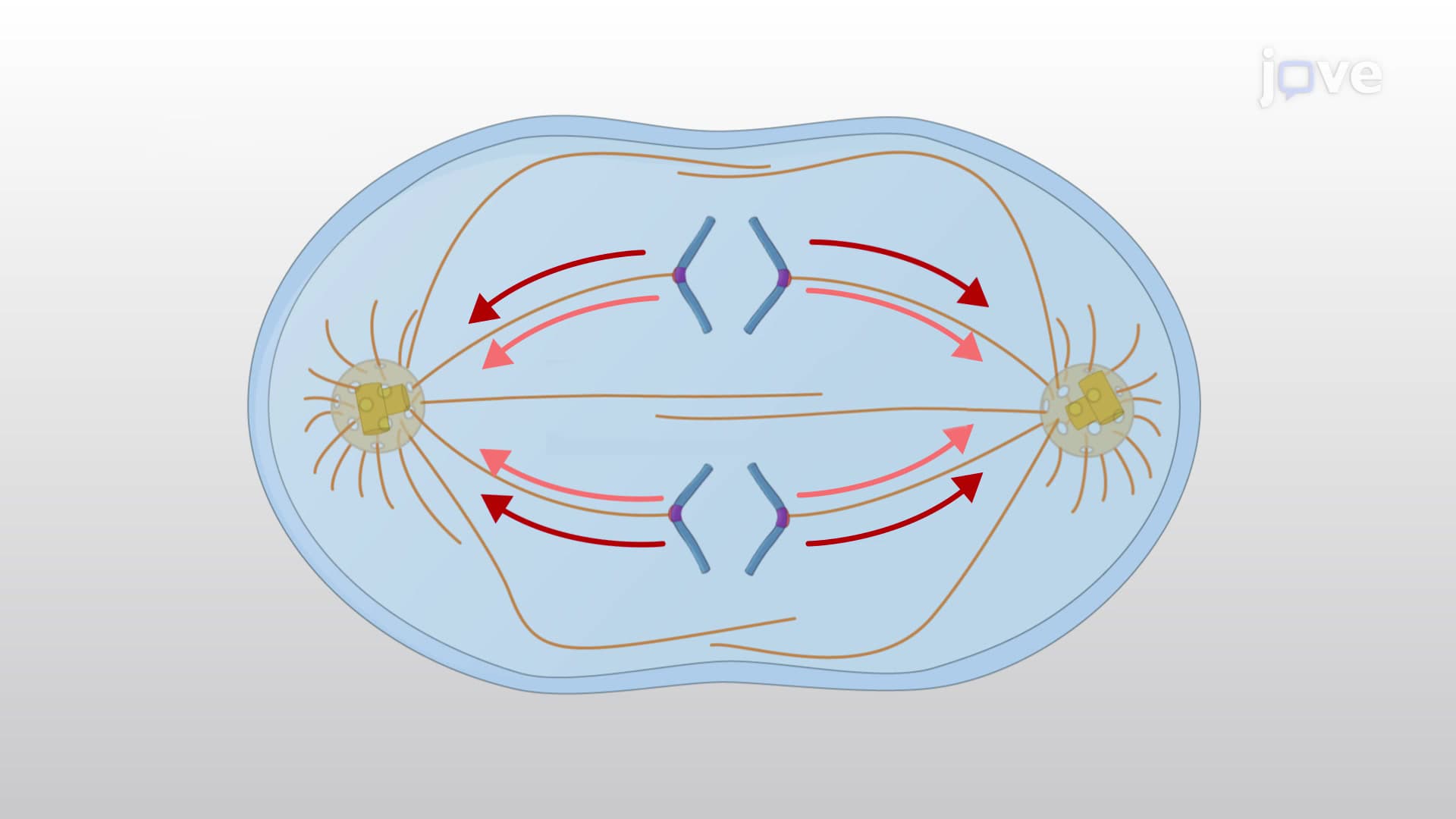
Sister chromatid attachment follows a carefully choreographed sequence. Initially, kinetochores make lateral attachments to the sides of spindle microtubules through a process called "search and capture." These unstable connections gradually convert to stable end-on attachments, where kinetochores grip the plus-ends of microtubules. The critical milestone occurs when sister chromatids achieve bi-orientation-each sister attaches to microtubules emanating from opposite spindle poles.
This bi-orientation creates mechanical tension across the chromosome, which serves as a molecular signal that proper attachment has occurred. Students studying for the MCAT often encounter questions about how cells detect this tension through the spindle assembly checkpoint, a surveillance system that prevents cell division until all chromosomes achieve proper attachment.
Defective sister chromatid attachment has profound medical implications. Nondisjunction events, where chromosomes fail to separate properly, cause conditions like Down syndrome (trisomy 21), affecting approximately 1 in 700 births in the United States. At the Mayo Clinic, genetic counselors regularly explain to families how maternal age increases nondisjunction risk, particularly for women over 35.
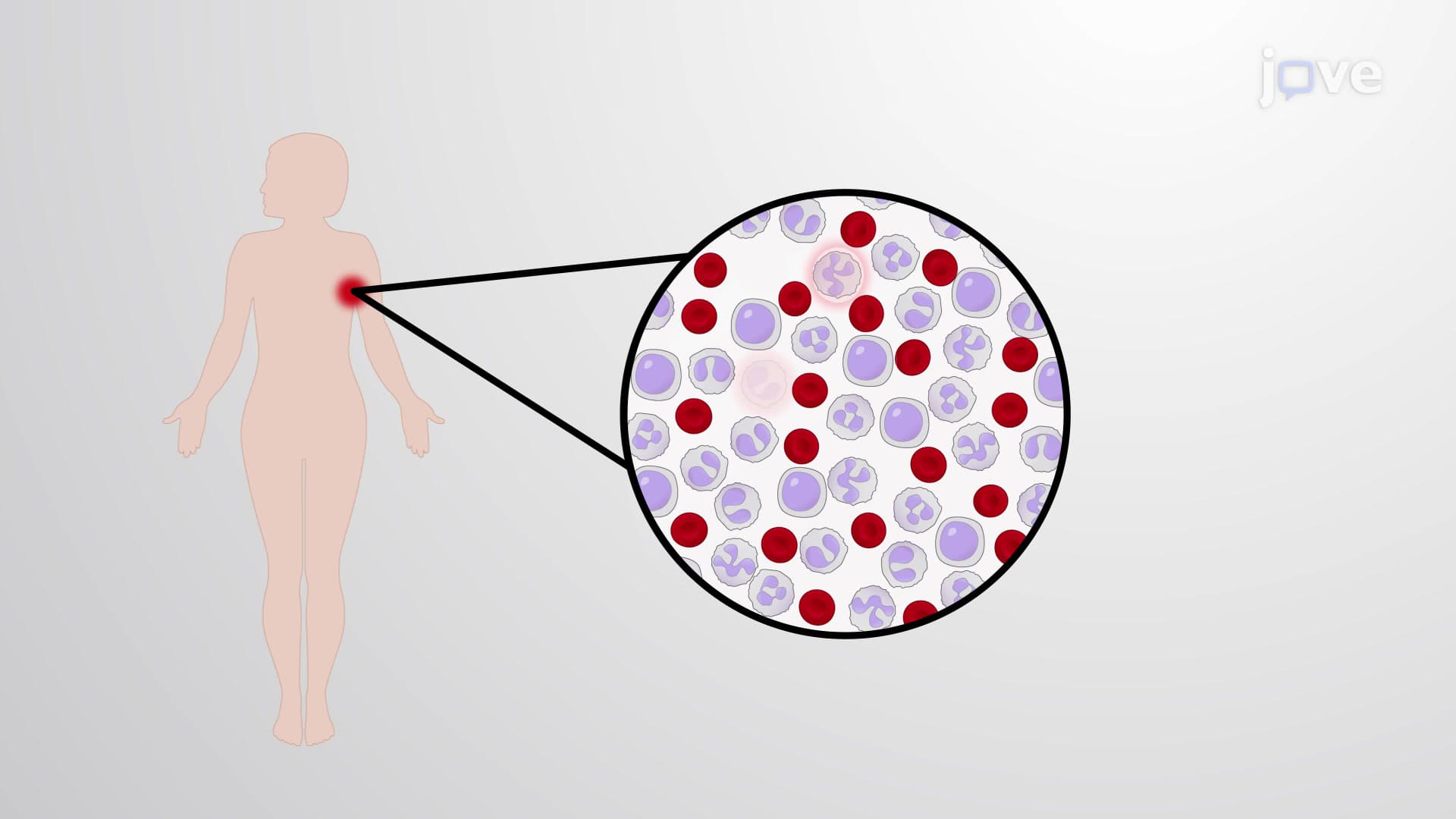
In cancer research, scientists at Memorial Sloan Kettering Cancer Center have demonstrated that chromosomal instability-often resulting from attachment defects-drives tumor evolution and drug resistance. Understanding these mechanisms helps explain why certain chemotherapy drugs target the spindle apparatus to selectively kill rapidly dividing cancer cells.
Related Micro-courses