Loading subject page…


37,922 views
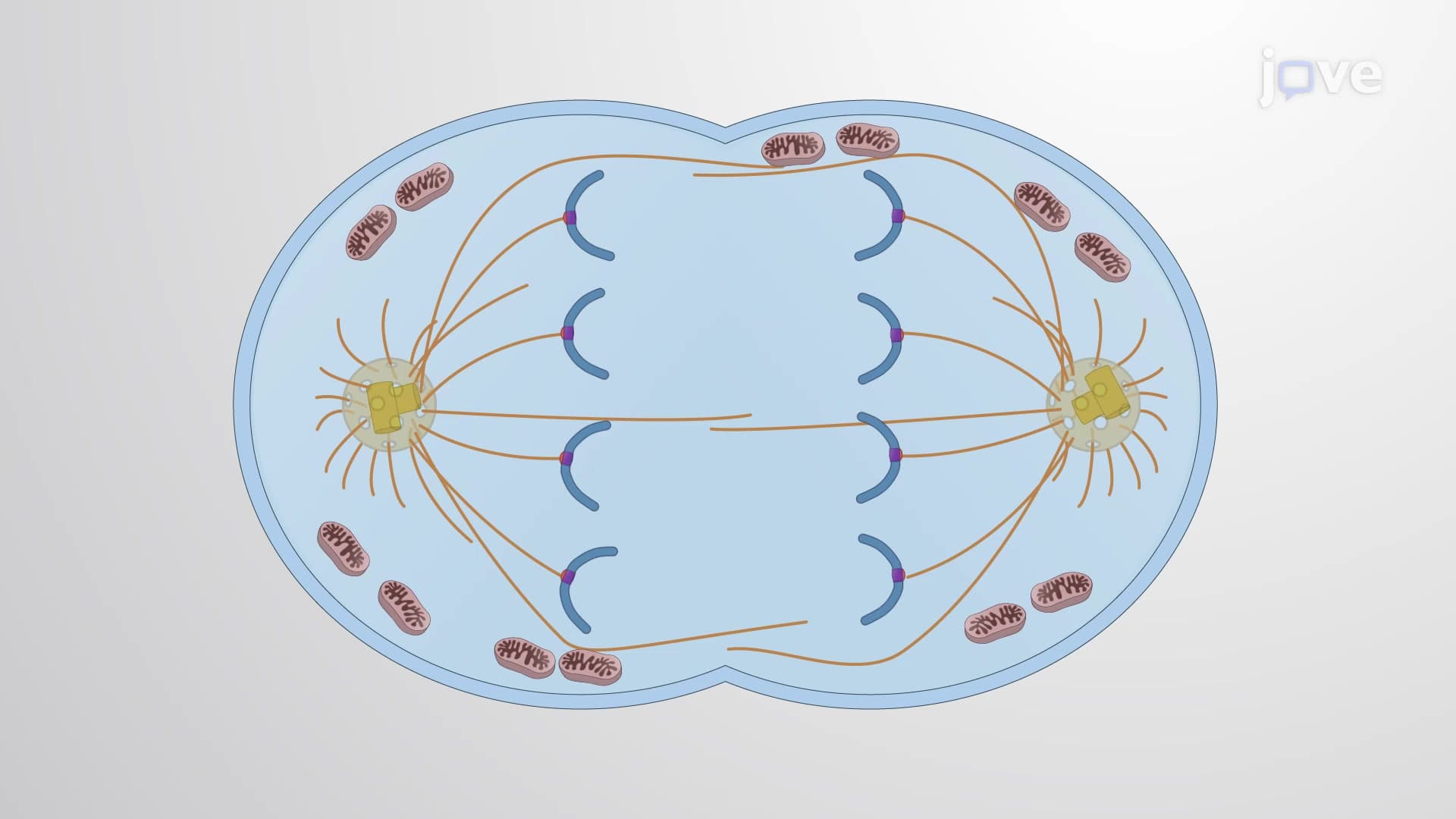

Video Summary: What Is Distribution of Cytoplasmic Content
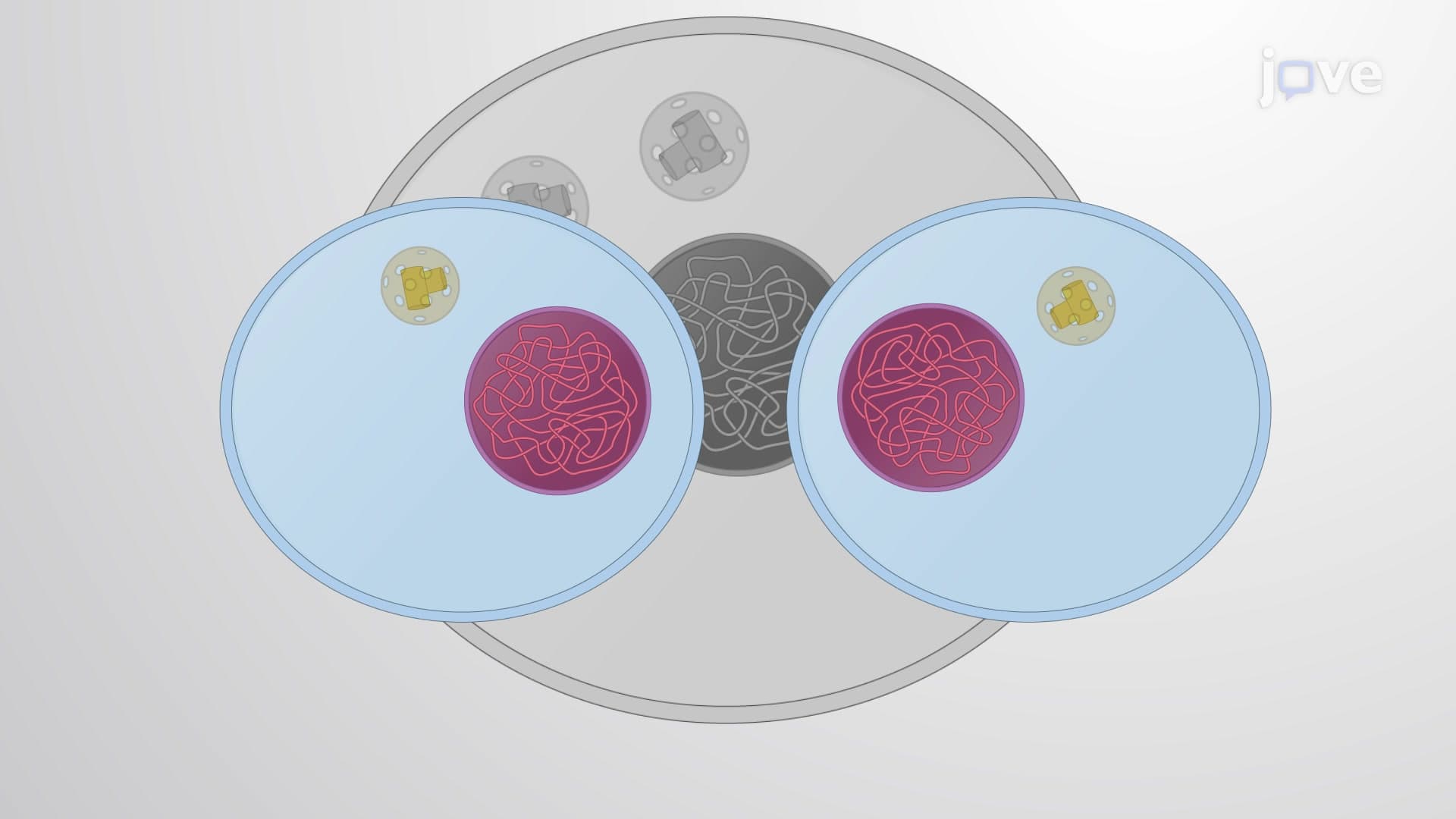
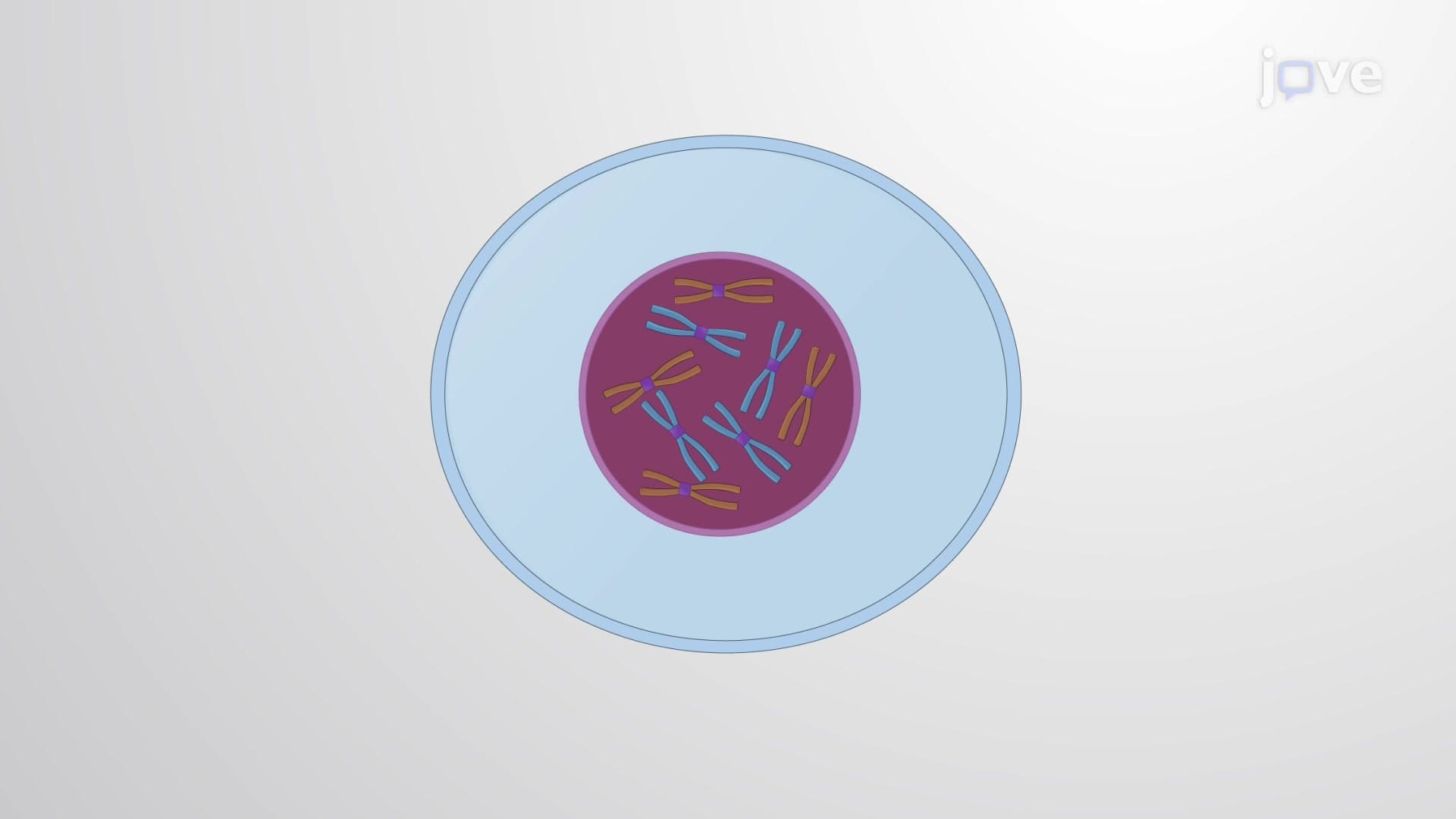
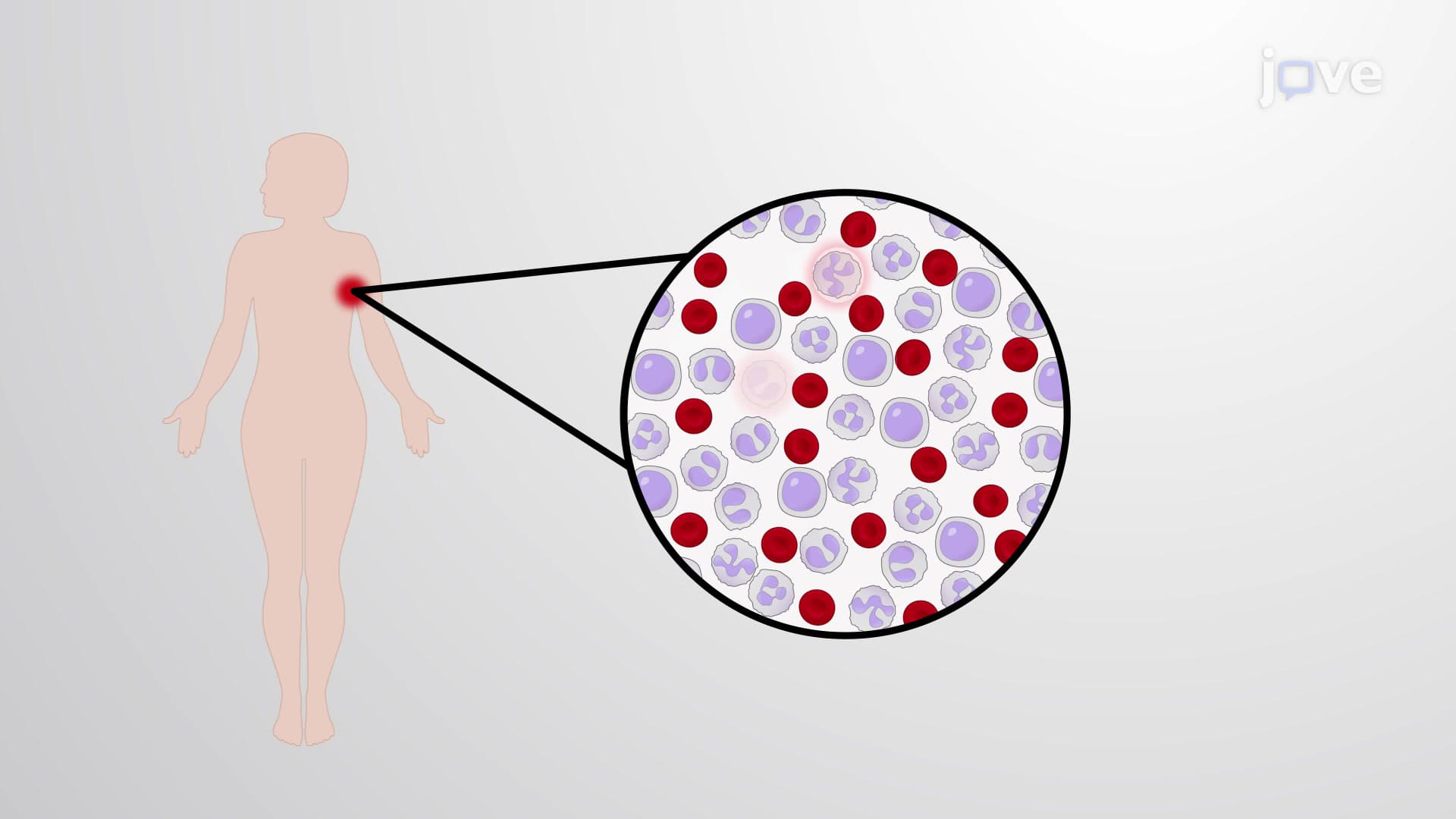
Ever wondered how a single fertilized egg eventually becomes a complex organism like a human being with over 200 different cell types? The distribution of cytoplasmic content during cell division determines not just whether daughter cells survive, but what they become. At Johns Hopkins University, researchers study how stem cells in bone marrow divide asymmetrically, with one daughter remaining a stem cell while the other differentiates into blood cells. What is distribution of cytoplasmic content reveals the intricate mechanisms beyond DNA copying that make cellular inheritance possible. Watch the full video on JoVE Coach to master this concept with expert-led visuals and step-by-step explanations.
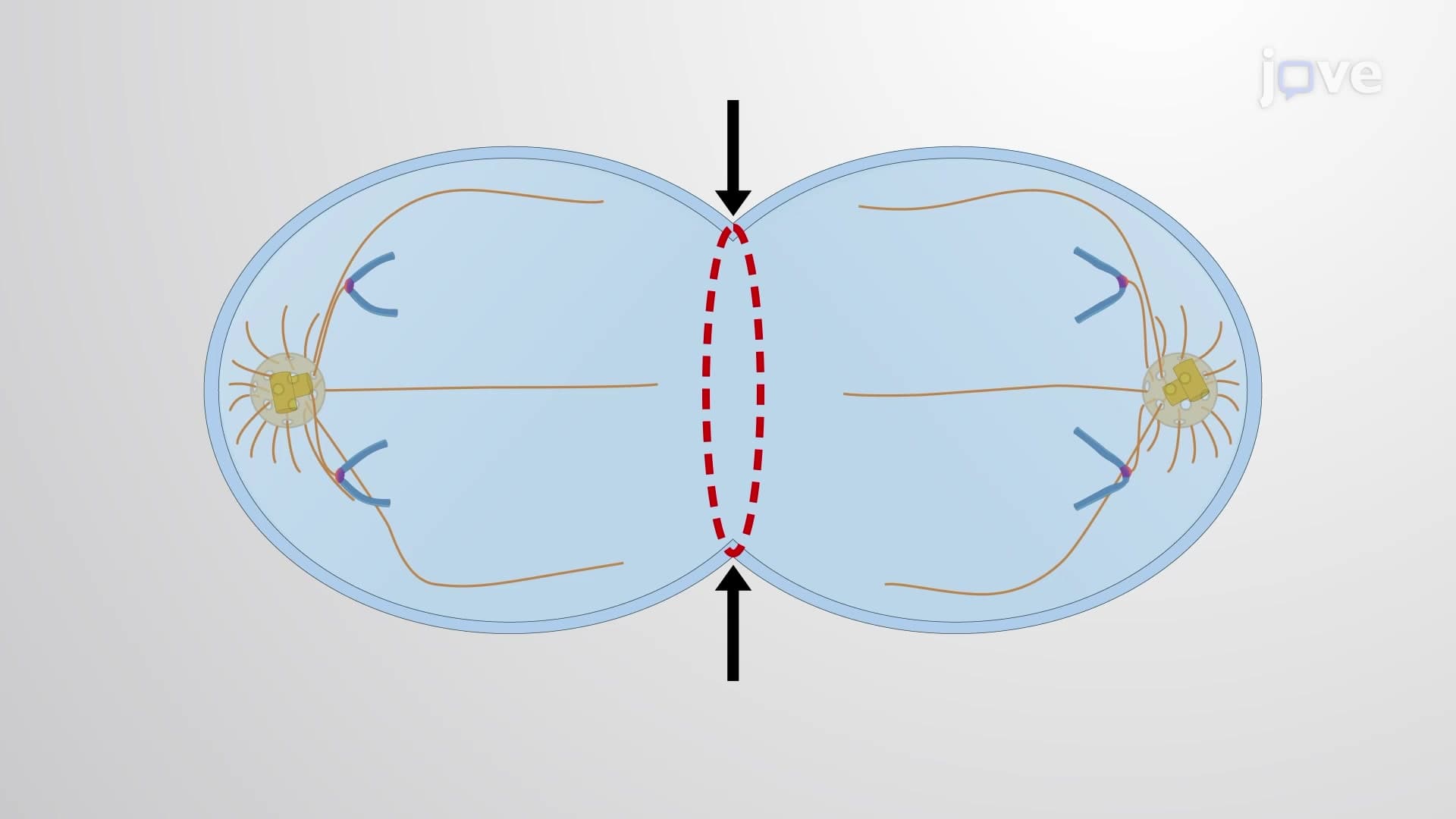
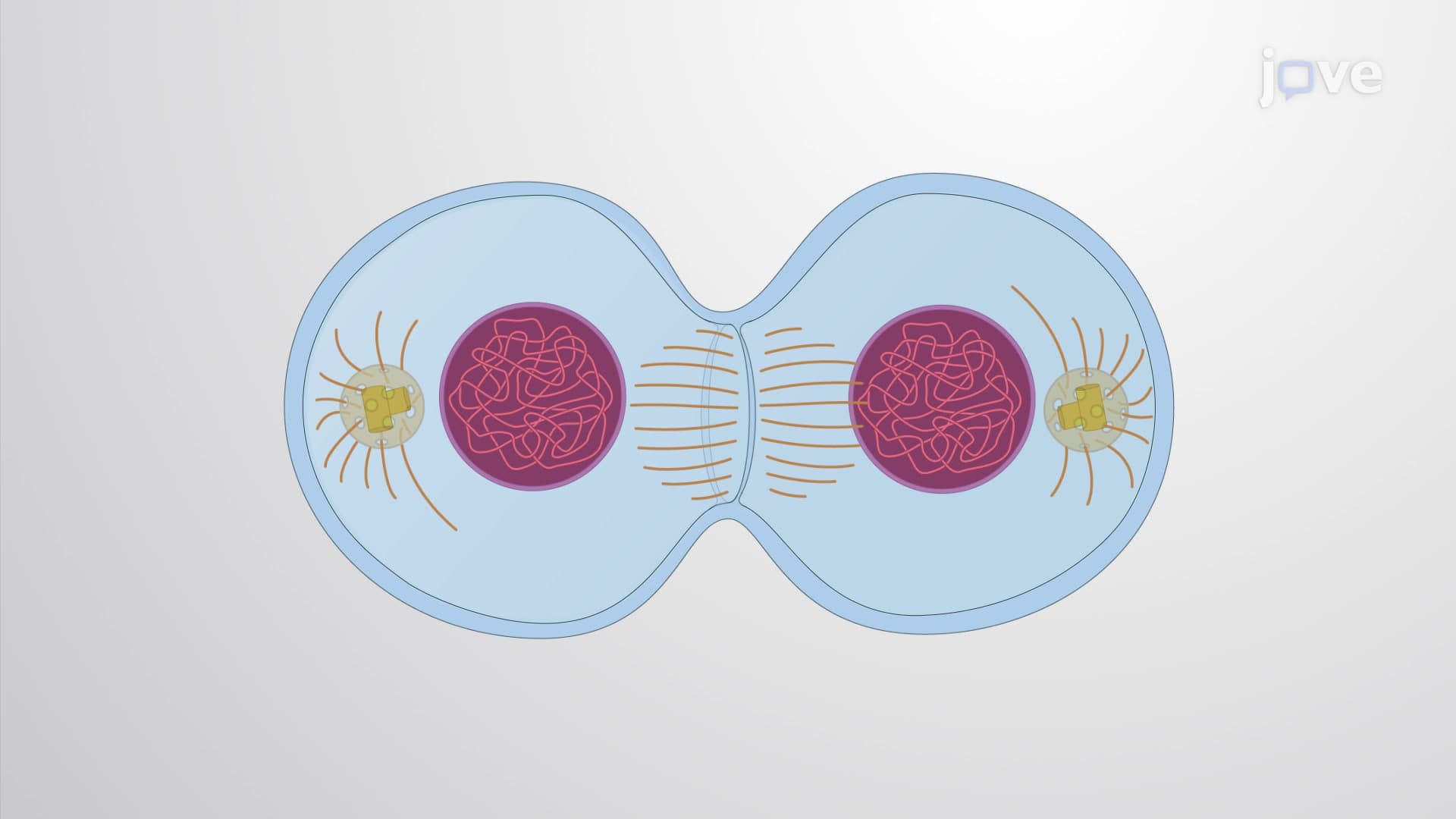
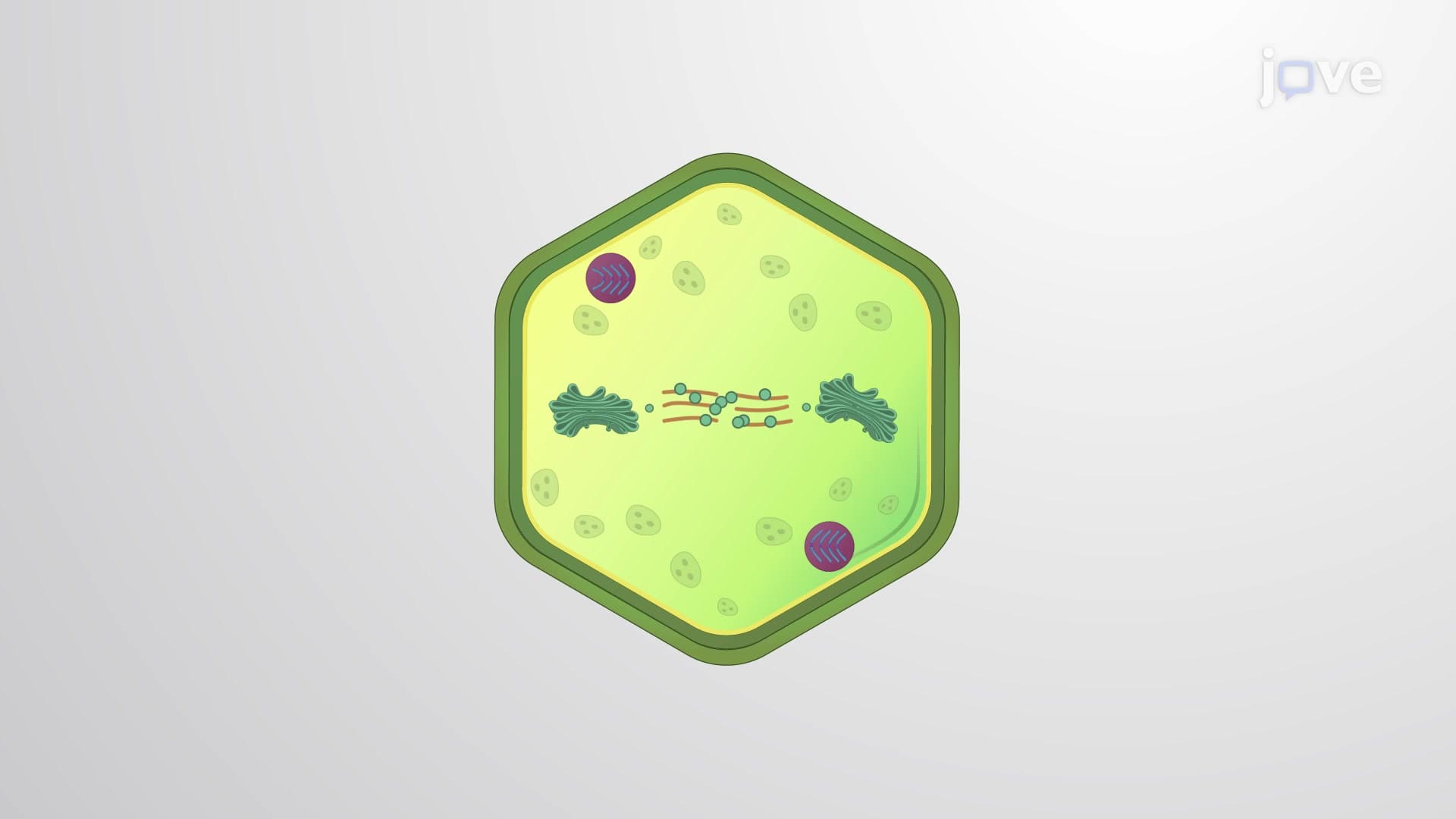
Distribution of cytoplasmic content represents one of biology's most sophisticated quality control systems. While DNA replication ensures genetic continuity, the cytoplasm contains the molecular machinery that transforms genetic instructions into cellular function. During mitosis, this process becomes a carefully choreographed distribution of life's essential components.
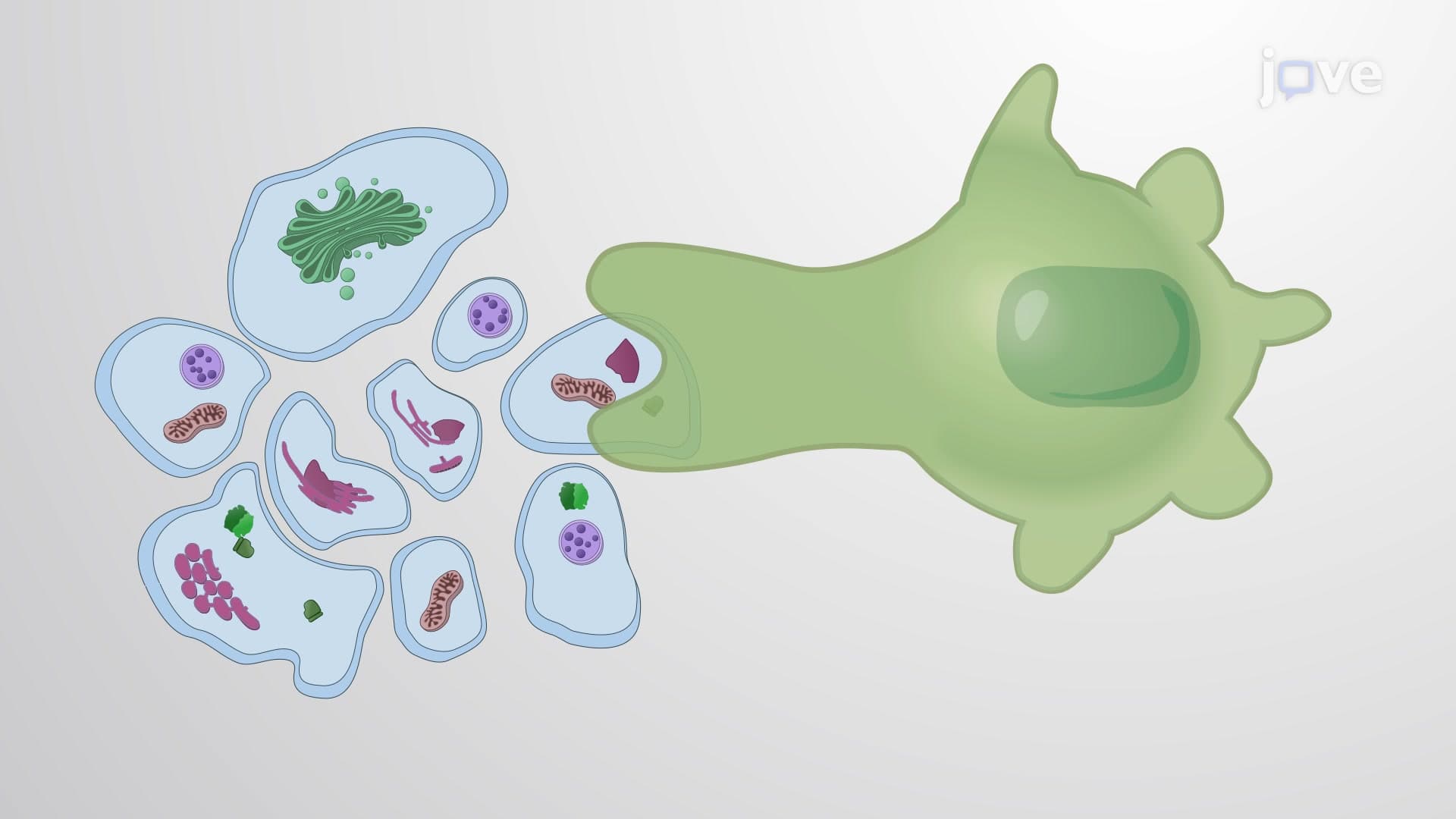
The distribution process relies on multiple sophisticated mechanisms. Motor proteins like dynein and kinesin act as cellular freight trains, transporting organelles along microtubule tracks. Mitochondria, the cell's powerhouses, undergo active transport to ensure each daughter cell receives adequate energy production capacity. The endoplasmic reticulum fragments and reforms, while the Golgi apparatus completely disassembles and rebuilds in each daughter cell.
Research at Stanford University has revealed that mitochondrial inheritance involves both passive segregation and active transport mechanisms. Cells maintain approximately 1,000-2,000 mitochondria, and mathematical models suggest that random distribution alone would occasionally produce daughter cells with dangerously few mitochondria. Active transport mechanisms prevent this cellular catastrophe.
Asymmetric cell division represents evolution's solution to maintaining stem cell populations while producing differentiated cells. In the human intestine, stem cells at the base of intestinal crypts divide asymmetrically, with one daughter remaining pluripotent while the other begins differentiation into specialized intestinal cells. This process involves unequal distribution of fate-determining proteins and organelles.
Harvard Medical School research demonstrates that neural stem cells in the developing brain use asymmetric division to balance self-renewal with neurogenesis. Disruptions in this balance contribute to neurodevelopmental disorders and brain tumors.
Understanding cytoplasmic distribution has revolutionized stem cell research and regenerative medicine. At the Mayo Clinic, researchers manipulate cytoplasmic inheritance patterns to optimize stem cell therapies for treating conditions like Parkinson's disease and spinal cord injuries. In cancer research, abnormal cytoplasmic distribution patterns serve as biomarkers for tumor aggressiveness and treatment resistance.
For students preparing for the MCAT or AP Biology exam, this concept connects cell biology fundamentals with cutting-edge medical applications, making it a frequently tested topic that bridges basic science and clinical relevance.
Related Micro-courses