Loading subject page…

- Cell Biology
- Cell Proliferation
- Cells Coordinate Growth and Proliferation
Micro-course: Cell Proliferation
51,501 views
Learn key concepts and earn your certificate.

Cells Coordinate Growth and Proliferation

00:00
02:36
Video Summary: Cells Coordinate Growth and Proliferation Explained
Ever wonder why cancer cells multiply uncontrollably while normal cells maintain perfect balance? The answer lies in how cells coordinate growth and proliferation-the intricate cellular dance between growing larger and dividing into new cells. Consider how muscle cells in Olympic athletes like swimmer Katie Ledecky grow larger through training but maintain controlled division rates. This coordination prevents tumors and ensures healthy tissue development through precise molecular signaling pathways. Watch the full video on JoVE Coach to master this concept with expert-led visuals and step-by-step explanations.
- Understand how cells coordinate growth and proliferation through integrated molecular pathways that balance cell size expansion with division timing
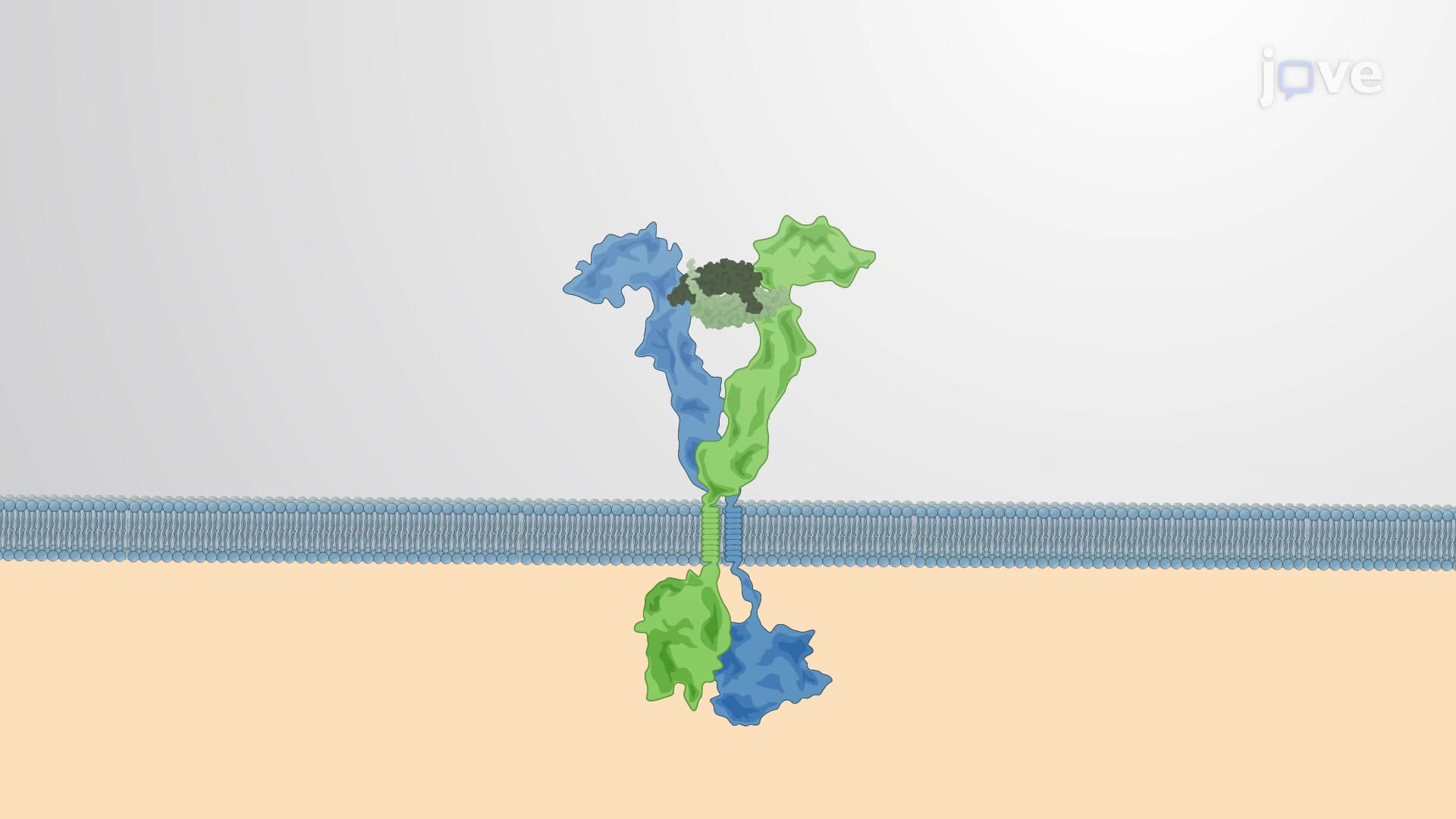
- Identify key regulatory molecules including mTOR, AMPK, cyclins, and growth factor receptors that control cellular growth and proliferation decisions
- Analyze the role of environmental signals like nutrient availability, energy status, and growth factors in coordinating cellular responses
- Compare normal cellular coordination with dysregulated states that lead to diseases such as cancer and developmental disorders
- Evaluate how the mTOR pathway senses nutrient levels and regulates protein synthesis to ensure adequate cellular resources before division
- Apply knowledge of cell cycle checkpoints and growth factor signaling to predict cellular behavior under different physiological conditions
- Recognize the clinical significance of growth-proliferation coordination in cancer research, tissue engineering, and regenerative medicine
- Explore connections between cellular coordination mechanisms and broader physiological processes like wound healing and development
Understanding Cells Coordinate Growth And Proliferation Fundamentals
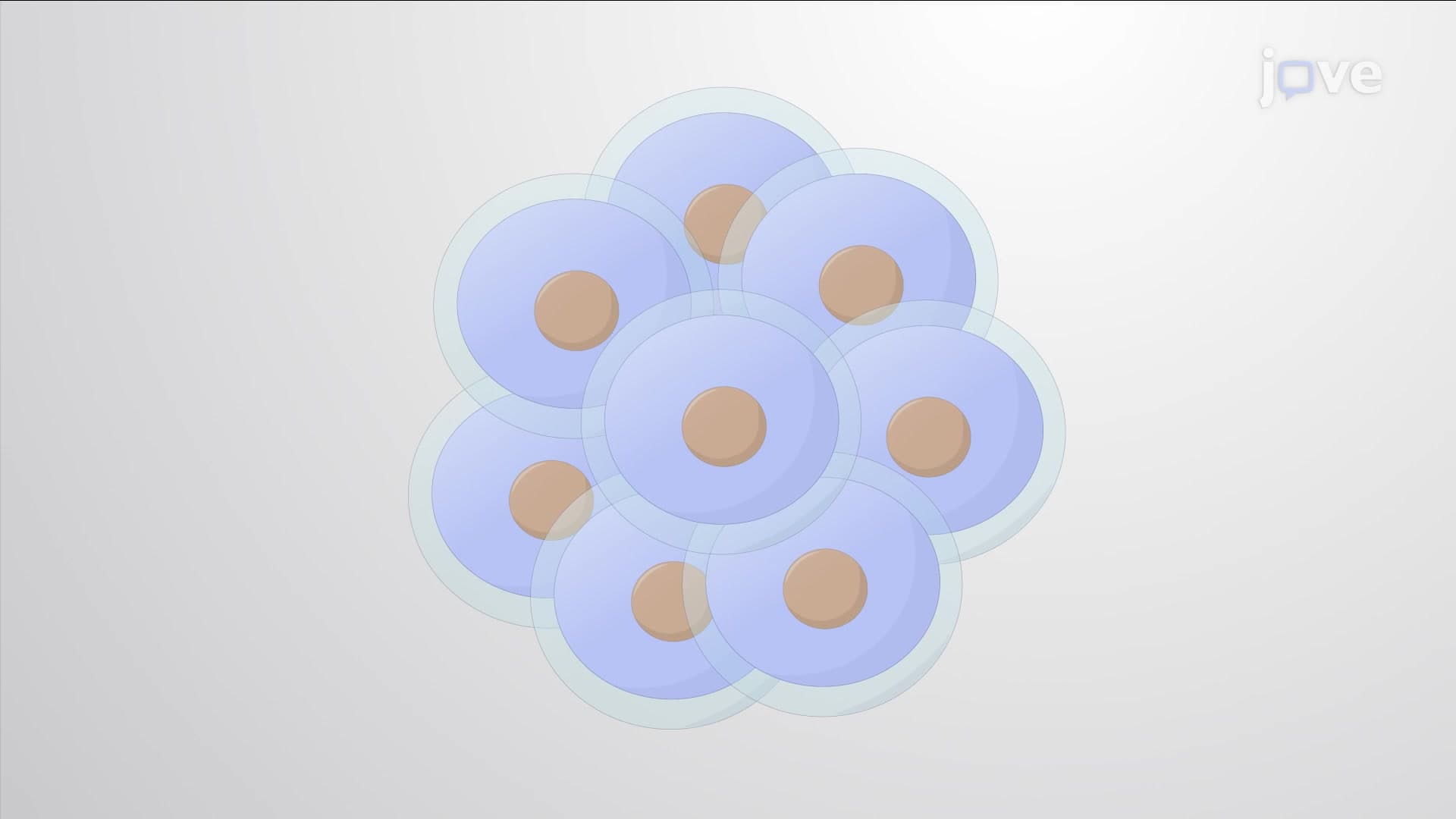
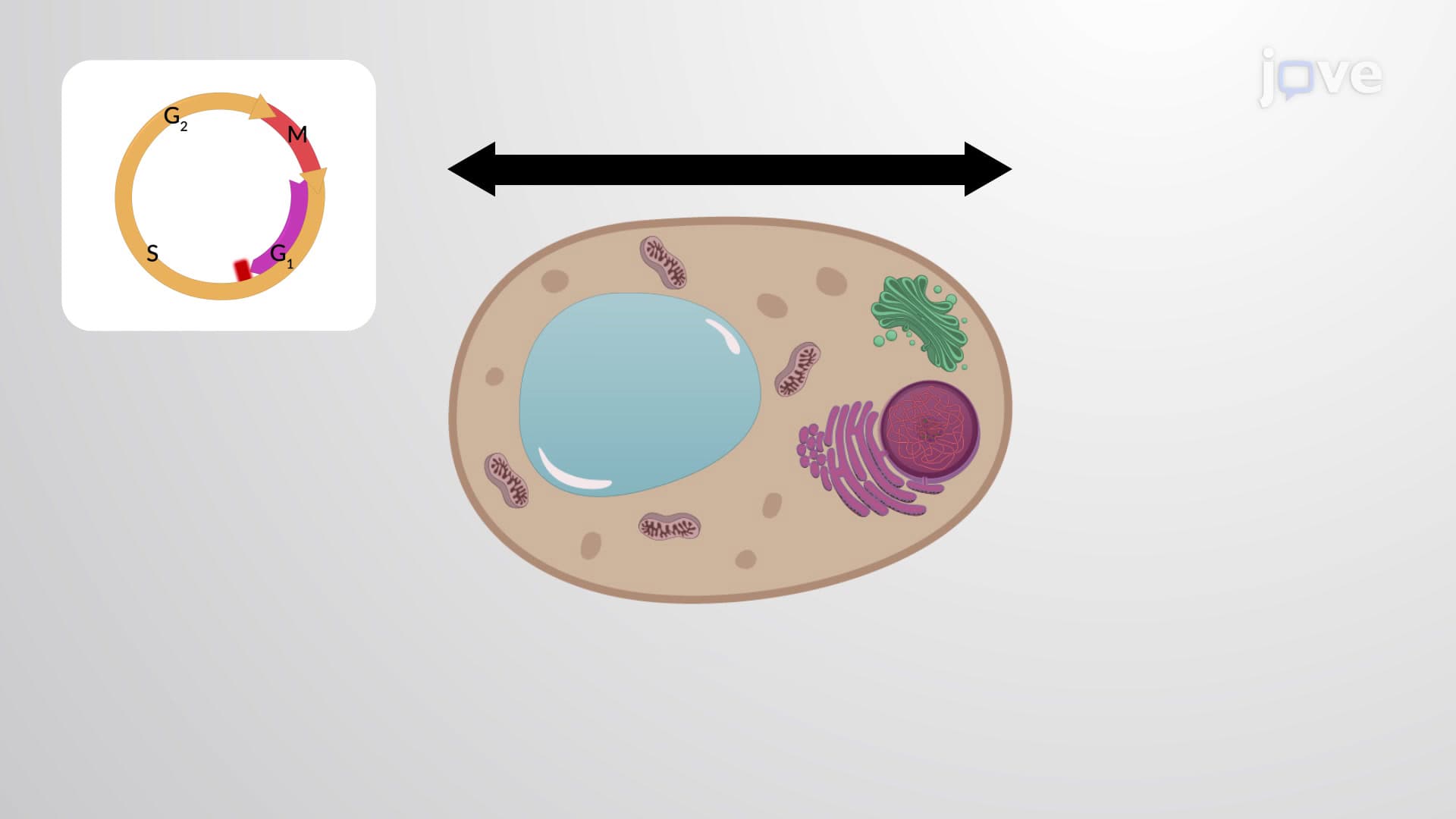
Cellular coordination represents one of biology's most elegant control systems, where cells must simultaneously manage two critical processes: growth (increasing in size and mass) and proliferation (cell division). This coordination ensures that cells only divide when they possess sufficient resources, appropriate environmental conditions, and proper developmental cues. Without this precise control, organisms would develop tumors, fail to heal wounds, or experience developmental abnormalities.
The coordination process involves multiple molecular pathways that constantly communicate cellular status. Think of it like a sophisticated traffic control system-cells receive signals about nutrient availability, space constraints, DNA integrity, and developmental stage before making decisions about growth or division.
The mTOR Pathway: Cellular Growth Command Center
The mechanistic target of rapamycin (mTOR) pathway serves as the primary nutrient-sensing hub in mammalian cells. When amino acids, glucose, and growth factors are abundant, mTOR promotes protein synthesis, lipid production, and cellular growth. This pathway is particularly active in rapidly growing tissues like those found in developing teenagers or healing wounds.
mTOR exists in two distinct complexes: mTORC1 (sensitive to rapamycin) focuses on growth regulation, while mTORC2 influences cell survival and metabolism. Students preparing for the MCAT or AP Biology exams should understand that mTOR inhibition by drugs like rapamycin can prevent organ rejection in transplant patients by limiting immune cell proliferation.
Cell Cycle Machinery and Proliferation Control
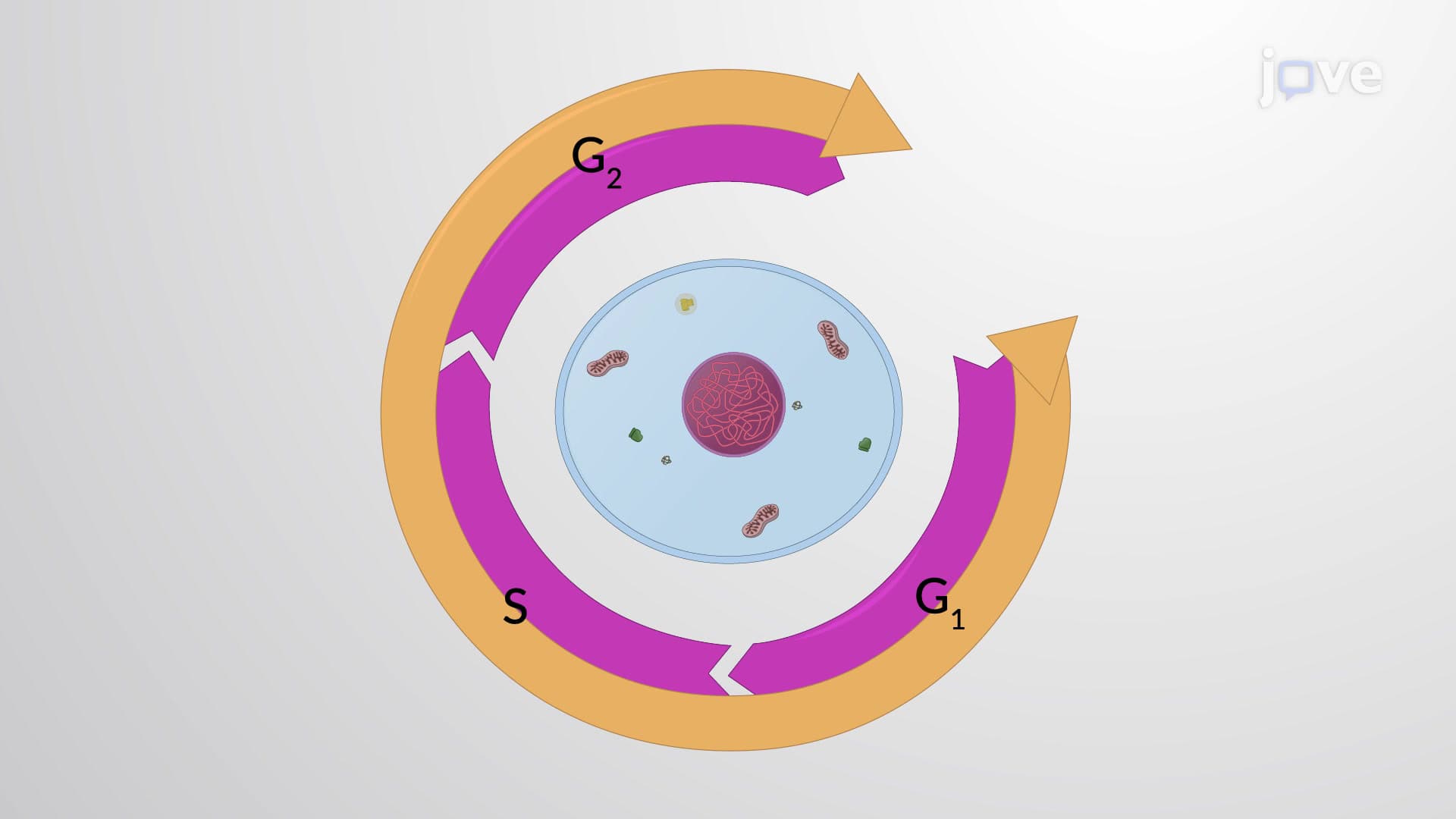
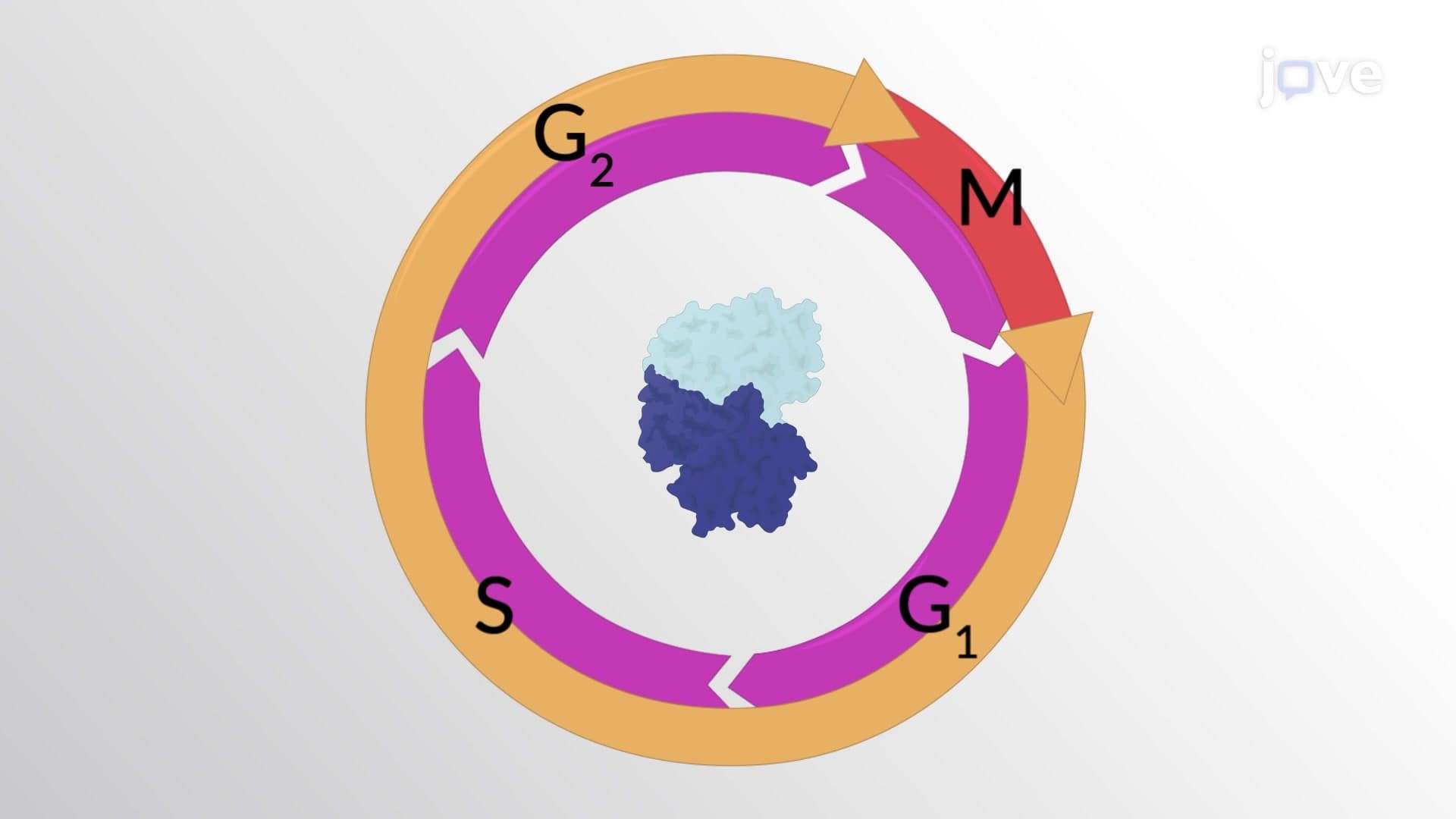
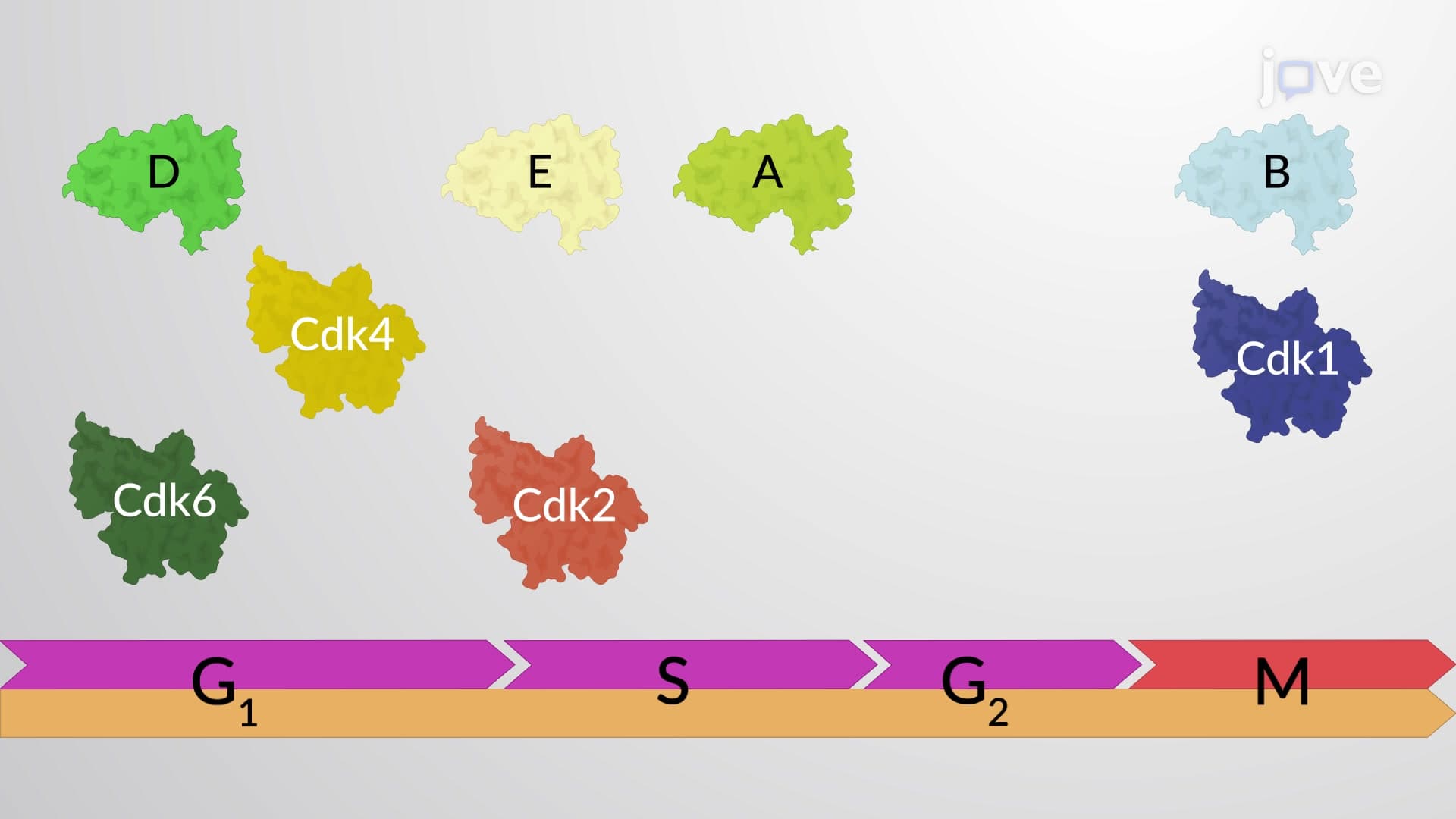
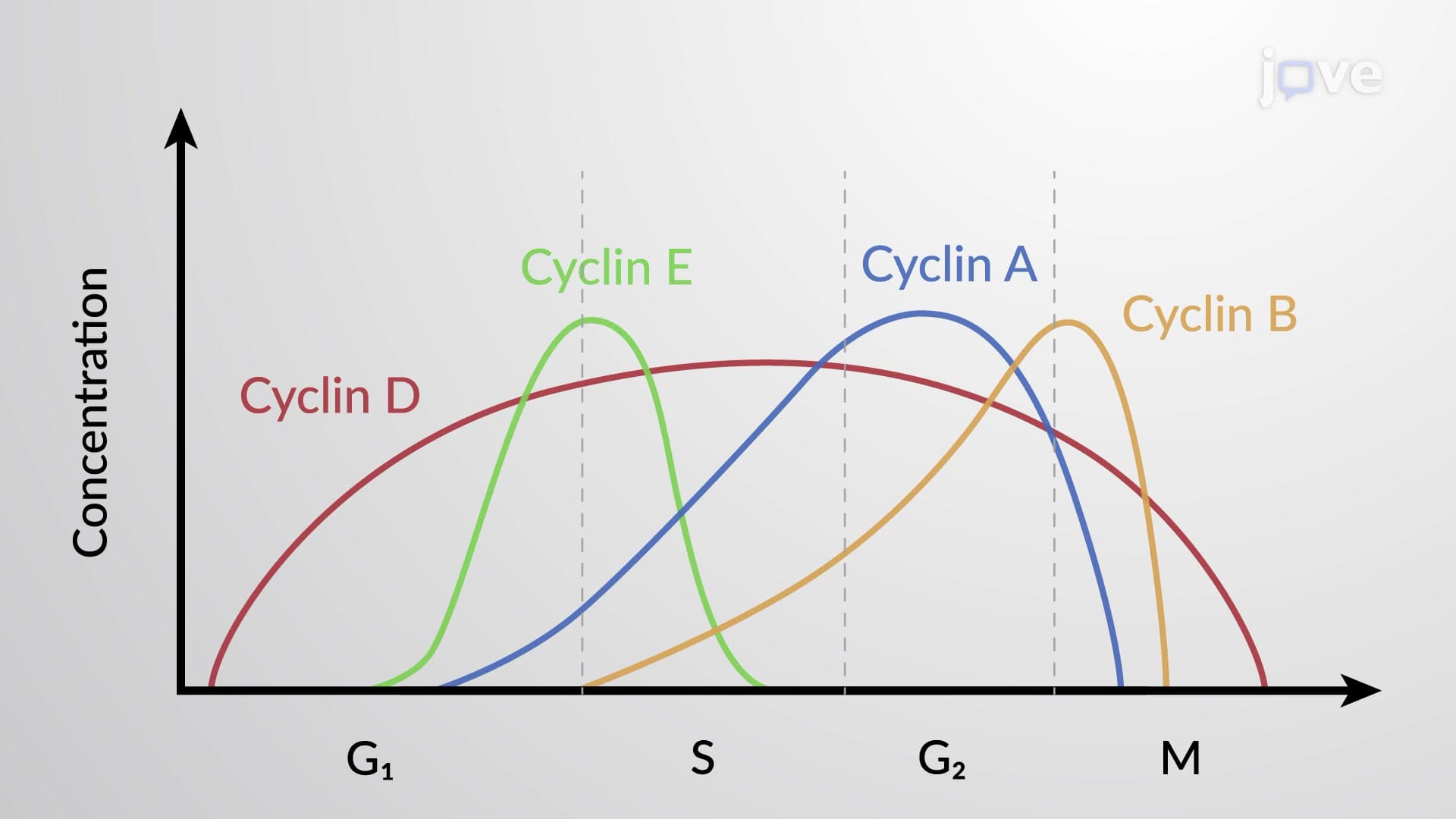
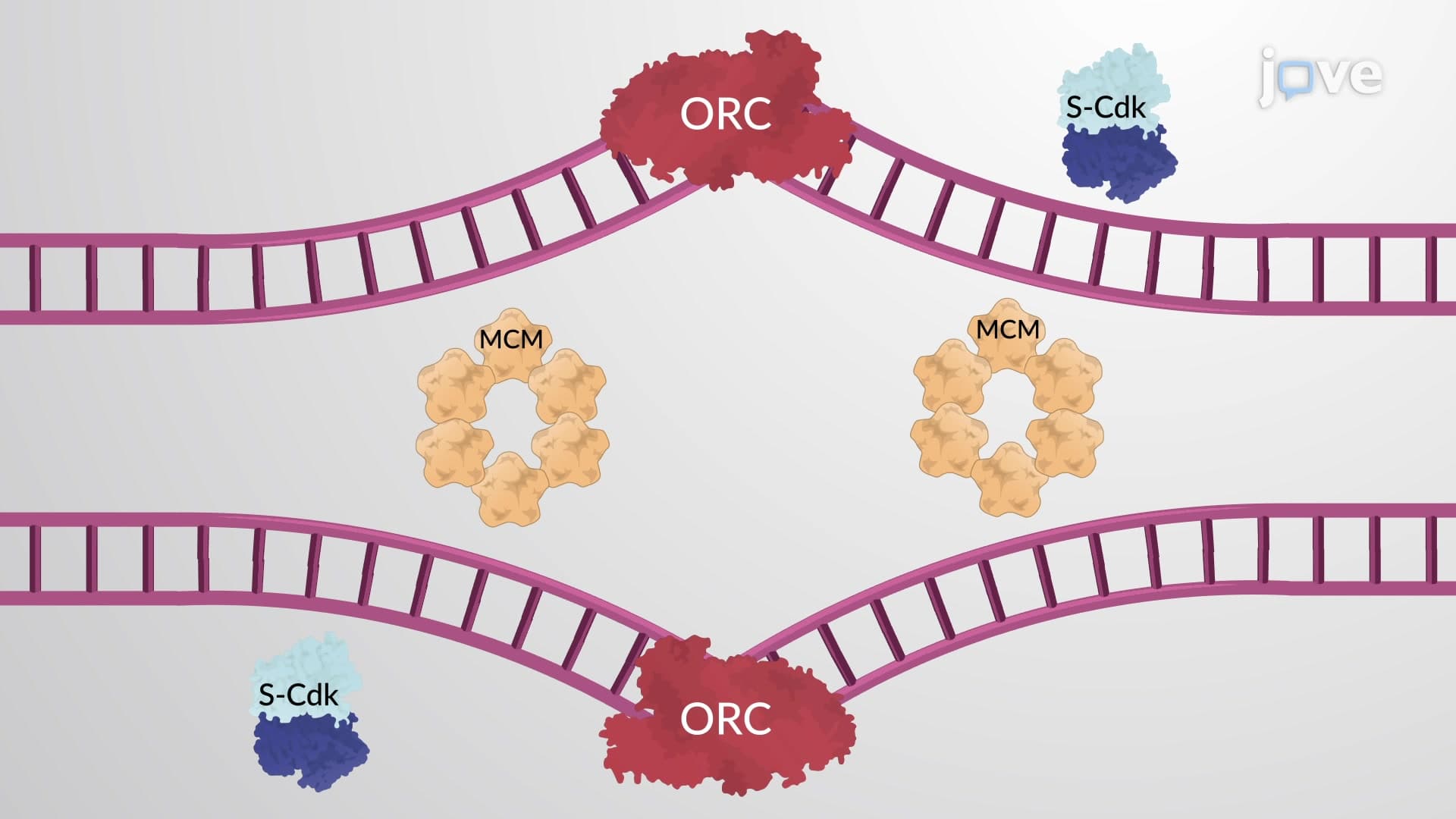
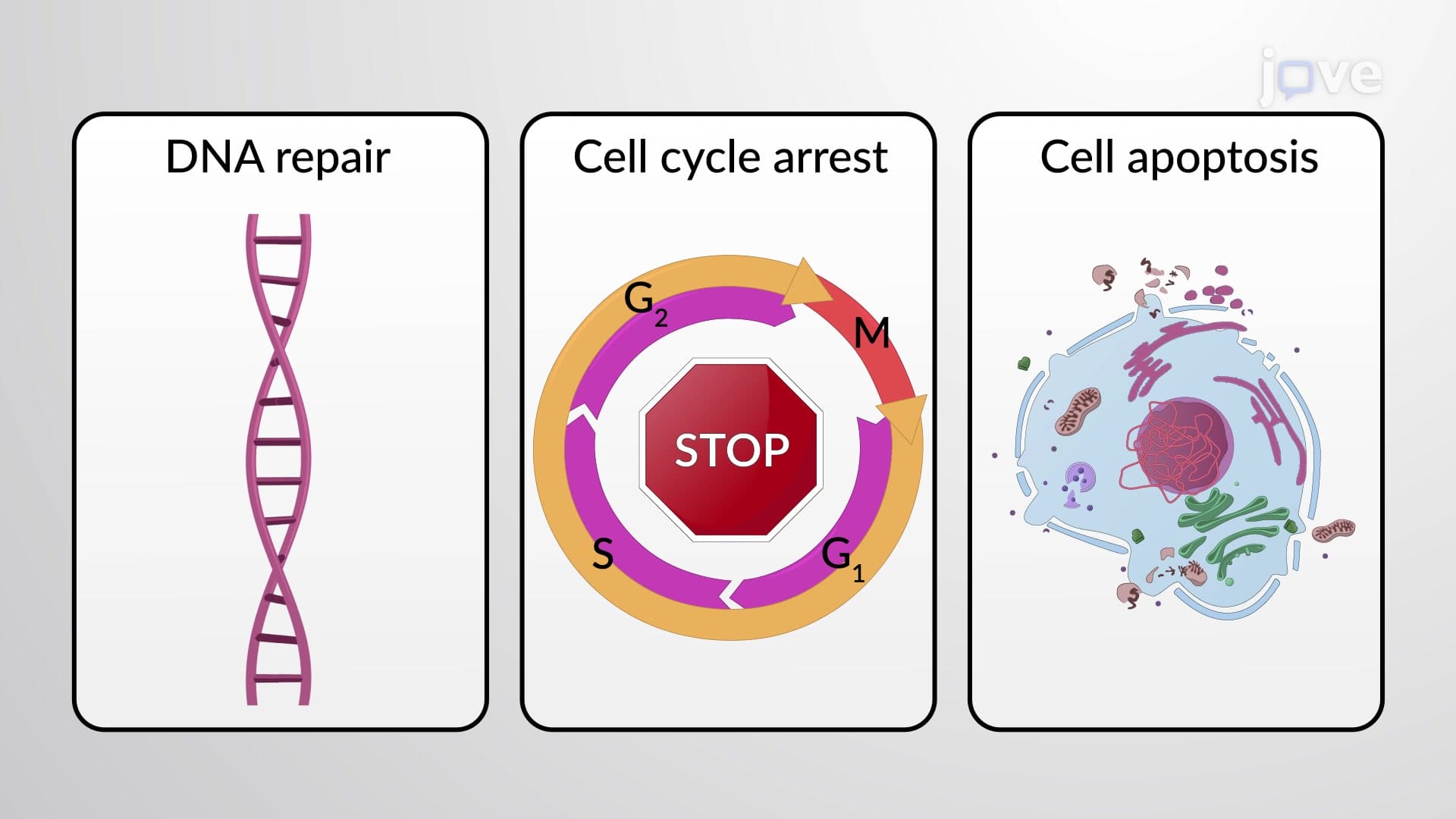
Cell division requires precise timing controlled by cyclins and cyclin-dependent kinases (CDKs). These molecules create checkpoints that ensure cells have grown sufficiently and possess intact DNA before proceeding with division. The G1/S checkpoint particularly exemplifies growth-proliferation coordination-cells must reach adequate size and accumulate sufficient nutrients before DNA replication begins.
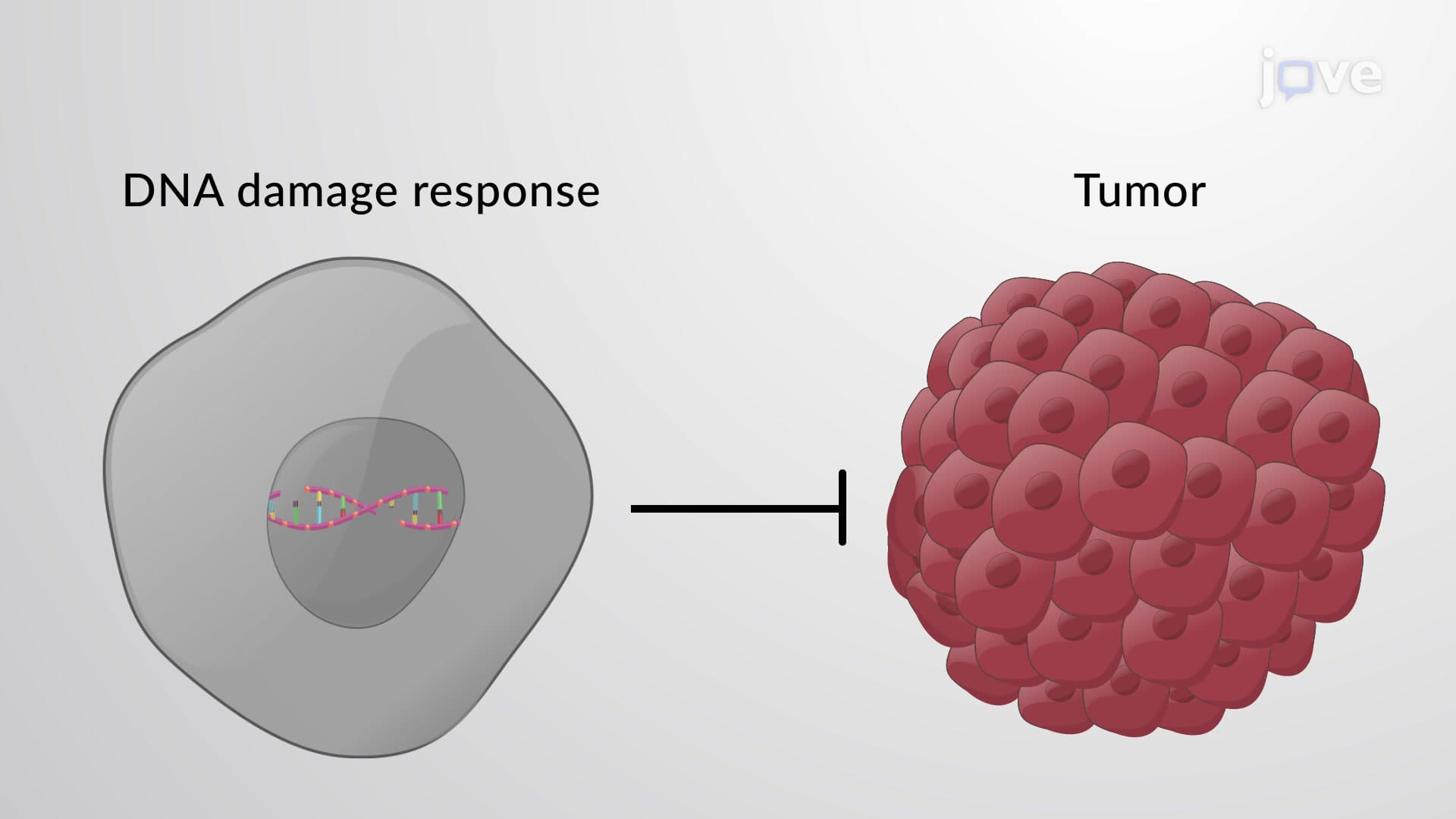
p53, often called the "guardian of the genome," plays a crucial role by halting cell cycle progression when DNA damage is detected. This tumor suppressor protein prevents the proliferation of potentially dangerous cells, highlighting why p53 mutations are found in over 50% of human cancers.
Clinical Applications and Disease States
Understanding cellular coordination has revolutionized cancer treatment approaches. Traditional chemotherapy targets rapidly dividing cells, but newer therapies like mTOR inhibitors (everolimus, temsirolimus) specifically disrupt growth-proliferation coordination. These treatments are FDA-approved for various cancers including renal cell carcinoma and certain breast cancers.
In tissue engineering applications, researchers manipulate growth and proliferation signals to create functional organs. For example, scientists at institutions like Harvard Medical School and MIT use controlled growth factor delivery to coordinate cardiac cell growth and division when developing heart tissue replacements.
Frequently Asked Questions
Cells coordinate growth and proliferation through integrated molecular pathways that balance when cells grow larger versus when they divide. This coordination prevents cancer, ensures proper development, and maintains tissue homeostasis. When this system fails, diseases like cancer occur where cells proliferate uncontrollably.
The MCAT frequently tests mTOR pathway functions, cell cycle checkpoints, and cancer biology connections. AP Biology exams focus on cyclins, CDKs, and growth factor signaling pathways. Students should understand molecular mechanisms and be able to predict cellular responses to different conditions.
College exams typically cover mTOR complex functions, AMPK energy sensing, p53 tumor suppressor roles, and growth factor receptor signaling. Students must explain how nutrient availability affects cell cycle progression and identify key checkpoint proteins. Expect questions linking molecular mechanisms to disease states.
FDA-approved mTOR inhibitors like everolimus treat kidney cancer by disrupting cellular coordination. Chemotherapy drugs target rapidly dividing cells, while newer immunotherapies manipulate T-cell proliferation to fight cancer. Understanding these mechanisms helps explain why certain treatments work and their side effects.
Basic biochemistry knowledge helps but isn't essential for introductory understanding. Focus on learning pathway names, key proteins, and their general functions rather than detailed chemical structures. High school chemistry provides sufficient background for grasping fundamental coordination principles.
Create concept maps linking mTOR, AMPK, cyclins, and growth factors rather than memorizing isolated facts. Practice drawing simplified pathway diagrams and explaining how nutrient availability affects each component. Use clinical examples like cancer treatments to reinforce molecular mechanisms.
Explore developmental biology to see coordination in embryonic development, or study cancer biology to understand how coordination breaks down. Tissue engineering applications provide practical contexts, while cell signaling pathways offer deeper molecular insights into coordination mechanisms.
Wound healing demonstrates perfect growth-proliferation coordination as skin cells rapidly divide while growing to close injuries. Athletic training shows muscle cell growth without excessive division, while pregnancy involves coordinated fetal cell growth and proliferation for proper development.
Related Micro-courses


