Loading subject page…

- Cell Biology
- Cell Proliferation
- Mitogens and the Cell Cycle
Micro-course: Cell Proliferation
51,501 views
Learn key concepts and earn your certificate.


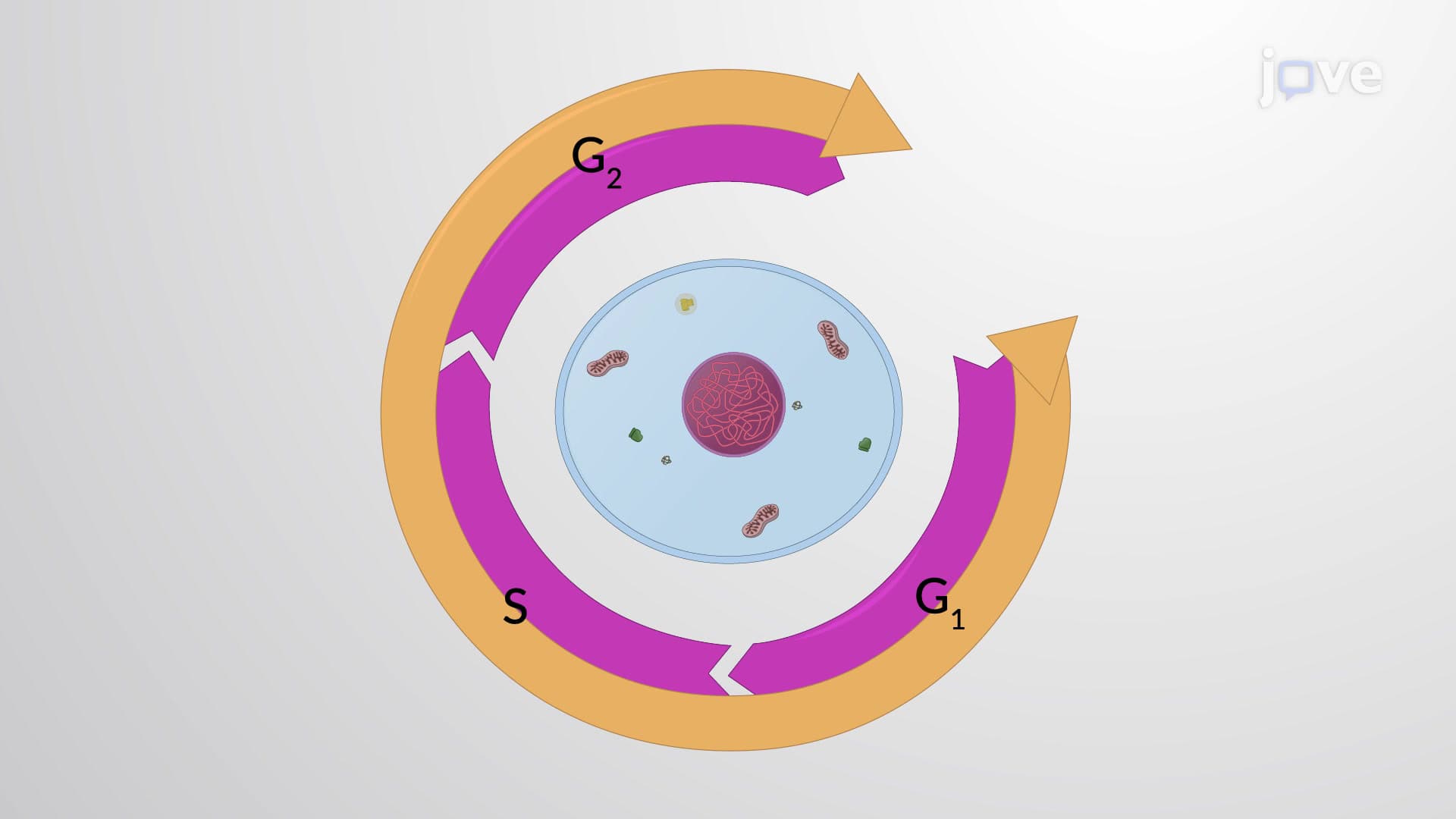
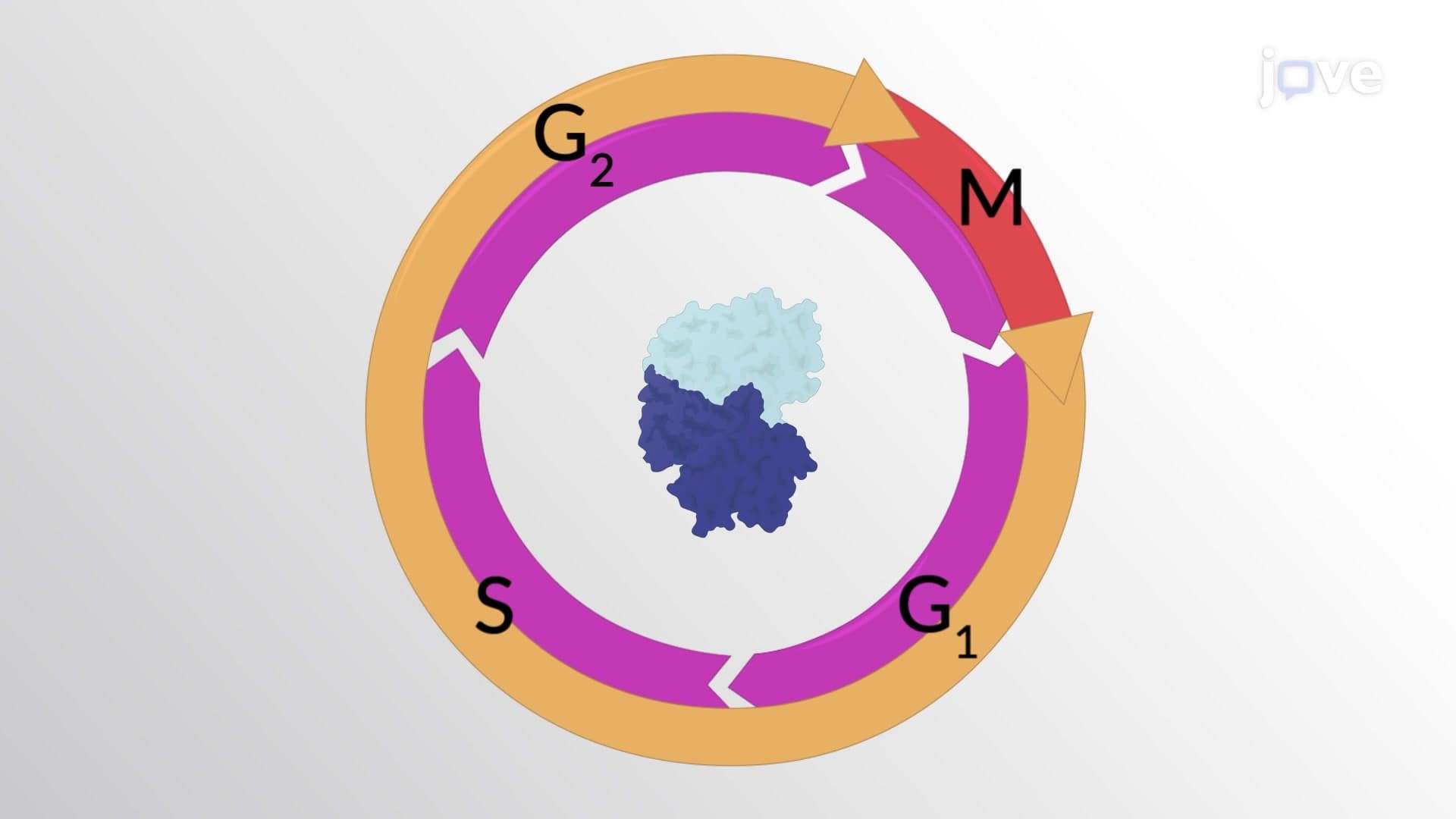
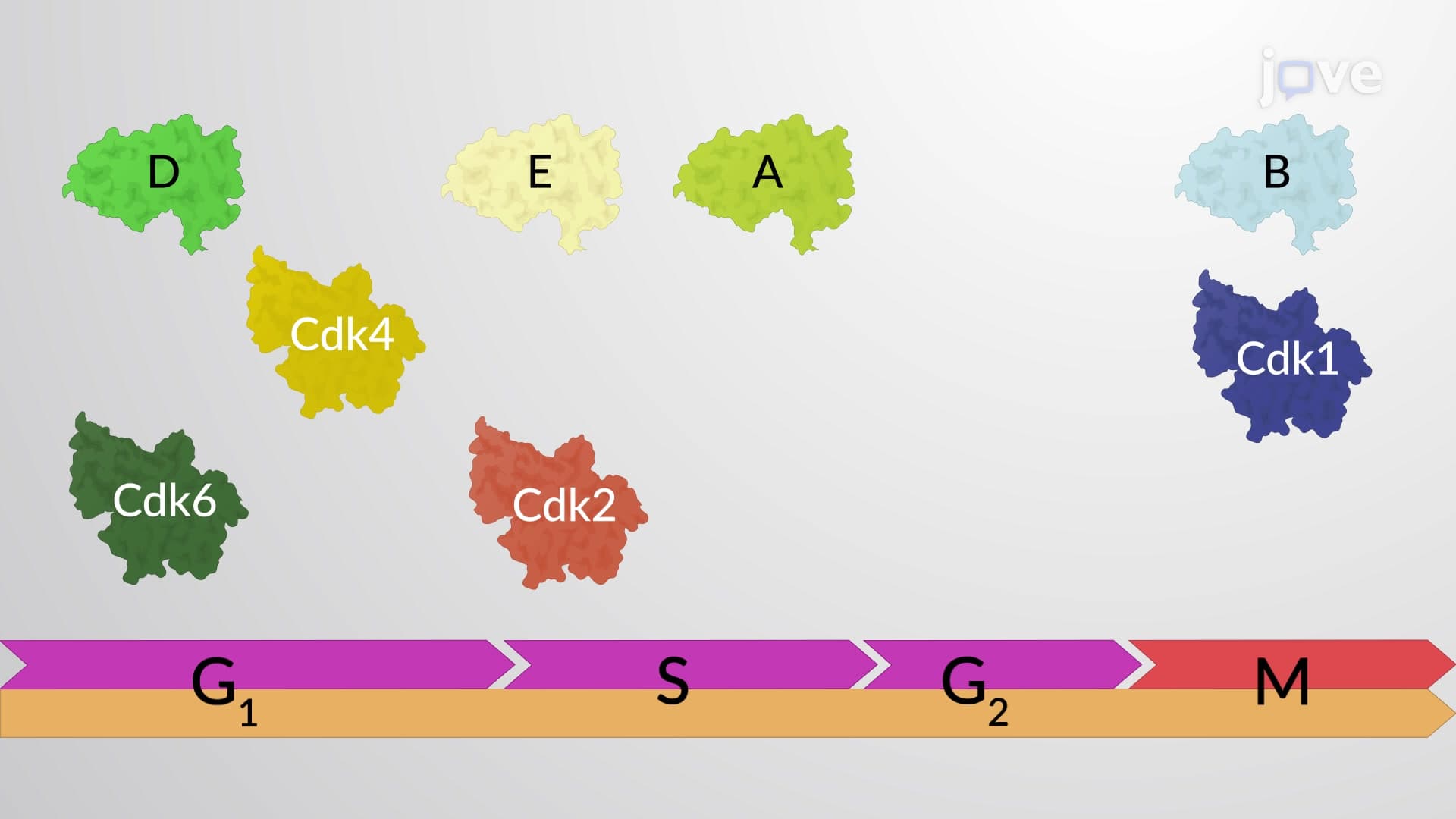
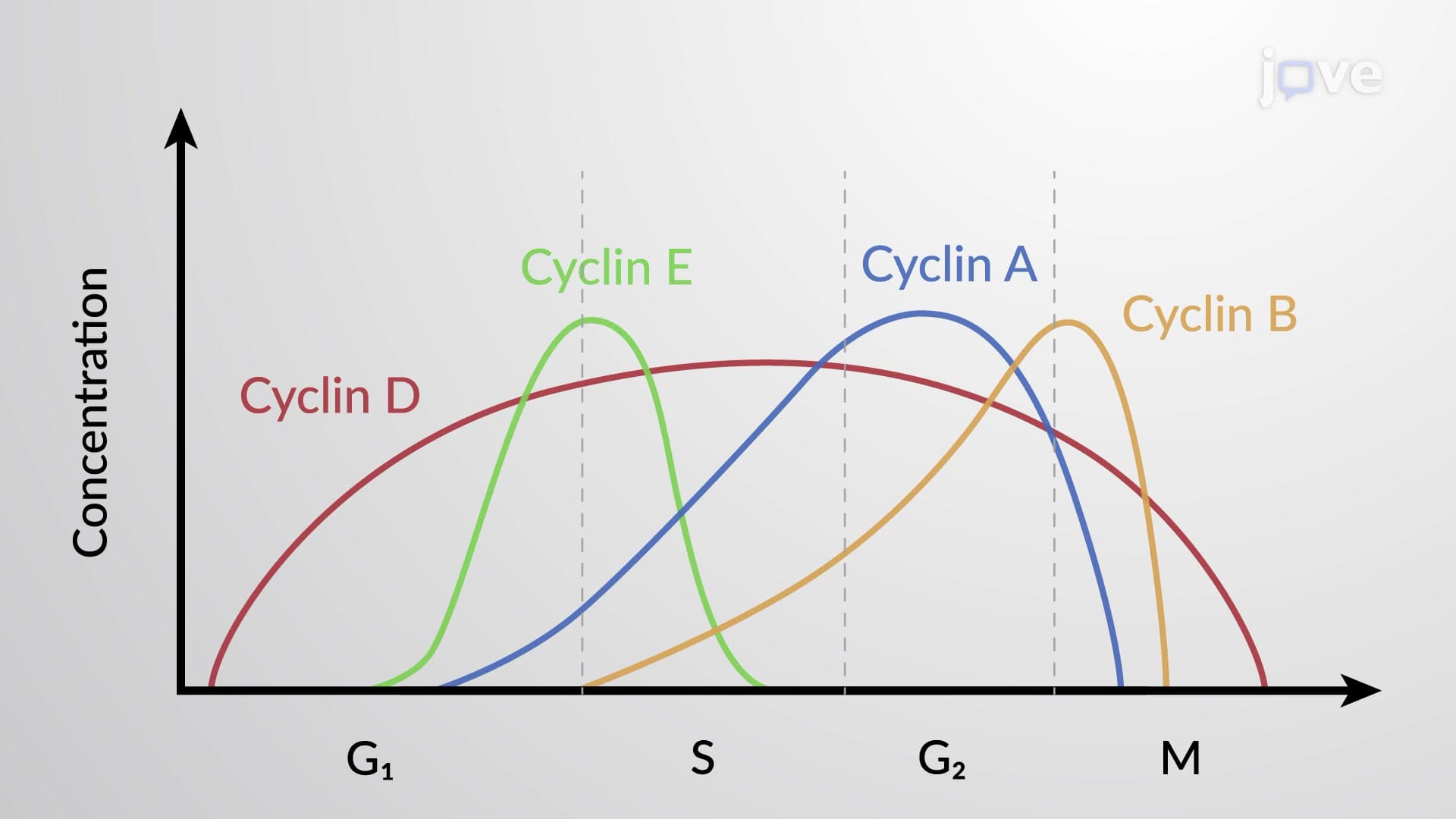
Mitogens and the Cell Cycle

00:00
02:38
- Understand how mitogens and the cell cycle coordinate to control cellular proliferation through extracellular signaling mechanisms
- Identify the major types of mitogens, including PDGF and EGF, and their specific receptor binding interactions
- Analyze the MAP kinase pathway and how mitogenic signals activate cyclin gene transcription
- Compare the roles of different cell cycle checkpoints, particularly the G1 restriction point that mitogens help cells overcome
- Evaluate the consequences of mitogen signaling dysregulation in cancer development and uncontrolled cell growth
- Apply knowledge of receptor tyrosine kinases to predict cellular responses to specific mitogenic stimuli
- Recognize the clinical significance of mitogen pathway inhibitors in targeted cancer therapies
- Explore the integration between external mitogenic cues and internal cell cycle regulatory machinery
Understanding Mitogens And The Cell Cycle Integration
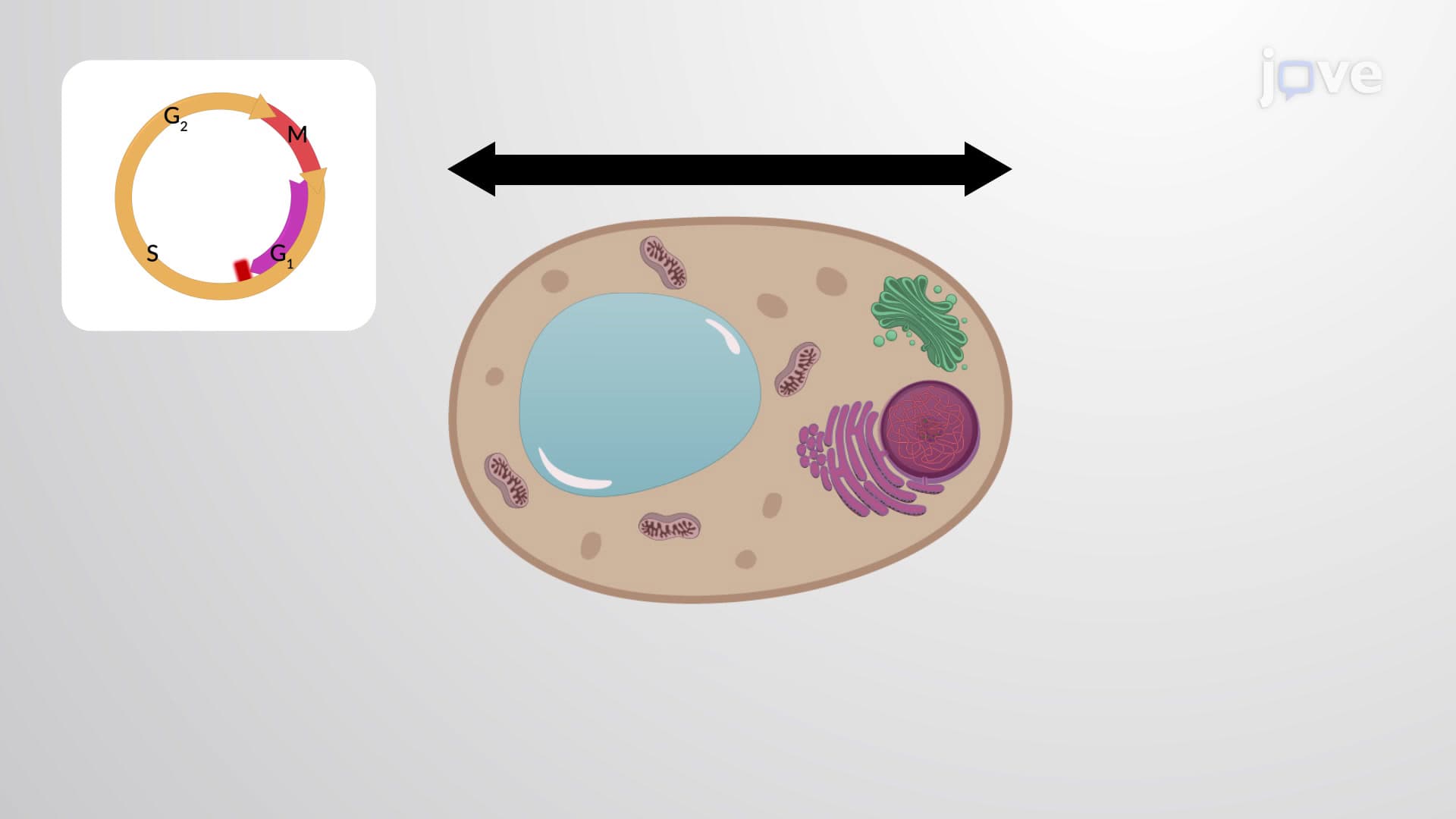
Mitogens and the cell cycle represent one of biology's most elegant control systems—a sophisticated network where external signals dictate internal cellular decisions. Think of mitogens as molecular messengers that carry "permission to divide" instructions to cells. These growth factors don't just randomly activate cell division; they work through precisely orchestrated pathways that ensure cells divide only when appropriate.
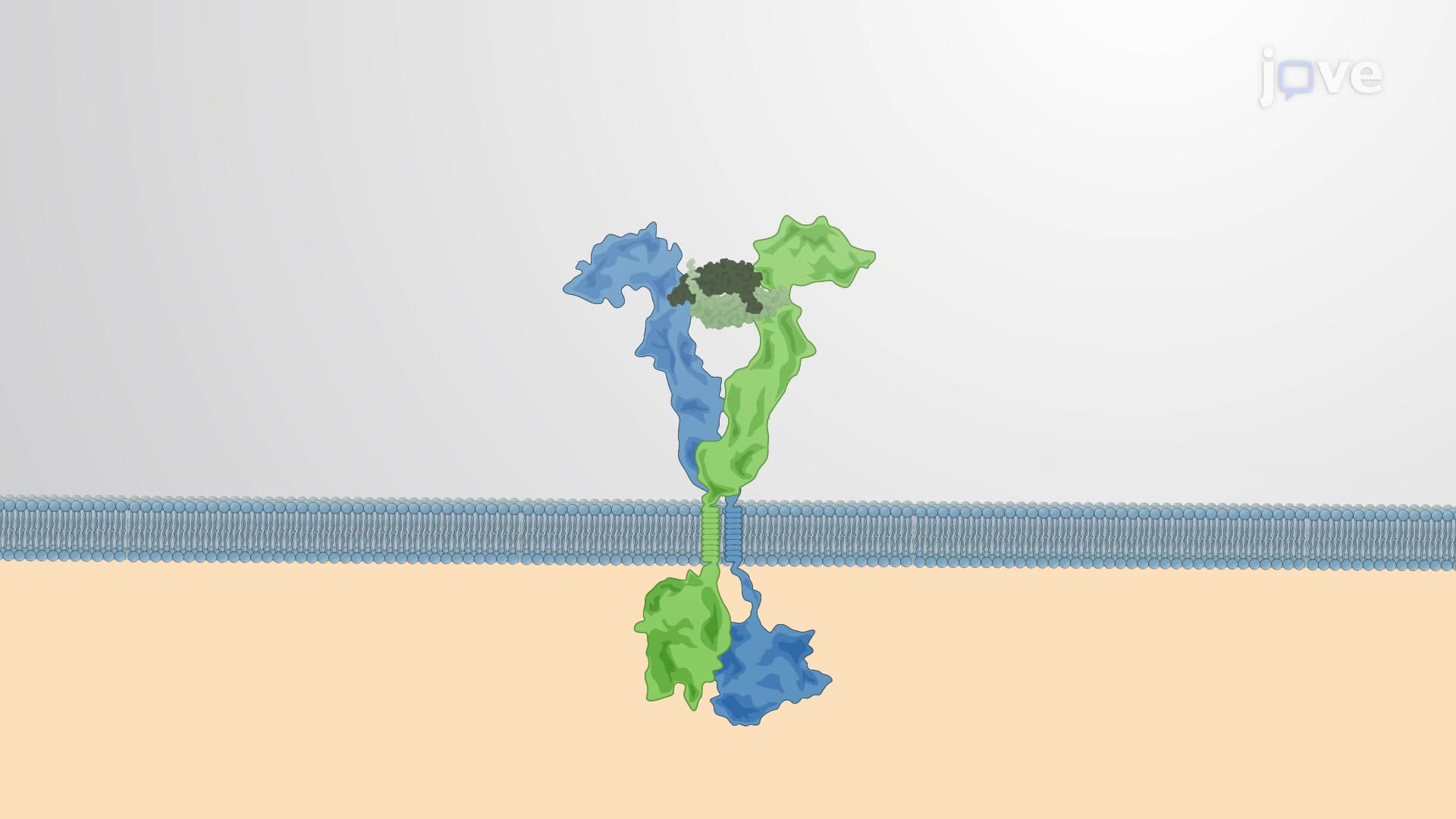
The process begins when mitogens like platelet-derived growth factor (PDGF) or epidermal growth factor (EGF) encounter their specific receptors on cell surfaces. These receptor tyrosine kinases act like molecular switches, changing shape when activated and initiating cascading signals throughout the cell. This concept frequently appears on AP Biology exams and MCAT questions, where students must trace signaling pathways from receptor binding to cellular outcomes.
The MAP Kinase Pathway: From Signal to Action
Once mitogens bind their receptors, the MAP kinase pathway becomes the cellular superhighway for proliferation signals. This three-tiered kinase cascade amplifies the initial mitogenic signal exponentially—a single activated receptor can trigger thousands of downstream events. The pathway culminates in the phosphorylation of transcription factors that promote cyclin gene expression, particularly cyclin D1, which drives cells through the G1 phase.
Understanding this amplification concept helps students excel on college biochemistry exams, where pathway diagrams and signal amplification calculations are common. The Mayo Clinic's cancer research extensively studies these pathways, as their dysregulation contributes to tumor formation.
The G1 Restriction Point: Cellular Decision-Making
The restriction point in late G1 phase represents the cell cycle's most critical checkpoint—the "point of no return" where cells commit to DNA replication. Mitogens are essential for pushing cells past this checkpoint by ensuring adequate cyclin-CDK complex activity. Without sufficient mitogenic signaling, cells remain in G0 (quiescent state) rather than progressing to S phase.
This concept is crucial for understanding cancer biology, as many oncogenes (like mutated growth factor receptors) bypass normal restriction point controls. Students studying for the USMLE Step 1 frequently encounter questions about how cancer cells ignore normal growth constraints.
Clinical Relevance: Targeted Cancer Therapies
Modern oncology increasingly relies on drugs that target mitogen signaling pathways. Drugs like trastuzumab (Herceptin) block HER2 receptors, while tyrosine kinase inhibitors like imatinib (Gleevec) prevent aberrant mitogenic signaling in specific cancers. The FDA has approved numerous targeted therapies based on understanding how mitogens drive cell cycle progression, making this knowledge directly relevant to future healthcare professionals.
Frequently Asked Questions
Mitogens are extracellular signaling molecules that stimulate cell division by activating pathways that promote cell cycle progression. They bind to specific cell surface receptors, triggering intracellular cascades like the MAP kinase pathway that ultimately lead to cyclin gene expression and cell cycle checkpoint passage. This coordinated system ensures cells divide only when appropriate growth signals are present.
MCAT questions frequently test mitogen signaling pathways, particularly receptor tyrosine kinase mechanisms and MAP kinase cascades. You'll encounter passage-based questions about growth factor binding, signal transduction steps, and how these relate to cell cycle checkpoints. Practice tracing pathways from initial mitogen binding through cyclin activation and restriction point passage.
AP Biology extensively covers cell cycle regulation, signal transduction, and cancer biology—all directly related to mitogen function. Focus on Big Idea 3 (information transfer) and practice free-response questions about growth factor pathways, checkpoint controls, and how mutations in these systems lead to uncontrolled proliferation. Khan Academy's AP prep materials include excellent mitogen pathway diagrams.
Major cancer centers like MD Anderson and Memorial Sloan Kettering use targeted therapies that block mitogen signaling pathways. Drugs like trastuzumab target HER2 receptors, while tyrosine kinase inhibitors prevent aberrant growth signals in leukemia and other cancers. Understanding mitogen pathways helps explain how these precision medicines work compared to traditional chemotherapy.
Not at all—this concept builds naturally on basic cell biology and signal transduction principles taught in honors biology. Start with simple receptor-ligand binding concepts, then progress to understanding how signals affect gene expression. Many successful pre-med students master these pathways during advanced high school coursework, giving them advantages in college biochemistry.
Create flowcharts tracing each pathway from mitogen binding through cell cycle progression, including all intermediate steps and regulatory molecules. Practice drawing these pathways from memory, then test yourself by predicting outcomes when specific pathway components are blocked or overactive. Focus on understanding the logic behind each step rather than just memorizing protein names.
Mitogen signaling provides an excellent foundation for understanding more complex topics like developmental biology, immunology, and oncology. The same pathways involved in normal growth control become dysregulated in cancer, autoimmune diseases, and developmental disorders. Mastering these concepts early helps students excel in upper-level courses and professional school prerequisites.
This knowledge is essential for careers in biomedical research, pharmaceutical development, oncology, and biotechnology. Companies like Genentech and Pfizer employ scientists who design drugs targeting these pathways, while clinical oncologists use this understanding to select appropriate targeted therapies. Even careers in science communication and medical writing benefit from solid grasp of these fundamental signaling mechanisms.
Related Micro-courses


