Loading subject page…

- Cell Biology
- Cell Proliferation
- Replicative Cell Senescence
Micro-course: Cell Proliferation
51,501 views
Learn key concepts and earn your certificate.

Replicative Cell Senescence

00:00
02:15
Video Summary: What Is Replicative Cell Senescence
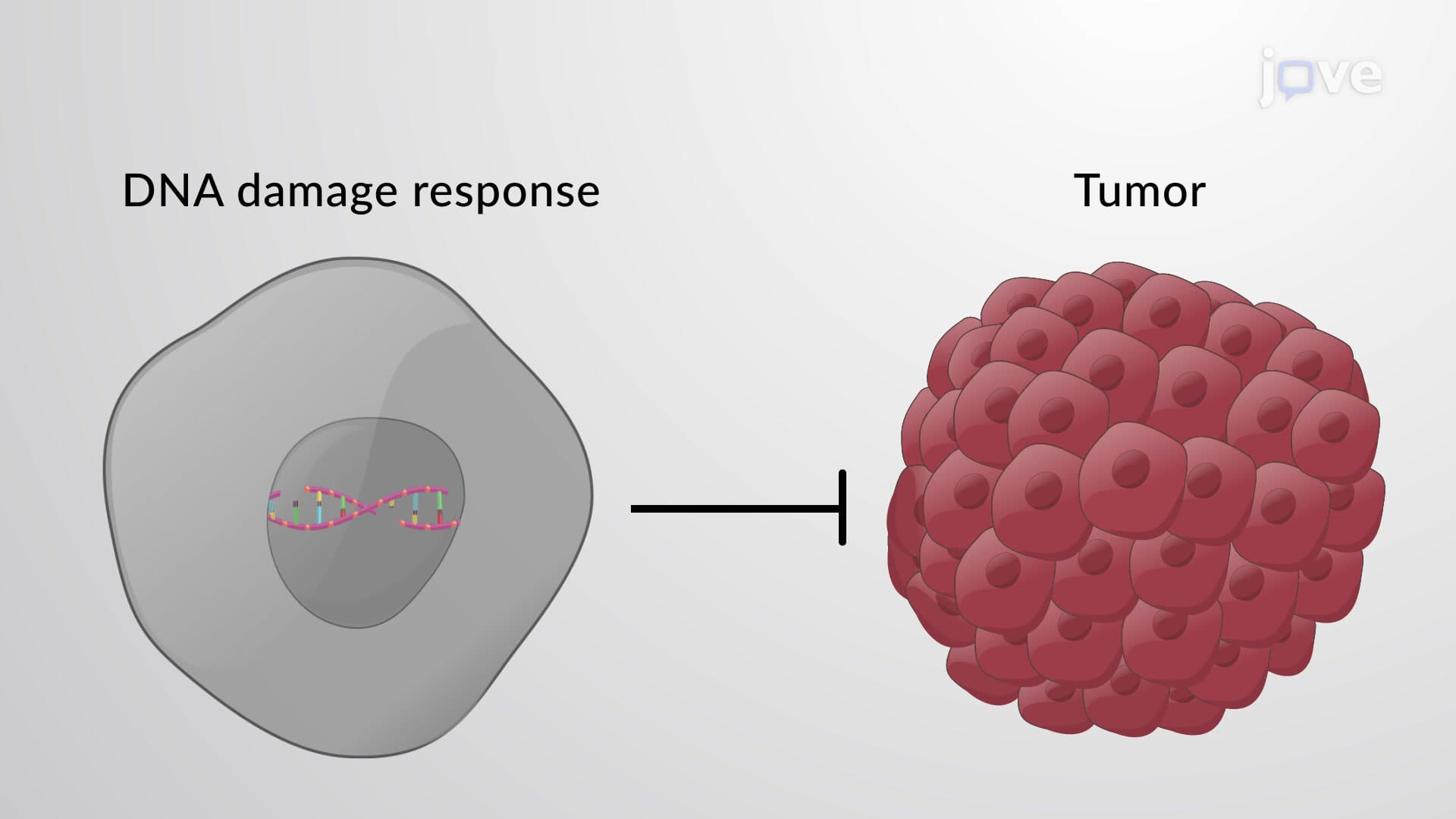
Did you know that your cells have a built-in "stop clock" that prevents them from dividing indefinitely? Replicative cell senescence is the process where normal human cells permanently exit the cell cycle after reaching their division limit, typically 50-70 divisions. This cellular aging mechanism, discovered at the Wistar Institute in Philadelphia, acts as a natural tumor suppressor by preventing damaged cells from becoming cancerous. However, accumulating senescent cells also contribute to aging-related diseases like arthritis and cardiovascular disease. Watch the full video on JoVE Coach to master this concept with expert-led visuals and step-by-step explanations.
- Understand what is replicative cell senescence and its fundamental role as a cellular aging mechanism that limits cell division capacity
- Identify the molecular triggers of senescence, including telomere shortening and DNA damage responses that activate tumor suppressor pathways
- Analyze the dual role of senescence as both a protective mechanism against cancer and a contributor to aging-related tissue dysfunction
- Compare replicative senescence with other forms of cellular arrest, including stress-induced senescence and apoptotic cell death
- Evaluate the Hayflick limit concept and its significance in determining cellular lifespan and tissue regenerative capacity
- Recognize the senescence-associated secretory phenotype (SASP) and its inflammatory effects on surrounding tissues
- Explore the therapeutic implications of senescence in regenerative medicine, cancer treatment, and anti-aging interventions
- Apply knowledge of p53 and p16INK4a tumor suppressor pathways in understanding senescence signaling mechanisms
Understanding Replicative Cell Senescence Fundamentals
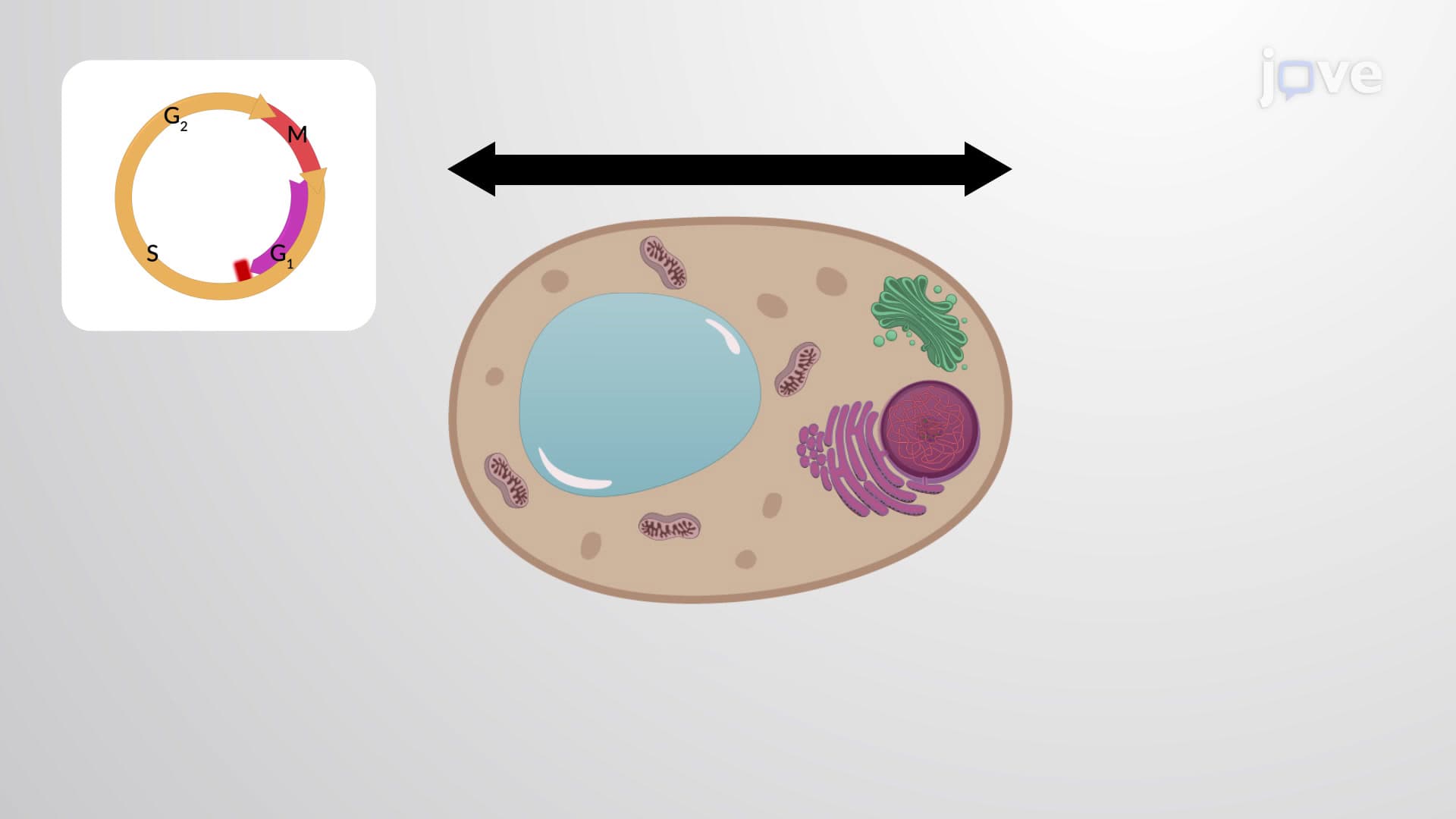
Replicative cell senescence represents one of biology's most elegant protective mechanisms-a cellular program that permanently stops cell division after a predetermined number of replications. This process differs fundamentally from cell death; senescent cells remain metabolically active but can no longer divide, creating a state of irreversible growth arrest.
The concept emerged from groundbreaking research by Leonard Hayflick at the Wistar Institute in Philadelphia during the 1960s. Hayflick observed that normal human fibroblasts could only divide approximately 50-70 times in culture before entering permanent growth arrest-a phenomenon now known as the Hayflick limit. This discovery revolutionized our understanding of cellular aging and challenged the prevailing belief that cells could divide indefinitely under optimal conditions.
Molecular Mechanisms Driving Senescence
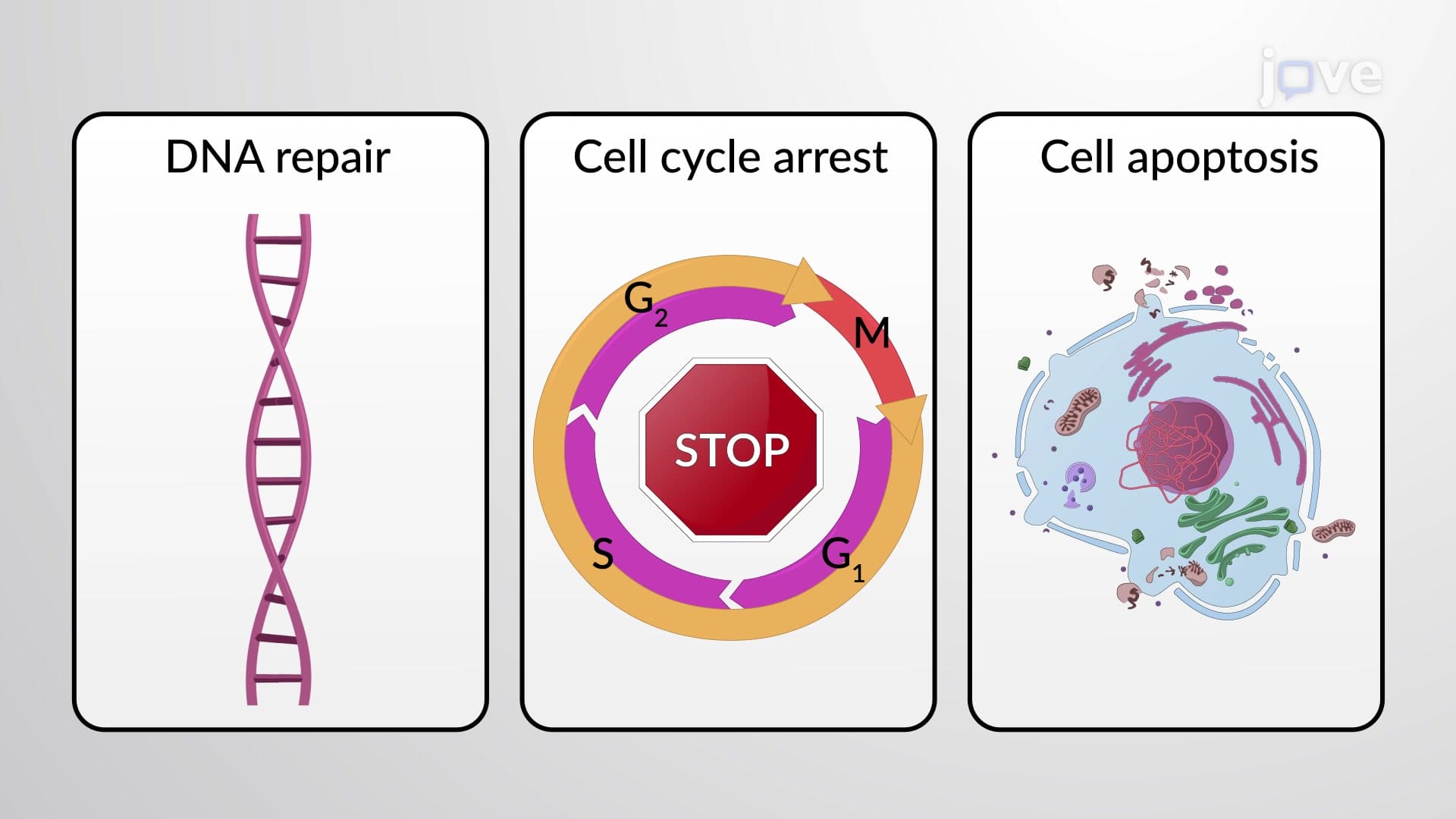
The primary driver of replicative senescence is telomere shortening. Telomeres-protective DNA-protein structures at chromosome ends-shorten with each cell division because DNA polymerase cannot fully replicate the 3' ends of linear chromosomes. When telomeres reach critically short lengths, they trigger DNA damage responses that activate key tumor suppressor pathways.
The p53 pathway serves as a central hub in senescence signaling. Upon detecting shortened telomeres or DNA damage, p53 accumulates and activates downstream targets like p21, which blocks cell cycle progression. Simultaneously, the p16INK4a pathway provides an independent senescence trigger, particularly important in response to oncogenic stress. These pathways converge to establish the senescent state through chromatin modifications and gene expression changes that make the growth arrest irreversible.
Senescence-Associated Secretory Phenotype and Tissue Impact
Senescent cells don't simply stop dividing-they actively communicate with their environment through the senescence-associated secretory phenotype (SASP). This inflammatory secretome includes cytokines like IL-6 and IL-8, growth factors, and matrix-remodeling enzymes. While SASP factors can promote tissue repair in acute settings, chronic accumulation creates inflammatory microenvironments linked to age-related diseases.
Research at institutions like Stanford University and the Mayo Clinic has demonstrated how senescent cell accumulation contributes to conditions ranging from osteoarthritis to cardiovascular disease. This understanding has sparked interest in senolytic therapies-treatments that selectively eliminate senescent cells to improve healthspan.
Clinical and Educational Relevance
For students preparing for advanced placement biology or pre-medical coursework, understanding senescence provides crucial context for aging biology and cancer prevention mechanisms. The concept frequently appears in MCAT biology sections, particularly in passages discussing cellular regulation and disease pathophysiology. College-level cell biology courses at universities like UCLA and Johns Hopkins emphasize senescence as a key example of how cellular mechanisms balance growth promotion with tumor suppression.
Frequently Asked Questions
Replicative cell senescence is a permanent state where cells stop dividing after reaching their replication limit but remain metabolically active. Unlike apoptosis (programmed cell death), senescent cells continue living and can influence surrounding tissues through inflammatory signals, making them contributors to both cancer prevention and aging-related diseases.
The MCAT frequently includes senescence in passages about aging, cancer biology, or cellular regulation, often testing knowledge of p53/p16 pathways and telomere biology. AP Biology exams may ask about the Hayflick limit, the relationship between senescence and cancer prevention, or how senescence fits into cell cycle regulation as part of the course's "Gene Expression and Regulation" big idea.
Prioritize understanding the molecular triggers (telomere shortening, DNA damage), key signaling pathways (p53, p16INK4a), and the dual role of senescence in cancer prevention versus aging. Many professors emphasize the SASP concept and its tissue-level effects, so be prepared to explain how senescent cells influence their microenvironment through inflammatory secretions.
Senescence research is driving new therapeutic approaches at major US medical centers, including senolytic drugs being tested for age-related diseases like osteoarthritis and cardiovascular disease. The Cleveland Clinic and Mayo Clinic are leading clinical trials exploring whether eliminating senescent cells can improve outcomes in conditions from diabetes to Alzheimer's disease.
Not at all-while the molecular details are complex, the core concept builds naturally on basic cell cycle knowledge taught in introductory biology. Start with understanding that cells have division limits, then layer in the protective function against cancer and the role in aging. Most students can grasp these fundamentals with proper scaffolding.
Create a concept map linking telomere shortening → DNA damage signals → p53/p16 activation → permanent growth arrest. Use the acronym "STOP" (Shortened Telomeres, Oncogene Protection) to remember senescence's dual triggers. Practice explaining why senescence is beneficial (prevents cancer) yet problematic (contributes to aging) to reinforce the concept's complexity.
Explore telomerase biology to understand how some cells escape senescence, then investigate autophagy and its relationship to cellular aging. Advanced students should examine the connections between senescence and stem cell exhaustion, as these topics frequently appear together in graduate-level coursework and research contexts.
USMLE frequently tests senescence in the context of cancer biology, aging pathophysiology, and cellular responses to stress. Focus on how senescence contributes to age-related diseases, the molecular pathways involved, and the therapeutic implications. Understanding senescence also provides context for questions about telomerase activity in cancer cells and stem cell biology.
Related Micro-courses


