Loading subject page…

- Cell Biology
- Cells, Genomes, and Evolution
- Animal and Plant Cell Structure
Micro-course: Cells, Genomes, and Evolution
336,523 views
Learn key concepts and earn your certificate.
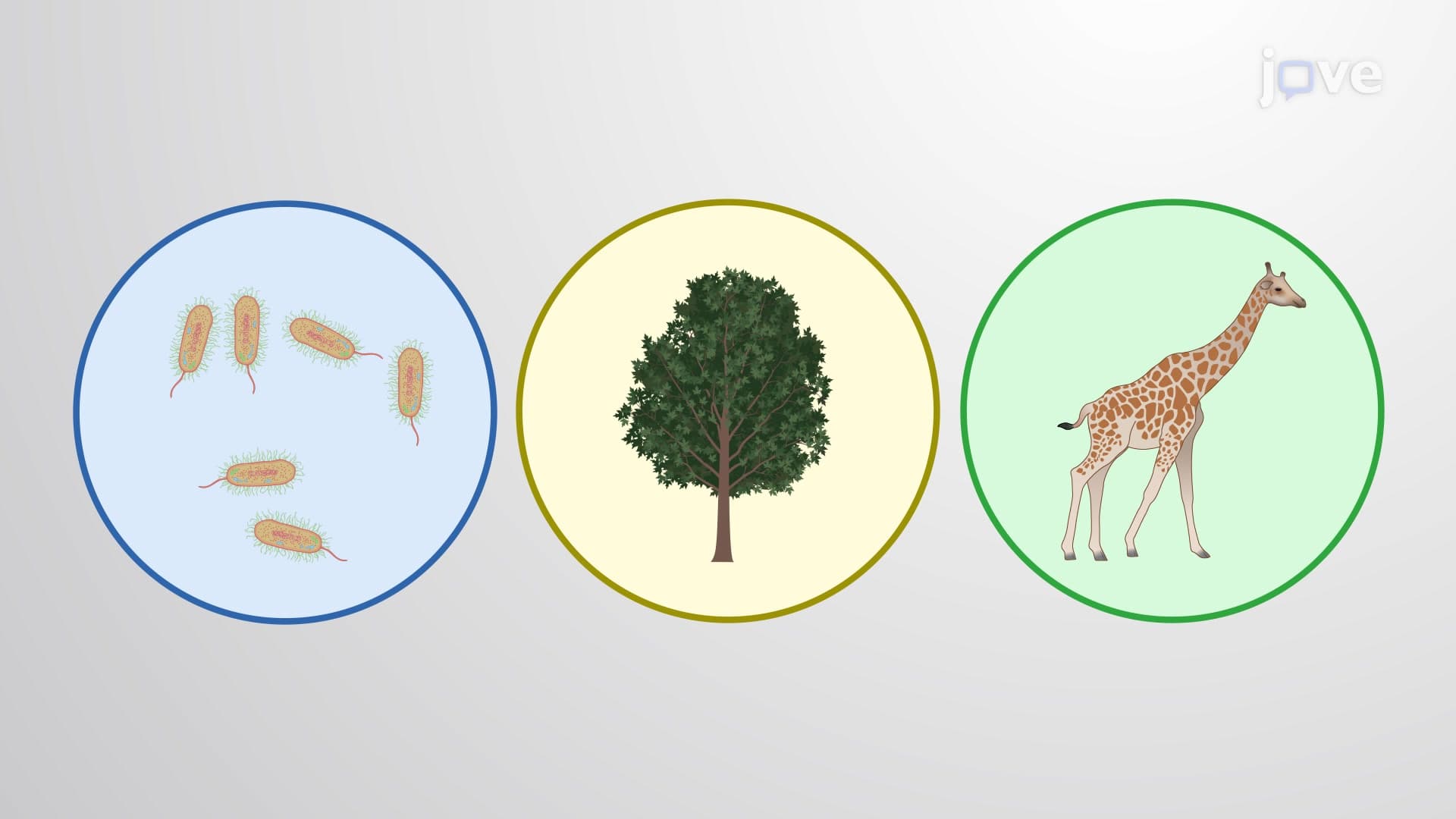

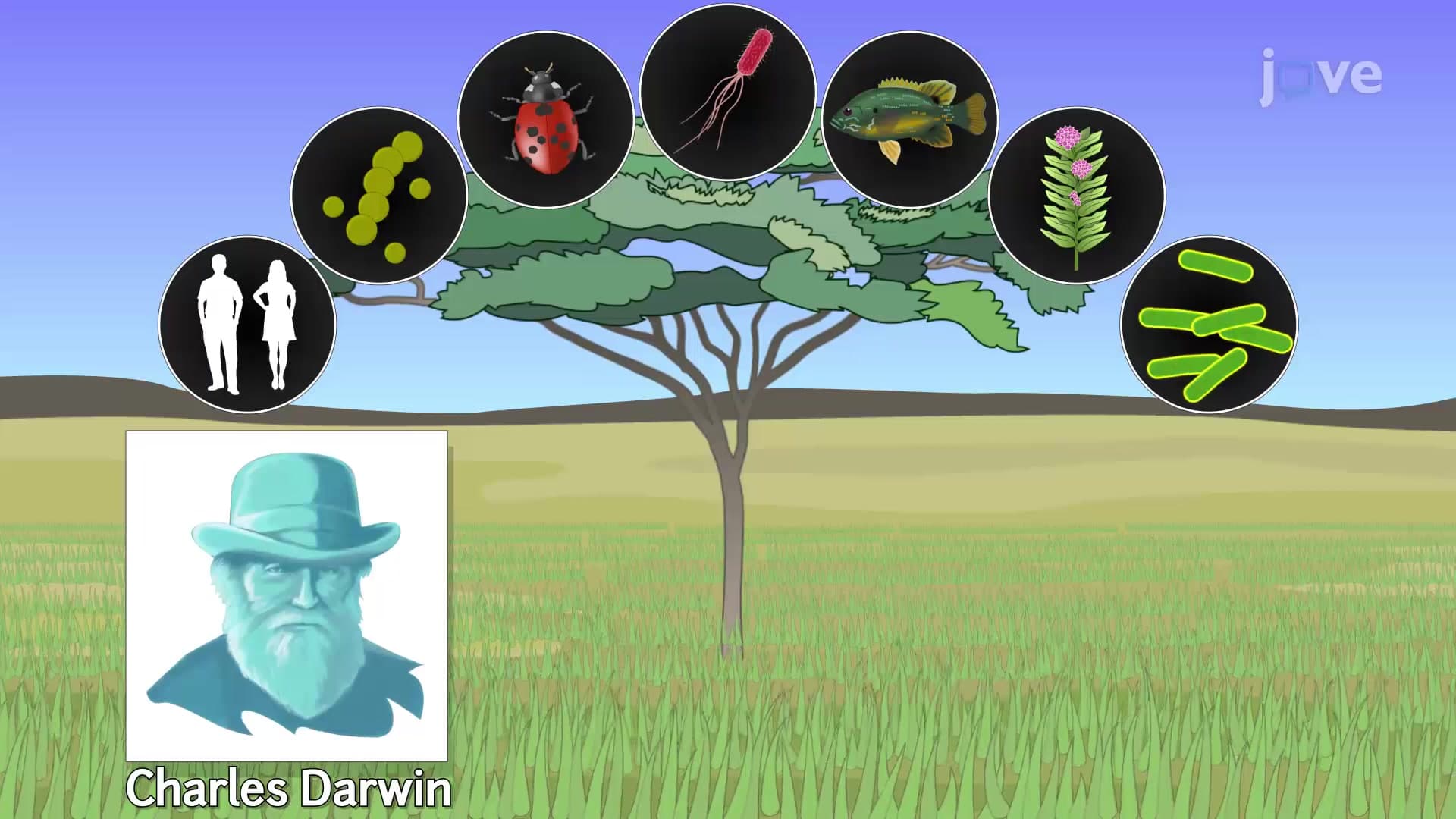
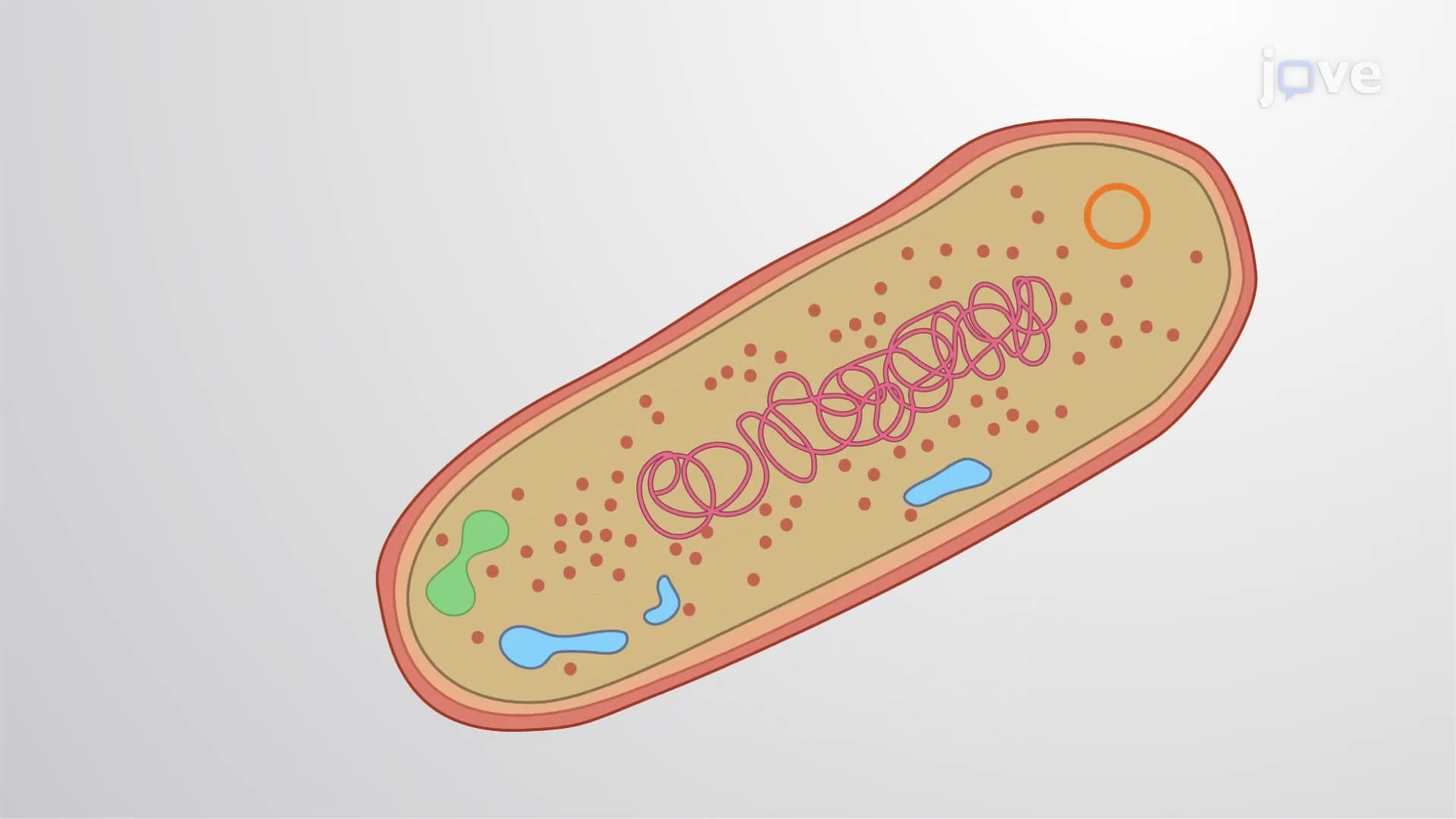
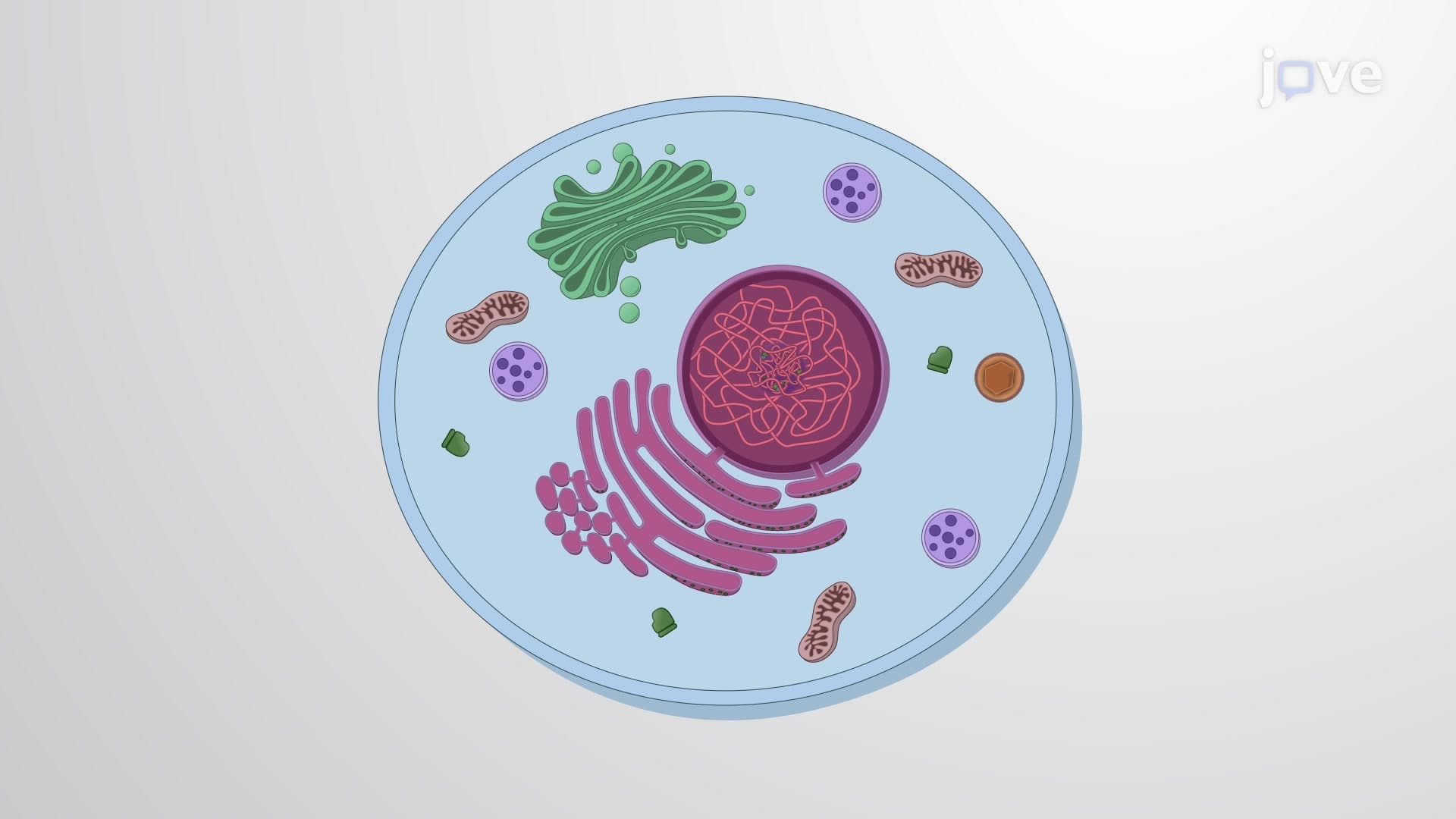

Animal and Plant Cell Structure

00:00
01:30
Video Summary: Animal and Plant Cell Structure Explained
Did you know that the largest plant cell in the human diet, the avocado fruit cell, can be 50 times larger than typical animal cells? Understanding animal plant cell structure reveals fascinating differences between these fundamental life forms. While both are eukaryotic with membrane-bound organelles, their structural adaptations reflect distinct survival strategies. For instance, the rigid cell walls in lettuce leaves versus the flexible membranes in human muscle cells demonstrate how Animal And Plant Cell Structure Explained principles apply to everyday biology. Watch the full video on JoVE Coach to master this concept with expert-led visuals and step-by-step explanations.
- Understand the fundamental similarities and differences in Animal And Plant Cell Structure Explained through comparative analysis of eukaryotic cell types
- Identify key structural components including cell walls, vacuoles, plastids, and cytoskeletal networks that distinguish plant from animal cells
- Compare size variations between plant cells (10-100 microns) and animal cells (10-30 microns) and their functional significance
- Analyze how nutritional modes (autotrophic vs. heterotrophic) influence cellular architecture and organelle distribution
- Evaluate the role of specialized organelles like chloroplasts in plants and lysosomes in animals for cellular function
- Apply knowledge of turgor pressure and cytoskeletal support mechanisms to explain cell shape maintenance
- Recognize the presence or absence of motility structures (cilia, flagella) in different cell types
- Explore how cellular adaptations reflect evolutionary responses to environmental challenges and metabolic requirements
Understanding Animal And Plant Cell Structure Fundamentals
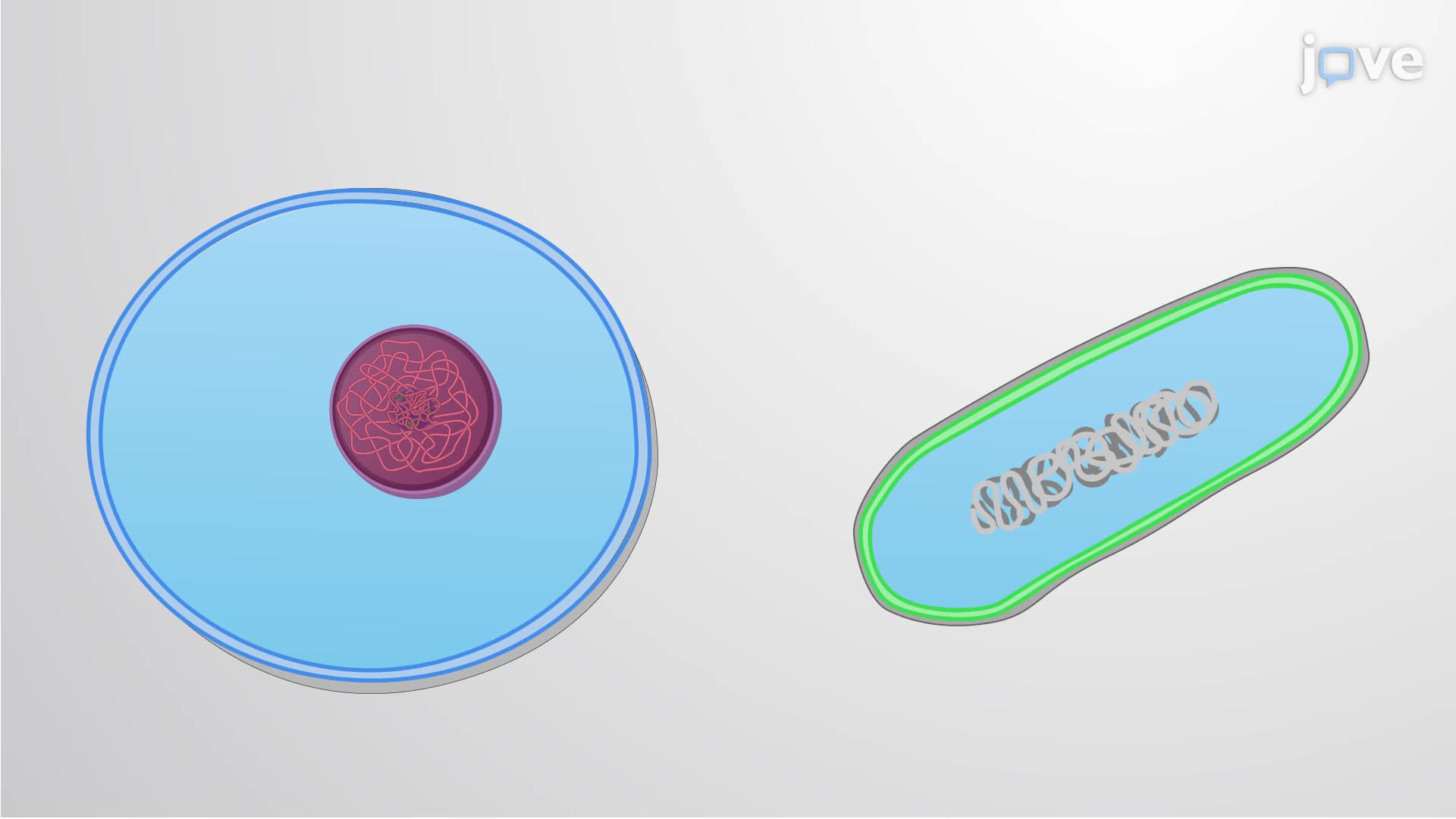
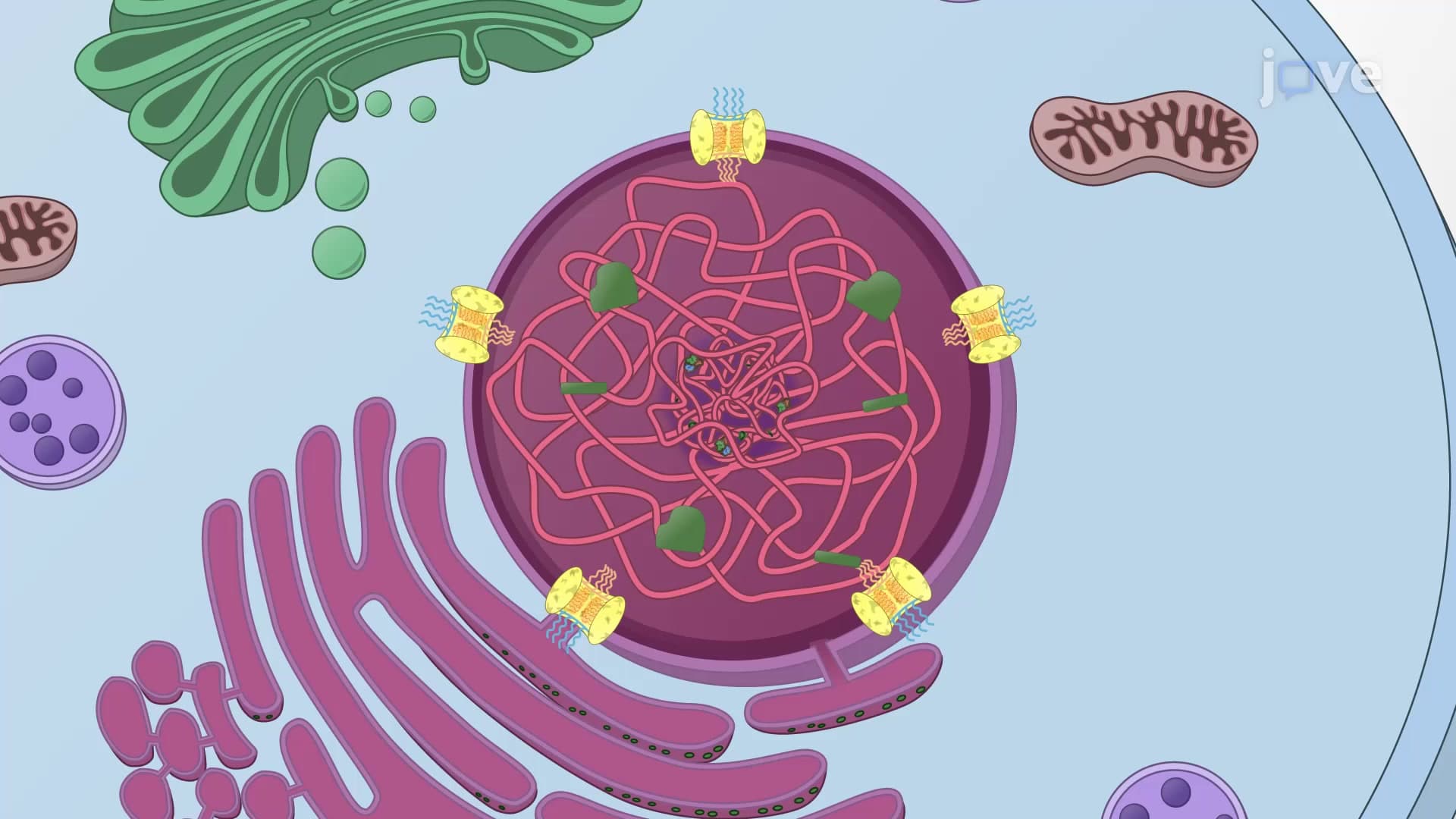
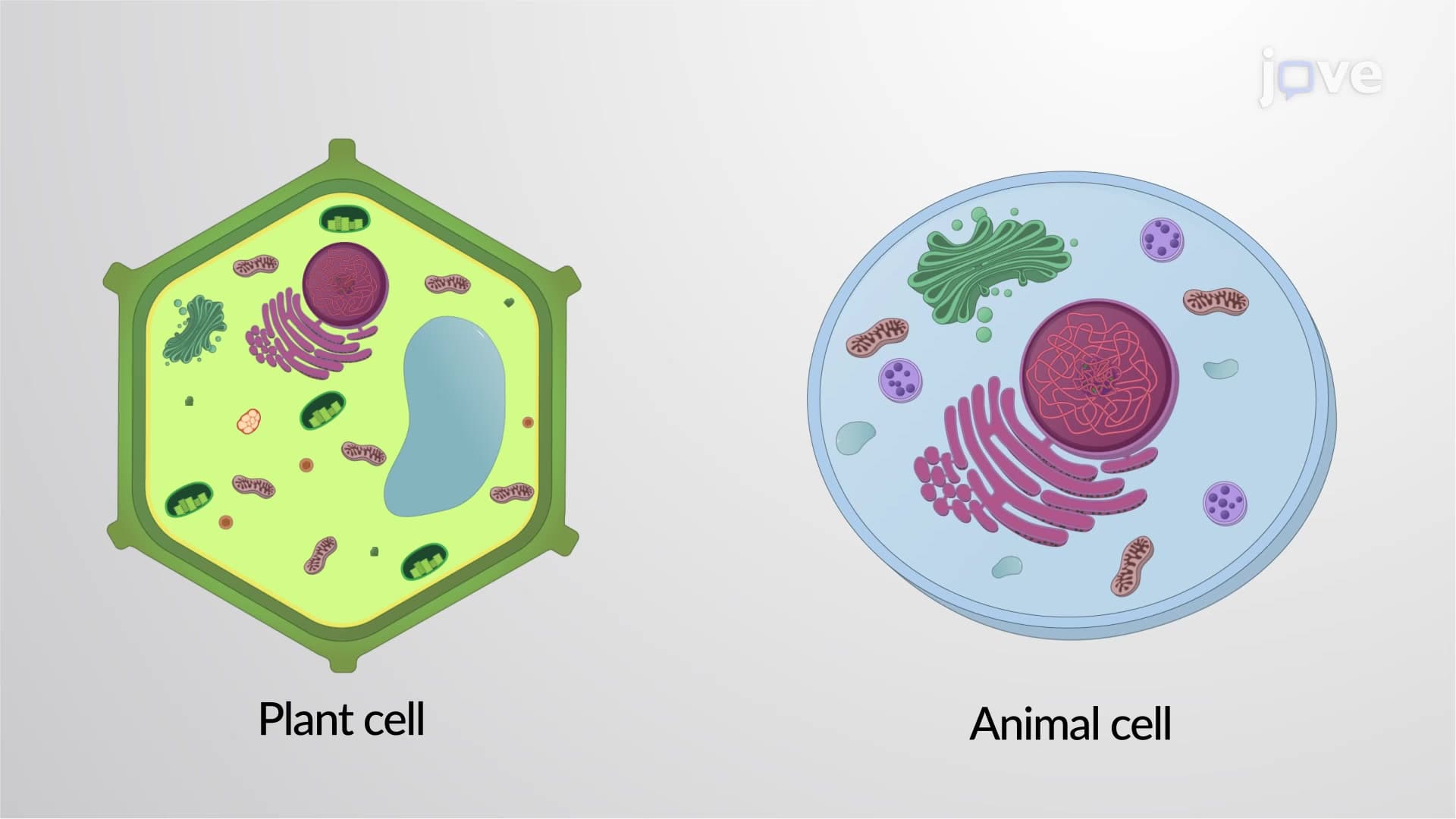
The study of cellular architecture reveals how form follows function in biology's most basic units. Both plant and animal cells share the eukaryotic blueprint-featuring a membrane-enclosed nucleus and specialized organelles-yet their structural differences reflect millions of years of evolutionary adaptation to distinct ecological niches.
Structural Frameworks: Cell Walls vs. Cytoskeletons
Plant cells employ a dual support system combining rigid cell walls with internal pressure. The cellulose-rich cell wall, absent in animal cells, provides structural integrity essential for vertical growth in organisms like California redwoods, which reach heights exceeding 300 feet. This external skeleton works alongside the large central vacuole, which can occupy up to 90% of the cell's volume. The water-filled vacuole maintains turgor pressure, creating internal hydraulic support that keeps plants upright without requiring an internal skeleton.
Animal cells solve the support challenge differently through the cytoskeleton-a dynamic network of protein filaments including actin, tubulin, and intermediate filaments. This internal scaffolding enables remarkable cellular flexibility, allowing muscle cells in athletes to contract forcefully while maintaining structural integrity during intense physical activity.
Size Variations and Functional Implications
The size disparity between plant and animal cells directly correlates with their metabolic strategies. Plant cells, ranging from 10-100 microns, accommodate large chloroplasts necessary for photosynthesis and extensive vacuolar storage systems. For example, the palisade mesophyll cells in spinach leaves maximize surface area for light capture while storing the day's photosynthetic products.
Animal cells, constrained to 10-30 microns, optimize surface-area-to-volume ratios for efficient nutrient exchange. This size limitation reflects their dependence on external food sources and the need for rapid molecular diffusion across cell membranes.
Specialized Organelles and Metabolic Adaptations
The presence of plastids, particularly chloroplasts, distinguishes plant cells as autotrophic organisms. These organelles contain sophisticated photosynthetic machinery that captures solar energy and converts atmospheric CO2 into glucose. US agriculture depends entirely on this process, with corn photosynthesis alone contributing billions of dollars annually to the economy.
Animal cells compensate for lacking photosynthetic capability through lysosomes-digestive organelles that break down complex molecules obtained through ingestion. These "cellular stomachs" enable efficient nutrient processing, supporting the high metabolic demands of active organisms.
This cellular knowledge forms the foundation for advanced topics in AP Biology, college cell biology courses, and pre-medical studies, where understanding structure-function relationships becomes crucial for comprehending organism-level physiology.
Frequently Asked Questions
Animal and plant cell structure refers to the internal organization of eukaryotic cells, with plants featuring cell walls, large vacuoles, and chloroplasts, while animals have flexible membranes, small vacuoles, and lysosomes. Both share common organelles like nuclei, mitochondria, and endoplasmic reticulum, but structural differences reflect their distinct nutritional strategies and environmental adaptations.
The AP Biology exam frequently tests cellular structure through multiple-choice questions, free-response essays, and laboratory scenarios requiring you to identify organelles and explain their functions. Mastering these concepts provides foundation knowledge for more complex topics like cellular respiration, photosynthesis, and molecular biology that comprise significant portions of the exam.
MCAT Biological and Biochemical Foundations sections test cell structure through experimental data interpretation, organelle function analysis, and comparative biology passages. Questions often integrate cellular knowledge with biochemical pathways, requiring you to connect structural features like chloroplast organization to photosynthetic efficiency or lysosomal function to cellular metabolism.
Medical school curricula build on cellular structure knowledge in histology, pathology, and biochemistry courses where you'll study how cellular dysfunction leads to disease states. Understanding basic plant cell biology also supports pharmacology studies, as many medications derive from plant compounds that interact with specific cellular targets.
US farming operations depend on plant cell characteristics like cell wall strength in wheat stalks supporting grain heads, vacuolar storage in potato tubers, and chloroplast efficiency in leafy greens like California lettuce. Animal cell properties determine meat texture, with muscle cell organization affecting tenderness in beef cattle raised across American ranches.
Basic high school chemistry provides sufficient background for understanding cellular structure, focusing primarily on the concepts of membranes, protein function, and molecular transport. While advanced biochemistry enhances comprehension, the fundamental structural differences between plant and animal cells can be mastered with introductory science knowledge.
Create comparative charts highlighting structural differences, use visual mnemonics linking organelle names to functions, and practice drawing labeled cell diagrams from memory. Focus on understanding why each structure exists rather than just memorizing lists-this approach helps with application questions common on standardized tests.
Cell structure foundations support advanced studies in molecular biology, genetics, ecology, and biotechnology, with applications in emerging fields like synthetic biology and cellular engineering. Understanding these basics also prepares you for specialized courses in plant pathology, cell signaling, and developmental biology offered at most US universities.
Related Micro-courses

12 Concepts
22 Concepts
12 Concepts