Loading video…


 15 Concepts
 336.5K views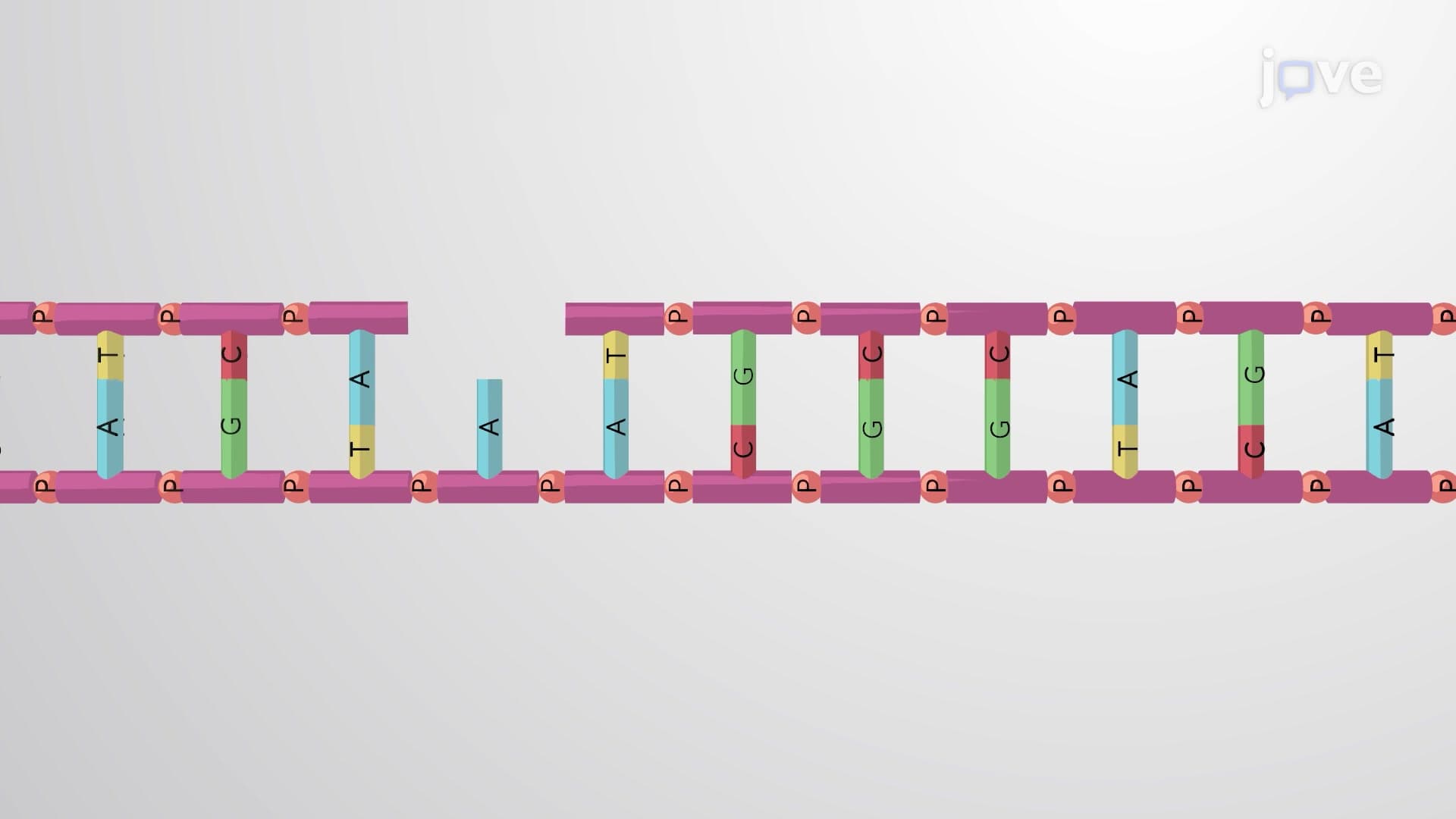

Video Summary: What are Mutations
Did you know that mutations in the BRCA1 gene increase breast cancer risk by up to 80%? Mutations are alterations in DNA sequences that can dramatically change how proteins function in our cells. From the sickle cell mutation affecting millions of Americans to silent changes that go completely unnoticed, understanding what are mutations reveals how tiny molecular changes can have massive biological consequences. Watch the full video on JoVE Coach to master this concept with expert-led visuals and step-by-step explanations.
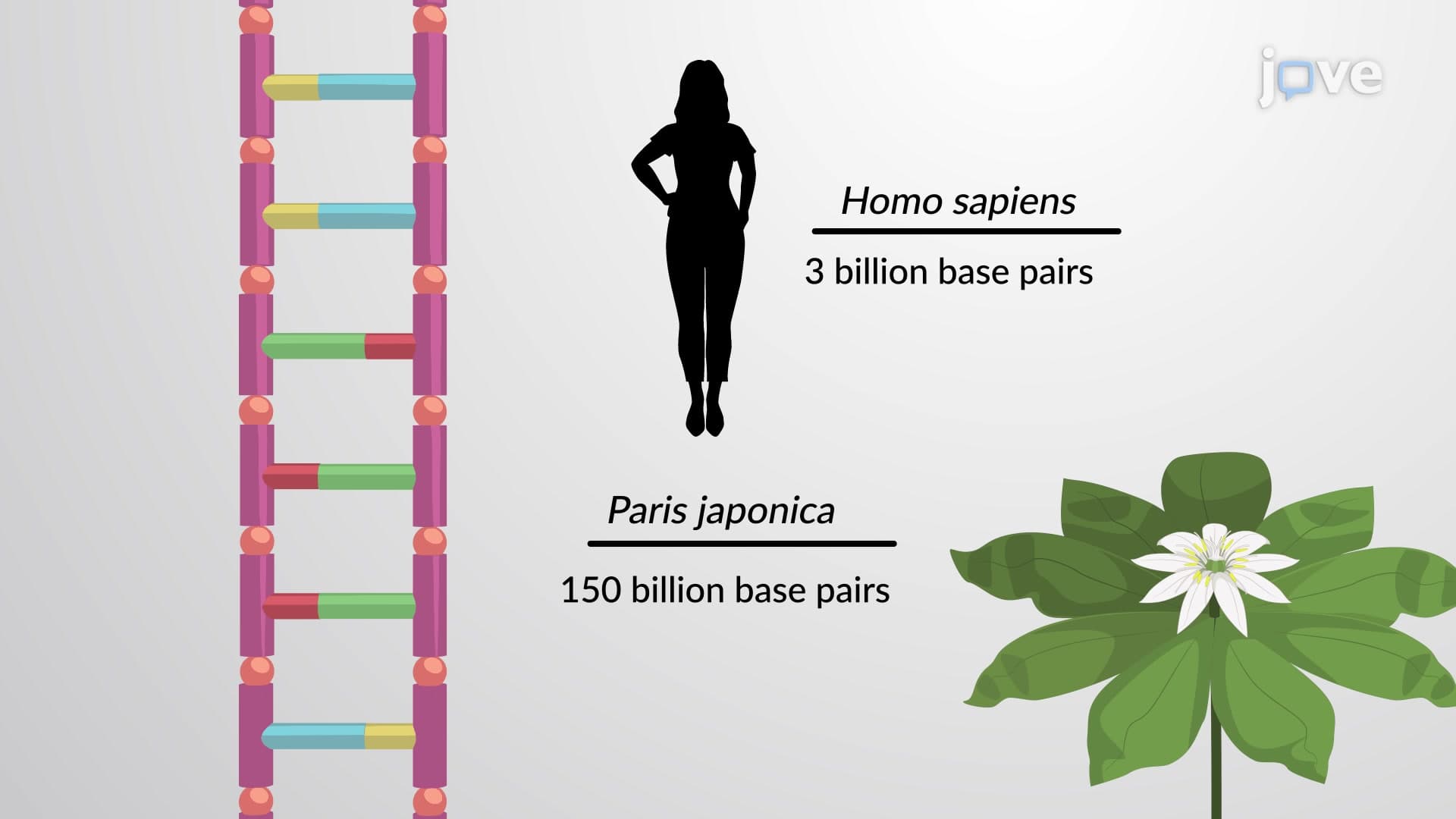
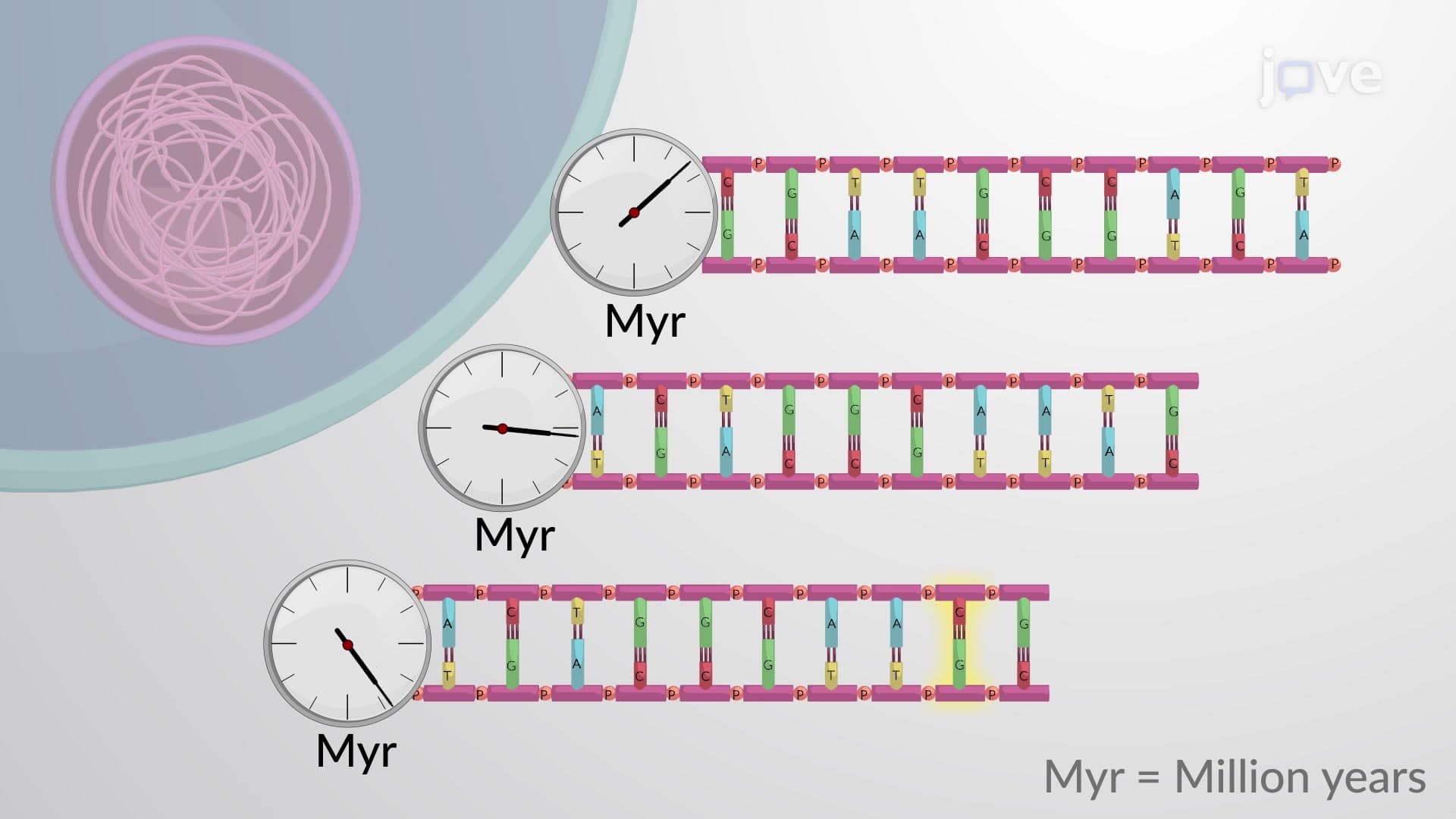
Mutations represent fundamental changes in the blueprint of life-our DNA. These alterations can arise spontaneously during the millions of DNA replications occurring in our bodies daily, or result from external factors like UV radiation, chemicals, or viral infections. The human genome experiences approximately 3 billion base pairs of replication with each cell division, making some degree of mutation inevitable despite sophisticated cellular proofreading mechanisms.
Point mutations involve single nucleotide changes but create vastly different outcomes. Silent mutations demonstrate the elegance of the genetic code's redundancy-when CCA changes to CCG, both codons still specify proline, leaving protein function intact. This occurs because the genetic code contains 64 possible codons for only 20 amino acids, providing built-in protection against certain DNA changes.
Missense mutations create more dramatic effects by substituting one amino acid for another. The classic example is sickle cell anemia, where glutamic acid is replaced by valine in the beta-globin chain. This single amino acid change causes hemoglobin molecules to stick together, creating the characteristic sickle-shaped red blood cells that can block blood vessels and cause severe pain crises.
Nonsense mutations represent particularly devastating changes, converting amino acid codons into stop signals. These mutations frequently appear on the MCAT and AP Biology exams because they illustrate how a single nucleotide change can completely abolish protein function. Duchenne muscular dystrophy often results from nonsense mutations in the dystrophin gene, leading to progressive muscle weakness.
Frameshift mutations occur when insertions or deletions shift the three-nucleotide reading frame, creating entirely new amino acid sequences downstream of the mutation. Unlike point mutations that affect single amino acids, frameshifts typically destroy all protein function beyond the mutation site. Tay-Sachs disease, more common in individuals of Ashkenazi Jewish descent, often results from frameshift mutations in the HEXA gene.
Understanding frameshift mutations proves crucial for pre-med students taking the MCAT, as these questions frequently test the ability to predict how insertions or deletions affect translation. College genetics courses emphasize that while single nucleotide insertions or deletions cause frameshifts, insertions or deletions of three nucleotides (or multiples of three) maintain the reading frame while adding or removing amino acids.
Related Micro-courses