Loading video…


 15 Concepts
 336.5K views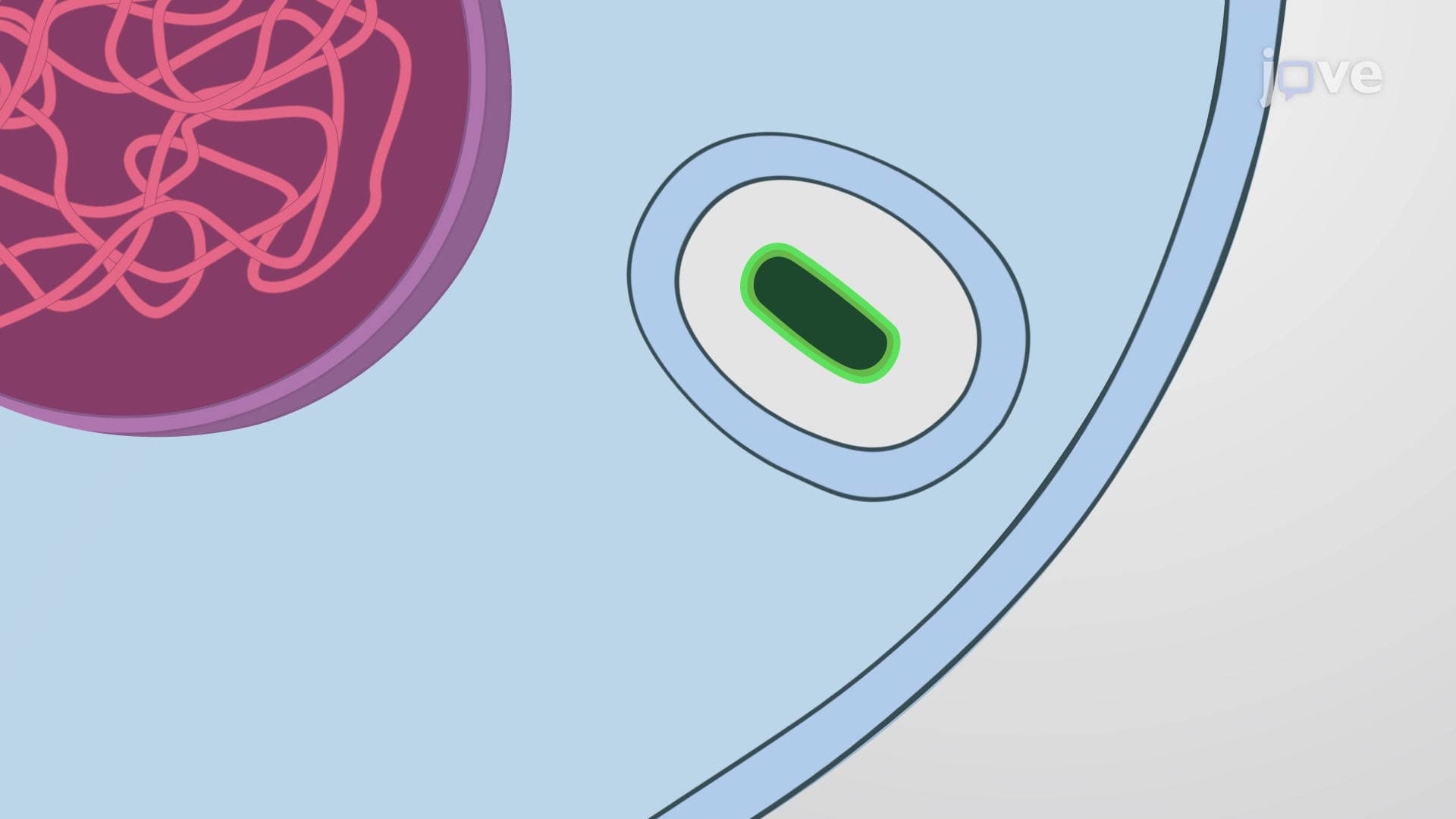

Video Summary: What Is Eukaryotic Evolution
Did you know that every plant and animal cell on Earth-including the neurons firing in your brain right now-descended from ancient bacterial partnerships? Eukaryotic evolution represents one of biology's most remarkable transformation stories, explaining how simple prokaryotic cells developed into the complex cellular machinery that powers everything from oak trees in Yellowstone to human tissues. This evolutionary journey involved membrane folding, organelle formation, and bacterial endosymbiosis that created mitochondria and chloroplasts. Understanding what is eukaryotic evolution reveals the foundational processes that enabled multicellular life to emerge and thrive on our planet. Watch the full video on JoVE Coach to master this concept with expert-led visuals and step-by-step explanations.
Eukaryotic evolution represents a pivotal chapter in life's history, marking the transition from simple prokaryotic cells to the sophisticated cellular architecture that defines plants, animals, fungi, and protists. This evolutionary process fundamentally changed how cells organize genetic material, generate energy, and perform specialized functions.
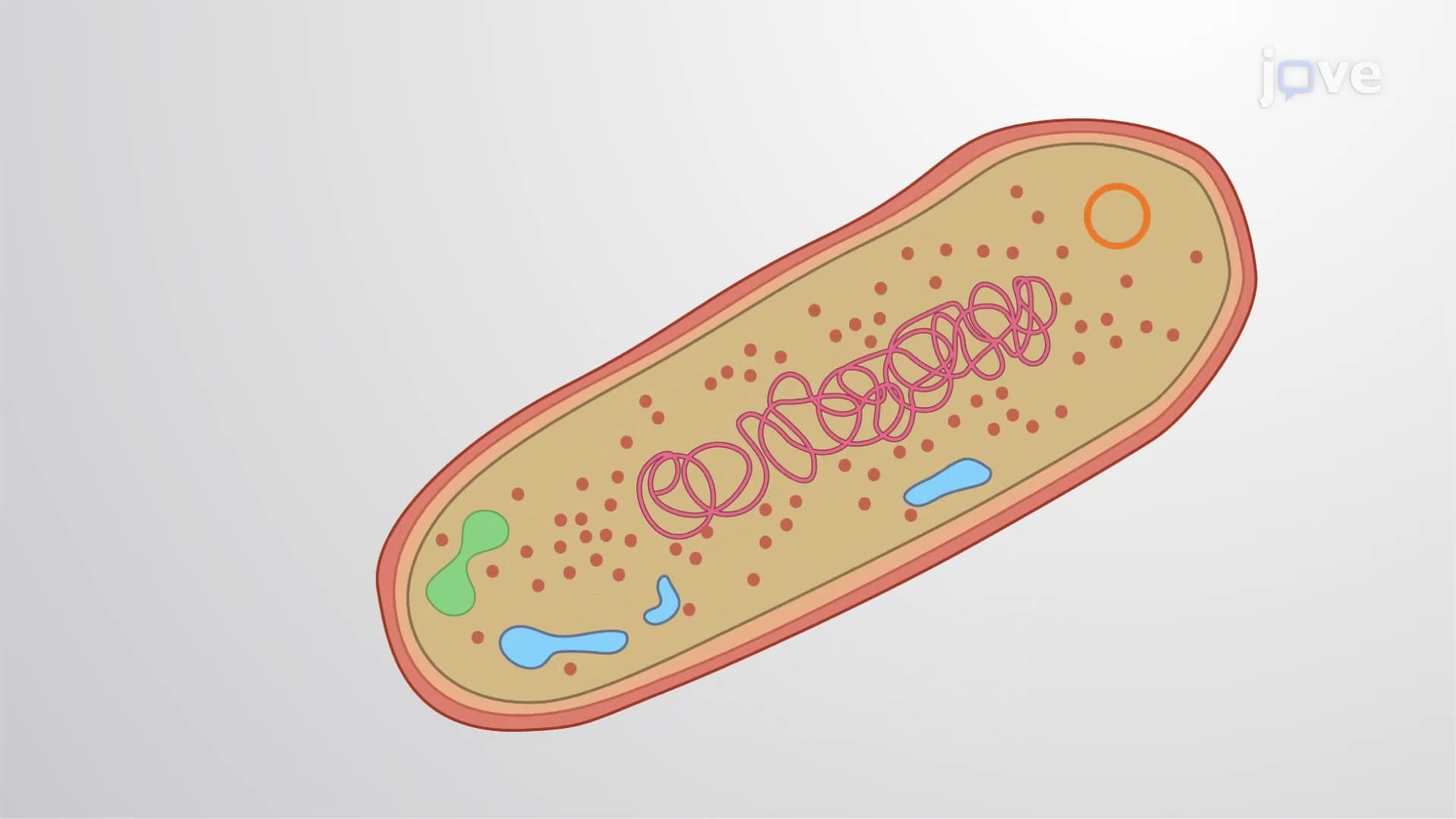
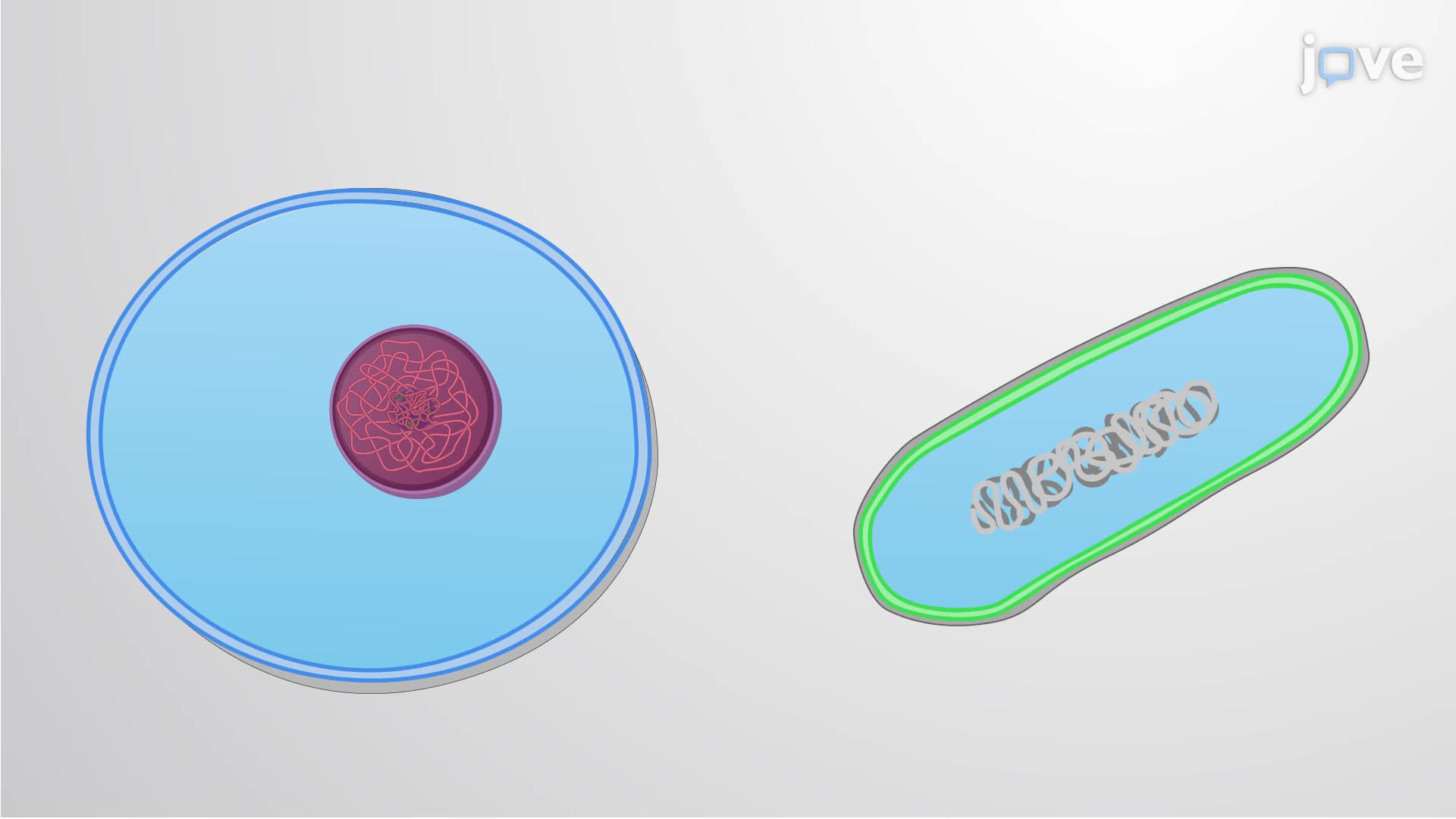
The journey began approximately 2 billion years ago when ancestral prokaryotic cells underwent dramatic structural reorganization. Unlike modern bacteria with freely floating DNA, these evolving cells developed internal membrane systems through a process called membrane invagination. This folding of the plasma membrane created the foundation for compartmentalized cellular organization-a hallmark of eukaryotic complexity.
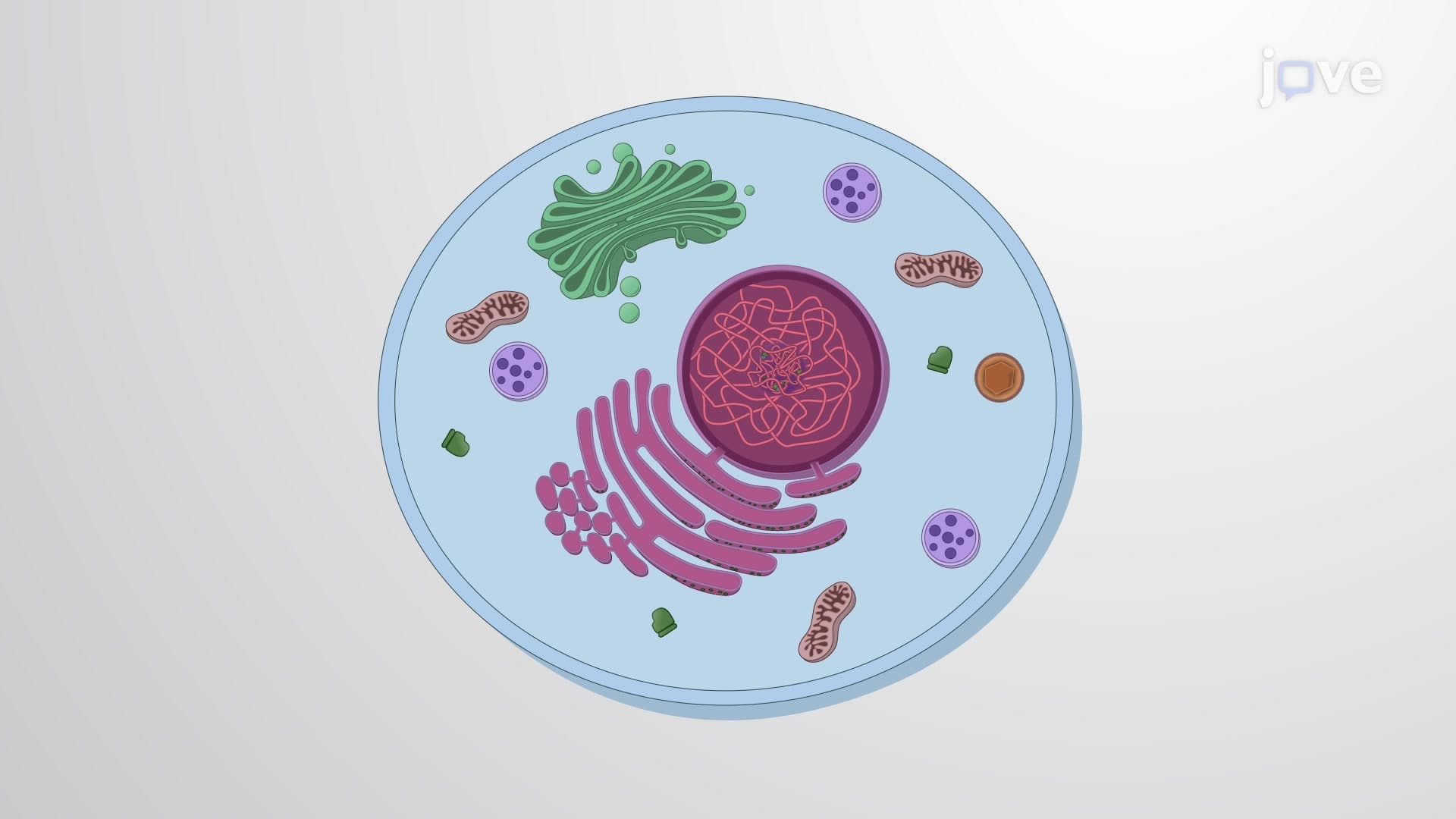
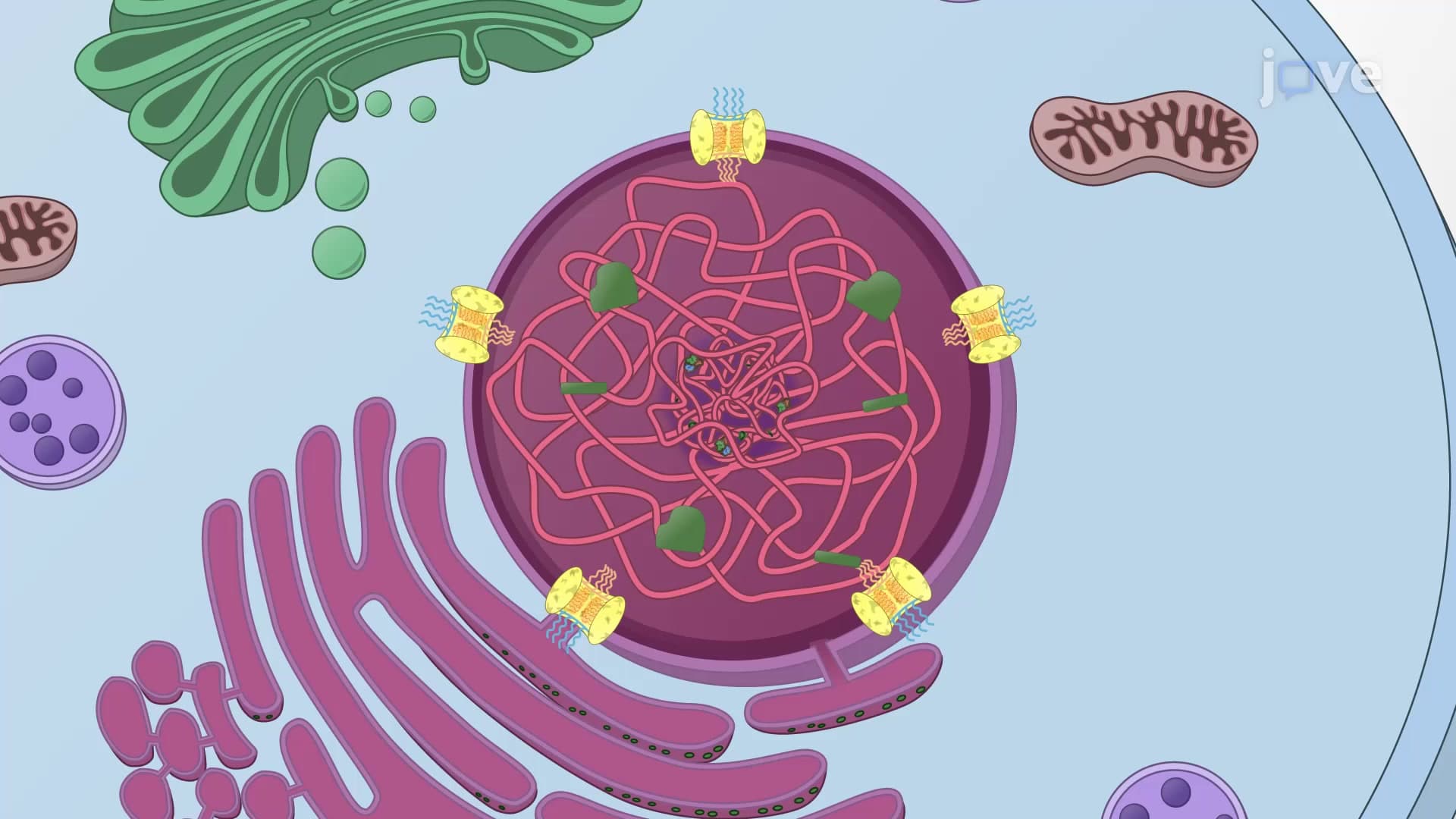
The development of internal membranes revolutionized cellular function. As the plasma membrane folded inward, it formed the endoplasmic reticulum (ER), creating specialized compartments for protein synthesis and lipid production. This membrane system eventually surrounded the DNA cluster, forming the nuclear envelope that gives eukaryotic cells their defining characteristic: a membrane-bound nucleus.
The Golgi apparatus emerged through ER membrane budding, establishing the cellular "post office" that processes and packages proteins. This sequential organelle development demonstrates how eukaryotic evolution built complexity through incremental structural modifications, each providing selective advantages for cellular survival and efficiency.
Perhaps the most dramatic phase of eukaryotic evolution involved endosymbiosis-the permanent incorporation of bacterial partners into host cells. According to endosymbiotic theory, proposed by biologist Lynn Margulis, ancestral eukaryotic cells engulfed aerobic bacteria that escaped digestion and established beneficial relationships with their hosts.
These bacterial endosymbionts evolved into mitochondria, transforming cellular energy production. Unlike anaerobic fermentation, mitochondrial respiration enabled efficient ATP generation using oxygen, providing the energy foundation necessary for complex multicellular life. This partnership explains why mitochondria retain their own DNA and reproduce independently within cells.
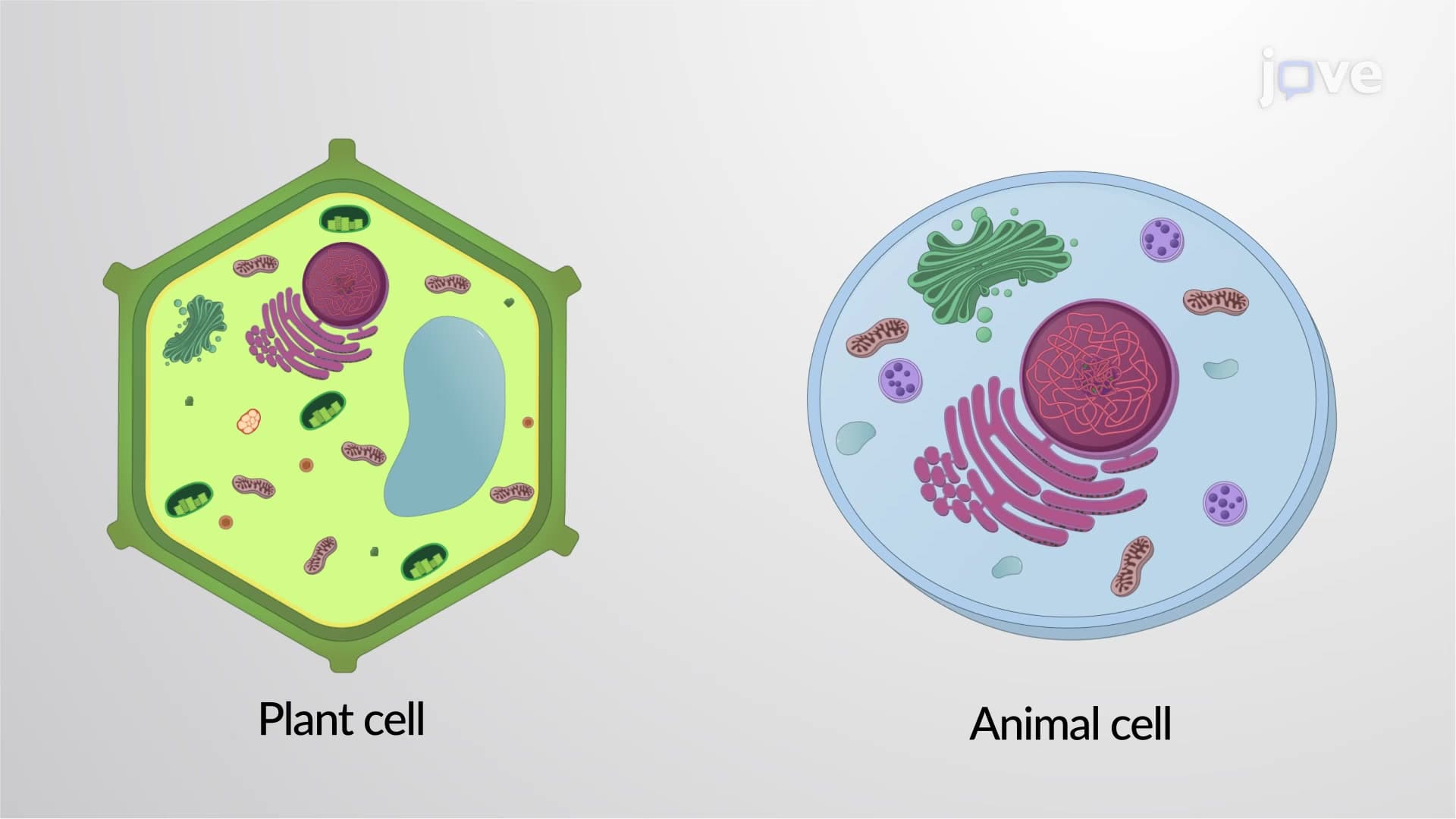
A second endosymbiotic event involved cyanobacteria, photosynthetic prokaryotes capable of converting sunlight into chemical energy. When certain eukaryotic cells acquired these photosynthetic partners, they gained the ability to produce their own food through photosynthesis. These endosymbionts eventually became chloroplasts, the green organelles that power plant life.
This dual endosymbiosis-mitochondria for respiration and chloroplasts for photosynthesis-created the cellular foundation for complex ecosystems. From California redwoods to Florida everglades, plant communities depend on this ancient evolutionary innovation.
Understanding eukaryotic evolution proves essential for students preparing for AP Biology exams, college cell biology courses, and pre-med MCAT preparation. The concept connects to numerous biological principles, from cellular respiration and photosynthesis to evolutionary biology and ecology. Medical students studying mitochondrial diseases or plant biologists researching crop improvement rely on these fundamental evolutionary principles to understand cellular function and dysfunction.
Related Micro-courses