Loading video…


 15 Concepts
 336.5K views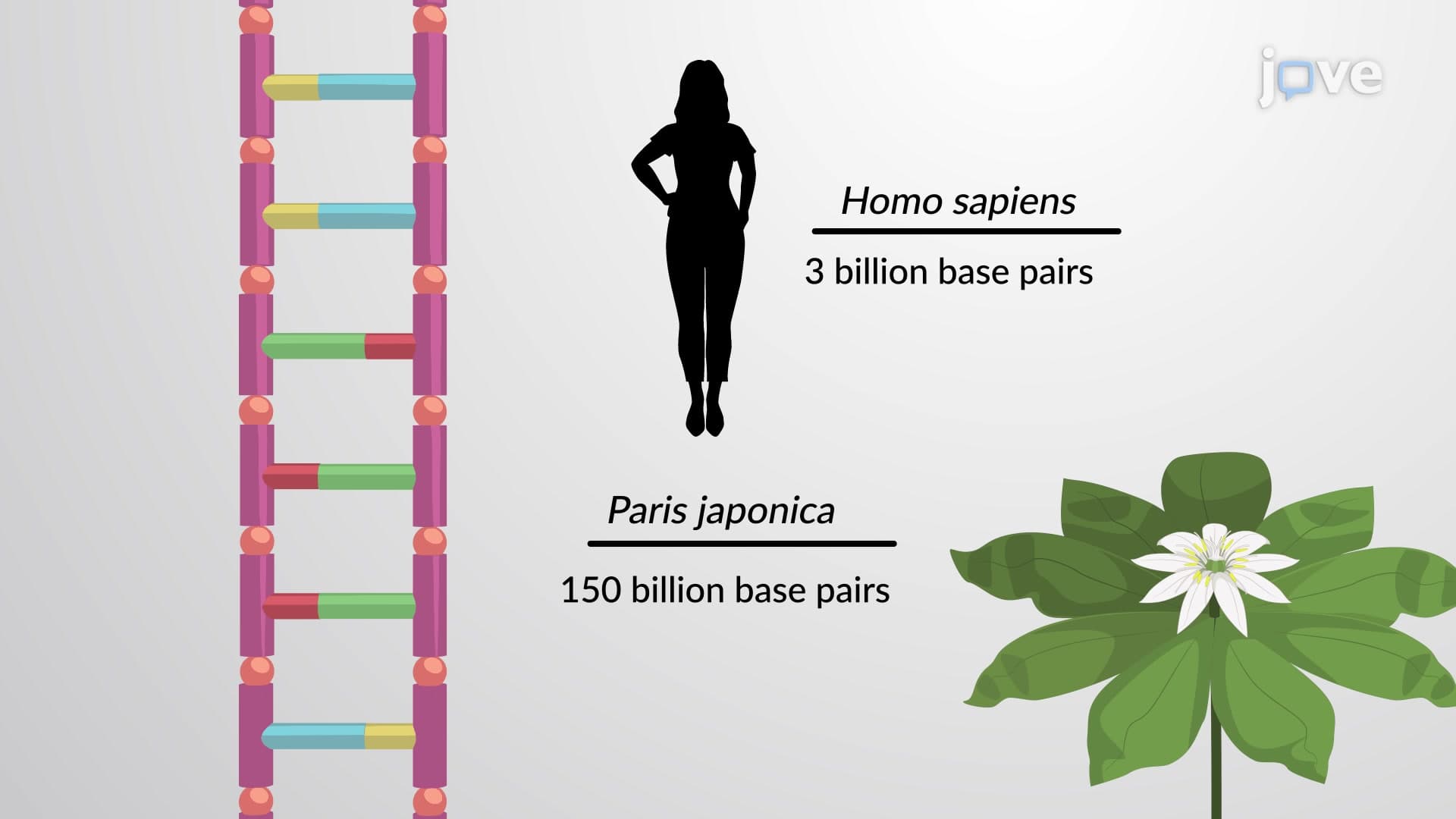

Video Summary: Genome Size and the Evolution Explained
Why does the single-celled amoeba *Polychaos dubium* have a genome 200 times larger than humans? Genome size evolution reveals surprising patterns where complexity doesn't match DNA content-a puzzle called the C-value paradox. From corn's expanded genome enabling drought resistance to understanding how new genes emerge through duplication and horizontal transfer, Genome Size And The Evolution Explained demonstrates how organisms innovate genetically. Watch the full video on JoVE Coach to master this concept with expert-led visuals and step-by-step explanations.
Genome size evolution represents one of biology's most intriguing puzzles. While intuition suggests complex organisms should have larger genomes, reality defies this assumption. The human genome contains approximately 3.2 billion base pairs, yet the single-celled amoeba *Polychaos dubium* harbors over 670 billion base pairs. This phenomenon, termed the C-value paradox, demonstrates that genome size reflects evolutionary history rather than organismal complexity.
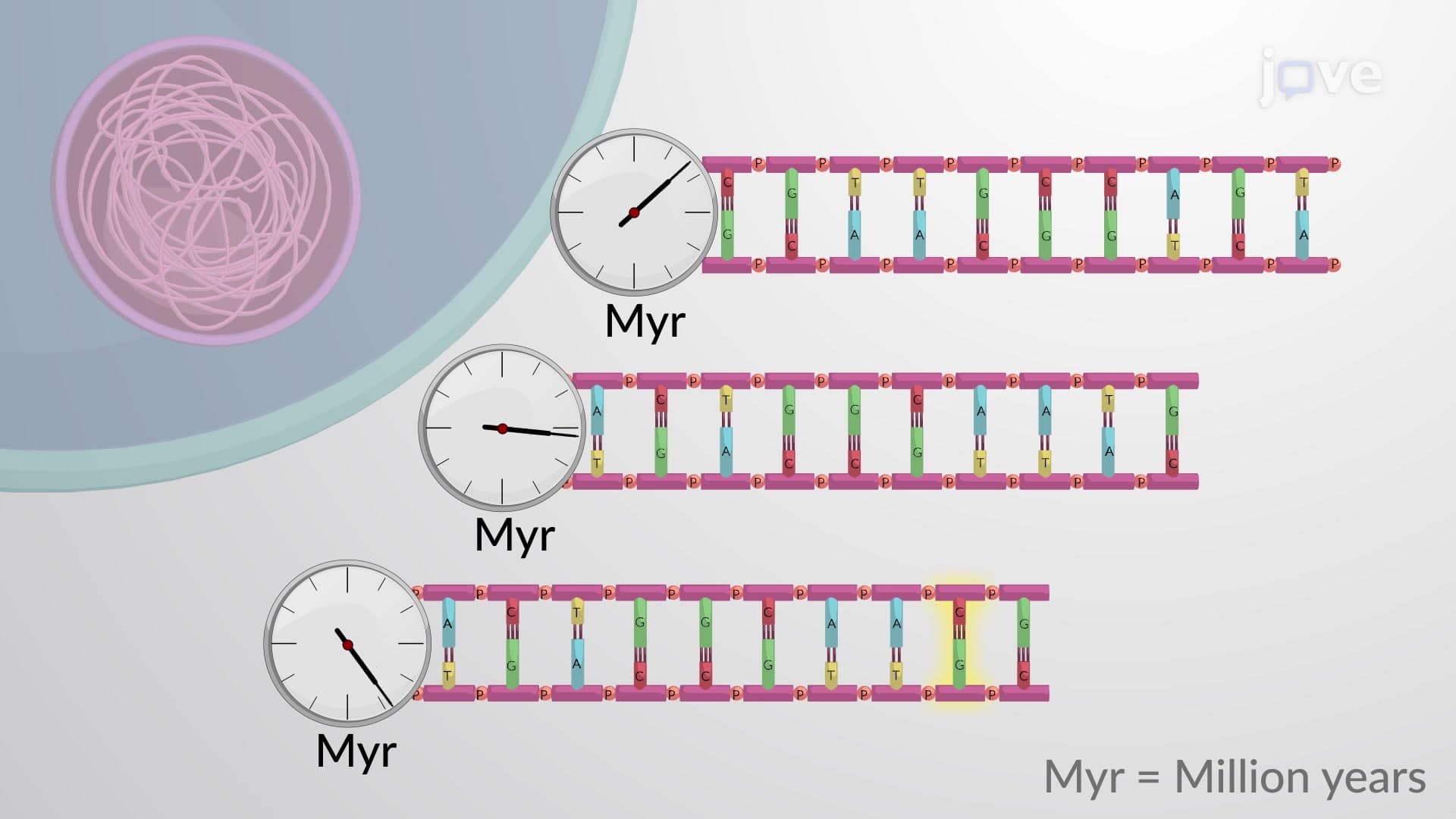
New genes emerge through several key mechanisms that reshape genomes over evolutionary time. Gene duplication creates copies that can evolve new functions-a process evident in human alpha and beta globin gene families that enable efficient oxygen transport. Exon shuffling recombines protein domains, creating novel combinations like those seen in immune system antibodies. Horizontal gene transfer, while rare in animals, occurs frequently in bacteria and has contributed antibiotic resistance genes across species boundaries.
Perhaps most fascinating is de novo gene birth, where non-coding DNA sequences acquire coding potential. Recent studies of *Drosophila* flies have identified dozens of young genes that emerged from previously non-functional DNA within the last few million years, demonstrating ongoing genetic innovation.
Repetitive DNA sequences significantly influence genome size variation. Transposable elements-"jumping genes"-can comprise over 45% of the human genome and nearly 85% of the maize genome. These elements drive genome expansion through their ability to copy themselves throughout chromosomes. While often considered "junk DNA," some repetitive elements have been co-opted for regulatory functions, influencing gene expression patterns that contribute to species-specific traits.
Understanding genome evolution has practical implications for American agriculture and medicine. Plant breeders at institutions like UC Davis utilize comparative genomics to identify genes responsible for drought tolerance in crop relatives, transferring beneficial alleles into commercial varieties. Similarly, medical researchers studying cancer evolution apply these principles to understand how tumor genomes change over time, informing treatment strategies at major cancer centers like MD Anderson and Memorial Sloan Kettering.
For students preparing for AP Biology or college genetics courses, genome evolution concepts frequently appear in questions about molecular evolution, phylogenetics, and biotechnology applications. MCAT students should understand how gene duplication contributes to protein family evolution and how genome size relates to organismal complexity-or lack thereof.
Related Micro-courses