Loading subject page…


336,524 views

Video Summary: The Tree of Life Bacteria Archaea and Eukaryotes Explained
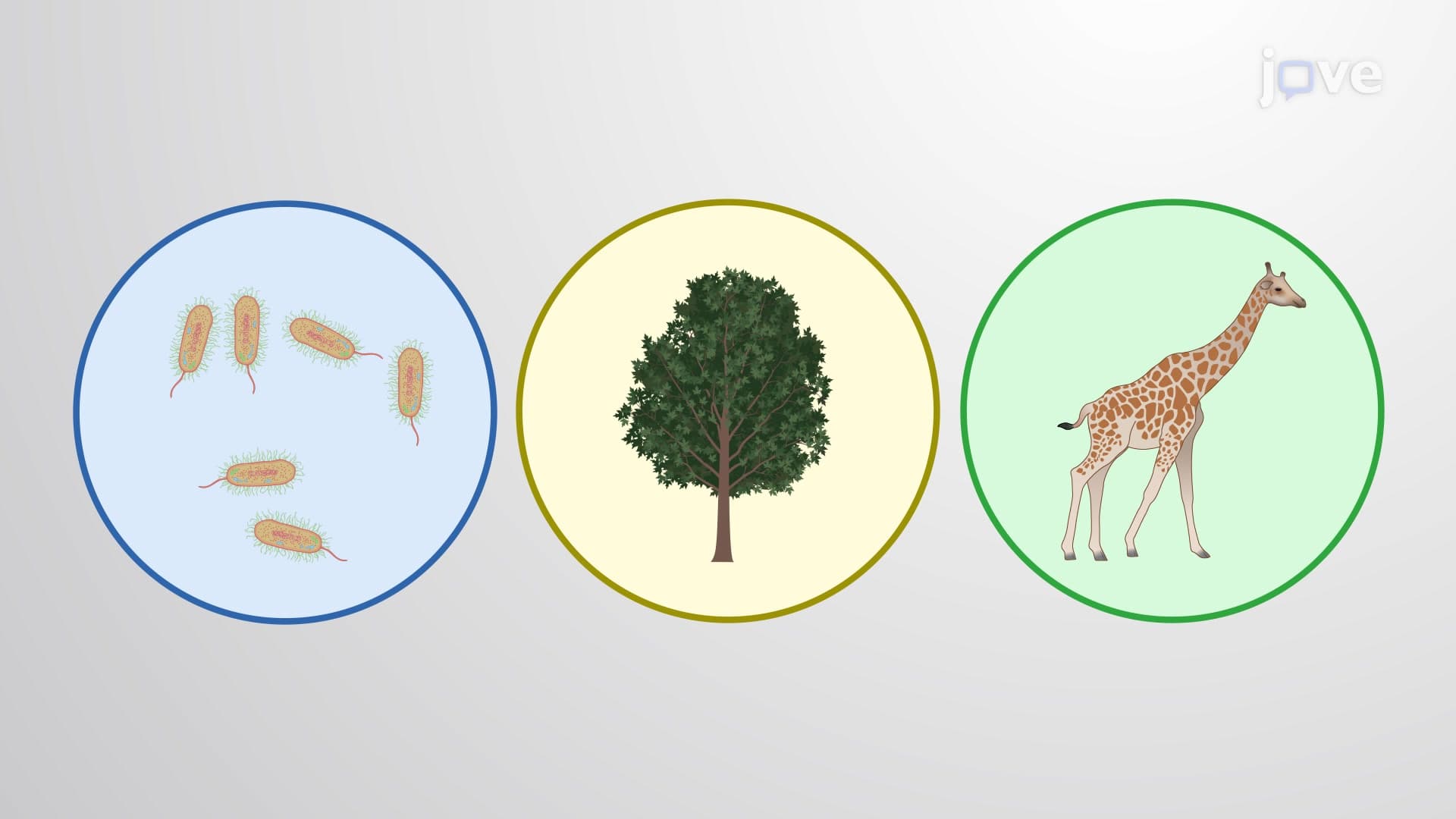
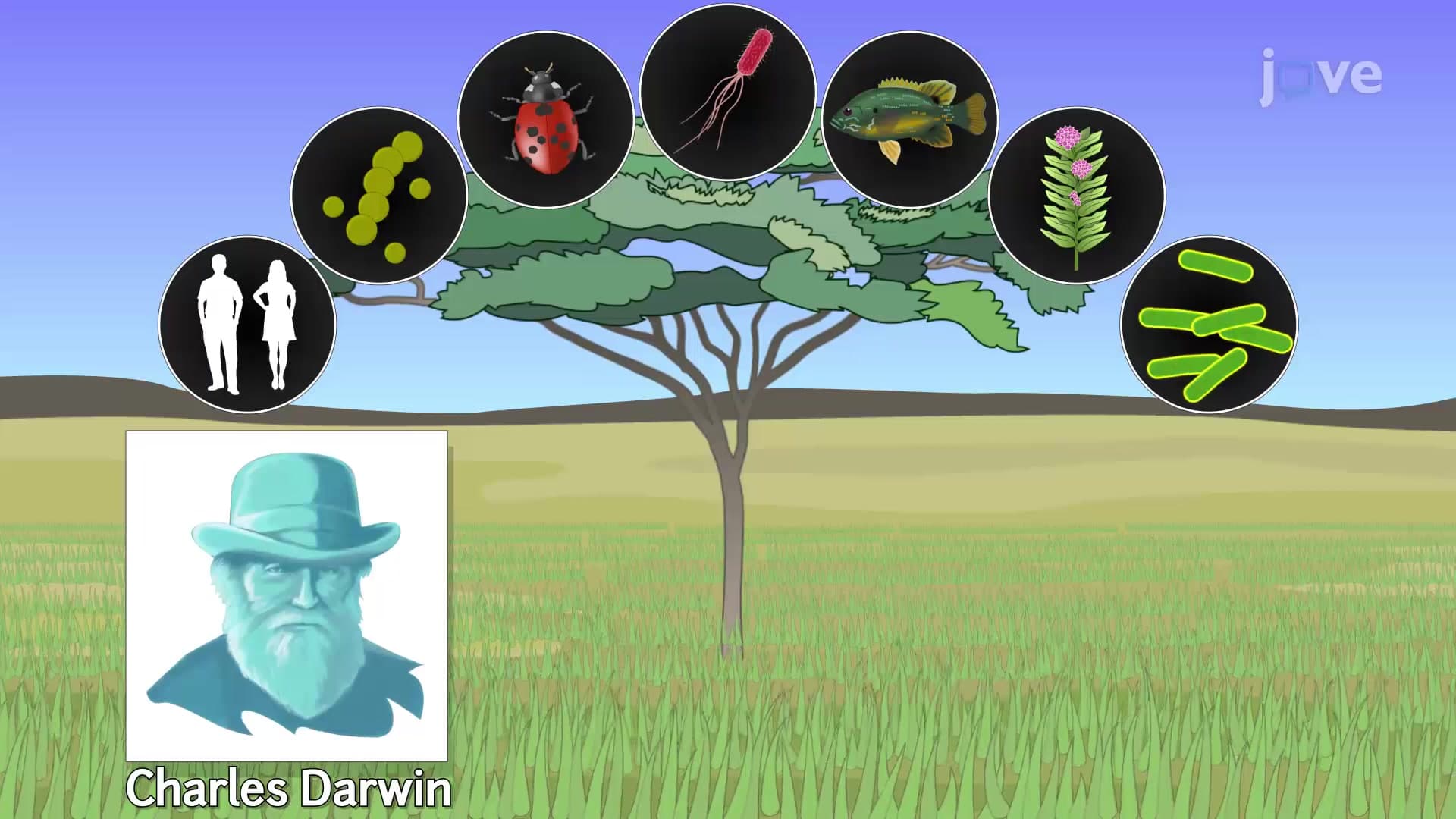
Did you know that bacteria living in Yellowstone's scalding hot springs are more closely related to humans than to the E. coli in your gut? The tree life: bacteria, archaea reveals shocking evolutionary relationships that revolutionized biology. The Tree of Life: Bacteria, Archaea, and Eukaryotes Explained demonstrates how molecular analysis uncovered three distinct domains of life, overturning decades of scientific assumptions. Watch the full video on JoVE Coach to master this concept with expert-led visuals and step-by-step explanations.
The modern understanding of life's diversity centers on three fundamental domains that represent billions of years of evolutionary divergence. This revolutionary framework emerged in the 1970s when Carl Woese at the University of Illinois analyzed ribosomal RNA sequences, discovering that what scientists had lumped together as "bacteria" actually comprised two distinct evolutionary lineages. This breakthrough reshaped biology textbooks nationwide and fundamentally changed how we classify and study living organisms.
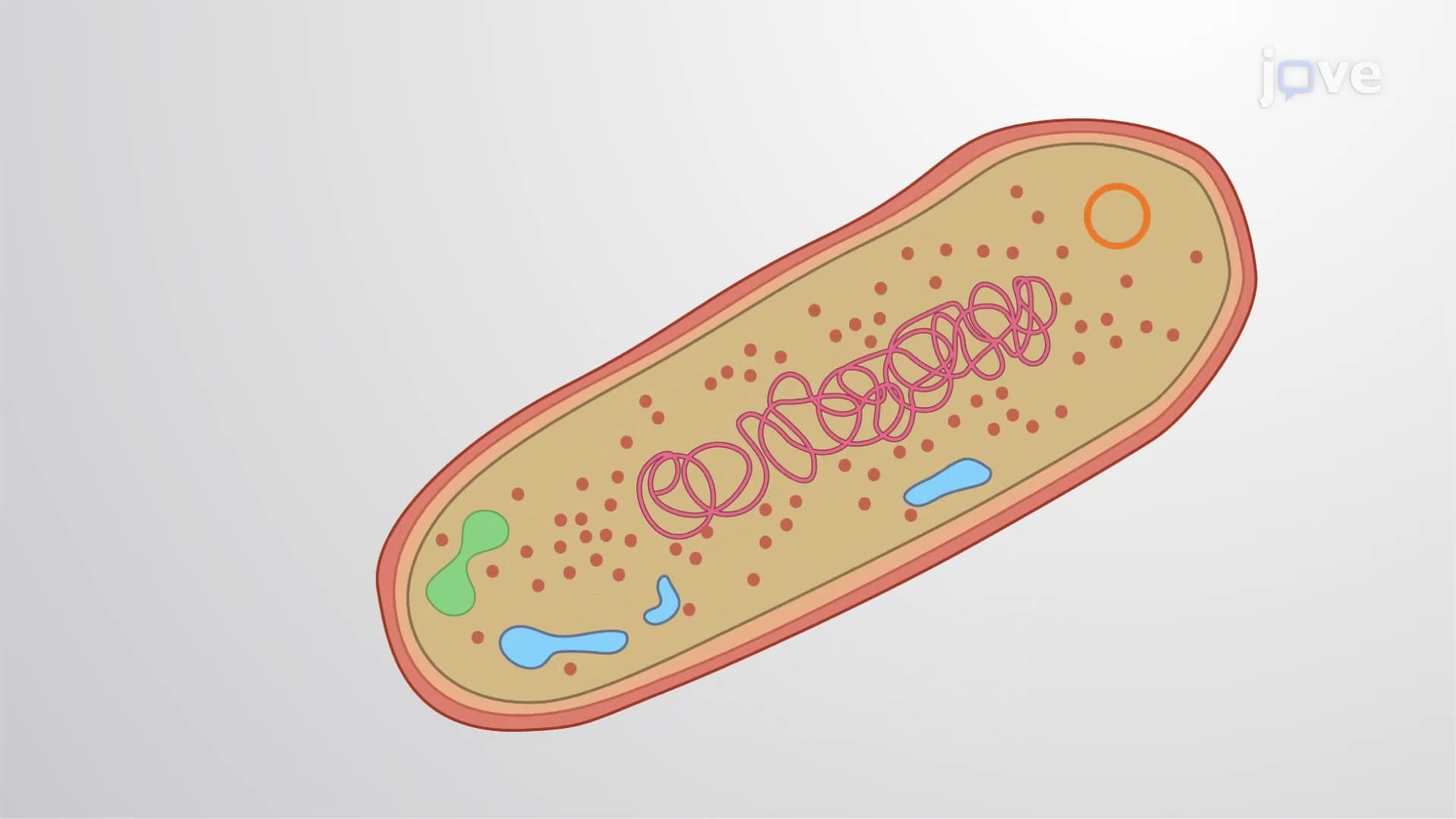
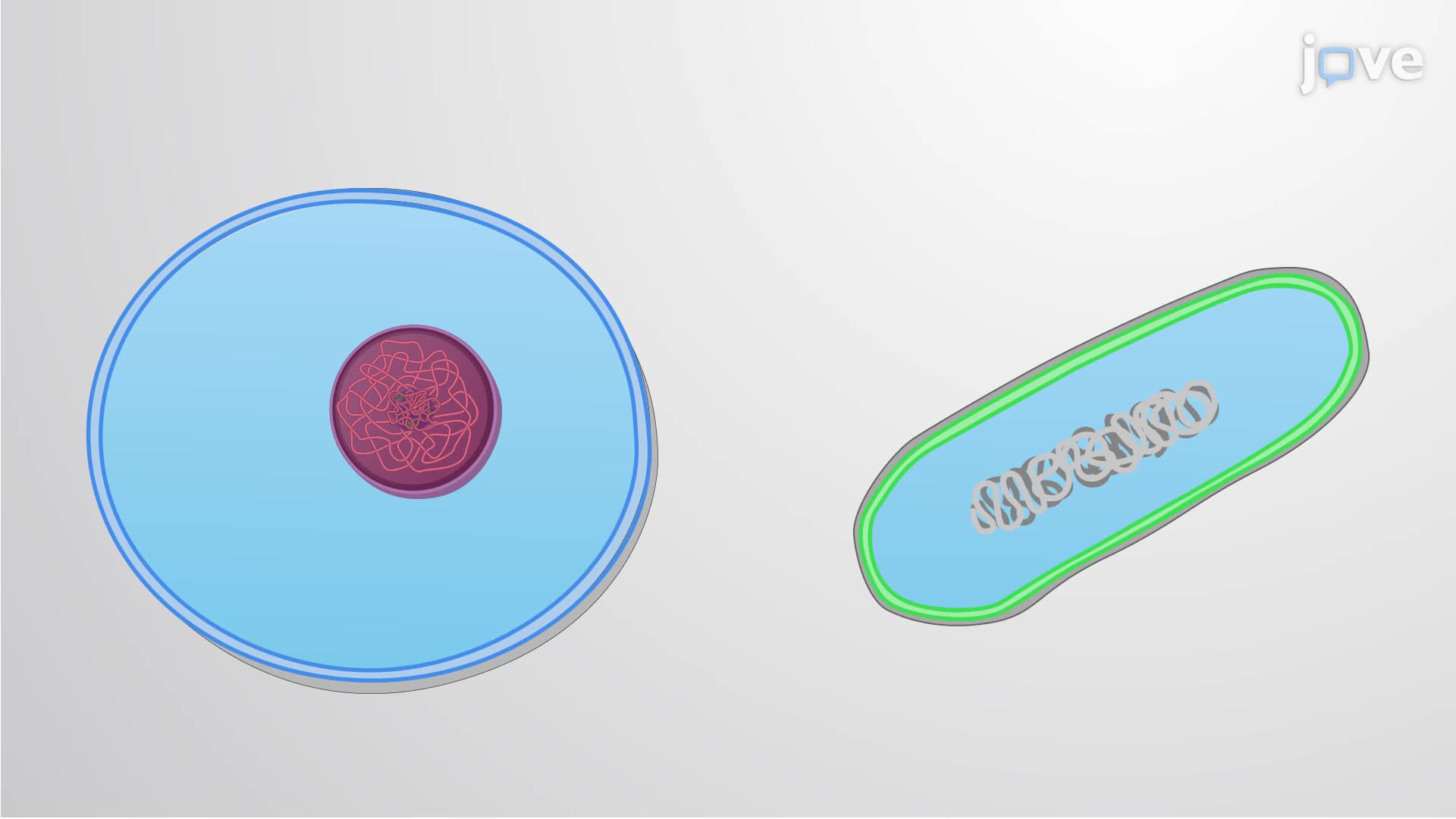
Bacteria represent the most numerically abundant organisms on Earth, with an estimated 5×10^30 bacterial cells existing globally. These prokaryotic organisms lack membrane-bound organelles and possess circular DNA located in a nucleoid region. What makes bacteria unique among the three domains is their peptidoglycan cell walls and specific ribosomal RNA sequences. In the United States, bacterial research drives major industries-from the use of *Escherichia coli* in biotechnology labs at companies like Genentech to the study of pathogenic strains like *Streptococcus pneumoniae* at the CDC in Atlanta.
Students preparing for AP Biology or college microbiology courses should understand that bacteria exhibit incredible metabolic diversity. Some perform photosynthesis like plants, others decompose organic matter, and many cause diseases that impact human health. The nitrogen-fixing bacteria in agricultural soils across the Midwest demonstrate bacteria's ecological importance, converting atmospheric nitrogen into forms plants can utilize.
Initially called "archaebacteria," Archaea inhabit some of Earth's most extreme environments. These prokaryotes thrive in conditions that would kill most other organisms-the boiling springs of Yellowstone National Park, highly acidic environments, and salt concentrations that would dehydrate typical cells. Archaea possess unique biochemical features, including ether-linked lipids in their cell membranes and histone-like proteins that package their DNA.
Research at institutions like the Woods Hole Oceanographic Institution has revealed that Archaea share surprising similarities with eukaryotes in their transcription and translation machinery, suggesting these domains are more closely related than either is to bacteria.
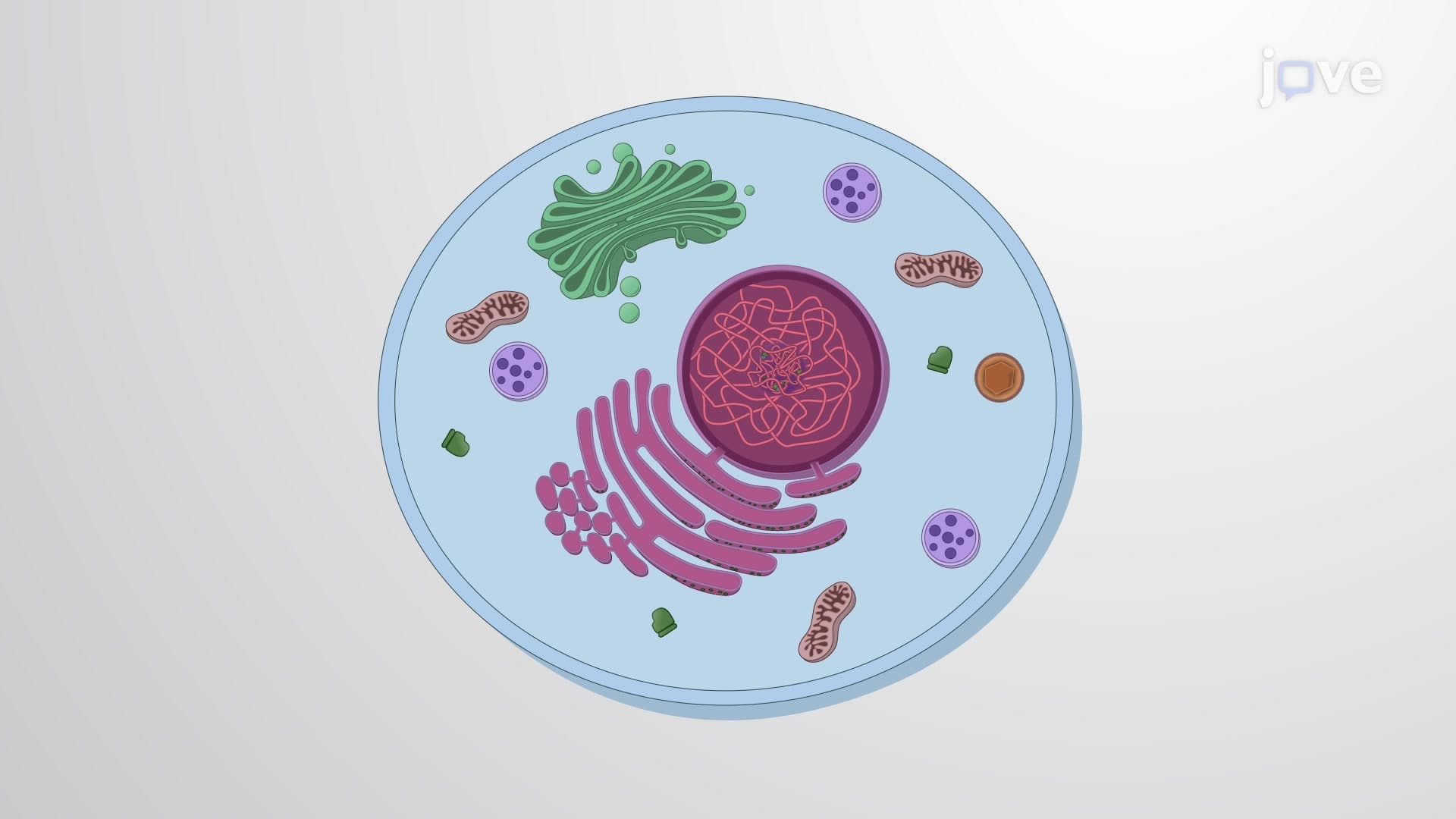
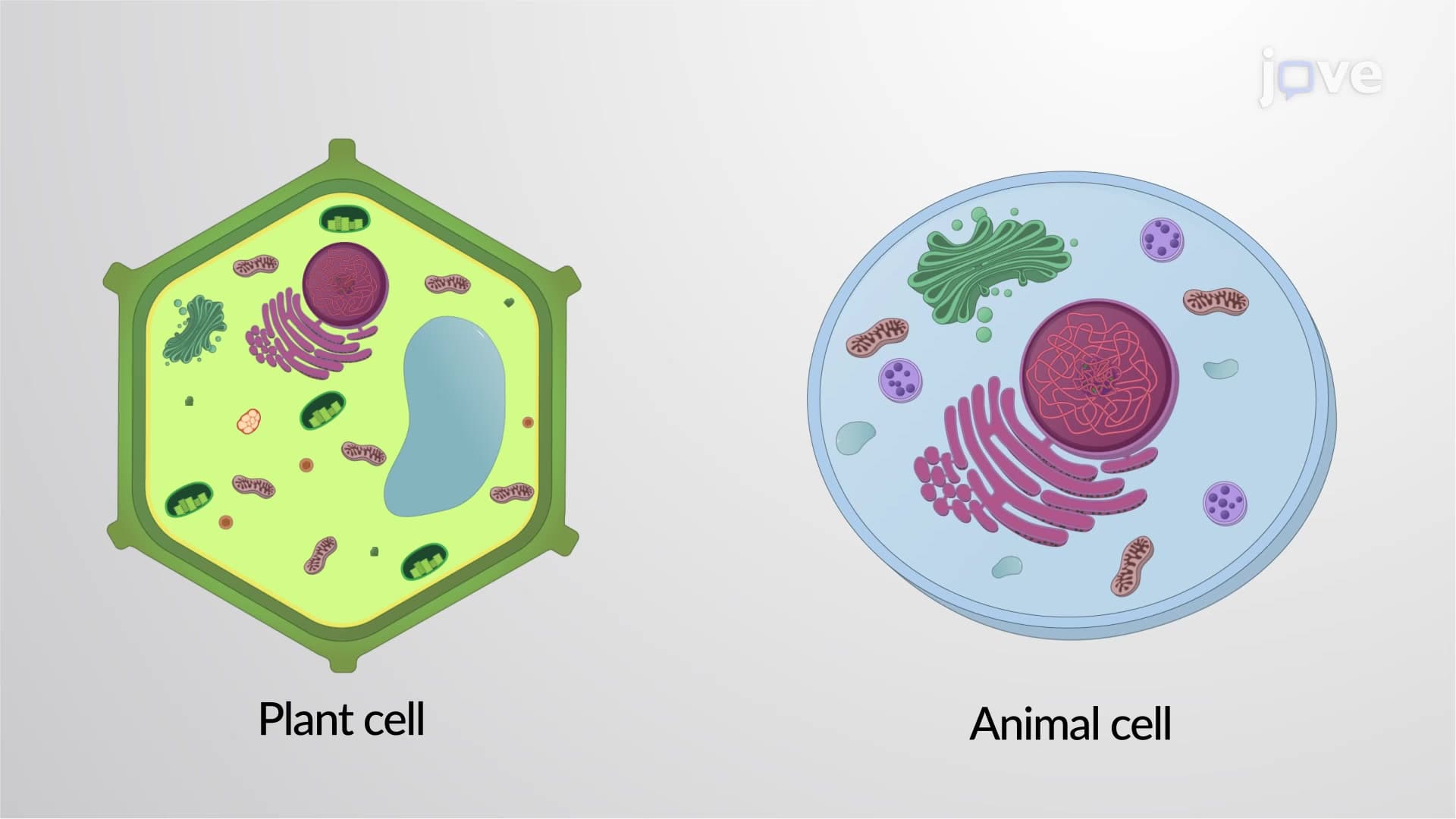
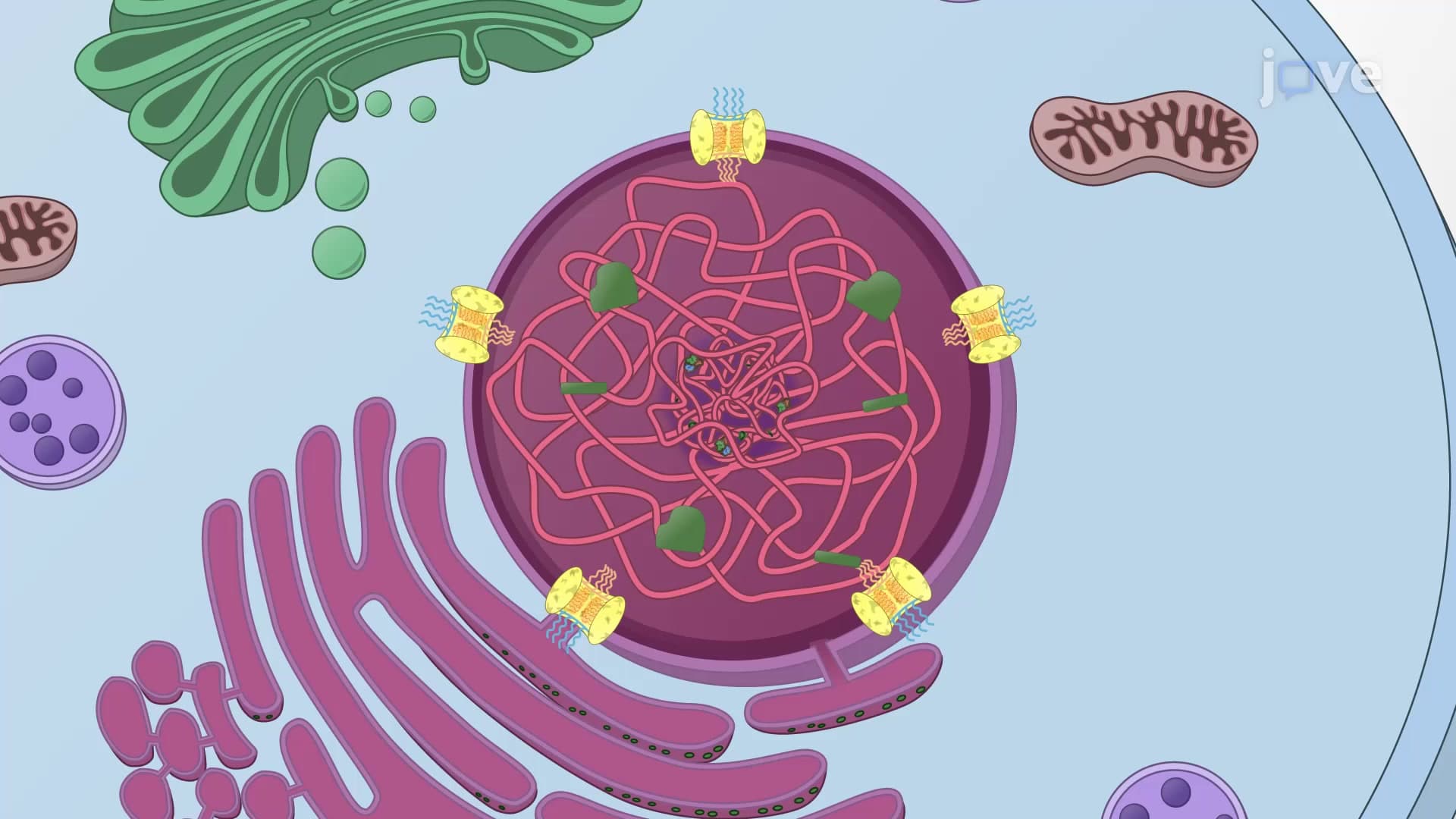
Eukaryotic cells define the third domain through their membrane-bound nucleus and organelles. The endosymbiotic theory, supported by researchers like Lynn Margulis at the University of Massachusetts, explains how eukaryotes evolved through the incorporation of bacterial endosymbionts. Mitochondria descended from proteobacteria, while chloroplasts originated from cyanobacteria-evidence supported by their double membranes and bacterial-like ribosomes.
For MCAT preparation, students should recognize that this domain encompasses everything from single-celled protists to complex multicellular organisms like humans, highlighting the evolutionary innovations that enabled complex life.
Related Micro-courses