Loading subject page…

- Cell Biology
- Cells, Genomes, and Evolution
- What are Cells?
Micro-course: Cells, Genomes, and Evolution
336,523 views
Learn key concepts and earn your certificate.

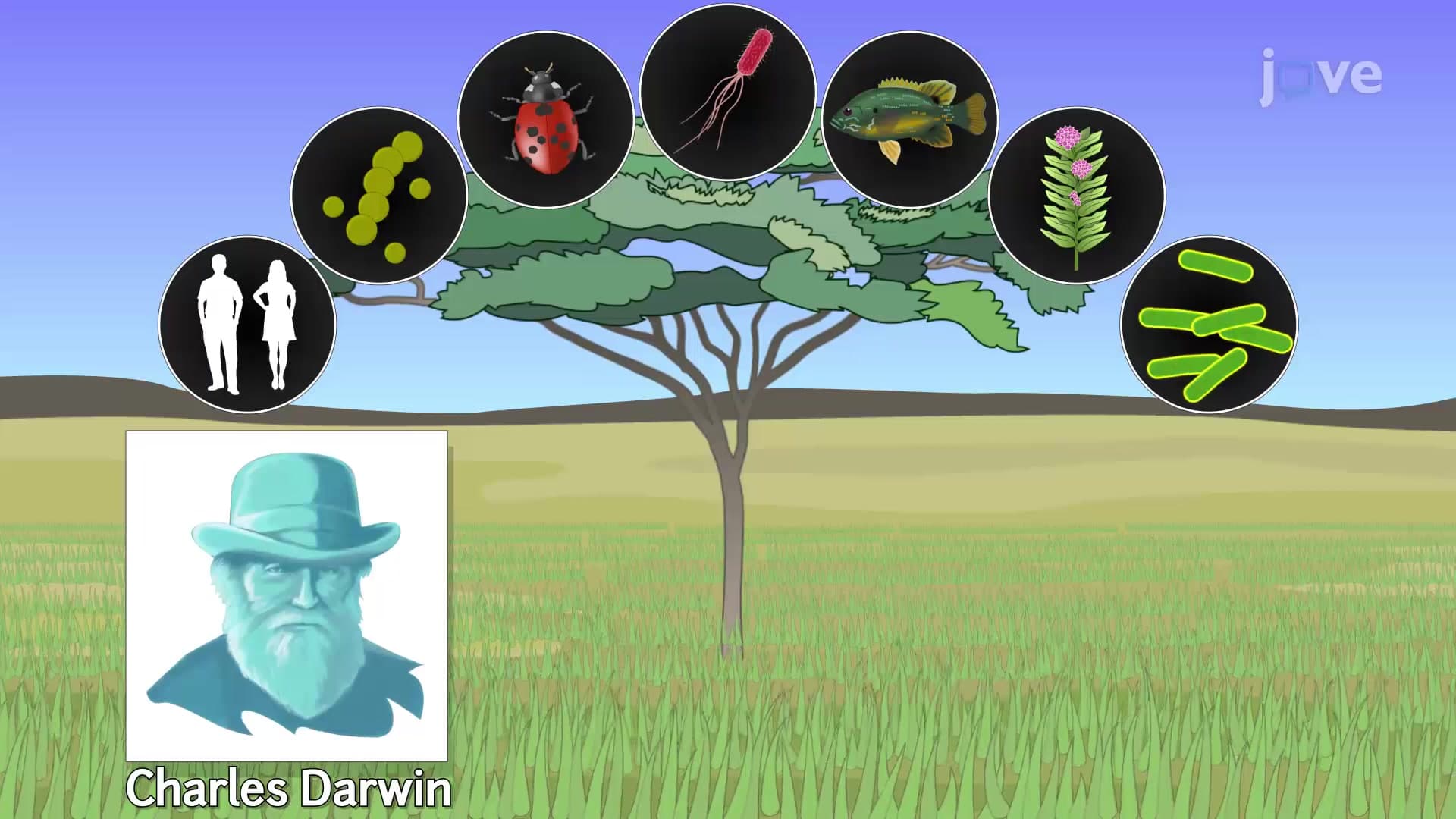
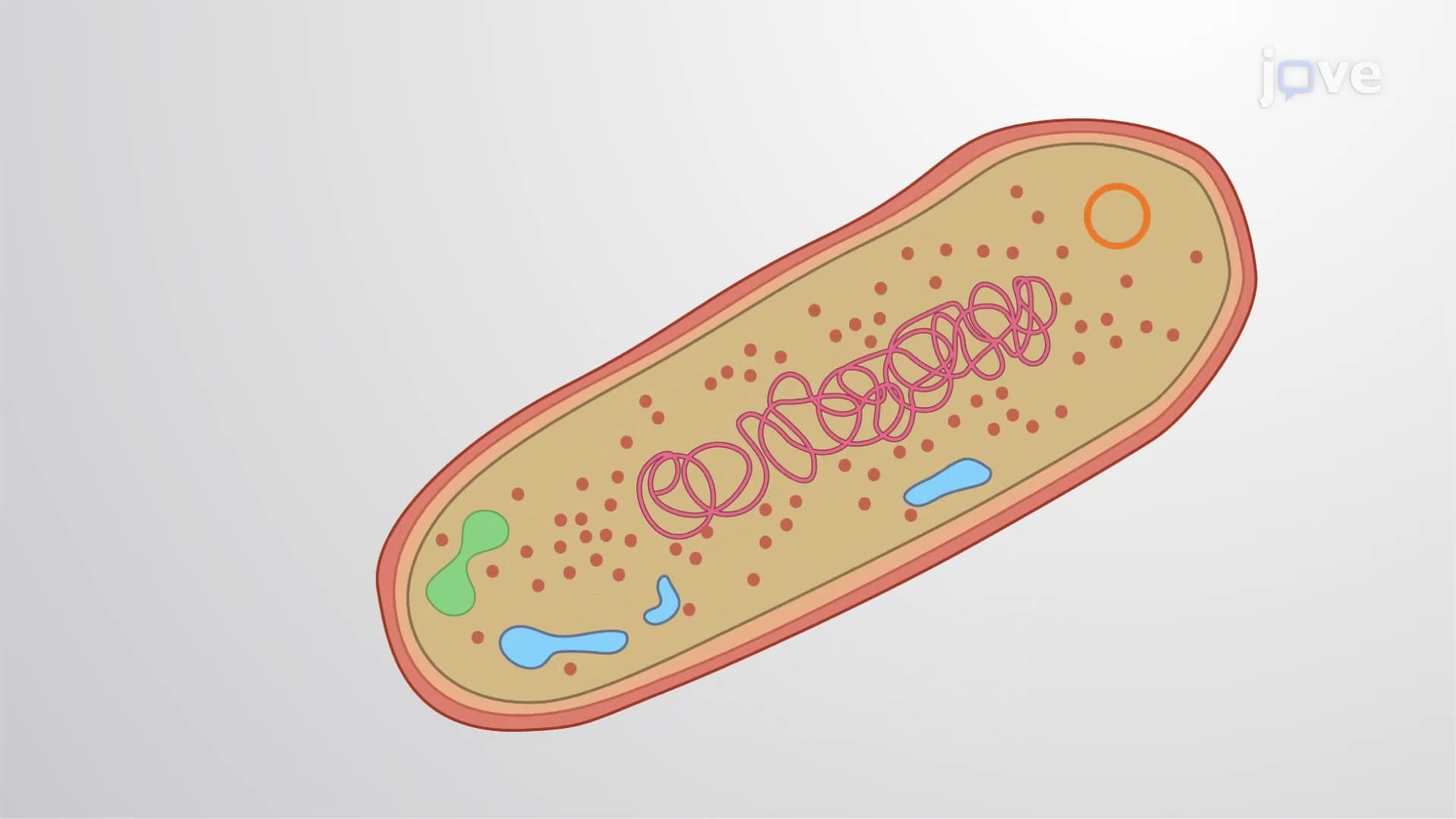
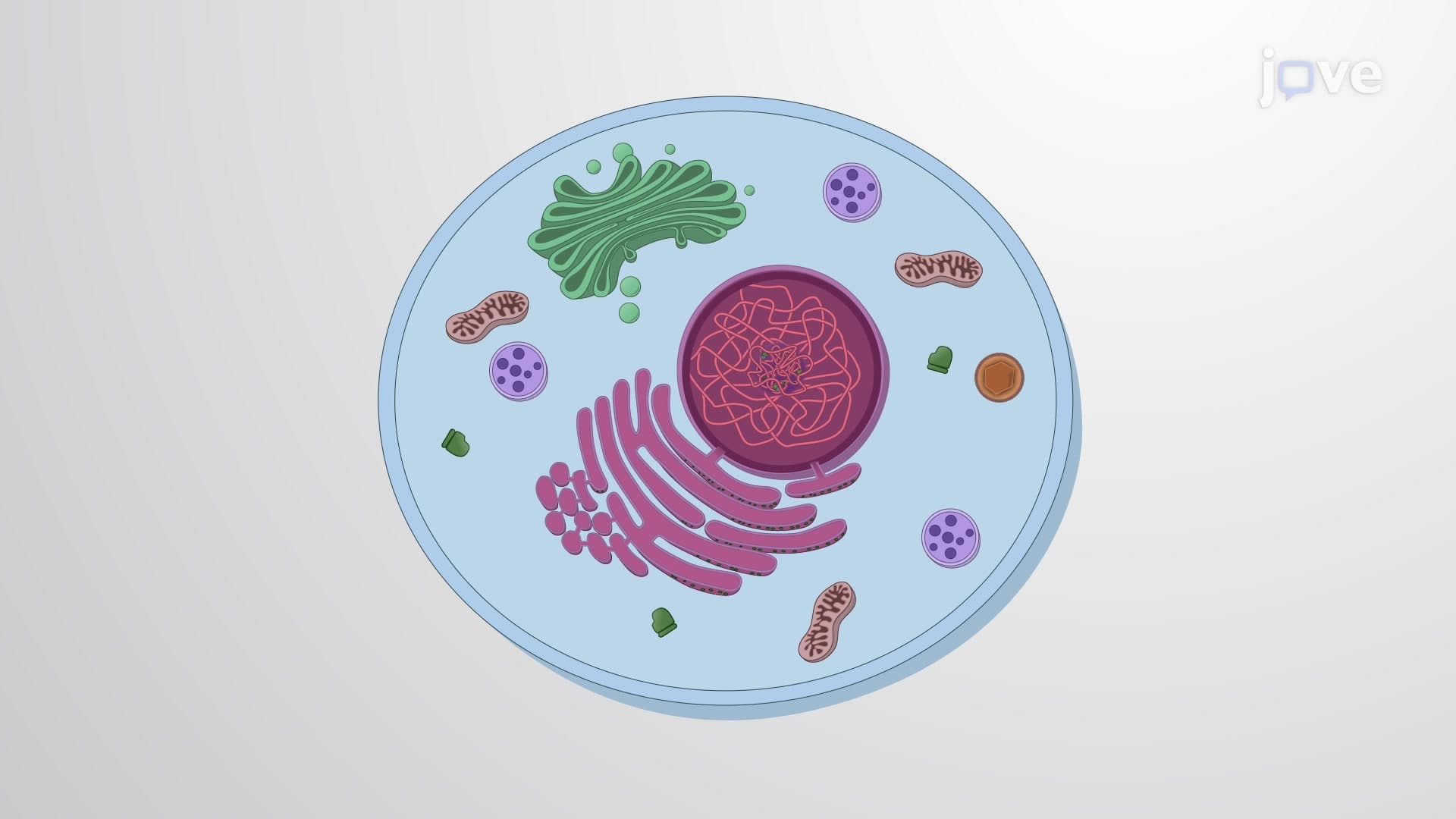
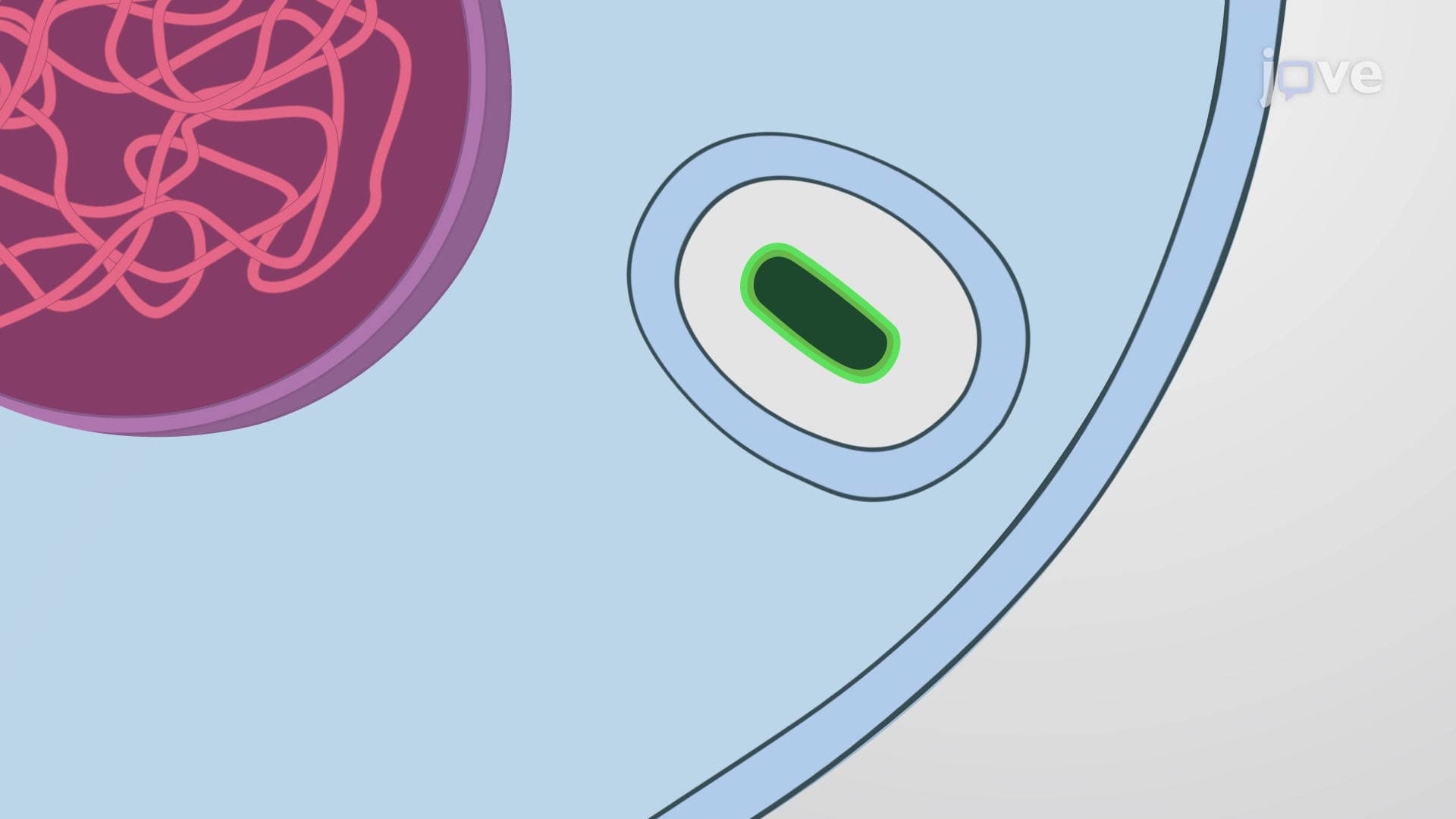
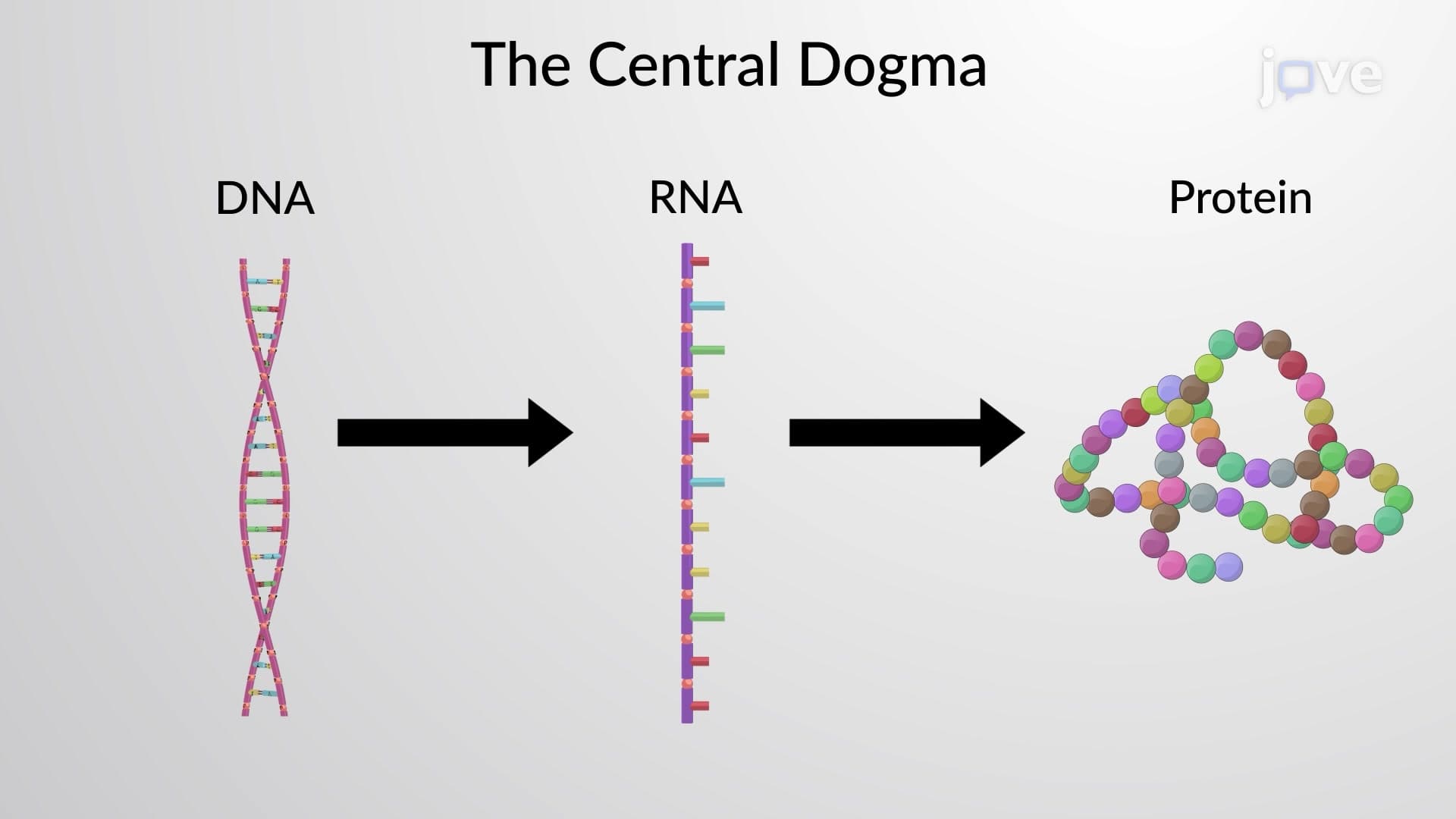
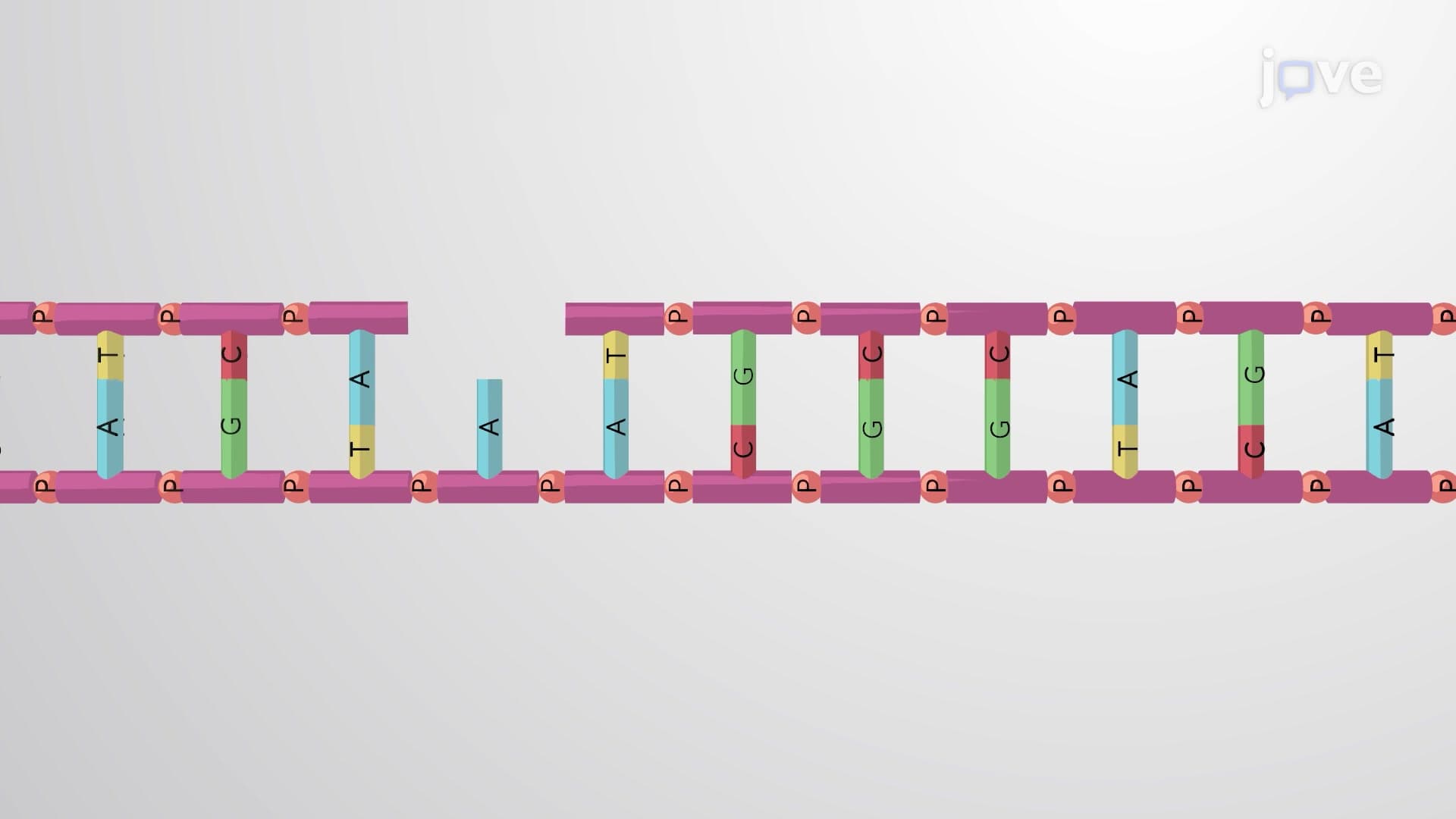
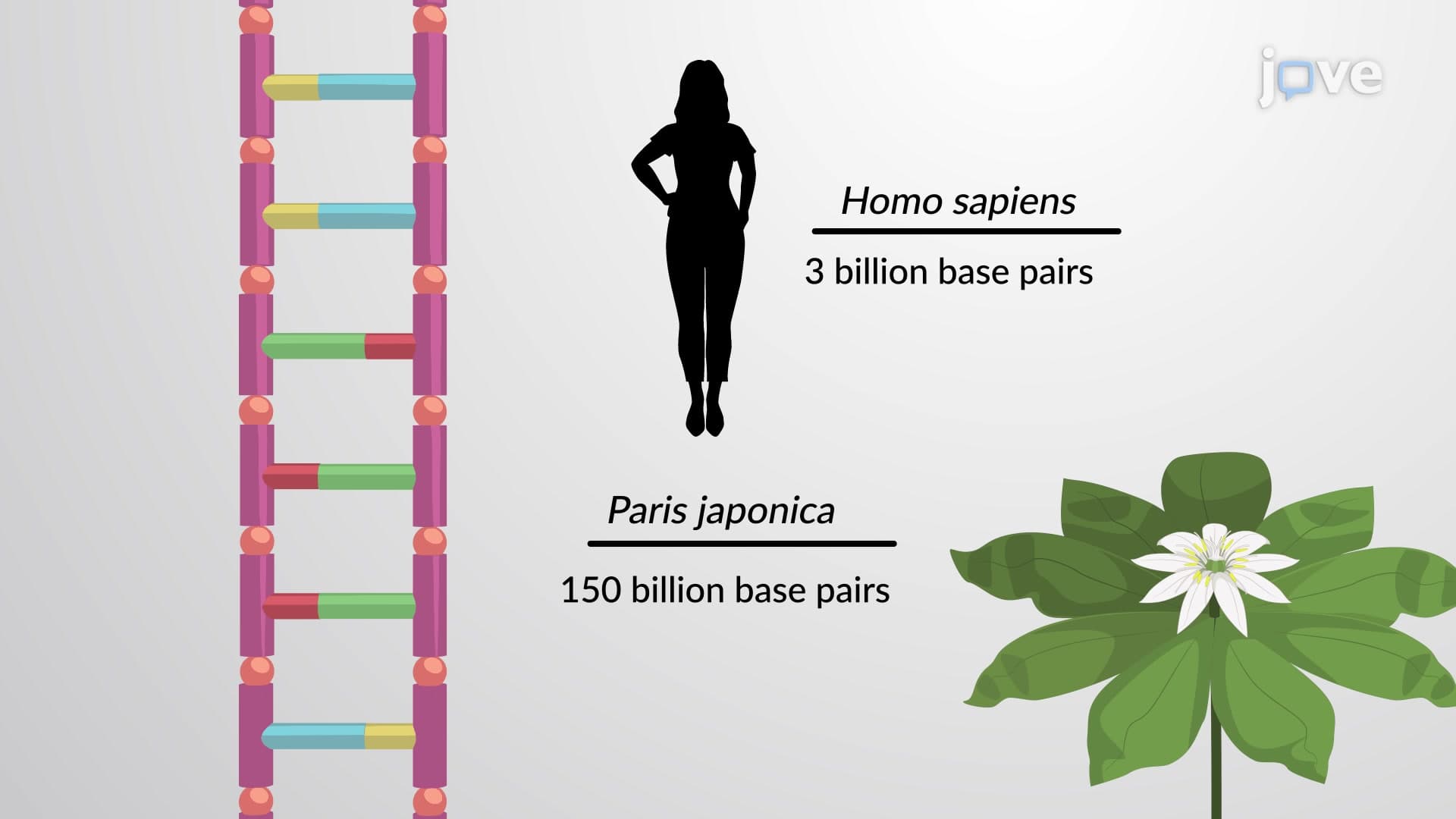

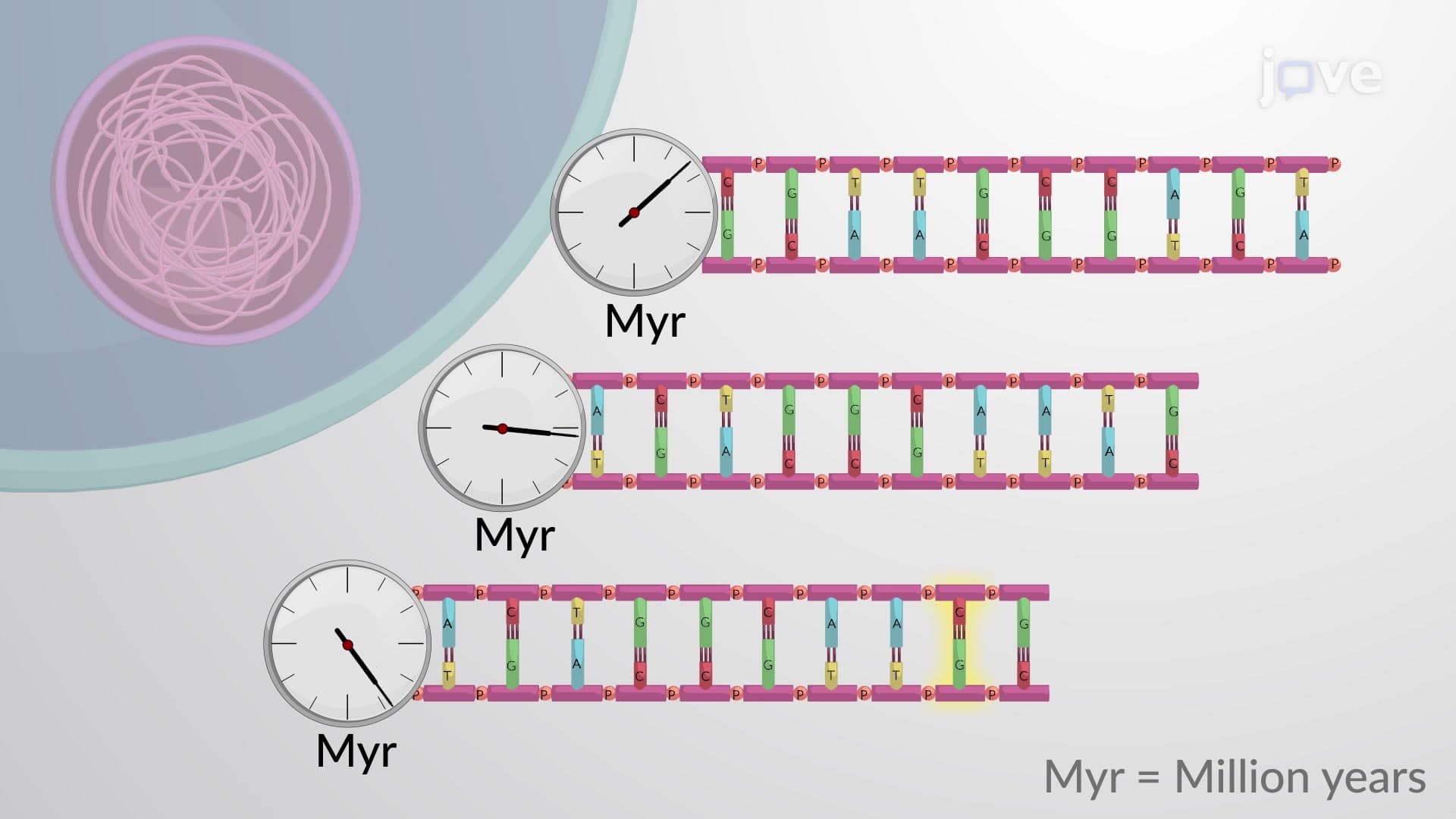
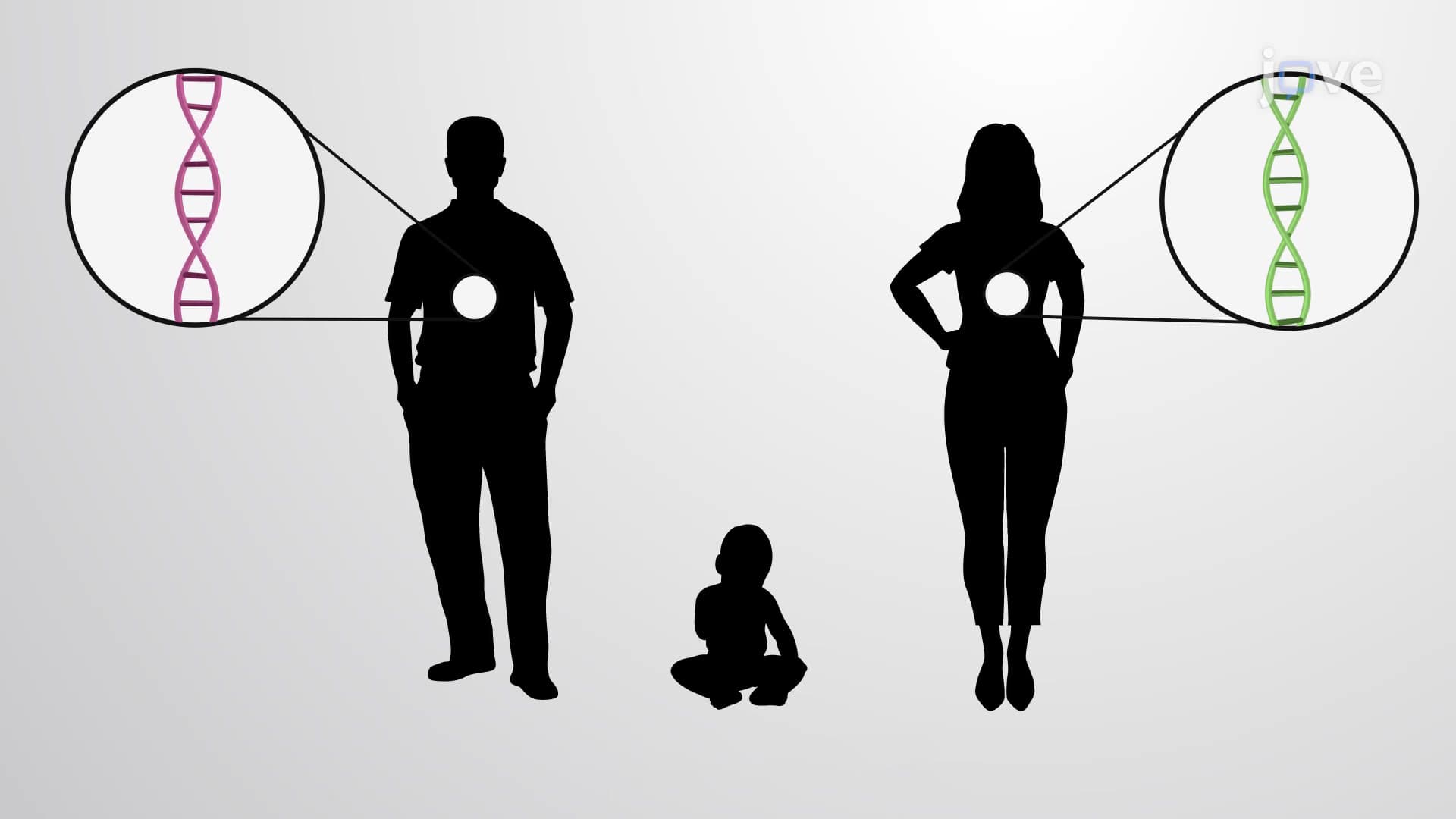
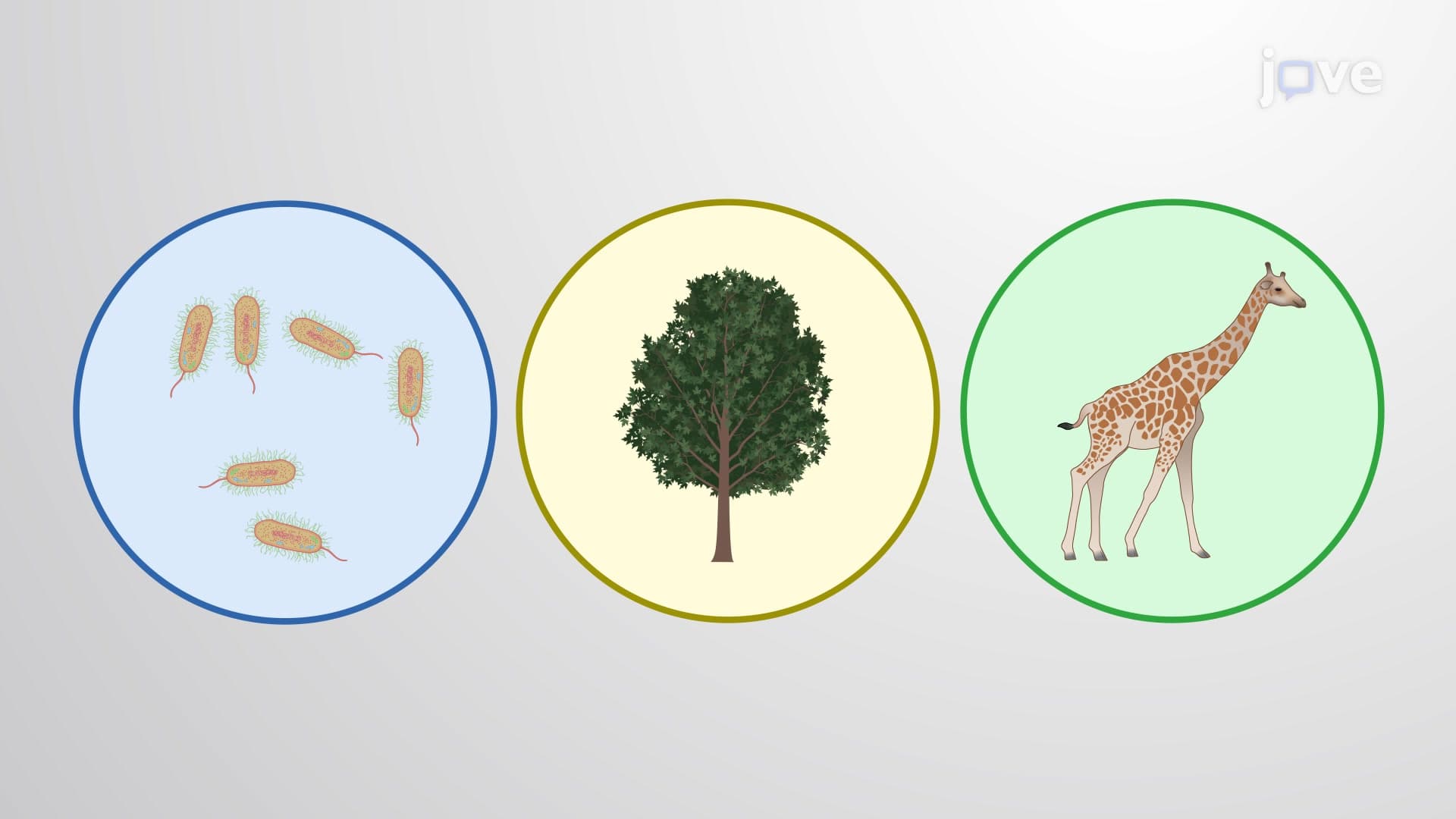
What are Cells?

00:00
01:15
Video Summary: What are Cells Structure Types and Functions
Did you know your body contains roughly 37 trillion cells, each smaller than the width of a human hair? Cell structure types functions form the foundation of all biological systems, from the bacteria in your gut microbiome to the specialized neurons firing in your brain right now. Consider how a single skin cell from a Stanford University research lab can be reprogrammed into any cell type in the human body. Watch the full video on JoVE Coach to master this concept with expert-led visuals and step-by-step explanations.
- Understand what are cells structure types and functions by distinguishing between prokaryotic and eukaryotic cellular organization
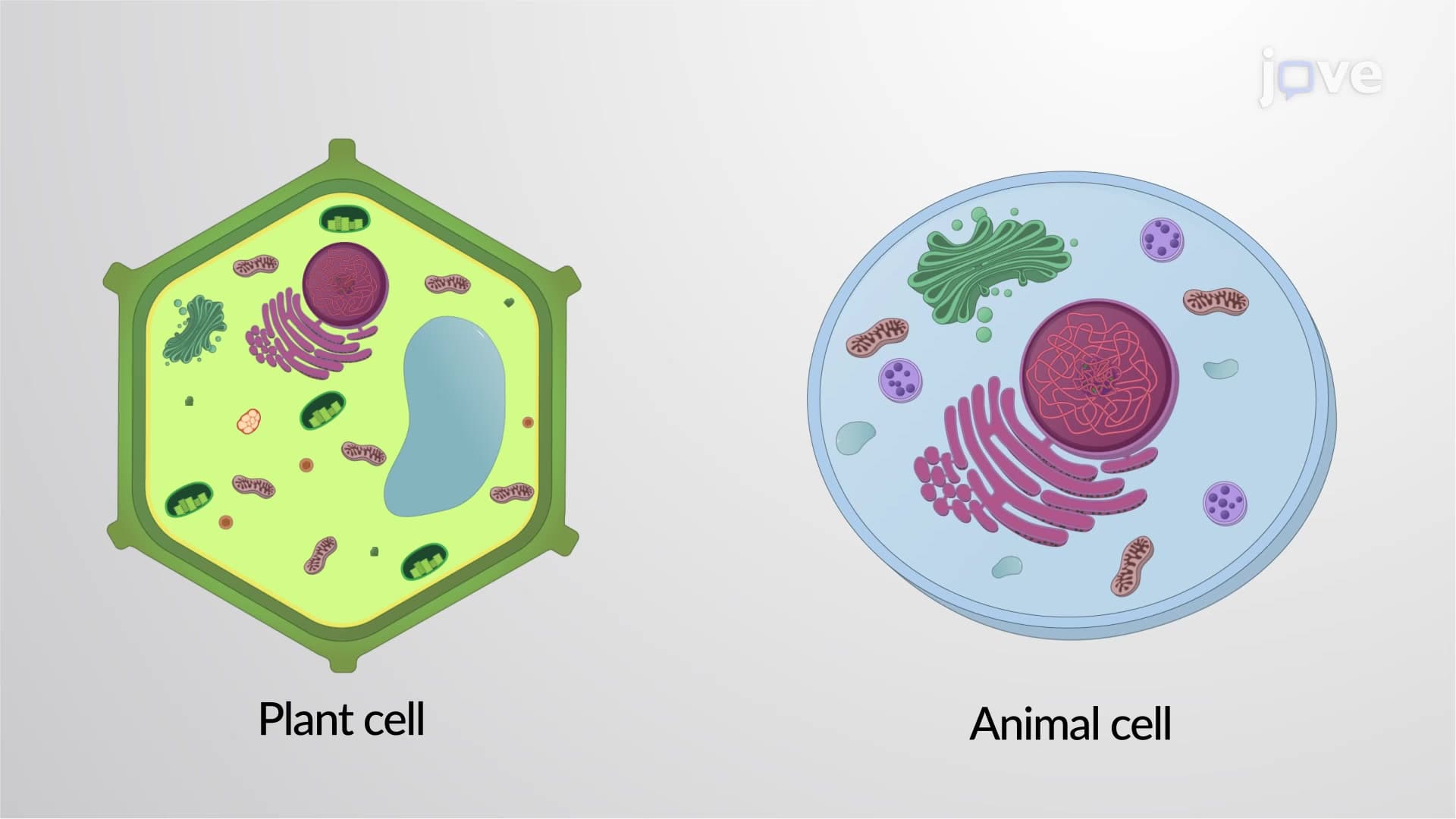
- Identify key structural differences between plant and animal cells, including organelle presence and membrane systems
- Compare prokaryotic eukaryotic cell characteristics and their evolutionary significance in biological diversity
- Analyze cell organelle function relationships and how compartmentalization enhances cellular efficiency
- Evaluate cell types biology through examples of specialized cells like neurons, muscle cells, and immune cells
- Apply cell structure overview knowledge to predict cellular responses in different environmental conditions
- Recognize biological cell function principles that govern metabolism, reproduction, and cellular communication
- Explore connections between cellular structure and organism-level functions across different life forms
Understanding What Are Cells Structure Types and Functions
Cells represent the fundamental organizational unit of life, serving as microscopic factories that power every biological process from photosynthesis in California redwoods to neural transmission in human brains. The cell structure types functions concept encompasses two primary cellular architectures that have shaped life's evolution over billions of years.
Prokaryotic Cells: Simple Yet Essential
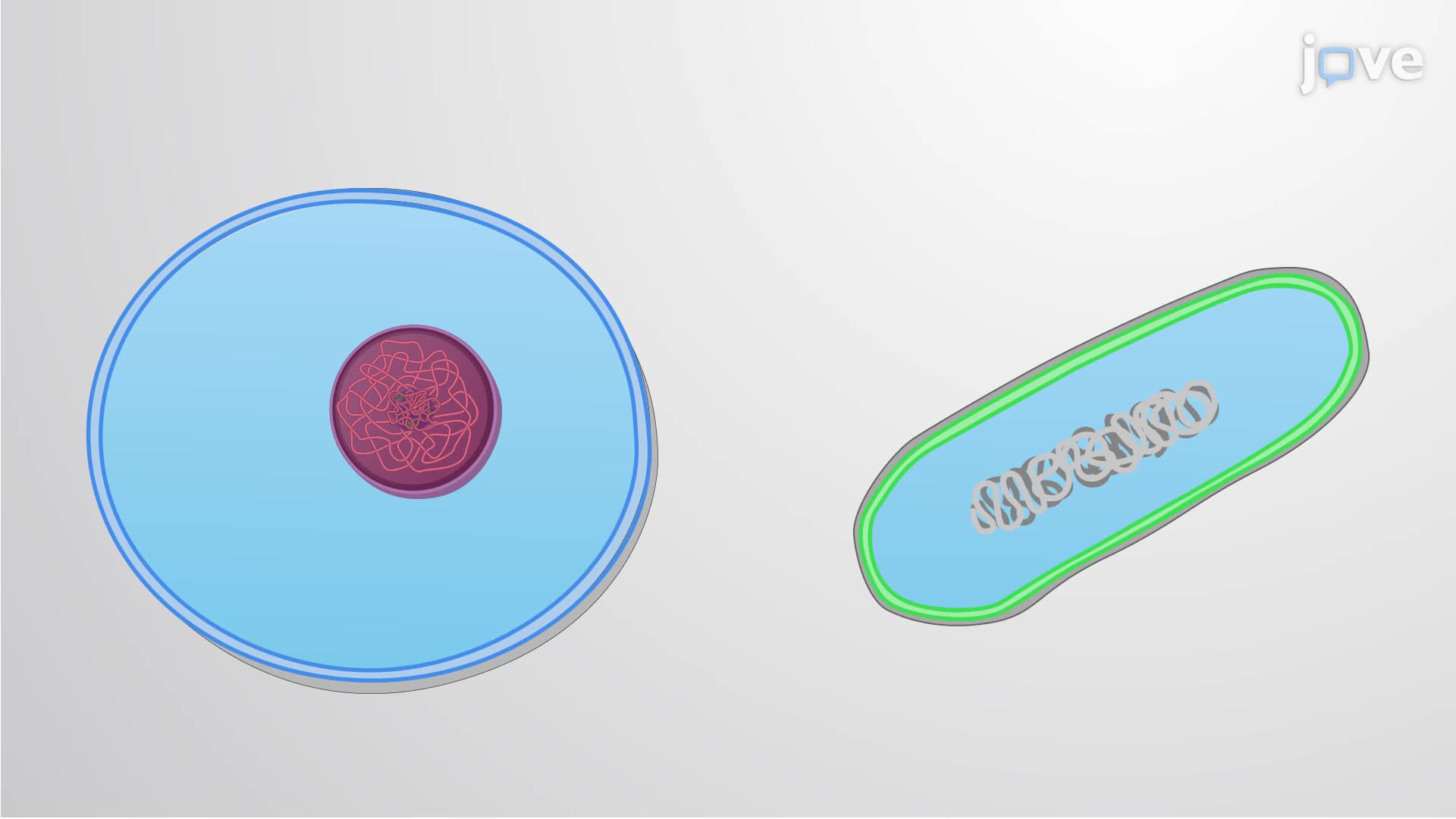
Prokaryotic eukaryotic cell distinctions begin with structural complexity. Prokaryotic cells, exemplified by bacteria like *E. coli* studied extensively at Harvard Medical School, lack membrane-bound organelles and maintain their genetic material in a nucleoid region. These seemingly simple structures accomplish remarkable feats-nitrogen-fixing bacteria in Midwest agricultural soils convert atmospheric nitrogen into forms plants can utilize, directly impacting American food production.
Despite their simplicity, prokaryotic cells demonstrate sophisticated cell organelle function through specialized regions. Ribosomes synthesize proteins, while the cell membrane regulates molecular transport. Students preparing for AP Biology exams should recognize that prokaryotic cells' efficiency stems from direct cytoplasmic reactions rather than compartmentalized processes.
Eukaryotic Cellular Complexity
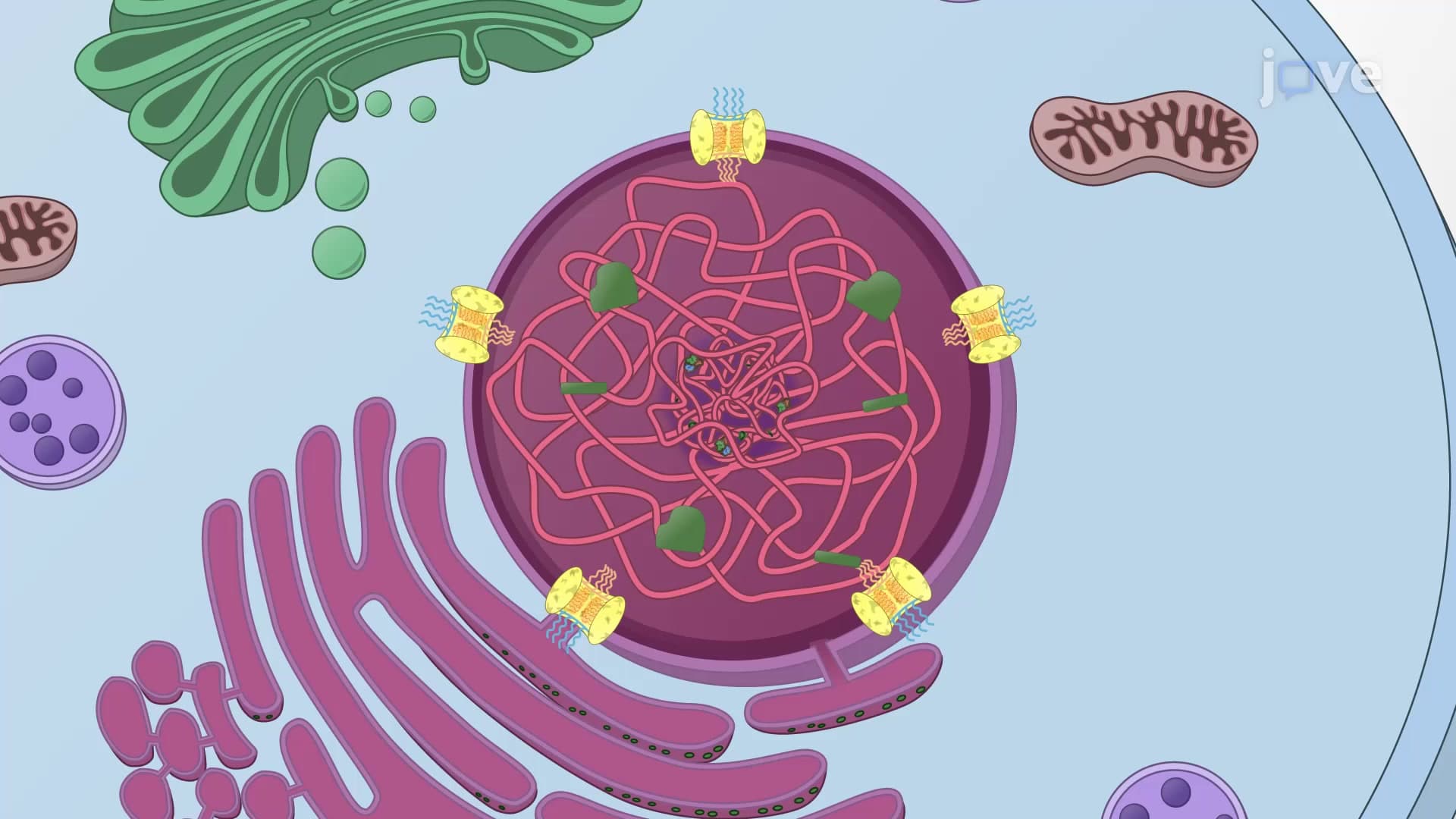
Eukaryotic cells showcase advanced biological cell function through membrane-bound organelles that create specialized microenvironments. The nucleus houses DNA within a protective envelope, while mitochondria-often called cellular powerhouses-generate ATP through oxidative phosphorylation. This compartmentalization allows simultaneous, specialized reactions that would be impossible in prokaryotic systems.
Cell types biology becomes particularly fascinating when examining eukaryotic diversity. Plant cells contain chloroplasts for photosynthesis, enabling organisms like giant sequoias in Yosemite National Park to convert sunlight into chemical energy. Animal cells lack chloroplasts but possess specialized structures like lysosomes for waste processing and centrioles for cell division organization.
Clinical and Research Applications
Understanding cell structure overview proves essential for medical applications studied in top US research institutions. Cancer research at MD Anderson Cancer Center relies heavily on cellular structure knowledge-malignant transformation often involves organelle dysfunction and membrane abnormalities. MCAT preparation emphasizes cellular transport mechanisms, as drug delivery systems must navigate cellular barriers effectively.
Students should recognize that cells explained biology extends beyond memorization to practical application. Whether analyzing bacterial infections in clinical microbiology or studying plant adaptations in ecology, cellular principles provide the foundation for advanced biological understanding essential for success in college-level coursework and professional healthcare programs.
Frequently Asked Questions
Cells are microscopic units that make up all living things, classified as either prokaryotic (simple, like bacteria) or eukaryotic (complex, like plant and animal cells). Prokaryotic cells have DNA floating freely, while eukaryotic cells have DNA enclosed in a nucleus with specialized compartments called organelles. Each cell type performs essential functions like energy production, waste removal, and reproduction to maintain life.
The MCAT frequently tests cellular transport mechanisms, organelle functions, and prokaryotic vs. eukaryotic differences through passage-based questions. AP Biology emphasizes cell membrane structure, organelle relationships, and cellular communication pathways. Expect questions comparing plant and animal cell features, analyzing experimental data about cellular processes, and connecting cellular dysfunction to disease states.
Focus on nucleus (DNA storage), mitochondria (energy production), endoplasmic reticulum (protein/lipid synthesis), Golgi apparatus (protein modification), lysosomes (waste processing), and ribosomes (protein synthesis). For plant cells, add chloroplasts (photosynthesis) and vacuoles (water storage). Understanding their functions matters more than just memorizing names-connect each organelle to its cellular role.
Hospital laboratories analyze cellular abnormalities to diagnose diseases-abnormal white blood cell counts indicate infections, while unusual cell shapes suggest genetic disorders. Cancer treatment targets cellular division processes, and antibiotic selection depends on understanding bacterial cell wall differences. Genetic counselors at major medical centers like Mayo Clinic use cellular knowledge to explain inherited conditions to patients.
Basic chemistry helps but isn't required initially-focus on understanding that cells use chemical reactions for energy and building materials. You'll naturally learn relevant chemistry concepts like pH, molecular interactions, and enzyme function as you study cellular processes. Most high school biology courses introduce necessary chemistry concepts alongside cell biology topics.
Create visual connections between structure and function-mitochondria's folded inner membrane increases surface area for energy production, while the rough endoplasmic reticulum's ribosomes enable protein synthesis. Use active recall with flashcards, draw and label cell diagrams from memory, and practice explaining cellular processes aloud. Connect new concepts to familiar examples like comparing cells to specialized rooms in a house.
Beyond chloroplasts and cell walls, plant cells have large central vacuoles for structural support and water regulation, while animal cells have smaller, multiple vacuoles. Plant cells lack centrioles but still undergo cell division through different mechanisms. Animal cells can change shape more easily due to flexible membranes, enabling processes like muscle contraction and immune cell movement that plants cannot perform.
Advance to cellular respiration and photosynthesis to understand energy conversion, then explore cell division (mitosis and meiosis) for reproduction concepts. Study cellular transport mechanisms like diffusion and active transport, followed by cell signaling pathways that enable cellular communication. These topics prepare you for advanced courses in biochemistry, molecular biology, and physiology.
Related Micro-courses

12 Concepts
22 Concepts
12 Concepts