Loading subject page…

- Cell Biology
- Cells, Genomes, and Evolution
- Prokaryotic Cells
Micro-course: Cells, Genomes, and Evolution
336,523 views
Learn key concepts and earn your certificate.
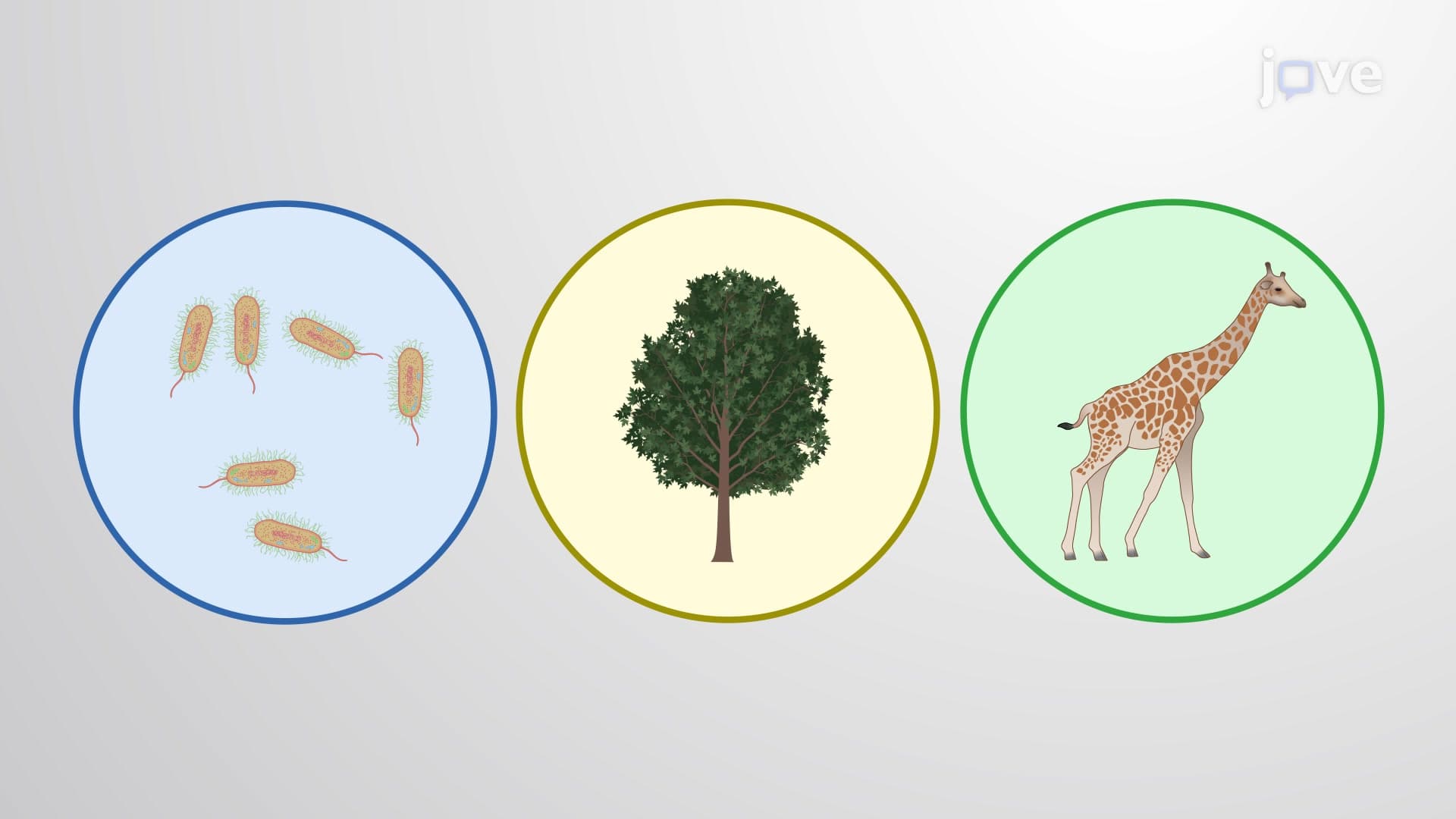

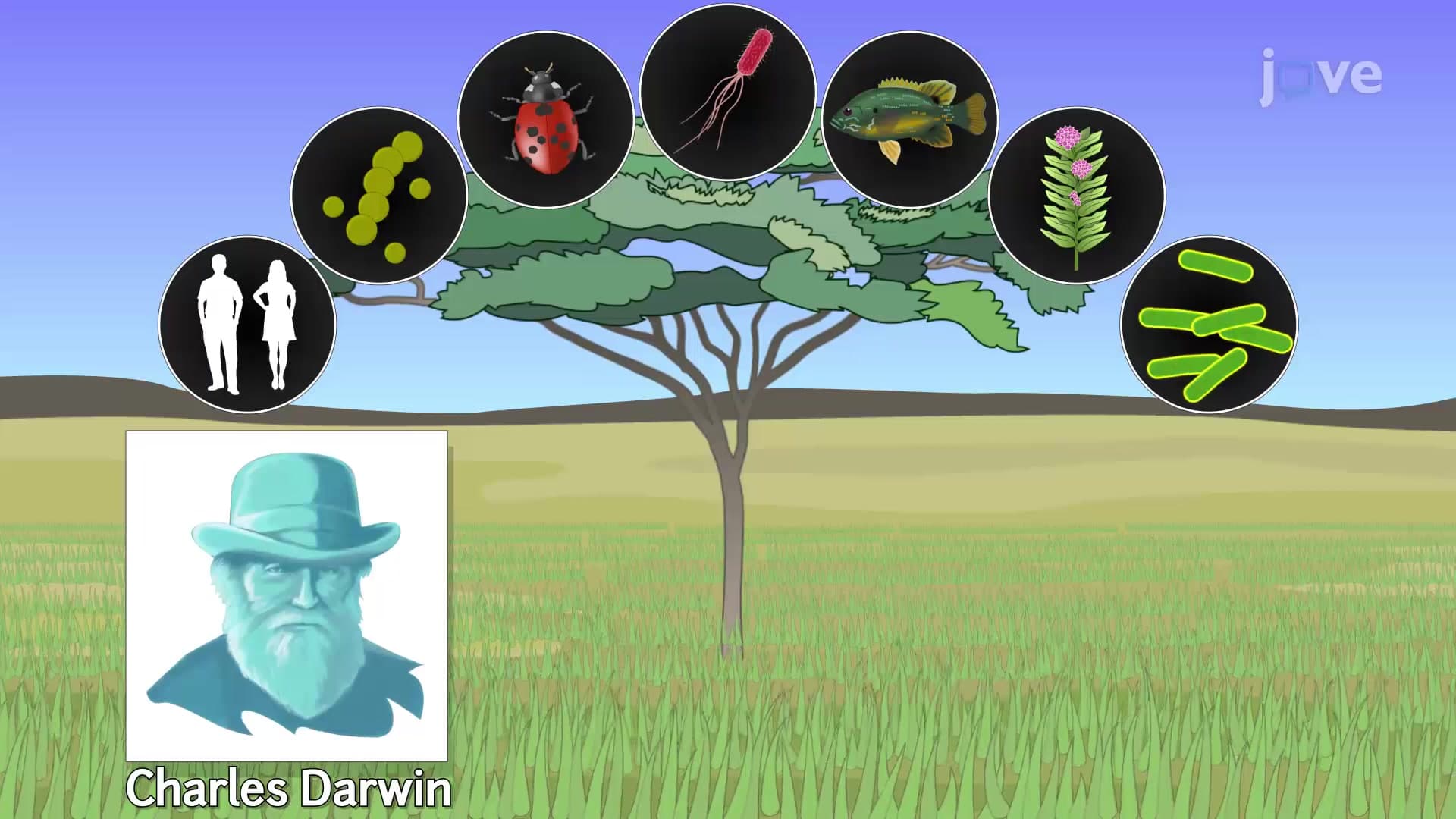
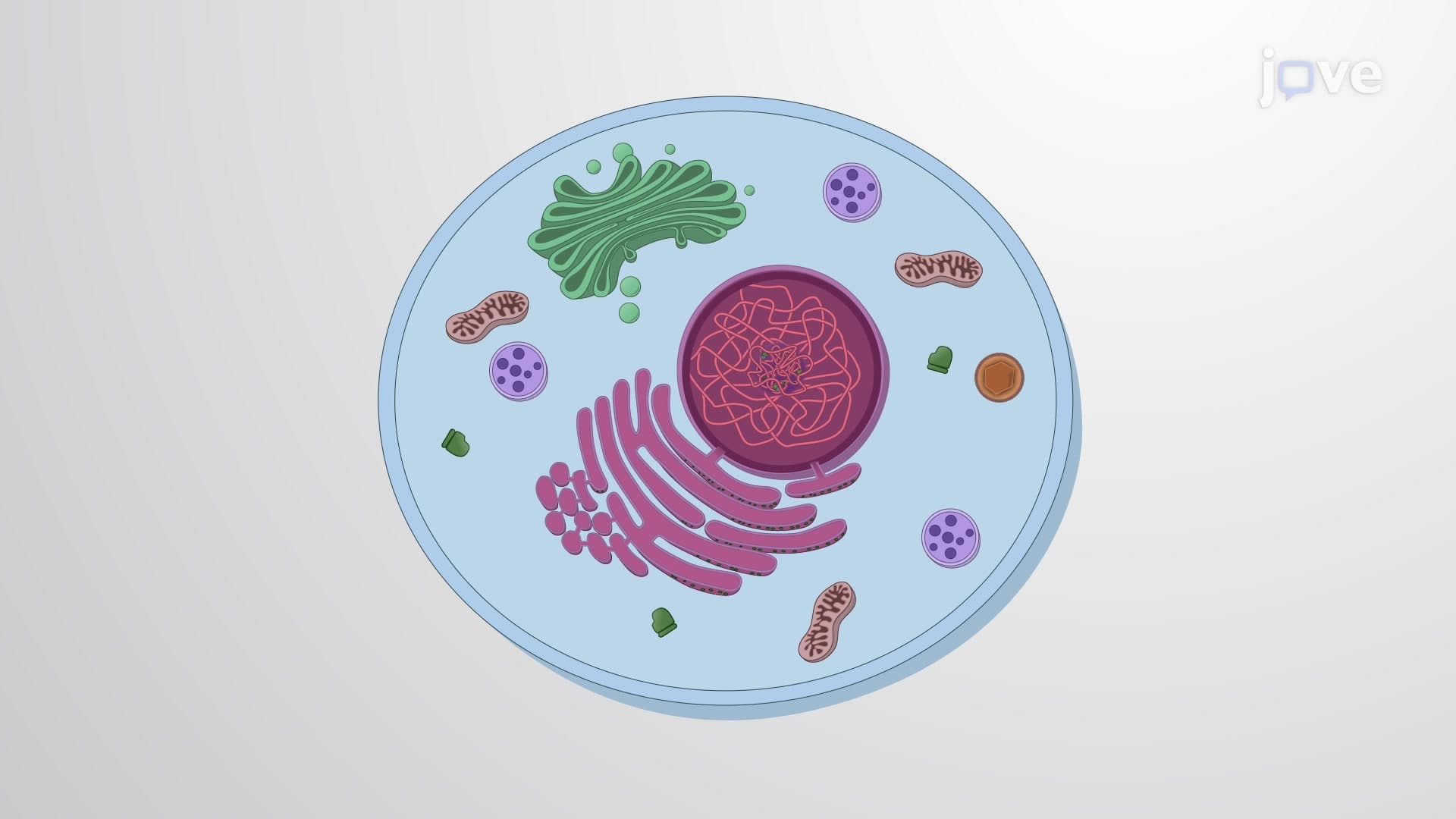
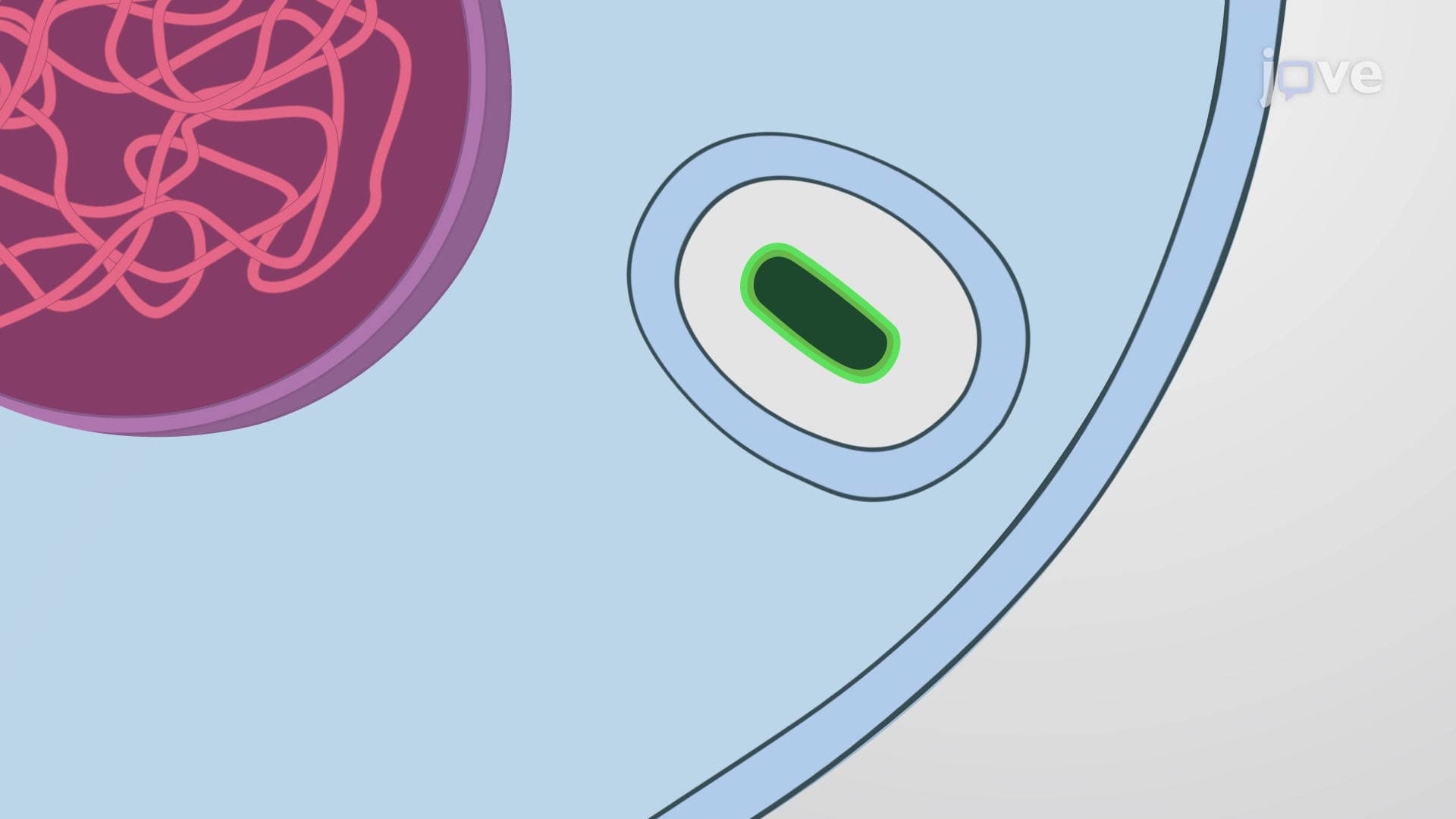

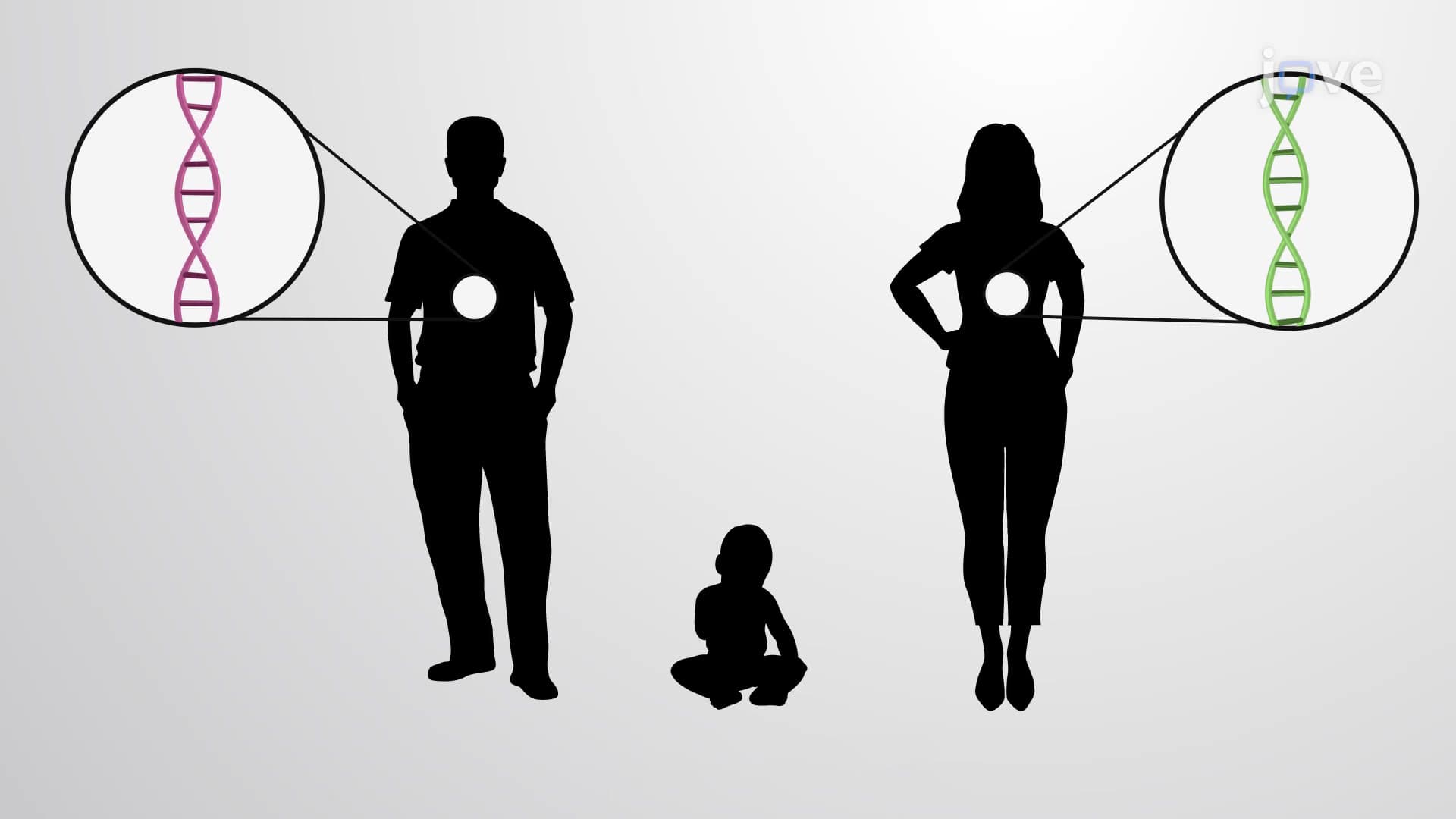
Prokaryotic Cells

00:00
01:28
Video Summary: What are Prokaryotic Cells
Did you know that E. coli bacteria in your gut can reproduce every 20 minutes? Prokaryotic cells biology explained reveals how these remarkable organisms, including bacteria and archaea, function without membrane-bound organelles like the nucleus found in human cells. Consider how Streptococcus bacteria cause strep throat infections across millions of Americans annually-their success stems from unique prokaryotic features like protective cell walls and rapid DNA replication. What are Prokaryotic Cells encompasses understanding these fundamental life forms that dominate Earth's ecosystems. Watch the full video on JoVE Coach to master this concept with expert-led visuals and step-by-step explanations.
- Understand what are prokaryotic cells and distinguish them from eukaryotic cells based on internal organization and structural features
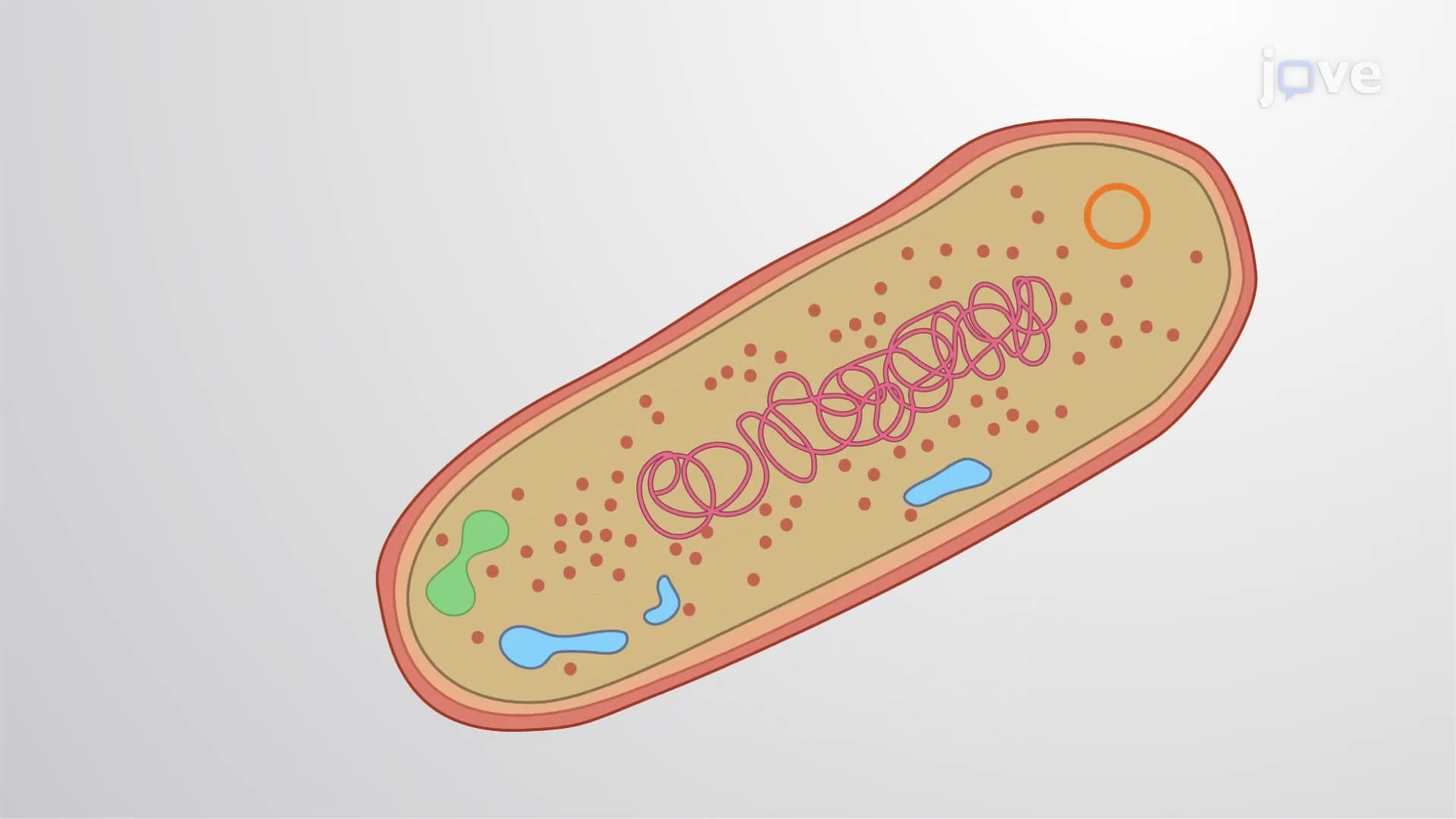
- Identify the major components of bacterial cell structure, including plasma membrane, cell wall, nucleoid region, and plasmids
- Analyze the function of peptidoglycan in bacterial cell walls and how it maintains cell shape and osmotic pressure
- Compare prokaryotic DNA organization with eukaryotic DNA, focusing on nucleoid regions and plasmid independence
- Evaluate the protective mechanisms bacteria use, such as capsules and cell walls, for survival in harsh environments
- Apply knowledge of prokaryotic features to explain antibiotic resistance mechanisms and bacterial reproduction strategies
- Recognize specialized prokaryotic organelles like carboxysomes in cyanobacteria and their role in photosynthesis
- Explore the diversity between archaea and bacteria as the two major prokaryotic domains
Understanding What are Prokaryotic Cells: Fundamental Organization
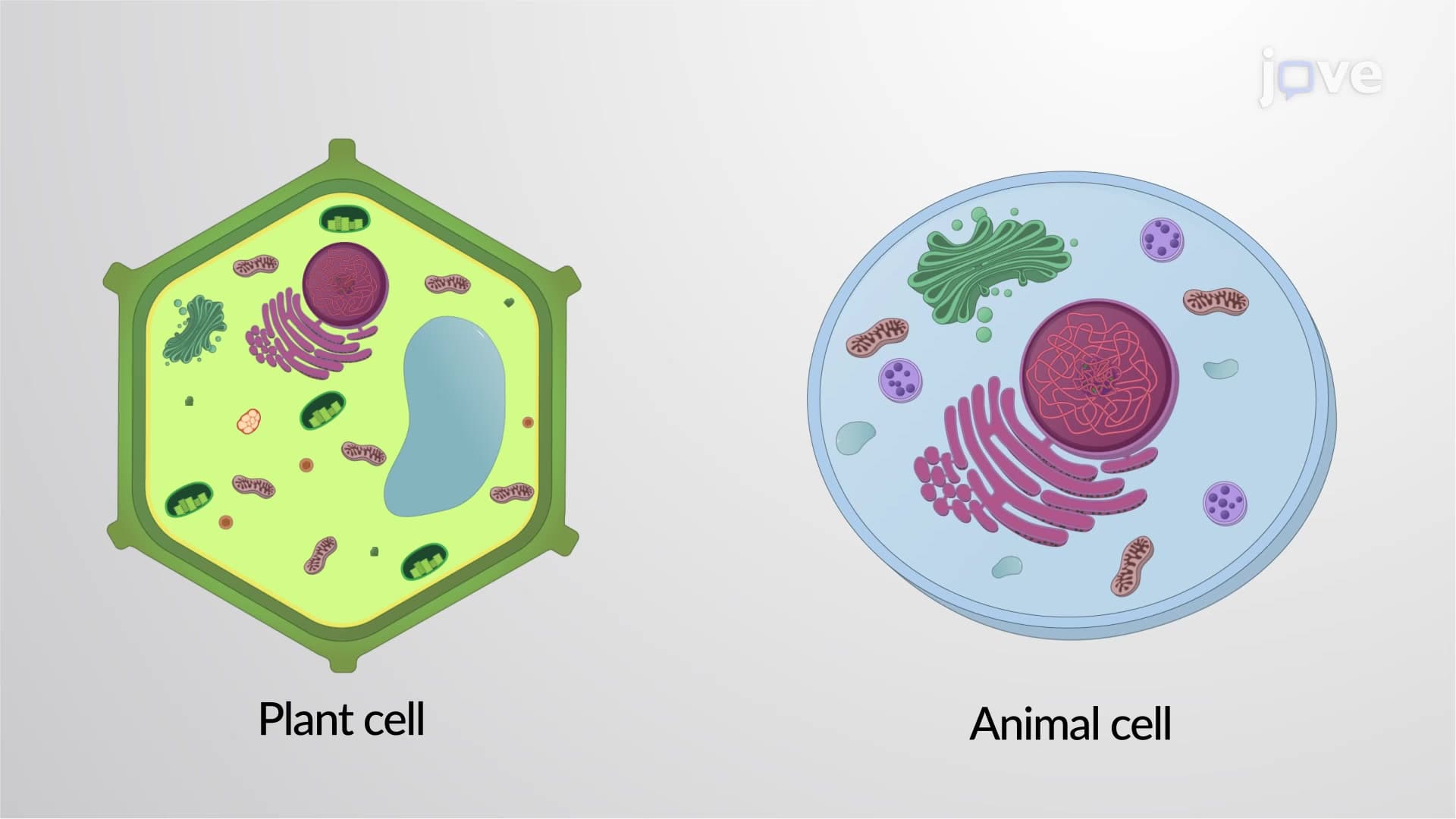
Prokaryotic cells biology explained begins with recognizing that these organisms represent life's most ancient and successful form. Unlike the complex compartmentalization seen in plant and animal cells, prokaryotes organize their cellular machinery in a remarkably efficient, streamlined manner. The term "prokaryotic" literally means "before nucleus," reflecting their evolutionary precedence and structural simplicity.
Bacteria prokaryote cell biology demonstrates how these organisms thrive despite-or perhaps because of-their apparent simplicity. Consider Escherichia coli, the model organism used in countless American university laboratories from MIT to Stanford. These bacteria can complete their entire life cycle in optimal conditions within 20 minutes, a feat impossible for complex eukaryotic cells that require hours for division.
Prokaryote No Nucleus: DNA Organization Without Boundaries
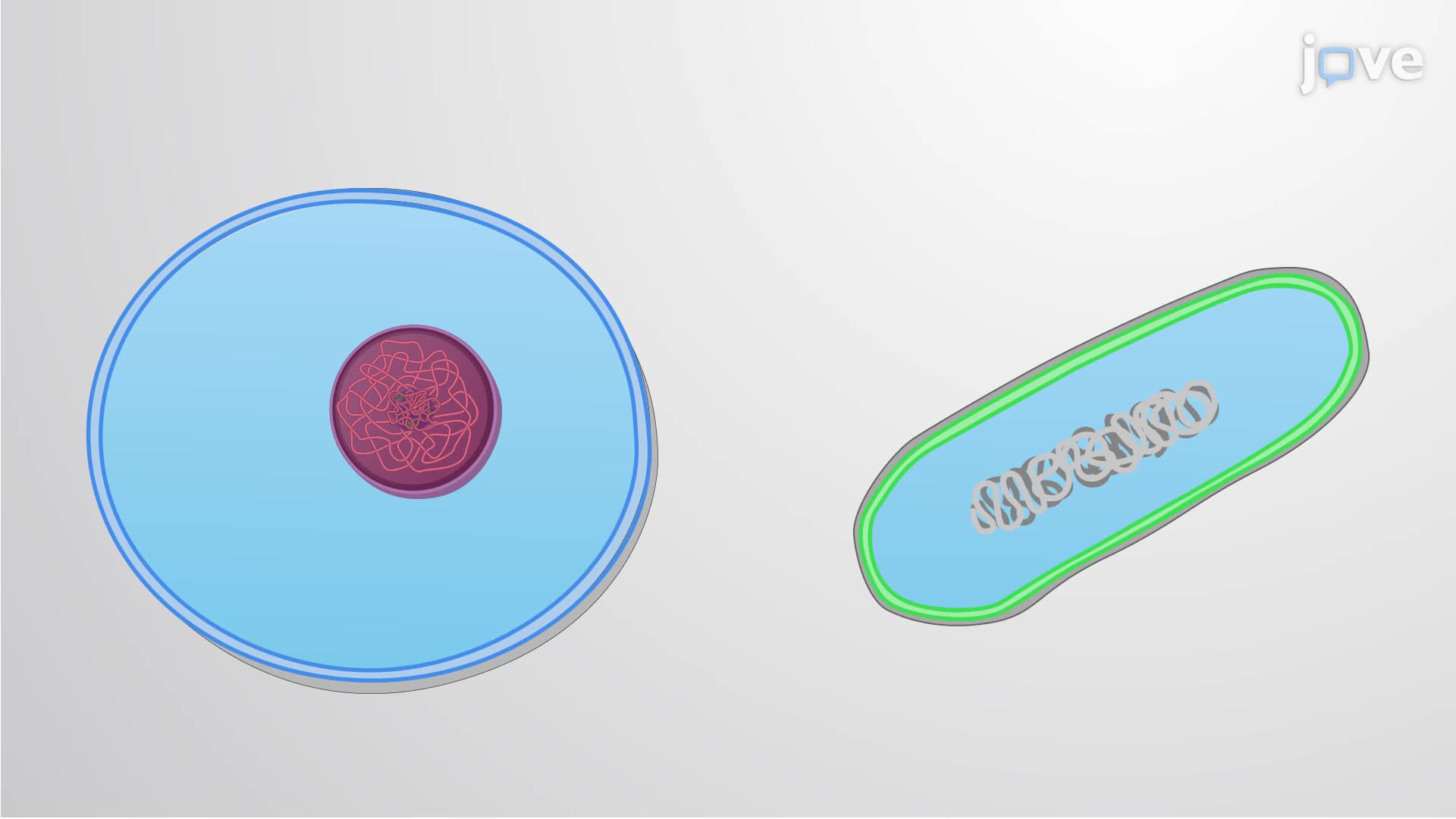
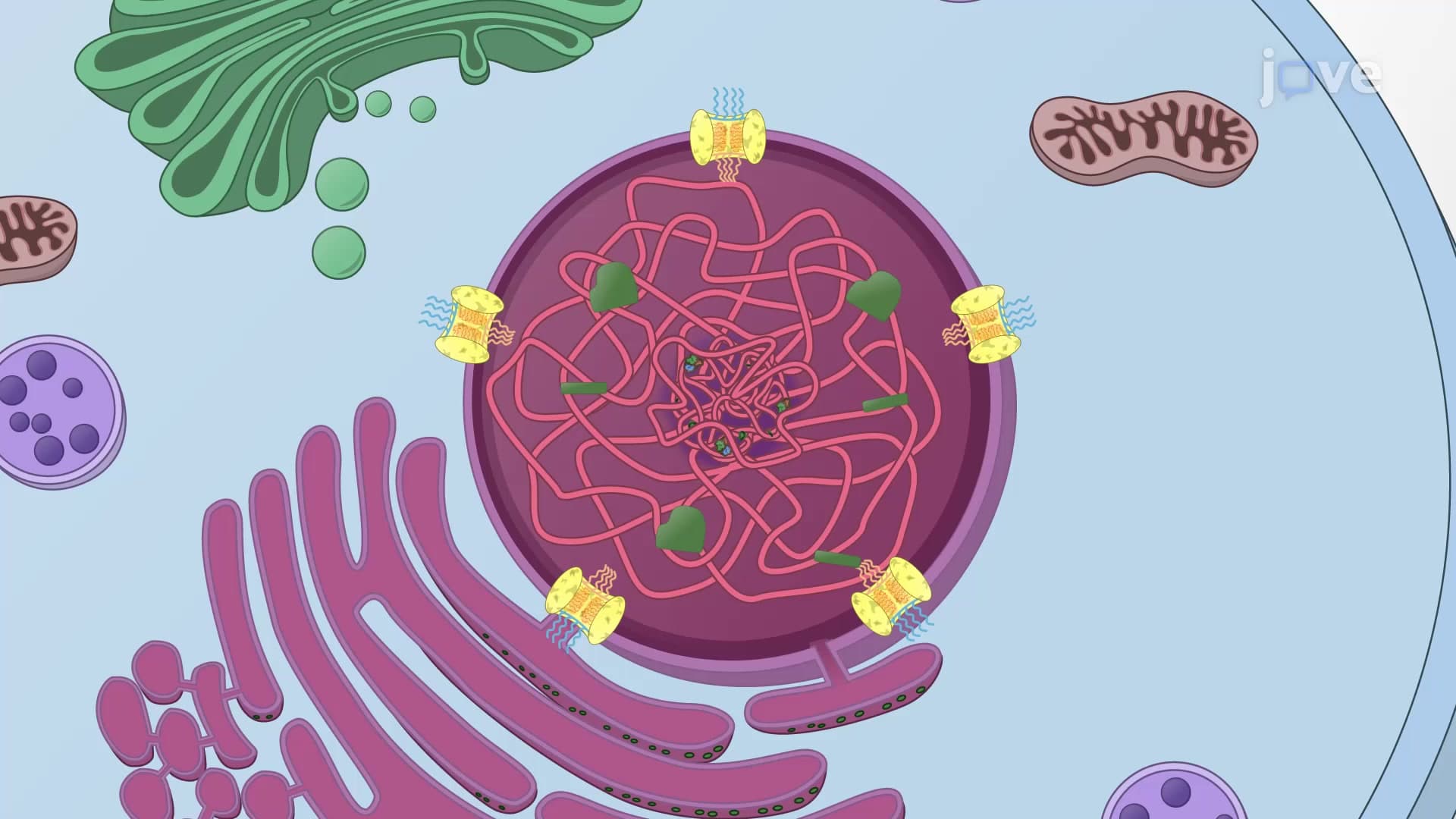
The nucleoid region represents one of prokaryotes' most distinctive features. Rather than confining DNA within a membrane-bound nucleus, prokaryotic genetic material floats freely in the cytoplasm, clustered in this central zone. This arrangement allows immediate access between DNA and the cellular machinery needed for transcription and translation-a significant advantage for rapid response to environmental changes.
Plasmids add another layer of genetic flexibility. These circular DNA molecules replicate independently of chromosomal DNA, often carrying genes for antibiotic resistance. This explains why MRSA (Methicillin-resistant Staphylococcus aureus) infections challenge American hospitals-bacteria can rapidly share resistance genes through plasmid transfer.
Bacterial Cell Wall Structure: Protection and Shape Maintenance
Bacterial cell wall structure provides crucial insights for medical applications. Peptidoglycan, the primary cell wall component, consists of alternating sugar molecules cross-linked by amino acid chains. This creates a mesh-like structure that prevents bacterial cells from bursting due to osmotic pressure-similar to how a balloon's material prevents over-inflation.
Understanding peptidoglycan structure proved essential for antibiotic development. Penicillin, discovered at Oxford but developed primarily in American laboratories during World War II, specifically targets peptidoglycan synthesis. This knowledge appears frequently on MCAT biology sections and AP Biology exams, where students must explain how antibiotics selectively target prokaryotic cells without harming human cells.
Specialized Prokaryotic Adaptations
Prokaryotic cell feature diversity extends beyond basic structure. Cyanobacteria, responsible for much of Earth's oxygen production, contain specialized compartments called carboxysomes that concentrate carbon dioxide for efficient photosynthesis. Thylakoids in these organisms harvest light energy, demonstrating that prokaryotes can perform complex biochemical processes without traditional organelles.
Flagella pili prokaryote structures enable motility and attachment. Bacterial flagella rotate like tiny motors, propelling cells toward nutrients or away from toxins. Pili allow bacteria to adhere to surfaces-explaining how Streptococcus mutans attaches to tooth enamel, causing dental cavities that affect over 90% of American adults.
Frequently Asked Questions
A prokaryotic cell is a simple organism lacking membrane-bound organelles, with genetic material freely floating in the cytoplasm rather than enclosed in a nucleus. Unlike eukaryotic cells (plants, animals, fungi), prokaryotes include only bacteria and archaea, organizing their cellular components without internal compartmentalization. This structural difference allows prokaryotes to reproduce rapidly and adapt quickly to environmental changes.
Key prokaryotic features for AP Biology include: absence of membrane-bound nucleus (nucleoid region instead), peptidoglycan cell walls, plasmids for extra genetic material, ribosomes for protein synthesis, and protective capsules in some species. Focus on comparing these structures with eukaryotic equivalents and understanding how each component contributes to bacterial survival and reproduction.
MCAT questions frequently test prokaryotic cell organization, antibiotic mechanisms, and evolutionary relationships between prokaryotes and eukaryotes. Emphasize understanding how peptidoglycan structure makes bacteria vulnerable to specific antibiotics, plasmid-mediated antibiotic resistance, and the endosymbiotic theory explaining eukaryotic organelle evolution from prokaryotic ancestors.
Prokaryotic cells receive extensive coverage in introductory biology (Bio 101/102), microbiology, cell biology, and molecular biology courses at most American universities. Medical school prerequisites often include detailed prokaryotic study, particularly regarding pathogenic bacteria, antibiotic resistance mechanisms, and bacterial genetics relevant to clinical medicine.
Prokaryotic understanding proves crucial for addressing antibiotic-resistant infections in American hospitals, developing new antimicrobial treatments, and managing bacterial contamination in food safety. Environmental applications include using bacteria for bioremediation of contaminated sites, wastewater treatment in municipal systems, and understanding gut microbiome roles in human health.
Prokaryotic cell biology builds naturally on basic chemistry and introductory biology concepts, making it accessible to high school students with standard science prerequisites. The key is understanding how structure relates to function-once you grasp why bacteria need cell walls and how DNA organization affects gene expression, more complex topics become manageable.
Create comparison charts between prokaryotic and eukaryotic features, practice drawing labeled bacterial cells from memory, and use clinical examples to remember antibiotic mechanisms. Focus on understanding processes rather than memorizing isolated facts-this approach proves especially effective for MCAT passages that test application rather than recall.
Natural progression includes eukaryotic cell organization, cell membrane transport mechanisms, bacterial genetics and gene regulation, and the endosymbiotic theory of eukaryotic evolution. These topics build directly on prokaryotic foundations while expanding understanding of cellular complexity and evolutionary relationships.
Related Micro-courses

12 Concepts
22 Concepts
12 Concepts