Loading subject page…


336,525 views

Video Summary: What are Types of Genetic Transfer
Ever wonder how bacteria develop antibiotic resistance so quickly across different species? The types of genetic transfer explain this phenomenon through three main horizontal mechanisms: transformation, transduction, and conjugation. These processes allow organisms to exchange genetic material beyond traditional parent-to-offspring inheritance, enabling rapid adaptation and evolution. A prime example is how MRSA bacteria in US hospitals spread resistance genes through conjugation, creating "superbug" infections. Understanding what are types of genetic transfer is fundamental to grasping microbial evolution and biotechnology applications. Watch the full video on JoVE Coach to master this concept with expert-led visuals and step-by-step explanations.
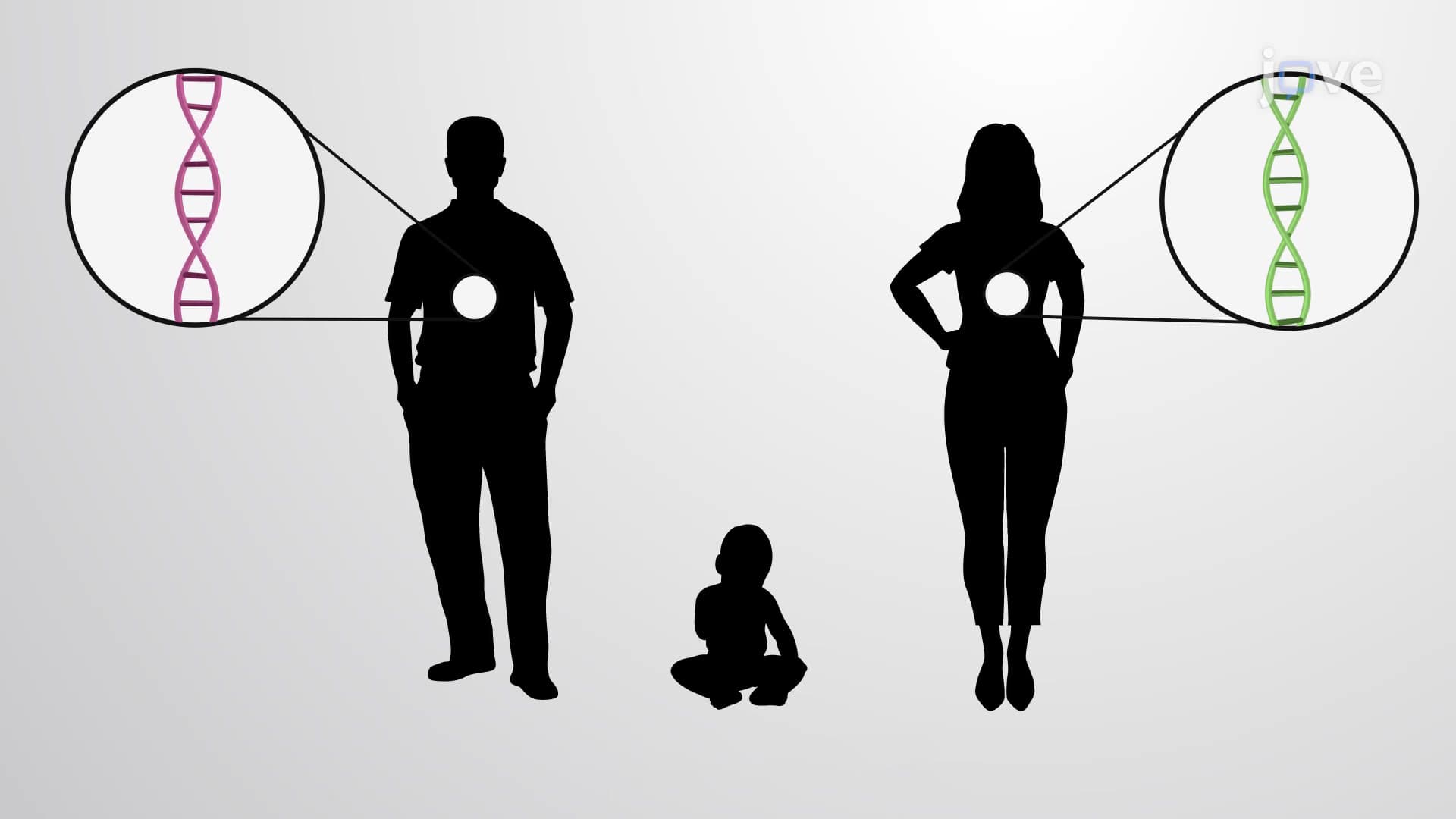
Types of genetic transfer represent the various mechanisms by which organisms exchange genetic material, fundamentally shaping evolution and adaptation. While vertical gene transfer follows the traditional parent-to-offspring pathway, horizontal gene transfer (HGT) allows genetic material to move between organisms of the same generation or even different species. This concept is crucial for AP Biology students and appears frequently on college microbiology exams, particularly when discussing bacterial genetics and evolution.
Transformation occurs when bacteria uptake free DNA from their environment, typically from lysed cells. This process requires competent cells-bacteria capable of taking up external DNA through specialized membrane proteins. Frederick Griffith's famous pneumonia experiments in the 1920s first demonstrated transformation, leading to the discovery that DNA carries genetic information. Modern applications include genetic engineering techniques used by biotechnology companies like Genentech and Amgen.
Transduction involves bacteriophages (viruses that infect bacteria) acting as vectors for genetic transfer. During viral replication, phages can accidentally package bacterial DNA instead of viral DNA, transferring it to new bacterial hosts during subsequent infections. This mechanism is essential in molecular biology laboratories across US universities and pharmaceutical companies for creating recombinant DNA.
Conjugation requires direct physical contact between bacterial cells through specialized structures called pili. The donor cell transfers genetic material, often in the form of plasmids, to the recipient cell. This process is particularly significant in clinical settings, as it's the primary mechanism by which antibiotic resistance spreads among bacterial populations in US hospitals.
Understanding types of genetic transfer biology explained is vital for addressing modern medical challenges. The CDC reports that conjugation-mediated resistance transfer contributes significantly to the 2.8 million antibiotic-resistant infections occurring annually in the United States. Conversely, these same mechanisms enable revolutionary treatments-gene therapy clinical trials at institutions like the NIH use modified viral vectors (similar to transduction) to deliver therapeutic genes to patients with genetic disorders.
For students preparing for the MCAT or AP Biology exams, focus on distinguishing between the three HGT mechanisms and their specific requirements, as comparative questions frequently appear on standardized tests.
Related Micro-courses