Loading subject page…

Micro-course: Cells, Genomes, and Evolution
336,523 views
Learn key concepts and earn your certificate.


Cytoplasm

00:00
01:24
Video Summary: What Is Cytoplasm
Ever wondered what makes up most of a cell's interior space? Cytoplasm explained biology reveals this gel-like substance as the bustling cellular highway where life's essential processes unfold. Just like how New York City's streets connect neighborhoods and enable commerce, cytoplasm connects cellular components and facilitates vital functions. What is cytoplasm becomes clear when you understand it as the organized aqueous matrix containing everything from protein-building machinery to energy-producing organelles. Watch the full video on JoVE Coach to master this concept with expert-led visuals and step-by-step explanations.
- Understand what is cytoplasm and distinguish its composition in prokaryotic versus eukaryotic cells
- Identify the key components of cytoplasm including cytosol, organelles, and cytoskeletal structures
- Analyze how cytoplasm's aqueous nature facilitates protein folding and cellular metabolism
- Compare cytoplasmic organization between different cell types and their functional implications
- Evaluate the role of cytoplasm in intracellular transport and maintaining cellular structure
- Apply knowledge of cytoplasmic functions to understand disease processes and cellular responses
- Recognize how cytoplasmic inclusions like glycogen serve as metabolic storage systems
- Explore the relationship between cytoplasm composition and specialized cellular functions
Understanding What is Cytoplasm: The Cellular Foundation
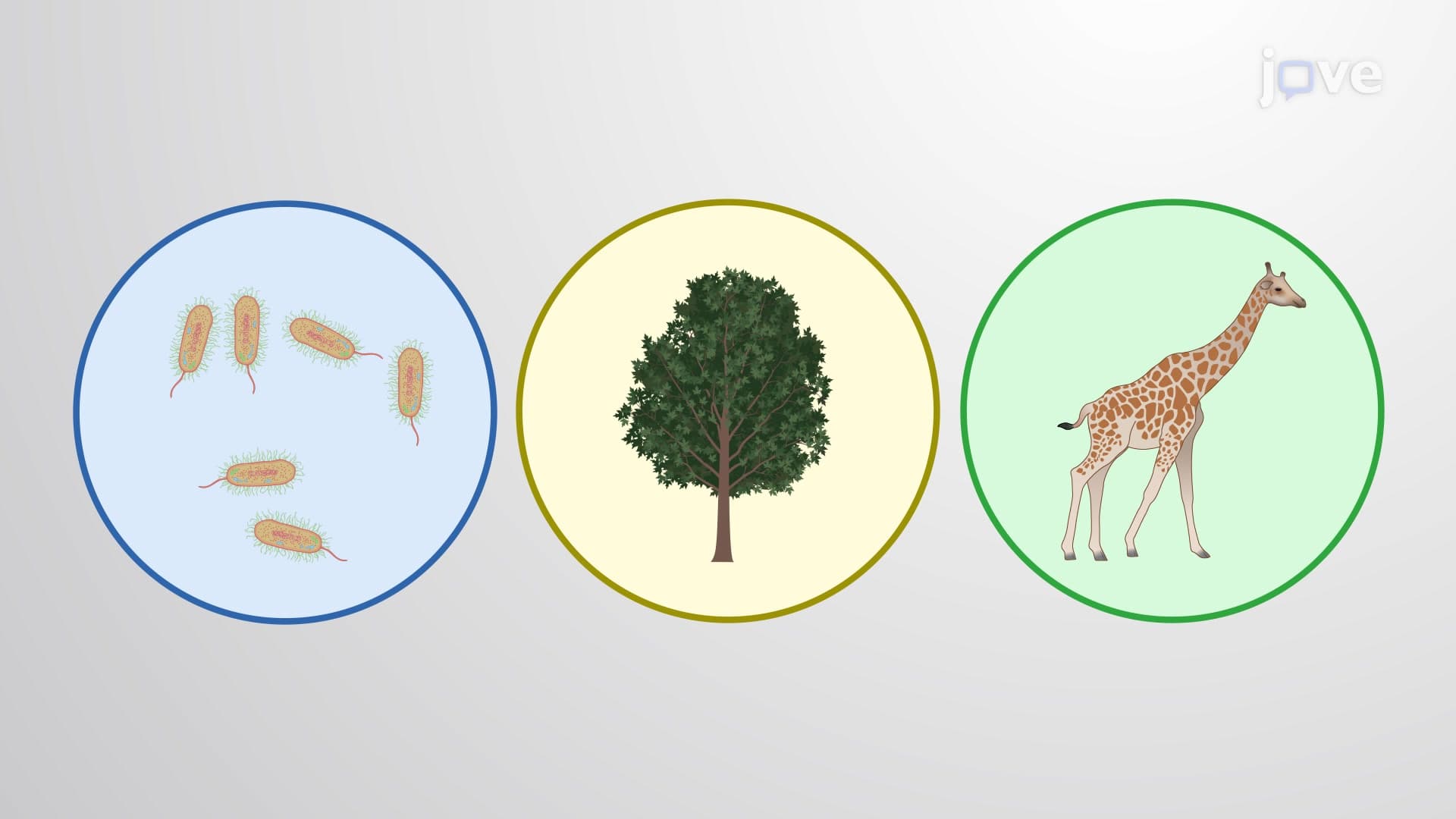
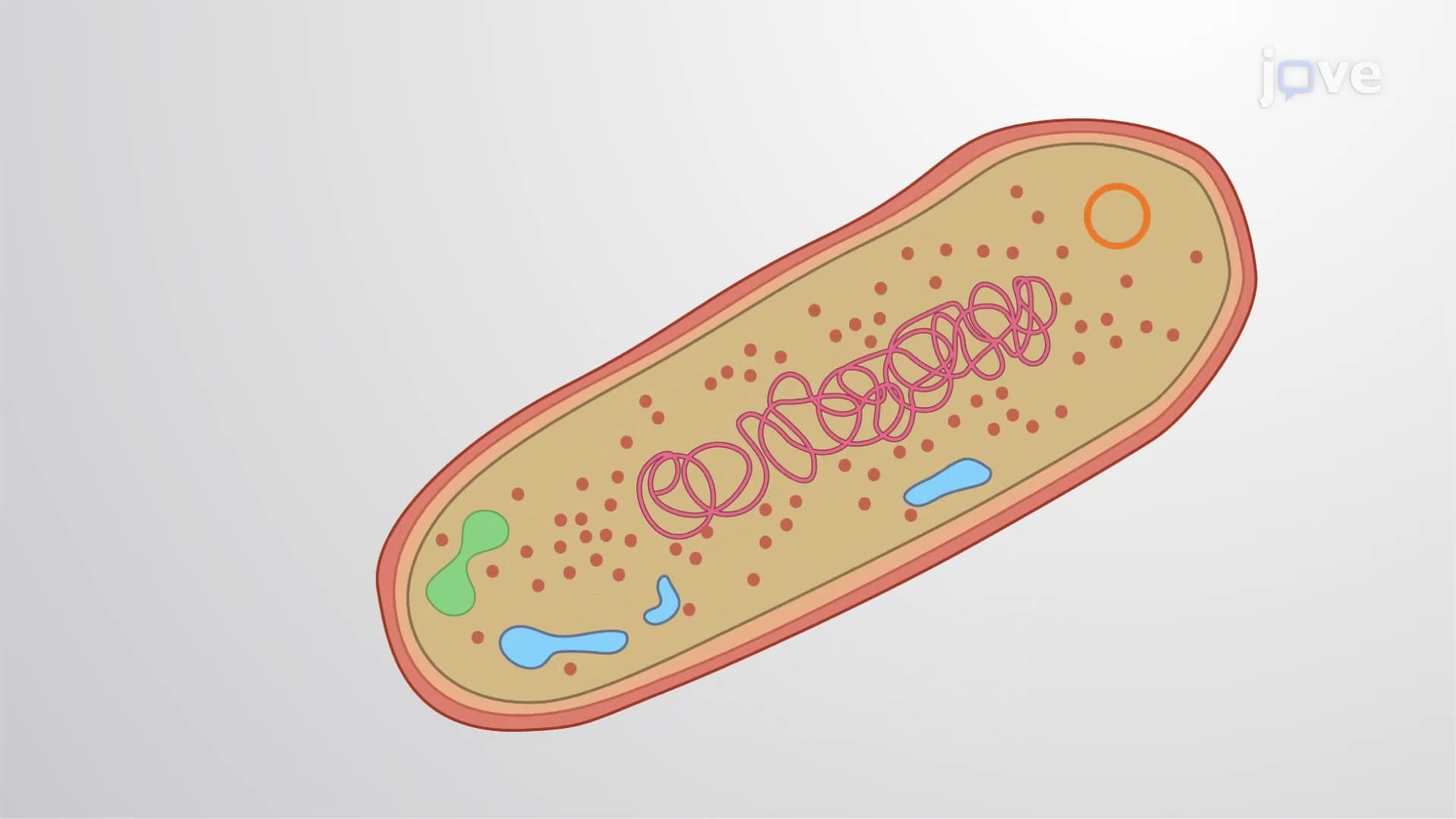
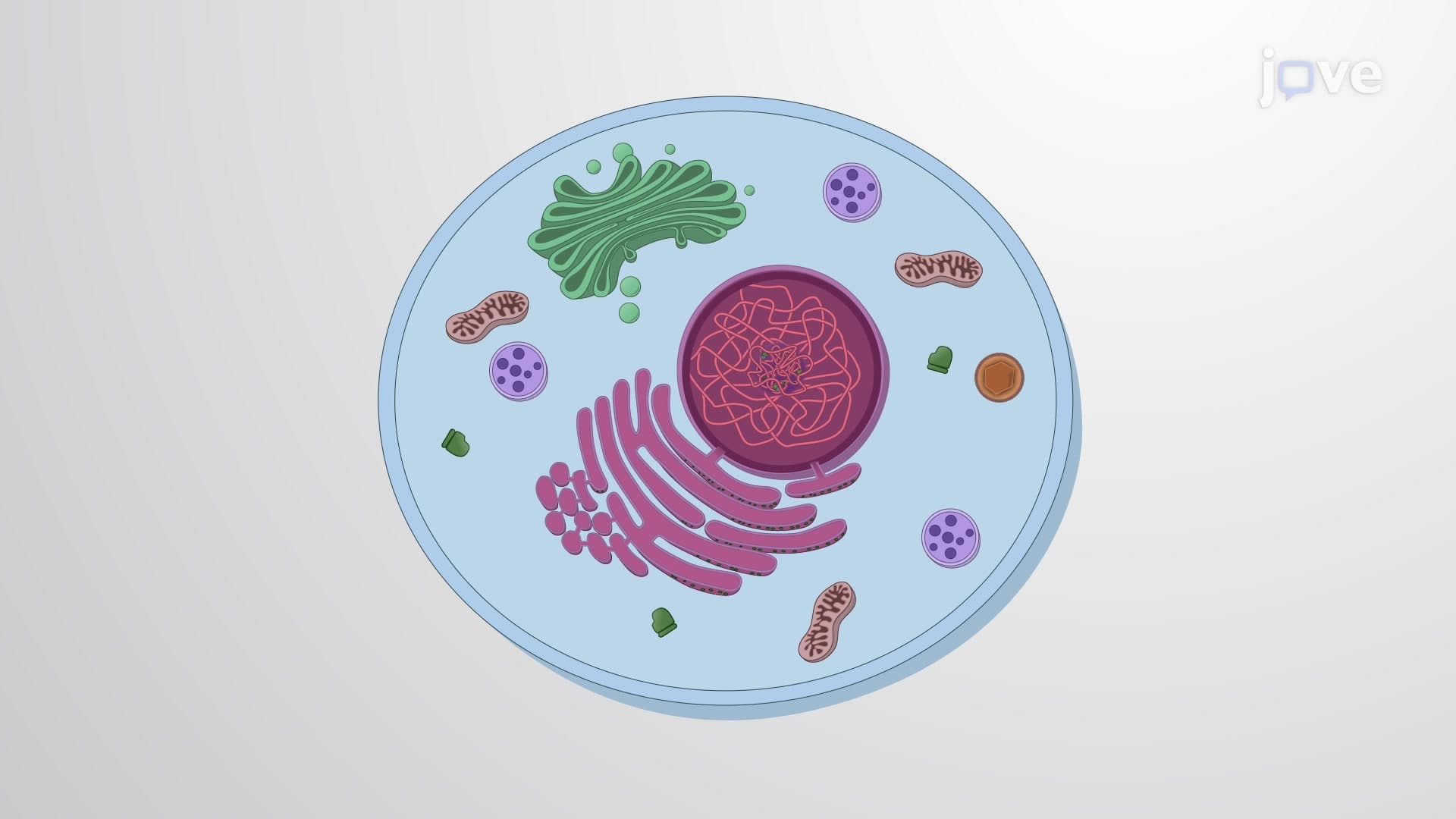
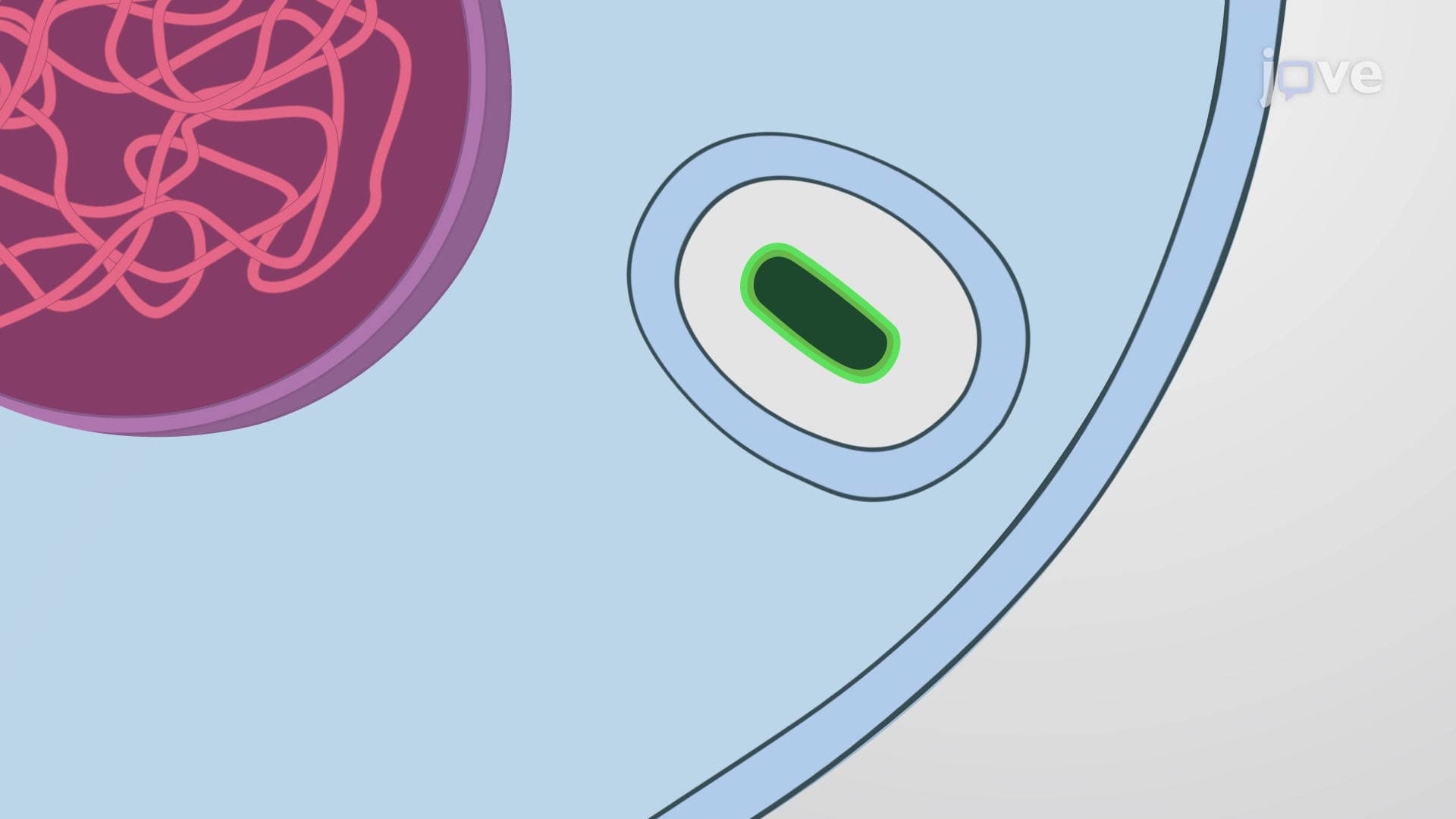
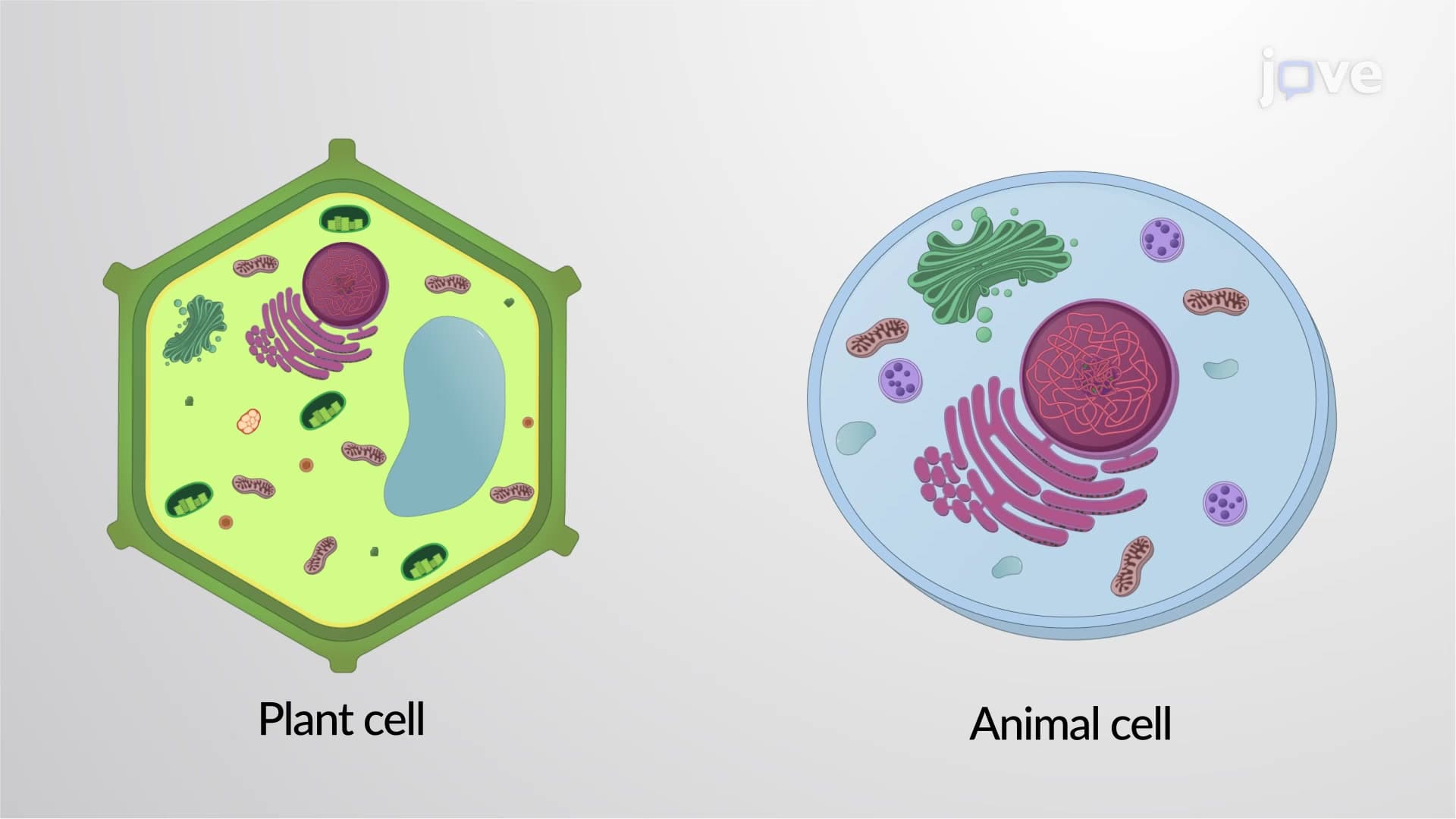
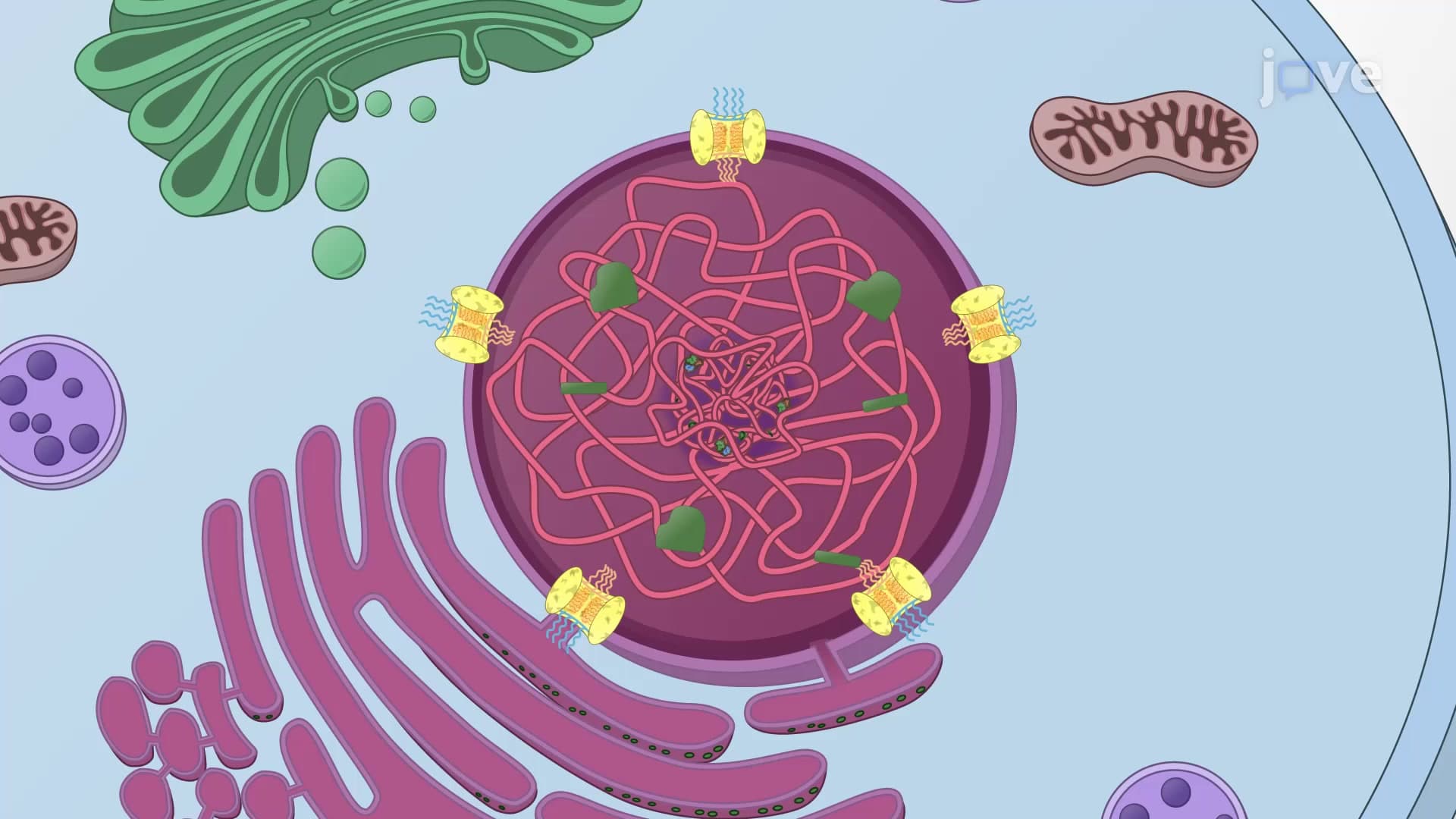
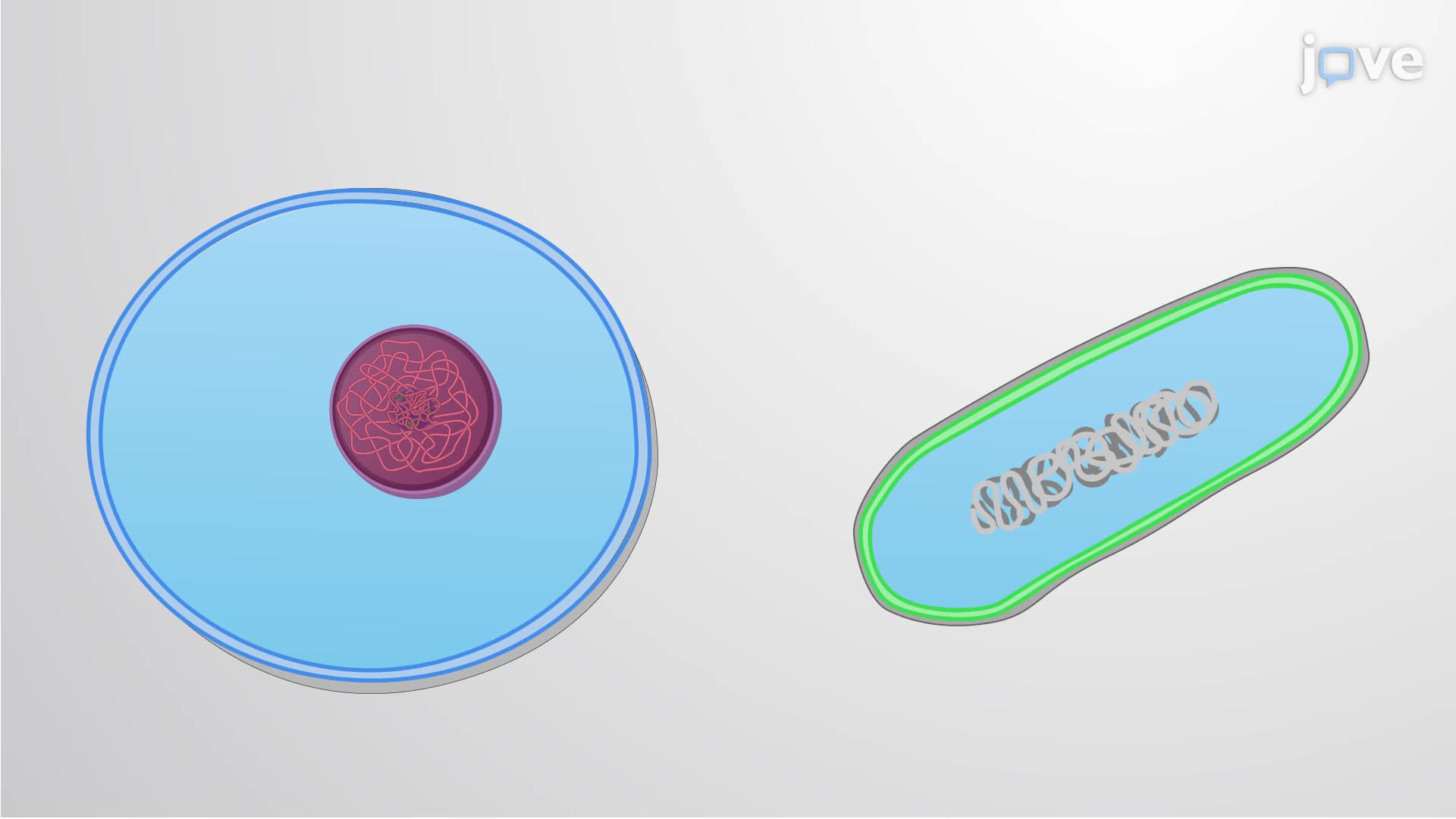
Cytoplasm definition and function encompasses far more than just cellular "filler material." This complex, organized environment represents the operational headquarters where most cellular activities occur. In prokaryotic cells like *E. coli* bacteria, cytoplasm includes everything within the plasma membrane since no nucleus exists. However, in eukaryotic cells-from human liver cells to plant root cells-cytoplasm specifically refers to the region between the plasma membrane and nuclear envelope.
Cytosol: The Aqueous Matrix of Life
The foundation of cytoplasm cell function lies in cytosol, a gel-like aqueous solution comprising approximately 70% water. This isn't simply cellular "soup"-cytosol contains precisely regulated concentrations of ions like potassium and sodium, small molecules including glucose and amino acids, and macromolecules such as enzymes and structural proteins. The aqueous nature proves crucial for protein folding, as water molecules repel hydrophobic amino acid side chains, forcing them into protein cores and ensuring proper three-dimensional structure formation.
Organelles and Cytoplasmic Organization
Cytosol organelles cytoplasm work together as an integrated system in eukaryotic cells. Mitochondria generate ATP for energy, endoplasmic reticulum synthesizes proteins and lipids, while Golgi apparatus processes and packages cellular products. These membrane-bound organelles don't float randomly-they're precisely positioned through cytoskeletal networks of microfilaments, intermediate filaments, and microtubules.
The cytoskeleton deserves special attention in understanding cytoplasmic contents. These protein fibers maintain cell shape, enable intracellular transport, and facilitate cell movement. Motor proteins like dynein and kinesin use cytoskeletal highways to transport organelles and vesicles throughout the cytoplasm, much like delivery trucks navigating city streets.
Clinical and Academic Applications
Understanding cytoplasm composition biology proves essential for AP Biology, college cell biology courses, and medical school preparation. MCAT questions frequently test cytoplasmic function knowledge, while medical conditions like Tay-Sachs disease result from cytoplasmic lysosomal dysfunction. Cancer research increasingly focuses on cytoplasmic changes that enable tumor cell mobility and metastasis, making this fundamental knowledge crucial for future healthcare professionals.
Frequently Asked Questions
Cytoplasm is the gel-like substance filling the interior of cells, containing water, dissolved molecules, and cellular structures. It serves as the medium where most cellular activities occur, from protein synthesis to energy production. Think of it as the cell's "workshop floor" where all the important work happens.
In prokaryotic cells, cytoplasm includes everything inside the cell membrane since there's no nucleus. In eukaryotic cells, cytoplasm specifically refers to the area between the cell membrane and nuclear envelope, containing organelles like mitochondria and endoplasmic reticulum. This distinction is fundamental for understanding cellular organization and function.
AP Biology frequently includes cytoplasm questions in multiple-choice and free-response sections, particularly regarding organelle functions and cellular transport. Students should understand cytoplasmic streaming, protein synthesis locations, and how cytoplasm facilitates cellular metabolism. Practice identifying cytoplasmic components in cell diagrams and explaining their functional relationships.
MCAT Biology sections test cytoplasm through questions about cellular respiration, protein folding, and organelle interactions. Understanding cytoplasmic pH, ionic concentrations, and transport mechanisms proves crucial for Biochemistry passages. Medical school preparation should emphasize how cytoplasmic dysfunction relates to genetic diseases and cancer biology.
Cytoplasm's aqueous environment repels hydrophobic amino acid side chains, forcing them into protein interiors while exposing hydrophilic regions to water. This natural process ensures proper protein three-dimensional structure formation. Additionally, cytoplasmic chaperone proteins assist in preventing misfolding that could lead to diseases like Alzheimer's or Parkinson's.
Pathologists examine cytoplasmic changes to diagnose diseases, while researchers study cytoplasmic drug targets for cancer therapy. Pharmacists must understand how medications interact with cytoplasmic components, and nurses recognize symptoms of cytoplasmic dysfunction in genetic disorders. This knowledge forms the foundation for understanding how cells maintain health and respond to disease.
Cytoplasm concepts build logically from basic chemistry and cell structure knowledge taught in high school biology. Start with understanding water's properties, then progress to cellular organization principles. Most students find cytoplasm easier to grasp than complex molecular pathways, making it an excellent foundation for advanced cell biology topics.
Create concept maps linking cytoplasm components to their functions, use mnemonics for organelle locations, and practice drawing labeled cell diagrams. Focus on understanding relationships rather than memorizing isolated facts. Compare cytoplasm across different cell types to reinforce structural and functional differences that appear on standardized tests.
Progress to cellular transport mechanisms, signal transduction pathways, and cell cycle regulation. Understanding cytoplasm provides the foundation for studying metabolism, gene expression, and cellular responses to environmental changes. These advanced topics build directly on cytoplasmic organization and function principles.
Related Micro-courses

12 Concepts
22 Concepts
12 Concepts