Loading subject page…

- Cell Biology
- Cells, Genomes, and Evolution
- The Central Dogma
Micro-course: Cells, Genomes, and Evolution
336,523 views
Learn key concepts and earn your certificate.
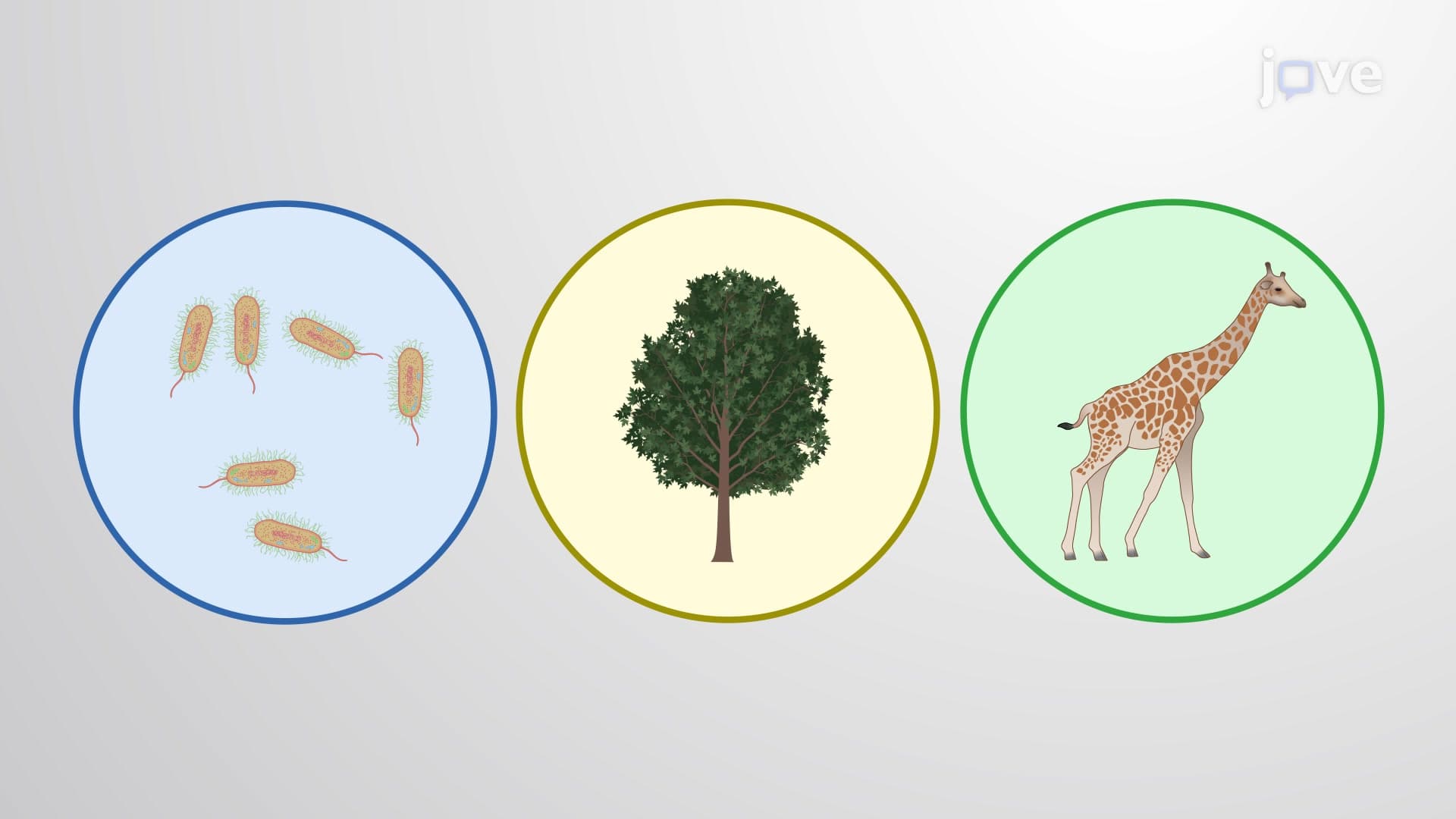

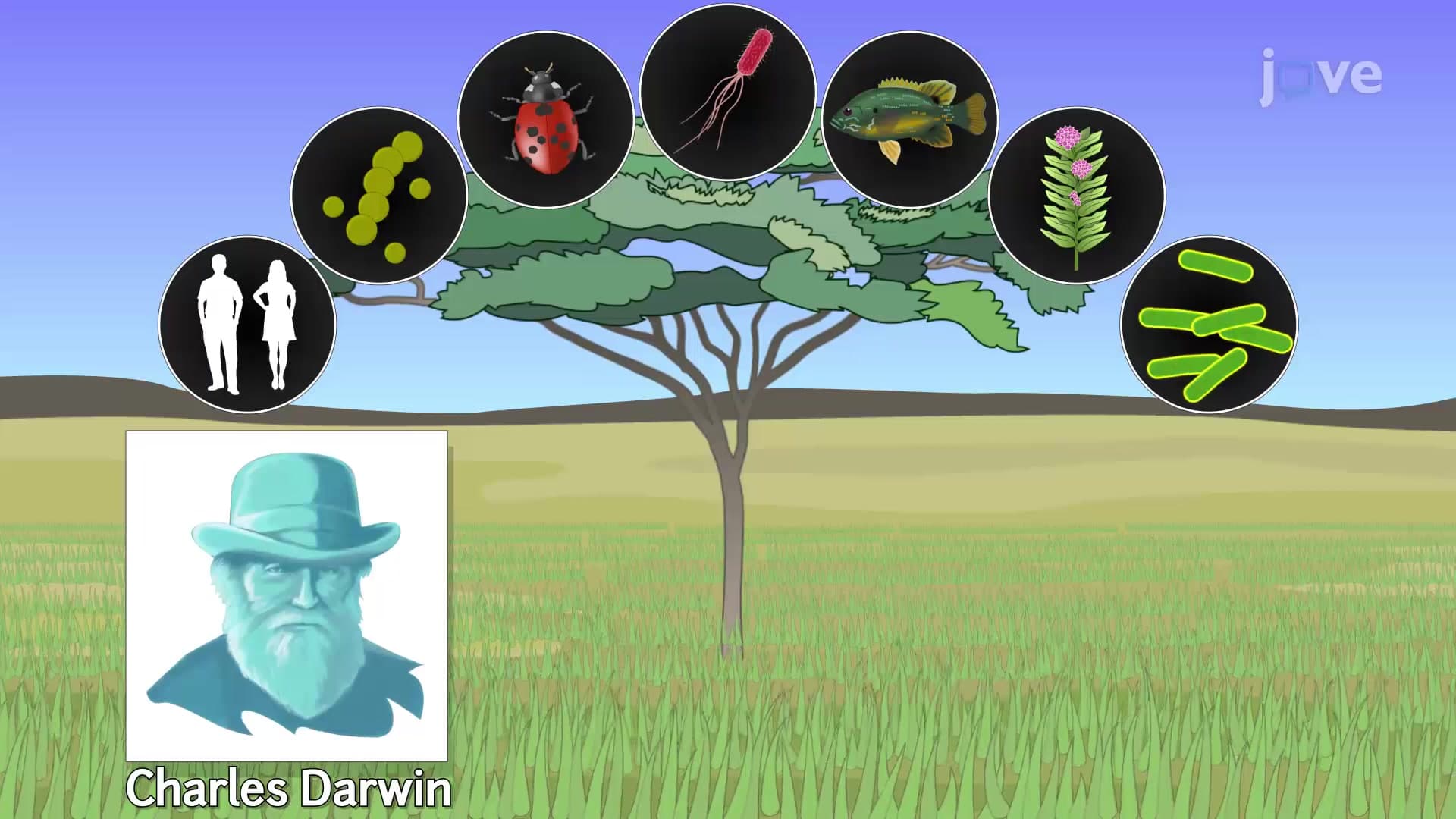
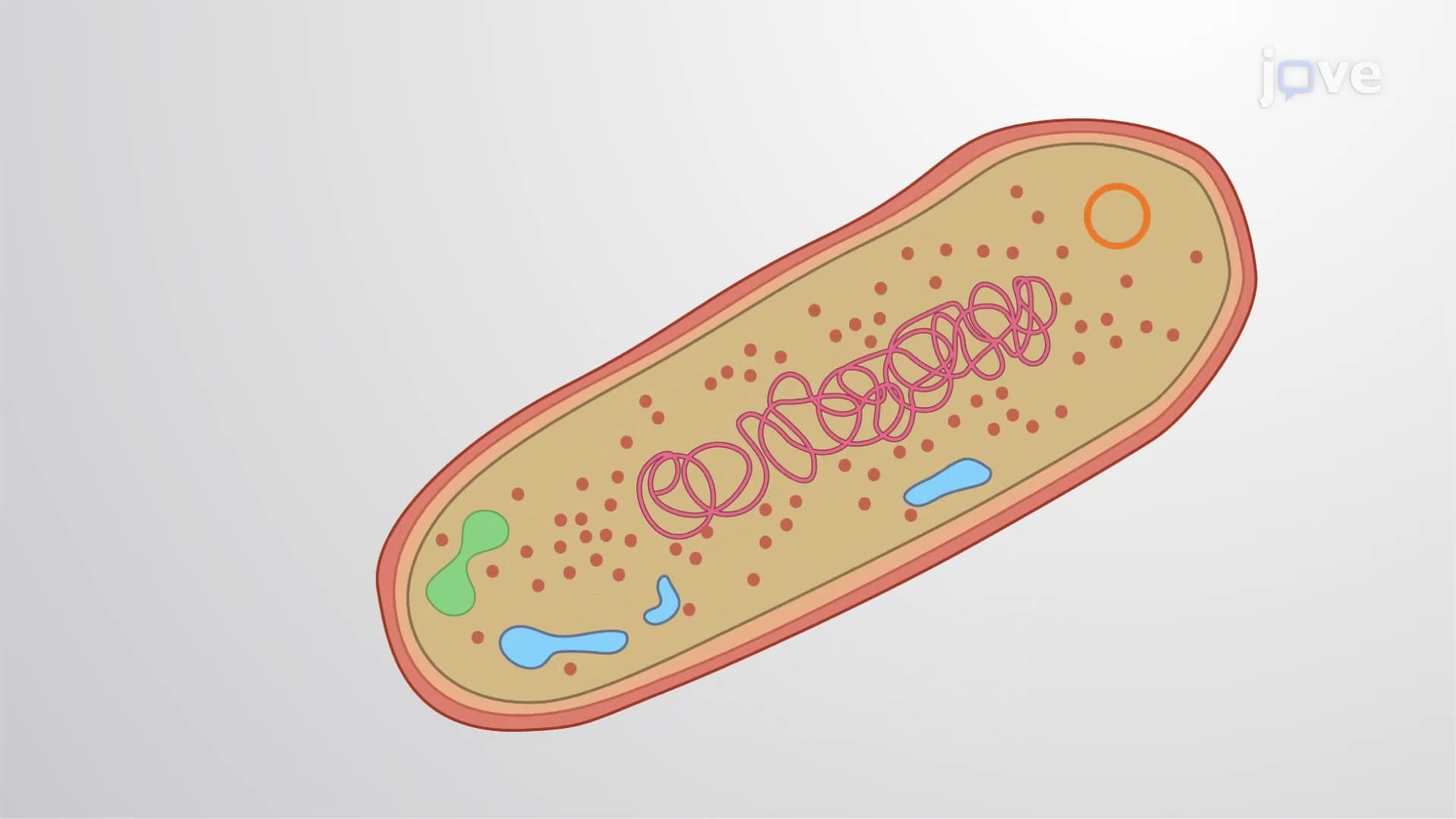
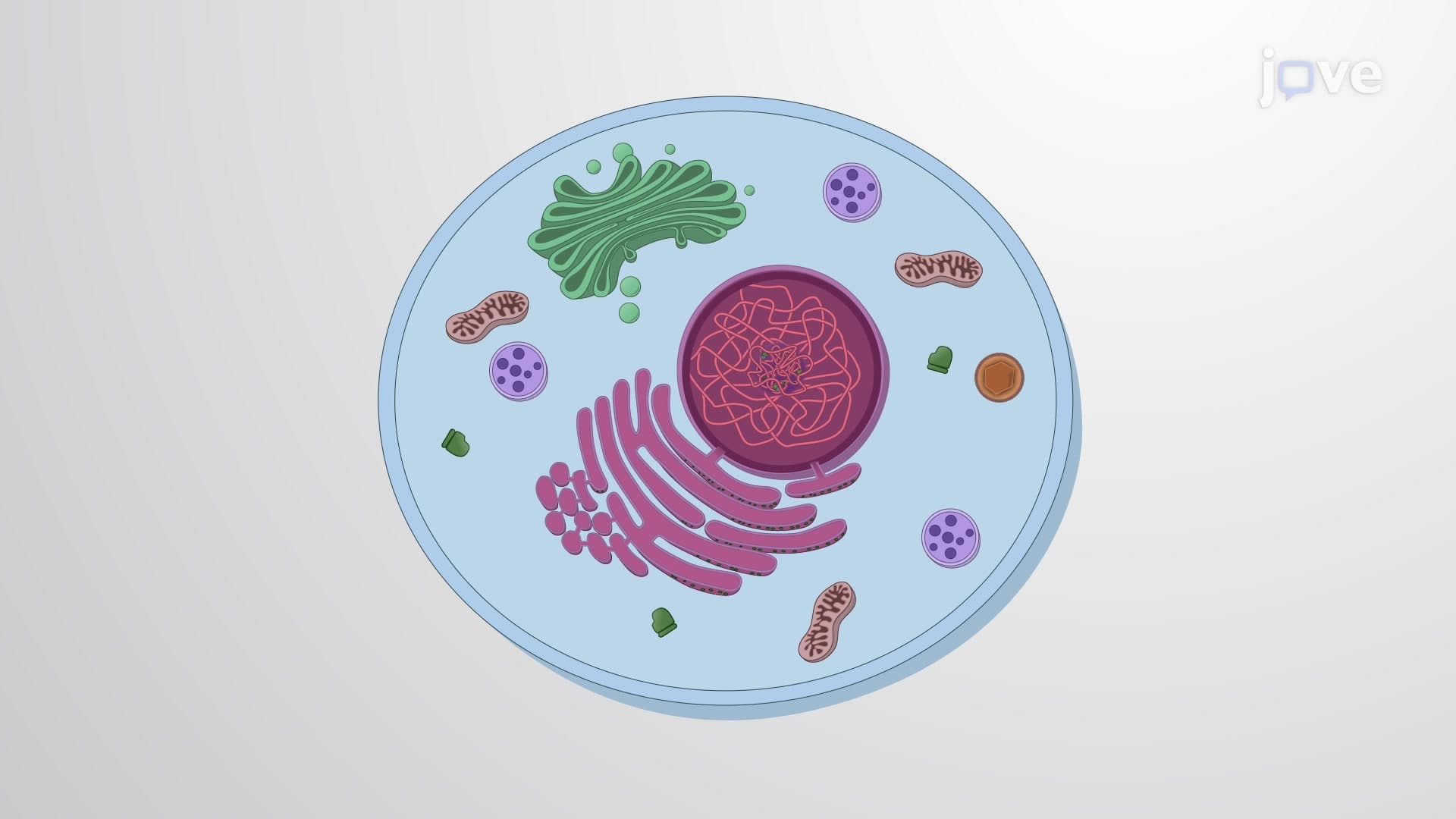
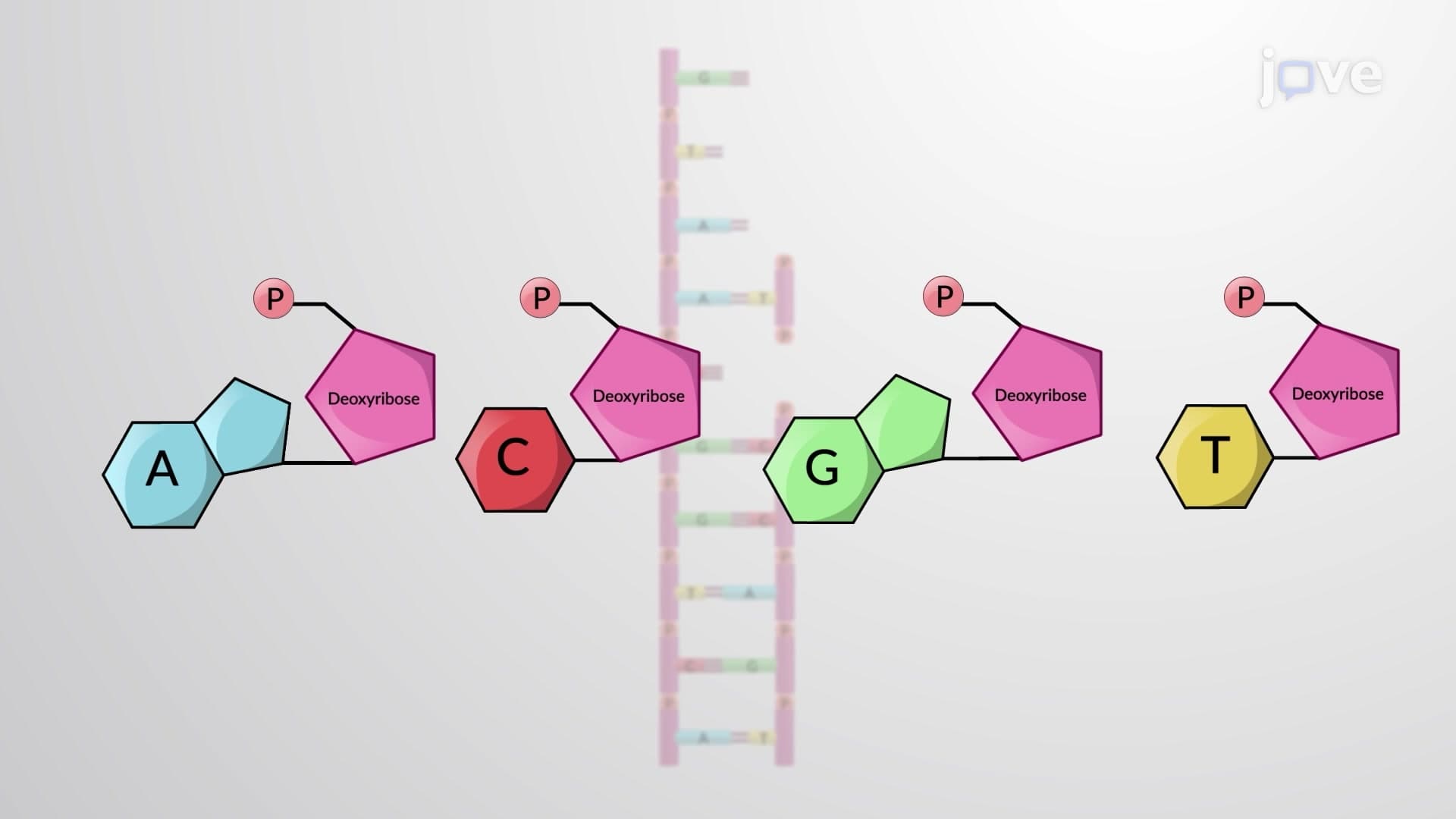
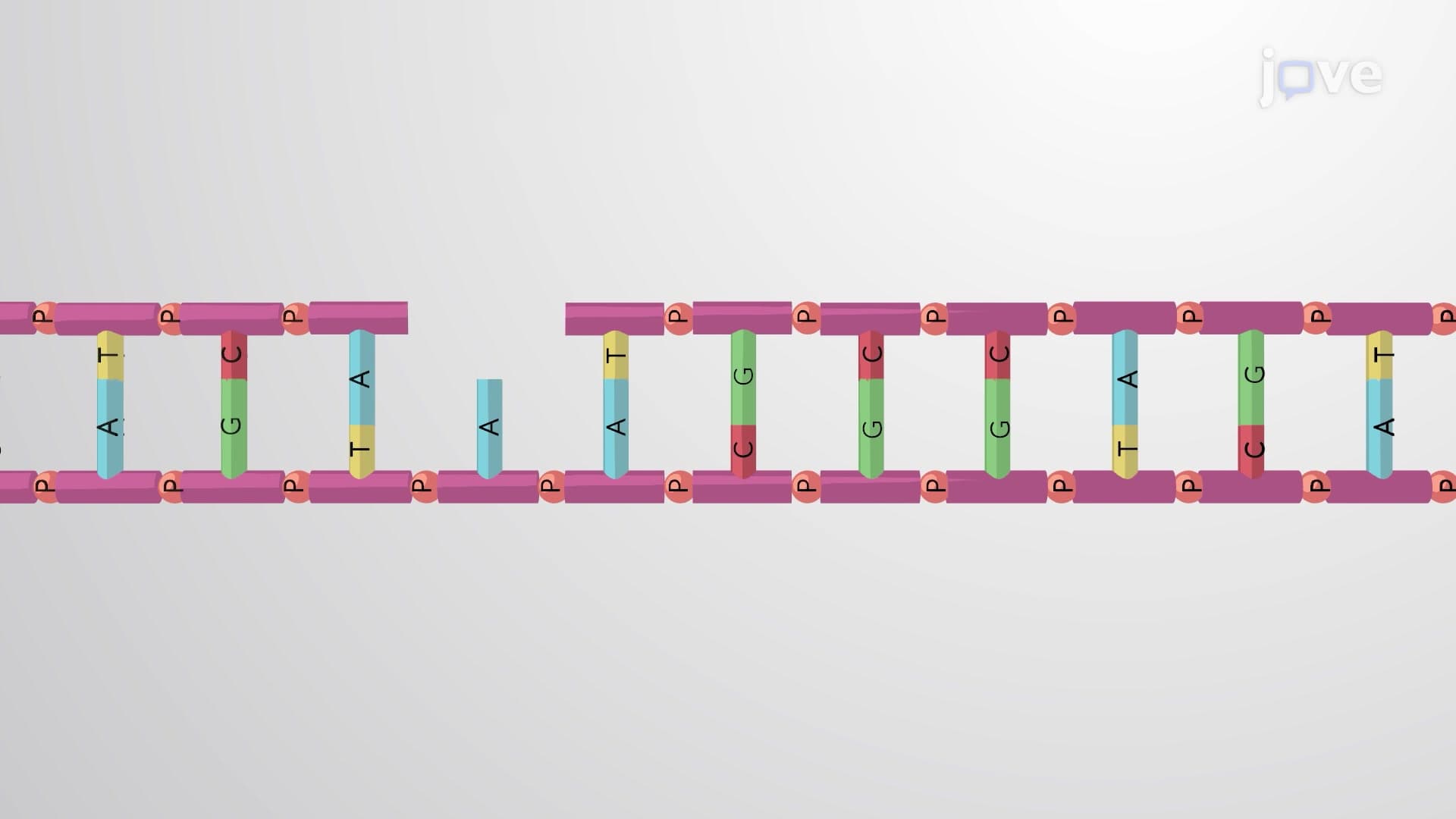
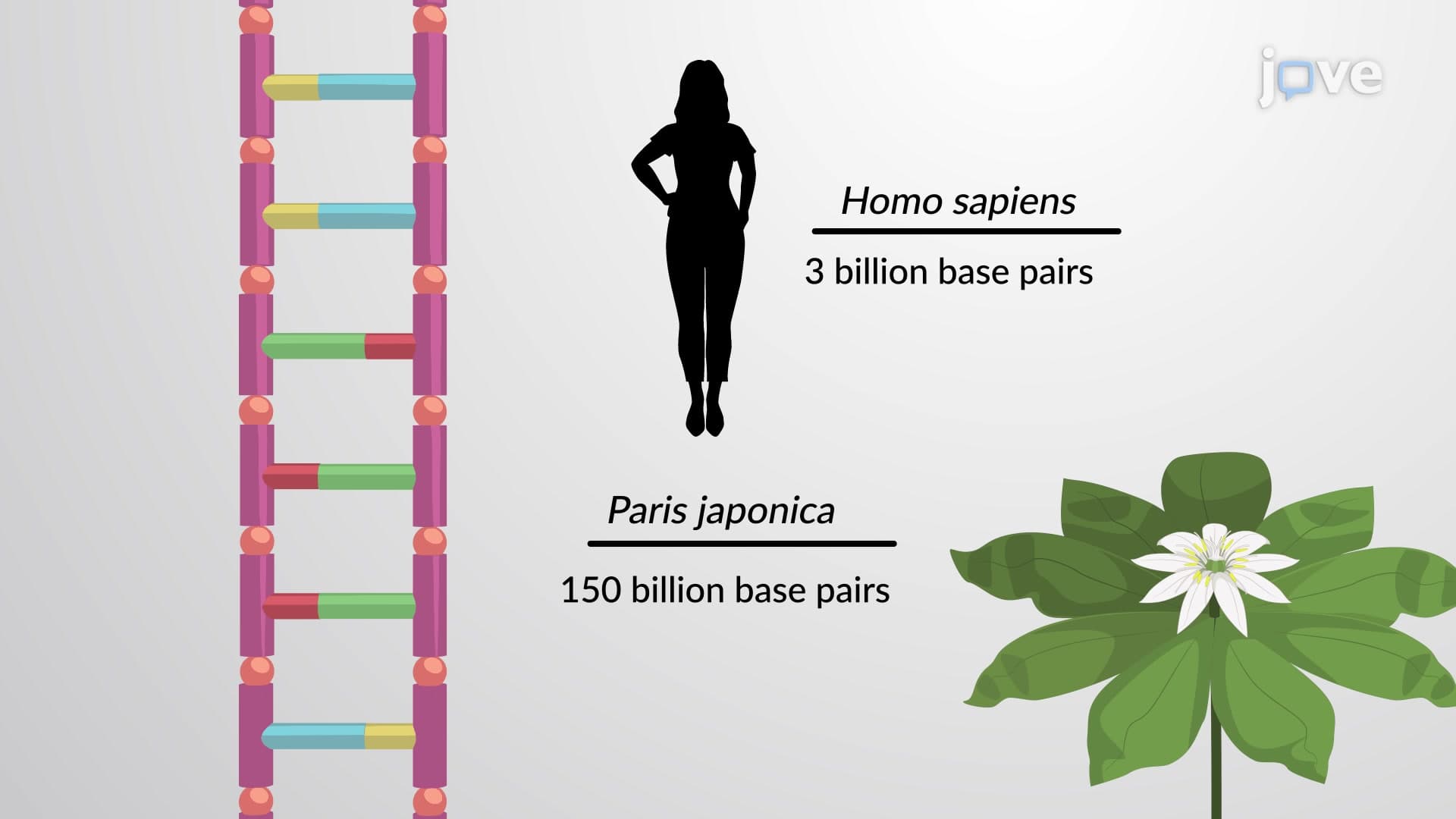

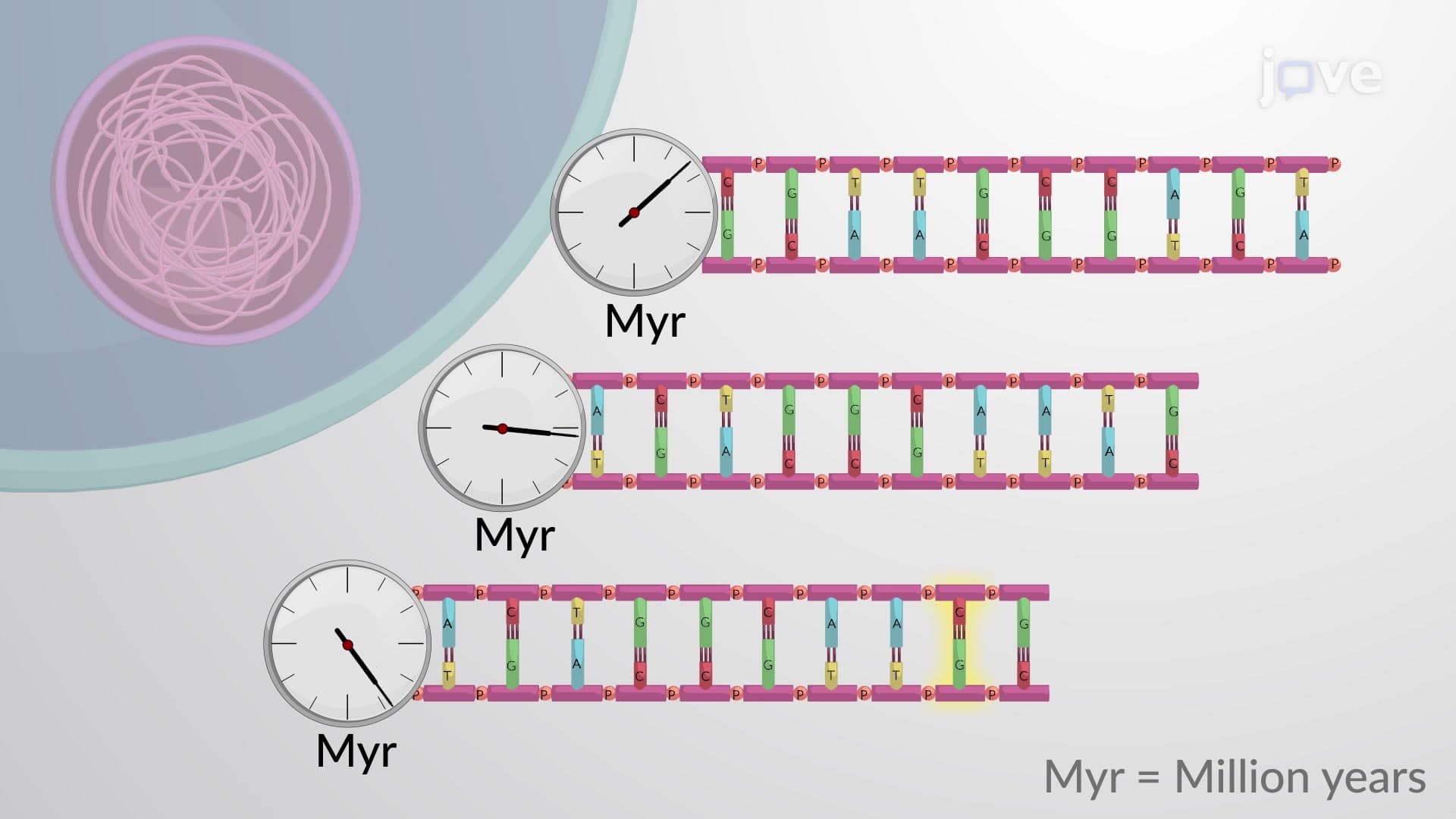
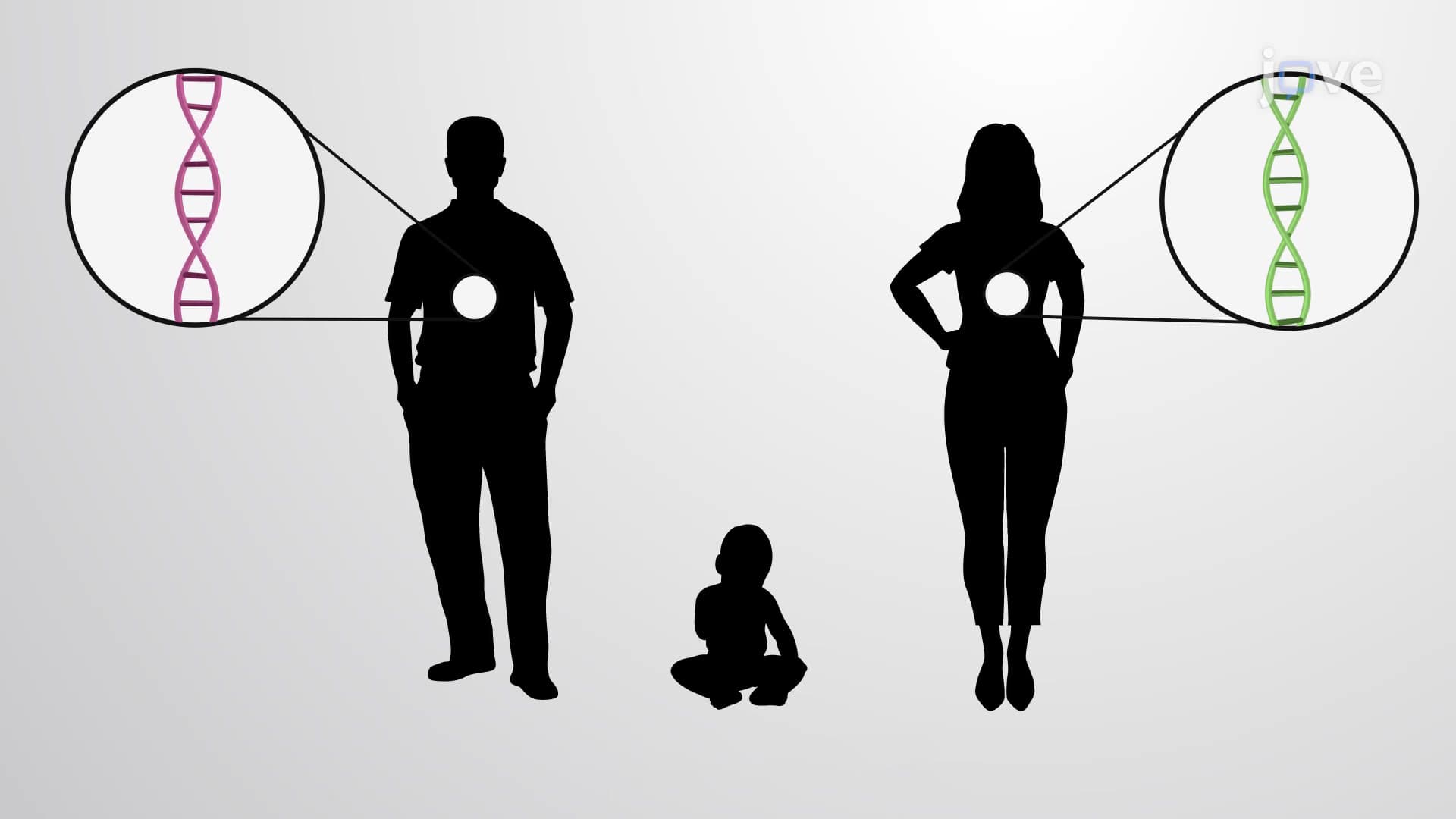
The Central Dogma

00:00
01:20
Video Summary: What Is the Central Dogma
Ever wonder how your DNA creates the thousands of different proteins your body needs? The central dogma biology explained reveals the fascinating three-step process that transforms genetic blueprints into working molecules. From the Human Genome Project at NIH to modern gene therapy treatments, understanding What is The Central Dogma is crucial for grasping how life operates at the molecular level. This fundamental principle shows how DNA becomes RNA, which then becomes proteins through transcription and translation. Watch the full video on JoVE Coach to master this concept with expert-led visuals and step-by-step explanations.
- Understand What is The Central Dogma and how it governs genetic information flow in all living cells
- Identify the three main processes: DNA replication, transcription (DNA to RNA), and translation (RNA to protein)
- Analyze the molecular mechanisms that convert genetic codes into functional proteins through mRNA and tRNA
- Compare the roles of different RNA types (mRNA, tRNA, rRNA) in protein synthesis
- Evaluate how codon-anticodon pairing ensures accurate amino acid assembly during translation
- Apply central dogma principles to predict protein sequences from DNA templates
- Recognize exceptions to the central dogma, including reverse transcription in retroviruses
- Explore how mutations in DNA affect downstream protein production and cellular function
Understanding What is The Central Dogma in Molecular Biology
The central dogma molecular biology represents one of the most fundamental principles governing life on Earth. Proposed by Francis Crick in 1958 and refined throughout the 1960s, this concept describes the unidirectional flow of genetic information from DNA to RNA to proteins. Unlike a religious dogma, this scientific principle has been extensively tested and validated through decades of research at institutions like Harvard Medical School, Stanford University, and the National Institutes of Health.
The Three-Step Information Transfer Process
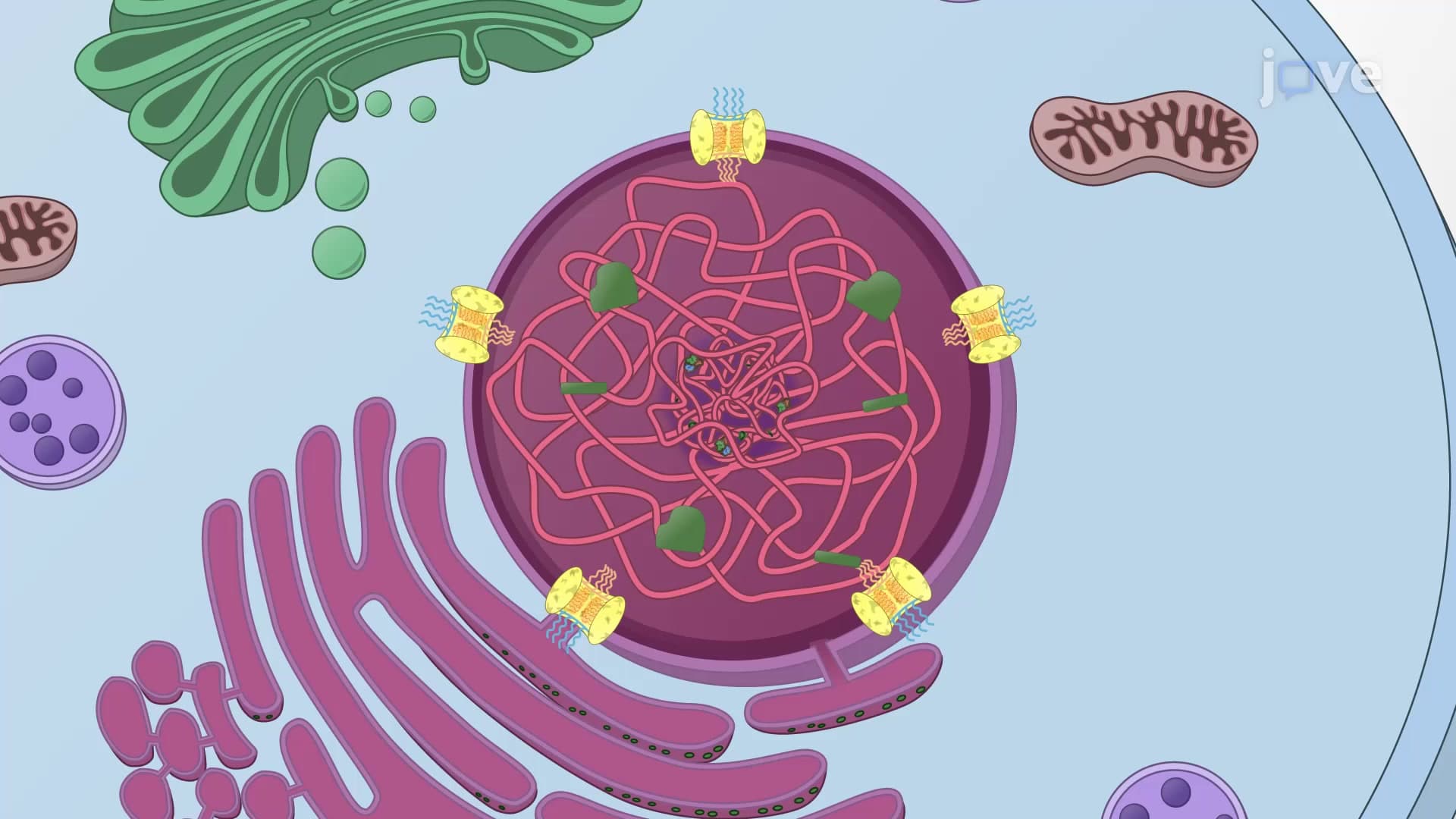
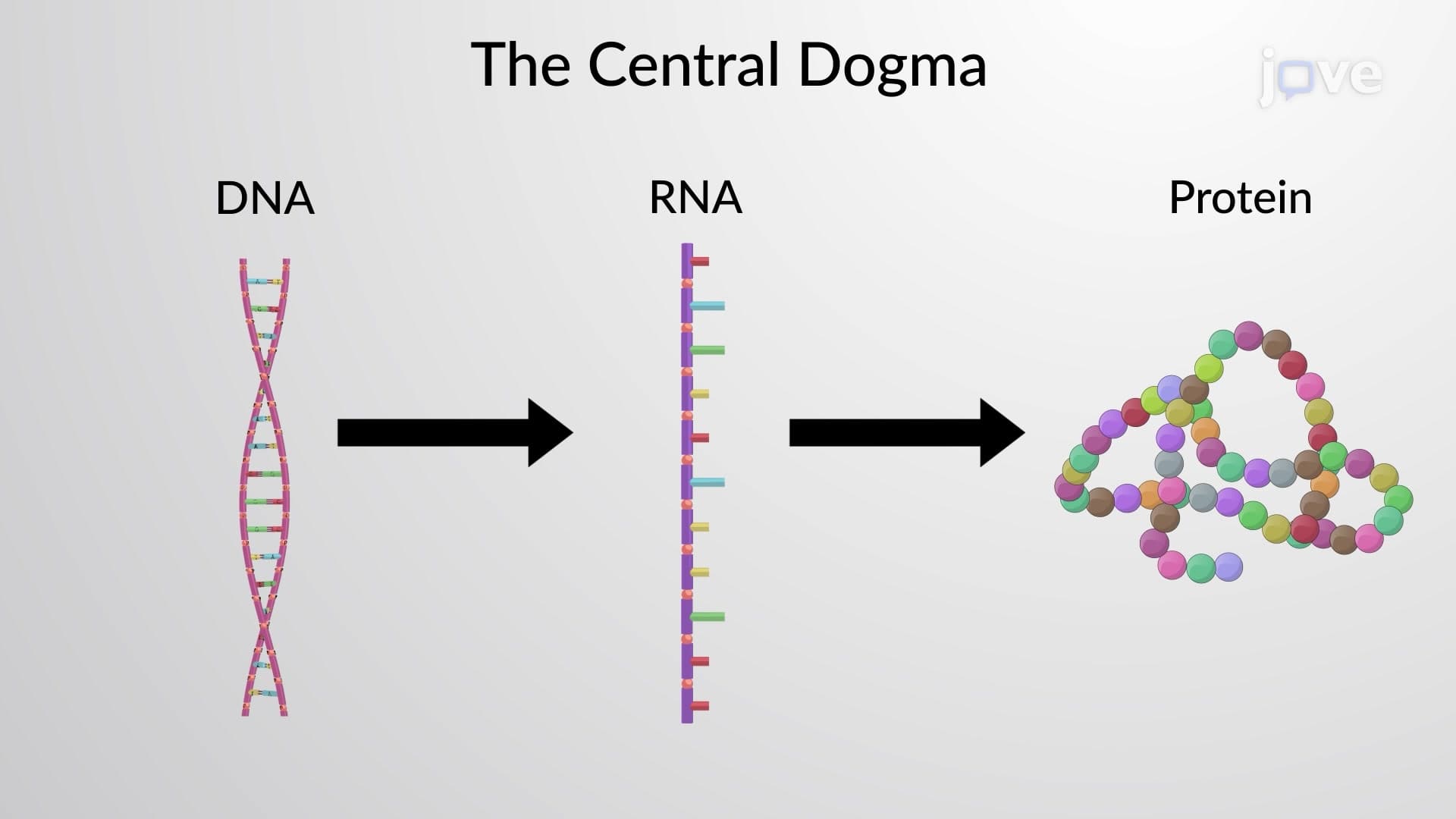
DNA RNA protein central dogma operates through three distinct but interconnected processes. First, DNA replication ensures genetic information passes to daughter cells during cell division. Second, transcription creates messenger RNA (mRNA) copies of specific DNA segments within the cell nucleus. Finally, translation occurs in the cytoplasm, where ribosomes read mRNA instructions to assemble amino acids into polypeptide chains.
This genetic information flow explains how a single fertilized egg develops into a complex human being with over 200 different cell types. Each cell contains identical DNA, but different genes are transcribed and translated depending on cellular needs and environmental signals.
Transcription and Translation Mechanisms
During transcription, RNA polymerase enzymes unwind DNA strands and synthesize complementary mRNA molecules. Unlike DNA, mRNA contains uracil instead of thymine and serves as a temporary messenger carrying genetic instructions from nucleus to ribosome. This process is heavily regulated through promoter sequences, transcription factors, and epigenetic modifications-concepts frequently tested on AP Biology and MCAT examinations.
Translation involves intricate molecular machinery including ribosomes, transfer RNA (tRNA), and amino acids. Each three-nucleotide codon on mRNA corresponds to specific amino acids through the genetic code-a universal language shared by virtually all living organisms. This universality enables biotechnology applications like producing human insulin in bacterial cells, a breakthrough that revolutionized diabetes treatment in the United States.
Clinical and Research Applications
Understanding the central dogma definition proves essential for modern medicine and biotechnology. Genetic disorders like cystic fibrosis result from mutations affecting protein production, while gene therapy approaches aim to restore normal genetic information flow. The recent success of mRNA vaccines during the COVID-19 pandemic demonstrates practical applications of central dogma principles in protecting public health.
Students preparing for healthcare careers should recognize how this concept underlies pharmacology, pathology, and diagnostic medicine-making it a crucial topic for MCAT, nursing entrance exams, and medical school coursework.
Frequently Asked Questions
The central dogma describes how genetic information flows from DNA to RNA to proteins in living cells. DNA serves as the master blueprint, RNA acts as a messenger copying specific instructions, and proteins perform the actual cellular work. This one-way information flow explains how genes control cellular functions and inherited traits.
AP Biology frequently includes central dogma questions about transcription, translation, and genetic code interpretation. MCAT passages often combine central dogma concepts with experimental scenarios, requiring students to predict protein changes from DNA mutations. Practice identifying codons, amino acid sequences, and regulatory mechanisms for exam success.
Mutations disrupting normal information flow cause genetic disorders like sickle cell anemia, where a single DNA change alters hemoglobin protein structure. Cancer often involves mutations affecting genes controlling cell division and growth. Understanding these connections helps explain how genetic counseling and gene therapy work in American healthcare systems.
Basic high school chemistry provides sufficient background for grasping central dogma concepts. Focus on understanding nucleotide base pairing, protein structure basics, and enzyme functions rather than complex biochemical pathways. Most introductory biology courses build these concepts gradually without requiring extensive chemistry prerequisites.
Create codon wheels or charts organizing amino acids by chemical properties rather than alphabetically. Practice converting DNA sequences to mRNA, then to amino acid sequences using sample problems. Focus on start codons (AUG) and stop codons (UAG, UAA, UGA) since these frequently appear on standardized tests.
Yes, reverse transcription in retroviruses like HIV allows RNA to create DNA, challenging the traditional one-way flow. Prions represent proteins that can replicate without nucleic acids, while RNA interference shows RNA regulating gene expression. These exceptions demonstrate the complexity of molecular biology beyond basic central dogma principles.
Biotechnology applications like genetic engineering, pharmaceutical development, and diagnostic testing all rely on central dogma principles. Companies like Genentech and Moderna use these concepts to develop treatments and vaccines. Understanding information flow helps predict how genetic modifications will affect protein production in research and manufacturing settings.
Explore gene regulation mechanisms including transcription factors, epigenetics, and RNA interference. Study protein folding, enzyme kinetics, and metabolic pathways to understand how proteins function after synthesis. Advanced topics like CRISPR gene editing and synthetic biology build directly on central dogma foundations, preparing you for cutting-edge research opportunities.
Related Micro-courses

12 Concepts
22 Concepts
12 Concepts