Loading subject page…

- Cell Biology
- Cells, Genomes, and Evolution
- The DNA Helix
Micro-course: Cells, Genomes, and Evolution
336,523 views
Learn key concepts and earn your certificate.

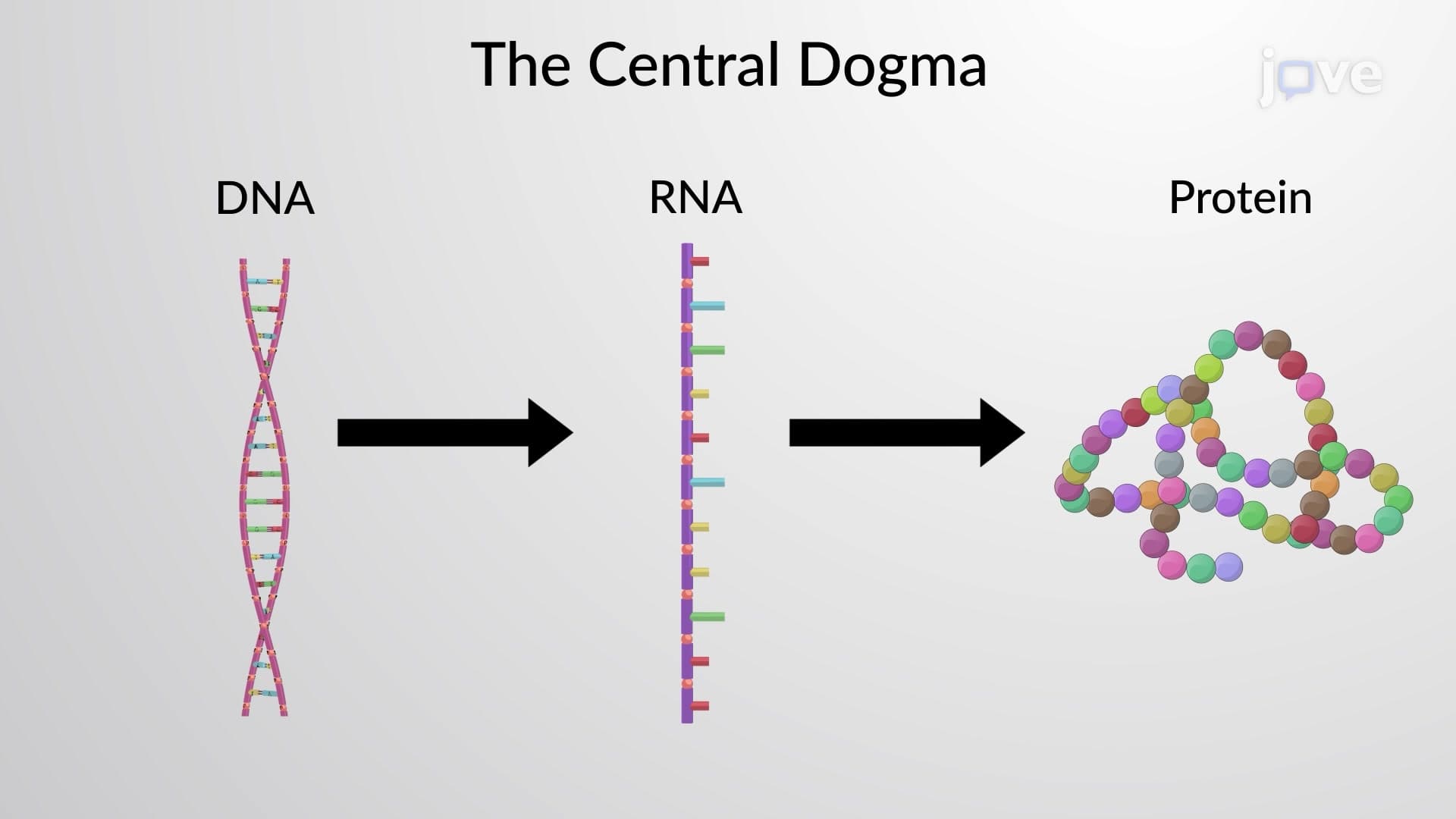
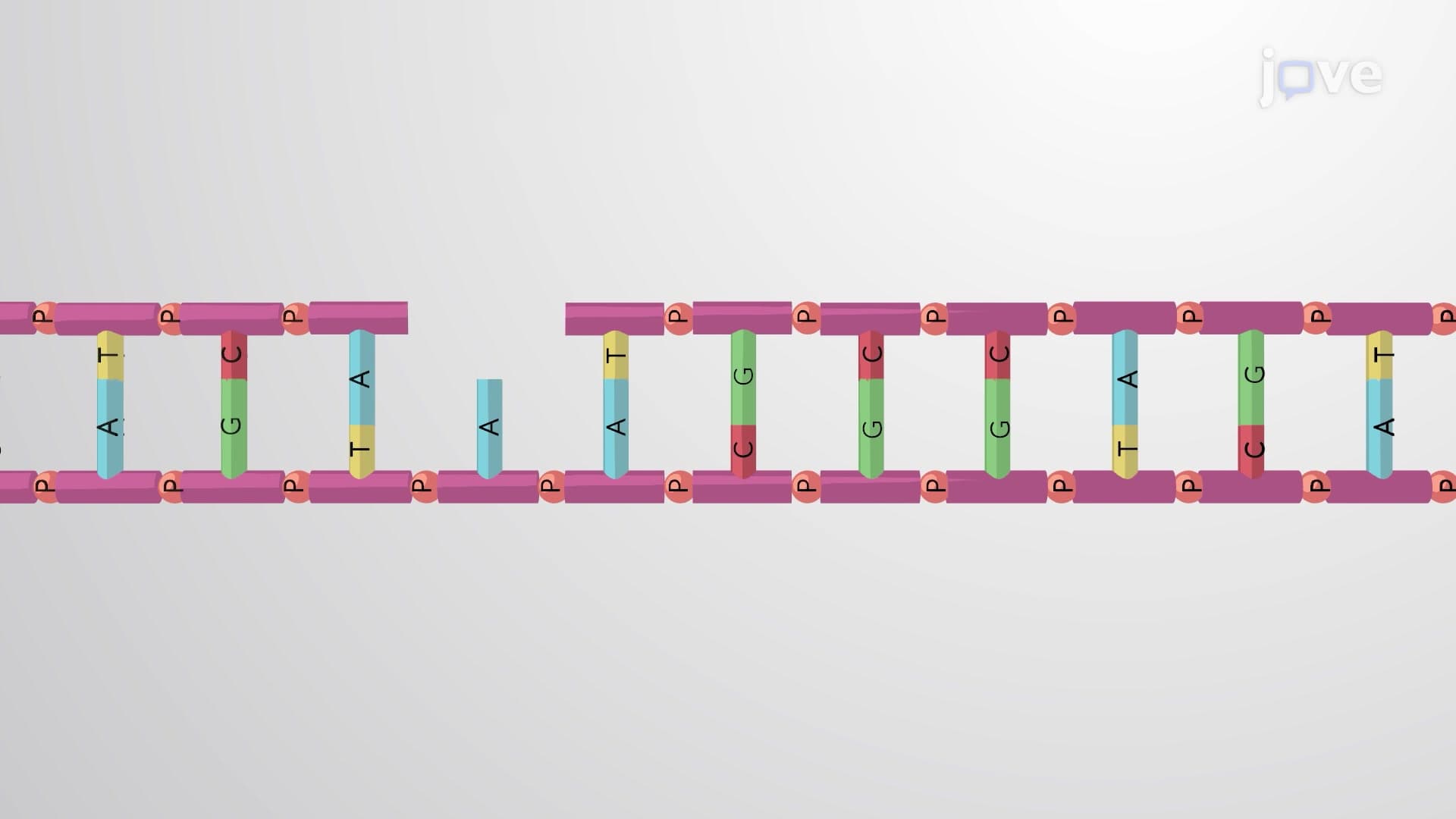
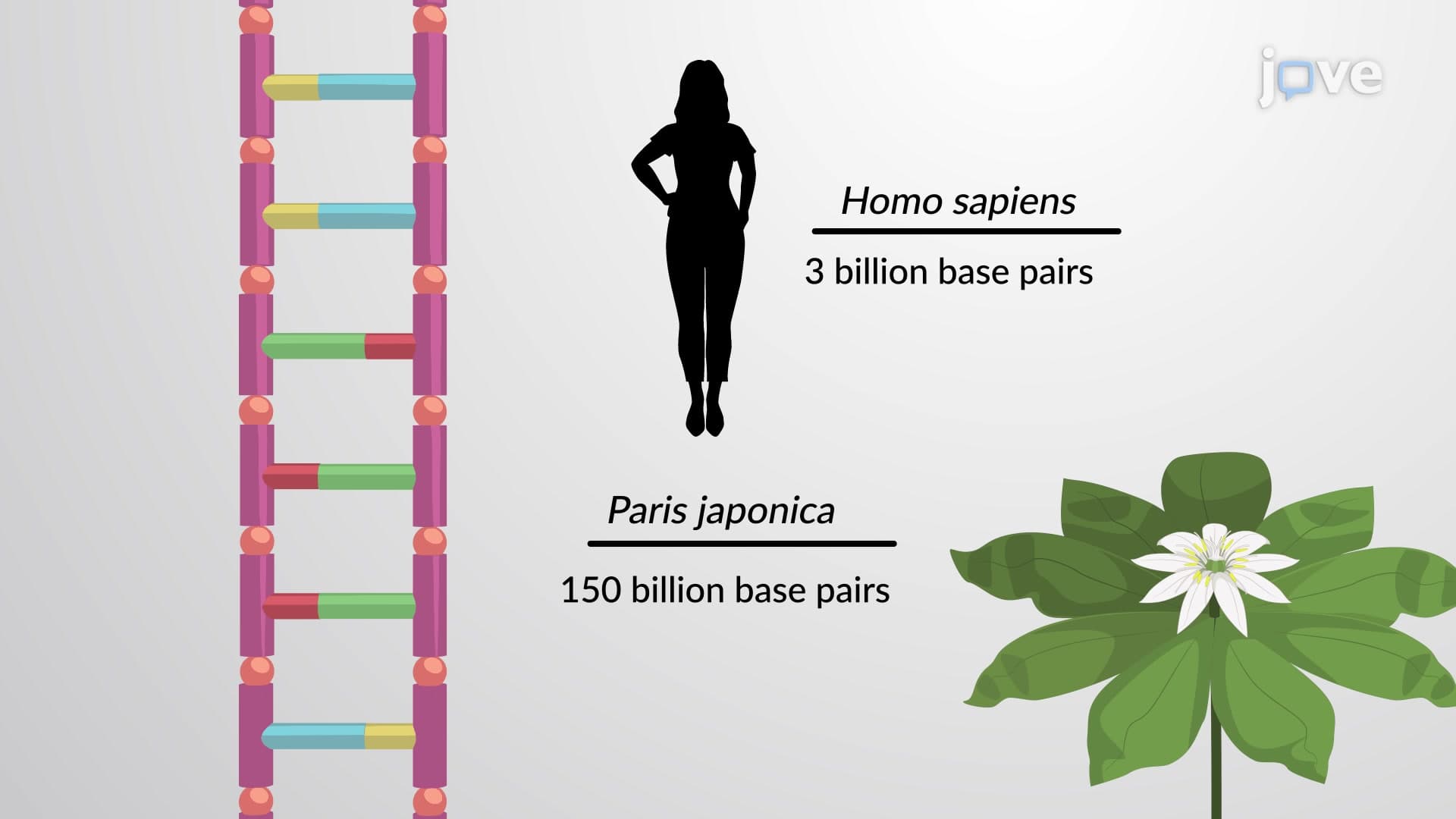

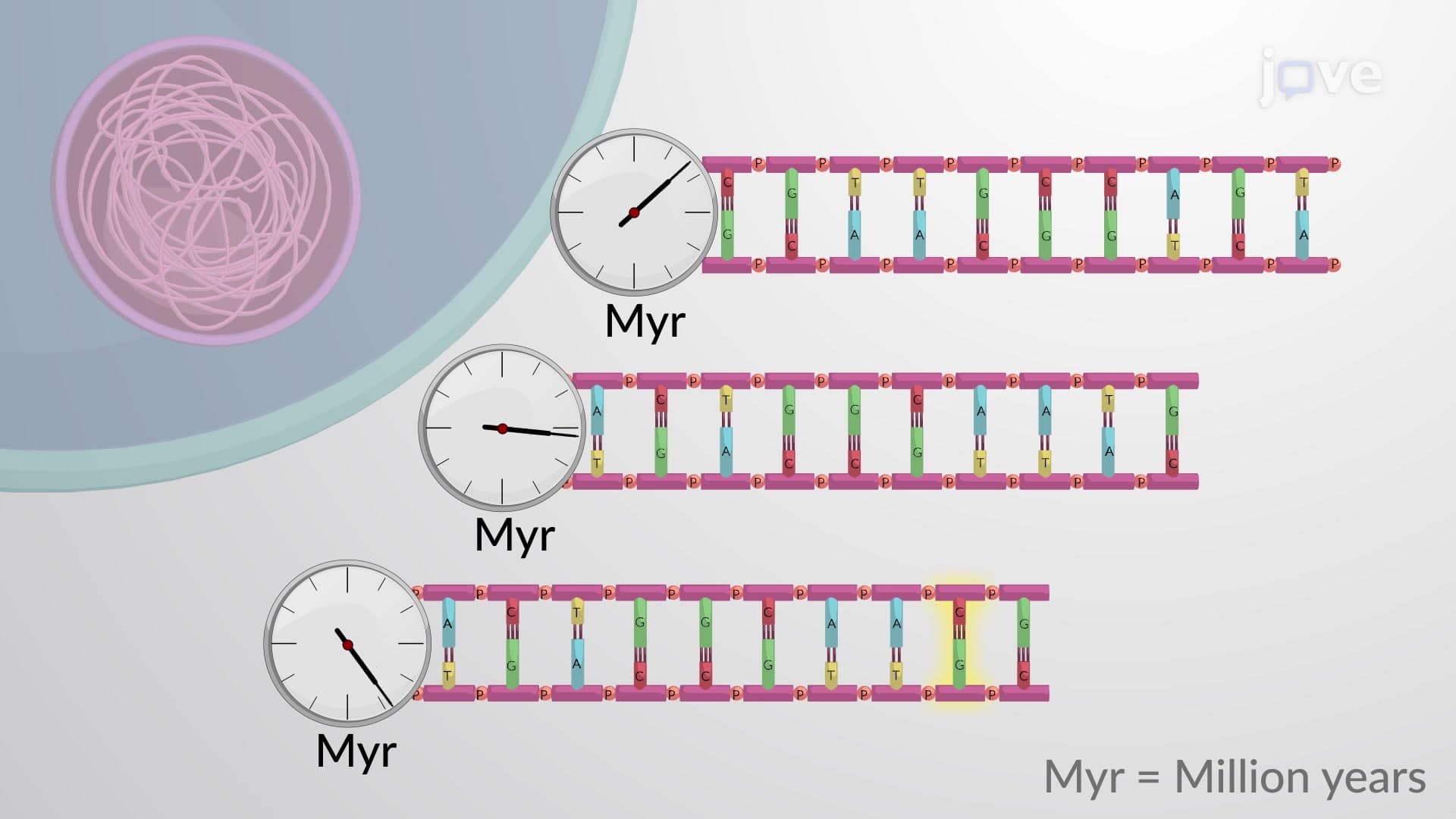
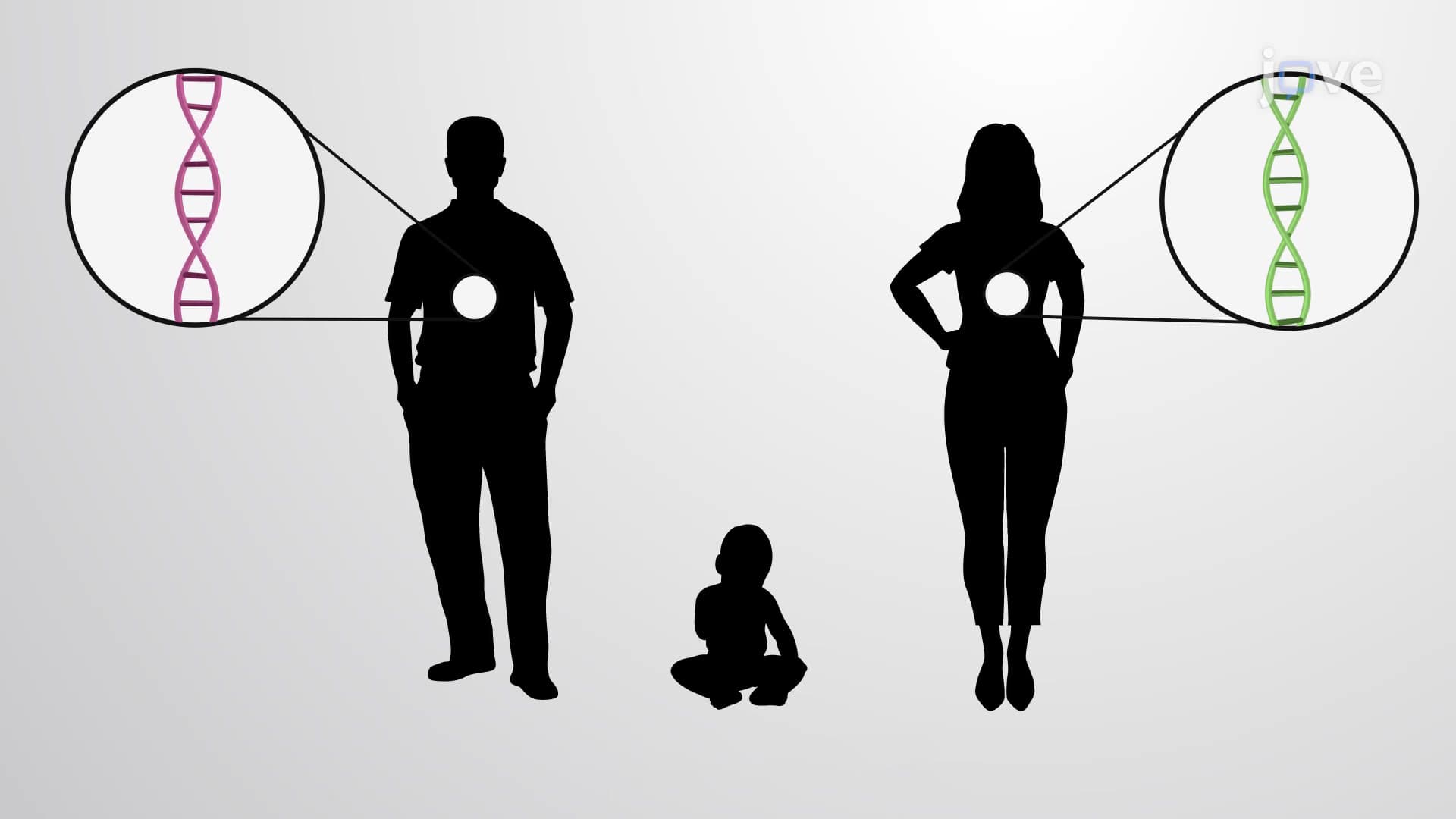
The DNA Helix

00:00
01:07
Video Summary: What Is the DNA Helix
Did you know that if you stretched out all the DNA from just one human cell, it would reach about 6 feet long? The DNA helix is a twisted, ladder-like structure that stores genetic information in every living organism. From forensic investigations by the FBI to genetic research at Johns Hopkins University, understanding What is The DNA Helix is fundamental to modern biology and medicine. Watch the full video on JoVE Coach to master this concept with expert-led visuals and step-by-step explanations.
- Understand What is The DNA Helix and its fundamental structural components including nucleotides, bases, and the sugar-phosphate backbone
- Identify the four nitrogenous bases (adenine, thymine, guanine, cytosine) and their specific base-pairing rules
- Analyze how phosphodiester bonds create the structural integrity of DNA strands
- Recognize the antiparallel orientation of DNA strands and its biological significance
- Compare the number of hydrogen bonds between different base pairs and their role in helix stability
- Apply knowledge of DNA structure to explain how genetic information is stored and replicated
- Evaluate the relationship between DNA's three-dimensional structure and its biological functions
- Explore how the double helix model revolutionized our understanding of heredity and molecular biology
Understanding What is The DNA Helix: Structural Foundation
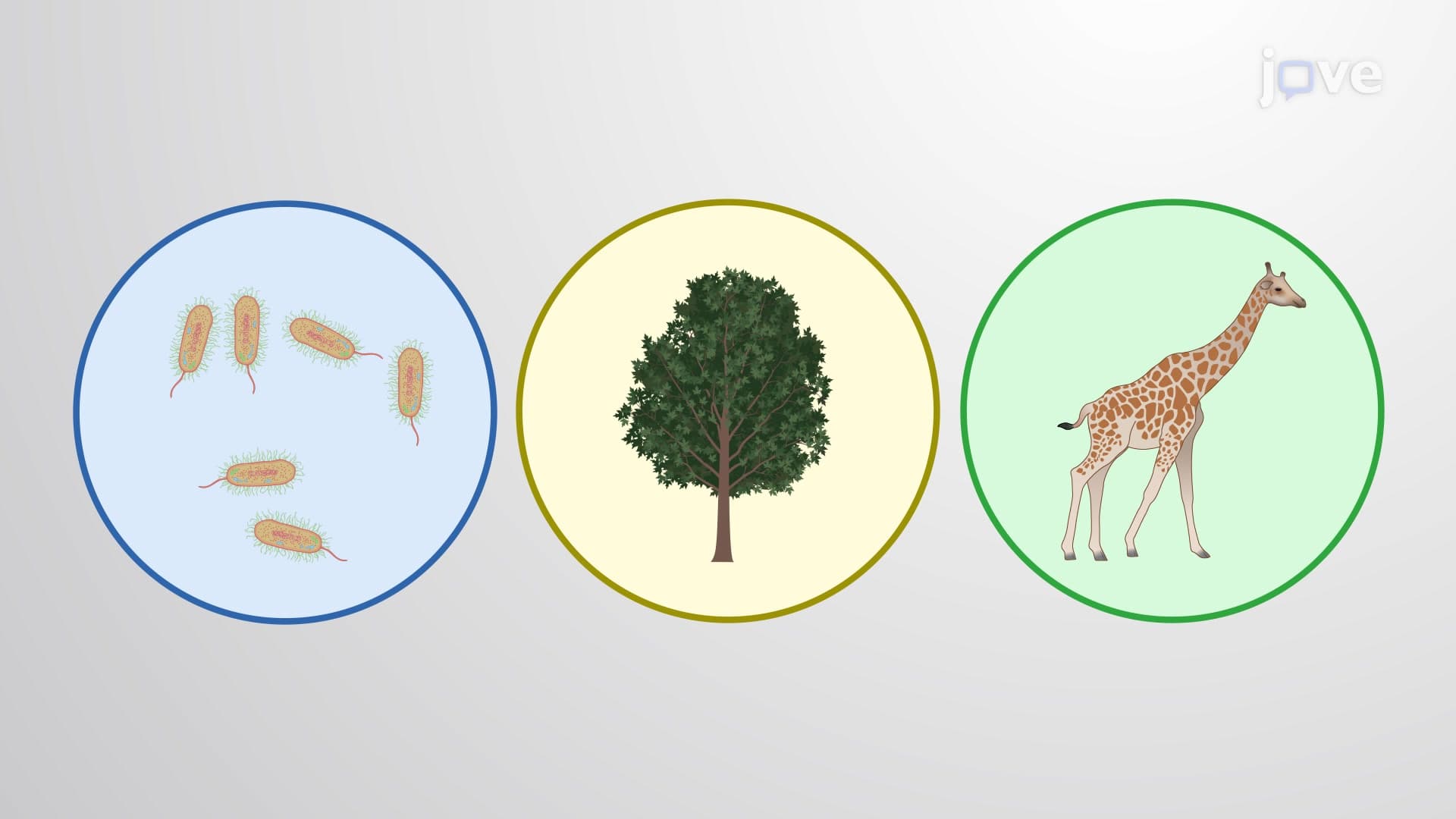
What is The DNA Helix represents one of biology's most elegant molecular structures. The DNA double helix consists of two polynucleotide chains twisted around each other in a right-handed spiral. Each chain contains millions of nucleotides, the building blocks that store genetic information in organisms ranging from bacteria to humans.
The discovery of DNA's helical structure by Watson and Crick at Cambridge University in 1953 revolutionized biology, earning them the Nobel Prize and laying the groundwork for modern genetics research conducted at institutions like Harvard Medical School and the National Institutes of Health.
Nucleotide Components and Chemical Structure
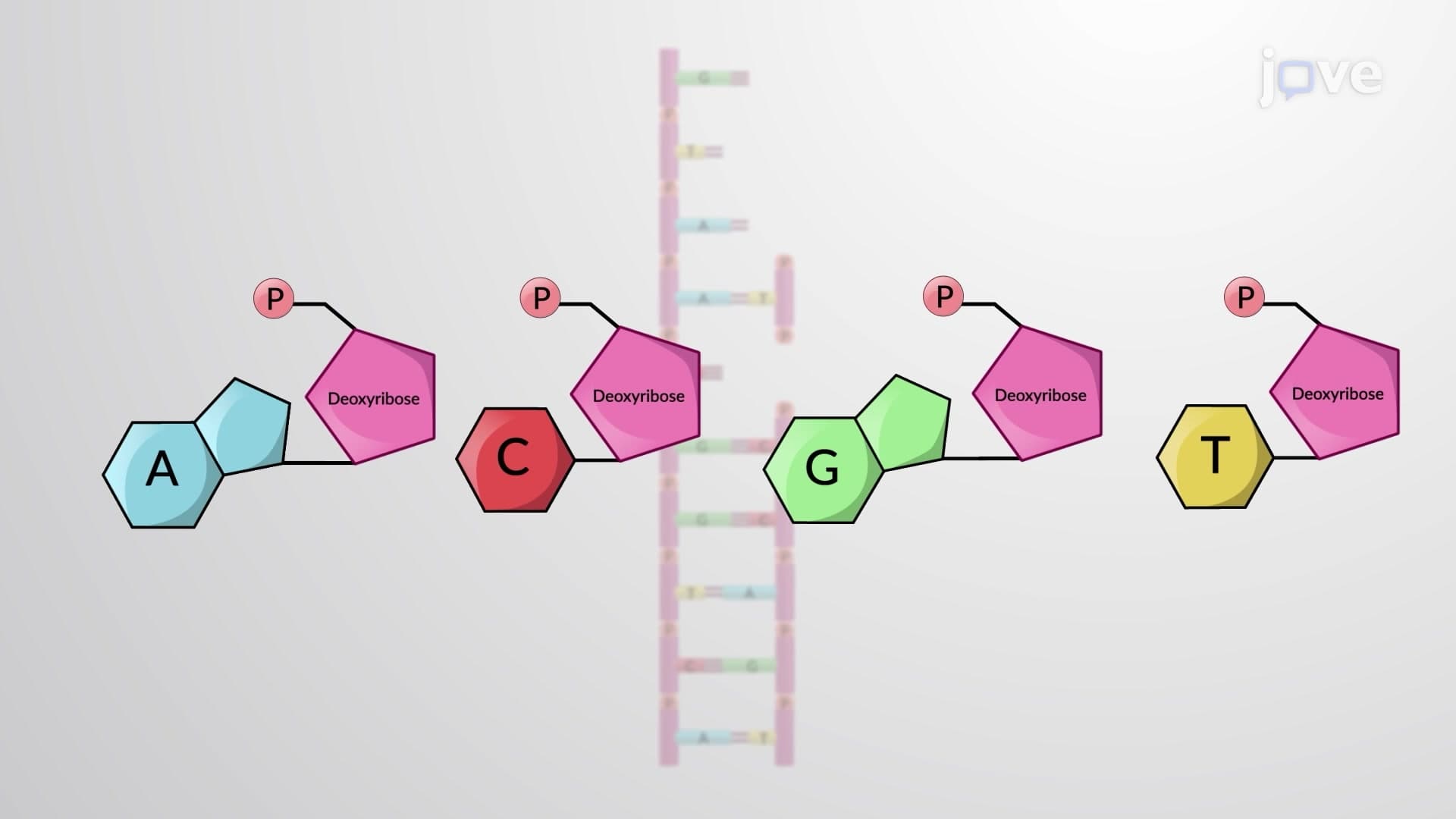
Each nucleotide contains three essential components: a phosphate group, a five-carbon sugar (deoxyribose), and one of four nitrogenous bases. The bases-adenine (A), thymine (T), guanine (G), and cytosine (C)-serve as the "letters" of the genetic code that determines everything from eye color to disease susceptibility.
The sugar-phosphate backbone forms through phosphodiester bonds connecting the 3' carbon of one sugar to the 5' carbon of the next. This creates a directional chain with distinct 5' and 3' ends, crucial for DNA replication processes studied extensively in AP Biology and college biochemistry courses.
Base Pairing and Hydrogen Bonding
The genius of DNA's structure lies in its complementary base pairing. Adenine always pairs with thymine through two hydrogen bonds, while guanine pairs with cytosine through three hydrogen bonds. This specific pairing, known as Chargaff's rules, ensures genetic information can be accurately copied and transmitted.
The difference in hydrogen bond strength between A-T and G-C pairs affects DNA stability. Regions rich in G-C pairs require more energy to separate, a principle exploited in molecular biology techniques like PCR (polymerase chain reaction) used in COVID-19 testing and forensic DNA analysis.
Three-Dimensional Architecture and Biological Significance
The antiparallel arrangement of DNA strands-where one runs 5' to 3' and its complement runs 3' to 5'-creates the iconic twisted ladder structure. Each complete turn of the helix spans 3.4 nanometers and contains approximately 10 base pairs, optimizing both structural stability and accessibility for cellular machinery.
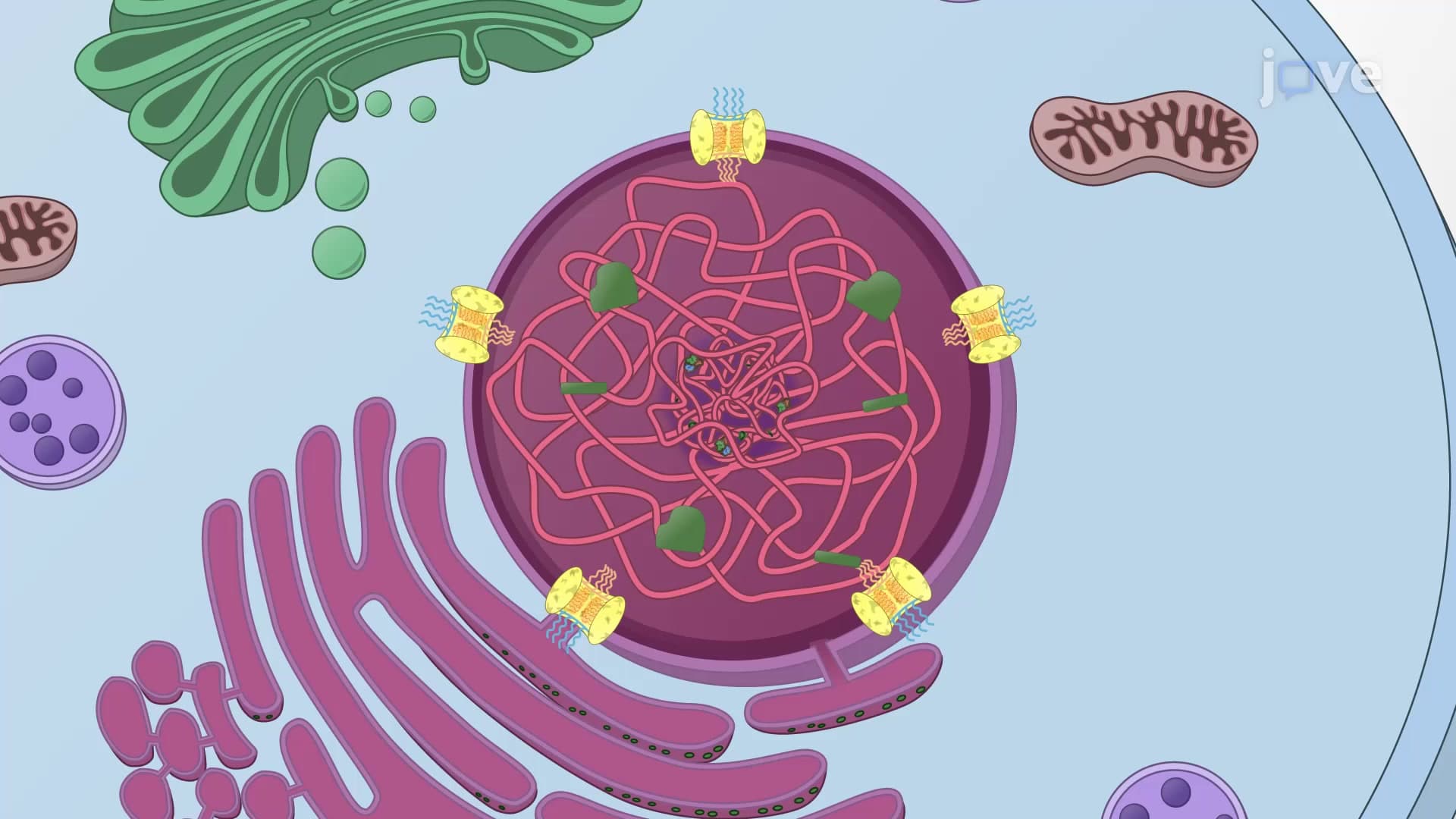
This architecture enables efficient DNA packaging in cell nuclei while maintaining accessibility for transcription and replication. Understanding these structural principles is essential for MCAT preparation and advanced coursework in molecular biology and genetics at universities like MIT and Stanford.
Frequently Asked Questions
The DNA helix is a twisted, ladder-like molecule that stores genetic information in all living things. It consists of two intertwined strands made of nucleotides, with bases forming the "rungs" of the ladder through specific pairing rules (A with T, G with C).
AP Biology frequently tests DNA structure through multiple-choice questions about base pairing, phosphodiester bonds, and antiparallel orientation. Free-response questions often require students to explain how structure relates to function, particularly in replication and transcription processes.
The MCAT tests DNA structure in biochemistry sections, focusing on hydrogen bonding patterns, major and minor grooves, and how structural features enable protein-DNA interactions. Understanding helix geometry helps answer questions about gene regulation and molecular recognition.
FBI laboratories use DNA's unique base sequence patterns for criminal identification and paternity testing. The stable double helix structure ensures DNA evidence remains intact for analysis even years after collection, making it invaluable for cold case investigations.
Not at all! The DNA helix follows logical pairing rules that become intuitive with practice. Start with understanding the four bases and their partnerships (A-T, G-C), then build up to the three-dimensional structure-most high school students master this concept within a few study sessions.
Use mnemonics like "Apple Tree" for A-T pairing and "Car Garage" for C-G pairing. Practice drawing the structure repeatedly, labeling phosphate groups, sugars, and bases. Create flashcards for the number of hydrogen bonds in each base pair.
Progress to DNA replication mechanisms, including helicase and polymerase functions, then explore transcription and translation processes. Advanced students can study epigenetic modifications and how DNA packaging affects gene expression in eukaryotic cells.
DNA structure knowledge forms the foundation for genetics, molecular biology, and biochemistry courses. Students who thoroughly understand helix architecture excel in topics like genetic engineering, evolutionary biology, and biotechnology applications used in pharmaceutical research.
Related Micro-courses

12 Concepts
22 Concepts
12 Concepts