Loading subject page…

- Cell Biology
- Cells, Genomes, and Evolution
- The Nucleus
Micro-course: Cells, Genomes, and Evolution
336,523 views
Learn key concepts and earn your certificate.

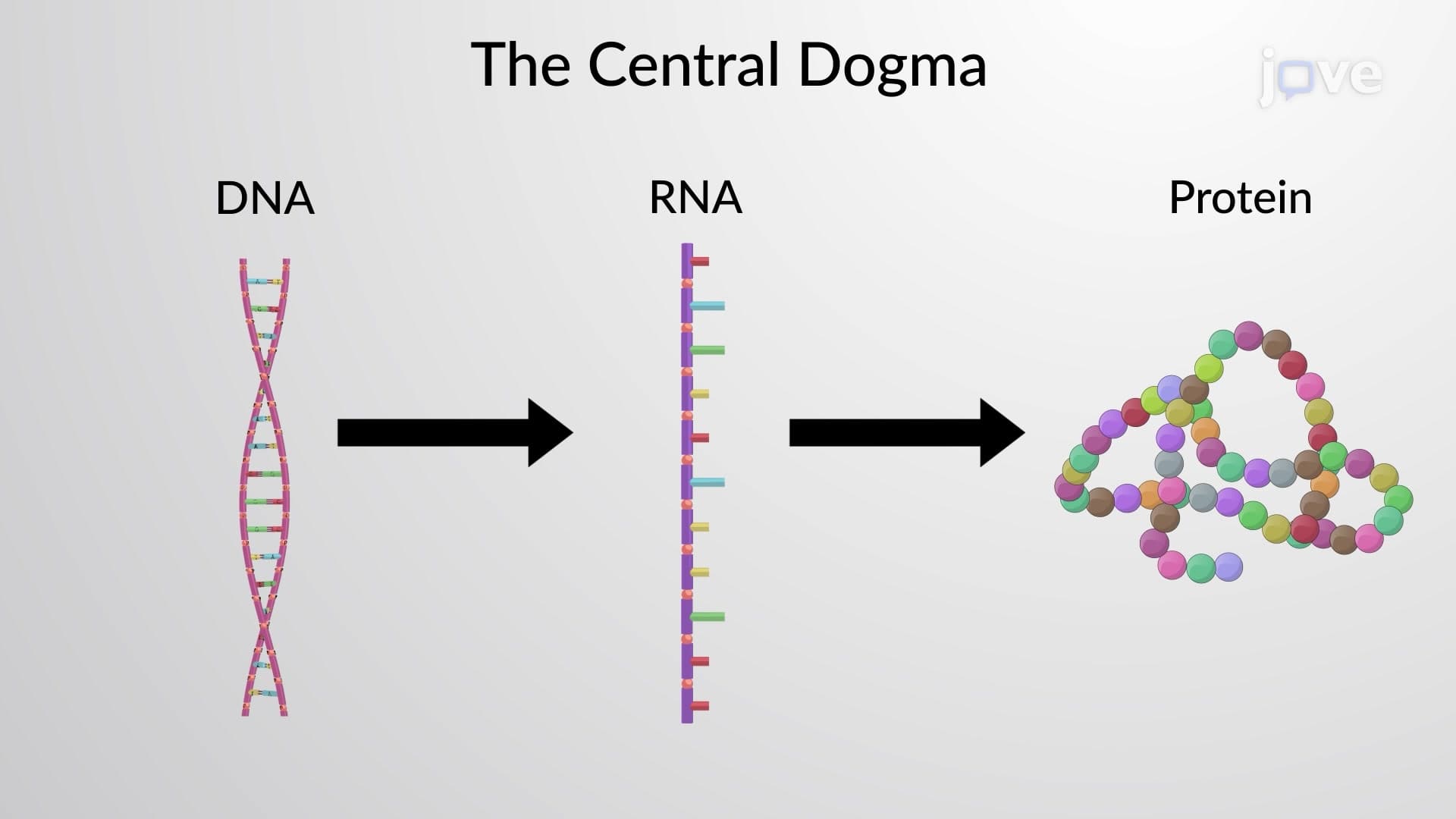
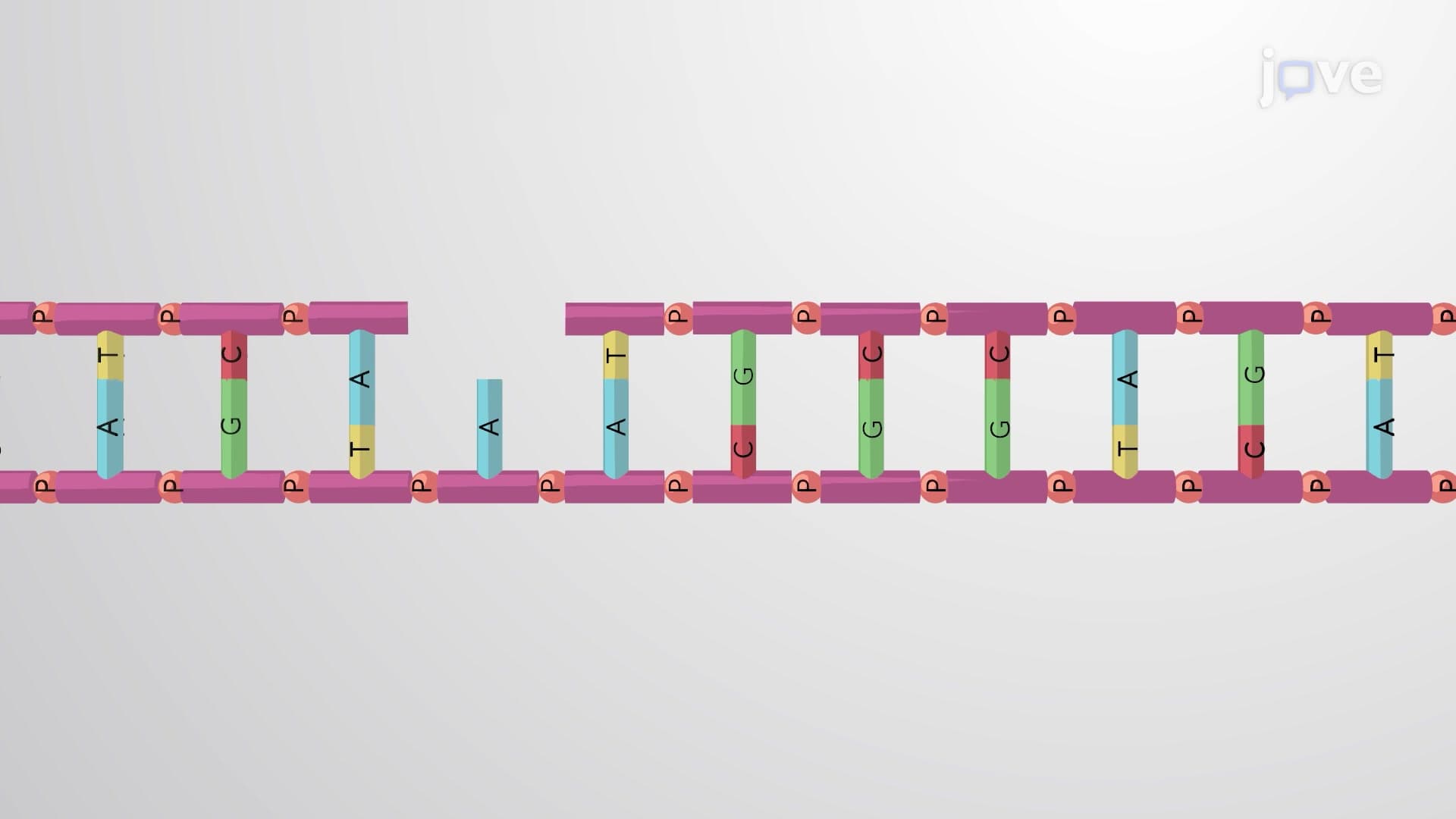
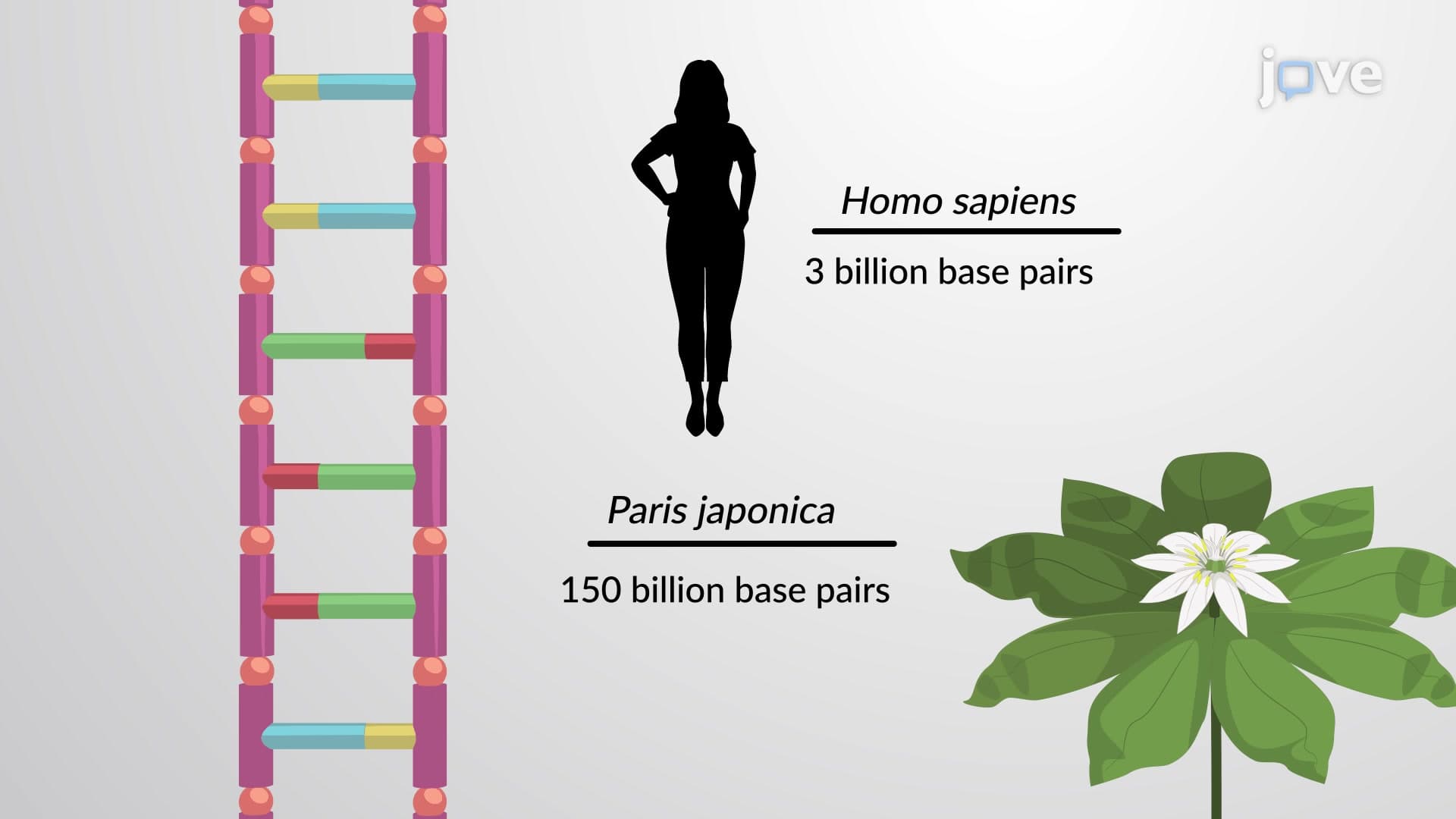

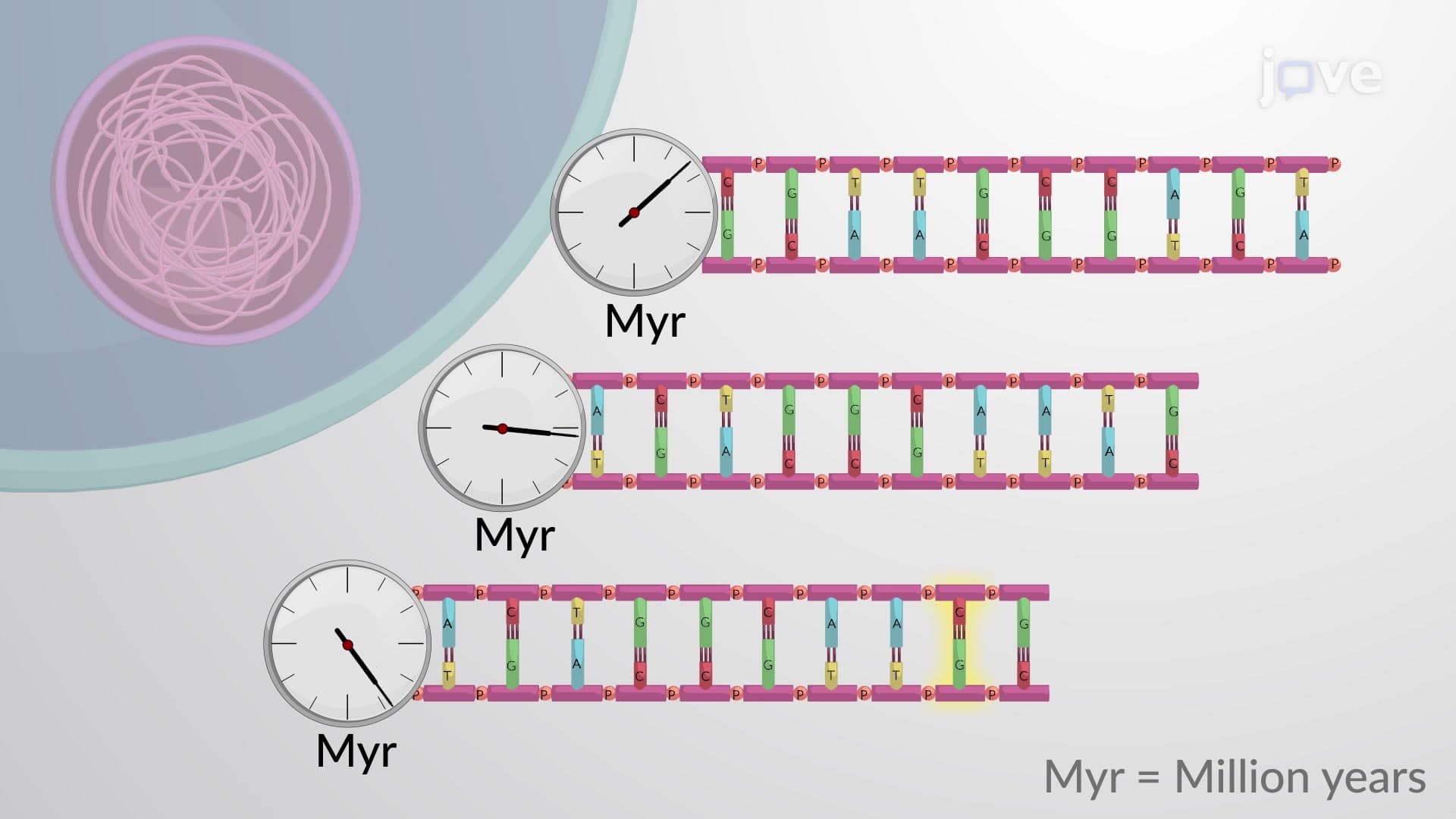
The Nucleus

00:00
01:25
Video Summary: What Is the Nucleus
Ever wonder how your cells keep 6 billion DNA base pairs organized and protected? The cell nucleus explained reveals nature's most sophisticated data storage system, functioning like a high-security vault in every human cell. From Harvard Medical School research labs to your own biology classroom, understanding the nucleus is fundamental to grasping how life operates at the cellular level. Watch the full video on JoVE Coach to master this concept with expert-led visuals and step-by-step explanations.
- Understand what is the nucleus and its role as the command center controlling cellular activities and housing genetic material
- Identify the key structural components including the nuclear envelope, nuclear pore complexes, nucleolus, and chromatin organization
- Analyze how nucleus function in cell biology changes during different phases of the cell cycle, from interphase to mitosis
- Compare the dynamic organization of DNA as loosely arranged chromatin versus tightly packed chromosomes
- Evaluate the selective permeability of the nuclear envelope and how nuclear pore complexes regulate molecular transport
- Apply knowledge of nucleolus function in ribosome assembly and its impact on protein synthesis throughout the cell
- Recognize variations in nuclear organization across different cell types, including anucleated and multinucleated cells
- Explore the relationship between nuclear structure and cellular function in health and disease states
Understanding What is The Nucleus: The Cell's Command Center
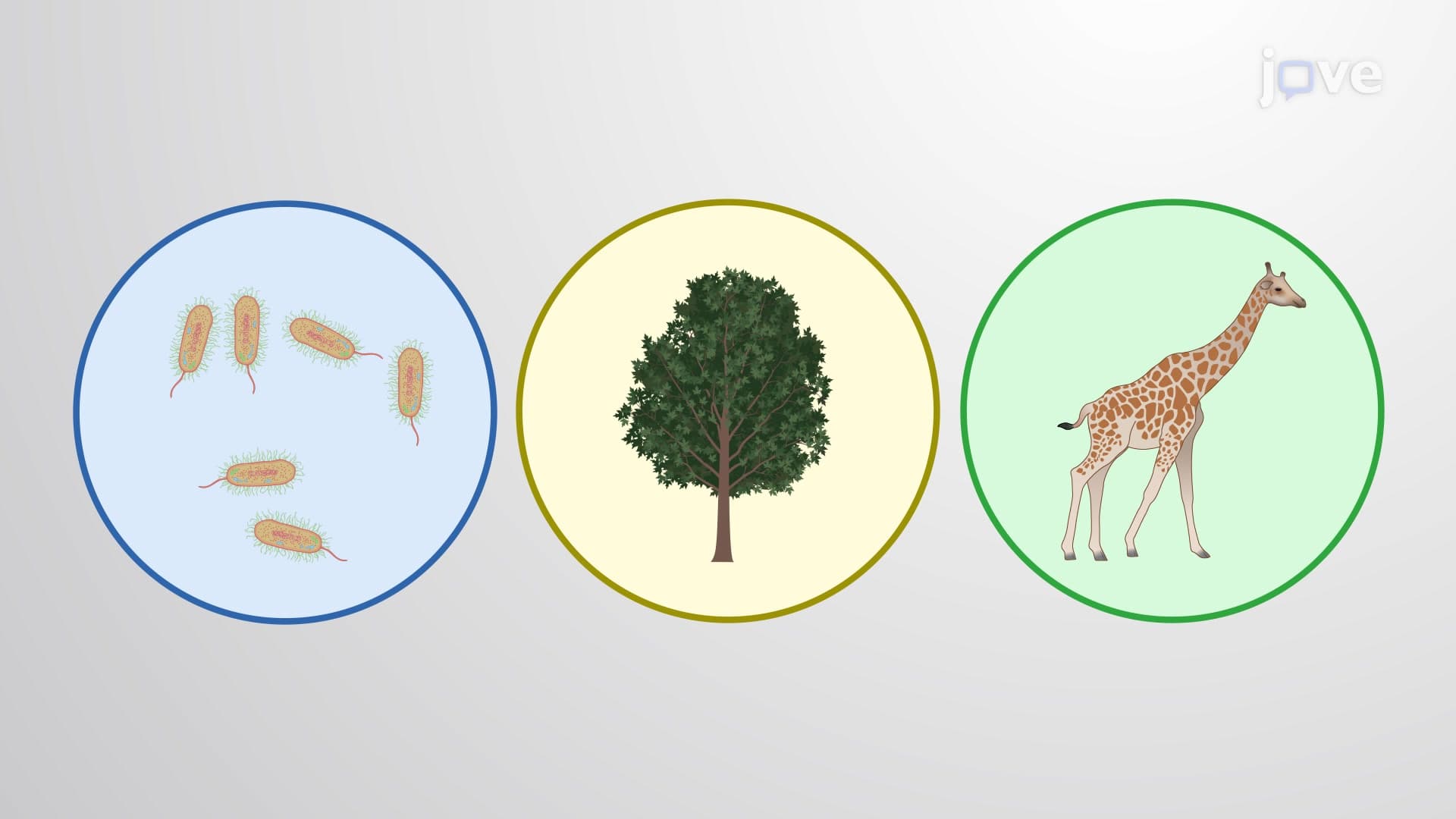
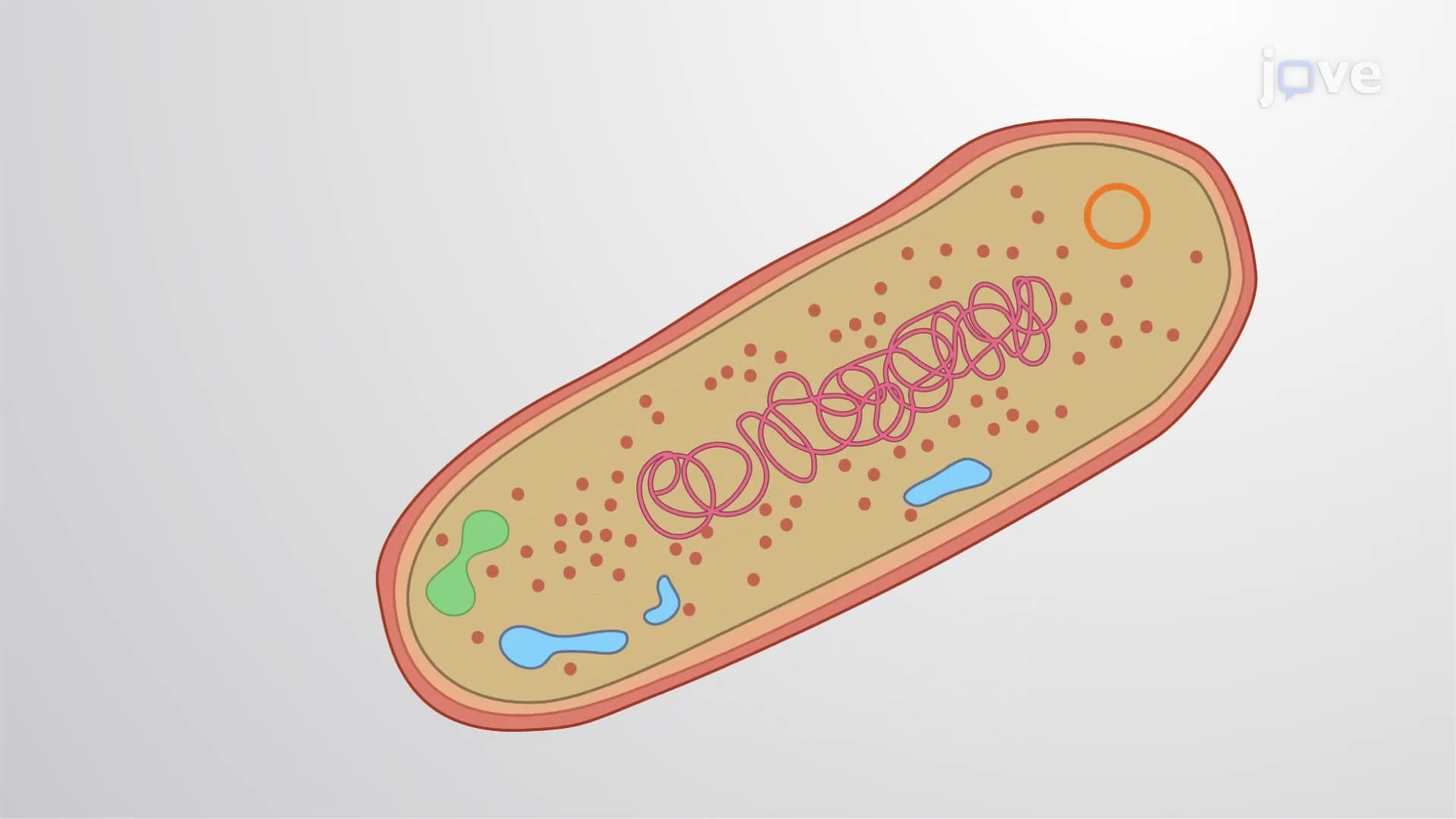
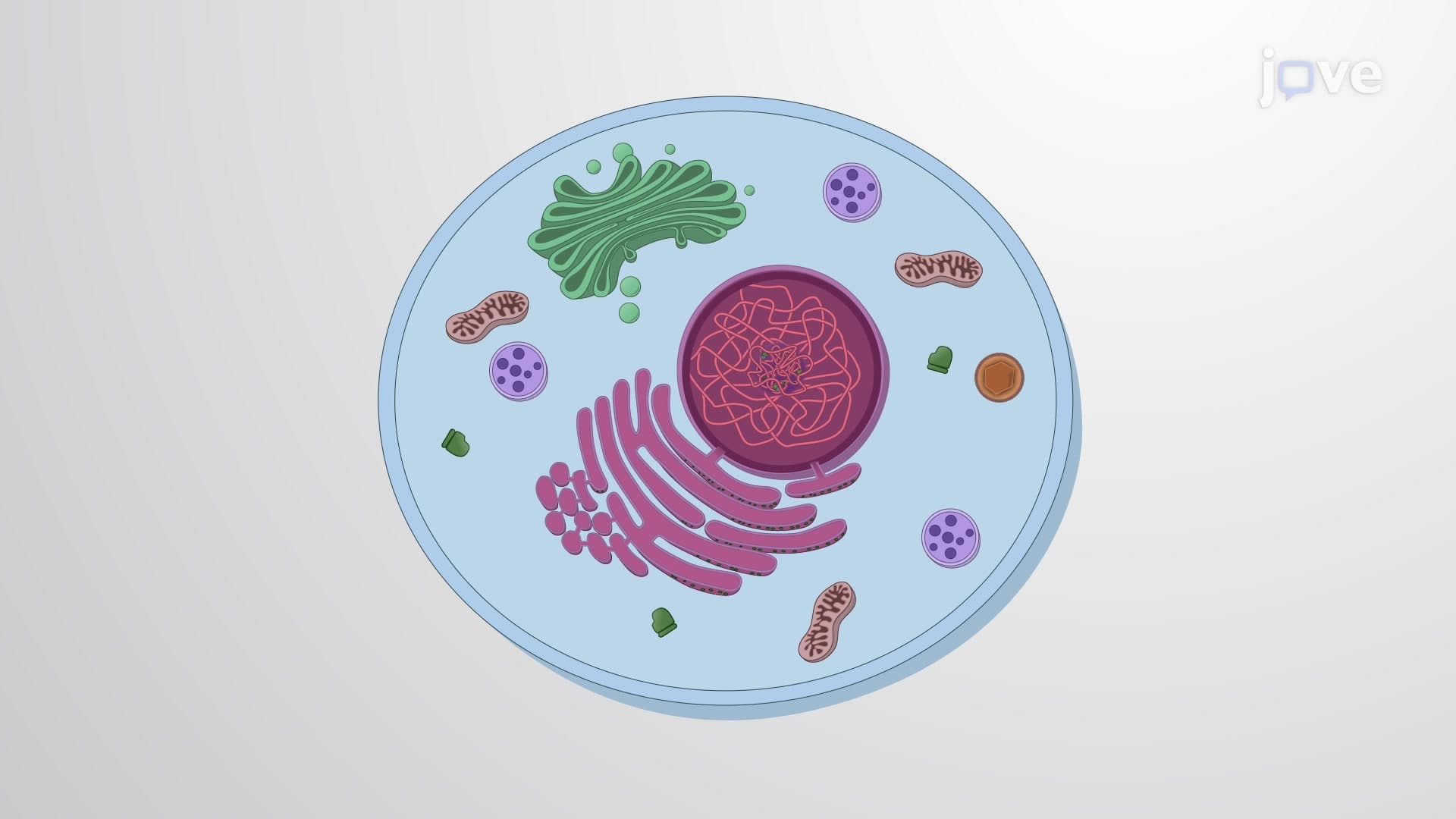
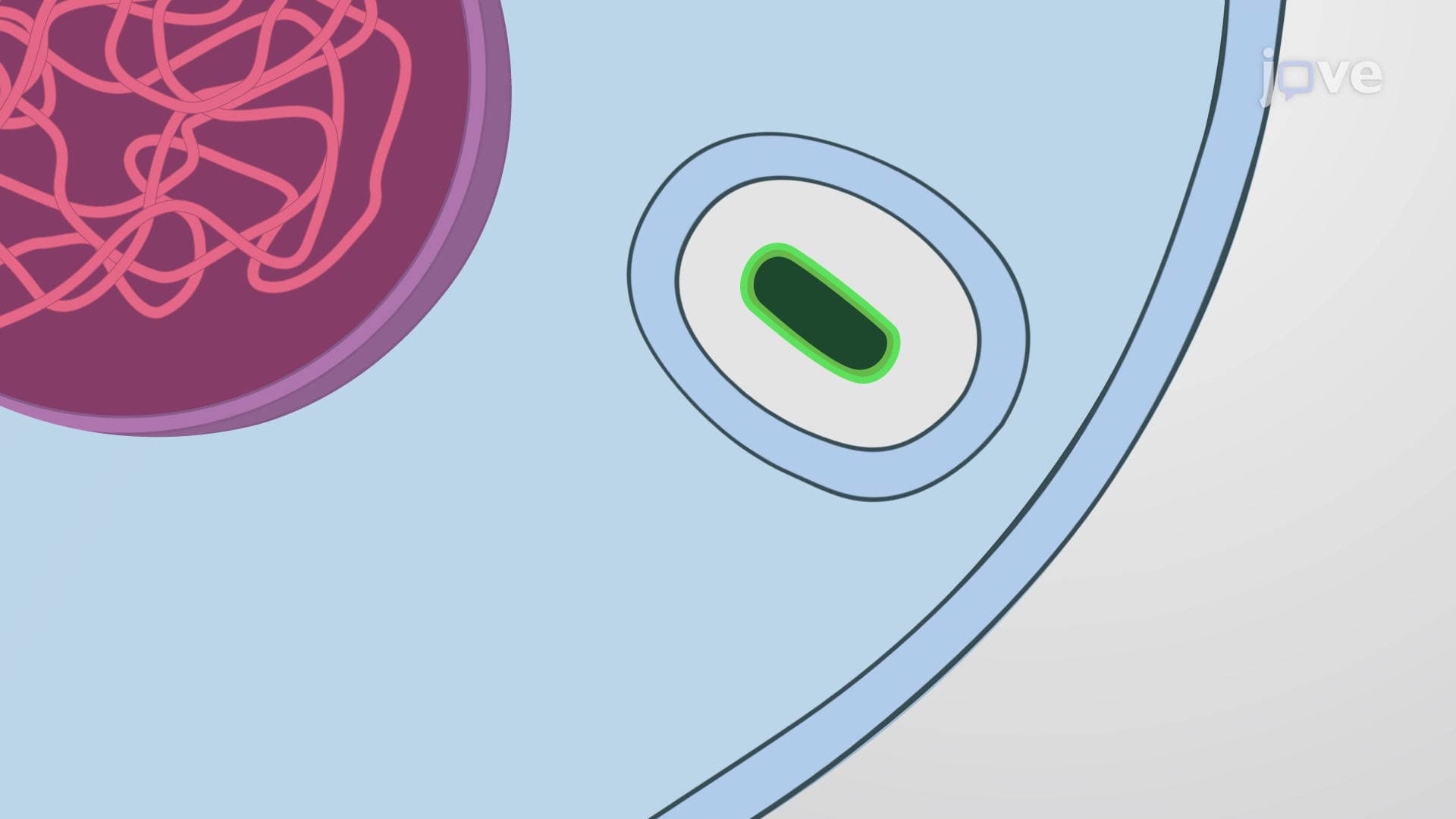
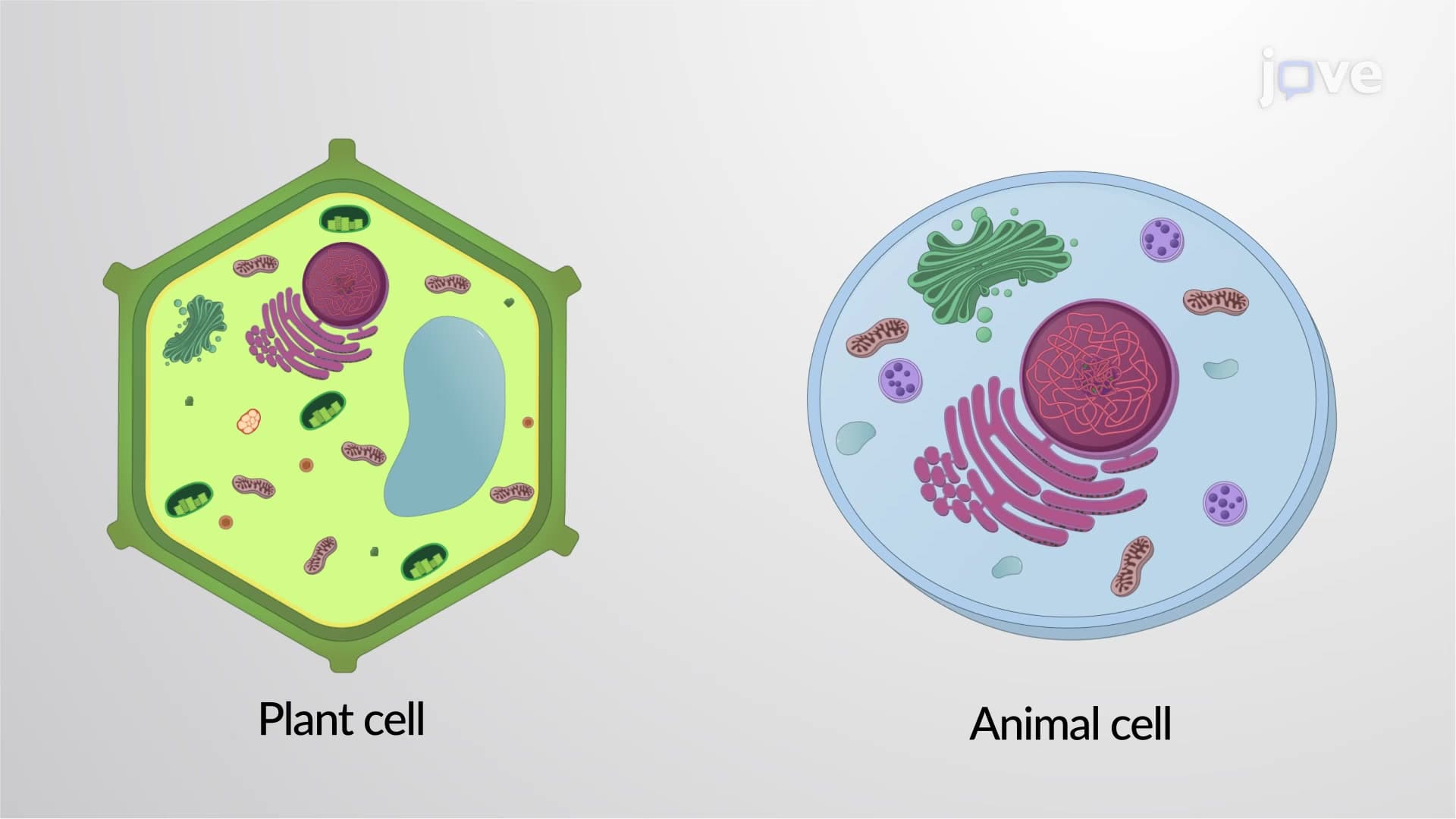
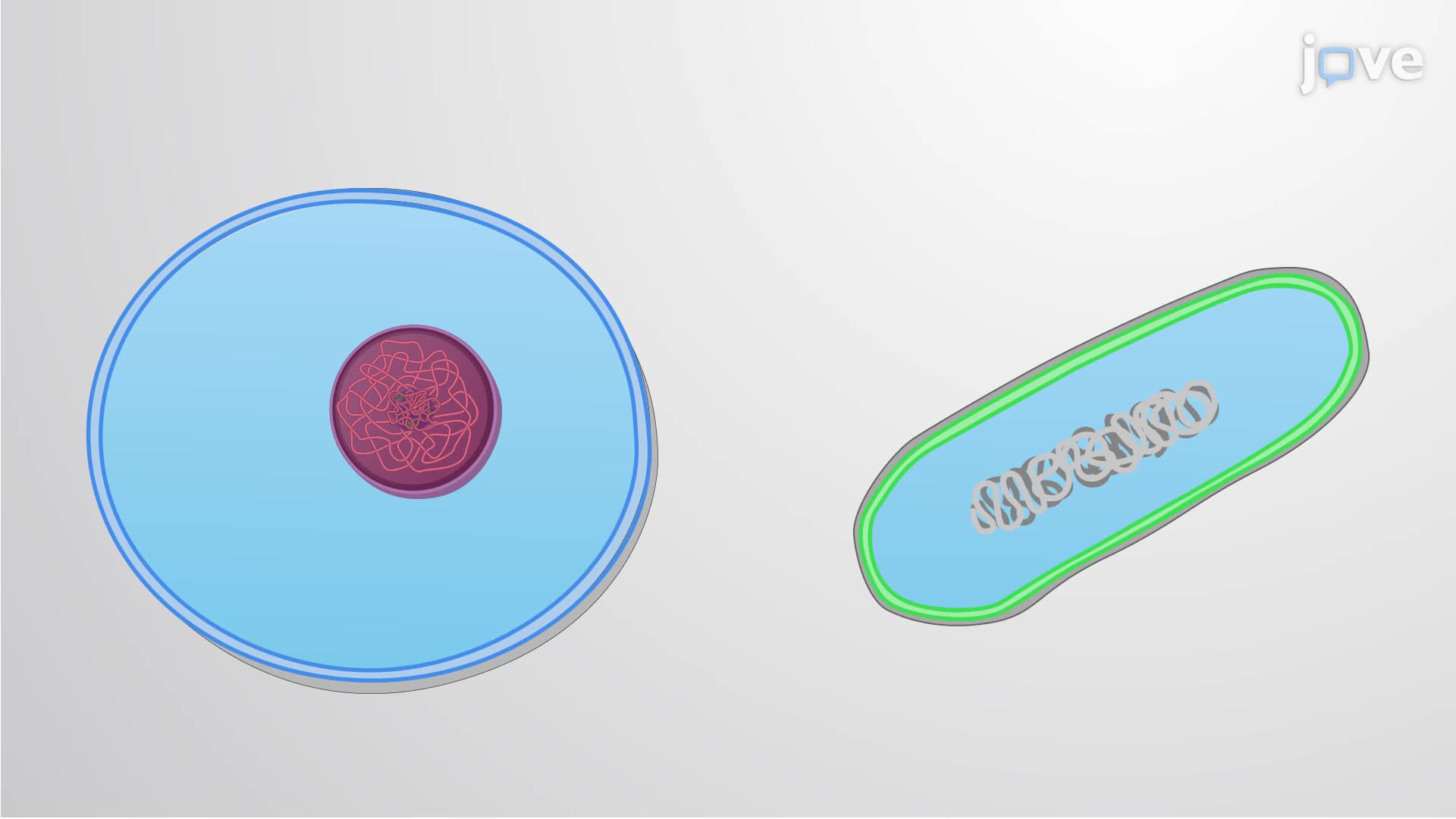
The nucleus represents one of the most critical organelles in eukaryotic cells, serving as both a protective vault for genetic information and a regulatory hub for cellular activities. Unlike prokaryotic cells such as bacteria, eukaryotic cells-including all human, animal, and plant cells-compartmentalize their DNA within this membrane-bound structure. This evolutionary advancement allows for sophisticated gene regulation and cellular control mechanisms that enable complex multicellular life.
Nuclear Architecture and the Nuclear Envelope Nucleus System
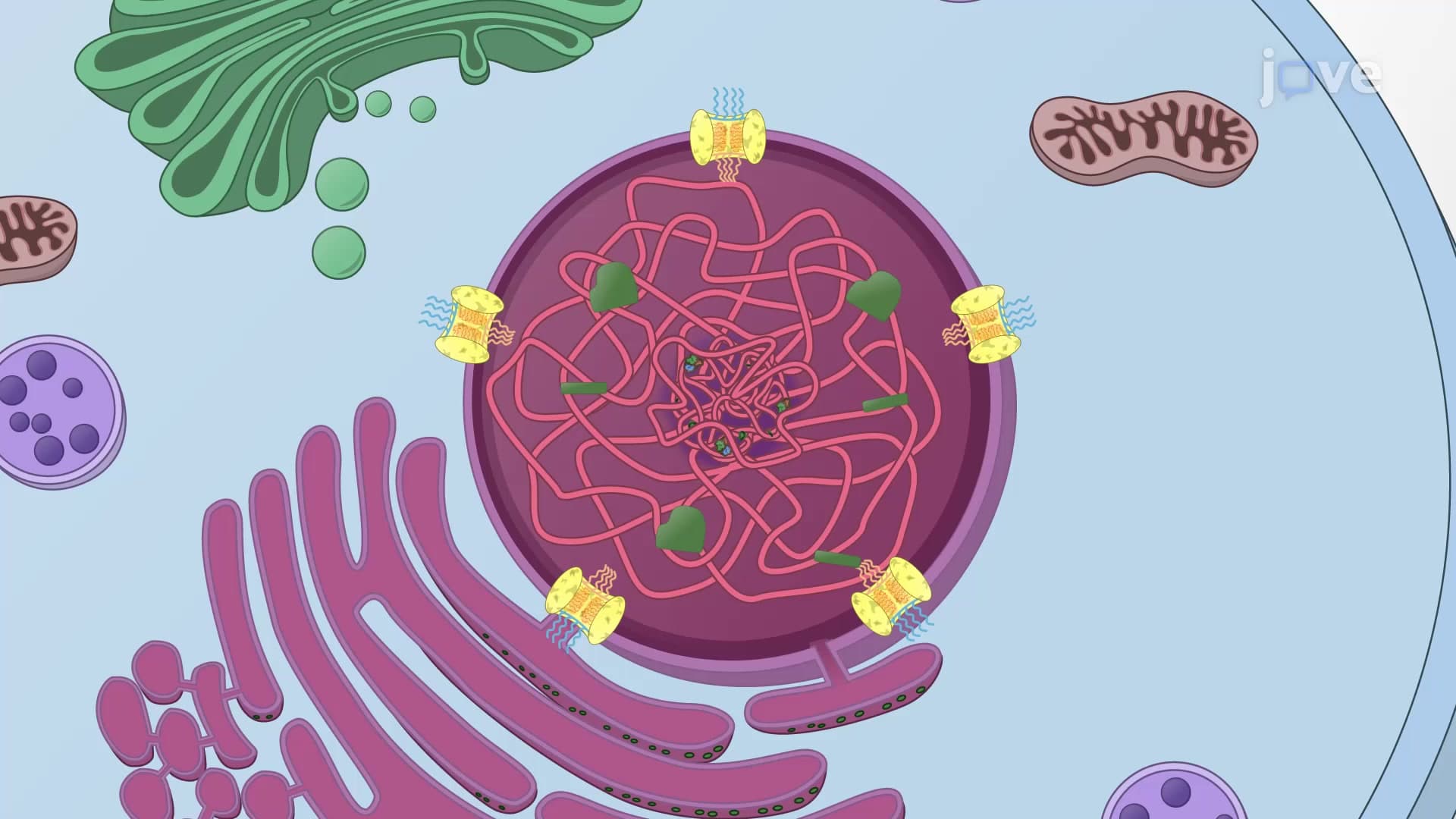
The nuclear envelope nucleus structure consists of a double membrane system that creates a selective barrier between the nuclear interior and the cytoplasm. This double membrane is studded with thousands of nuclear pore complexes, sophisticated protein channels that act like molecular gatekeepers. These complexes, each containing over 30 different proteins, regulate the transport of molecules based on size, charge, and specific transport signals. For example, mRNA molecules synthesized in the nucleus must pass through these pores to reach ribosomes in the cytoplasm for protein synthesis.
The space between the two nuclear membranes, called the perinuclear space, connects directly with the endoplasmic reticulum, creating an integrated membrane system throughout the cell. This connection is particularly evident in cells with high protein synthesis rates, such as pancreatic cells producing digestive enzymes.
DNA Organization: From Chromatin to Chromosome in Nucleus
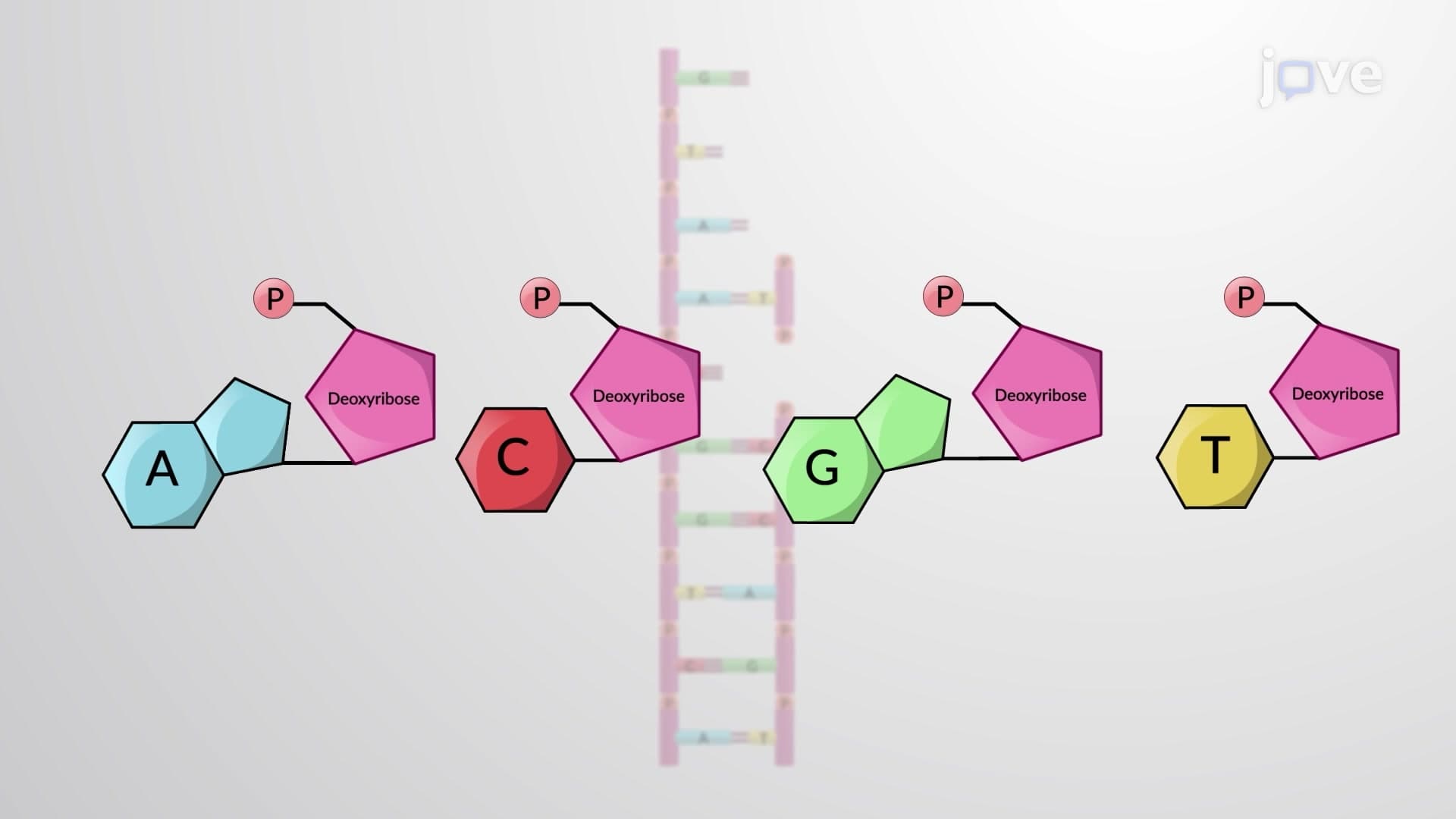
The organization of genetic material within the nucleus demonstrates remarkable efficiency and regulation. During interphase, when cells are not dividing, DNA exists as chromatin-a complex of DNA wrapped around histone proteins that resembles "beads on a string" when viewed under electron microscopy. This loose organization allows transcription factors and RNA polymerase easy access for gene expression and DNA replication.
However, when cells prepare for division, chromatin undergoes dramatic condensation to form visible chromosomes in nucleus. This process, essential for accurate chromosome segregation, transforms the 6-foot-long human DNA molecules into compact structures visible under a light microscope. Understanding this dynamic organization is crucial for AP Biology students studying cell division and gene regulation.
Nucleolus Nucleus Function and Ribosome Biogenesis
The nucleolus nucleus function centers on ribosome assembly, making it one of the most metabolically active regions within the nucleus. This non-membrane-bound substructure forms around specific chromosomal regions containing ribosomal RNA genes. In rapidly growing cells, such as those in developing embryos or cancer cells, the nucleolus can occupy up to 25% of the nuclear volume.
The nucleolus orchestrates the transcription of ribosomal RNA, its processing and modification, and the assembly of ribosomal subunits. This process is so fundamental that disruption of nucleolar function is associated with various diseases, including certain cancers and genetic disorders, making it a focus of medical research at institutions like the National Institutes of Health.
Frequently Asked Questions
The nucleus is a membrane-bound organelle that houses the cell's DNA and controls gene expression, making it the command center that regulates all cellular activities. It coordinates protein synthesis, cell division, and metabolic processes by controlling which genes are turned on or off. This central regulatory role earned it the nickname "control center" because it directs cellular function much like a computer processor controls a computer system.
Nuclear function appears in multiple AP Biology units, including cell structure, gene expression, cell cycle regulation, and molecular genetics. Students must understand nuclear transport, chromatin organization, and transcription regulation for free-response questions. The nucleus connects to nearly every major biological process, making it essential for understanding inheritance patterns, gene regulation, and cellular responses to environmental stimuli.
Concentrate on nuclear pore complex function, chromatin vs. chromosome organization, and nucleolus role in ribosome biogenesis for MCAT success. Understand how nuclear organization relates to gene expression regulation and cell cycle control. Pay special attention to how nuclear structure supports DNA replication, transcription, and mRNA processing, as these processes frequently appear in biochemistry and biology sections.
Nuclear abnormalities are central to cancer biology, genetic disorders, and aging processes studied in nursing and medical programs. For example, enlarged nucleoli often indicate rapidly dividing cancer cells, while nuclear fragmentation characterizes apoptosis. Understanding normal nuclear function helps healthcare students recognize pathological changes in cell morphology and understand how chemotherapy drugs target rapidly dividing cells.
Nuclear structure builds naturally on basic cell biology concepts and uses familiar analogies like a cell's "library" or "headquarters." Most high school biology courses introduce nuclear components gradually, starting with DNA storage and expanding to include nuclear envelope function and ribosome assembly. The key is connecting nuclear structure to observable processes like growth, reproduction, and inheritance that students already understand.
Use the acronym "NECC" (Nuclear Envelope, Chromatin, Nucleolus, Chromosomes) and create visual associations linking structure to function. Draw labeled diagrams repeatedly, focusing on how each component serves the cell's needs. Practice explaining nuclear processes out loud, such as describing how mRNA travels from nucleus to ribosome, to reinforce understanding beyond mere memorization.
Progress to studying transcription and translation processes, cell cycle regulation, and DNA replication mechanisms that all depend on nuclear function. Explore how nuclear organization differs in various cell types and how mutations affect nuclear processes. Advanced students can investigate epigenetic modifications and nuclear receptors that regulate gene expression in response to cellular signals.
Related Micro-courses

12 Concepts
22 Concepts
12 Concepts