Loading subject page…

- Cell Biology
- Membrane Structure and Components
- Detergent Purification of Membrane Proteins
Micro-course: Membrane Structure and Components
167,927 views
Learn key concepts and earn your certificate.

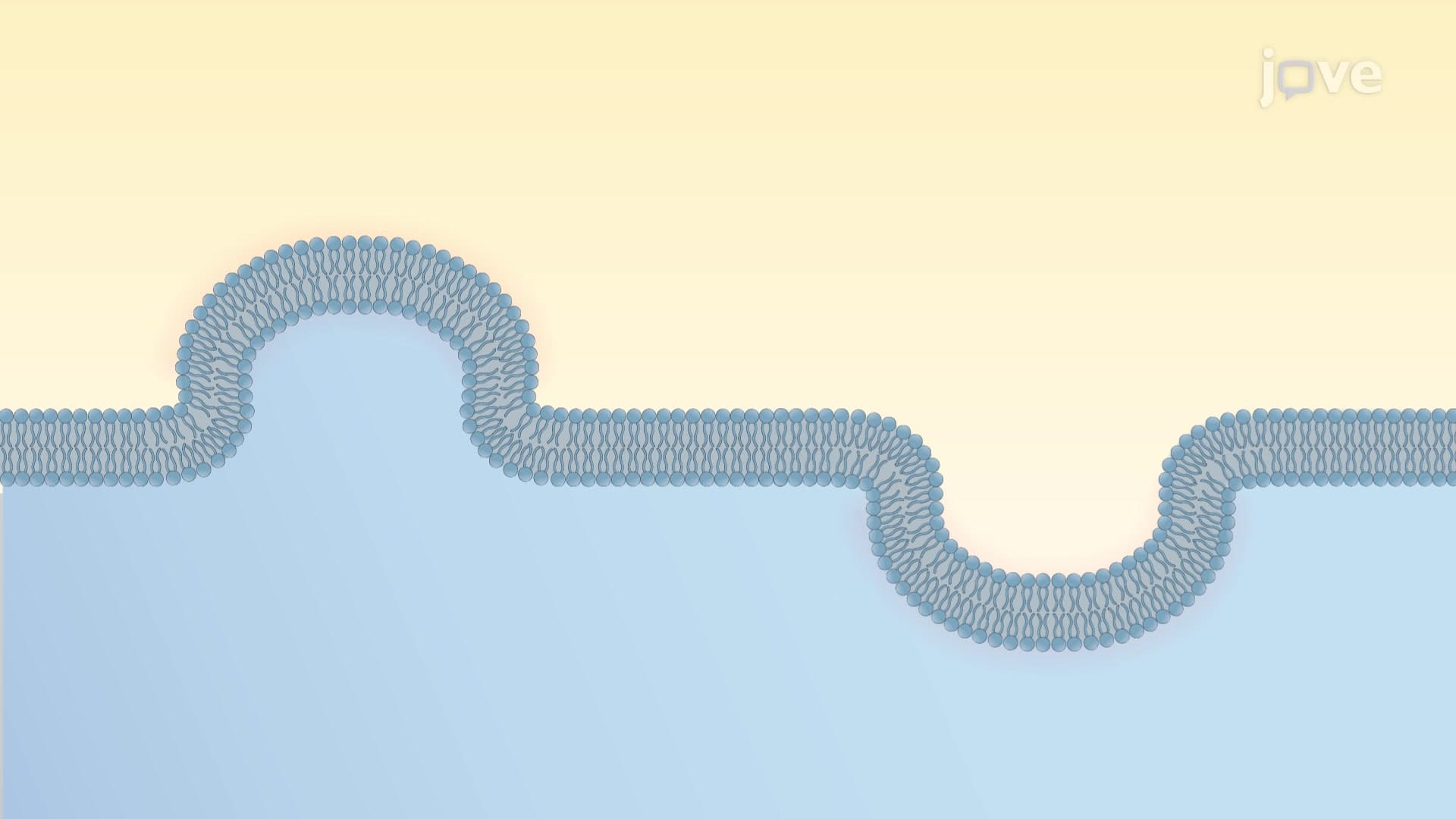
Detergent Purification of Membrane Proteins

00:00
01:18
Video Summary: Detergent Purification of Membrane Proteins Explained
Ever wondered how scientists extract proteins from cell membranes without destroying them? Detergent purification of membrane proteins uses soap-like molecules to carefully dissolve cellular membranes while preserving protein function. This technique is crucial for producing insulin at pharmaceutical companies like Eli Lilly and developing COVID-19 vaccines. Watch the full video on JoVE Coach to master this concept with expert-led visuals and step-by-step explanations.
- Understand how detergent purification of membrane proteins utilizes amphiphilic molecules to solubilize cellular membranes
- Identify the three main types of detergents used in protein purification: ionic, non-ionic, and zwitterionic
- Compare the effectiveness of different detergent types in maintaining protein structure and function
- Analyze the three-stage process of membrane protein extraction using detergent micelles
- Recognize why non-ionic and zwitterionic detergents are preferred over ionic detergents for functional protein isolation
- Apply knowledge of detergent properties to predict outcomes in membrane protein purification experiments
- Evaluate the role of detergent removal in downstream protein purification techniques
- Explore real-world applications of membrane protein purification in biotechnology and pharmaceutical industries
Understanding Detergent Purification of Membrane Proteins
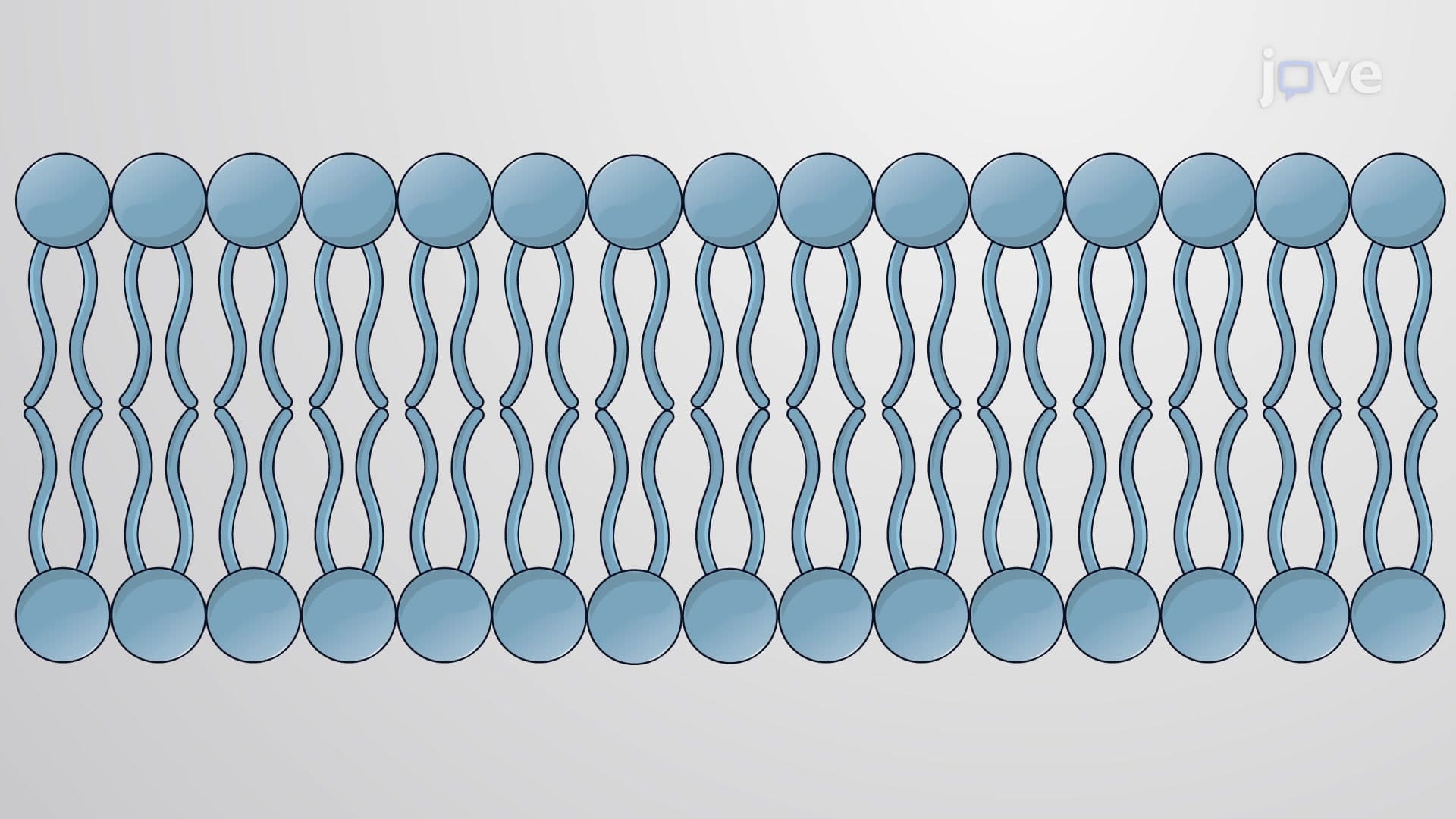
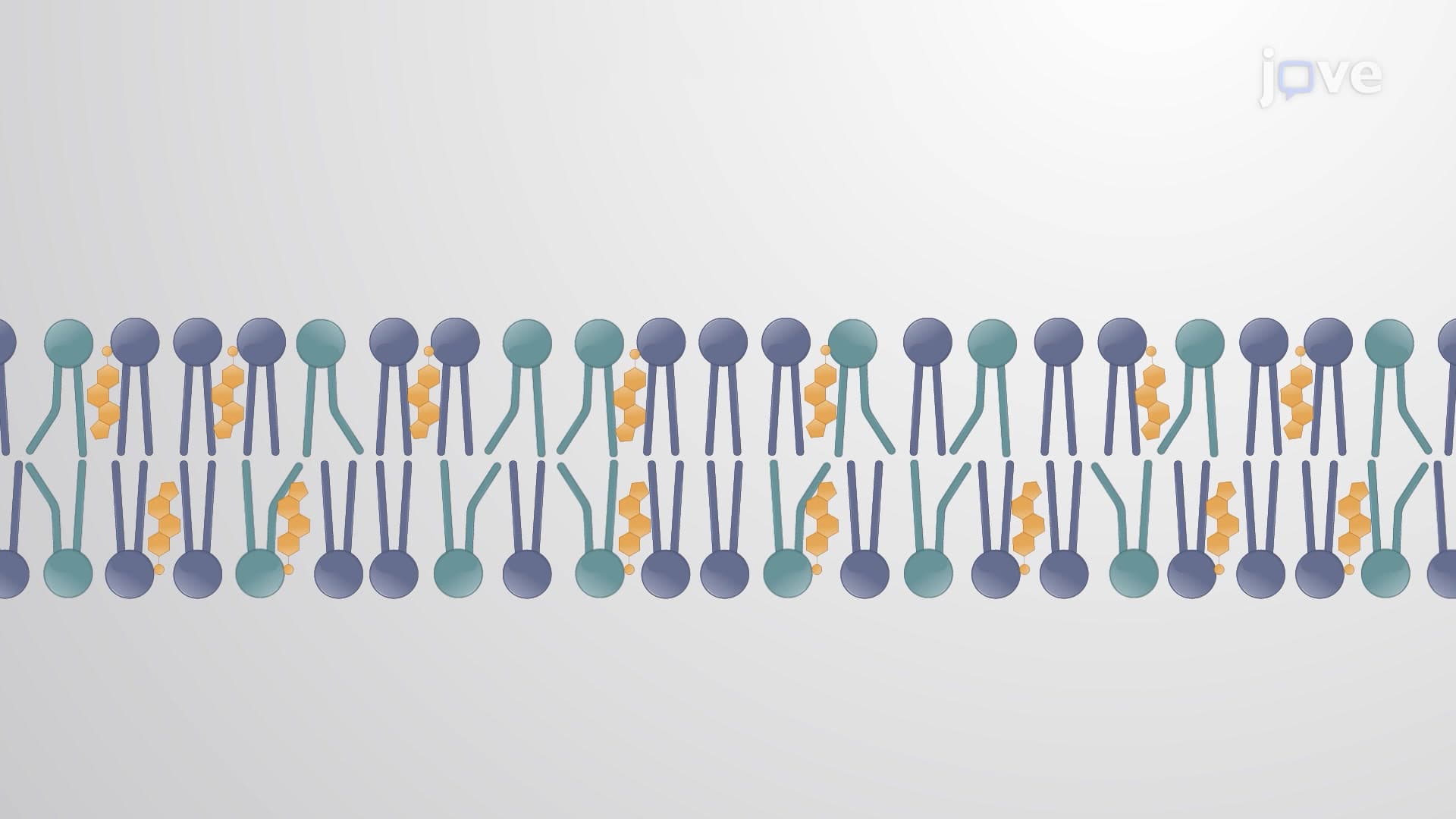
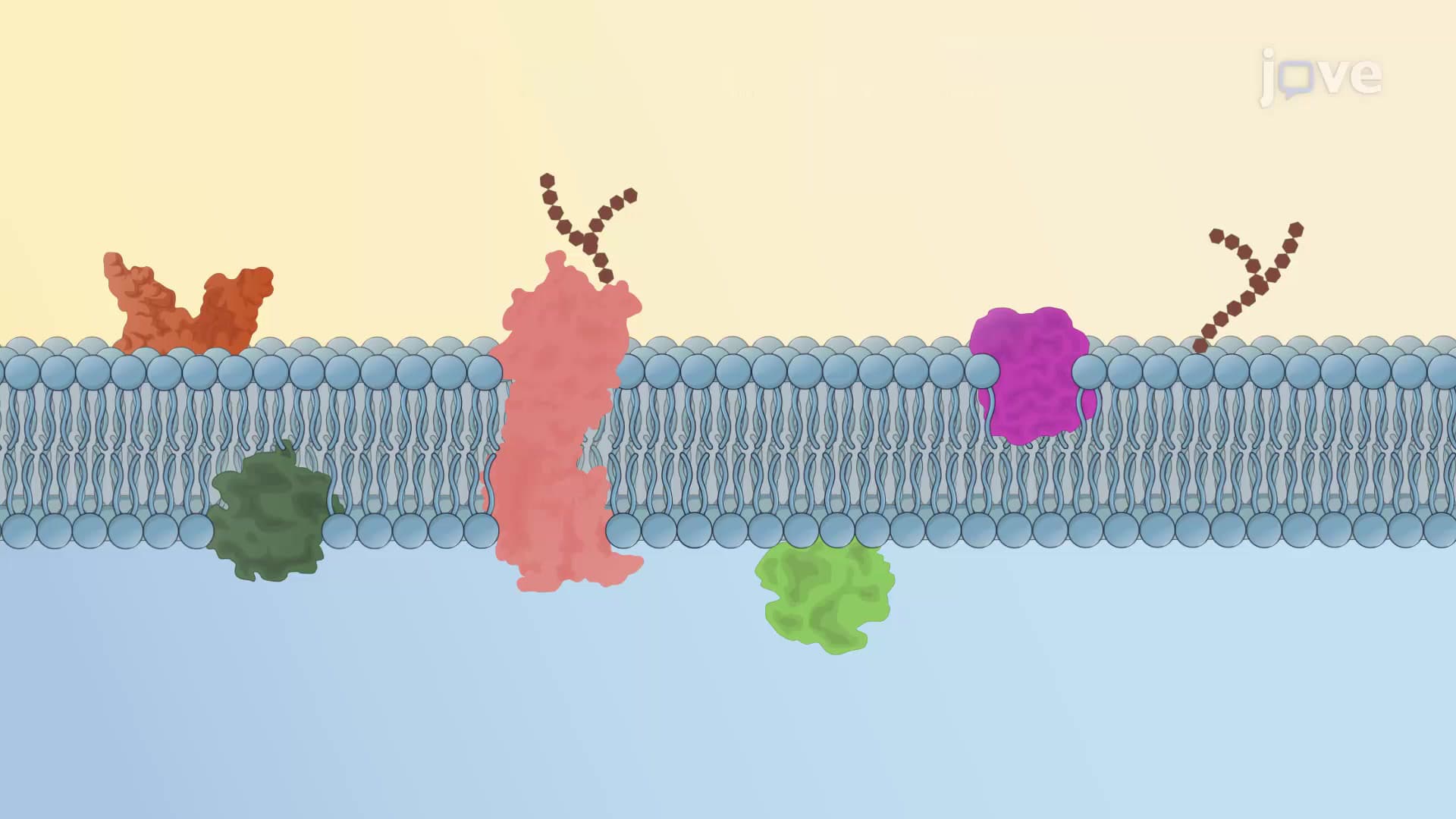
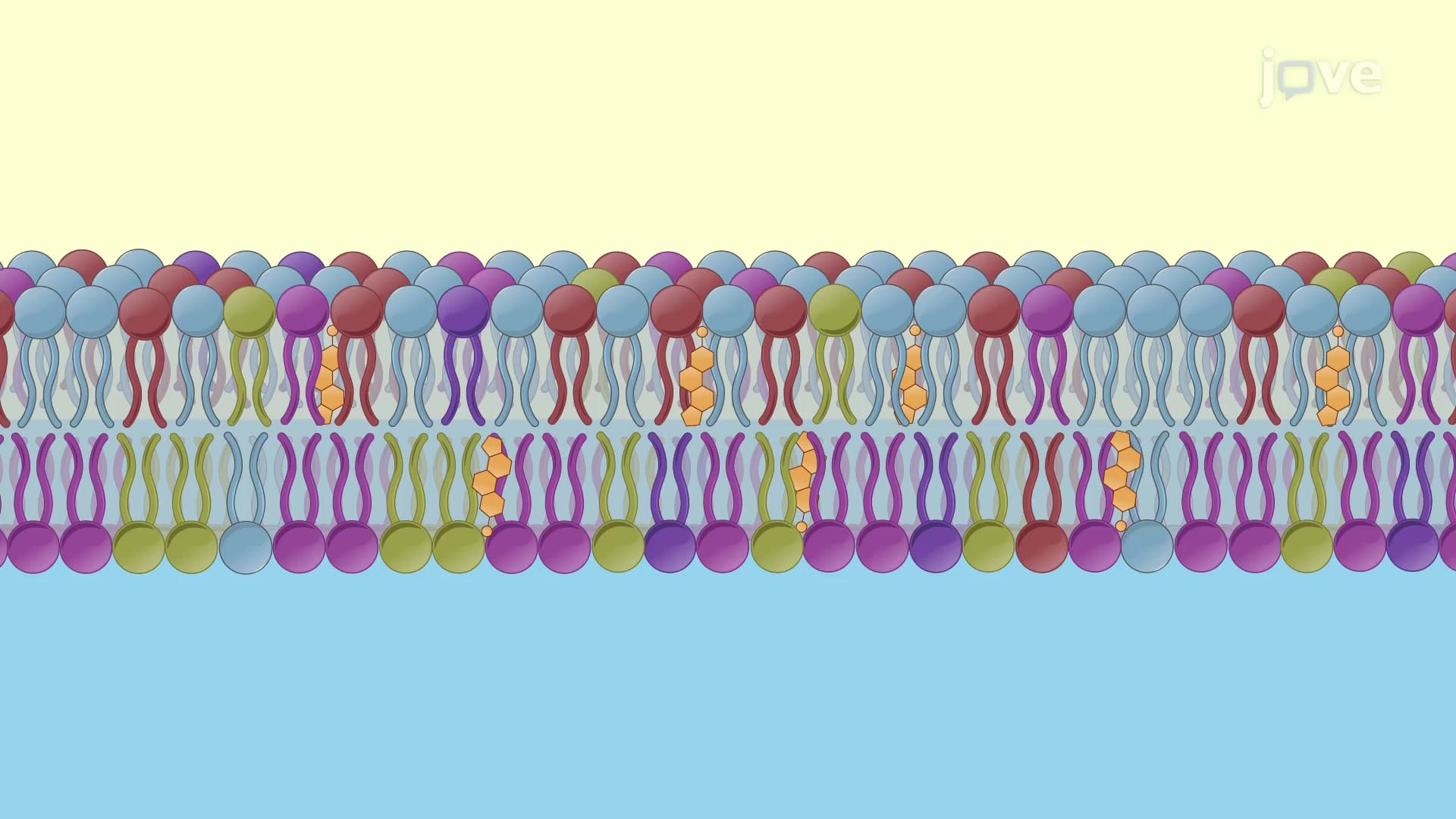
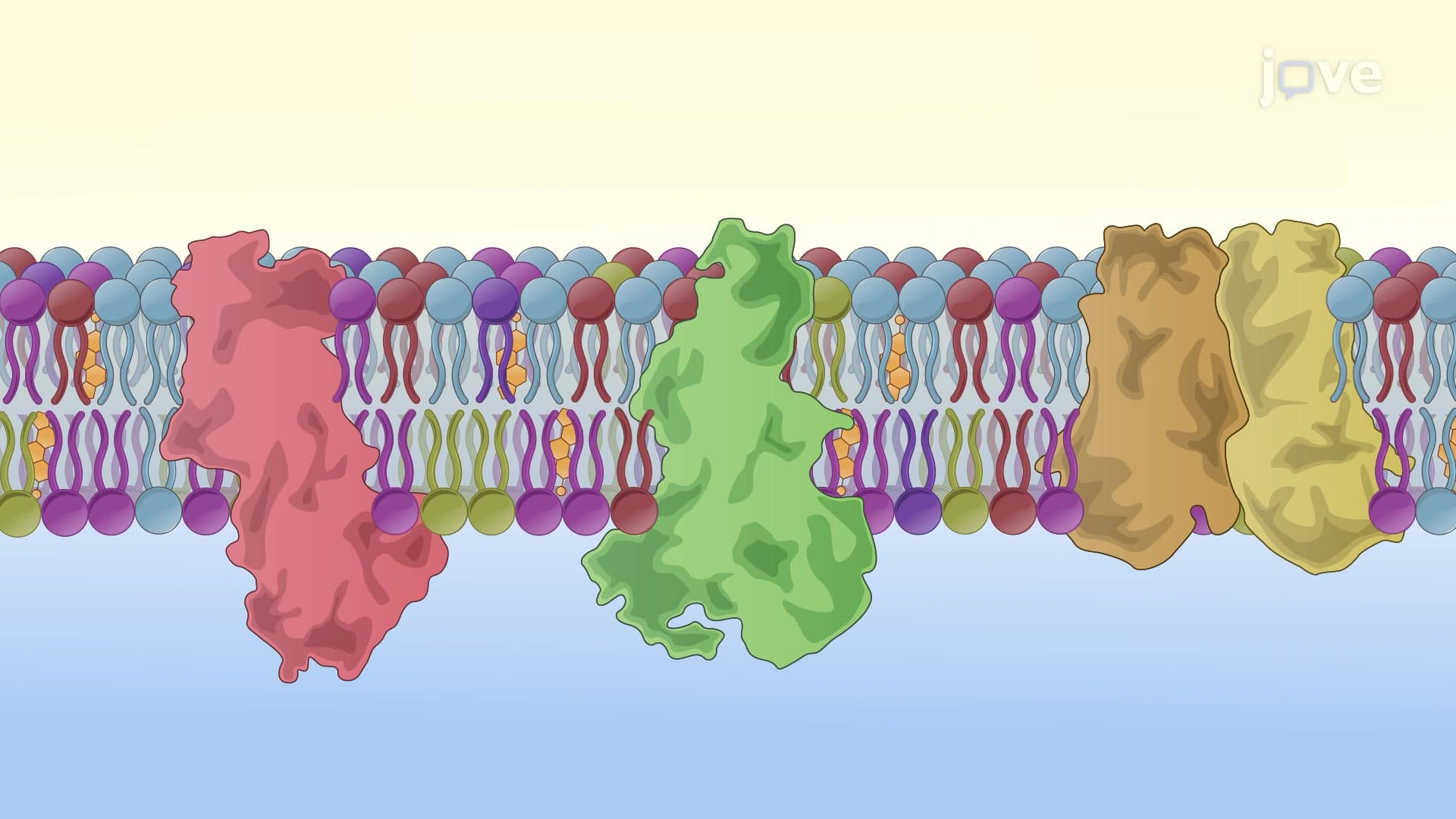
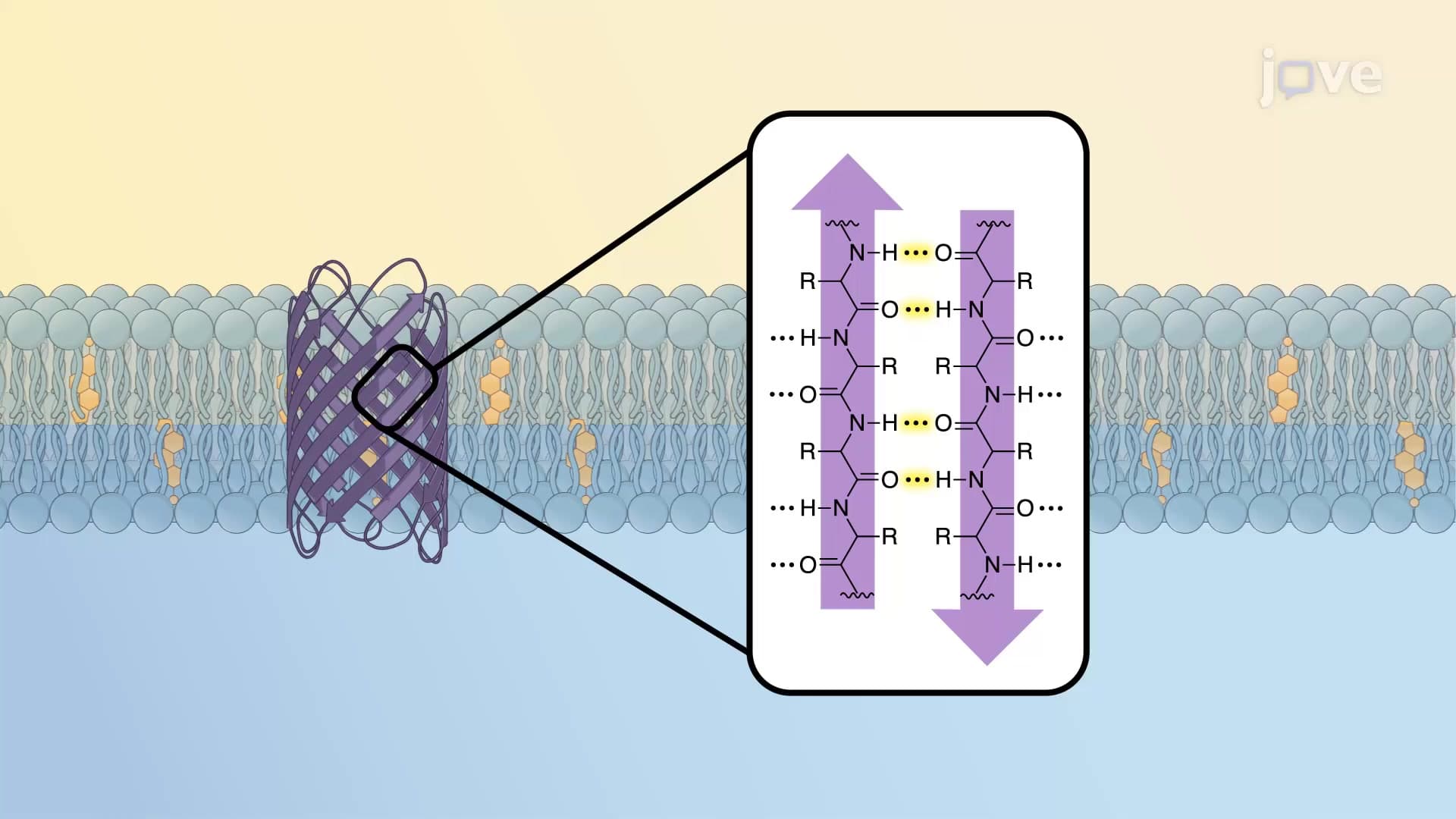
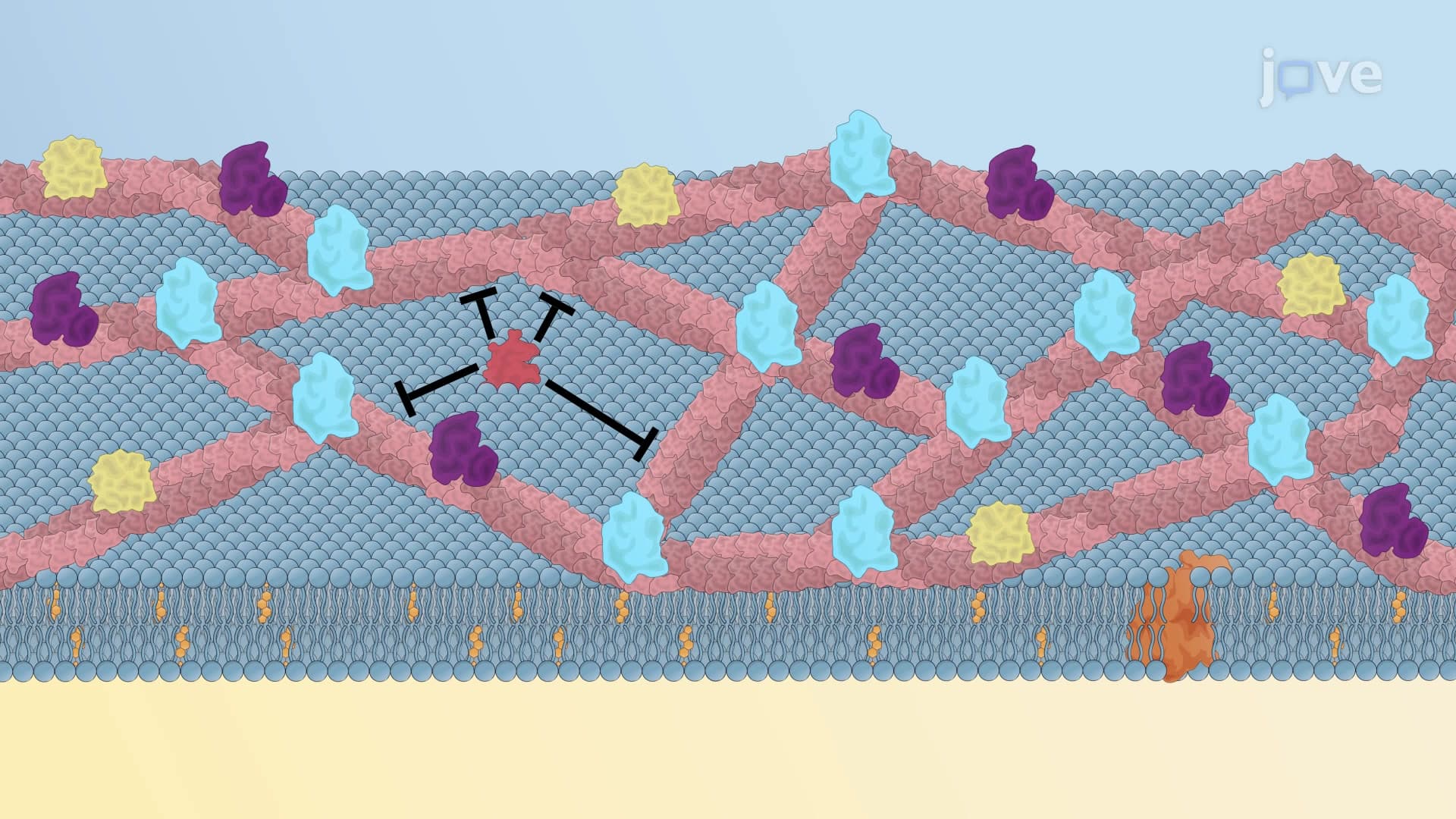
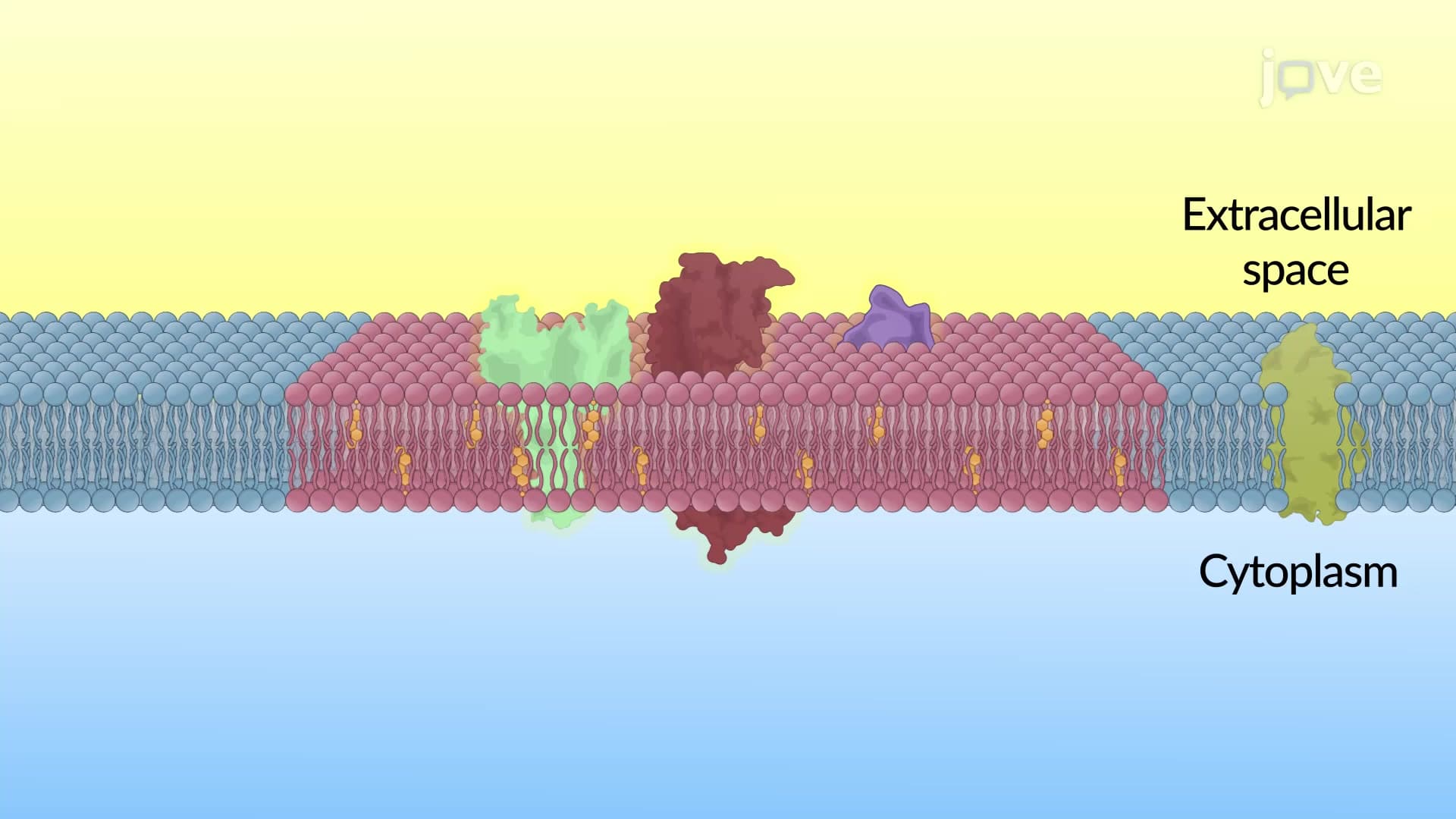
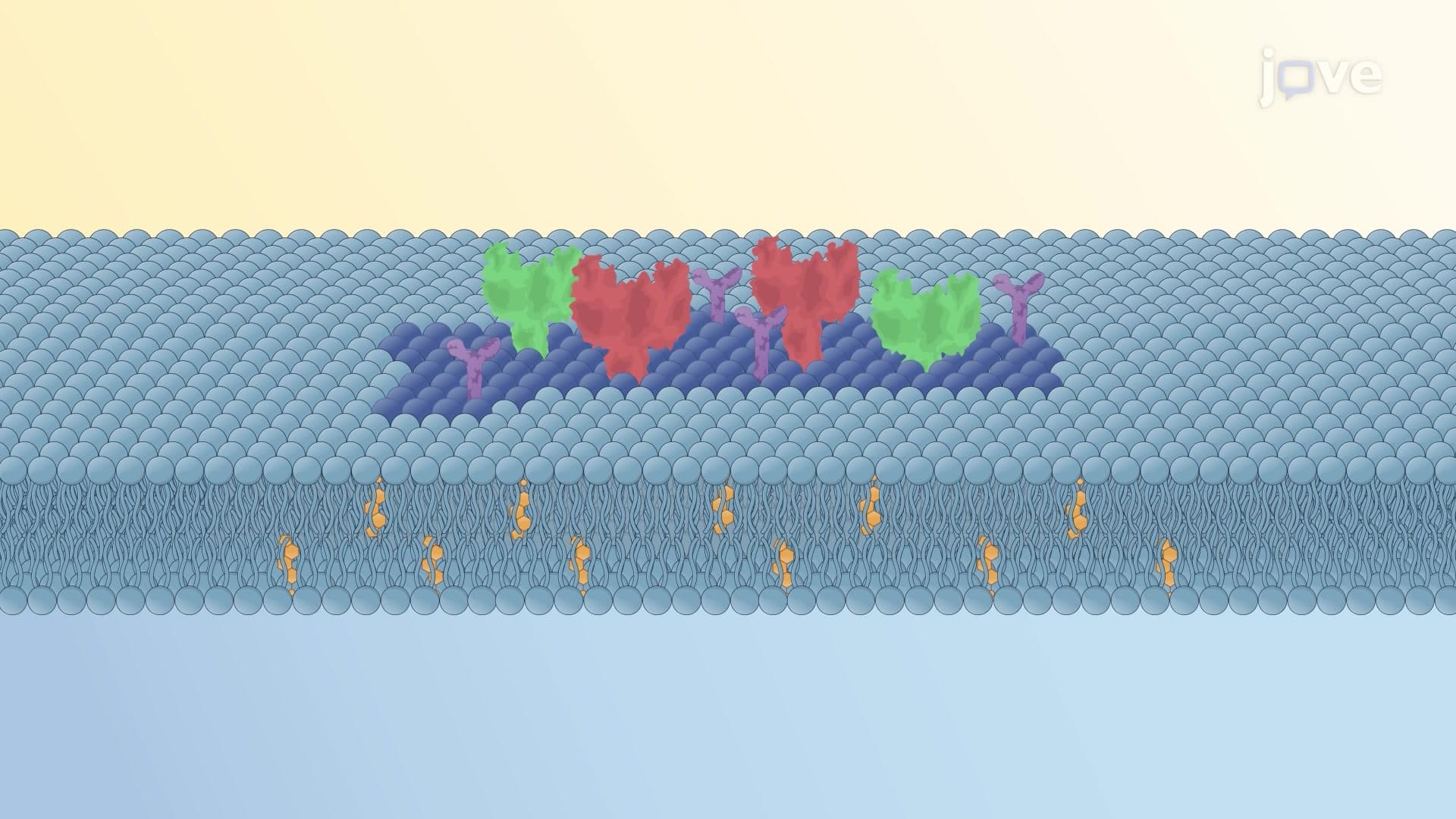
Membrane proteins represent approximately 30% of all proteins in living cells and serve critical functions as channels, receptors, and transporters. However, their location within lipid bilayers makes them notoriously difficult to study. Detergent purification of membrane proteins has revolutionized biochemistry by providing a gentle method to extract these proteins while maintaining their native structure and function.
The Science Behind Detergent Structure and Function
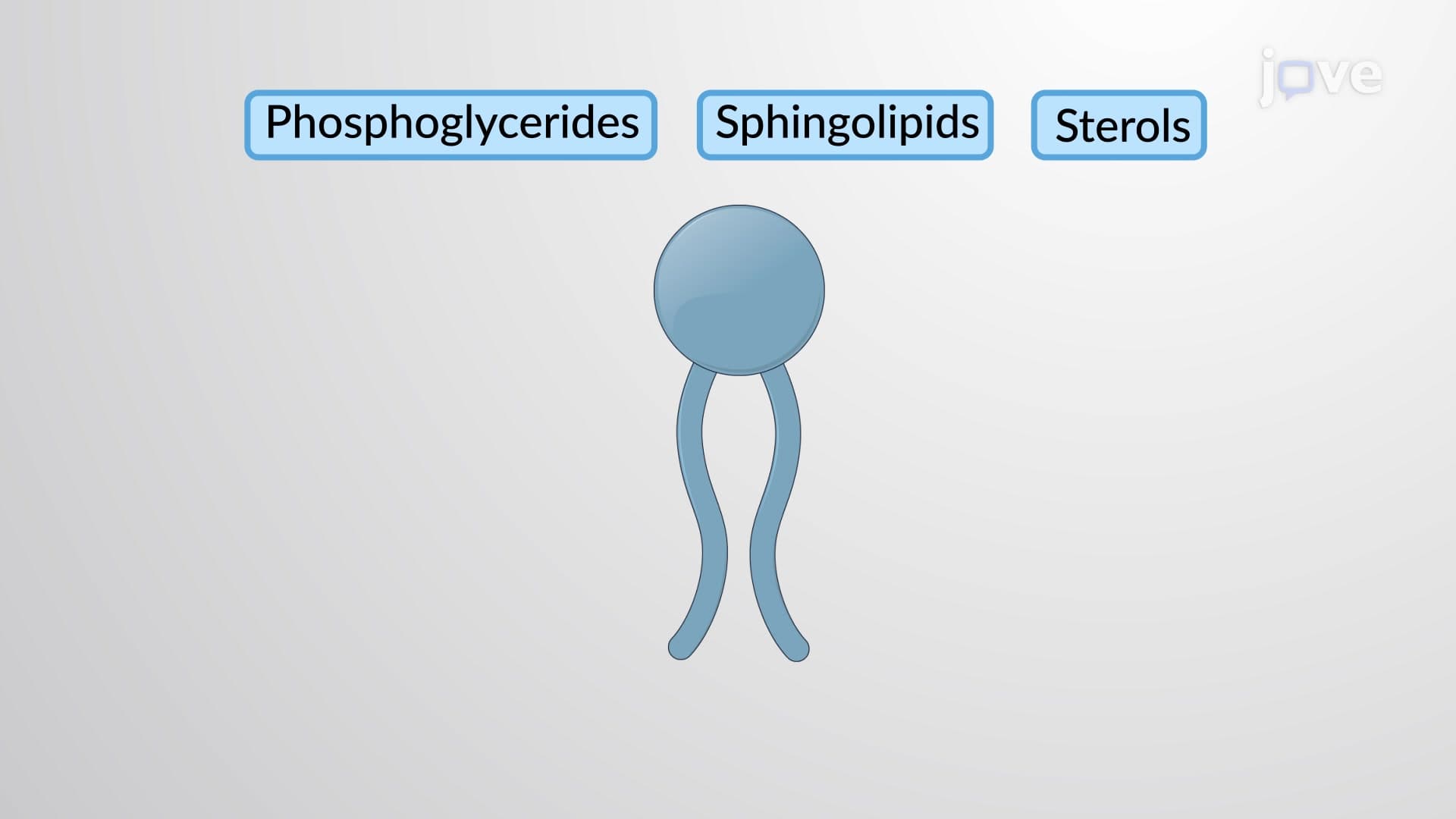
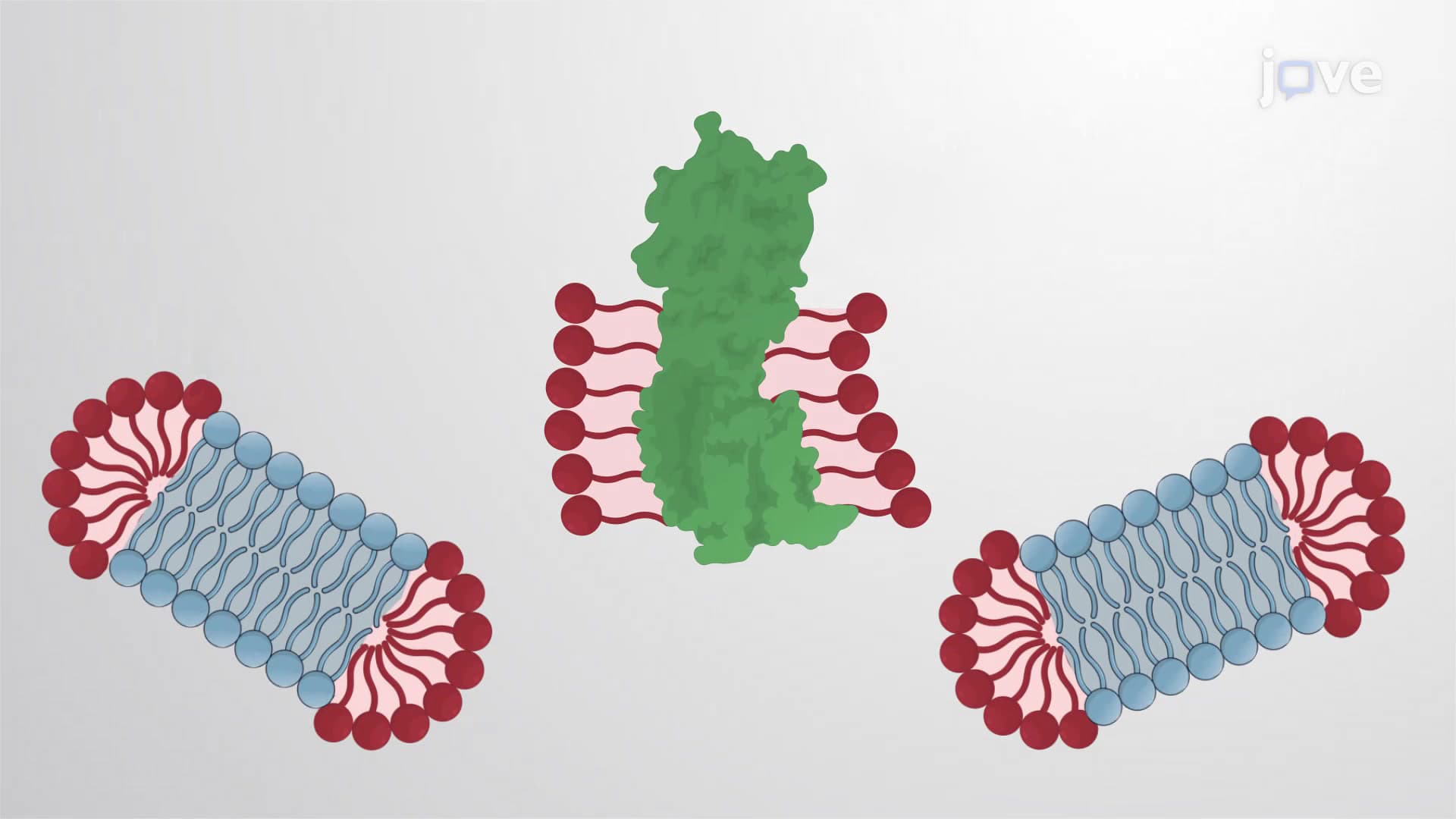
Detergents are amphiphilic molecules, meaning they contain both water-loving (hydrophilic) head groups and water-fearing (hydrophobic) tail regions. This dual nature allows them to form spherical structures called micelles when dissolved in water above their critical micelle concentration (CMC). The hydrophobic tails cluster inward while hydrophilic heads face the aqueous environment, creating a protective environment for membrane proteins.
The three main categories of detergents each offer unique advantages. Ionic detergents like sodium dodecyl sulfate (SDS) carry charged head groups and are powerful solubilizers but often denature proteins. Non-ionic detergents such as Triton X-100 lack charge and provide gentler conditions that preserve protein function. Zwitterionic detergents like CHAPS contain both positive and negative charges, offering excellent solubilization with minimal protein denaturation.
The Three-Stage Purification Process
Membrane protein extraction follows a systematic three-stage process that students encounter in advanced placement biology and college biochemistry courses. Initially, detergent molecules interact with the outer leaflet of the lipid bilayer, creating mixed micelles. During solubilization, the membrane dissolves as detergents form complexes with both lipids and proteins. Finally, detergent removal allows researchers to isolate pure proteins using techniques like affinity chromatography or size exclusion chromatography.
Real-World Applications and Academic Relevance
This purification method is essential in pharmaceutical research at companies like Pfizer and Moderna, where scientists extract and purify membrane receptors for drug development. Students preparing for the MCAT will encounter membrane protein purification in biochemistry sections, while AP Biology students study these concepts when learning about cellular transport and protein structure. Understanding detergent purification principles also provides foundation knowledge for careers in biotechnology, where companies like Genentech rely on these techniques for therapeutic protein production.
Frequently Asked Questions
Detergent purification of membrane proteins is a laboratory technique that uses soap-like molecules to extract proteins from cell membranes while preserving their structure and function. This method is crucial for studying membrane proteins, which include many drug targets and essential cellular components like ion channels and receptors.
The MCAT frequently tests detergent purification concepts in biochemistry passages, particularly focusing on amphiphilic molecule properties and protein isolation techniques. Students should understand micelle formation, detergent types, and how membrane proteins maintain stability in detergent solutions. Practice questions often involve experimental design scenarios where you must choose appropriate detergents.
Ionic detergents have charged head groups and strongly disrupt membrane structure, often denaturing proteins, while non-ionic detergents lack charge and provide gentler conditions that preserve protein function. AP Biology students should know that non-ionic detergents like Triton X-100 are preferred for functional studies, while ionic detergents like SDS are used when protein denaturation is desired.
This topic appears in undergraduate biochemistry, molecular biology, and cell biology courses at universities nationwide. Students typically encounter it in detail during junior-level biochemistry when studying protein purification methods. It's also covered in graduate-level structural biology and biophysics courses.
Companies like Johnson & Johnson and Bristol Myers Squibb use these techniques to produce therapeutic proteins, study drug targets, and develop new medications. For example, purifying G-protein coupled receptors helps researchers understand how antidepressants and blood pressure medications work at the molecular level.
While helpful, extensive chemistry background isn't required to grasp the basic concepts. Understanding hydrophobic and hydrophilic interactions from general chemistry provides sufficient foundation. High school students with biology and basic chemistry can master these principles with proper instruction and practice.
Focus on understanding the three detergent types and their properties rather than memorizing names. Draw diagrams showing micelle formation and the three-stage purification process. Practice relating detergent structure to function, and work through problems involving experimental design and troubleshooting purification protocols.
Students often progress to studying protein crystallization, cryo-electron microscopy, and advanced chromatography techniques. Understanding detergent purification provides foundation knowledge for structural biology, drug discovery, and biotechnology applications in graduate-level coursework.
Related Micro-courses