Loading subject page…

- Cell Biology
- Membrane Structure and Components
- Mechanisms of Membrane Domain Formation
Micro-course: Membrane Structure and Components
167,927 views
Learn key concepts and earn your certificate.
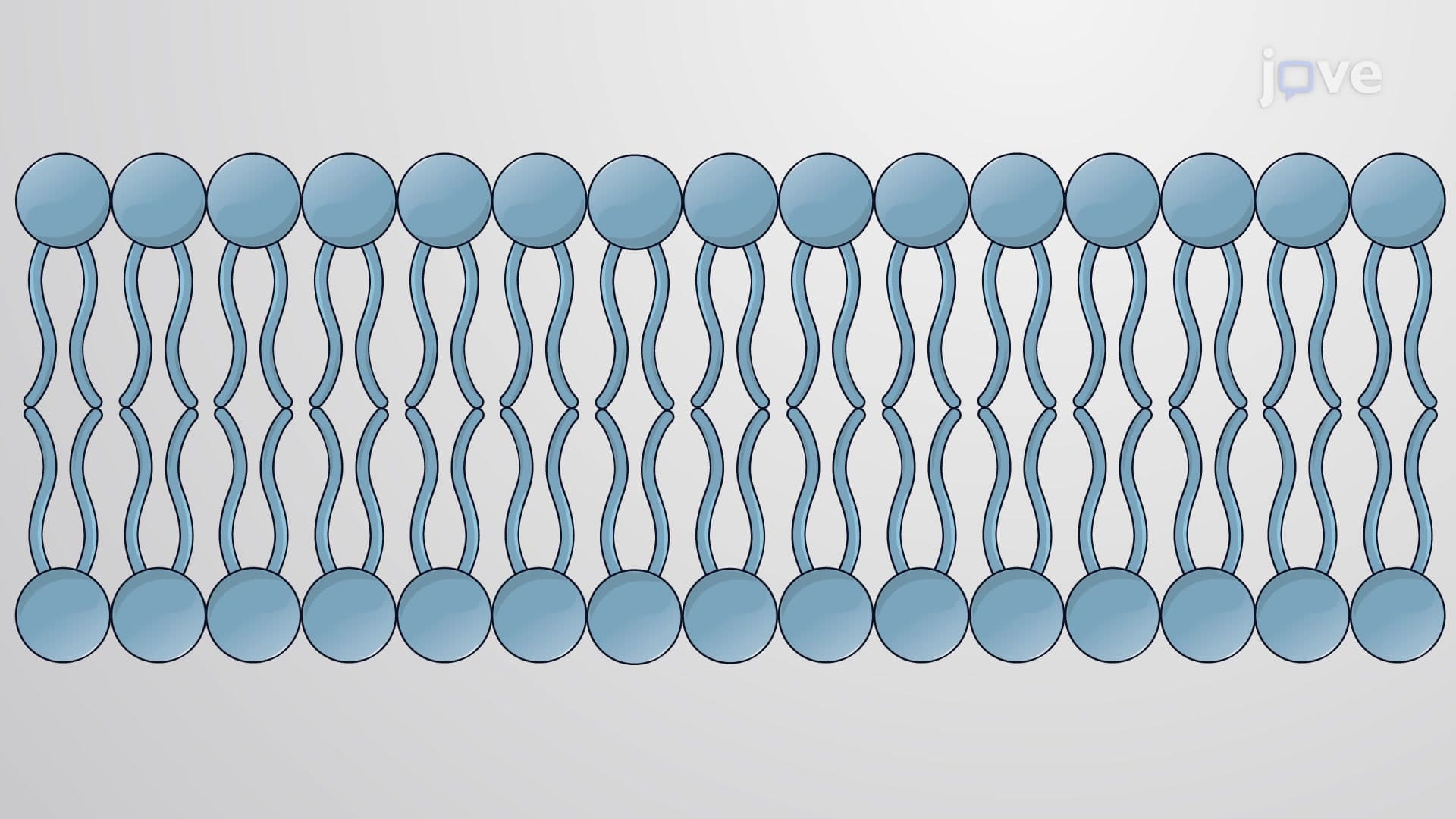

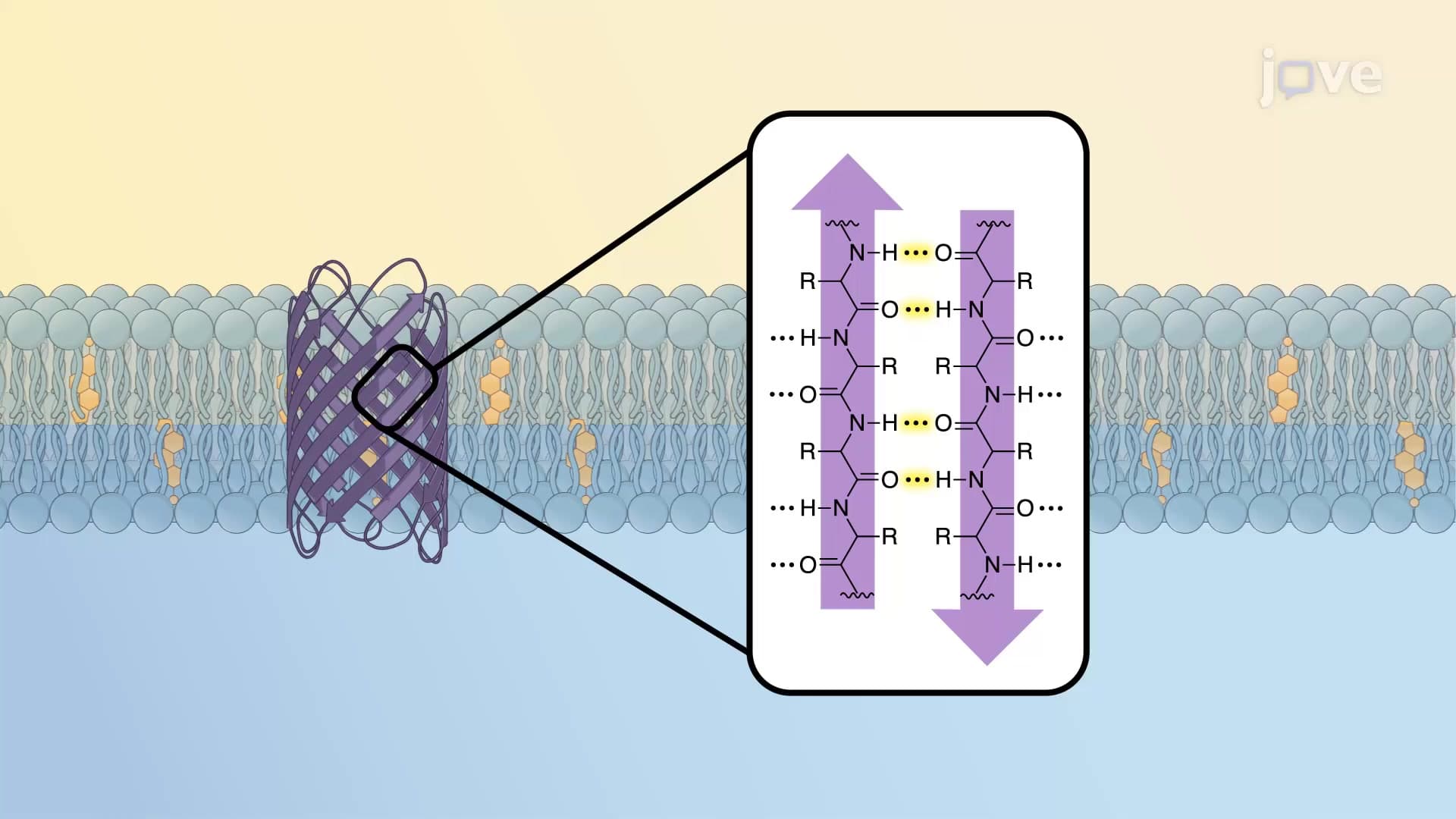
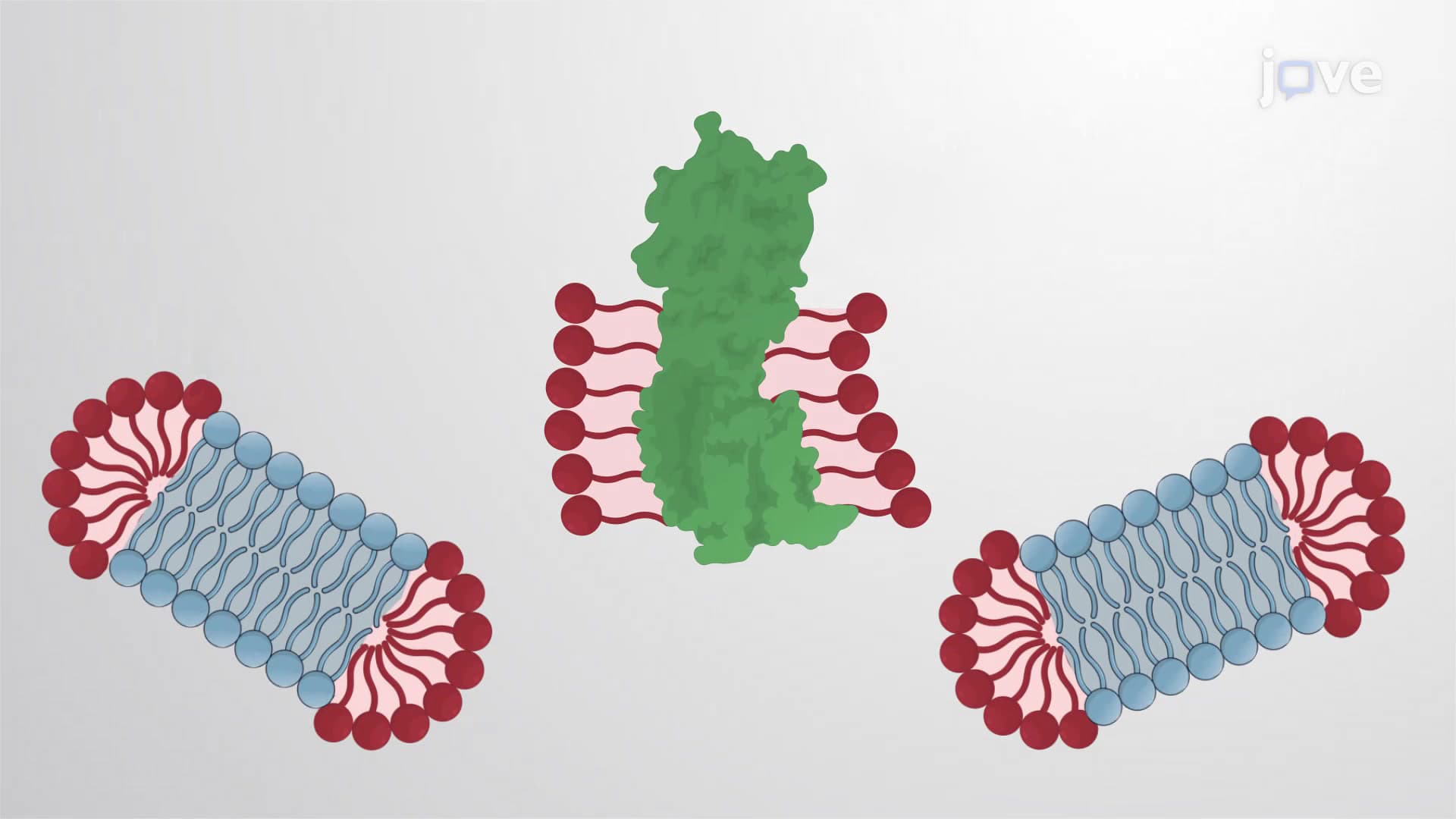
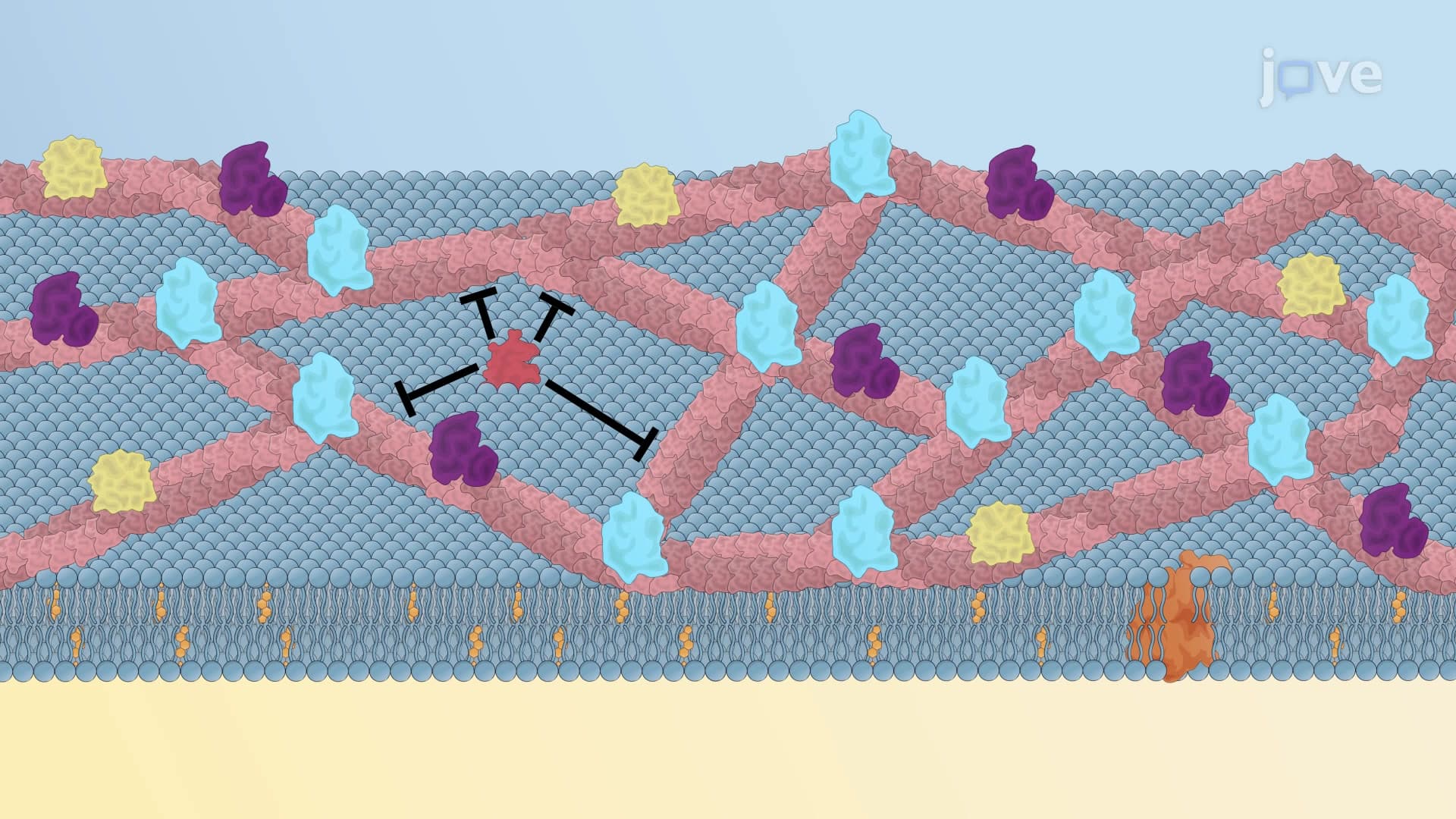
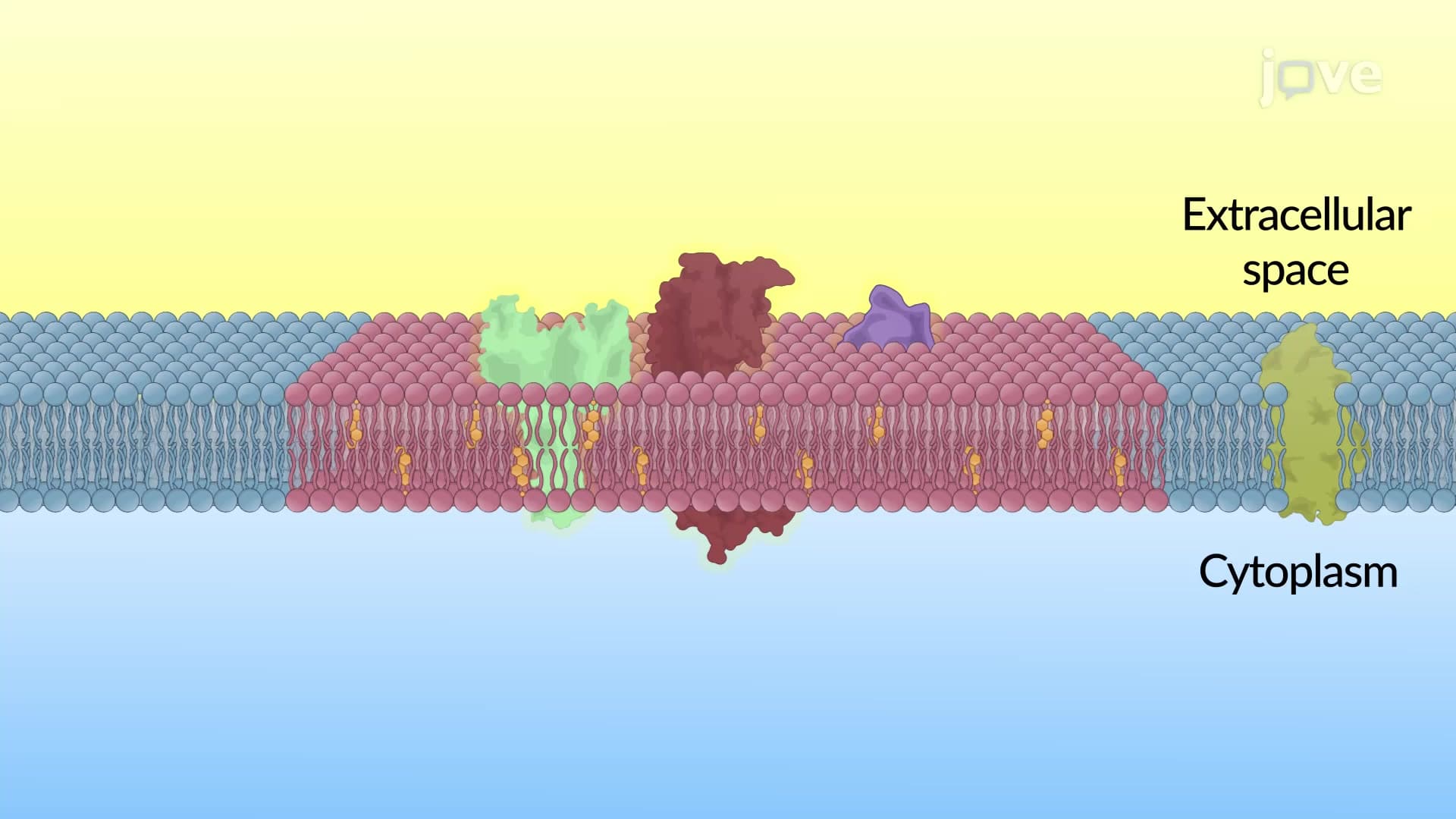
Mechanisms of Membrane Domain Formation

00:00
00:59
Video Summary: Mechanisms of Membrane Domain Formation Explained
Ever wonder how your skin cells maintain their barrier function while your nerve cells conduct electrical signals? The mechanisms of membrane domain formation create specialized regions within cell membranes through precise protein-lipid interactions. These domains are crucial for cellular processes-from maintaining the blood-brain barrier in neuroscience research at Johns Hopkins University to developing targeted cancer therapies. Understanding Mechanisms of Membrane Domain Formation Explained reveals how cells organize their membranes into functional compartments through protein complexes, cytoskeletal tethering, and lipid aggregation. Watch the full video on JoVE Coach to master this concept with expert-led visuals and step-by-step explanations.
- Understand the core principles behind Mechanisms of Membrane Domain Formation Explained, including how protein-protein, protein-lipid, and lipid-lipid interactions create distinct membrane regions
- Identify the different types of membrane domains formed through protein complex assembly, cytoskeletal tethering, and lipid aggregation mechanisms
- Analyze how large protein complexes restrict lateral movement and create stable membrane compartments within cellular structures
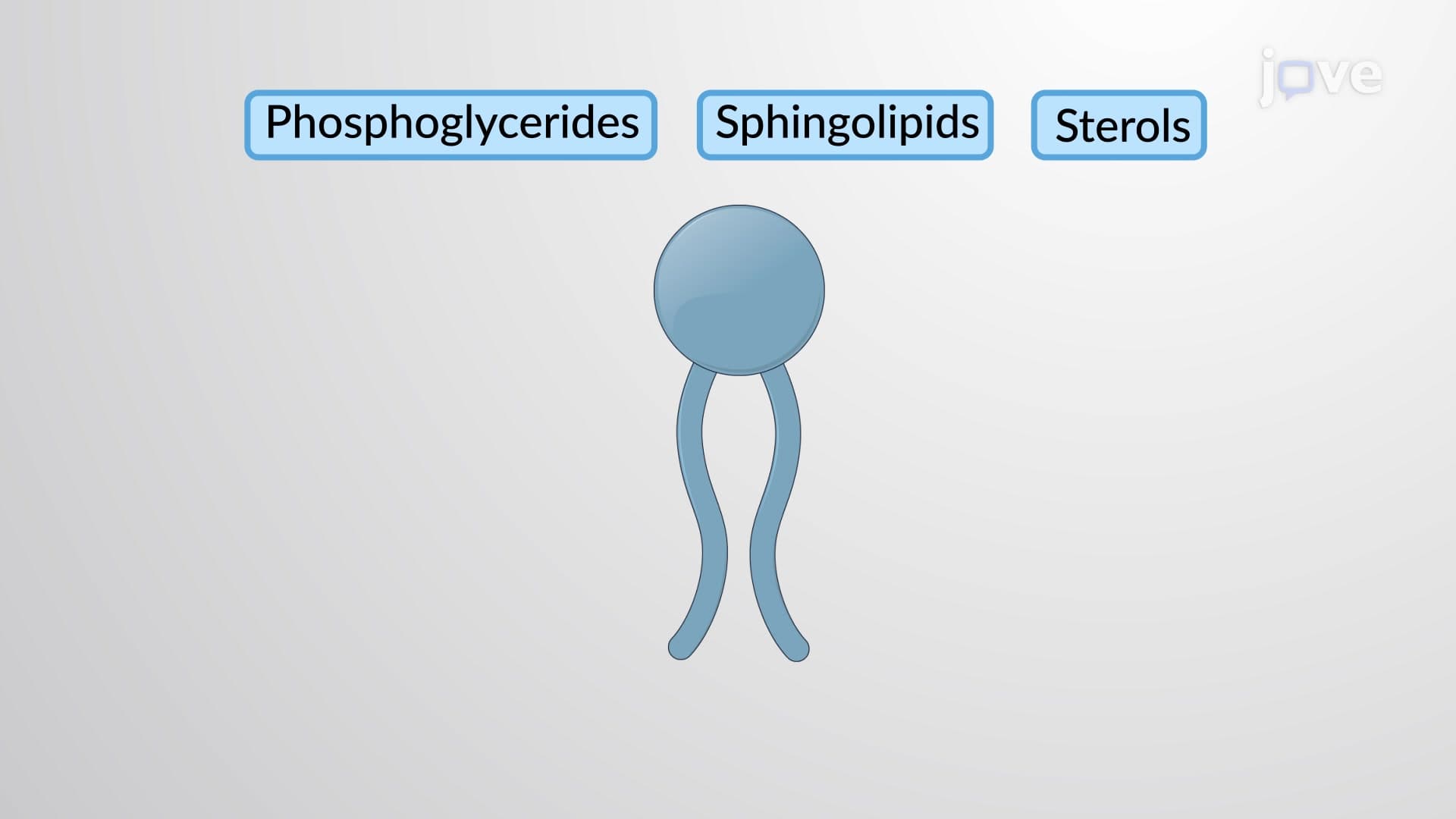
- Compare the roles of phospholipids, sphingolipids, and sterols in forming membrane domains of varying sizes and functions
- Evaluate how cytoskeletal fences and protein tethering contribute to membrane domain organization and stability
- Apply knowledge of lipid-protein affinity relationships to predict domain formation patterns in different cell types
- Recognize how membrane domains concentrate proteins to enable functional complex assembly for cellular processes
- Explore the relationship between membrane domain formation and disease states, particularly in neurological and cardiovascular conditions
Understanding Mechanisms of Membrane Domain Formation
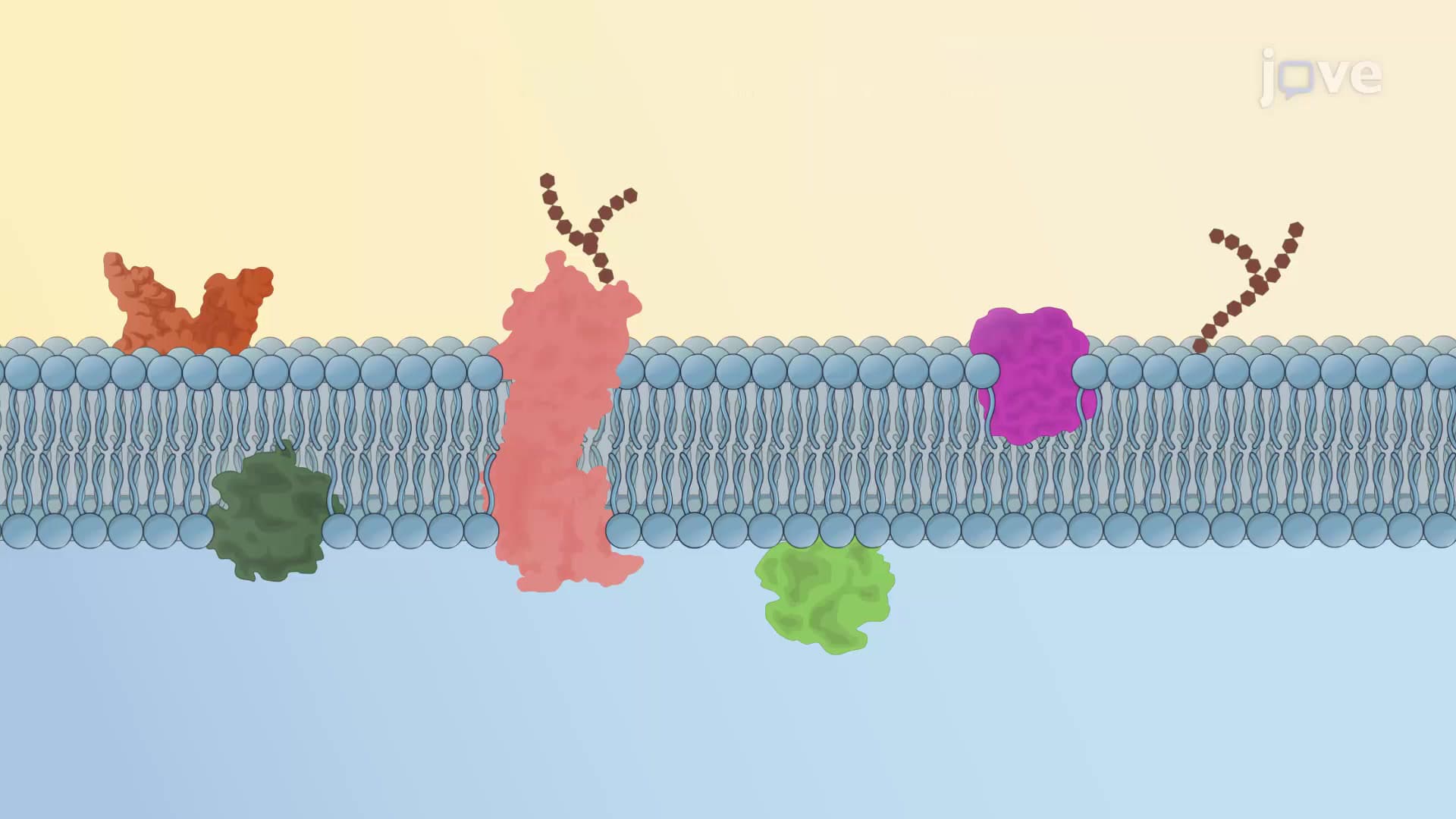
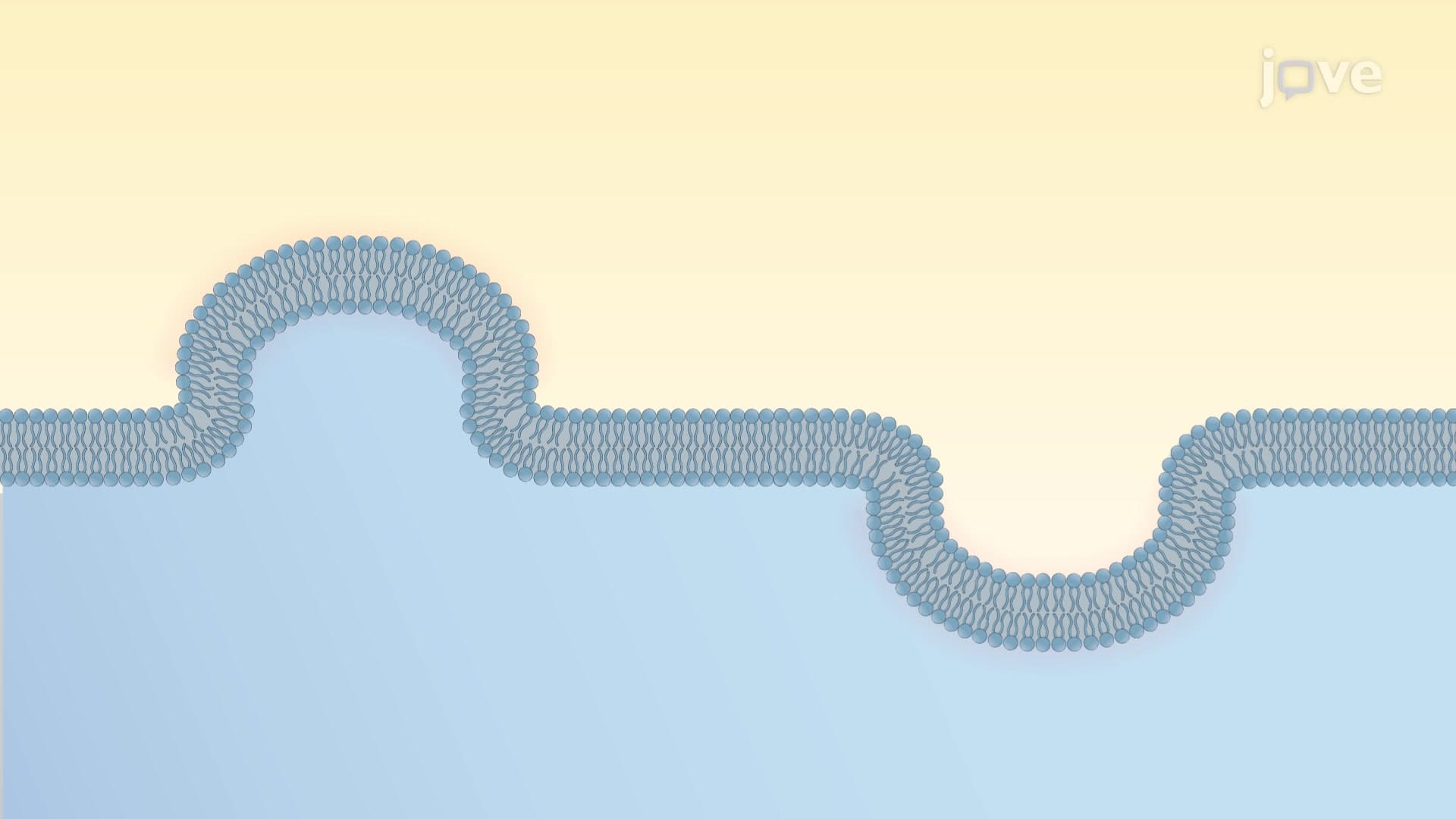
Cell membranes aren't uniform structures-they're highly organized systems where specific regions perform specialized functions. The mechanisms of membrane domain formation involve three primary processes that create distinct membrane compartments essential for cellular function. These mechanisms are fundamental to understanding how cells maintain organization and enable complex biological processes.
Protein-Mediated Domain Formation
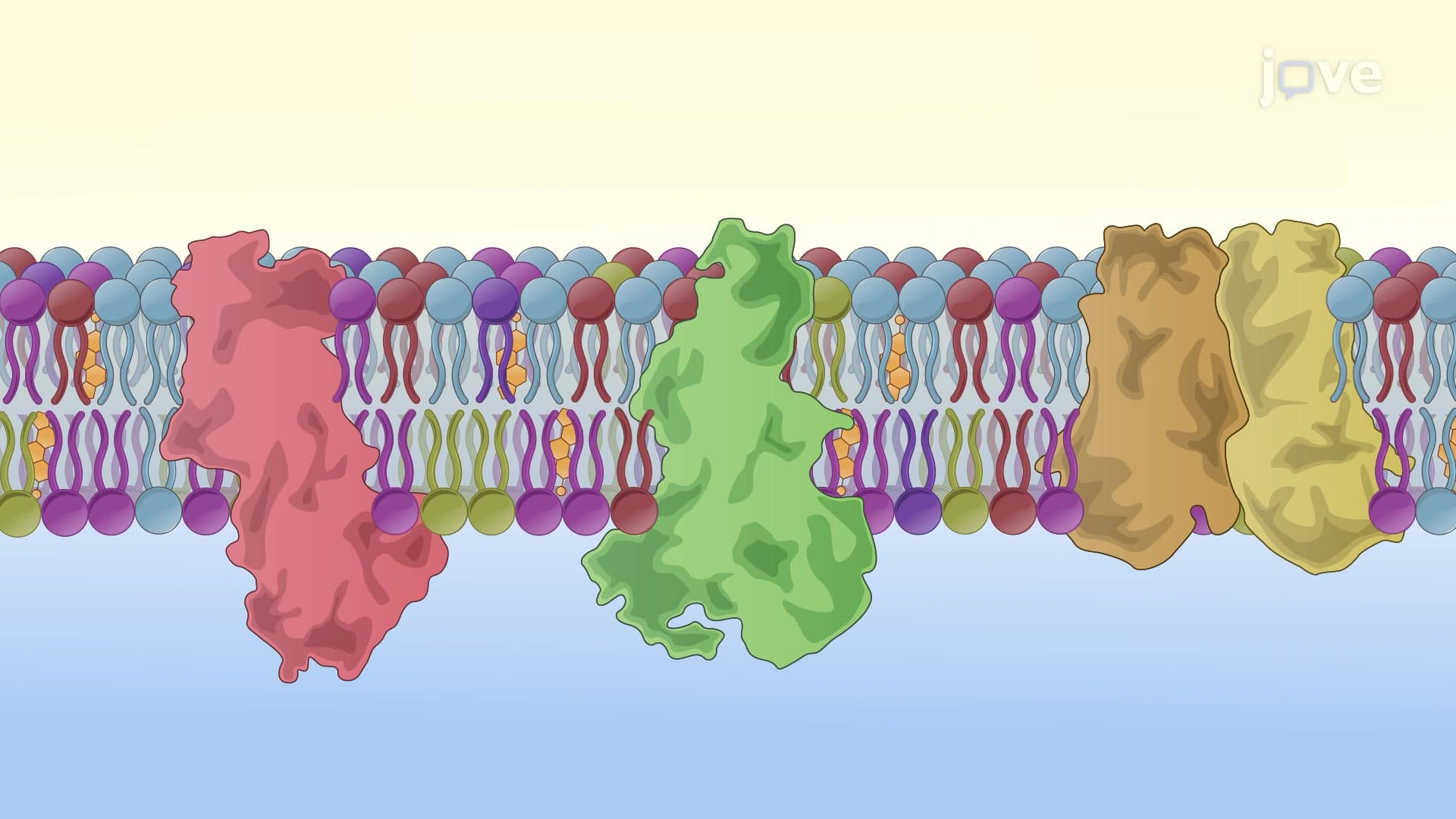
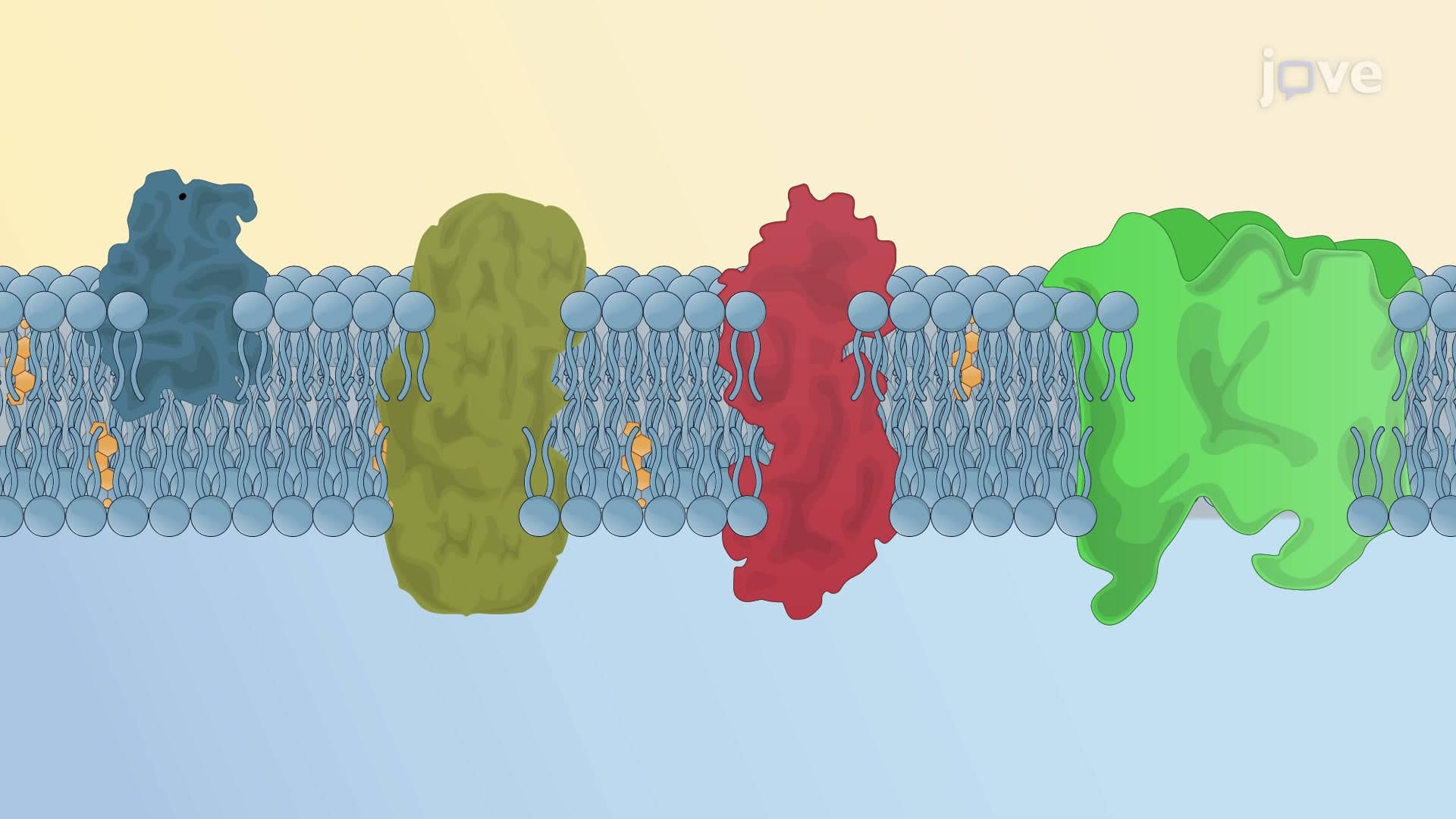
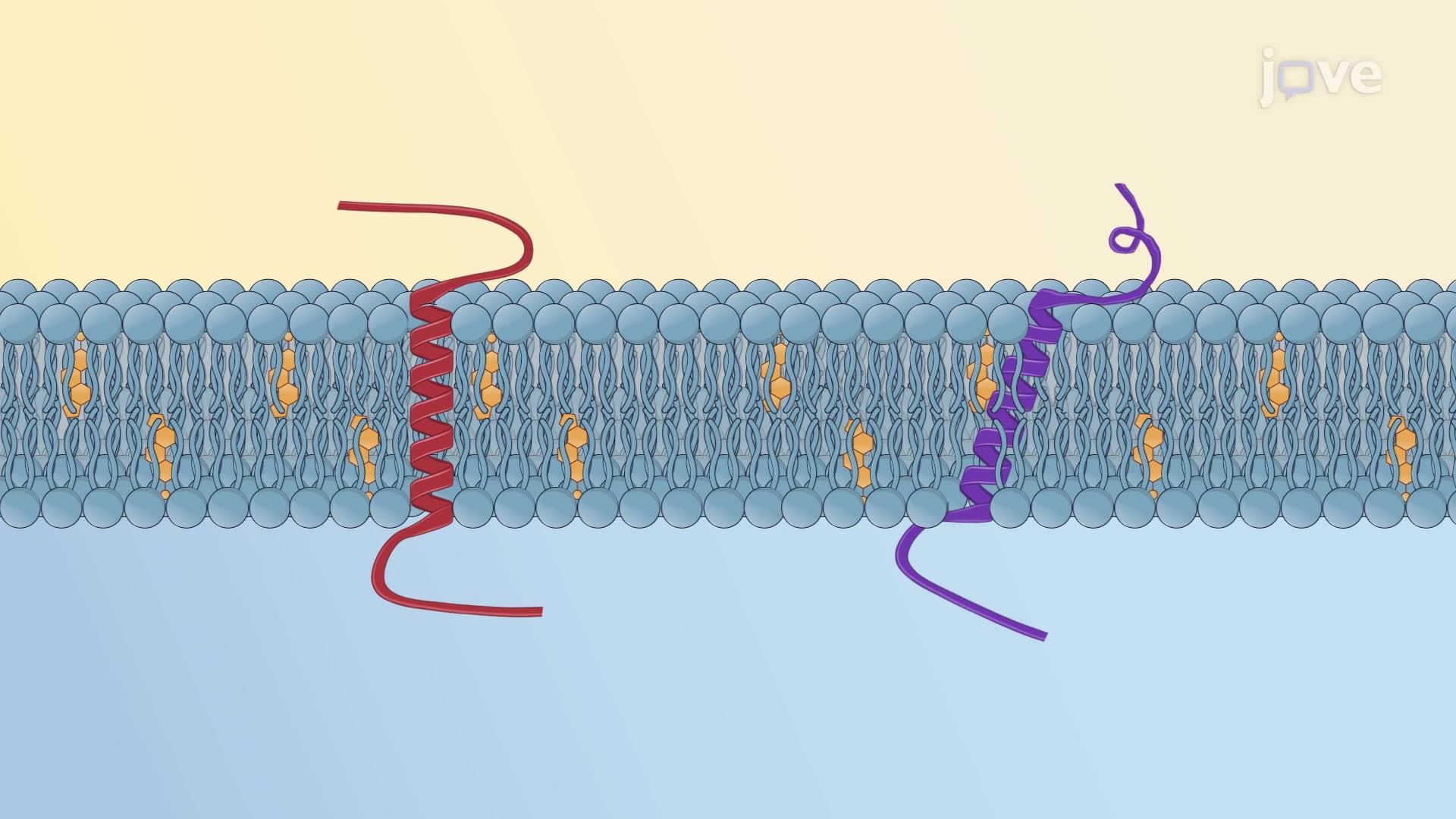
Large protein complexes represent one of the most significant mechanisms of membrane domain formation. When membrane proteins interact to form stable complexes, they create physical barriers that restrict lateral movement within the membrane. For example, tight junction proteins in epithelial cells form extensive networks that create distinct apical and basolateral membrane domains. This principle is crucial for AP Biology students studying cell membrane structure and appears frequently on college biochemistry exams.
The cytoskeletal connection provides another essential mechanism. Proteins tethered to the underlying cytoskeleton create "fenced" regions that compartmentalize membrane components. Spectrin networks beneath red blood cell membranes exemplify this mechanism, maintaining cell shape while creating functional domains. Students preparing for the MCAT should understand how cytoskeletal disruption affects membrane domain integrity and cellular function.
Lipid-Based Domain Organization
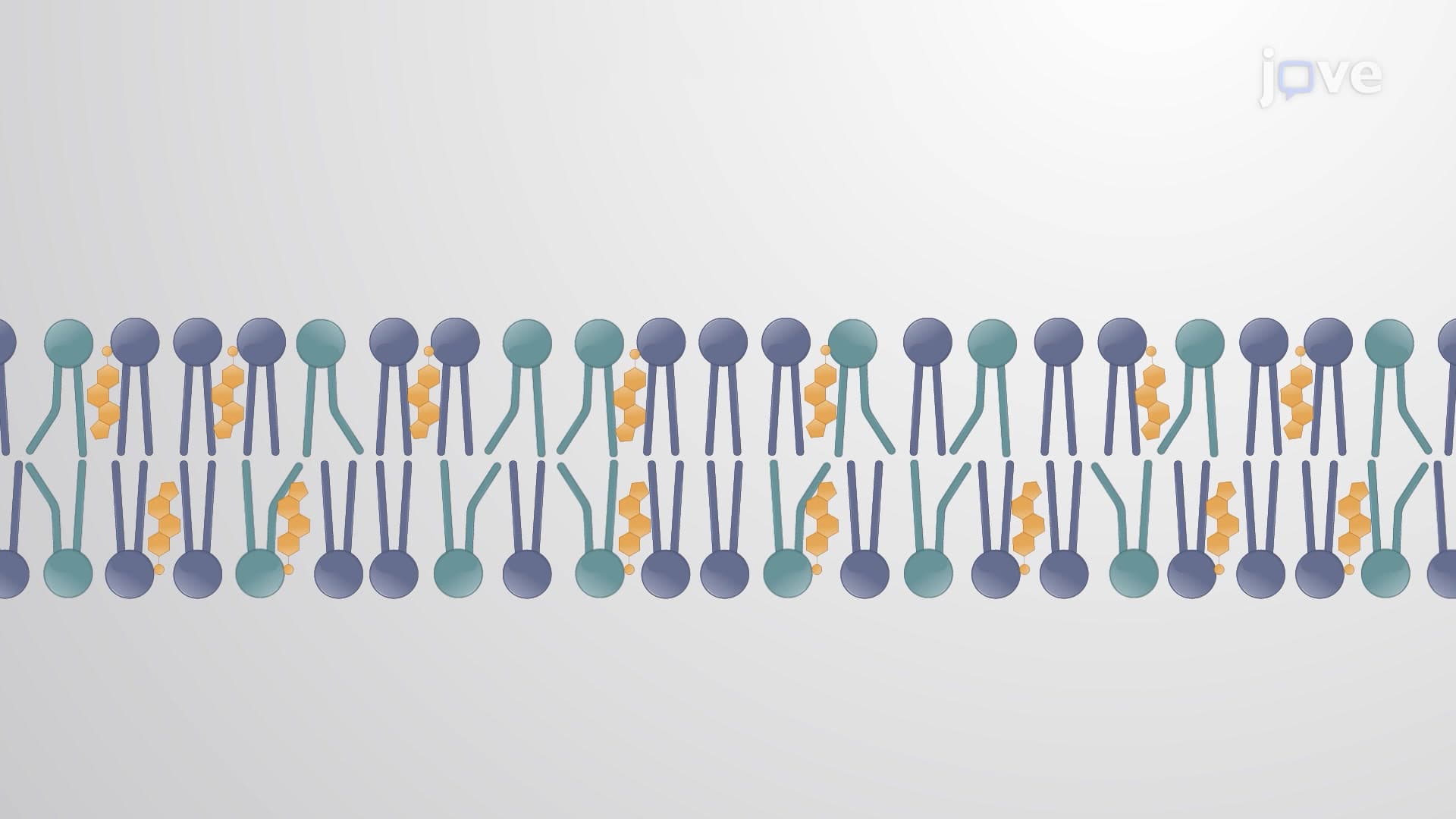
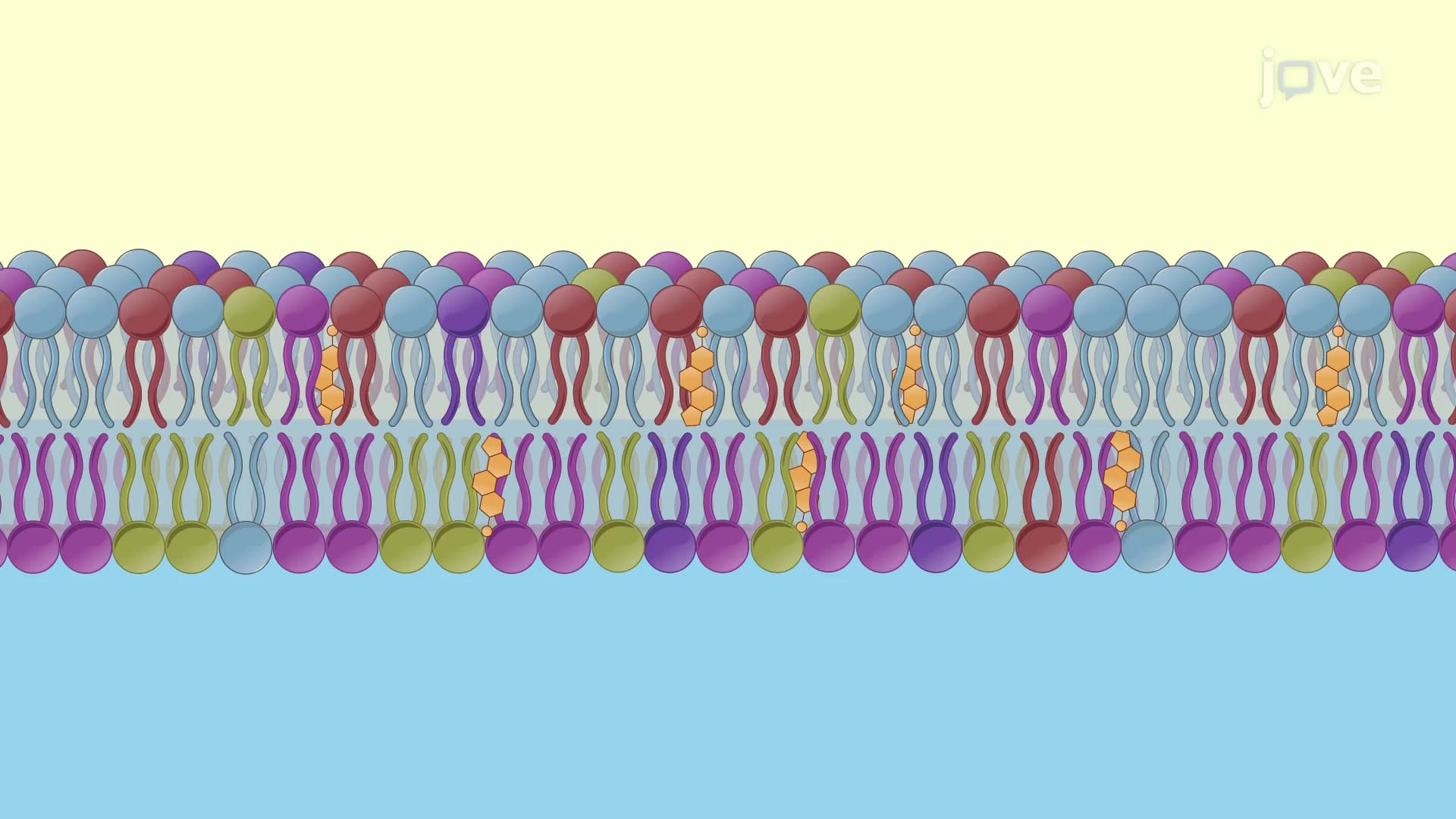
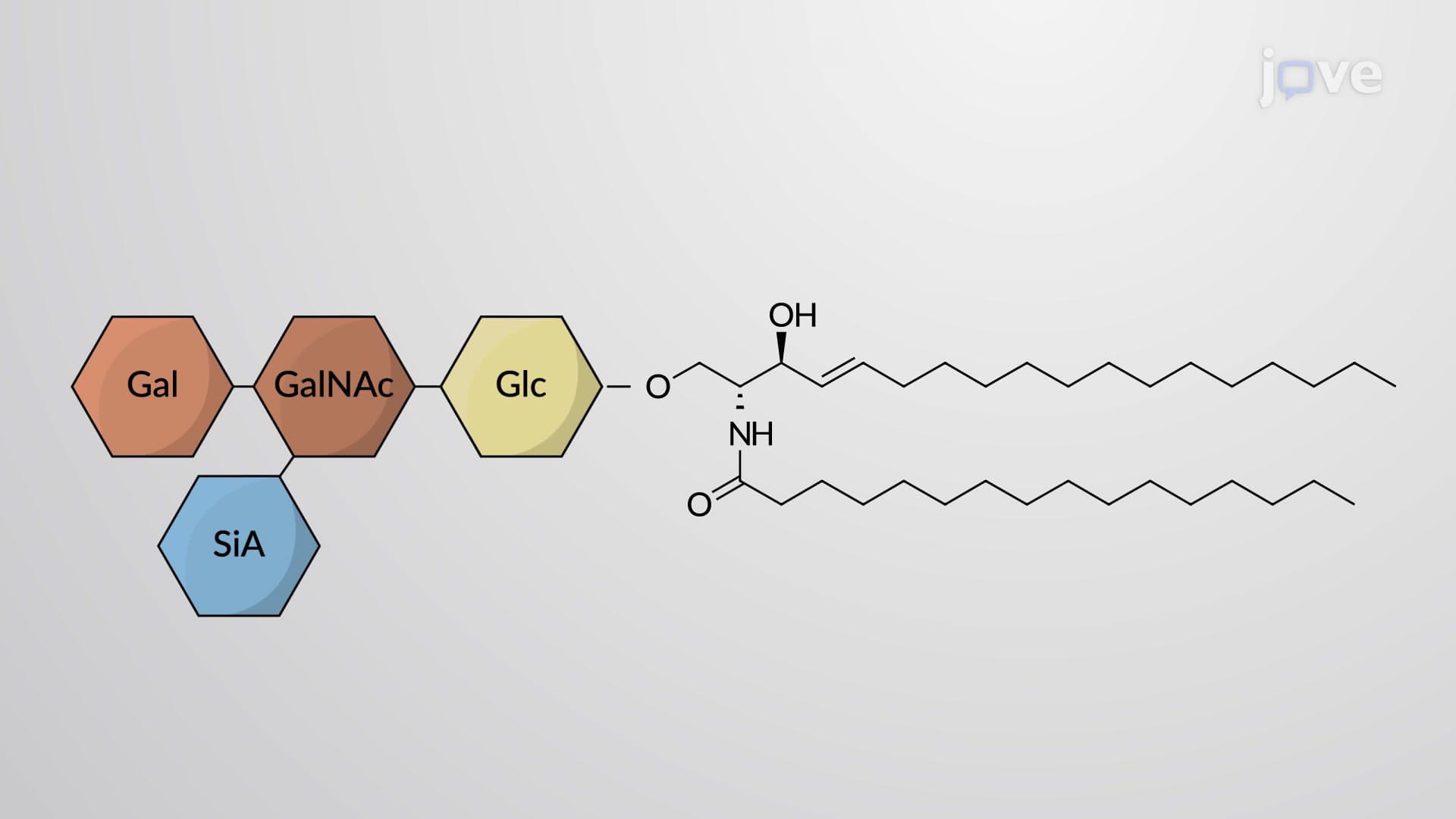
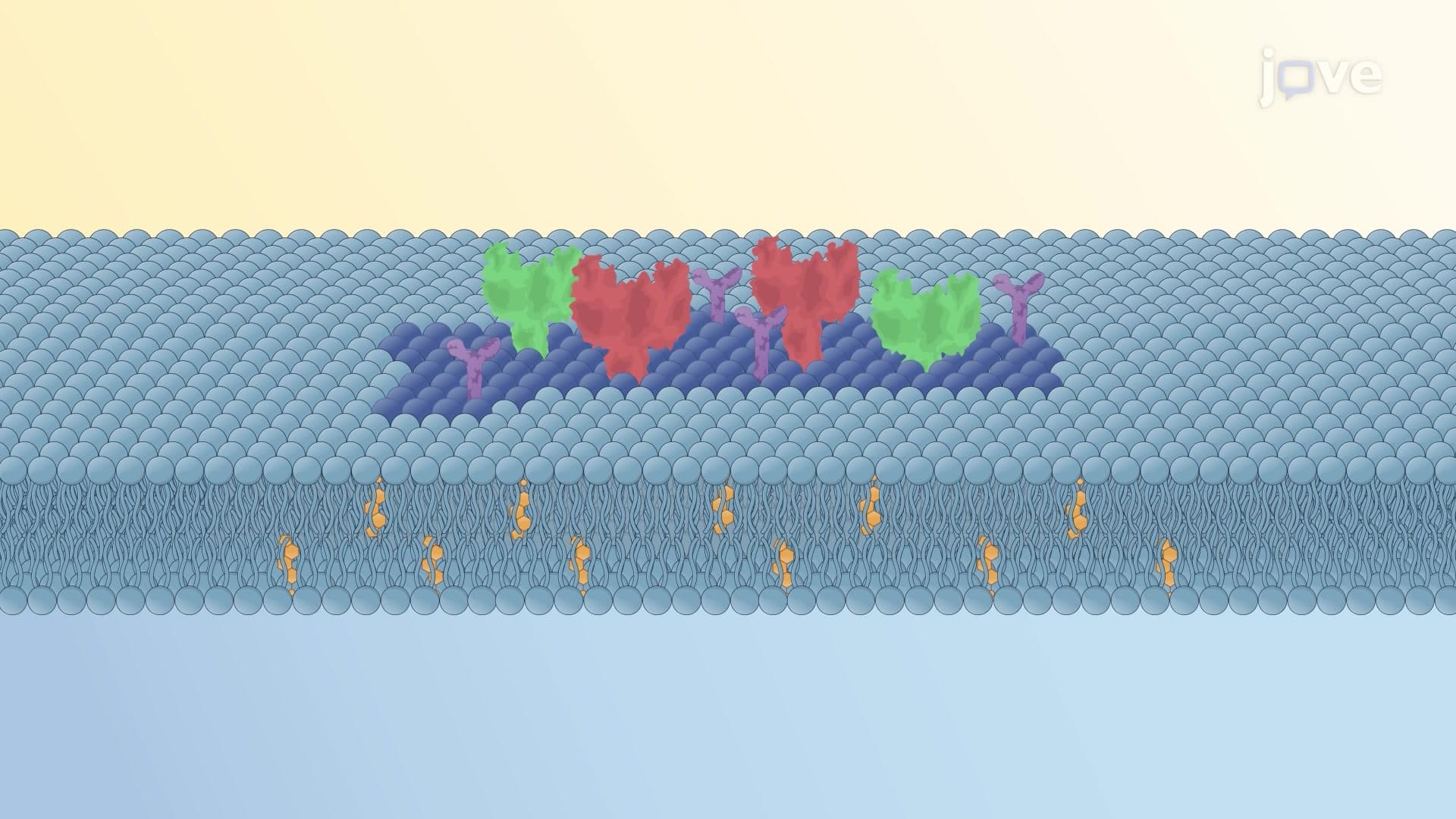
Lipid composition drives another critical aspect of membrane domain formation. Less soluble lipids-including sphingolipids, cholesterol, and specific phospholipids-naturally aggregate to form distinct membrane regions. These lipid rafts concentrate specific proteins and create platforms for cellular signaling. Research at Stanford University has shown how cholesterol-rich domains are essential for proper insulin receptor function, directly relevant to diabetes research and treatment.
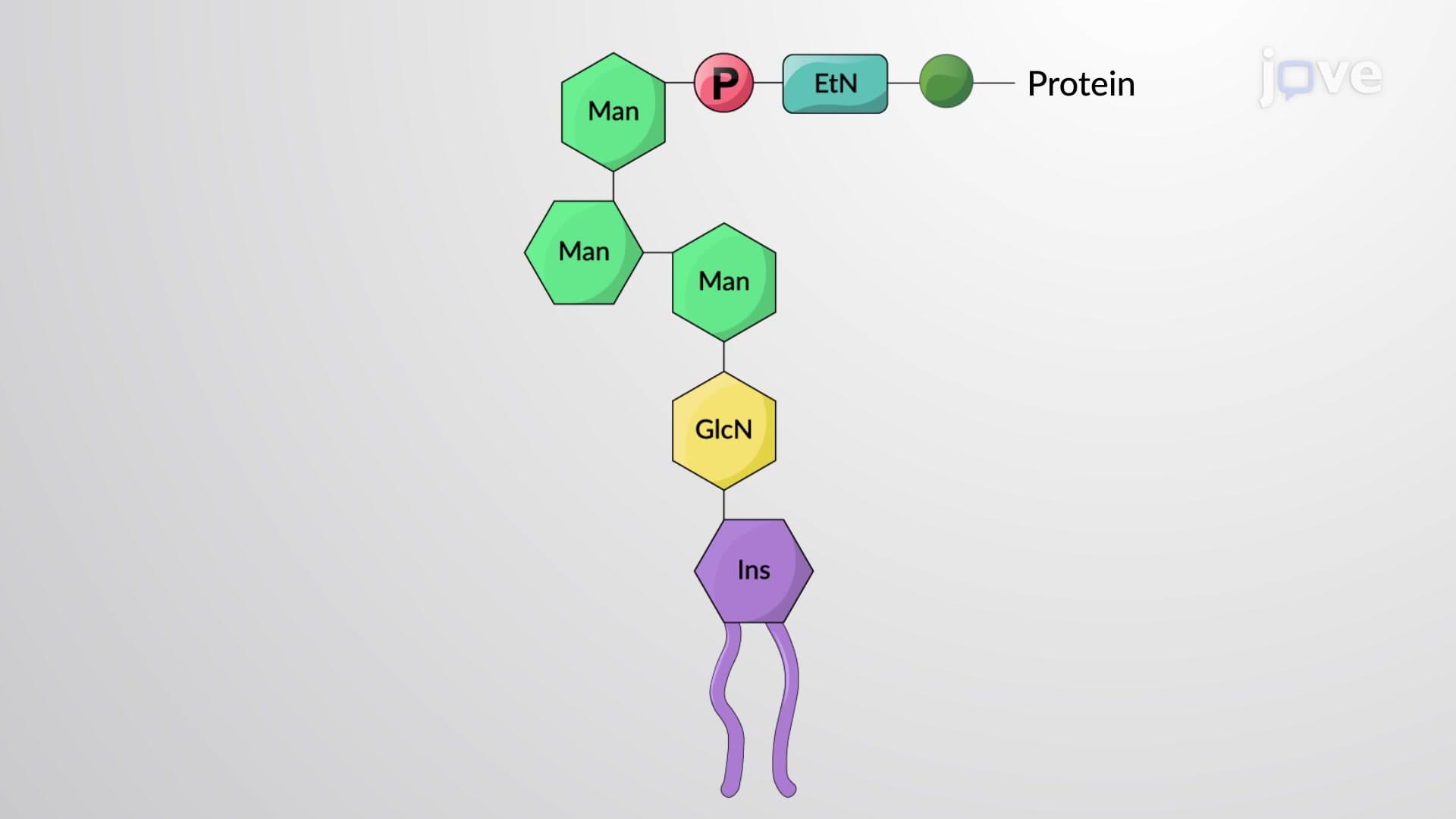
The preferential interaction between certain proteins and specific lipids creates larger, more stable domains. For instance, GPI-anchored proteins preferentially associate with sphingolipid-rich regions, creating functional domains essential for cell signaling. This concept frequently appears in advanced biology courses and graduate-level biochemistry programs.
Clinical and Research Applications
Understanding these mechanisms has direct applications in medical research and pharmaceutical development. Membrane domain disruption contributes to various diseases, including Alzheimer's disease, where altered lipid composition affects amyloid protein processing. Students interested in pre-med tracks should recognize how membrane domain research at institutions like Harvard Medical School contributes to drug development targeting specific membrane compartments.
These concepts are essential for success in upper-level biology courses, biochemistry programs, and medical school preparation, particularly for students planning to take the MCAT or pursue biomedical research careers.
Frequently Asked Questions
Mechanisms of membrane domain formation are the cellular processes that create specialized regions within cell membranes through protein-protein, protein-lipid, and lipid-lipid interactions. These mechanisms are essential because they enable cells to compartmentalize functions, concentrate specific proteins for efficient signaling, and maintain distinct cellular regions like the blood-brain barrier. Understanding these processes is fundamental for grasping how cells organize themselves and maintain proper function.
The MCAT frequently tests membrane domain formation through questions about lipid rafts, protein complexes, and membrane organization in cellular signaling pathways. AP Biology exams often include questions about how cytoskeletal interactions create membrane domains and how these relate to cell communication. Students should focus on understanding the relationship between membrane composition, protein function, and cellular compartmentalization. Practice questions typically involve analyzing experimental data about membrane fluidity and protein localization.
Cell biology, biochemistry, and molecular biology courses extensively cover membrane domain formation mechanisms at most US universities. Advanced courses like membrane biophysics and cellular neuroscience explore these concepts in greater depth. Students typically encounter this material in sophomore or junior-level biology courses, with more detailed coverage in graduate-level biochemistry programs. The topic is also central to biomedical engineering courses focusing on drug delivery and membrane research.
Membrane domain research directly impacts drug development at major pharmaceutical companies like Pfizer and Merck, particularly for targeting specific cellular compartments. Understanding these mechanisms helps researchers develop treatments for neurological diseases, cancer therapies that target membrane receptors, and cardiovascular drugs that affect membrane stability. This knowledge is essential for students pursuing careers in biomedical research, pharmaceutical development, or clinical medicine.
While the topic involves complex molecular interactions, high school students with a solid foundation in basic cell biology can successfully master membrane domain formation concepts. The key is starting with fundamental membrane structure and gradually building understanding of protein-lipid interactions. Students who have completed AP Biology or honors chemistry typically have the necessary background. Breaking the mechanisms into discrete steps makes the concept more accessible and manageable.
Create visual diagrams showing the three main mechanisms: protein complex formation, cytoskeletal tethering, and lipid aggregation, then practice applying these concepts to specific examples. Use active recall techniques by drawing membrane domains from memory and explaining how different factors contribute to their formation. Focus on connecting molecular mechanisms to cellular functions and disease states. Practice with past exam questions and create concept maps linking membrane domains to broader cellular processes.
Students should explore membrane transport mechanisms, cellular signaling cascades, and membrane fusion processes to build comprehensive understanding. Advanced topics include studying specific membrane-associated diseases, drug targeting strategies, and current research in membrane biophysics. These concepts naturally lead to deeper study of cell communication, neurobiology, and pharmaceutical sciences, making them excellent preparation for advanced coursework or research opportunities.
Related Micro-courses