Loading subject page…


167,928 views

Video Summary: What are Membrane Asymmetry Regulating Transporters
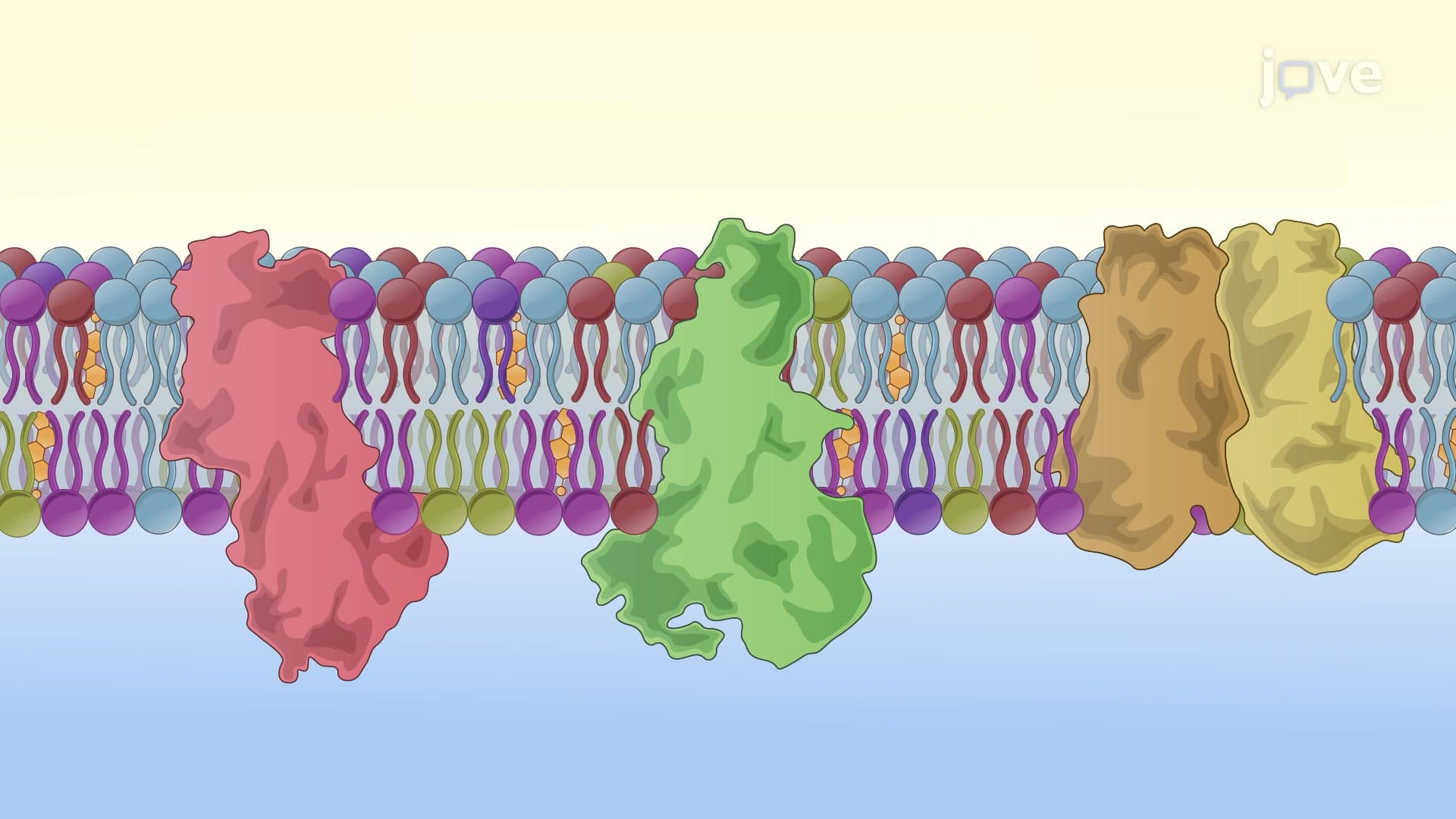
Did you know that your red blood cells actively decide when to die? Membrane asymmetry regulating transporters control the precise positioning of phospholipids across cell membranes, determining cellular fate. These specialized proteins include flippases, floppases, and scramblases-each playing distinct roles in maintaining or disrupting membrane balance. When scramblases activate in damaged red blood cells, they trigger a cellular suicide program that signals macrophages to remove the dying cells, preventing inflammation in your bloodstream. Understanding what are membrane asymmetry regulating transporters reveals how cells maintain their structural integrity and coordinate programmed death. Watch the full video on JoVE Coach to master this concept with expert-led visuals and step-by-step explanations.
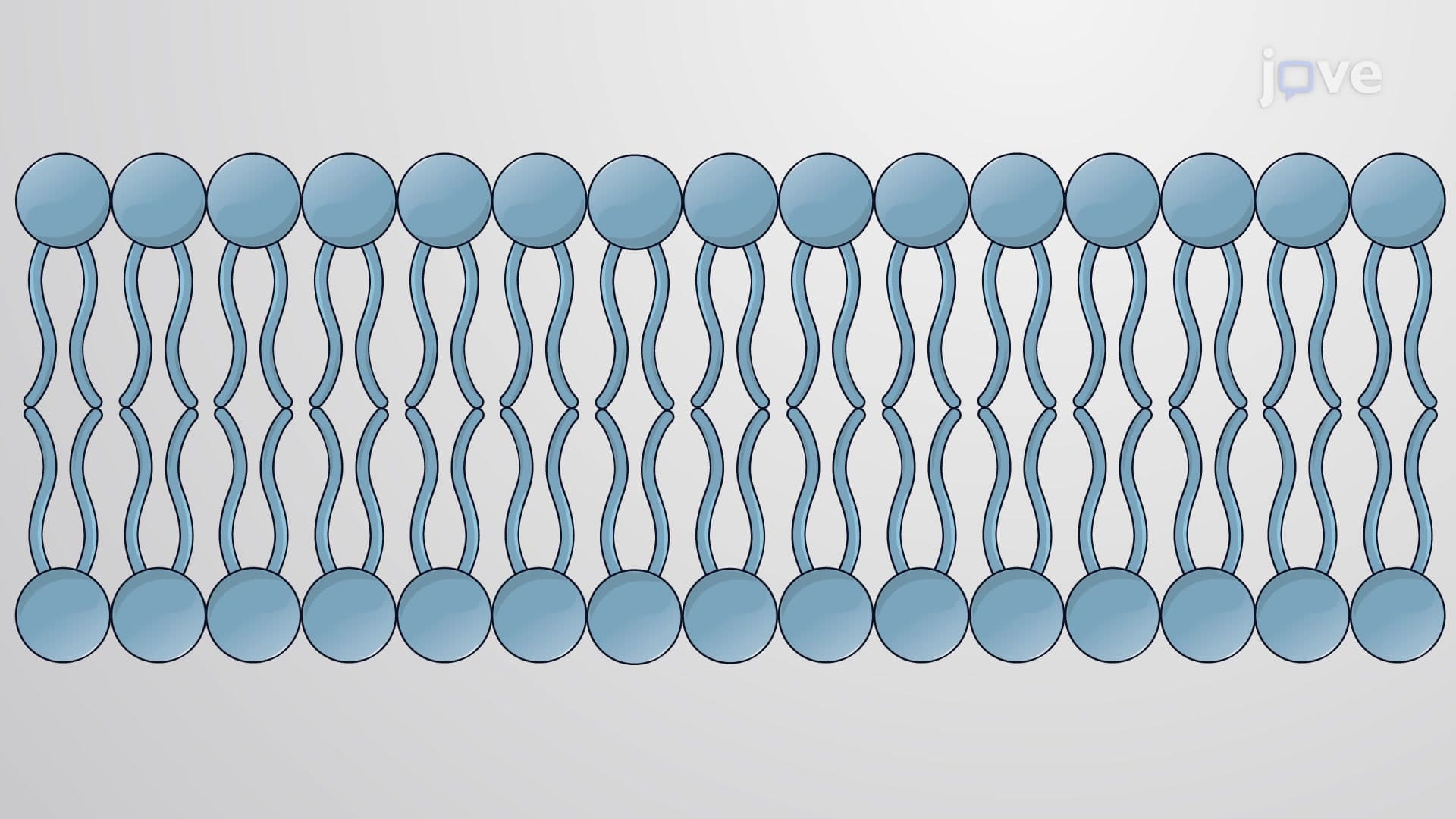
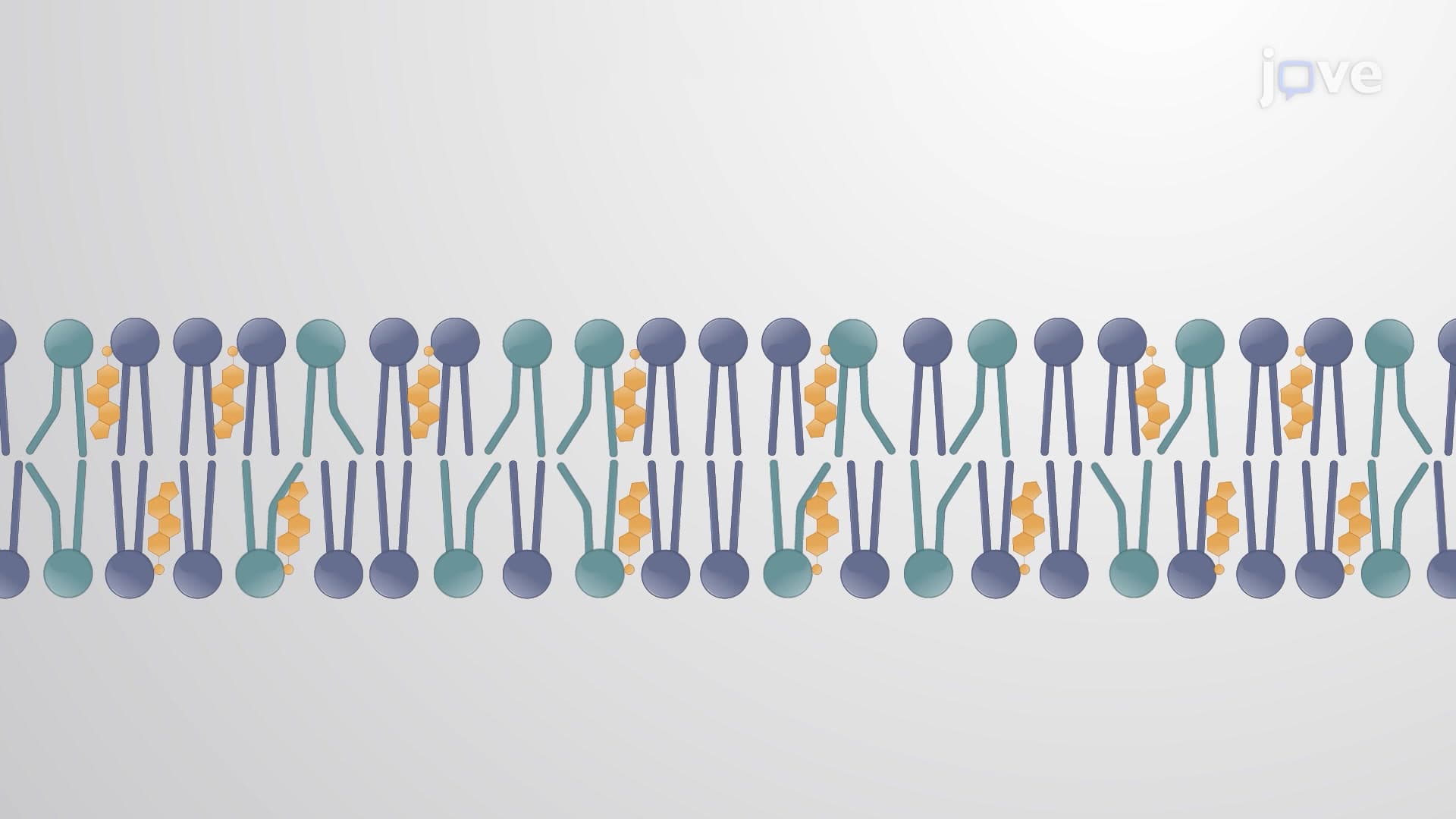
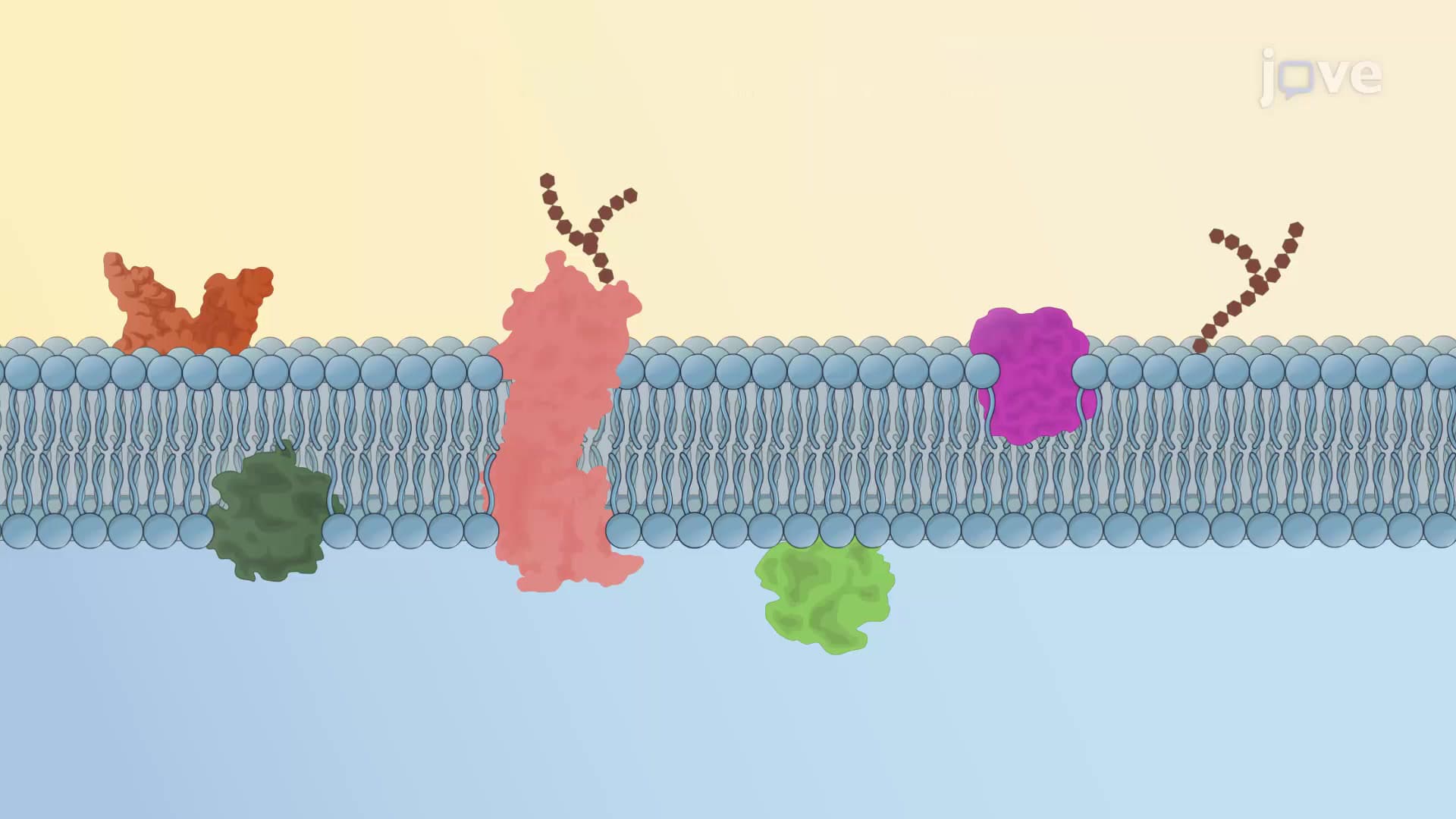
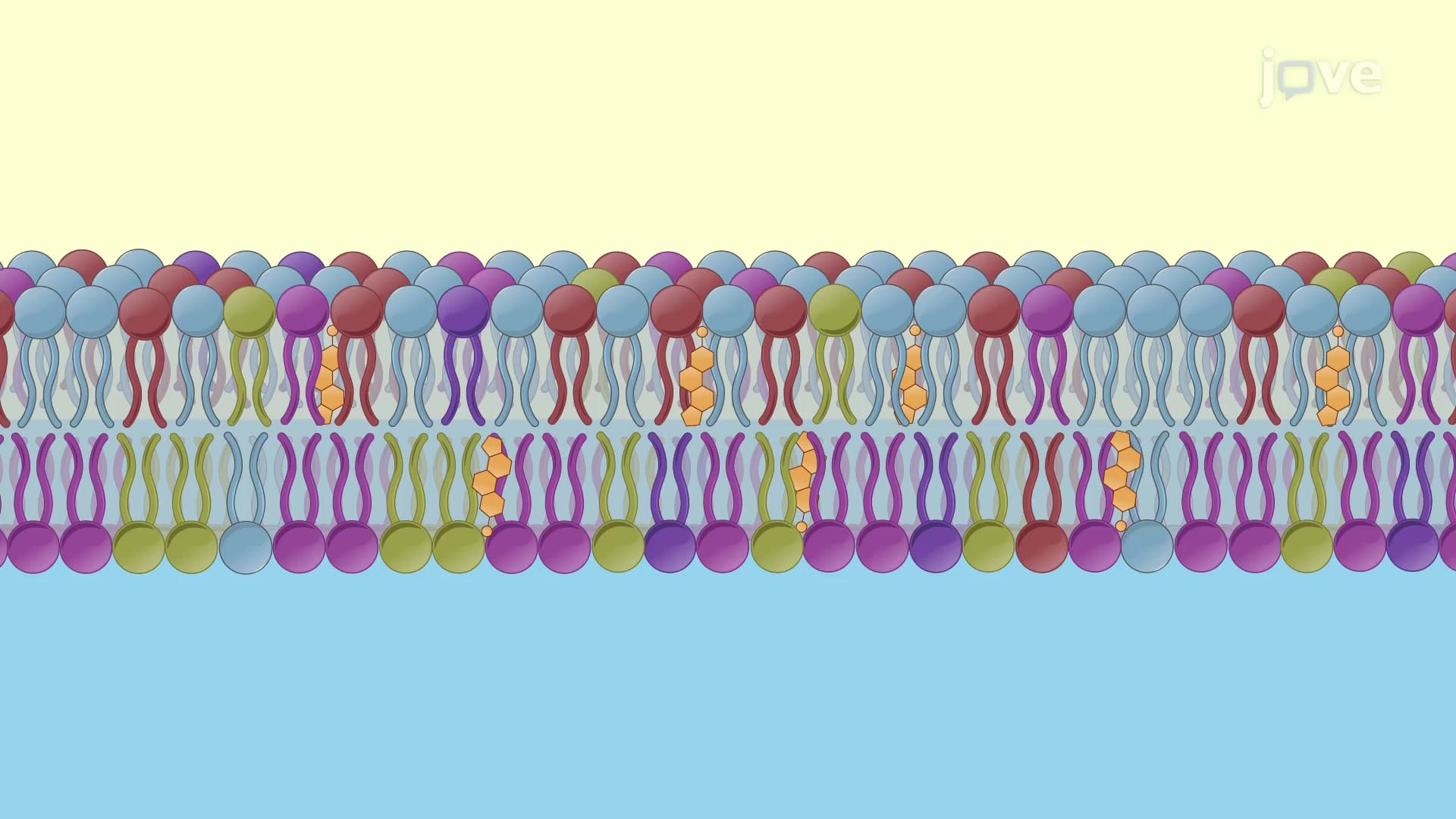
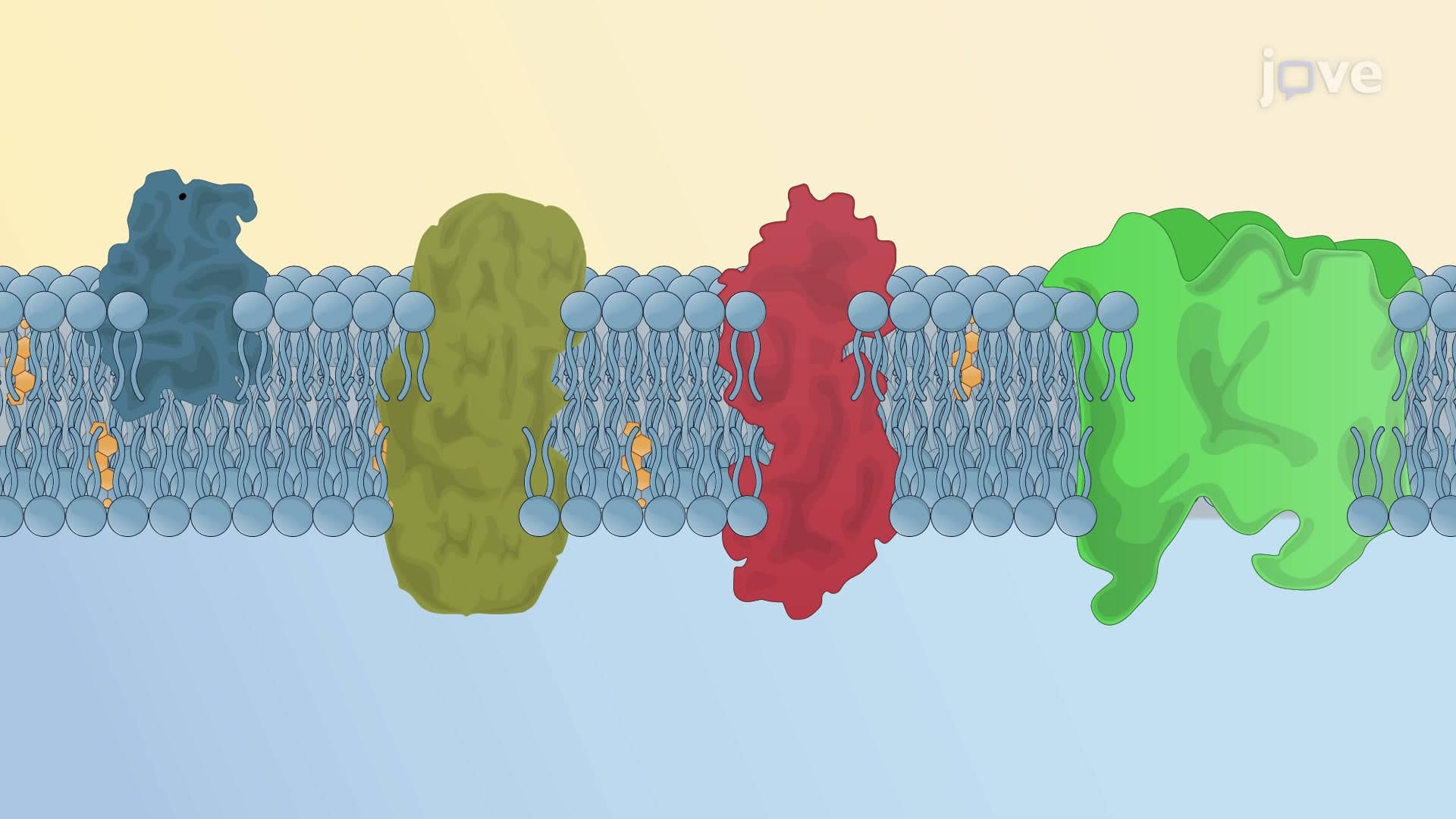
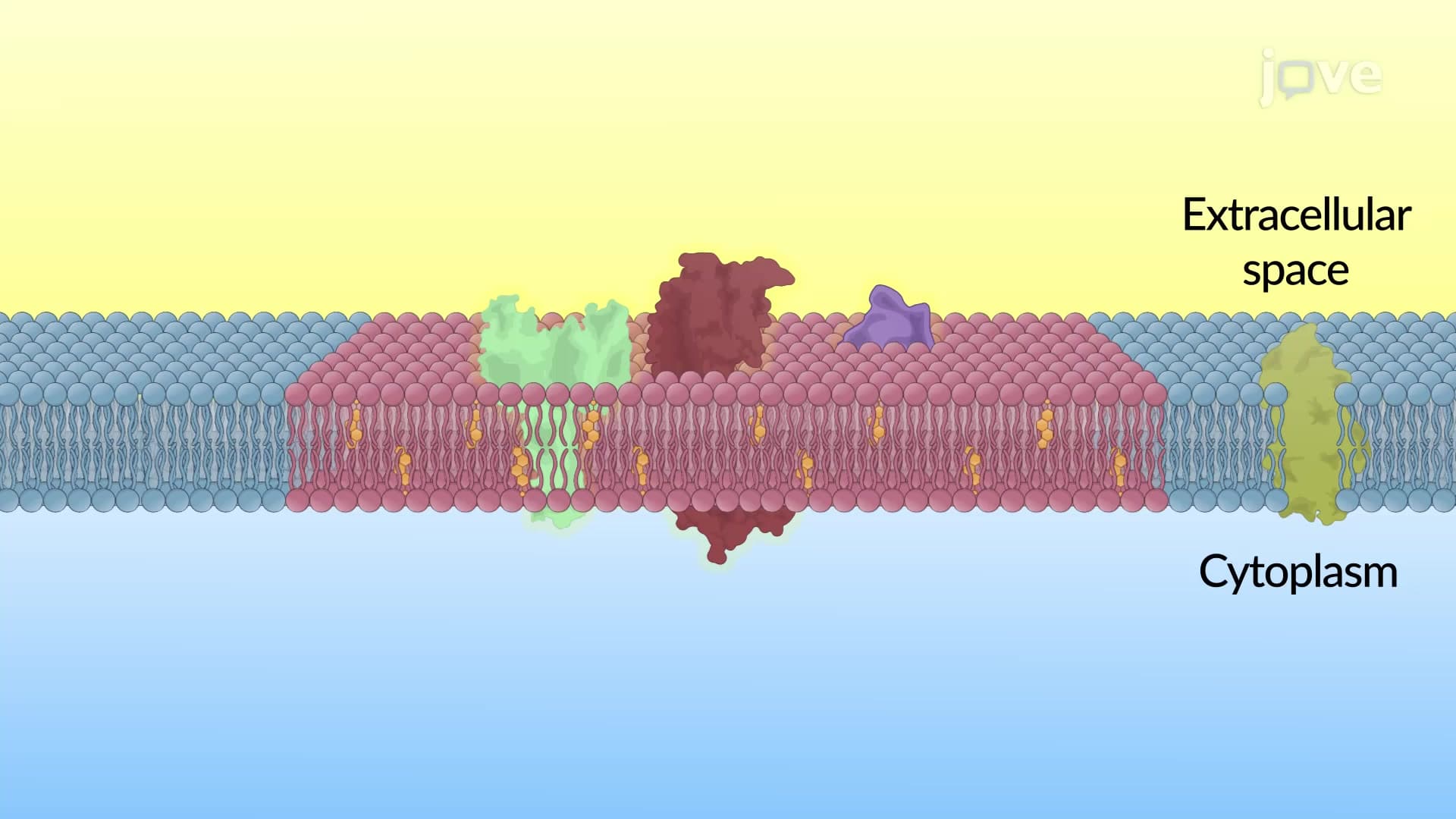
Membrane asymmetry regulating transporters represent a sophisticated cellular machinery that maintains the precise distribution of phospholipids across biological membranes. This asymmetric arrangement isn't accidental-it's essential for cellular function, membrane stability, and cellular communication. These transporters work continuously to ensure that specific phospholipids remain on designated sides of the membrane, creating functional microenvironments that support diverse cellular processes.
Flippases function as ATP-dependent importers, specifically translocating phosphatidylserine (PS) and phosphatidylethanolamine (PE) from the outer leaflet to the inner leaflet of the membrane. These transporters belong to the P4-ATPase family and require significant energy investment-each translocation event consumes one ATP molecule. In healthy cells, flippases maintain PS predominantly on the cytoplasmic side, which is crucial for membrane stability and prevents unwanted cellular recognition by immune cells. This process is particularly important in neurons, where PS asymmetry supports synaptic function and membrane excitability.
Floppases, primarily ATP-binding cassette (ABC) transporters, work opposite to flippases by moving phospholipids from inner to outer leaflets. Unlike flippases, floppases show less specificity for particular phospholipids, transporting various lipid species outward. This outward movement is essential during certain cellular processes, including blood clotting, where externalized PS serves as a cofactor for coagulation enzymes.
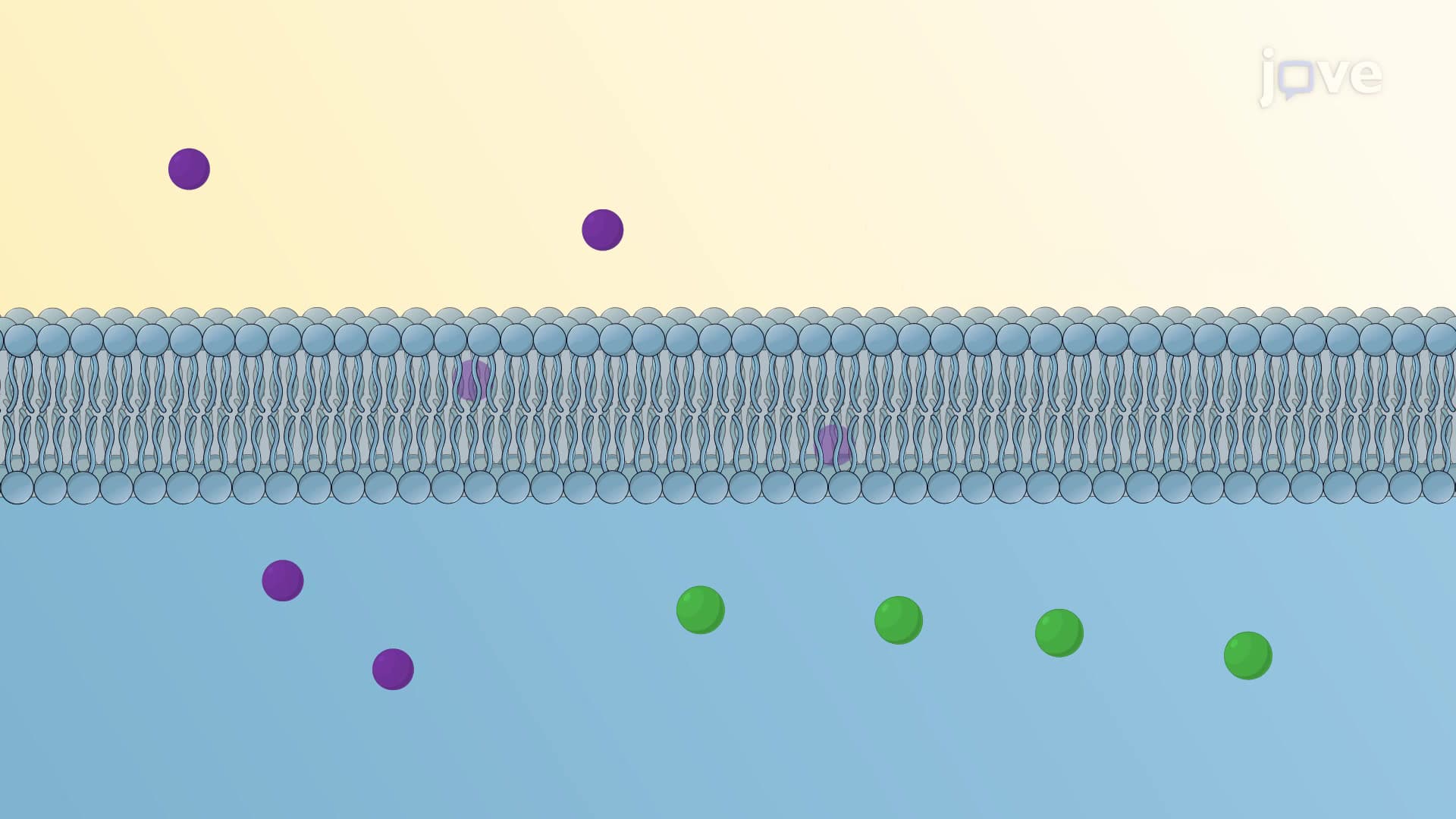
Scramblases present a unique mechanism-they're ATP-independent transporters that facilitate bidirectional, random phospholipid movement. In red blood cells, scramblases remain inactive under normal intracellular calcium concentrations (around 100 nM) but activate when calcium levels rise above 1 μM. This calcium-sensitive activation represents a cellular switch that transforms organized membrane asymmetry into randomized distribution, fundamentally altering cellular fate.
Understanding these transporters is crucial for MCAT preparation, particularly in biochemistry and cell biology sections. The AP Biology exam frequently tests membrane transport mechanisms, and students should recognize how energy coupling (ATP dependence vs. independence) relates to transport directionality and specificity. In medical education, these concepts appear in pathophysiology courses, especially when studying blood disorders, apoptosis, and inflammatory responses.
The eryptosis mechanism-where PS externalization signals macrophage recognition-exemplifies how membrane asymmetry regulates cellular homeostasis. This process prevents accumulation of damaged red blood cells that could trigger inflammatory responses, demonstrating the integration of membrane biology with immune system function.
Related Micro-courses