Loading subject page…

- Cell Biology
- Membrane Structure and Components
- Membrane Carbohydrates
Micro-course: Membrane Structure and Components
167,927 views
Learn key concepts and earn your certificate.


Membrane Carbohydrates

00:00
01:30
Video Summary: What are Membrane Carbohydrates
Did you know that your blood type is determined by specific carbohydrates on your red blood cell membranes? Membrane carbohydrates explained reveals how these sugar molecules act as cellular identification tags and communication systems. From the ABO blood typing system used in US hospitals to immune recognition processes, what are membrane carbohydrates becomes clear through their critical roles in cell function and survival. Watch the full video on JoVE Coach to master this concept with expert-led visuals and step-by-step explanations.
- Understand what are membrane carbohydrates and identify their two main types: glycoproteins and glycolipids
- Recognize the asymmetric distribution of membrane carbohydrates exclusively on the extracellular surface
- Analyze the biochemical differences between N-glycosidic and O-glycosidic bonds in protein-carbohydrate attachments
- Compare the structural features and functions of glucocerebrosides, galactocerebrosides, and gangliosides
- Evaluate how membrane carbohydrate function biology includes cell recognition, protection, and signaling
- Apply knowledge of carbohydrate modifications to understand protein stability and water-binding capacity
- Explore the role of sialic acid in creating negatively charged membrane surfaces for calcium regulation
- Identify clinical applications of membrane carbohydrates in blood typing and neurological function
Understanding Membrane Carbohydrates: The Cell's Identity Markers
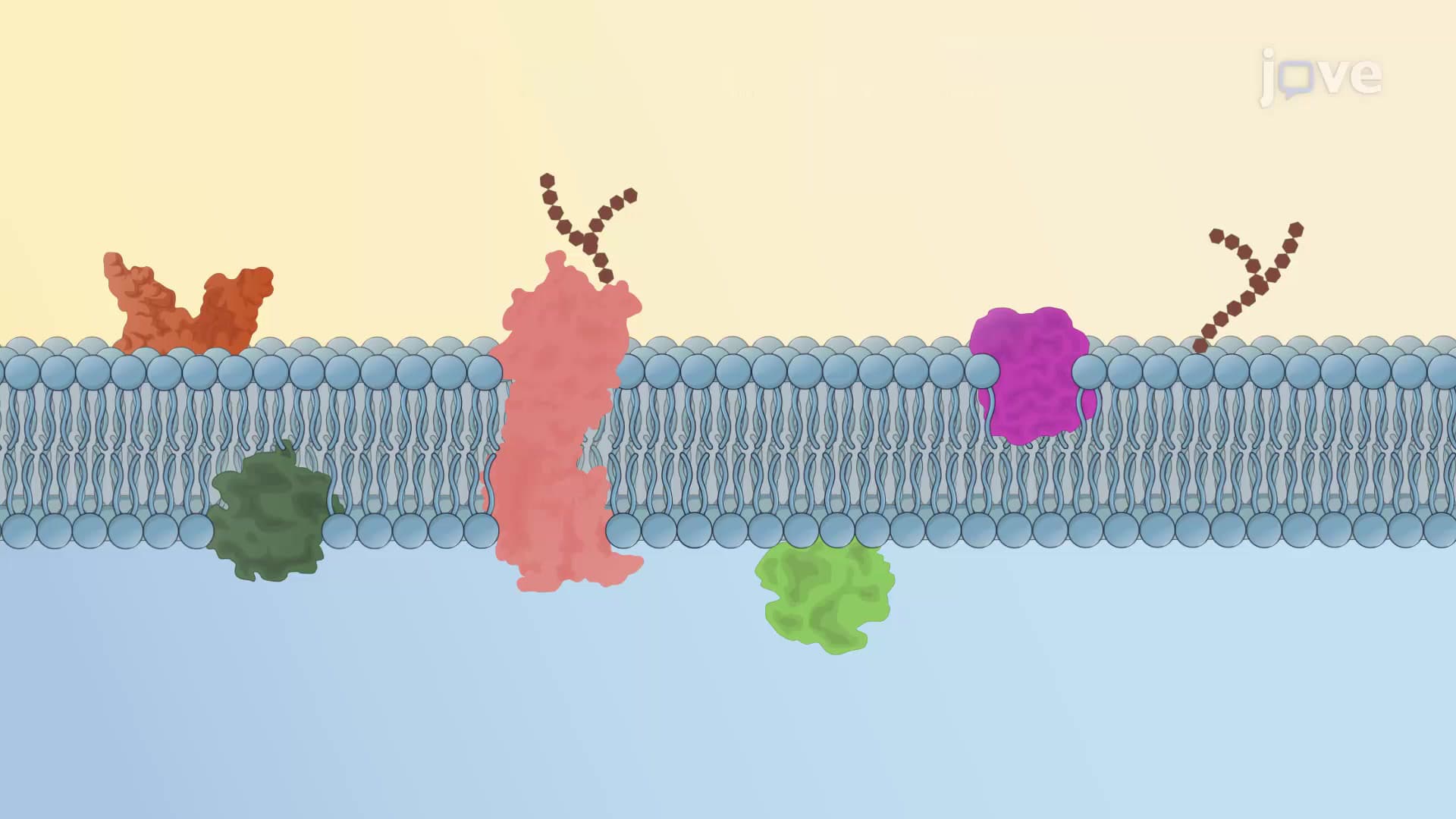
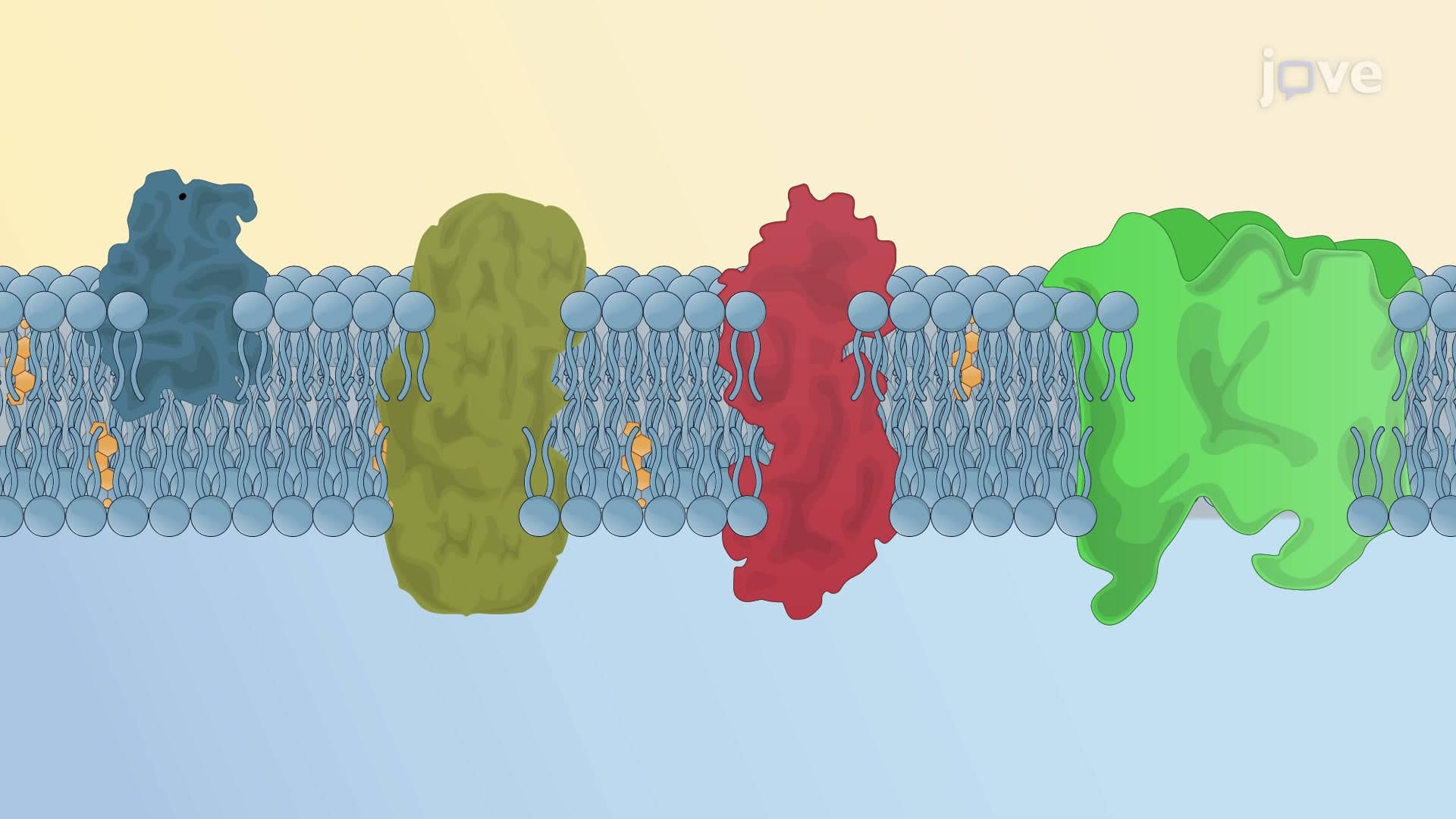
Membrane carbohydrates explained begins with recognizing their unique position as the third major component of biological membranes, following lipids and proteins. Unlike other membrane components, carbohydrates display remarkable asymmetry-they're found exclusively on the outer leaflet of cell membranes, creating what biochemists call the glycocalyx. This sugar coating serves as the cell's external interface with its environment.
Glycoproteins: The Dominant Membrane Carbohydrate Form
Comprising approximately 90% of all membrane carbohydrates, glycoproteins represent proteins with covalently attached sugar groups. The glycoprotein glycolipid carbohydrate attachment occurs through two distinct mechanisms. N-glycosidic bonds form between asparagine residues and N-acetylglucosamine, typically creating branched oligosaccharide structures. O-glycosidic bonds connect serine or threonine residues to sugars like N-acetylgalactosamine, often producing shorter carbohydrate chains.
These modifications aren't merely decorative-they're functionally critical. In US medical settings, doctors rely on glycoprotein markers for disease diagnosis. For instance, the hemoglobin A1c test measures glycosylated hemoglobin to monitor diabetes management. The bound carbohydrates protect proteins from enzymatic degradation, alter their surface charge, and dramatically increase water retention, affecting protein folding and stability.
Glycolipids: Specialized Membrane Components
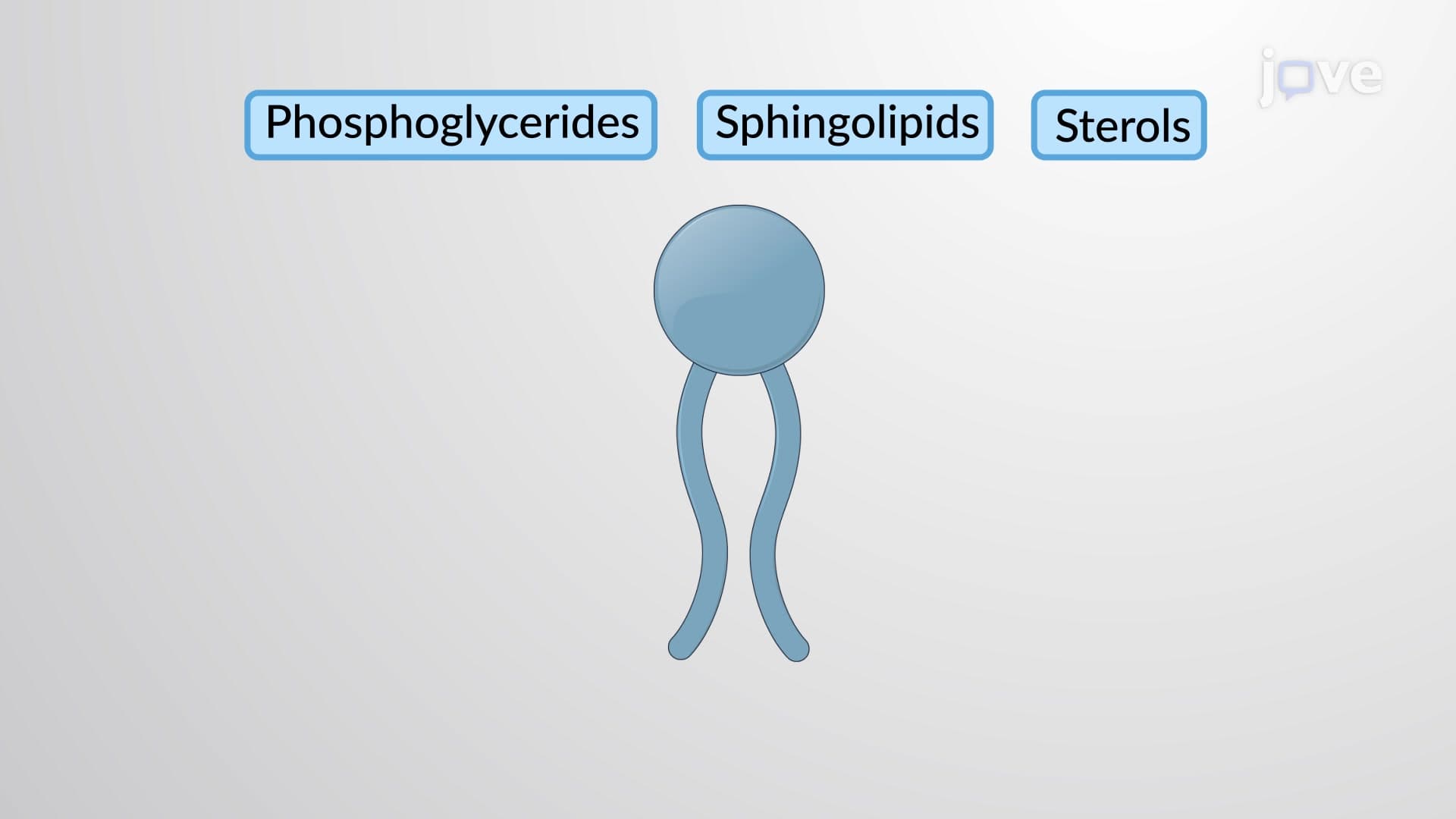
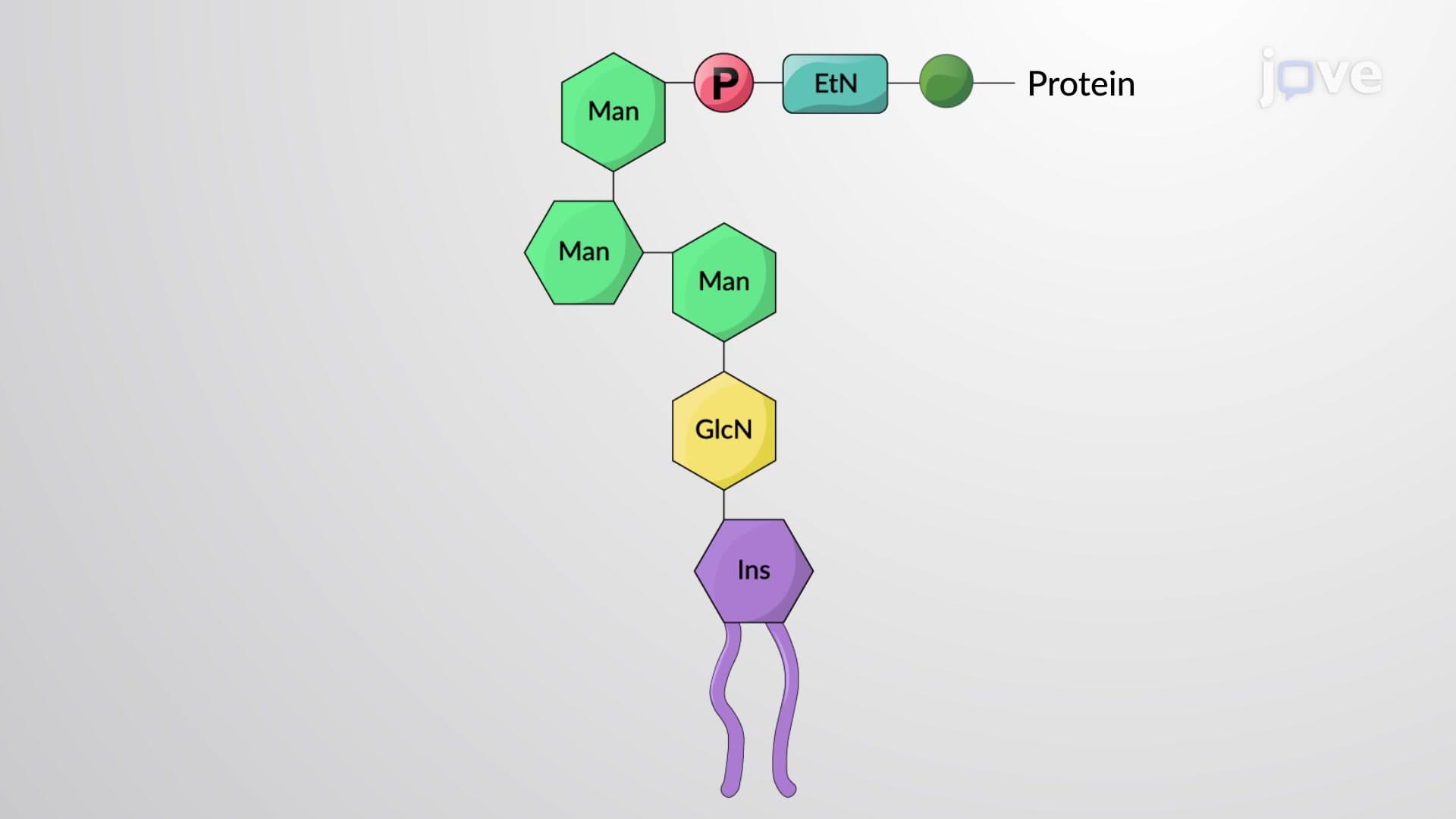
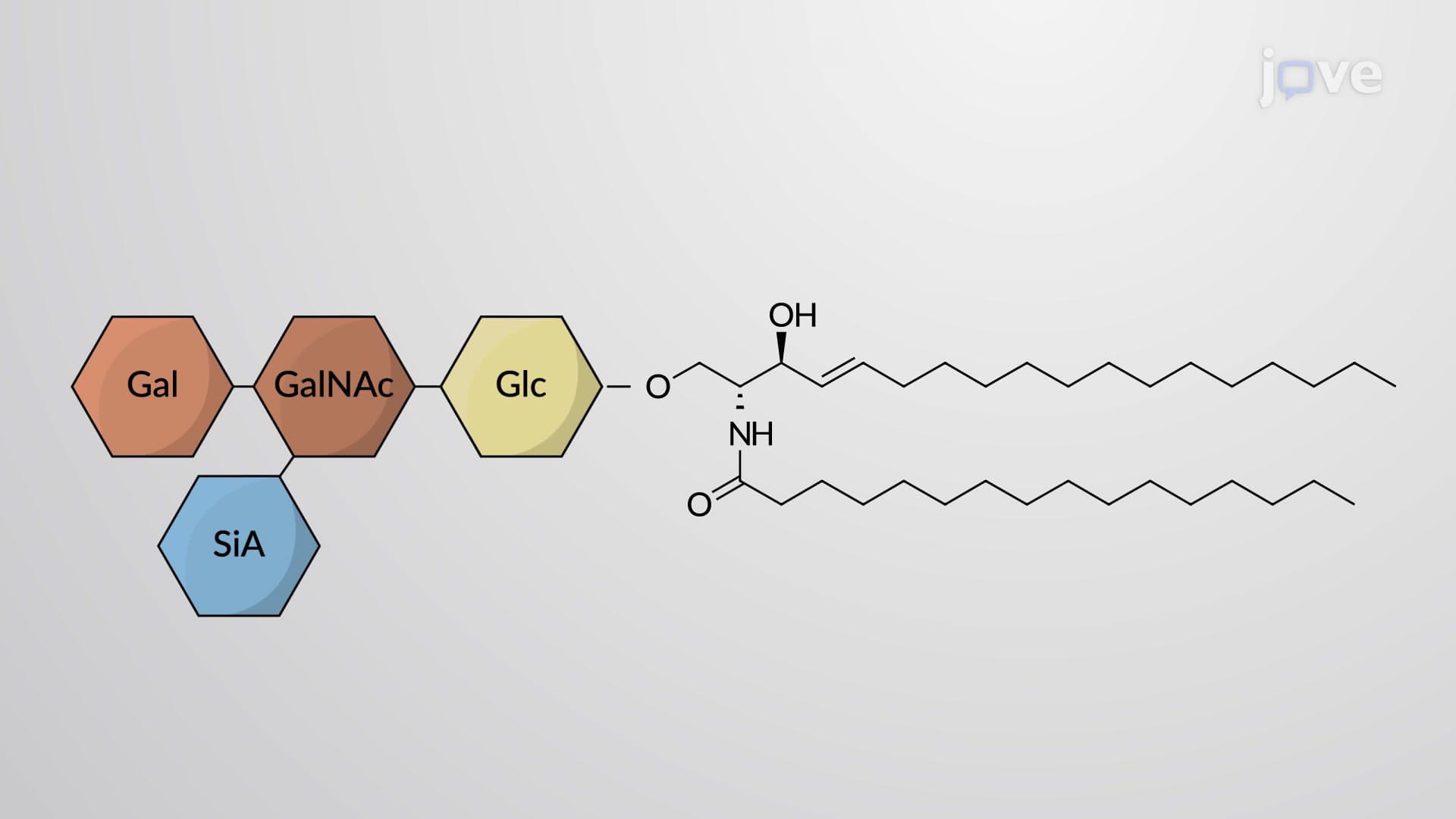
The remaining 10% of membrane carbohydrates exist as glycolipids, derived from the sphingolipid ceramide. Membrane oligosaccharide structures in glycolipids create three major categories. Glucocerebrosides and galactocerebrosides form when single sugars attach to ceramide, while gangliosides represent more complex structures containing oligosaccharide chains and sialic acid residues.
Gangliosides deserve special attention for their neurological significance. Their negatively charged sialic acid groups regulate calcium ion concentrations at synapses, directly impacting neurotransmission. Disruptions in ganglioside metabolism cause severe neurological disorders like Tay-Sachs disease, emphasizing their clinical importance in US healthcare.
Clinical and Academic Applications
Students preparing for AP Biology exams frequently encounter membrane carbohydrates in cell communication contexts. The carbohydrate cell signaling membrane concept appears regularly in college biochemistry courses and MCAT preparation. Understanding these molecules proves essential for pre-med students, as membrane carbohydrate dysfunction underlies various genetic disorders and cancer metastasis mechanisms studied in US medical schools.
Frequently Asked Questions
Membrane carbohydrates are sugar molecules attached to proteins and lipids on cell surfaces, serving as identification tags and communication systems. They enable cells to recognize each other, protect proteins from damage, and facilitate cellular interactions. These molecules are crucial for processes like immune recognition, blood typing, and tissue formation in the human body.
AP Biology frequently tests membrane carbohydrates in cell structure and function contexts, particularly regarding cell recognition and communication. Expect questions about glycoprotein functions, membrane asymmetry, and carbohydrate roles in cell signaling. The College Board often includes these concepts in free-response questions about cellular processes and membrane transport mechanisms.
N-glycosidic bonds connect carbohydrates to asparagine amino acids through nitrogen atoms, while O-glycosidic bonds attach to serine or threonine through oxygen atoms. N-linked carbohydrates typically form larger, more complex structures, whereas O-linked sugars tend to be smaller and simpler. This distinction affects protein folding, stability, and cellular function in significant ways.
Blood type determination depends entirely on specific carbohydrates attached to red blood cell membrane proteins. Type A blood contains N-acetylgalactosamine, Type B has galactose, and Type O lacks these terminal sugars. US blood banks rely on this carbohydrate-based typing system for safe transfusions, making membrane carbohydrates literally life-saving in medical practice.
Membrane carbohydrates build logically on basic chemistry concepts like covalent bonding and protein structure that students learn in earlier courses. With solid understanding of amino acids and simple sugars, the attachment mechanisms become straightforward. Most students successfully master these concepts with consistent practice and visual aids showing molecular structures.
Focus on drawing and labeling glycoprotein and glycolipid structures, emphasizing the differences between N- and O-linked attachments. Practice identifying carbohydrate functions in clinical scenarios, and memorize the major glycolipid types. Create concept maps connecting membrane carbohydrates to cell recognition, signaling, and disease states commonly tested in US college curricula.
Consider studying lectin-carbohydrate interactions, carbohydrate-mediated cell adhesion, and glycosylation disorders like congenital disorders of glycosylation (CDGs). Advanced students might explore carbohydrate chemistry in drug design or immunology applications. These topics prepare students for graduate-level biochemistry and medical school coursework in US institutions.
Related Micro-courses