Loading subject page…

- Cell Biology
- Membrane Structure and Components
- Single-pass Transmembrane Proteins
Micro-course: Membrane Structure and Components
167,923 views
Learn key concepts and earn your certificate.

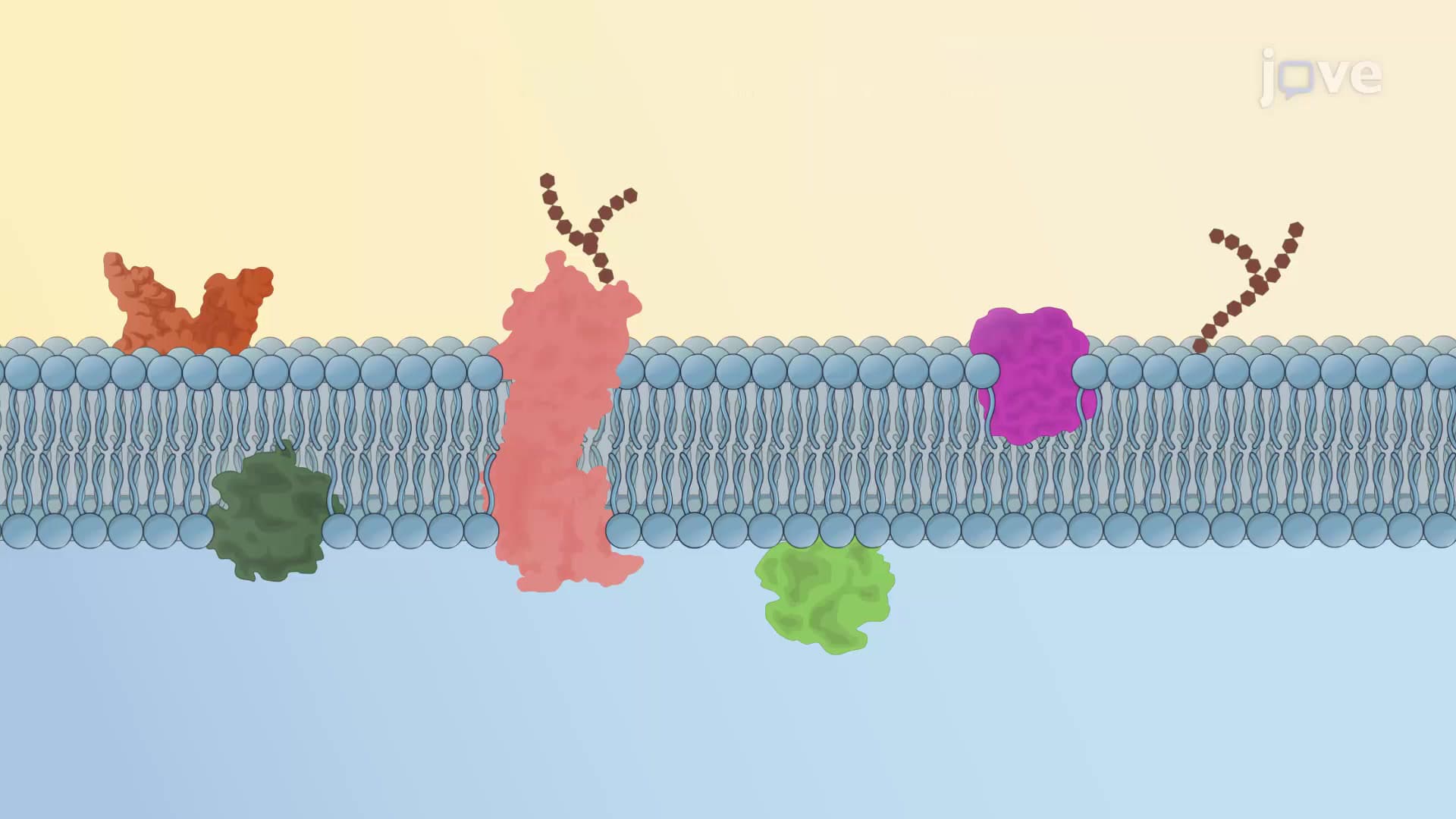
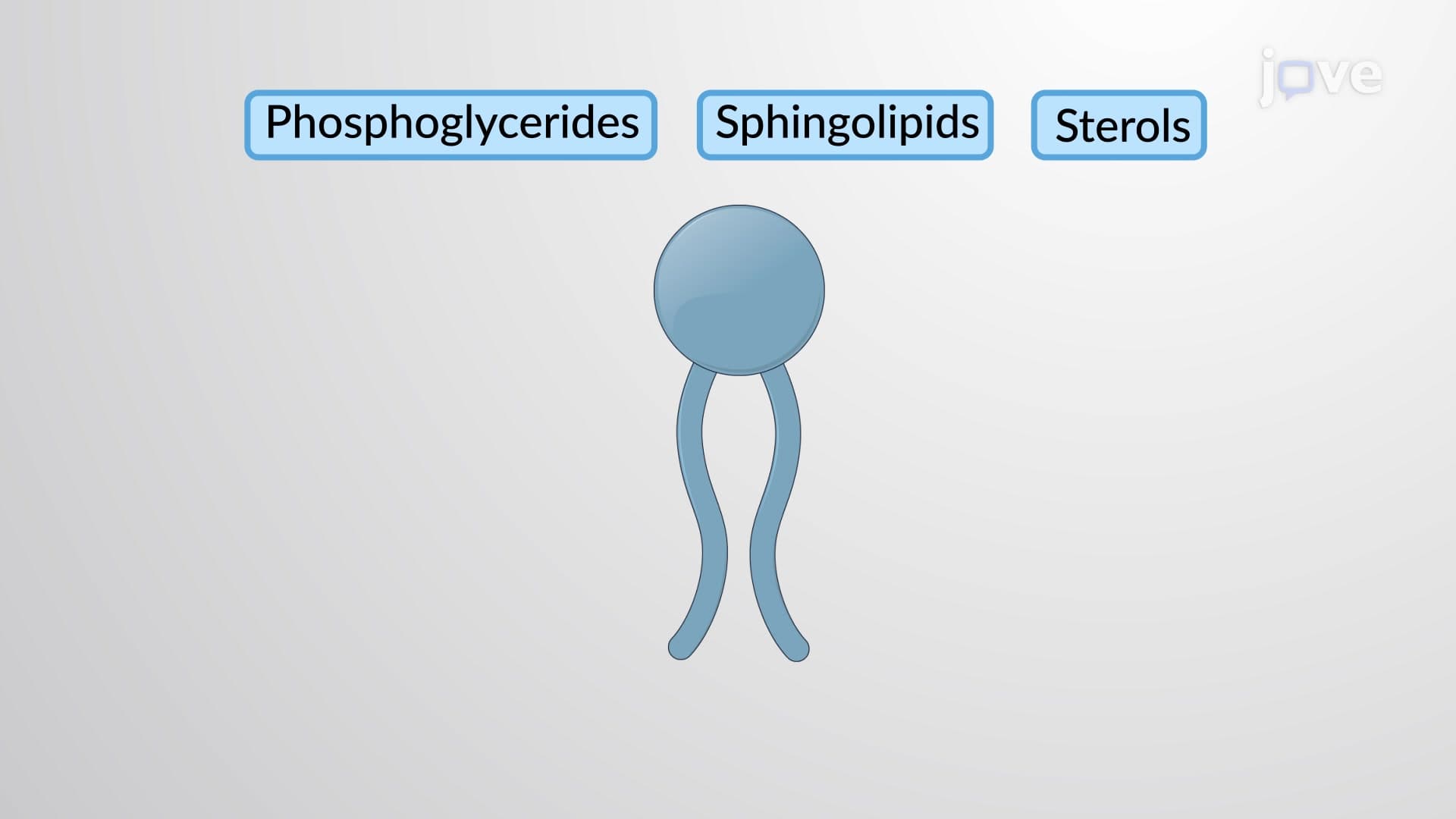
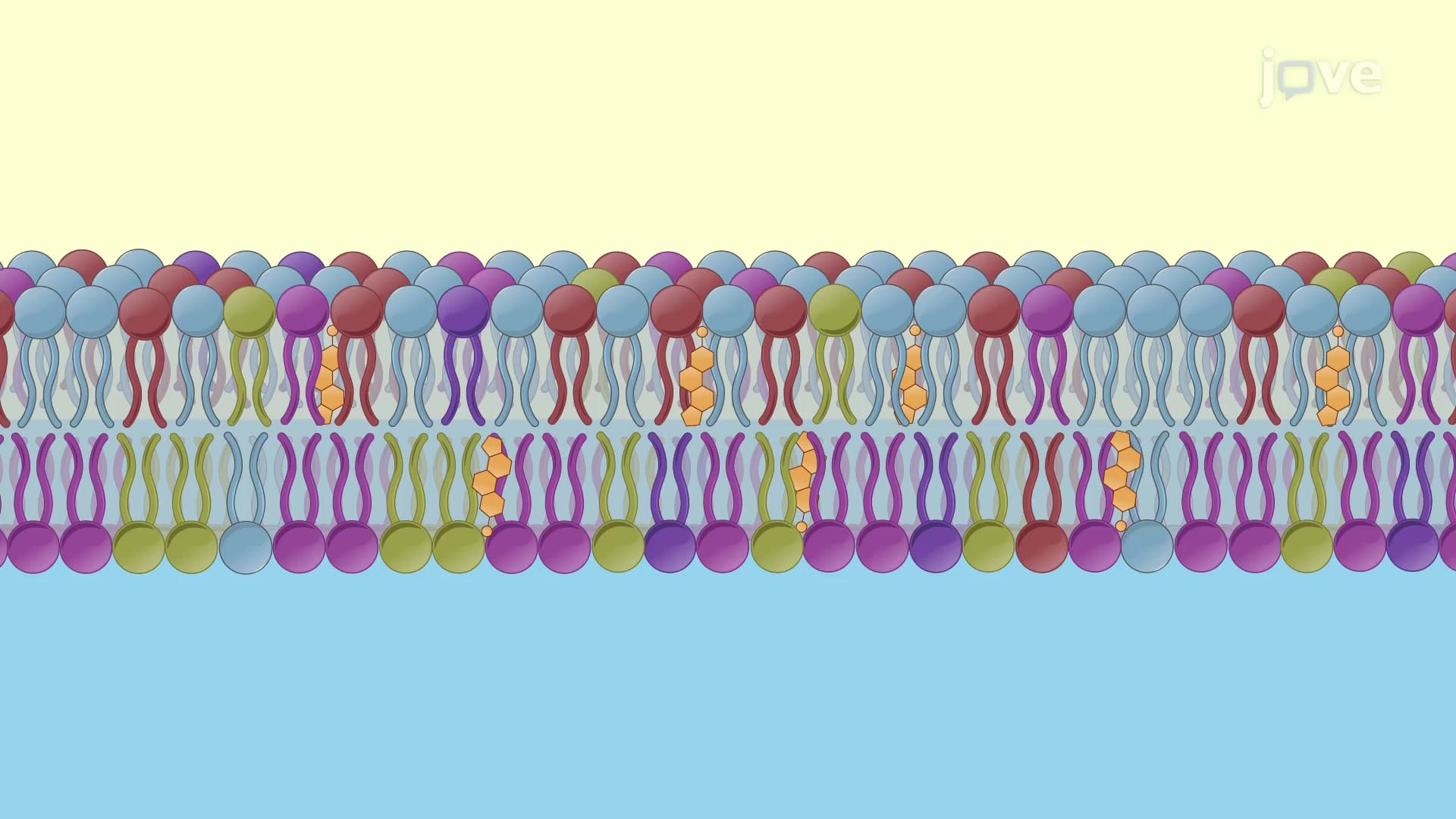
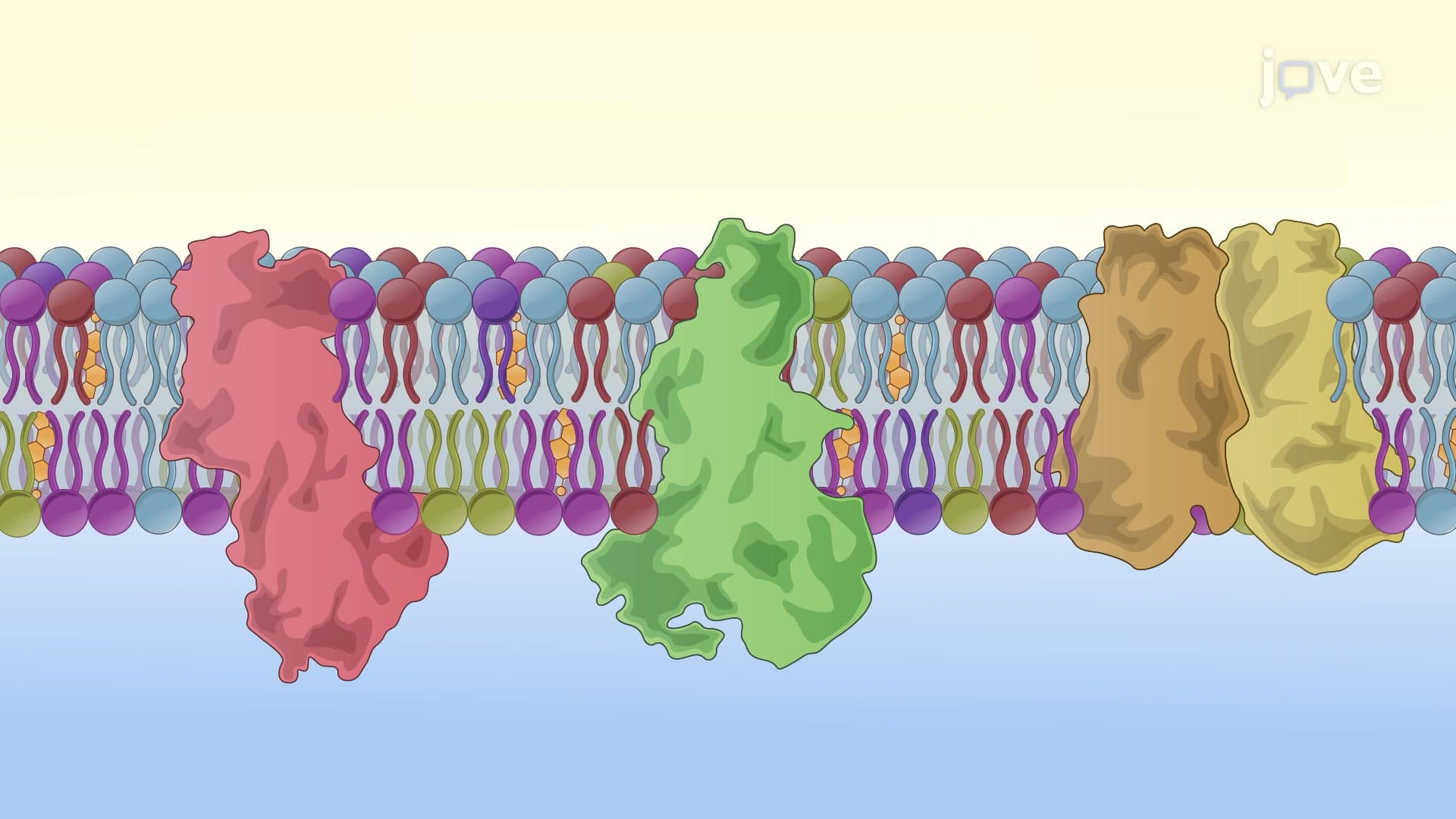
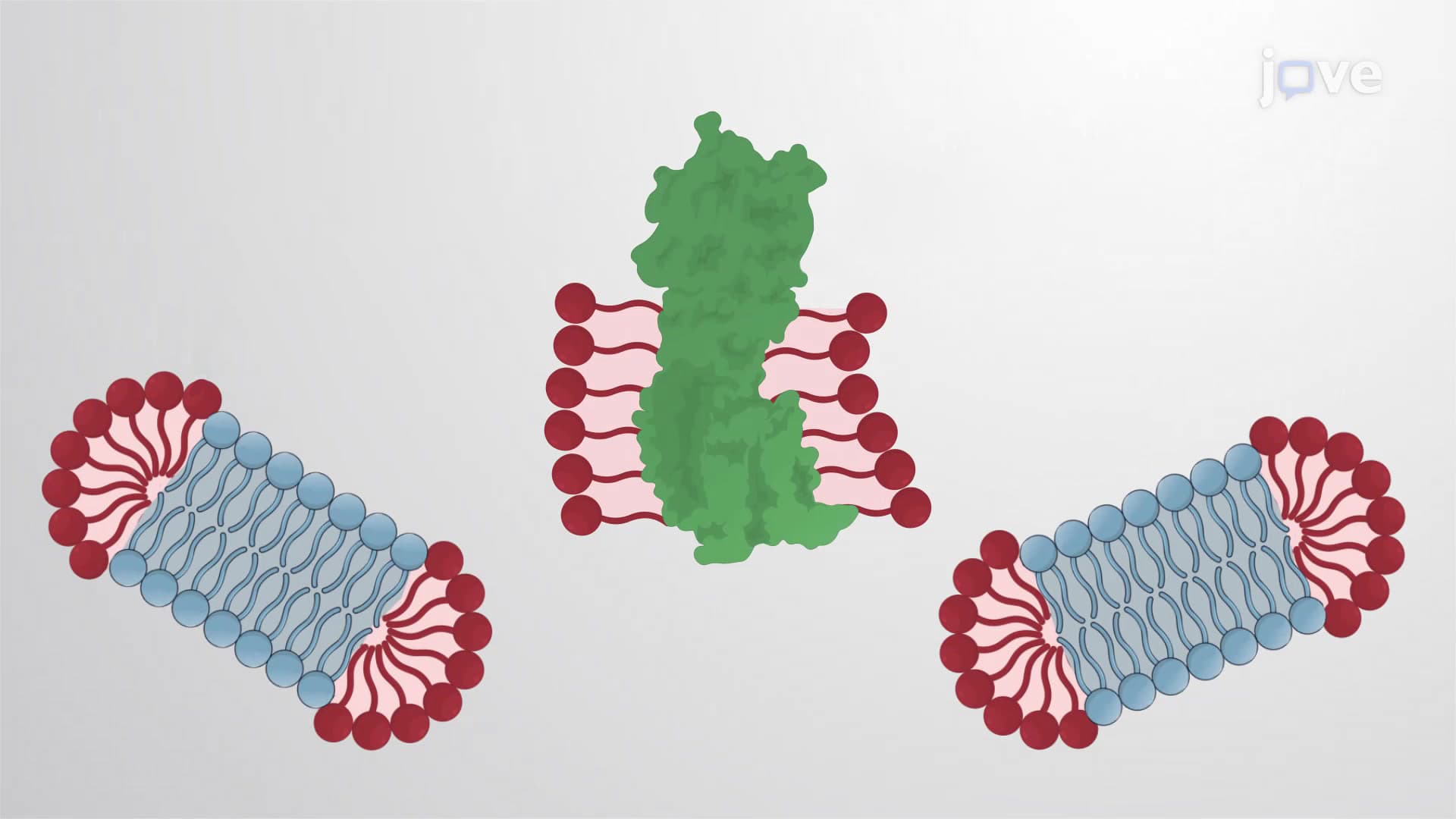
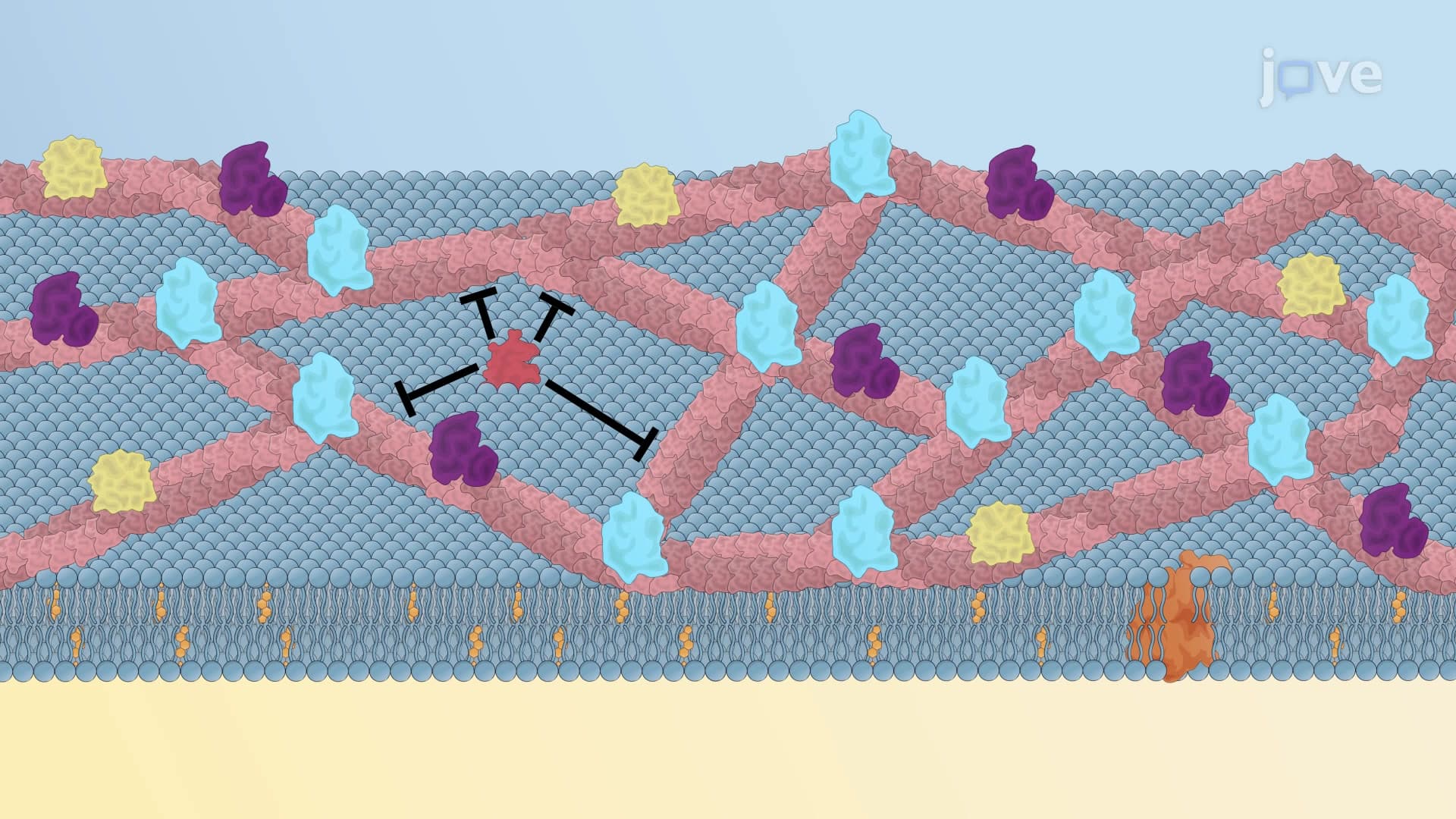
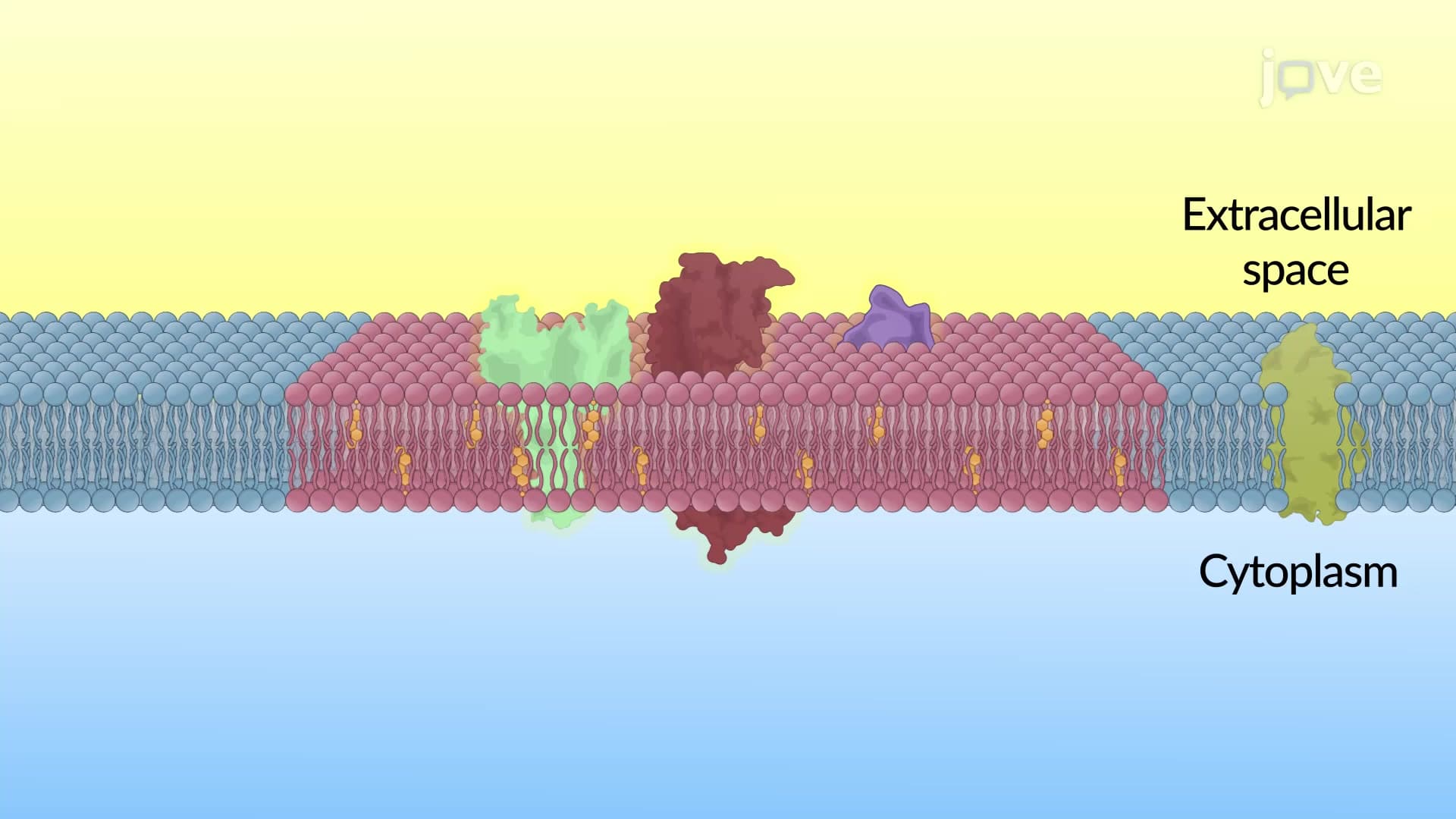
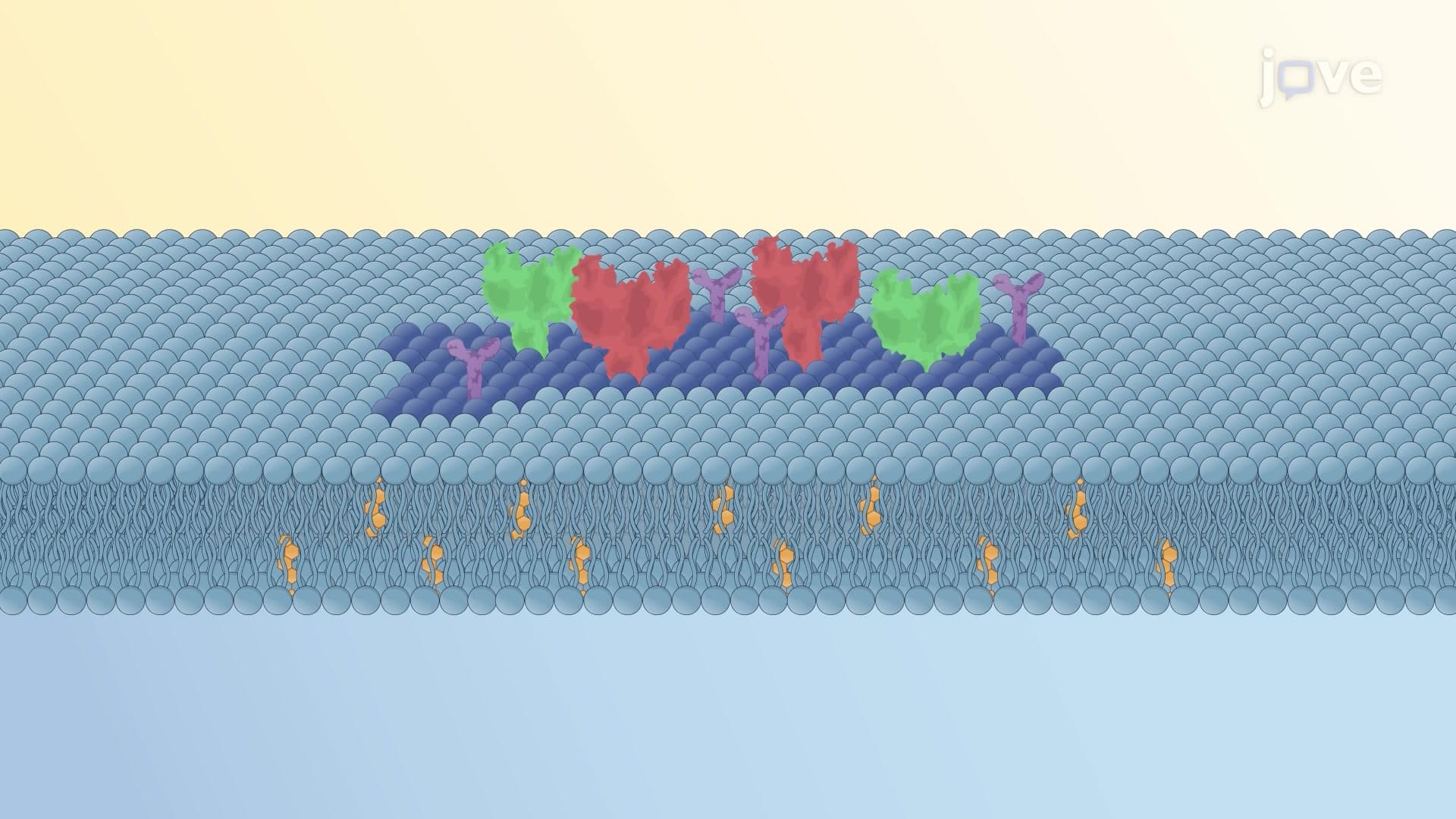

Single-pass Transmembrane Proteins

00:00
01:25
Video Summary: What are Single Pass Transmembrane Proteins
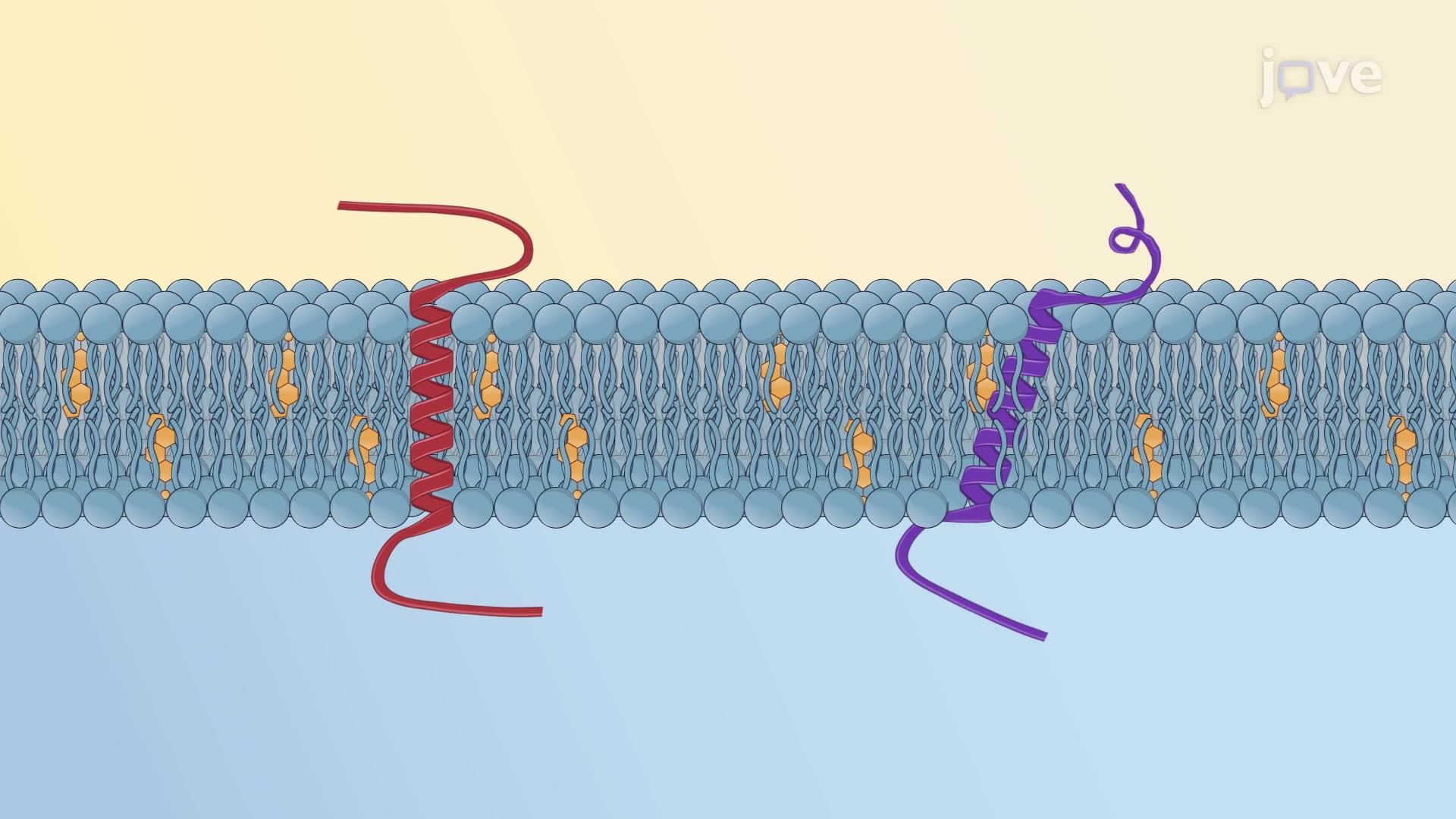
Did you know that about 25% of all human proteins are embedded directly in cell membranes? Single pass transmembrane proteins are specialized membrane-bound proteins that cross the lipid bilayer exactly once, featuring distinct domains on each side of the membrane. These proteins play crucial roles as receptors, transporters, and enzymes-like the insulin receptor that helps regulate blood sugar levels in diabetic patients. Watch the full video on JoVE Coach to master this concept with expert-led visuals and step-by-step explanations.
- Understand what are single pass transmembrane proteins and their fundamental structural organization within cellular membranes
- Identify the key structural features of single pass proteins, including their hydrophobic transmembrane domains and hydrophilic cytosolic/exoplasmic regions
- Analyze how the amino acid composition (20-30 non-polar residues) enables membrane spanning through alpha-helix formation
- Compare single pass versus multi-pass transmembrane proteins and their respective functional advantages
- Recognize the hydrogen bonding patterns in alpha-helical transmembrane domains and their orientation within membranes
- Apply knowledge of protein-lipid interactions to predict transmembrane protein behavior and stability
- Evaluate how single pass proteins form functional oligomers through non-covalent interactions
- Explore the biological significance of transmembrane proteins representing 25% of the human genome
Understanding Single Pass Transmembrane Proteins: Structure and Function
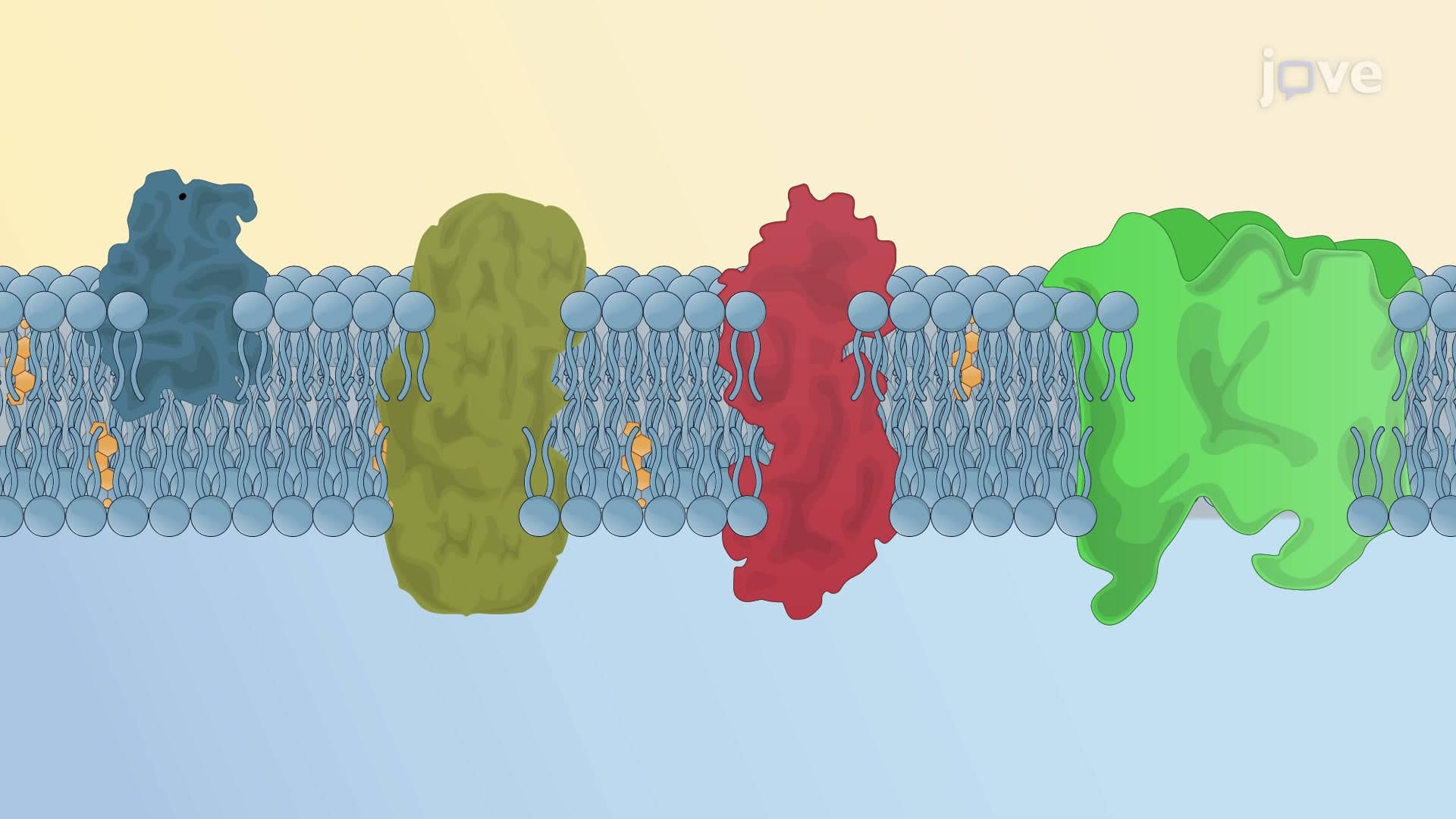
Single pass transmembrane proteins represent a fundamental class of membrane proteins that traverse the lipid bilayer exactly once, creating a bridge between the cell's interior and exterior environments. Unlike their multi-pass counterparts, these proteins maintain a relatively simple topology while performing complex biological functions essential for cellular communication, transport, and signal transduction.
Structural Architecture and Amino Acid Organization
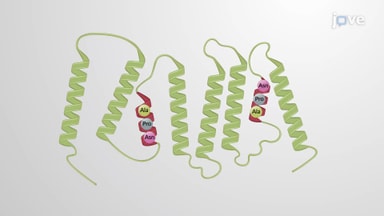
The defining characteristic of single pass transmembrane proteins lies in their unique structural organization. The transmembrane domain typically consists of 20-30 consecutive non-polar (hydrophobic) amino acid residues arranged in an alpha-helical conformation. This alpha-helix spans the approximately 30-40 Ångström width of the lipid bilayer, with its hydrophobic side chains pointing outward to interact favorably with the membrane's fatty acid tails.
The flanking domains-cytosolic (intracellular) and exoplasmic (extracellular)-contain predominantly hydrophilic amino acids that interact with the aqueous environments on either side of the membrane. This amphipathic nature is crucial for proper protein folding and membrane insertion during biosynthesis in the endoplasmic reticulum.
Alpha-Helix Formation and Membrane Integration
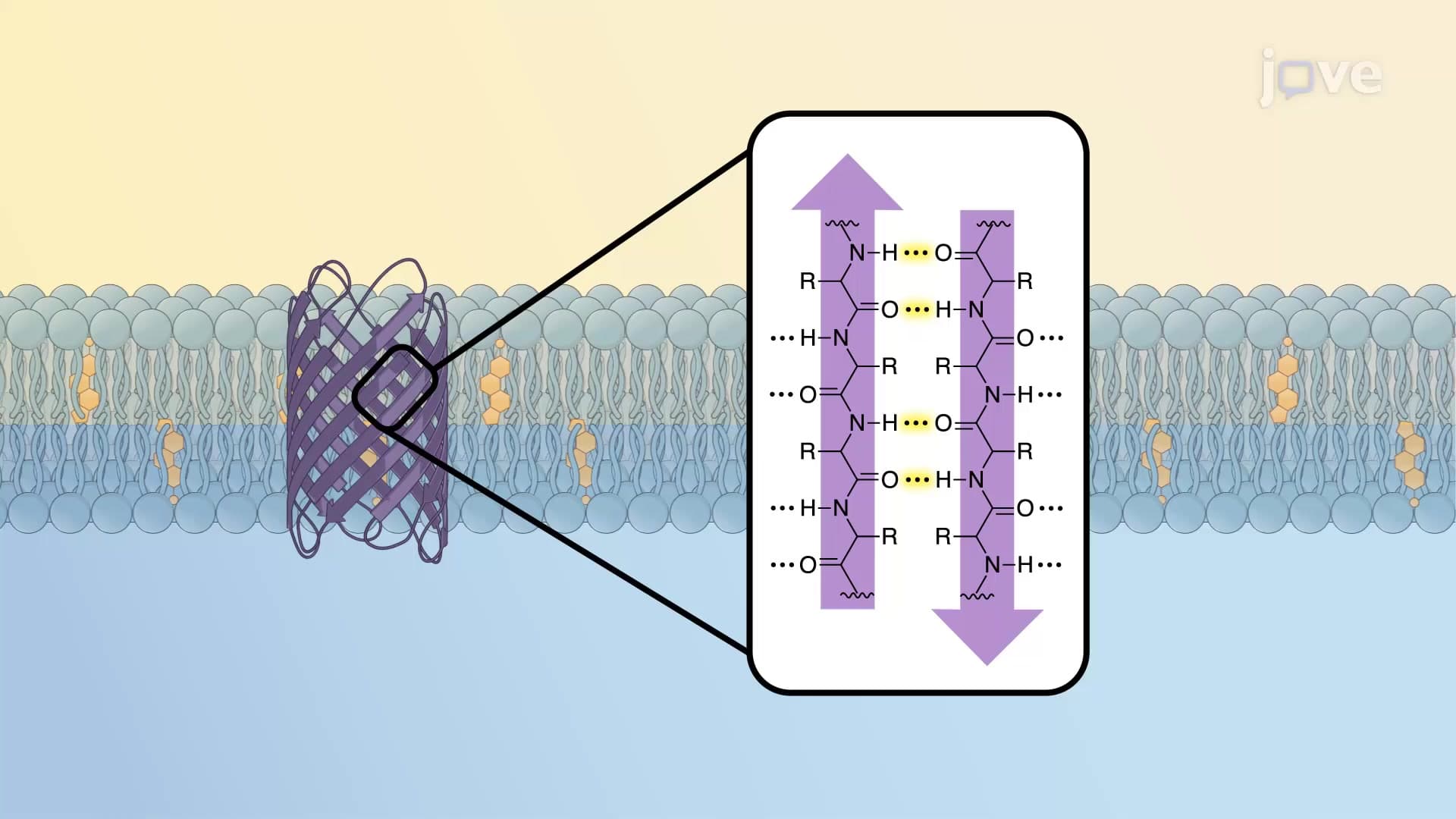
Within the transmembrane region, the polypeptide backbone forms critical hydrogen bonds between carbonyl oxygen and amide hydrogen atoms, stabilizing the alpha-helical structure. This secondary structure is energetically favorable within the hydrophobic membrane environment, as it satisfies the hydrogen-bonding requirements of the peptide backbone while minimizing unfavorable interactions with lipids.
The orientation of single pass proteins can vary-some span the membrane vertically (perpendicular to the membrane plane), while others adopt a tilted conformation. This flexibility allows for optimal positioning of functional domains and can influence protein-protein interactions and oligomerization.
Biological Significance and Clinical Relevance
Single pass transmembrane proteins serve as critical components in numerous physiological processes studied in AP Biology and college biochemistry courses. Examples include growth factor receptors like the epidermal growth factor receptor (EGFR), which is frequently discussed in cancer biology sections of the MCAT. These proteins also include important therapeutic targets-many FDA-approved drugs, including monoclonal antibodies used in cancer treatment at institutions like MD Anderson Cancer Center, specifically target single pass transmembrane receptors.
Understanding these proteins is essential for students preparing for standardized exams, as they frequently appear in questions about membrane biology, protein structure, and cellular signaling on exams ranging from high school AP tests to medical school entrance examinations.
Frequently Asked Questions
Single pass transmembrane proteins are membrane-embedded proteins that cross the lipid bilayer exactly once, creating distinct intracellular and extracellular domains. Unlike multi-pass proteins that weave through the membrane multiple times, single pass proteins maintain a simpler topology while still performing essential functions like signal transduction and molecular transport. They represent about 25% of all human proteins and include many important receptors and enzymes.
These proteins frequently appear in MCAT biochemistry and biology sections, particularly in questions about membrane structure, protein folding, and cellular signaling pathways. AP Biology exams often test understanding of their role in cell communication and transport processes. Expect questions about their structural features, amino acid composition, and functional significance in maintaining cellular homeostasis.
MCAT questions often combine transmembrane protein concepts with thermodynamics, requiring students to understand why hydrophobic amino acids favor membrane insertion while hydrophilic regions prefer aqueous environments. Students at universities like UCLA and Johns Hopkins report that connecting protein structure to function, especially in disease contexts, requires thorough understanding of both molecular details and physiological implications.
Many FDA-approved cancer therapies target single pass transmembrane proteins, particularly receptor tyrosine kinases like HER2 in breast cancer treatment. At major US cancer centers like Memorial Sloan Kettering, drugs like trastuzumab (Herceptin) specifically bind to single pass transmembrane receptors. These proteins also serve as drug delivery targets and diagnostic markers in personalized medicine approaches.
Basic understanding of amino acid properties and protein secondary structure is sufficient to grasp these concepts. High school chemistry covering polar/non-polar molecules and hydrogen bonding provides adequate background. Students who've completed introductory biology and chemistry courses at community colleges or high school AP level can successfully master this topic with focused study.
Create visual diagrams showing the alpha-helix structure within the membrane, labeling hydrophobic and hydrophilic regions. Practice drawing the protein orientation and identifying amino acid types in different domains. Many students at universities like University of California system find success using active recall with structural diagrams rather than passive reading of textbook descriptions.
These proteins often serve as the initial receivers in signal transduction cascades, particularly growth factor and hormone receptors. Understanding their structure helps explain how extracellular signals trigger intracellular responses through conformational changes. This concept becomes crucial in upper-level cell biology and molecular biology courses, connecting protein structure to physiological function.
Progress to multi-pass transmembrane proteins, then explore protein trafficking and membrane protein biosynthesis. Advanced topics include protein-protein interactions in membrane complexes and the role of transmembrane proteins in disease. These concepts build naturally toward understanding complex topics like ion channels and transporters covered in advanced physiology courses.
Related Micro-courses