Loading subject page…

- Cell Biology
- Membrane Structure and Components
- Asymmetric Lipid Bilayer
Micro-course: Membrane Structure and Components
167,927 views
Learn key concepts and earn your certificate.

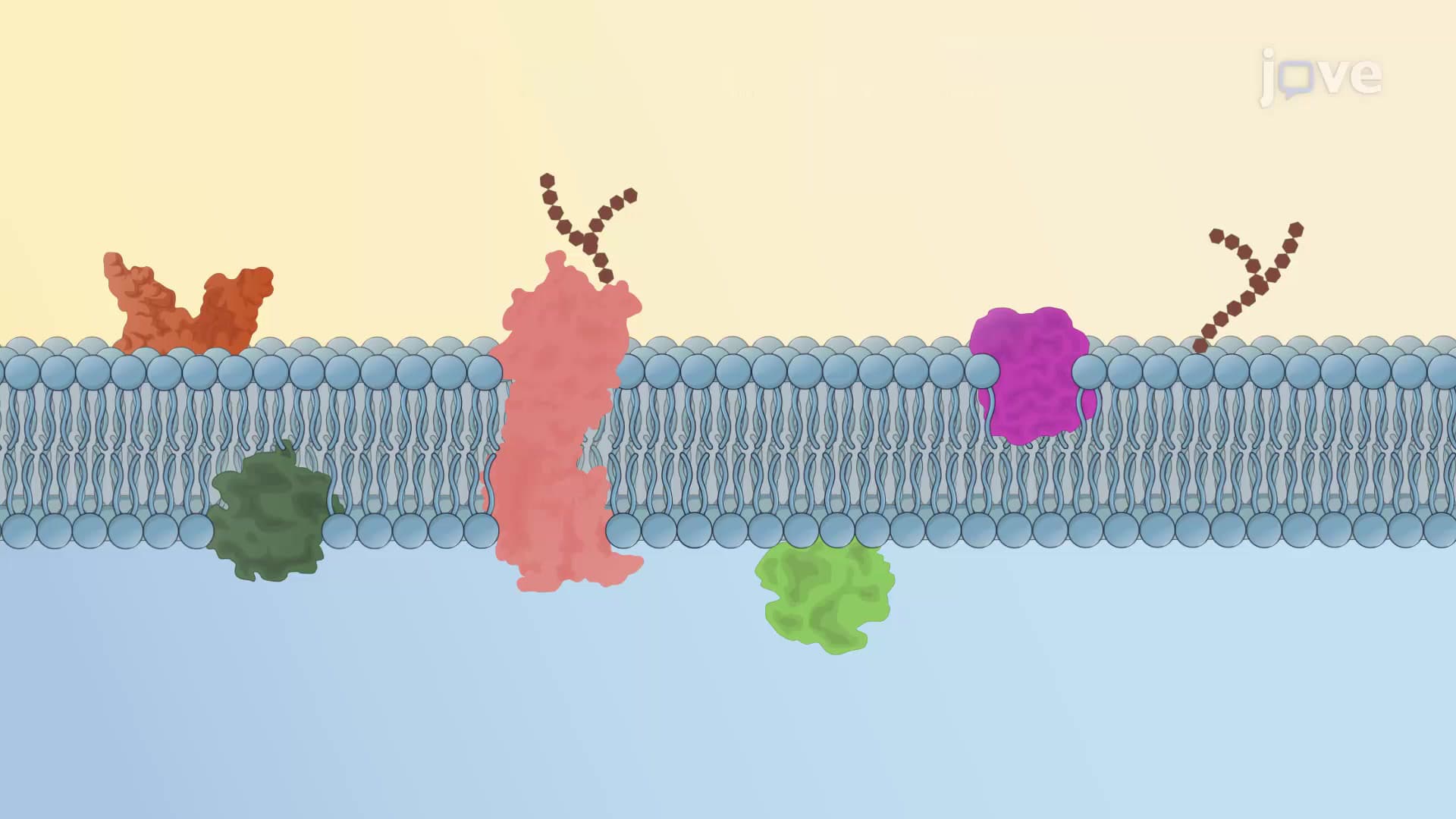
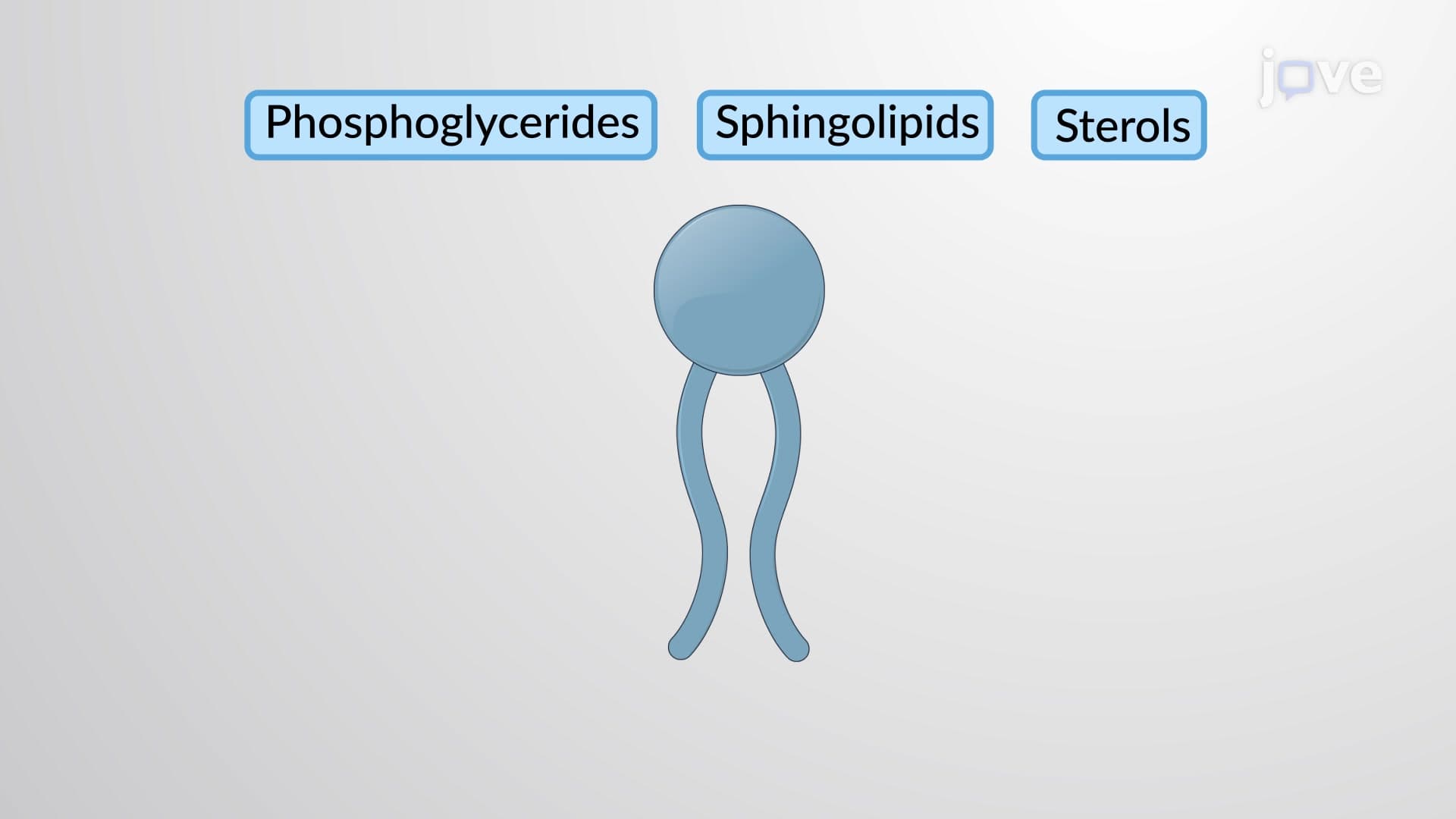
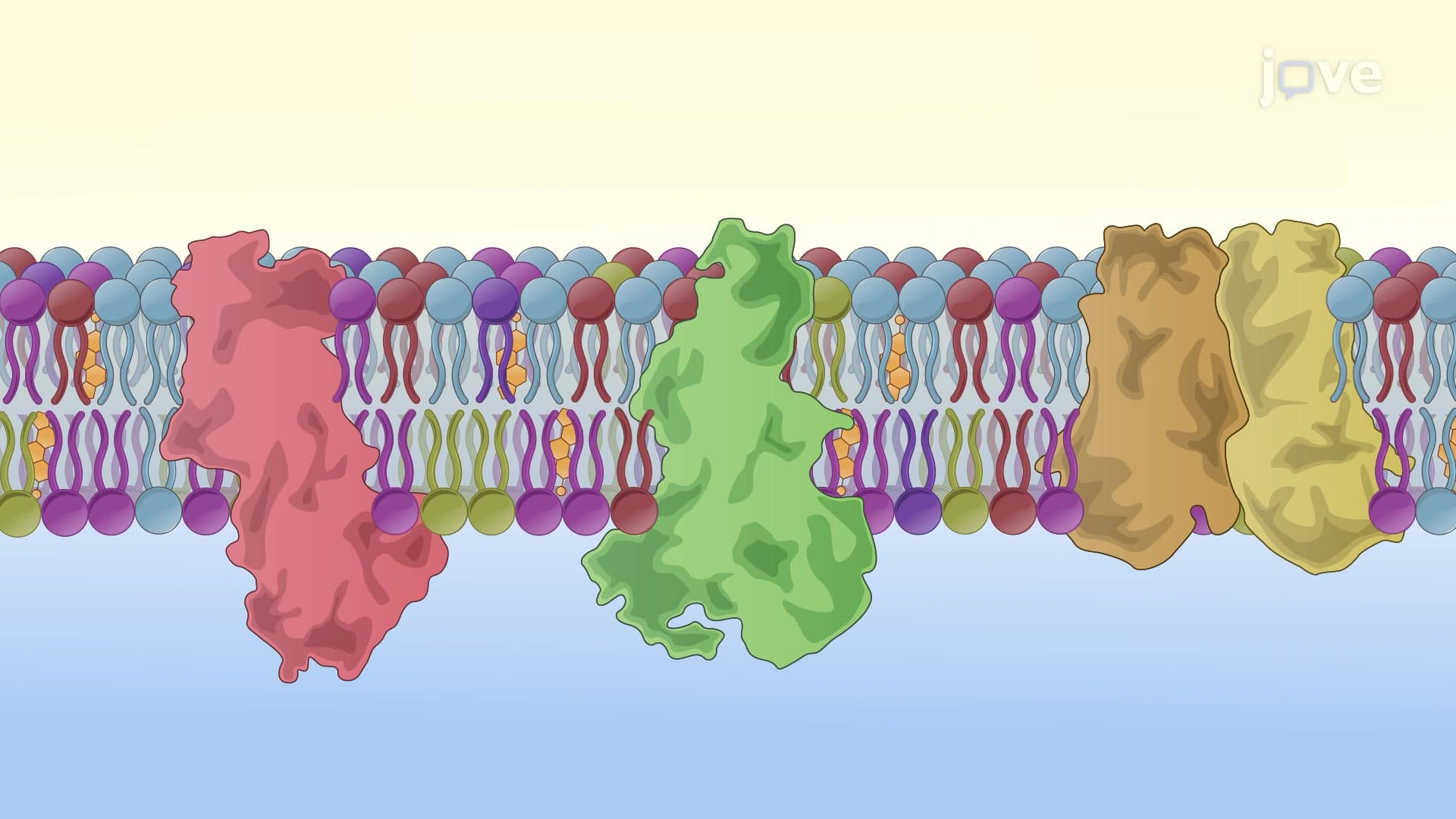
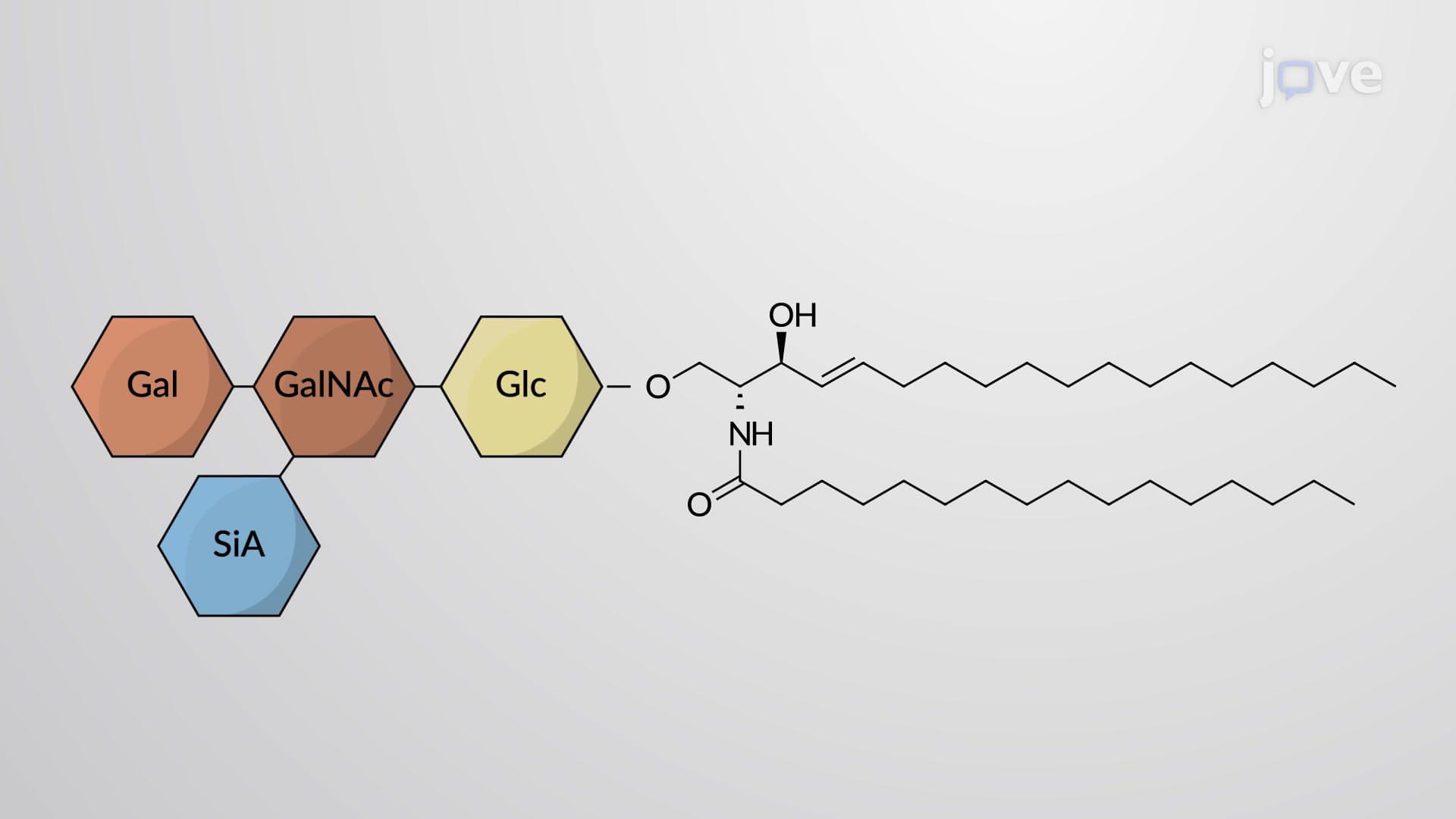
Asymmetric Lipid Bilayer

00:00
01:35
Video Summary: What Is Asymmetric Lipid Bilayer
Ever wonder why red blood cells can bend through tiny capillaries without breaking? The asymmetric lipid bilayer makes this flexibility possible by having different lipid compositions on its inner and outer surfaces. This membrane structure, first discovered in human erythrocytes, allows each side to perform specialized functions, the outer layer handles cell signaling while the inner layer binds cellular proteins. Watch the full video on JoVE Coach to master this concept with expert-led visuals and step-by-step explanations.
- Understand what is asymmetric lipid bilayer and how it differs from symmetric membrane structures
- Identify the specific phospholipids found in the inner versus outer membrane layers
- Analyze how membrane asymmetry enables specialized functions on each side of the cell membrane
- Compare the roles of choline-phospholipids and amino-phospholipids in cellular processes
- Evaluate how membrane curvature relates to phospholipid head group sizes
- Apply knowledge of cholesterol distribution patterns across both membrane layers
- Recognize the connection between membrane asymmetry and cellular processes like bending and fusion
- Explore how phosphatidylserine exposure serves as a cellular death signal
Understanding Asymmetric Lipid Bilayer Architecture
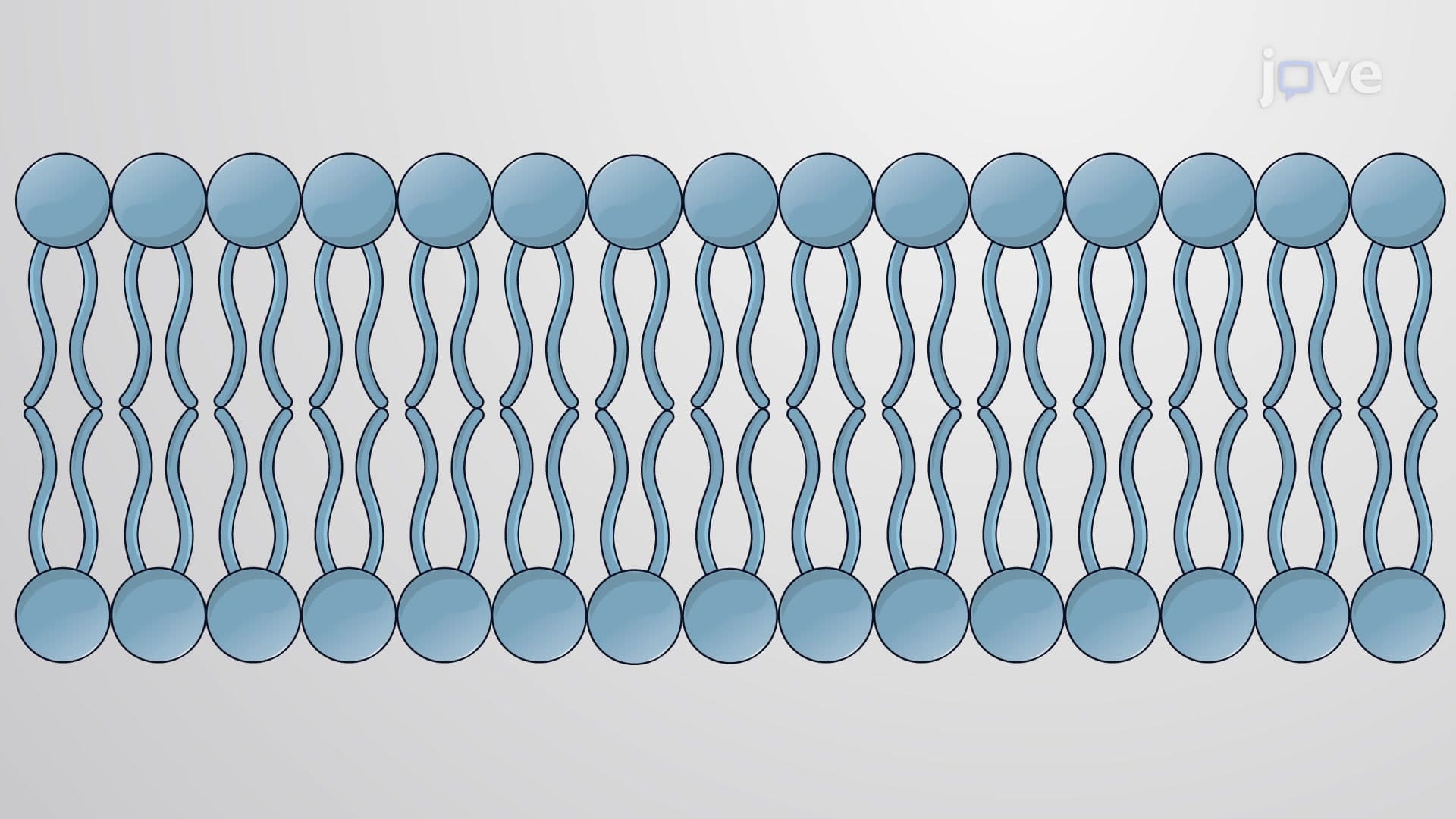
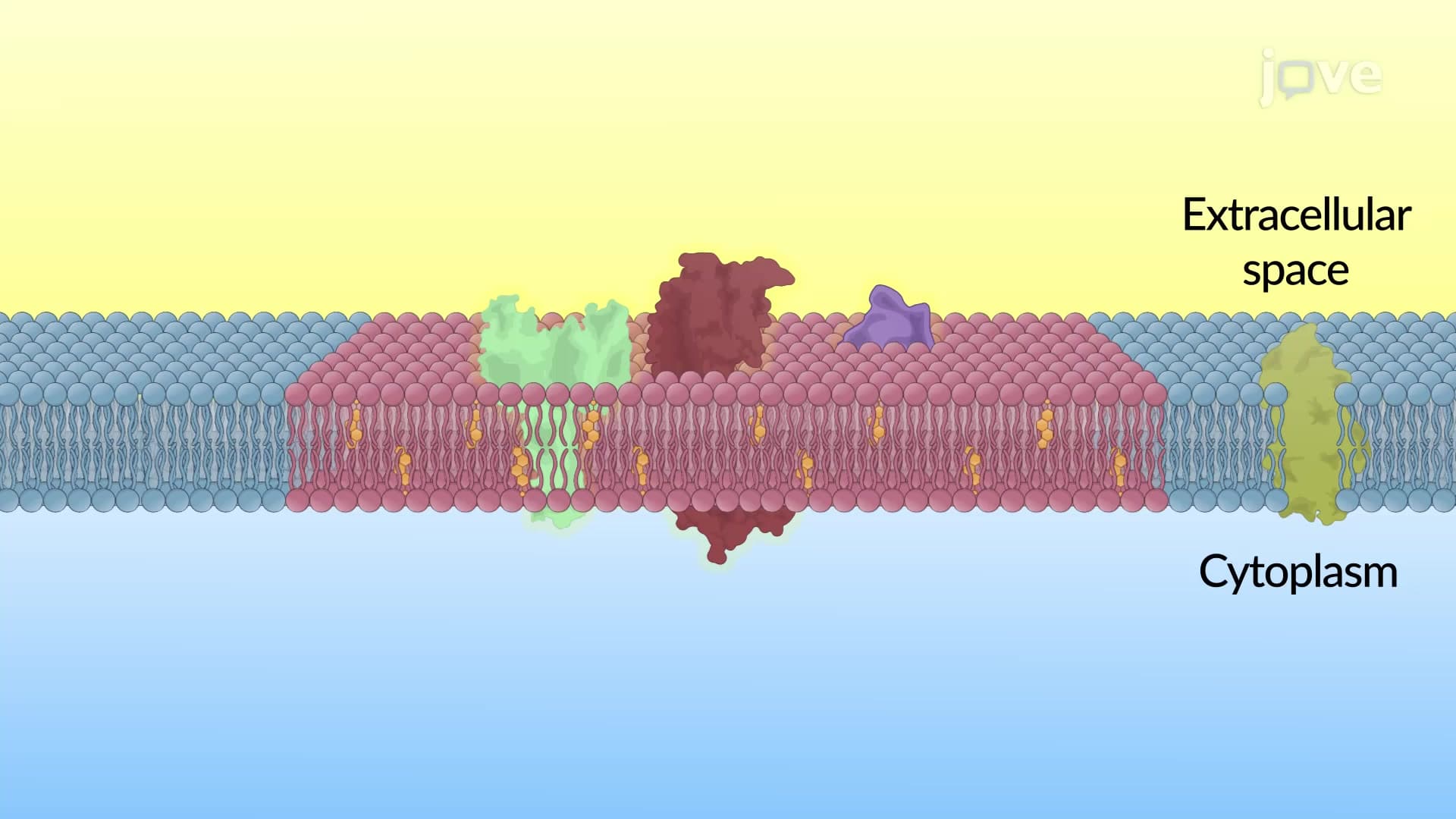
An asymmetric lipid bilayer represents one of cell biology's most elegant structural solutions, where the inner and outer leaflets of cellular membranes contain distinctly different lipid compositions. Unlike a symmetric bilayer where both sides mirror each other, this asymmetric arrangement allows each membrane face to perform specialized biochemical functions essential for cellular survival.
Molecular Composition and Distribution Patterns
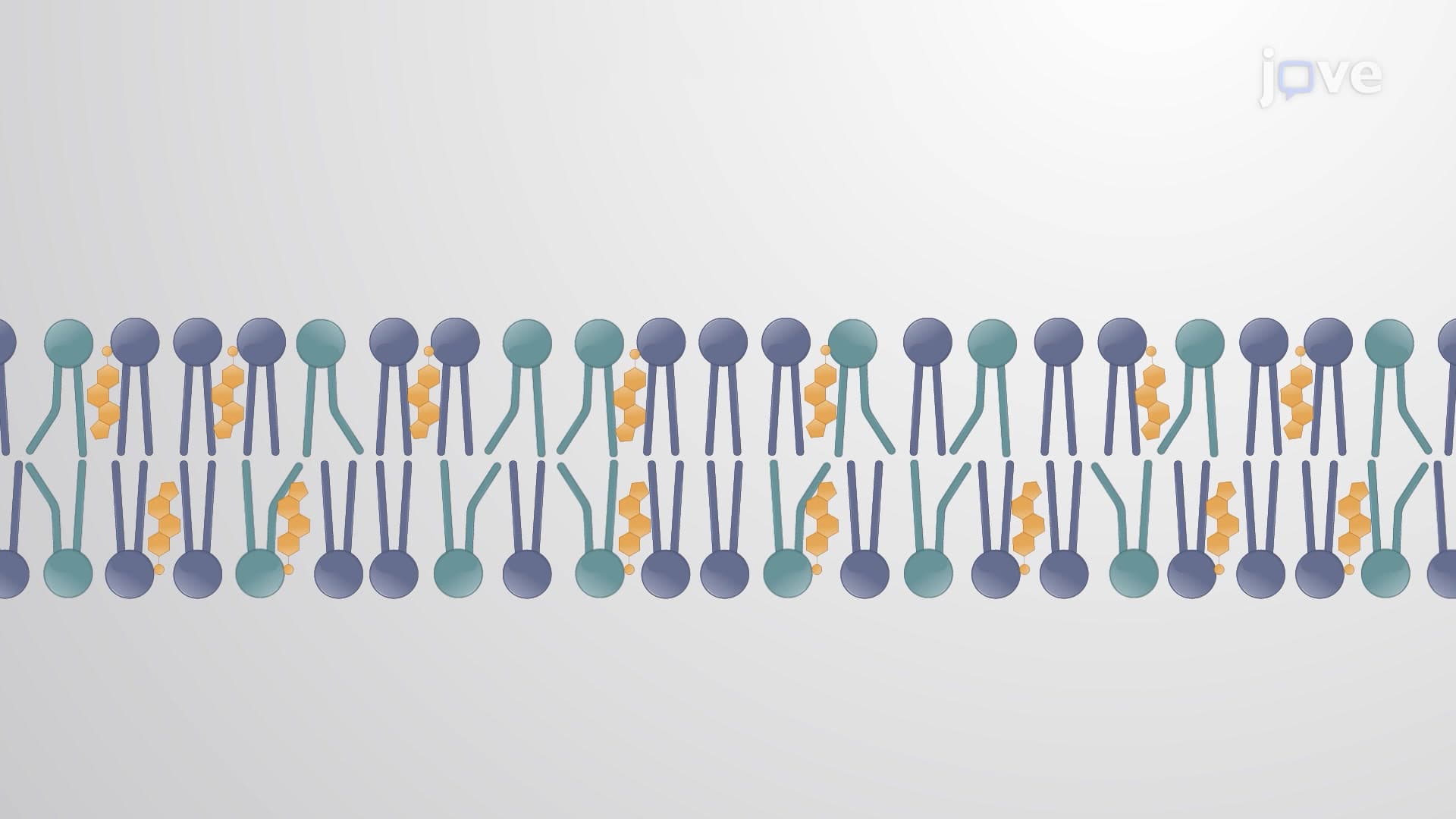
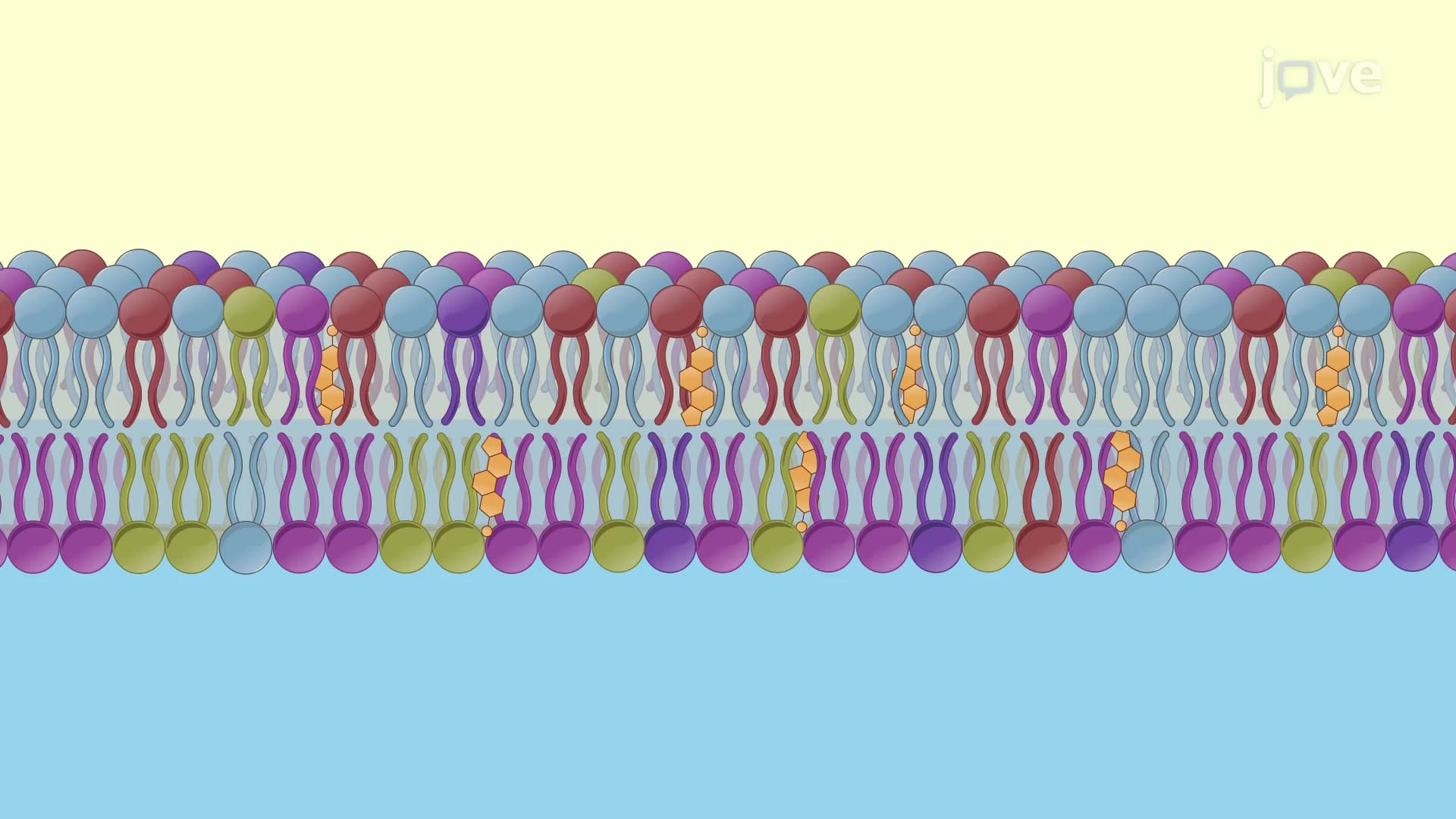
The outer membrane leaflet predominantly contains choline-phospholipids, specifically sphingomyelin and phosphatidylcholine (PC). These molecules feature large, bulky head groups that facilitate transmembrane signaling processes and provide structural stability for the cell's exterior interface. Their abundance in the outer leaflet helps maintain proper membrane curvature and supports essential cell-to-cell communication pathways.
Conversely, the inner leaflet concentrates amino-phospholipids, particularly phosphatidylserine (PS) and phosphatidylethanolamine (PE). These phospholipids serve as critical binding sites for cytosolic enzymes and regulatory proteins. Phosphatidylserine, for example, normally remains sequestered on the inner leaflet but flips to the outer surface during apoptosis, signaling macrophages to engulf the dying cell. This process proves crucial in preventing inflammatory responses during normal cell turnover.
Functional Significance in Human Physiology
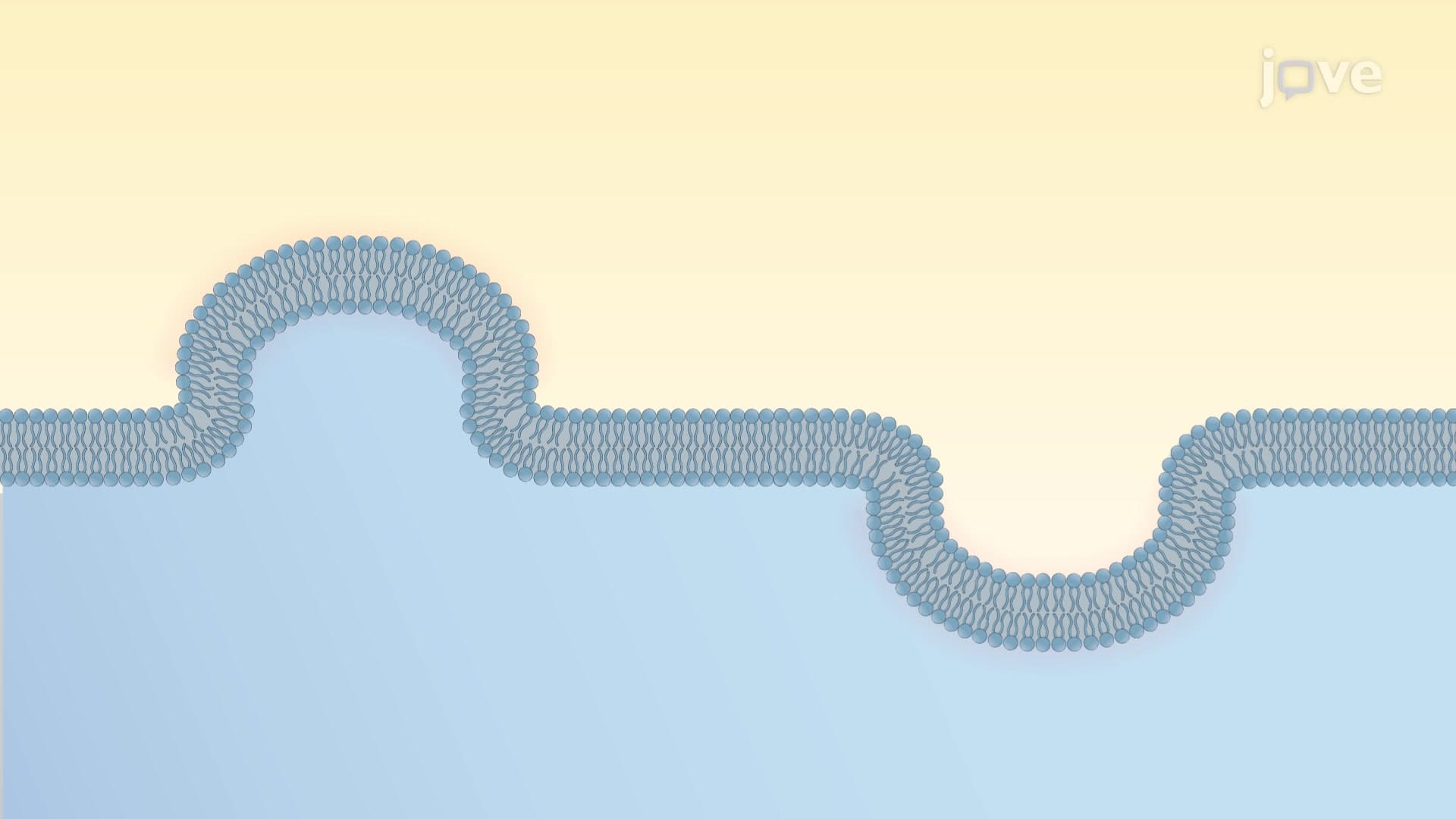
Membrane asymmetry directly impacts cellular mechanics and physiology. The small head group of phosphatidylethanolamine allows it to pack efficiently within curved membrane regions, enabling processes like endocytosis and membrane fusion. Meanwhile, phosphatidylcholine and sphingomyelin's larger head groups stabilize the outer curved surfaces during membrane bending.
This concept frequently appears on AP Biology exams and MCAT questions, where students must explain how membrane composition affects cellular function. College biochemistry courses often test understanding of how asymmetry contributes to membrane protein orientation and signal transduction pathways. Understanding these principles proves essential for pre-med students preparing for advanced coursework in cell biology and physiology.
Frequently Asked Questions
An asymmetric lipid bilayer has different phospholipid compositions on its inner and outer surfaces, unlike symmetric membranes where both sides are identical. The outer layer contains choline-phospholipids for signaling, while the inner layer has amino-phospholipids for protein binding. This asymmetry allows each side to perform specialized cellular functions.
Yes, both exams frequently test membrane asymmetry concepts, especially regarding phospholipid distribution and cellular signaling. The MCAT often includes questions about apoptosis signaling through phosphatidylserine exposure. AP Biology exams may ask about membrane fluidity and how lipid composition affects cellular processes.
Use the mnemonic "COPS" - Choline Outside, Phosphatidylserine/PE inside. Remember that choline-phospholipids (phosphatidylcholine, sphingomyelin) have large heads that fit the outer curved surface, while amino-phospholipids (phosphatidylserine, phosphatidylethanolamine) have smaller heads suited for the inner layer. Practice with flashcards focusing on function rather than just location.
Disrupted asymmetry contributes to various diseases including sickle cell anemia, where abnormal membrane composition affects red blood cell flexibility. In Alzheimer's disease, altered membrane asymmetry impacts neuron function. Cancer cells often show abnormal phospholipid distribution, affecting their ability to evade immune detection.
Not at all - this concept builds naturally on basic membrane structure knowledge from freshman biology. Start with understanding that membranes have two sides, then learn why they're different. Focus on the functional reasons for asymmetry rather than memorizing every phospholipid structure. The concept becomes clearer when you connect it to real cellular processes.
Create concept maps linking phospholipid types to their locations and functions. Draw membrane cross-sections labeling each layer's composition. Practice explaining how asymmetry enables specific cellular processes like apoptosis and membrane bending. Use practice problems that require applying knowledge rather than just recalling facts.
Unlike other membrane lipids that show distinct layer preferences, cholesterol distributes roughly equally between inner and outer leaflets. This even distribution helps maintain membrane fluidity on both sides while allowing the asymmetric phospholipid arrangement to create functional specialization. Cholesterol essentially provides structural support while phospholipids handle specific biochemical roles.
Related Micro-courses