Loading subject page…

- Cell Biology
- Membrane Structure and Components
- Lipids as Anchors
Micro-course: Membrane Structure and Components
167,927 views
Learn key concepts and earn your certificate.

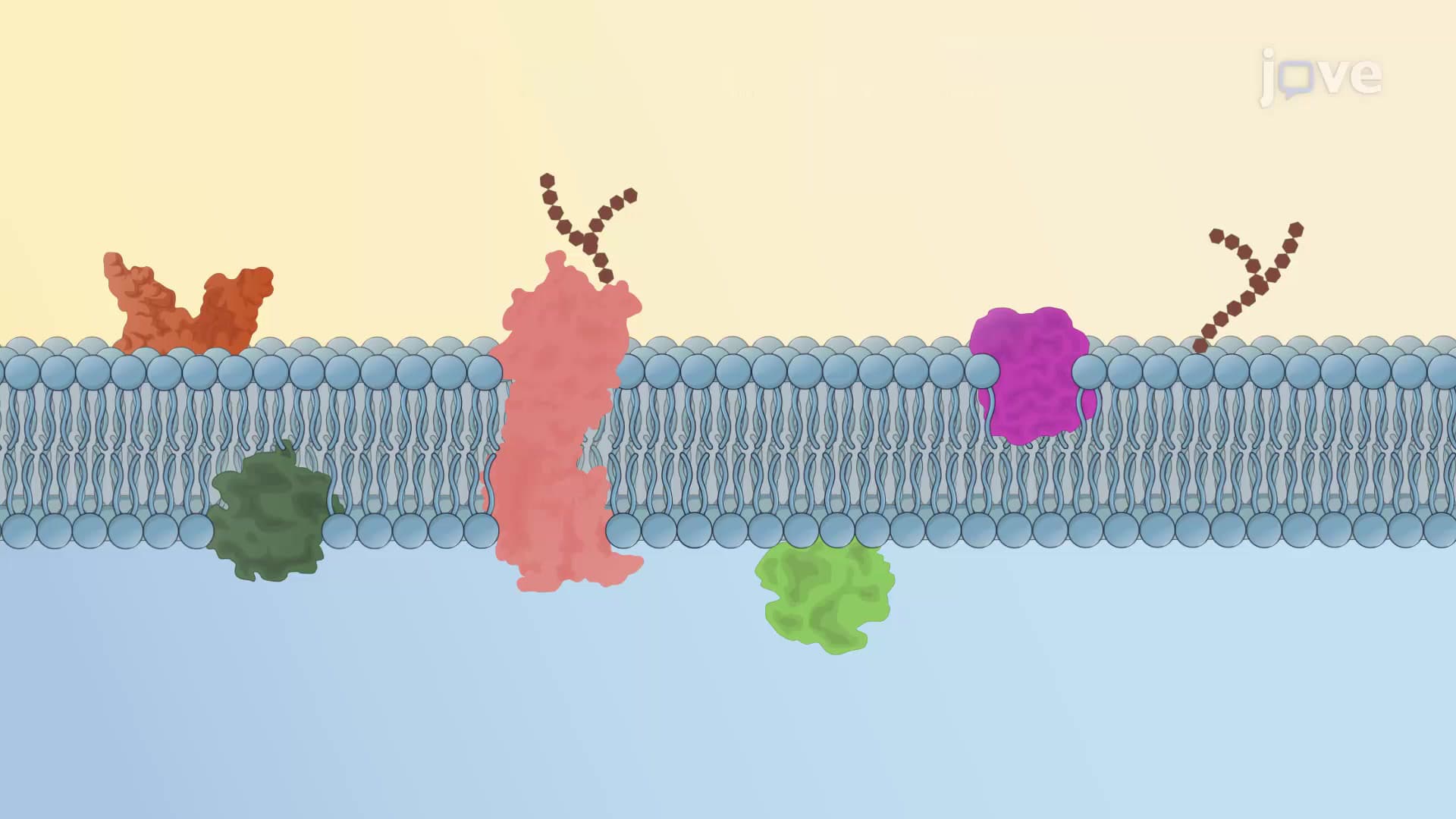
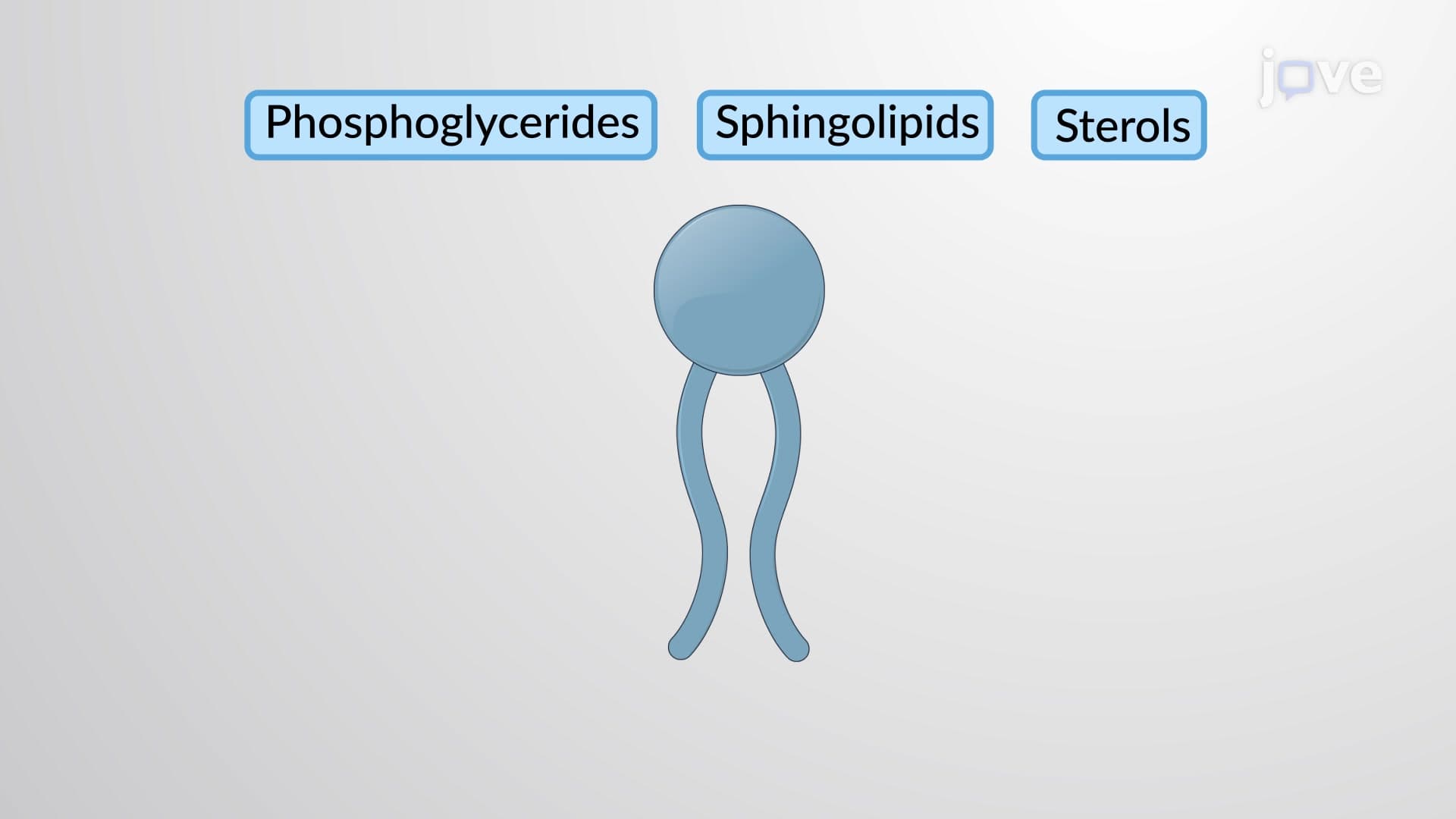
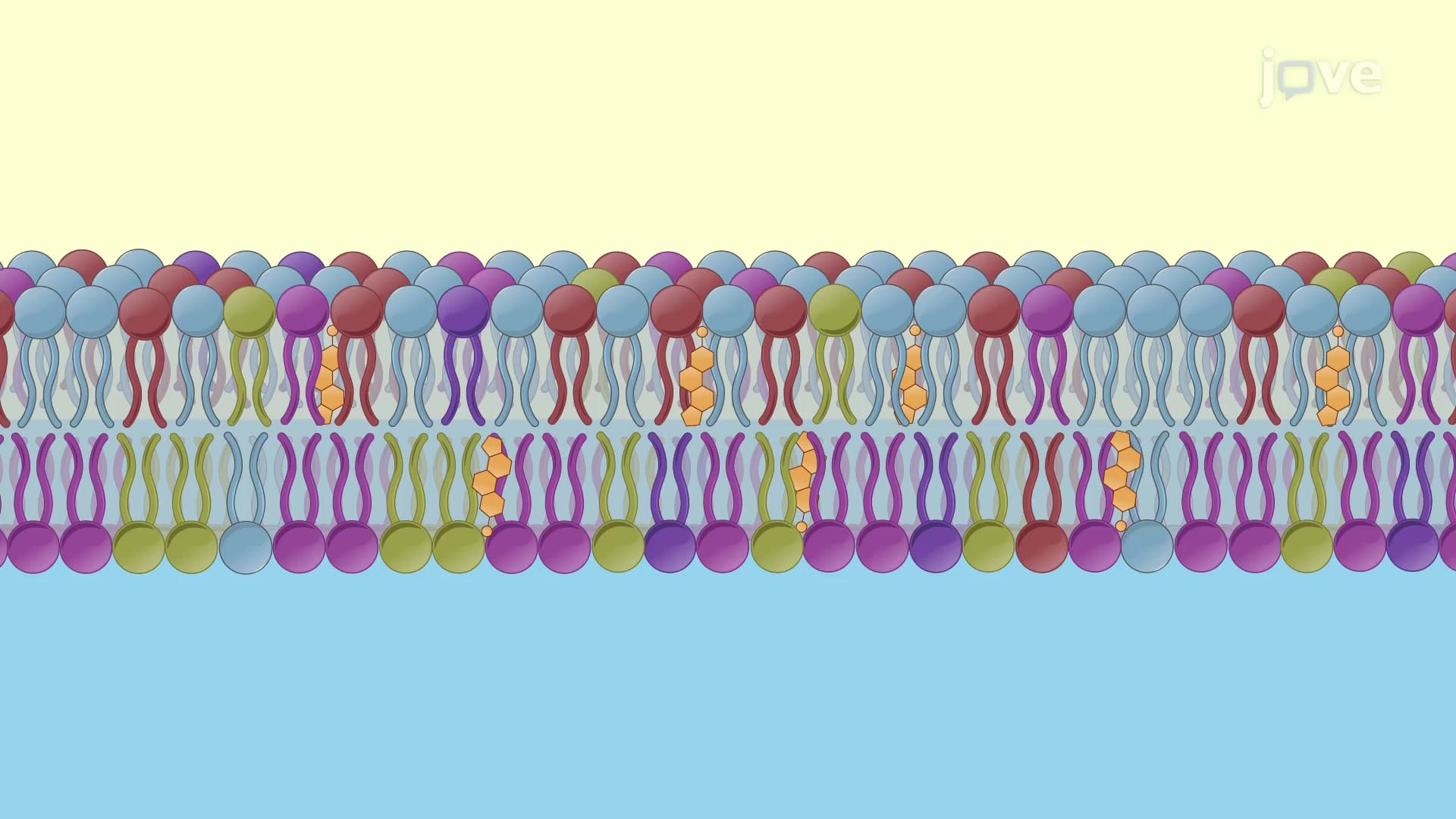
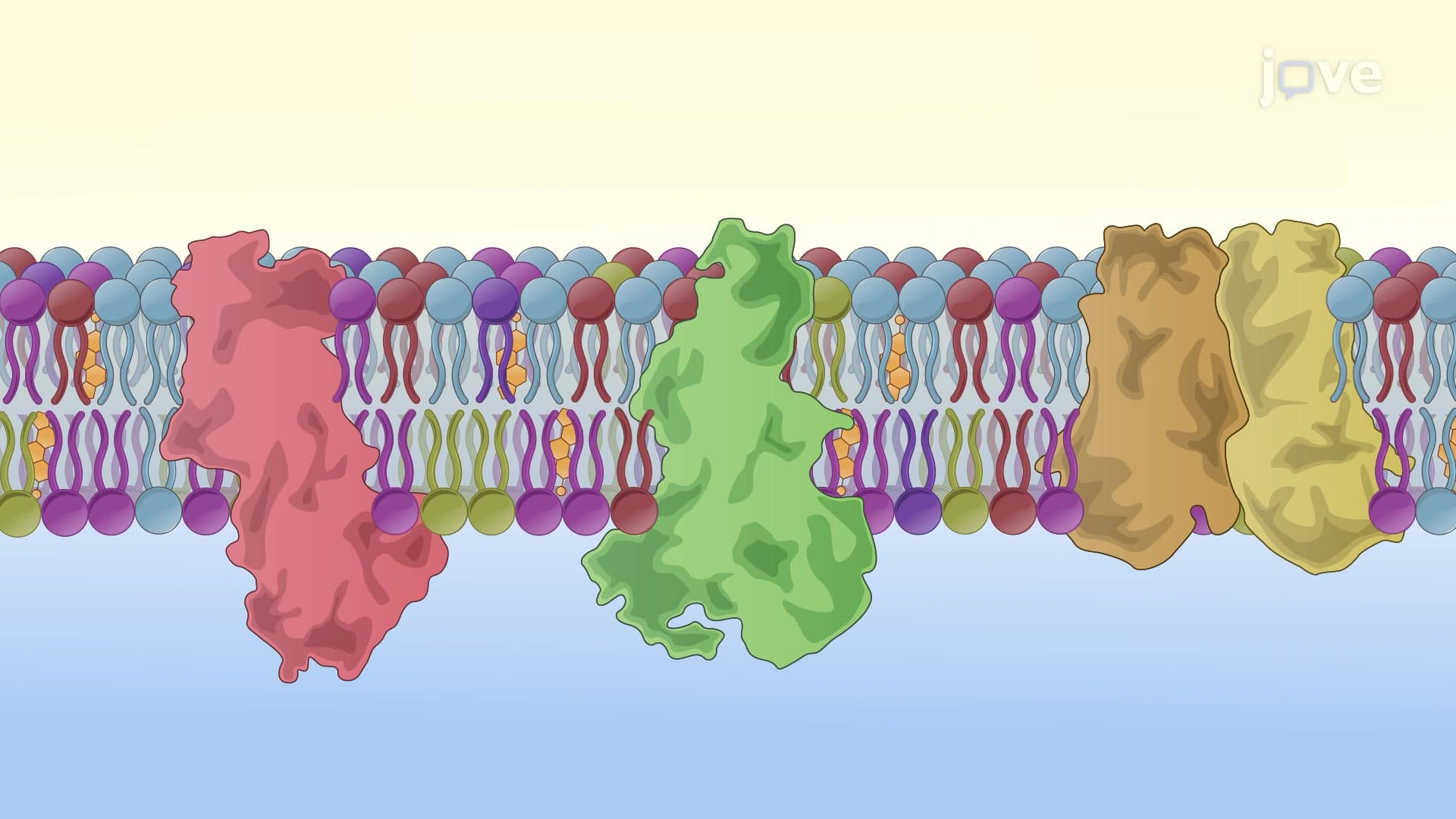

Lipids as Anchors

00:00
01:32
Video Summary: What Is Lipids as Anchors
Ever wonder how your smartphone screen responds to touch, or how insulin knows exactly which cells to target? The answer lies in lipids as anchors, specialized fat molecules that act like molecular Velcro, securing proteins to cell membranes with remarkable precision. From the insulin receptors that regulate blood sugar in diabetic patients to the proteins that enable nerve signal transmission, these lipid anchors are essential for cellular communication throughout the human body. Watch the full video on JoVE Coach to master this concept with expert-led visuals and step-by-step explanations.
- Understand what lipids as anchors are and how they function as molecular attachment systems in cellular membranes
- Identify the three main types of lipid anchors: prenyl groups, fatty acyl groups, and GPI anchors
- Analyze the structural differences between farnesyl (15-carbon) and geranylgeranyl (20-carbon) prenyl groups
- Compare myristoylation and palmitoylation processes in fatty acyl anchor attachment
- Evaluate the role of GPI anchors in extracellular protein positioning and cell-to-cell communication
- Apply knowledge of lipid anchor mechanisms to understand intracellular signaling pathways
- Recognize how lipid anchors enable protein-protein interactions essential for cellular function
- Explore real-world applications of lipid anchoring in medical conditions and pharmaceutical development
Understanding Lipids As Anchors in Cellular Biology
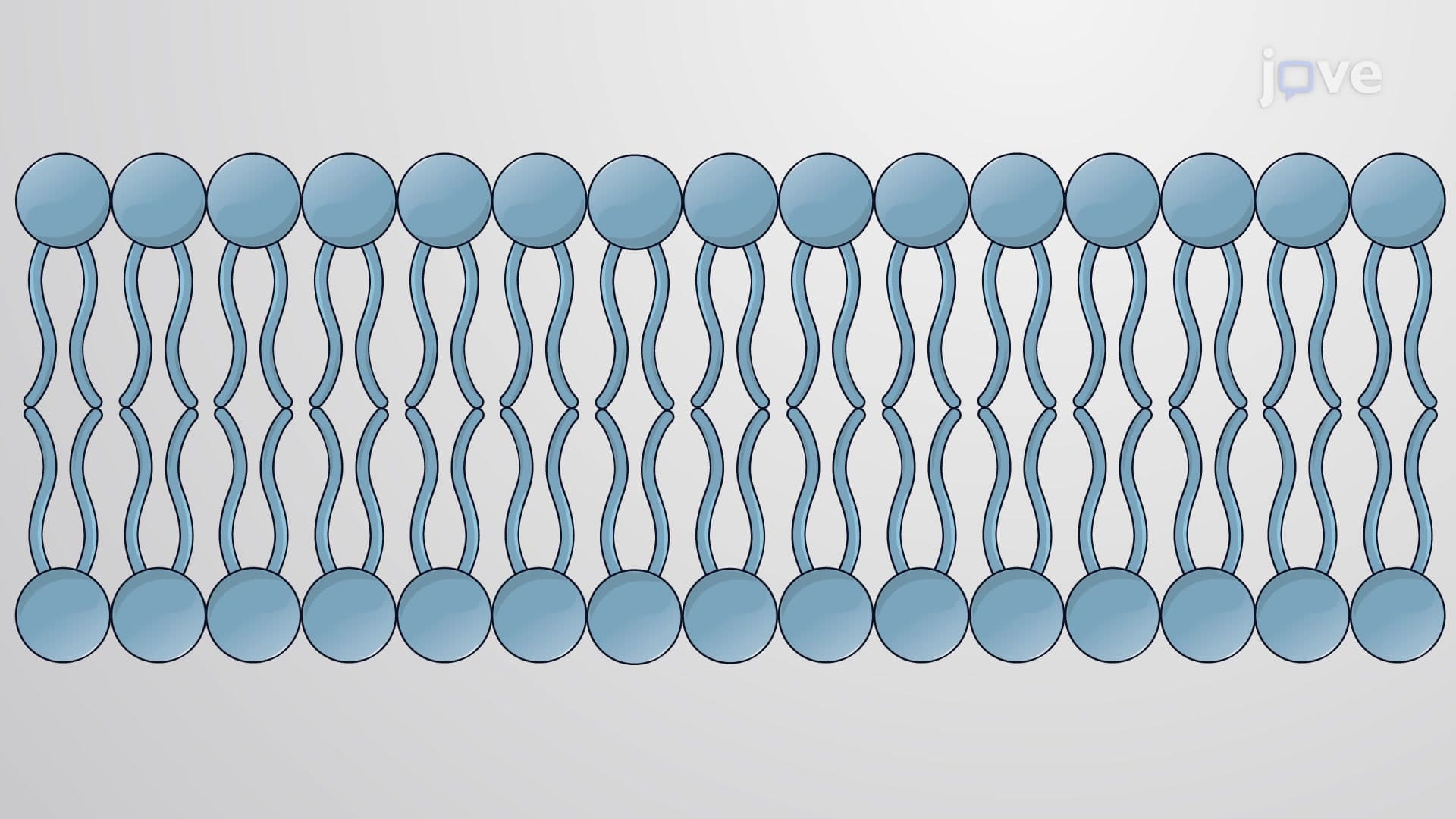
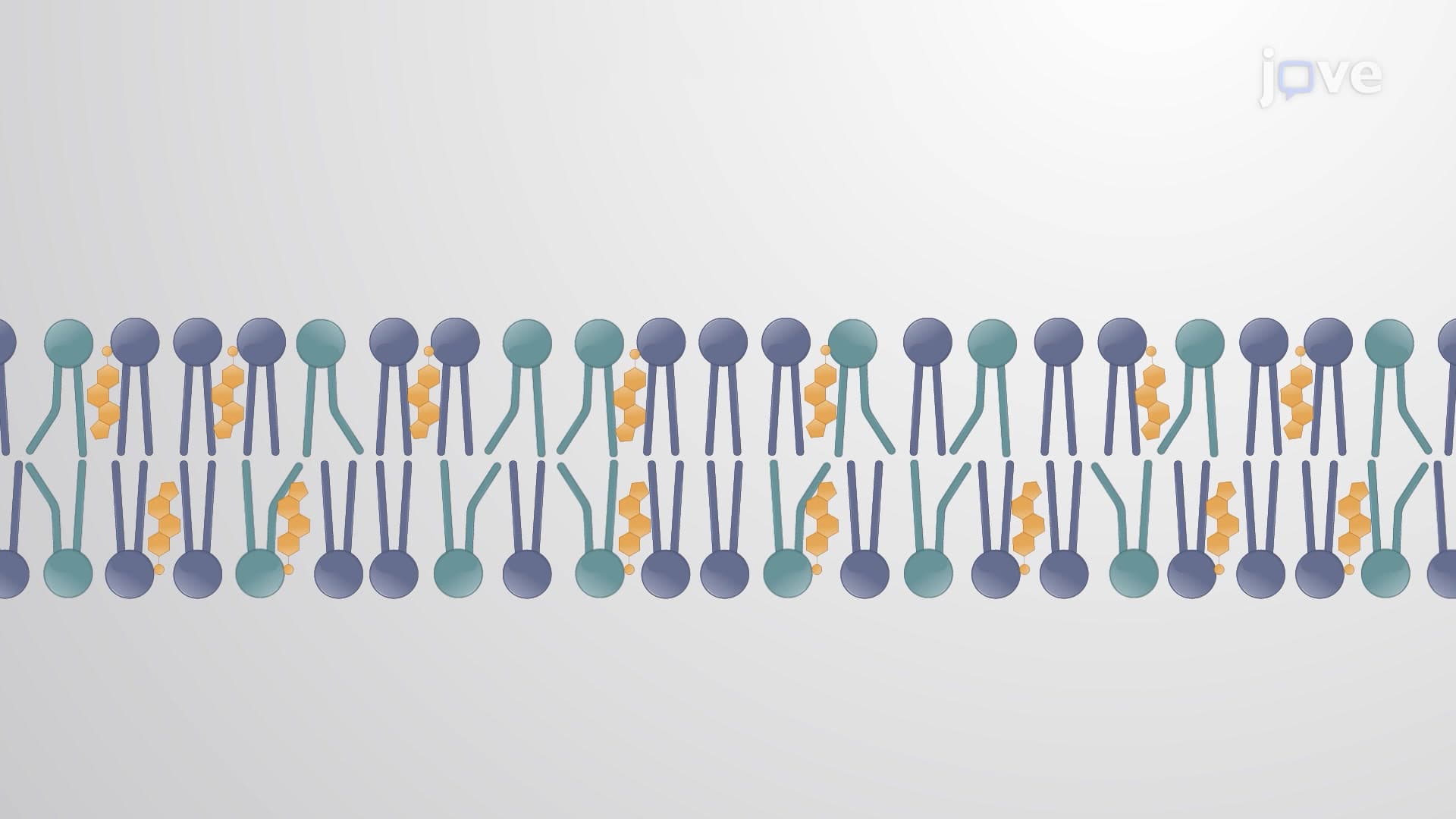
Lipids as anchors represent one of nature's most elegant solutions for cellular organization. These specialized lipid modifications function like biological anchors, securing proteins to specific membrane locations where they can perform their designated functions. Think of them as the cellular equivalent of docking stations, each designed to position proteins exactly where they're needed for optimal cellular performance.
Prenyl Group Anchors: The Cellular GPS System
Prenyl groups serve as the most common type of lipid anchor, with two primary variants dominating cellular systems. The 15-carbon farnesyl group and the 20-carbon geranylgeranyl group both attach to cysteine residues near the protein's carboxy terminus. This attachment process, called prenylation, is crucial for proteins involved in cell growth regulation, a concept frequently tested on the MCAT and advanced AP Biology exams.
Consider Ras proteins, which are mutated in approximately 30% of human cancers treated at major US medical centers like Johns Hopkins and Mayo Clinic. These proteins require prenyl anchors to function properly at the cell membrane. When prenylation is disrupted, these critical signaling proteins cannot reach their membrane destinations, potentially contributing to uncontrolled cell division.
Fatty Acyl Anchors: Myristoylation and Palmitoylation
Fatty acyl anchoring involves two distinct processes that college biochemistry students must differentiate. Myristoylation attaches 14-carbon myristic acid to the N-terminal glycine residue, while palmitoylation adds 16-carbon palmitic acid to cysteine residues at either terminal end. Unlike prenyl groups, fatty acyl modifications can be reversible, allowing for dynamic protein localization.
This reversibility proves essential in neural signaling, where proteins must rapidly relocate during synaptic transmission. Students preparing for the USMLE Step 1 often encounter questions about how palmitoylation defects contribute to neurological disorders observed in US clinical settings.
GPI Anchors: Extracellular Communication Specialists
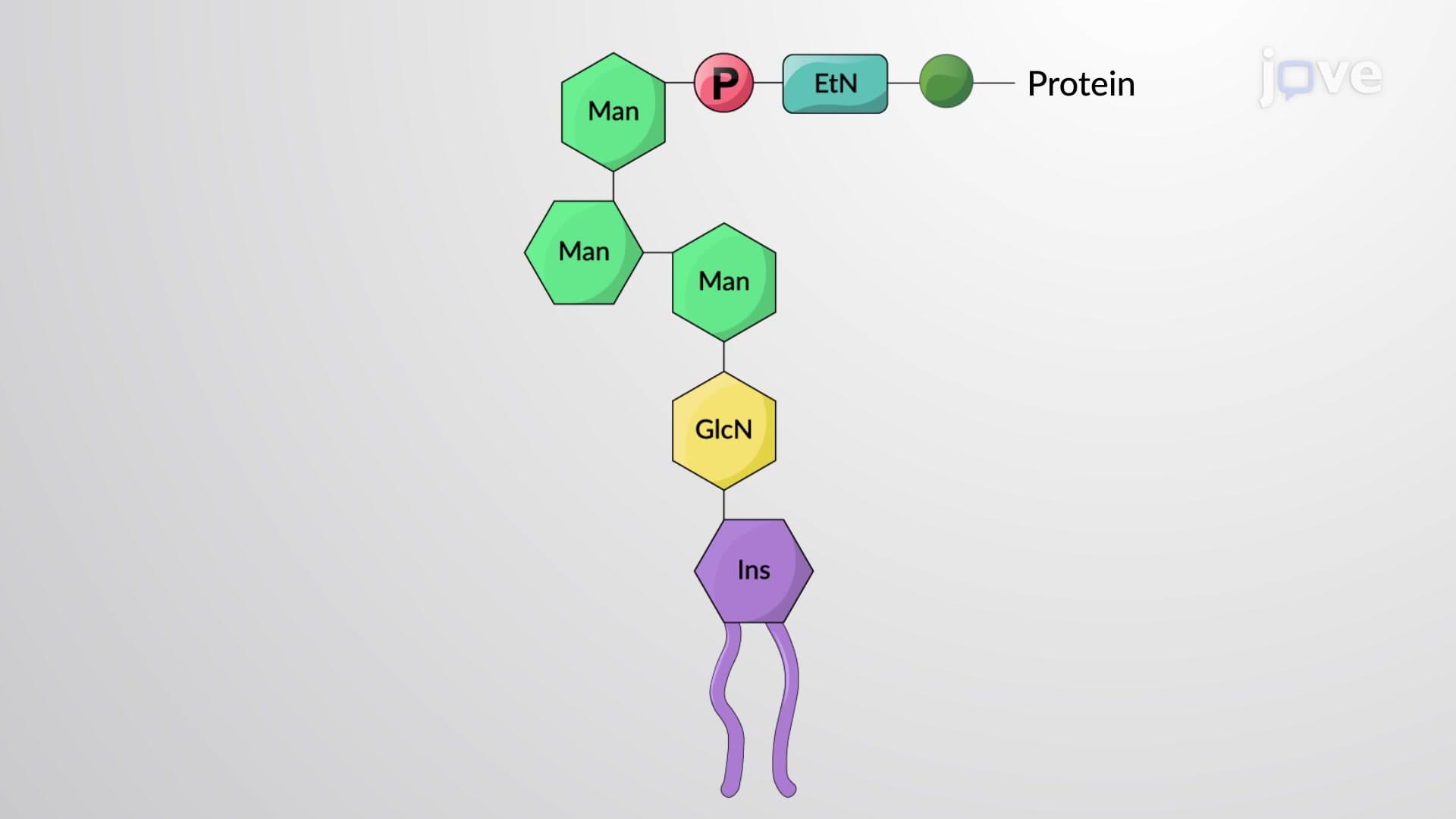
Glycosylphosphatidylinositol (GPI) anchors represent the most complex lipid anchoring system, featuring a sophisticated core structure containing phosphatidylinositol, glucosamine, three mannose units, and phosphoethanolamine. Unlike other lipid anchors that primarily facilitate intracellular functions, GPI anchors specialize in positioning proteins for extracellular activities including cell adhesion and intercellular communication.
GPI-anchored proteins play crucial roles in immune system function, making them important targets for pharmaceutical research conducted at institutions like the National Institutes of Health in Bethesda, Maryland.
Frequently Asked Questions
Lipids as anchors are specialized fat molecules that attach proteins to cell membranes, functioning like molecular glue to position proteins exactly where they need to work. These anchors ensure proteins can perform their specific cellular jobs, from signaling between cells to facilitating chemical reactions. They're essential for proper cell function and are found in every cell in your body.
MCAT questions often test your understanding of different anchor types and their specific attachment sites, particularly prenyl groups binding to cysteine residues. You'll encounter scenarios involving protein trafficking defects, signal transduction pathway disruptions, and membrane protein localization problems. Focus on understanding the structural differences between farnesyl and geranylgeranyl groups, as these distinctions frequently appear in passage-based questions.
Myristoylation permanently attaches 14-carbon myristic acid to the N-terminal glycine during protein synthesis, while palmitoylation reversibly adds 16-carbon palmitic acid to cysteine residues after synthesis. This reversibility makes palmitoylation crucial for dynamic protein regulation. AP Biology exams often ask you to predict how disrupting these processes would affect cellular signaling pathways.
Basic organic chemistry knowledge helps, but you can master lipid anchors with standard high school chemistry background. Focus on understanding that these are simply fat molecules (lipids) that stick to proteins, creating membrane attachments. The key is recognizing the functional importance rather than memorizing complex chemical structures.
Lipid anchors are crucial targets for drug development, particularly in cancer treatment where prenylation inhibitors are being tested in clinical trials across US cancer centers. GPI anchor defects cause rare genetic disorders that pediatric specialists treat at children's hospitals nationwide. Understanding these mechanisms helps explain how many medications work at the cellular level.
Create comparison charts distinguishing the three anchor types by structure, attachment sites, and functions, then practice applying this knowledge to cellular scenarios. Focus on connecting anchor types to their biological roles rather than just memorizing structures. Use active recall by explaining each anchor type's function without looking at notes.
Build on this foundation by exploring protein trafficking, signal transduction cascades, and membrane dynamics, as lipid anchors play crucial roles in all these processes. Study how anchor defects contribute to genetic diseases and how pharmaceutical companies develop drugs targeting these systems for a comprehensive understanding of their medical importance.
GPI anchors insert into the outer membrane layer, positioning their attached proteins on the cell's external surface where they can interact with neighboring cells and the extracellular environment. This orientation makes them perfect for cell recognition, immune responses, and tissue formation processes that require external protein presentation.
Related Micro-courses