Loading subject page…

- Chemistry
- Acid Base and Solubility Equilibria
- Titration Calculations: Strong Acid - Strong Base
Micro-course: Acid-base and Solubility Equilibria
925,504 views
Learn key concepts and earn your certificate.


Titration Calculations: Strong Acid - Strong Base

00:00
02:28
Video Summary: Strong Acid Strong Base Titration
Ever wonder how chemists at pharmaceutical companies like Pfizer precisely determine drug concentrations? A strong acid strong base titration involves neutralizing a strong acid with a strong base (or vice versa), creating predictable pH changes that scientists use daily in quality control labs across the United States. This fundamental analytical technique allows chemists to calculate exact concentrations by tracking pH shifts from acidic to neutral to basic conditions. Watch the full video on JoVE Coach to master this concept with expert-led visuals and step-by-step explanations.
- Understand the fundamental principles of strong acid strong base titration and how complete dissociation affects pH calculations
- Identify the equivalence point where moles of acid equal moles of base, resulting in a neutral pH of 7
- Analyze pH changes throughout the titration by calculating hydronium and hydroxide ion concentrations
- Apply stoichiometric calculations to determine remaining ion concentrations before, at, and after the equivalence point
- Evaluate the relationship between moles of reactants and final solution pH in different titration regions
- Recognize how total volume changes affect final ion concentrations during the titration process
- Compare pH calculation methods for solutions containing excess acid versus excess base
- Explore real-world applications in pharmaceutical quality control and environmental testing
Understanding Strong Acid Strong Base Titration Fundamentals
Strong acid strong base titration represents one of the most straightforward and predictable analytical procedures in chemistry. Unlike weak acid-base systems, strong acids and bases dissociate completely in aqueous solution, making pH calculations straightforward throughout the entire titration process. This complete dissociation means that every molecule of HCl produces one H₃O⁺ ion, and every formula unit of NaOH produces one OH⁻ ion.
The predictability of strong acid-base titrations makes them essential for standardizing solutions in analytical laboratories across the United States, from FDA testing facilities to university research labs. Students preparing for AP Chemistry exams frequently encounter these calculations, as they demonstrate fundamental principles of stoichiometry, molarity, and acid-base equilibrium.
Calculating pH Changes Throughout the Titration
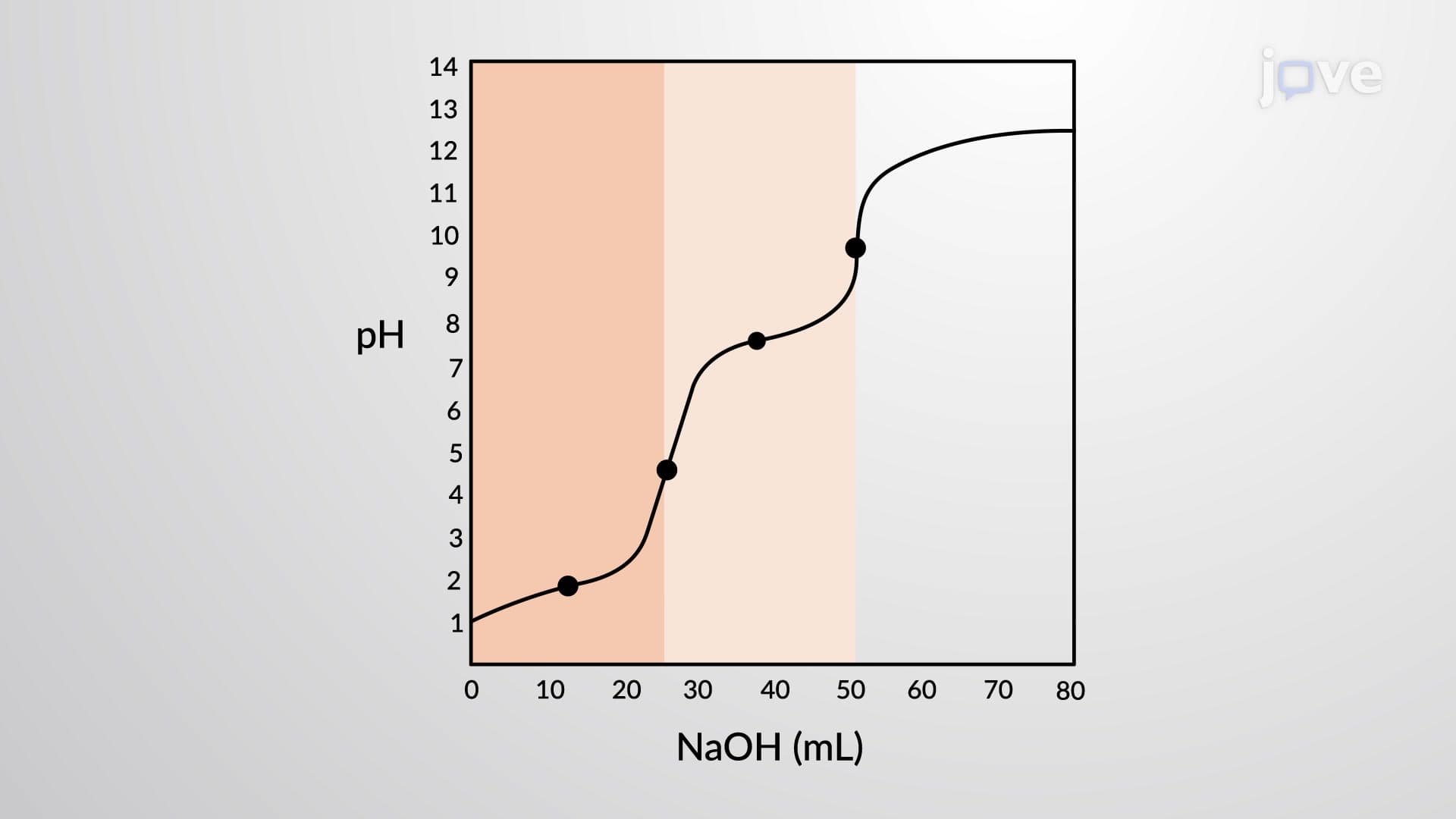
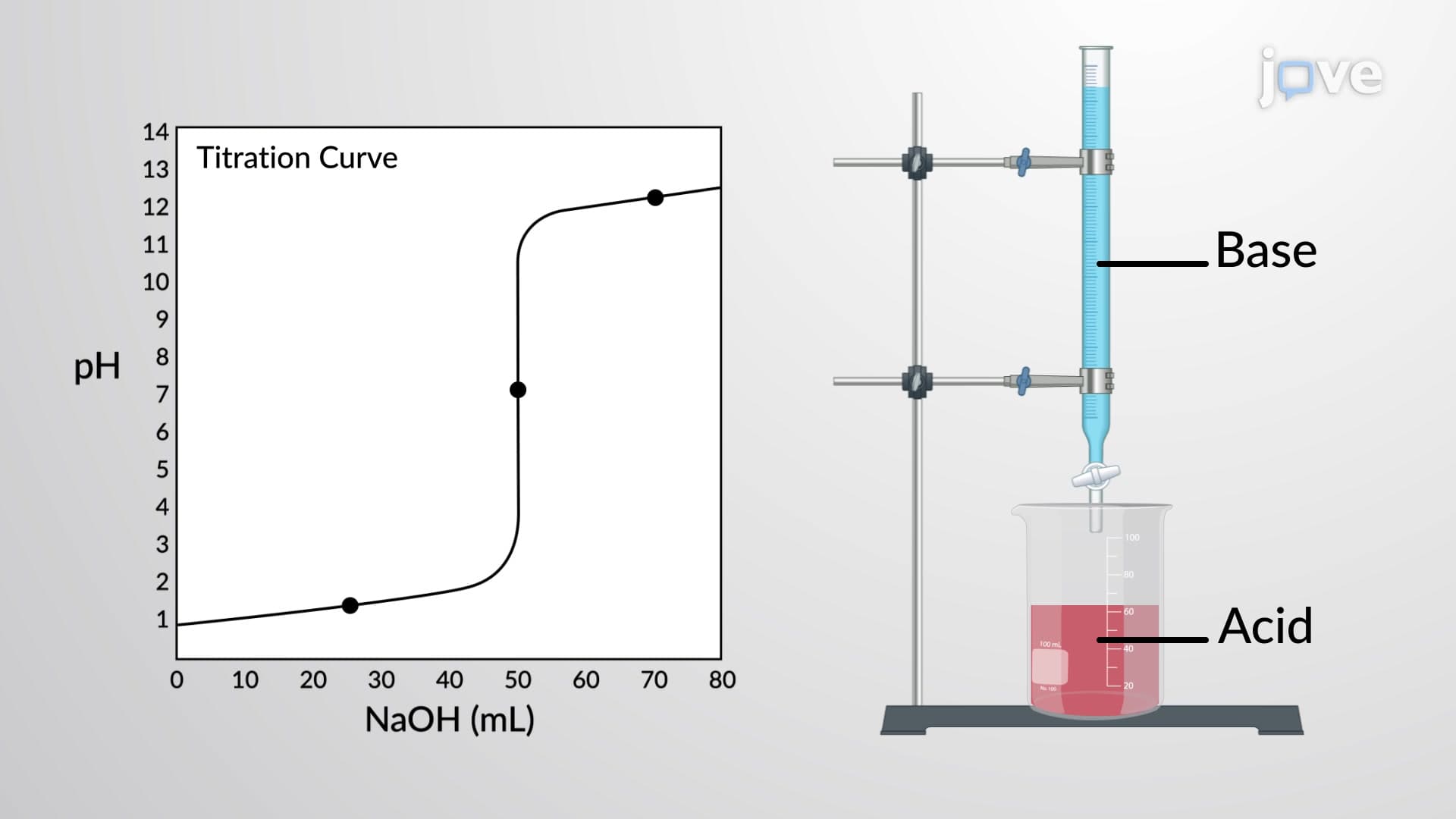
The titration process involves three distinct regions, each requiring different calculation approaches. Before the equivalence point, excess strong acid determines the pH through hydronium ion concentration. The calculation involves determining remaining moles of H₃O⁺ after neutralization and dividing by the new total volume.
For example, when titrating 50.0 mL of 0.100 M HCl with 0.100 M NaOH, adding 25.0 mL of base leaves 0.0025 mol excess H₃O⁺ in 75.0 mL total volume, yielding [H₃O⁺] = 0.033 M and pH = 1.48. This systematic approach appears regularly on MCAT practice exams and college general chemistry midterms.
The Equivalence Point and Beyond
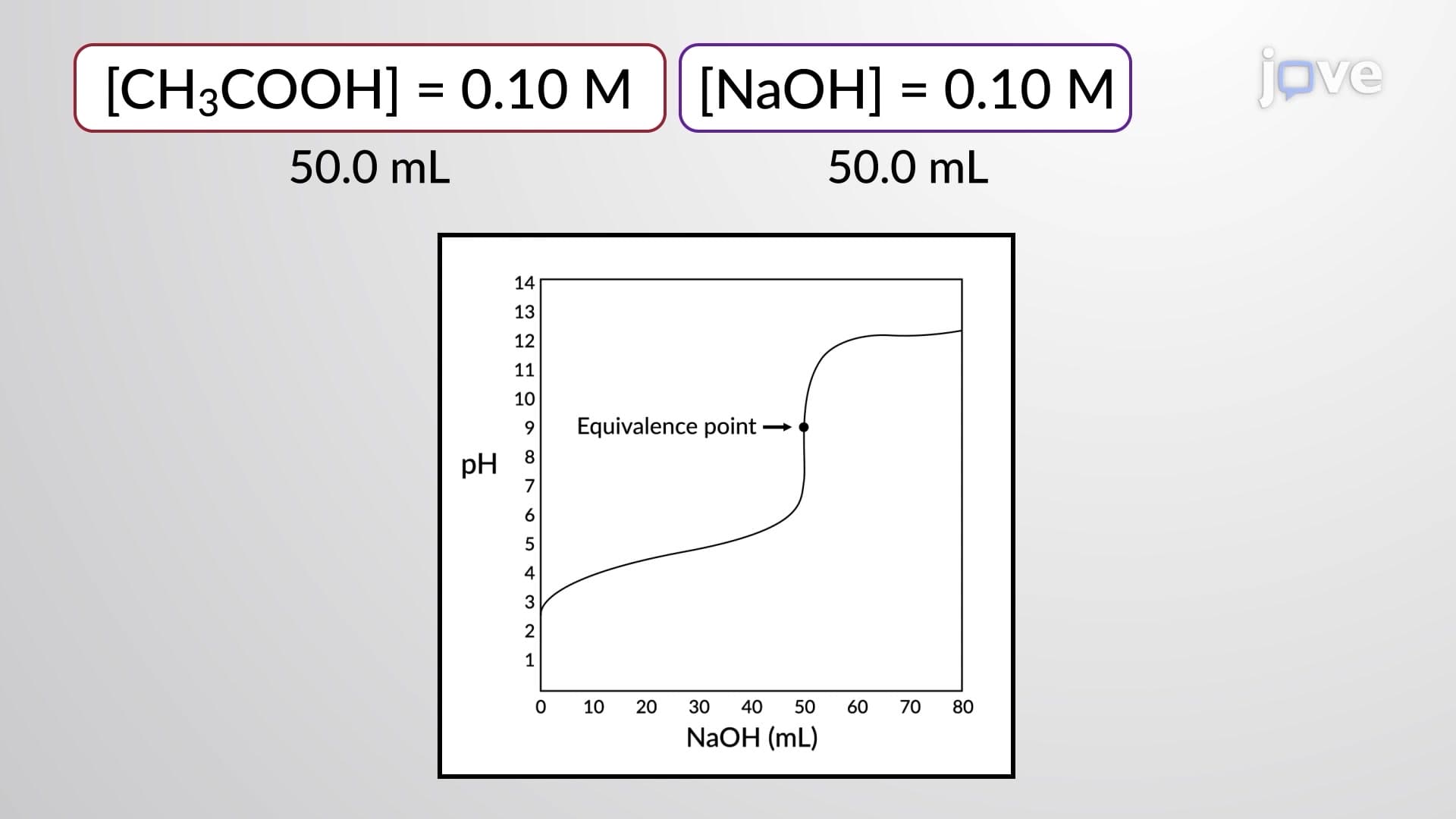
At the equivalence point, moles of acid equal moles of base, creating a neutral solution with pH = 7.00. This point represents complete neutralization, where all H₃O⁺ ions have reacted with OH⁻ ions to form water. The sharp pH change at this point makes strong acid-base titrations ideal for analytical determinations.
Beyond the equivalence point, excess strong base controls the pH. Students calculate [OH⁻] from remaining base moles and total volume, then determine pOH and convert to pH using pH + pOH = 14.00. These calculations frequently appear in pharmaceutical chemistry courses and clinical laboratory science programs.
Real-World Applications and Exam Preparation
Strong acid-base titrations serve crucial roles in industries nationwide. Water treatment facilities use these techniques to monitor acidity levels, while food manufacturers ensure proper pH in products like soft drinks and processed foods. Environmental laboratories employ these methods to assess acid rain impact on ecosystems.
For exam success, students should practice calculating pH at various points throughout titrations, understanding that the key lies in determining which species controls pH in each region. The systematic approach of identifying excess reactants and calculating concentrations applies across all strong acid-base combinations, making this a fundamental skill for chemistry coursework.
Frequently Asked Questions
A strong acid strong base titration is an analytical procedure where a strong acid solution is neutralized by adding a strong base solution (or vice versa) to determine concentration. It's fundamental because both reactants dissociate completely, creating predictable pH changes that allow precise quantitative analysis. This technique serves as the foundation for more complex acid-base analysis in pharmaceutical, environmental, and industrial laboratories.
Before the equivalence point, calculate excess H₃O⁺ moles, divide by total volume, and find pH from [H₃O⁺]. At the equivalence point, pH equals 7.00 for strong acid-base combinations. After the equivalence point, calculate excess OH⁻ concentration, find pOH, then subtract from 14 to get pH. Practice these three regions separately to master the concept.
MCAT questions typically focus on pH calculations at specific points, identifying equivalence points, and understanding titration curves. You'll encounter problems requiring stoichiometric calculations to find remaining reactant concentrations. Practice calculating pH when given initial concentrations, volumes, and amounts of titrant added, as these represent the most common question formats.
Pharmaceutical companies use these titrations for quality control and active ingredient quantification in medications. For example, determining the exact concentration of hydrochloric acid in stomach acid medications or measuring sodium hydroxide content in antacid formulations ensures proper dosing and therapeutic effectiveness. The precision and reliability of strong acid-base titrations make them ideal for regulatory compliance.
No advanced mathematics is required-just basic algebra and understanding of molarity calculations. The key skills include calculating moles from molarity and volume, performing stoichiometry with 1:1 ratios, and using logarithms for pH calculations. Most students who understand molarity concepts can master these calculations with practice, making this topic accessible to high school chemistry students.
Create a systematic approach by practicing the three titration regions separately: before, at, and after the equivalence point. Work through complete problems step-by-step, focusing on identifying which species controls pH in each region. Use practice problems from your textbook and previous exams, timing yourself to build confidence for test conditions.
Strong acid-base titrations provide the foundation for understanding more complex systems by establishing basic principles of neutralization, equivalence points, and pH calculations. Once you master the straightforward calculations with complete dissociation, you can build upon this knowledge to tackle weak acid-base equilibria and buffer systems. This progression makes advanced acid-base chemistry more manageable and logical.
Related Micro-courses