Loading subject page…


925,504 views

Video Summary: Titration of a Polyprotic Acid Explained
Ever wonder why battery acid (sulfuric acid) requires twice as much antacid to neutralize compared to vinegar? The titration of a polyprotic acid reveals fascinating stepwise neutralization patterns where each hydrogen ion dissociates at different pH levels. Unlike simple acids, polyprotic acids like phosphoric acid in Coca-Cola create multiple equivalence points during titration, making their analysis more complex but crucial for industries from pharmaceuticals to food production. Watch the full video on JoVE Coach to master this concept with expert-led visuals and step-by-step explanations.
The titration of a polyprotic acid represents one of analytical chemistry's most elegant demonstrations of stepwise equilibrium processes. Unlike monoprotic acids such as hydrochloric acid, polyprotic acids contain multiple ionizable hydrogen atoms that dissociate sequentially, each with its own unique acid dissociation constant (Ka). This sequential dissociation creates a characteristic "staircase" pattern in titration curves that's essential for understanding complex acid-base systems encountered in AP Chemistry, college general chemistry, and MCAT preparation.
Each successive proton removal becomes progressively more difficult due to increased electrostatic repulsion. For sulfurous acid (H2SO3), Ka1 = 1.6 × 10^-2 while Ka2 = 6.4 × 10^-8, a difference of nearly six orders of magnitude. This dramatic decrease occurs because removing a positively charged proton from an already negatively charged ion requires significantly more energy. Students preparing for the MCAT or advanced placement exams should remember that Ka1 > Ka2 > Ka3, and typically each successive constant is 10^4 to 10^6 times smaller.
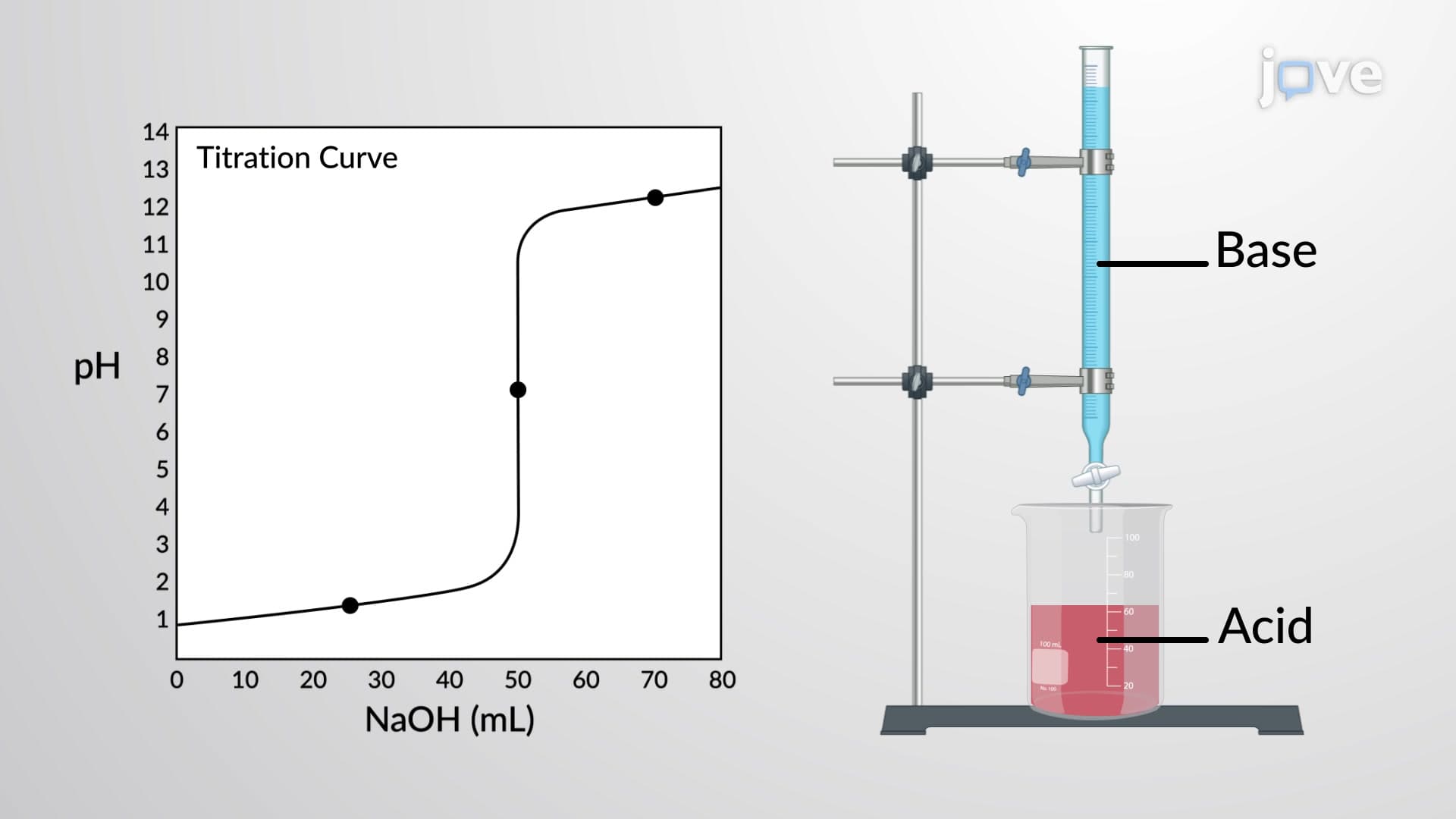
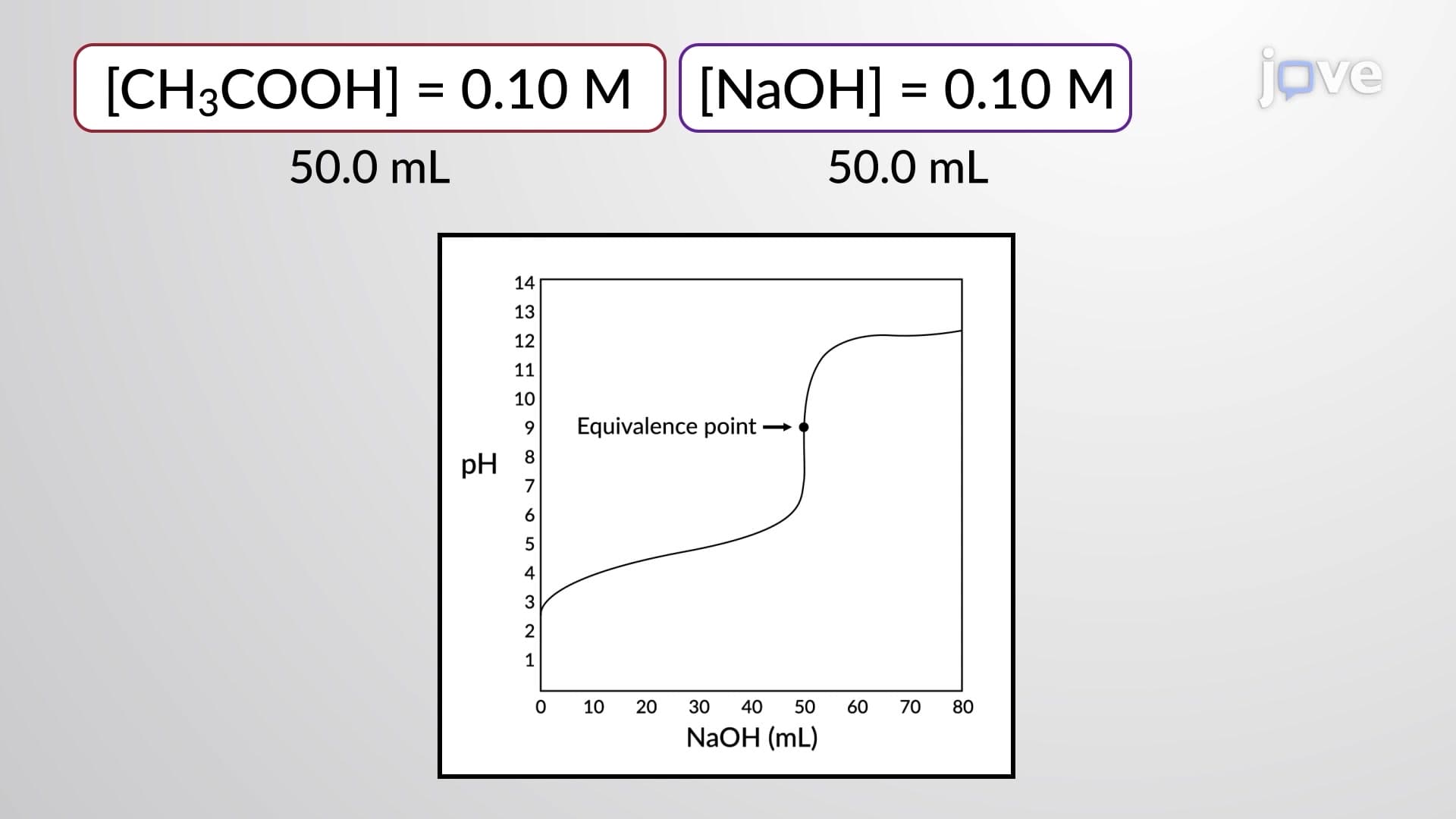
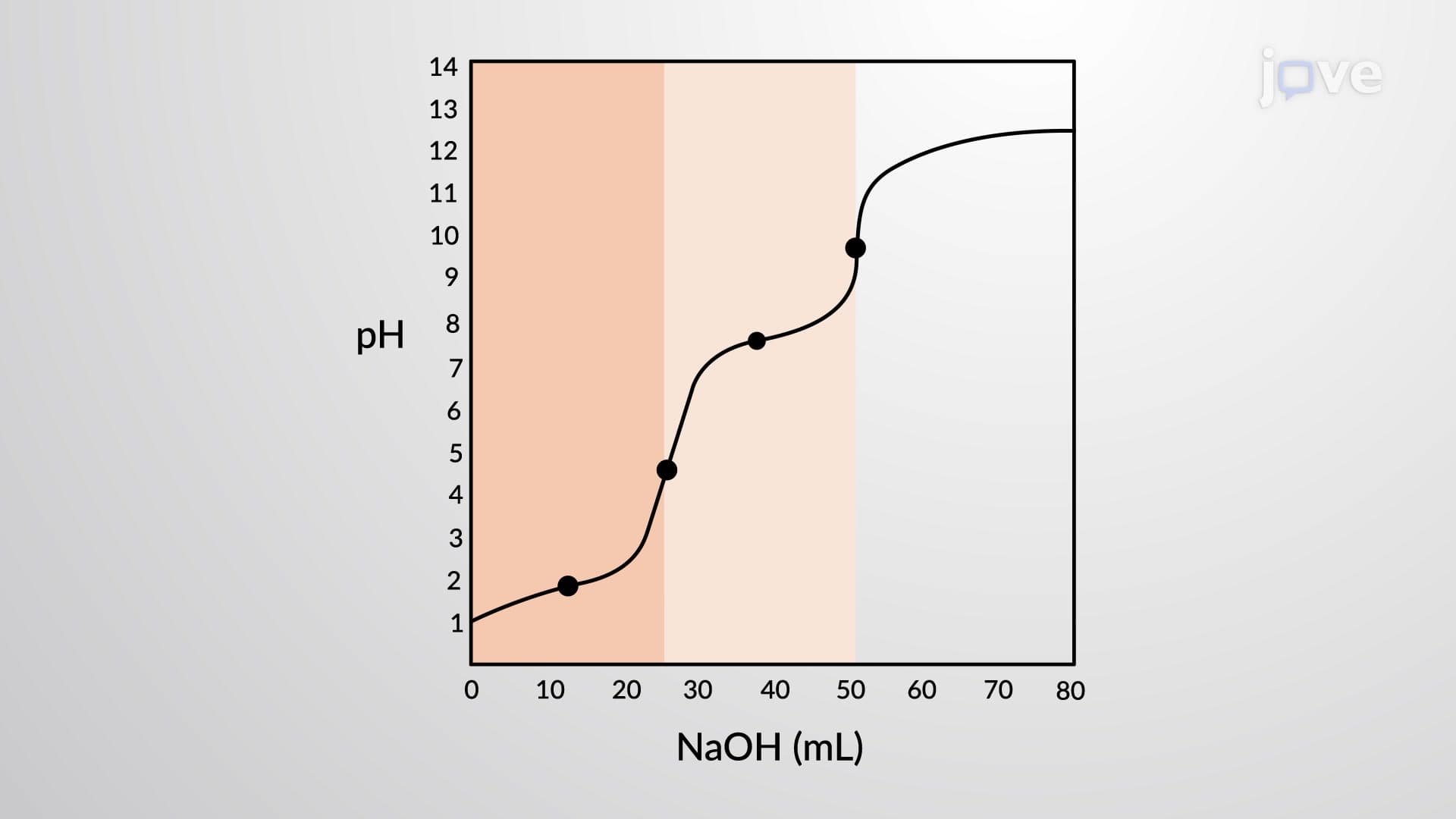
During polyprotic acid titrations, the number of observable equivalence points equals the number of ionizable protons, provided the Ka values differ by at least 10,000-fold. Phosphoric acid (H3PO4), commonly found in soft drinks, demonstrates this perfectly with three distinct equivalence points when titrated with sodium hydroxide. Each equivalence point represents complete neutralization of one ionizable proton, while half-equivalence points reveal where pH = pKa for each dissociation step.
Understanding polyprotic acid titration proves crucial for pharmaceutical companies analyzing drug purity, environmental scientists monitoring acid rain (containing sulfurous and sulfuric acids), and food scientists controlling acidity in products. Students encounter these concepts extensively in college analytical chemistry labs, where they might titrate citric acid (triprotic) from citrus fruits or analyze the phosphoric acid content in cola beverages. This knowledge directly applies to MCAT passages about biological buffer systems and AP Chemistry free-response questions involving complex titration calculations.
Related Micro-courses