Loading subject page…

Micro-course: Acid-base and Solubility Equilibria
925,504 views
Learn key concepts and earn your certificate.

Buffers


00:00
02:56
Video Summary: What are Buffers
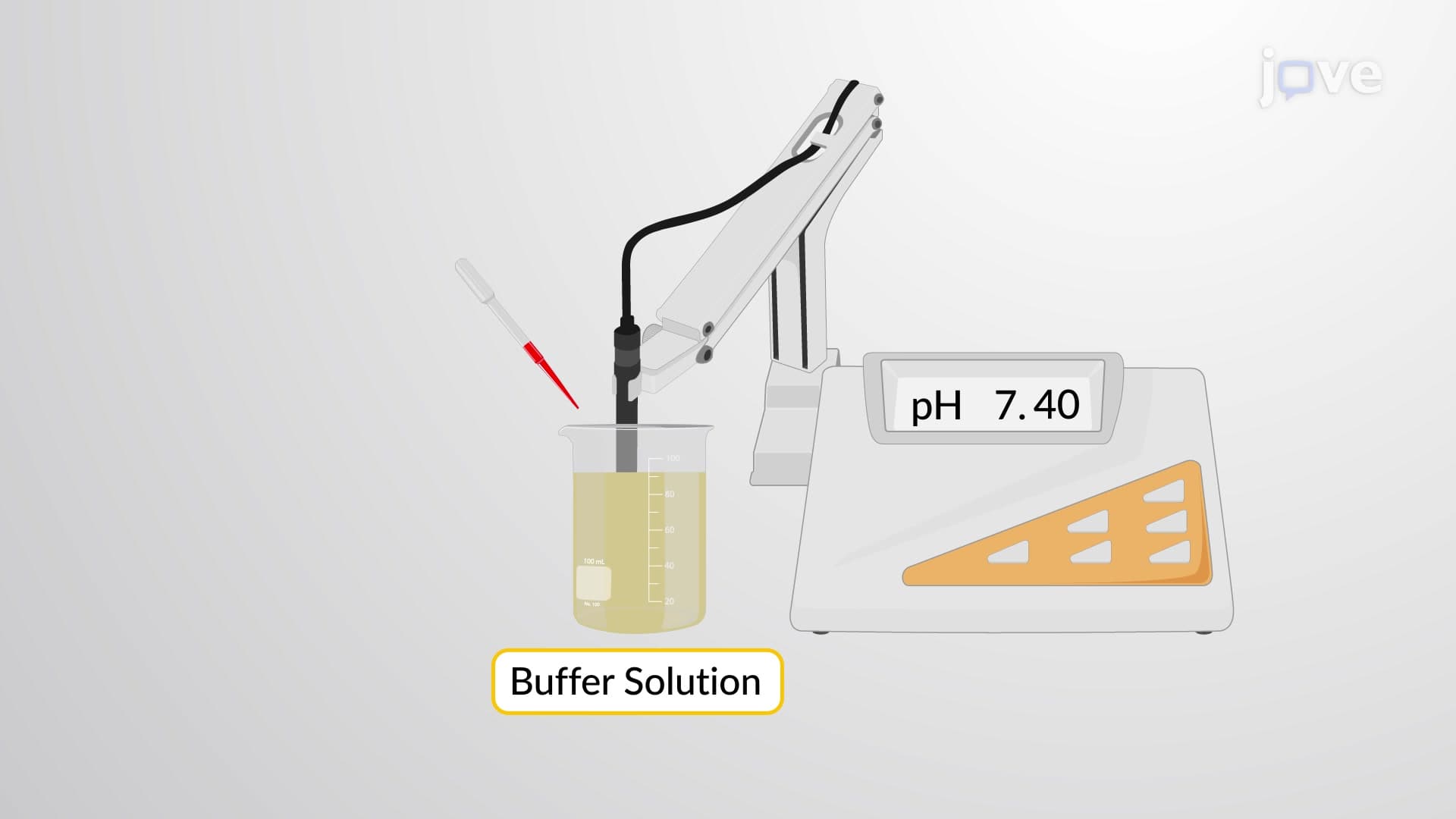
Ever wonder why your blood doesn't turn acidic when you drink orange juice? Buffers are chemical systems that resist dramatic pH changes, maintaining stability in solutions like human blood, which stays at pH 7.4 despite constant metabolic activity. The Mayo Clinic relies on understanding buffer systems to diagnose acid-base disorders in patients. What are buffers becomes clear when you see how they contain weak acid-conjugate base pairs that neutralize added acids or bases. Watch the full video on JoVE Coach to master this concept with expert-led visuals and step-by-step explanations.
- Understand what are buffers and their essential role in maintaining pH stability in chemical and biological systems
- Identify the two main components of buffer systems: weak acids with conjugate bases or weak bases with conjugate acids
- Analyze how buffer mechanisms work through neutralization reactions with added acids or bases
- Compare buffered versus non-buffered solutions and their different responses to pH changes
- Evaluate buffer capacity limitations and conditions under which buffers become ineffective
- Apply buffer principles to real-world examples like blood pH regulation and laboratory preparations
- Recognize common buffer systems including acetate, phosphate, and bicarbonate buffers used in research and medicine
- Explore the quantitative relationships between buffer components and their effectiveness ranges
Understanding What Are Buffers: The Foundation of pH Stability
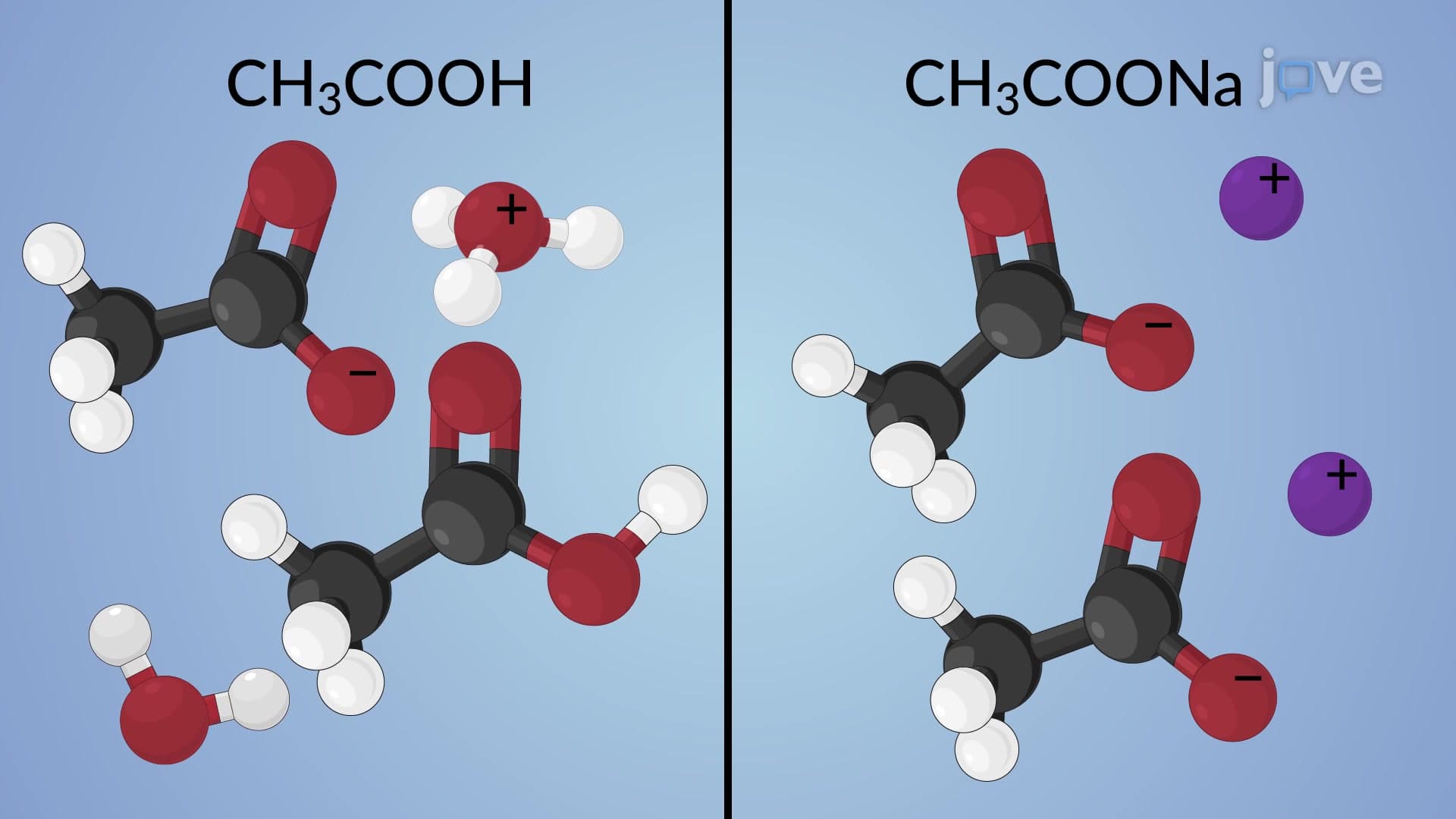
Buffers represent one of chemistry's most elegant solutions to maintaining chemical equilibrium. These specialized systems consist of weak acids paired with their conjugate bases, or weak bases paired with their conjugate acids, creating a molecular "safety net" that prevents dramatic pH swings in solutions.
The fundamental principle behind buffer action lies in Le Chatelier's principle and acid-base equilibrium. When you add an acid to a buffered solution, the conjugate base component neutralizes the excess hydrogen ions. Conversely, when you add a base, the weak acid component neutralizes the excess hydroxide ions. This dual-action mechanism maintains solution pH within narrow ranges critical for biological and chemical processes.
Types of Buffers: Common Systems in Science and Medicine
Acidic buffers operate below pH 7 and typically involve weak acids like acetic acid (CH3COOH) paired with acetate ions (CH3COO-). The acetate buffer system, with a pKa of 4.76, effectively maintains pH around 4.8, making it valuable in food preservation and laboratory applications.
Basic buffers function above pH 7, exemplified by the ammonia-ammonium system (NH3/NH4+). With a pKa of 9.25, this buffer maintains alkaline conditions essential for certain enzymatic reactions and industrial processes.
Physiological buffers include the bicarbonate system (H2CO3/HCO3-), which maintains blood pH at 7.4. The phosphate buffer system (H2PO4-/HPO42-) regulates intracellular pH and plays crucial roles in bone metabolism. These systems work together in what clinicians call the body's "buffer systems," studied extensively in medical schools like Johns Hopkins and Harvard Medical School.
Buffer Capacity and Clinical Applications
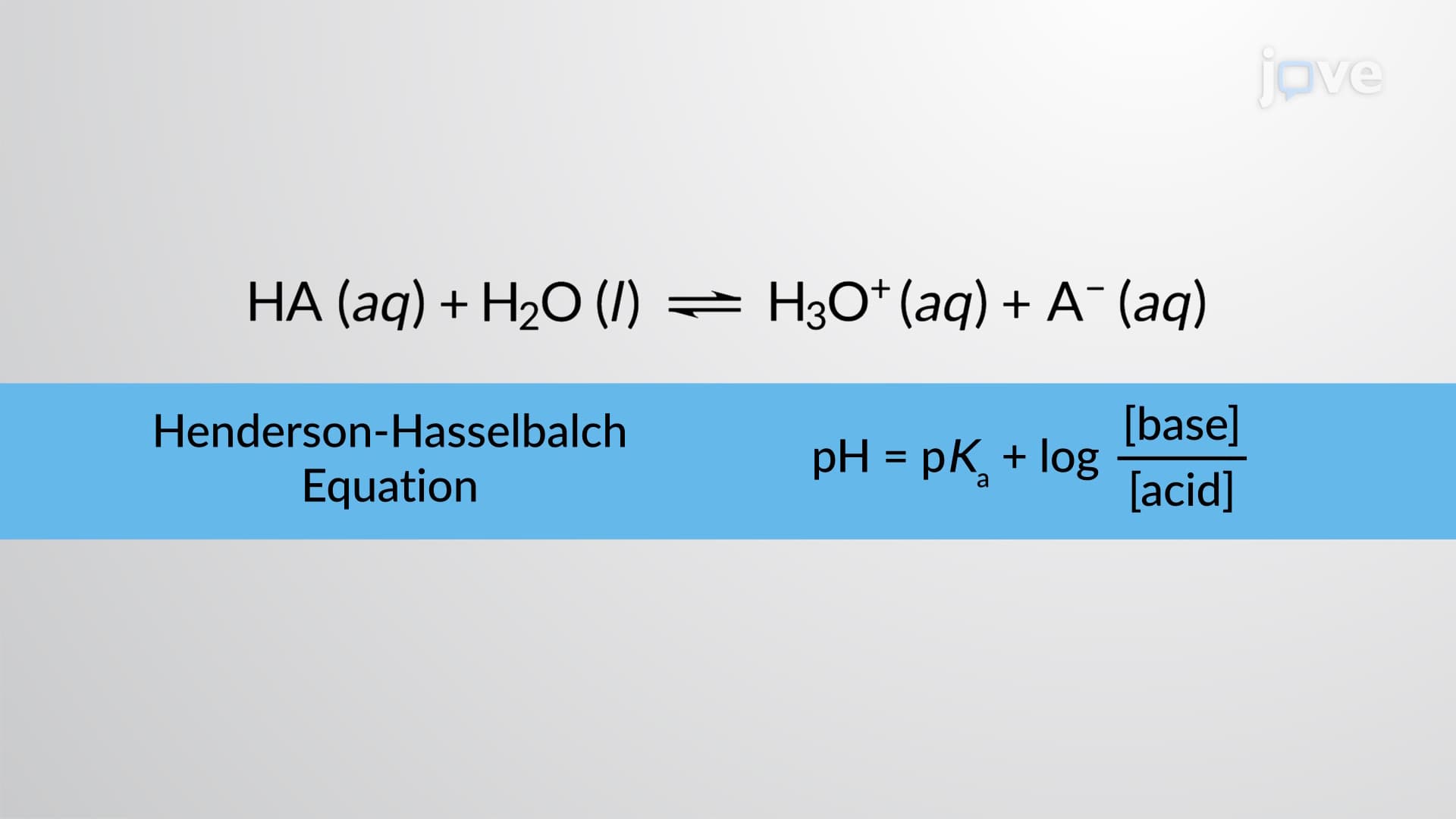
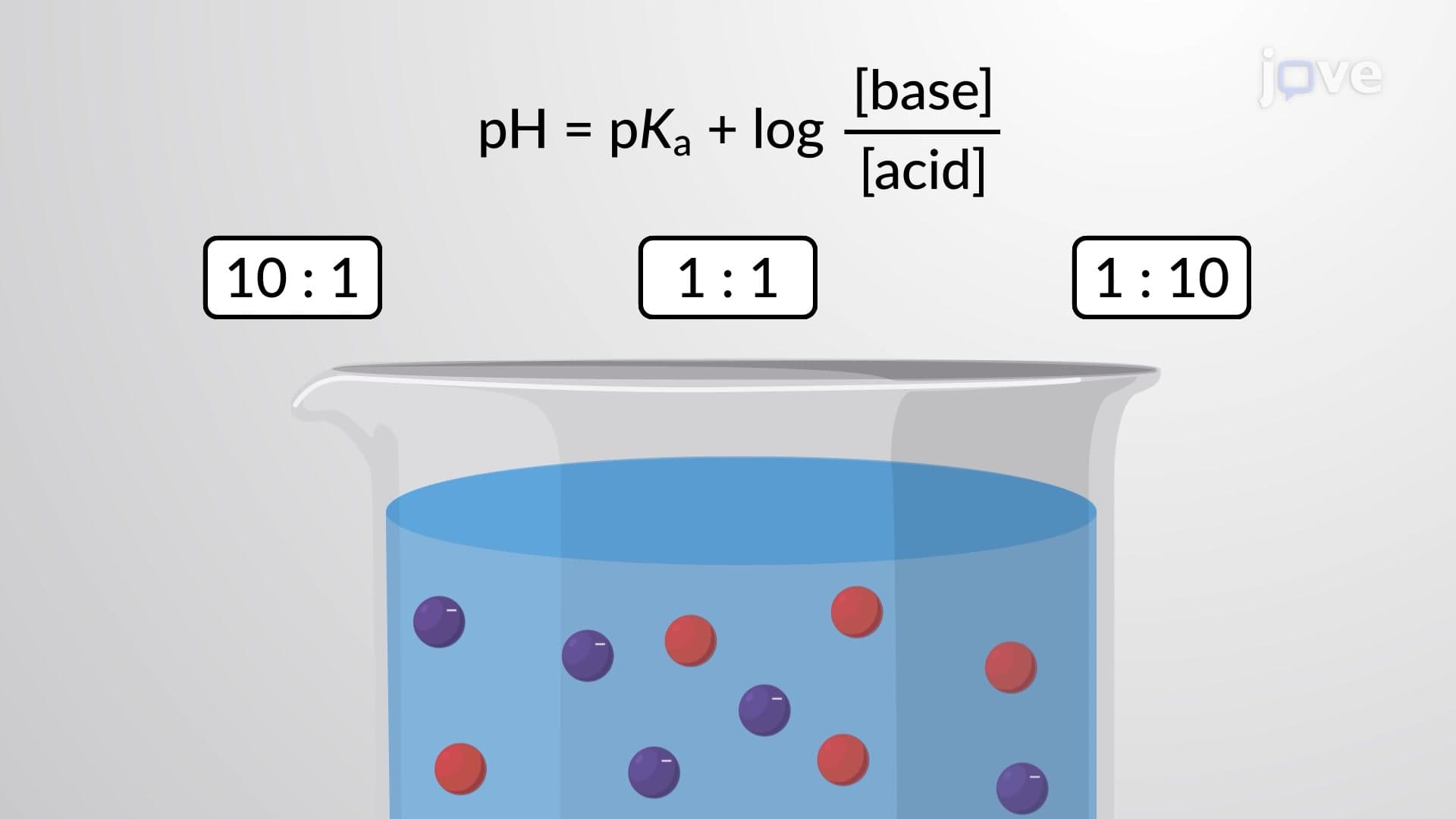
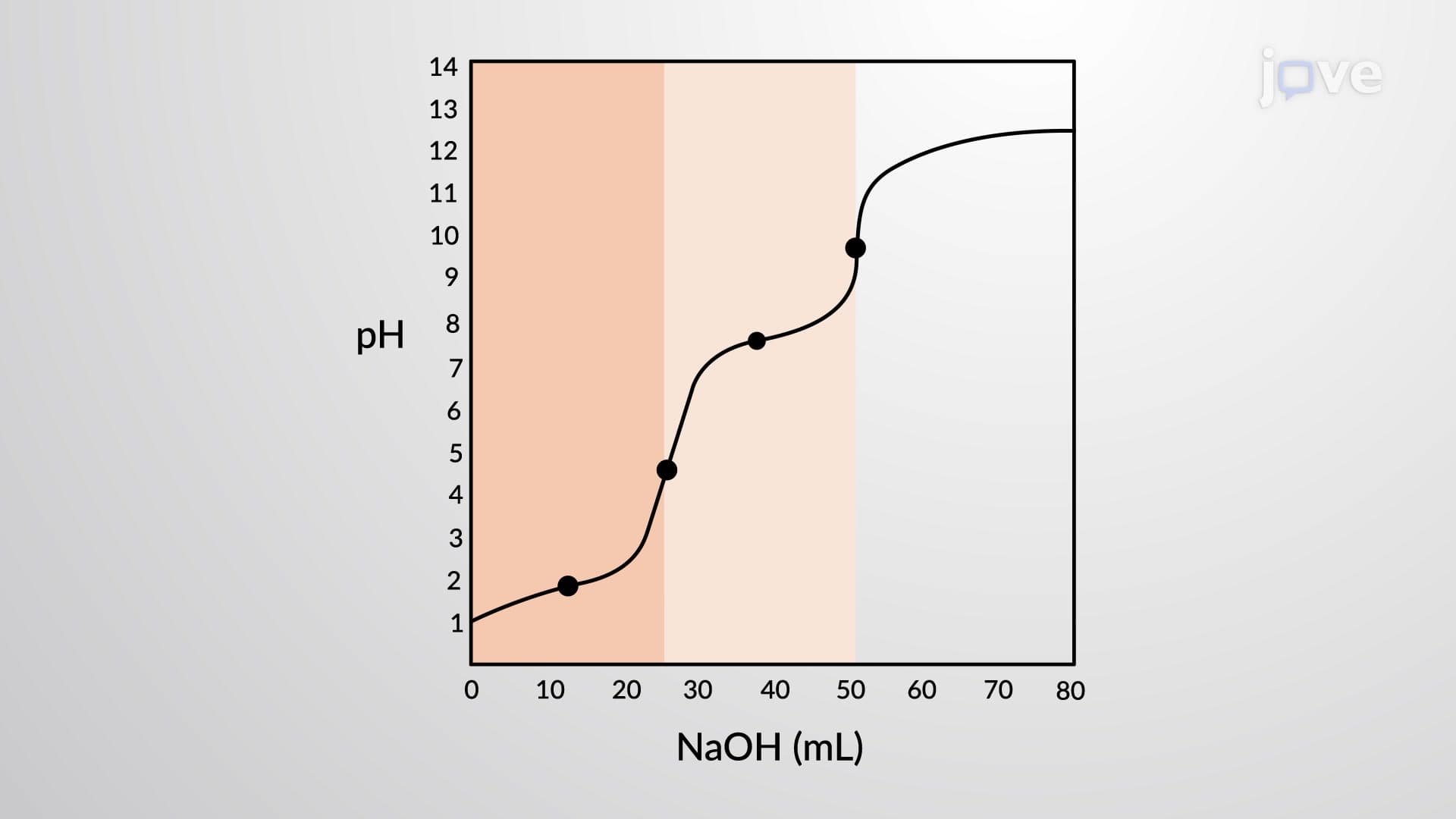
Buffer effectiveness depends on concentration and the Henderson-Hasselbalch equation: pH = pKa + log([A-]/[HA]). Maximum buffering occurs when the weak acid and conjugate base concentrations are equal, positioning the pH near the pKa value.
In clinical settings, understanding buffer systems proves essential for interpreting arterial blood gas results and managing acid-base disorders. Hospitals like Massachusetts General Hospital use buffer principles in IV fluid preparations, ensuring patient safety during medical procedures. The MCAT extensively tests buffer calculations, while AP Chemistry students encounter buffer problems in equilibrium units.
Buffer applications extend beyond medicine into environmental science, where natural buffer systems in lakes and soil prevent ecological damage from acid rain. The EPA monitors these systems to assess environmental health across the United States.
Frequently Asked Questions
Buffers are chemical solutions that resist pH changes when acids or bases are added to them. They contain weak acid-conjugate base pairs that neutralize added chemicals, maintaining stable pH levels essential for biological processes and laboratory work.
The main types include acidic buffers (like acetate), basic buffers (like ammonia-ammonium), and physiological buffers (like bicarbonate and phosphate). Each type maintains pH within specific ranges depending on their pKa values and intended applications.
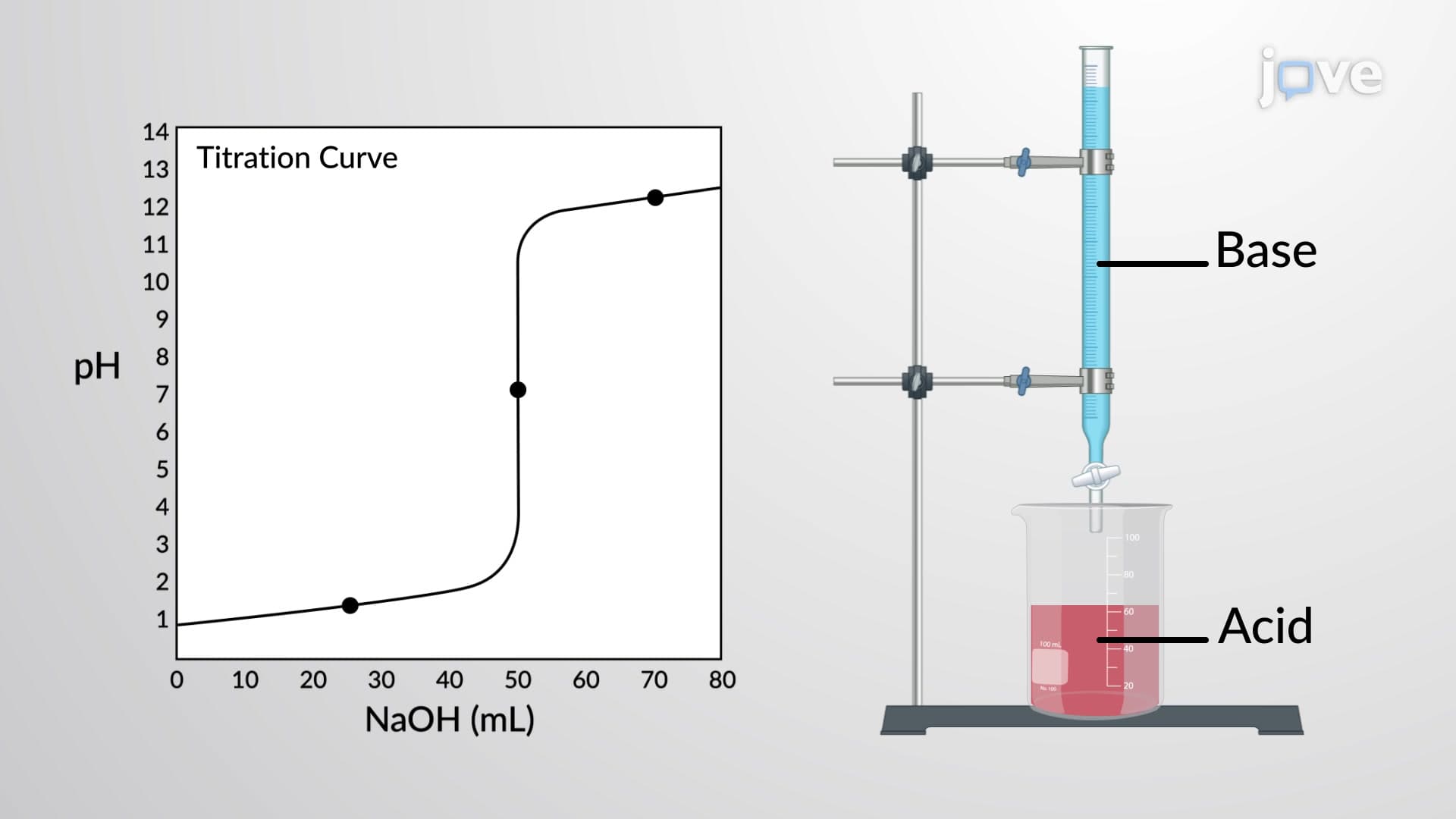
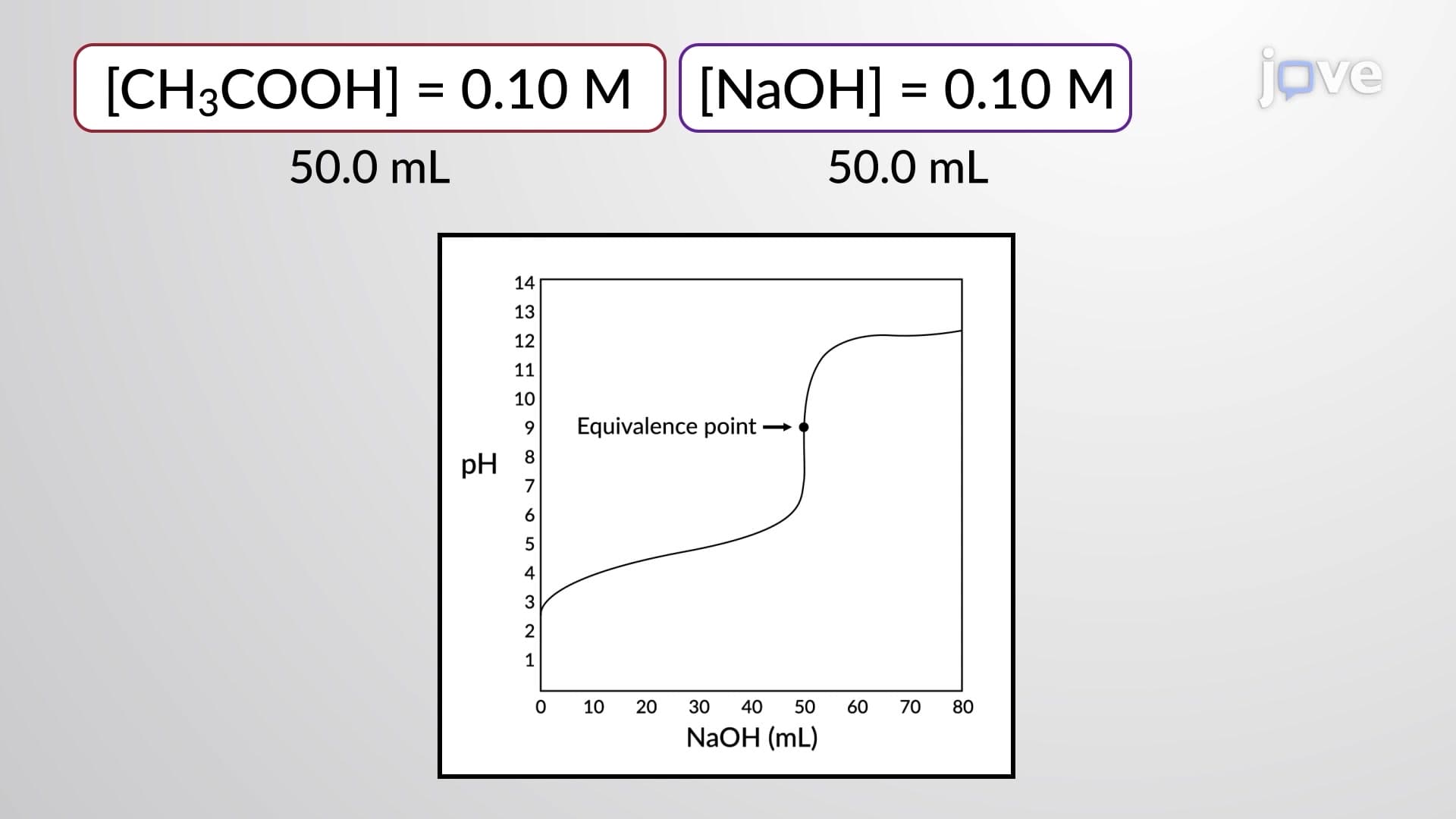
MCAT questions often focus on physiological buffer systems and pH calculations using the Henderson-Hasselbalch equation. AP Chemistry emphasizes buffer preparation, capacity calculations, and titration curves involving buffer systems, typically worth 10-15% of the exam content.
Blood buffers, primarily the bicarbonate system, maintain pH at 7.4 despite constant metabolic acid production. Without these buffers, pH fluctuations would denature proteins and enzymes, causing cellular damage and potentially fatal complications that doctors at Cleveland Clinic regularly monitor.
Pharmaceutical companies like Pfizer use buffers in drug formulations, food manufacturers employ them as preservatives, and water treatment facilities across states like California use buffer systems to maintain proper pH in drinking water supplies.
Basic algebra and logarithm understanding suffice for most buffer calculations. High school students can master buffer concepts by focusing on the Henderson-Hasselbalch equation and practicing pH calculation problems found in textbooks and online resources.
Start with understanding the basic mechanism, then practice Henderson-Hasselbalch calculations using various scenarios. Create concept maps linking buffer components, memorize common pKa values, and work through titration problems involving buffer systems.
Buffer understanding leads to studying enzyme kinetics, protein biochemistry, and clinical acid-base physiology. These topics appear in advanced courses like biochemistry, physiology, and medical school curricula at institutions like Stanford and UCLA.
Related Micro-courses