Loading subject page…

- Chemistry
- Acid Base and Solubility Equilibria
- Factors Affecting Solubility
Micro-course: Acid-base and Solubility Equilibria
925,504 views
Learn key concepts and earn your certificate.


Factors Affecting Solubility

00:00
04:01
Video Summary: What are Factors Affecting Solubility
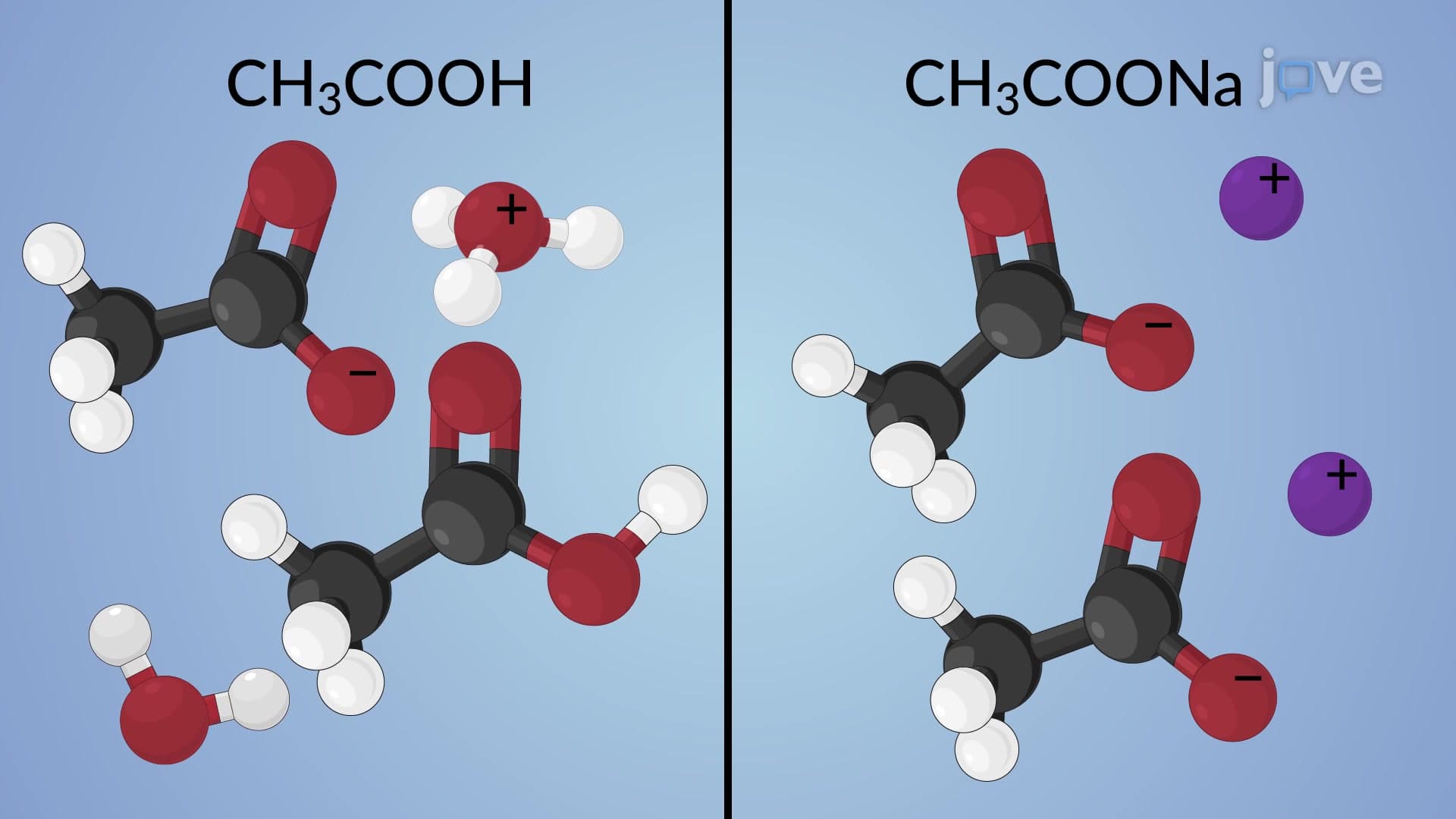
Ever wondered why table salt dissolves easily in water, but calcium carbonate in antacid tablets requires stomach acid to break down? The factors affecting solubility determine how much of a substance can dissolve in a solution, with the common ion effect and pH playing crucial roles. For instance, adding sodium chloride to a lead chloride solution dramatically reduces lead's solubility due to shared chloride ions. Watch the full video on JoVE Coach to master this concept with expert-led visuals and step-by-step explanations.
- Understand what are factors affecting solubility and how they control dissolution processes in aqueous solutions
- Identify the two primary factors: common ion effect and pH changes that influence compound solubility
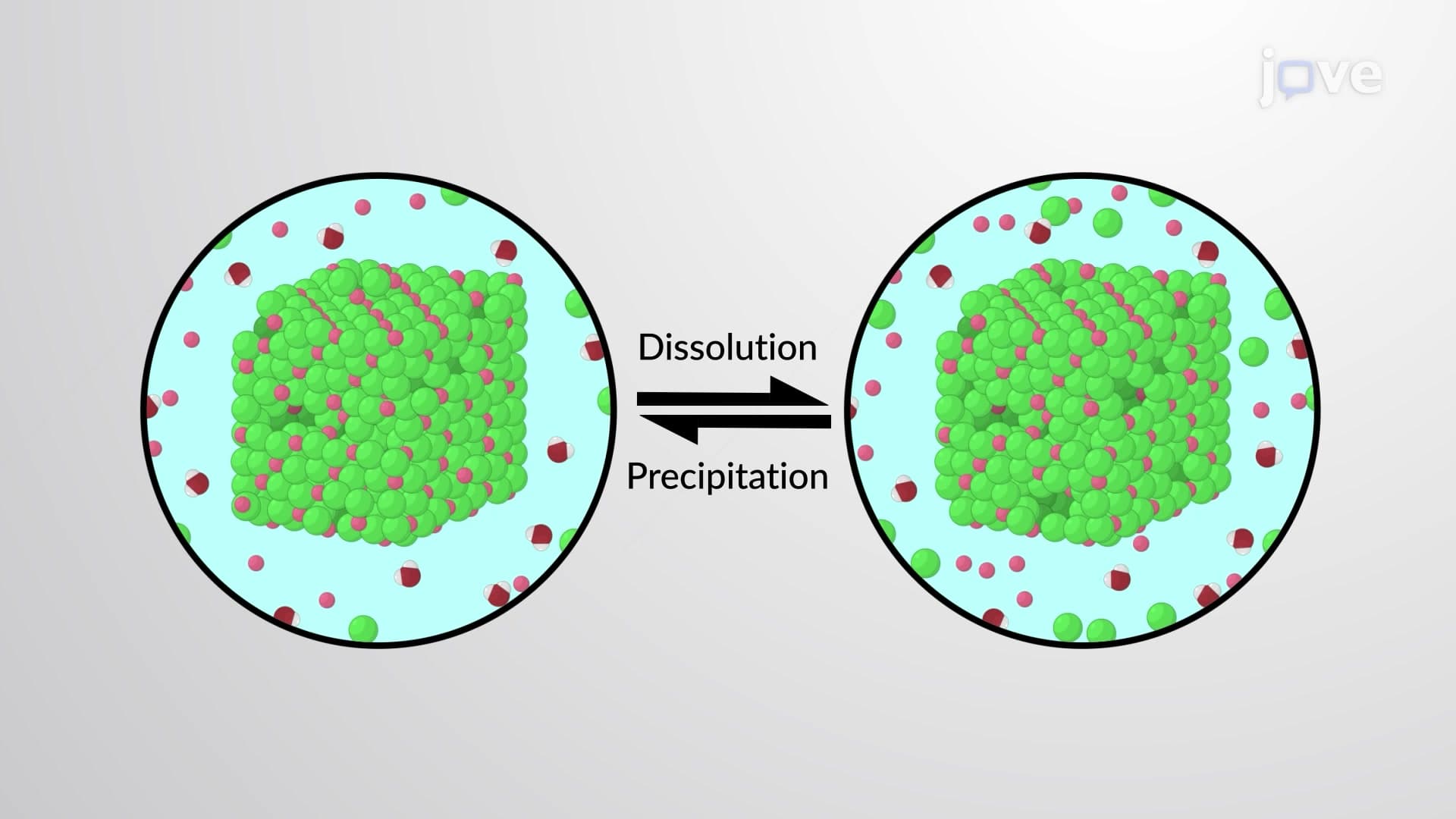
- Analyze how the presence of common ions shifts equilibrium toward undissolved solute using Le Chatelier's principle
- Apply ICE tables and Ksp calculations to determine molar solubility in the presence of common ions
- Compare solubility values in pure water versus solutions containing common ions or pH modifiers
- Evaluate how pH changes affect the solubility of compounds containing basic or acidic ions
- Recognize real-world applications in water treatment, pharmaceutical formulations, and environmental chemistry
- Explore quantitative relationships between ion concentrations and solubility equilibrium constants
Understanding What are Factors Affecting Solubility
Factors affecting solubility represent the environmental conditions and chemical species that influence how much of a substance can dissolve in a given solution. While temperature and pressure are well-known factors, the presence of other dissolved species creates more complex scenarios that students encounter in AP Chemistry and college-level courses. These factors become particularly important when predicting precipitation reactions, designing buffer systems, or understanding drug bioavailability in pharmaceutical applications.
The Common Ion Effect: When Ions Compete
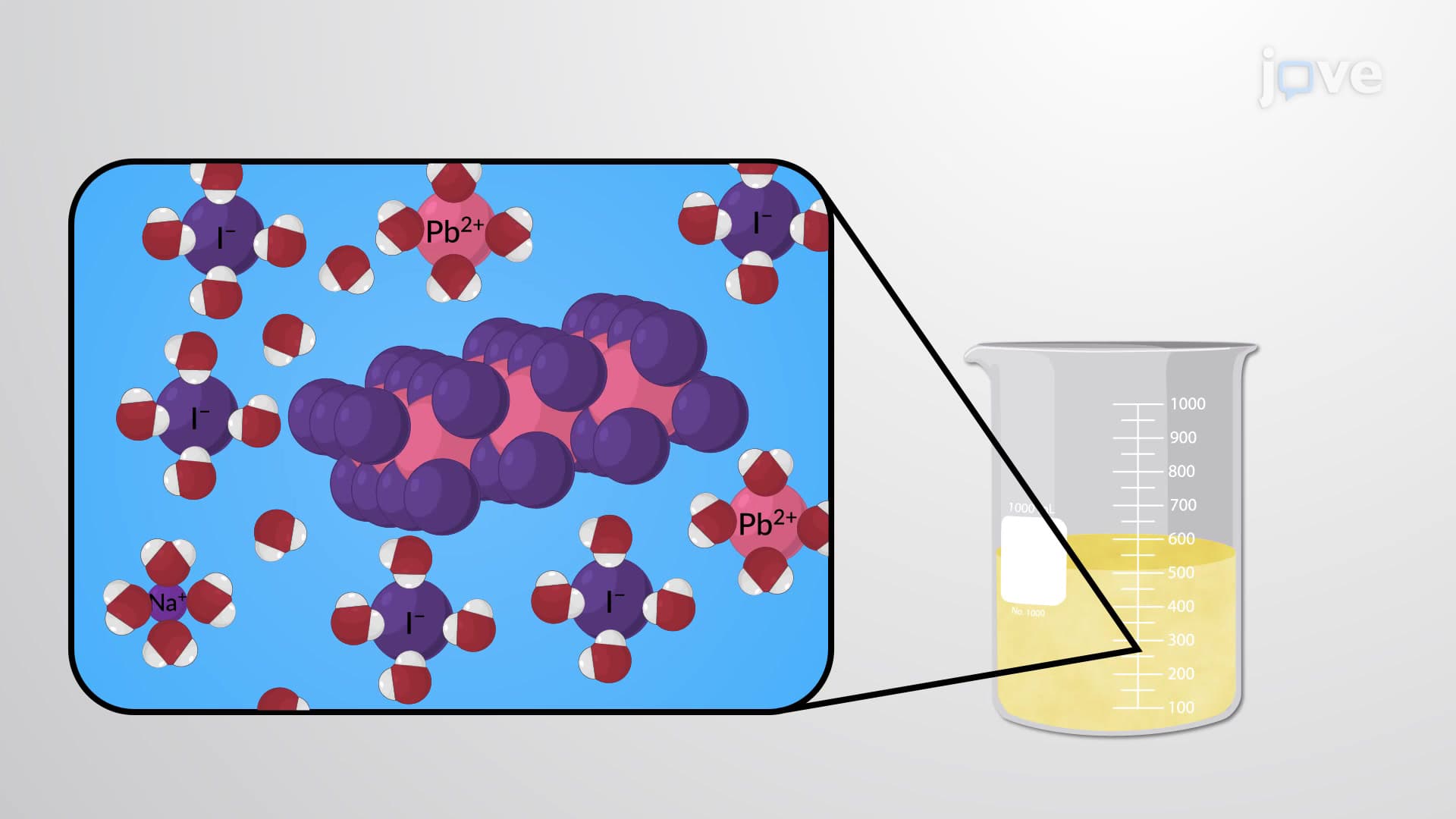
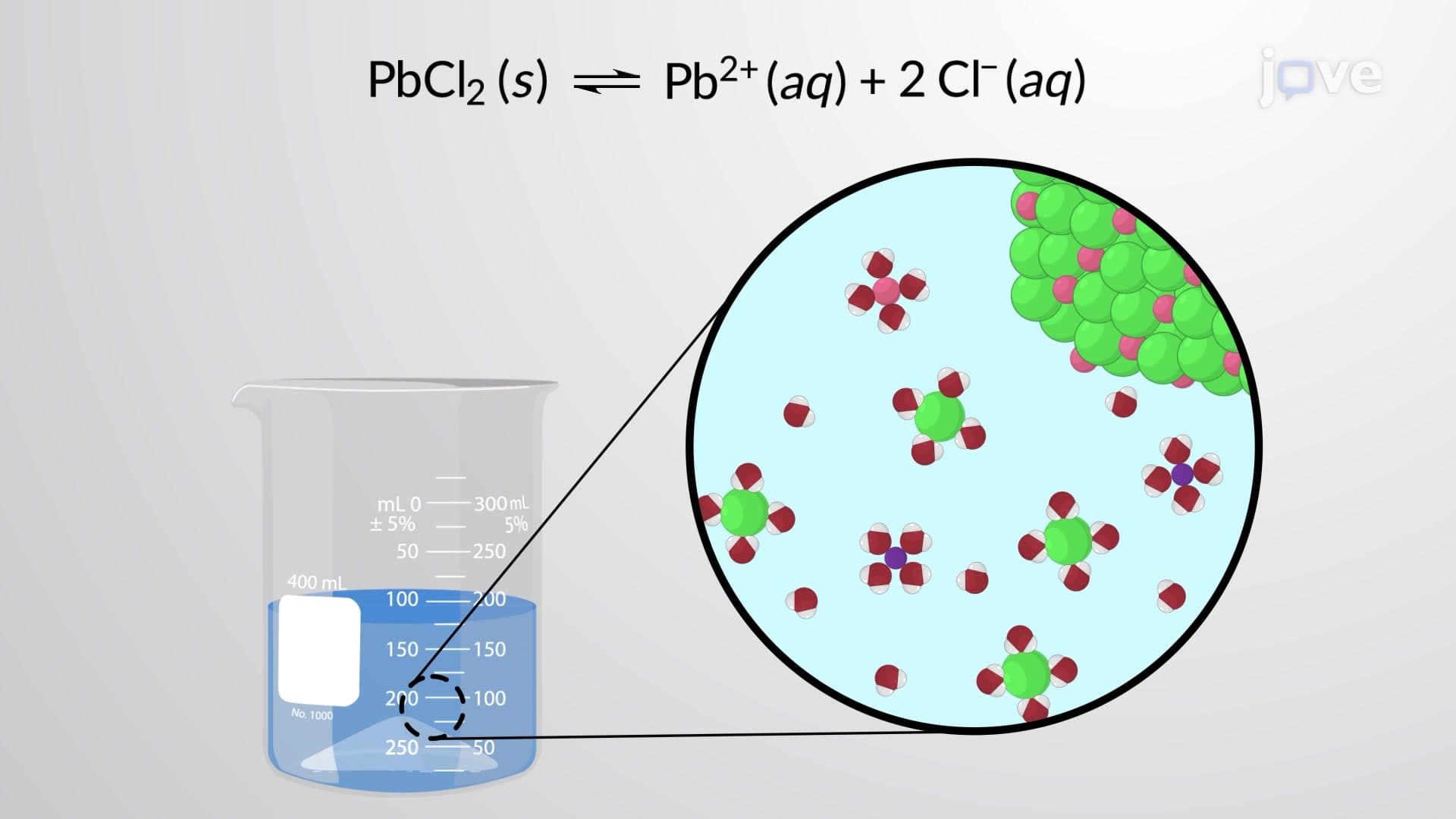
The common ion effect occurs when a solution already contains one of the ions present in a dissolving ionic compound. This shared ion suppresses further dissolution through Le Chatelier's principle. For example, when lead(II) chloride (PbCl₂) dissolves in a sodium chloride solution, both compounds release chloride ions. The increased chloride concentration forces the equilibrium toward the solid PbCl₂, reducing its solubility from 1.43 × 10⁻² M in pure water to just 1.17 × 10⁻³ M in 0.100 M NaCl-a twelve-fold decrease.
This principle explains why limestone caves form slowly in pure water but dissolve rapidly in acidic groundwater, and why kidney stones containing calcium oxalate are more likely to form when dietary oxalate intake is high.
pH Effects on Solubility
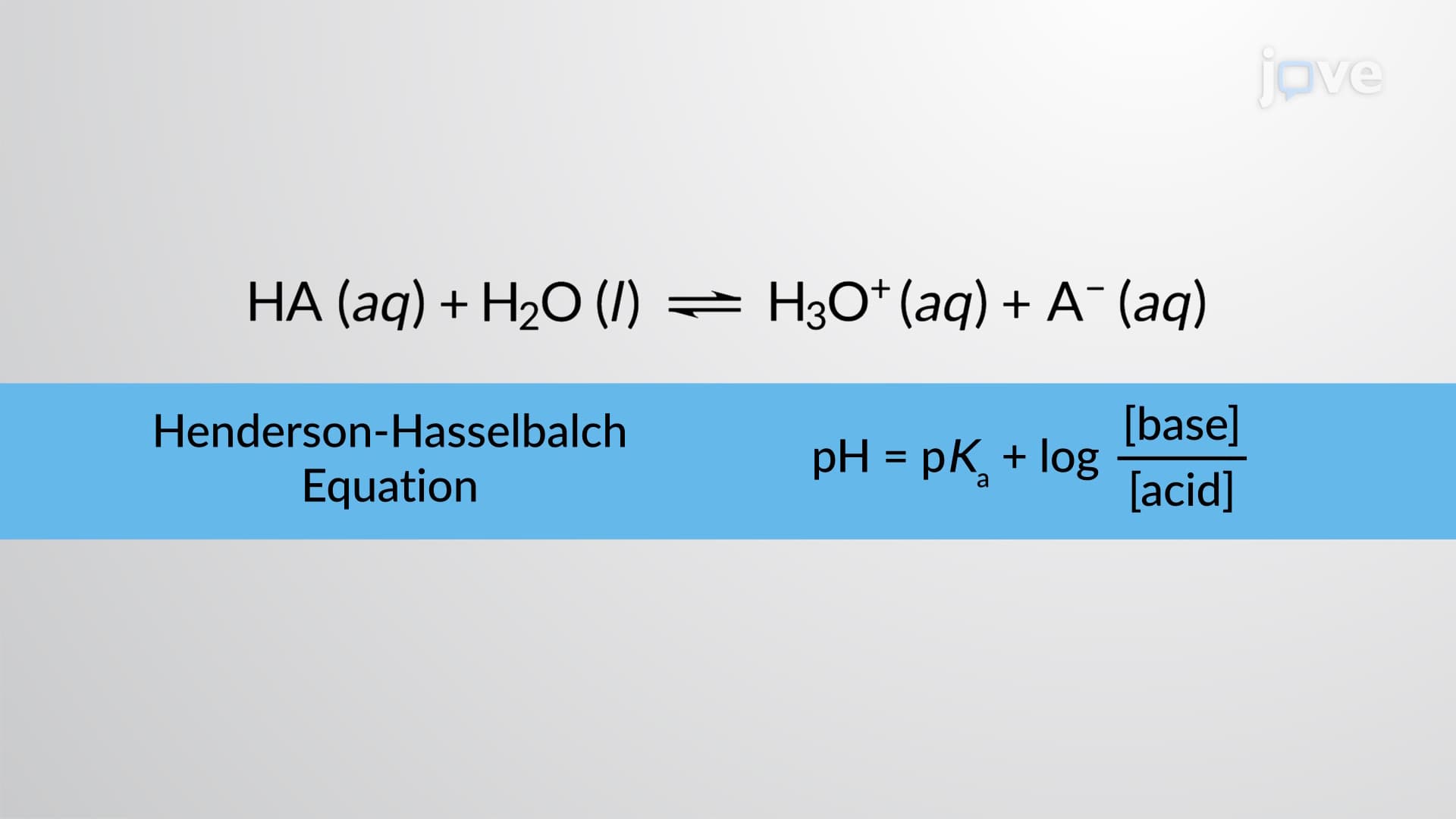
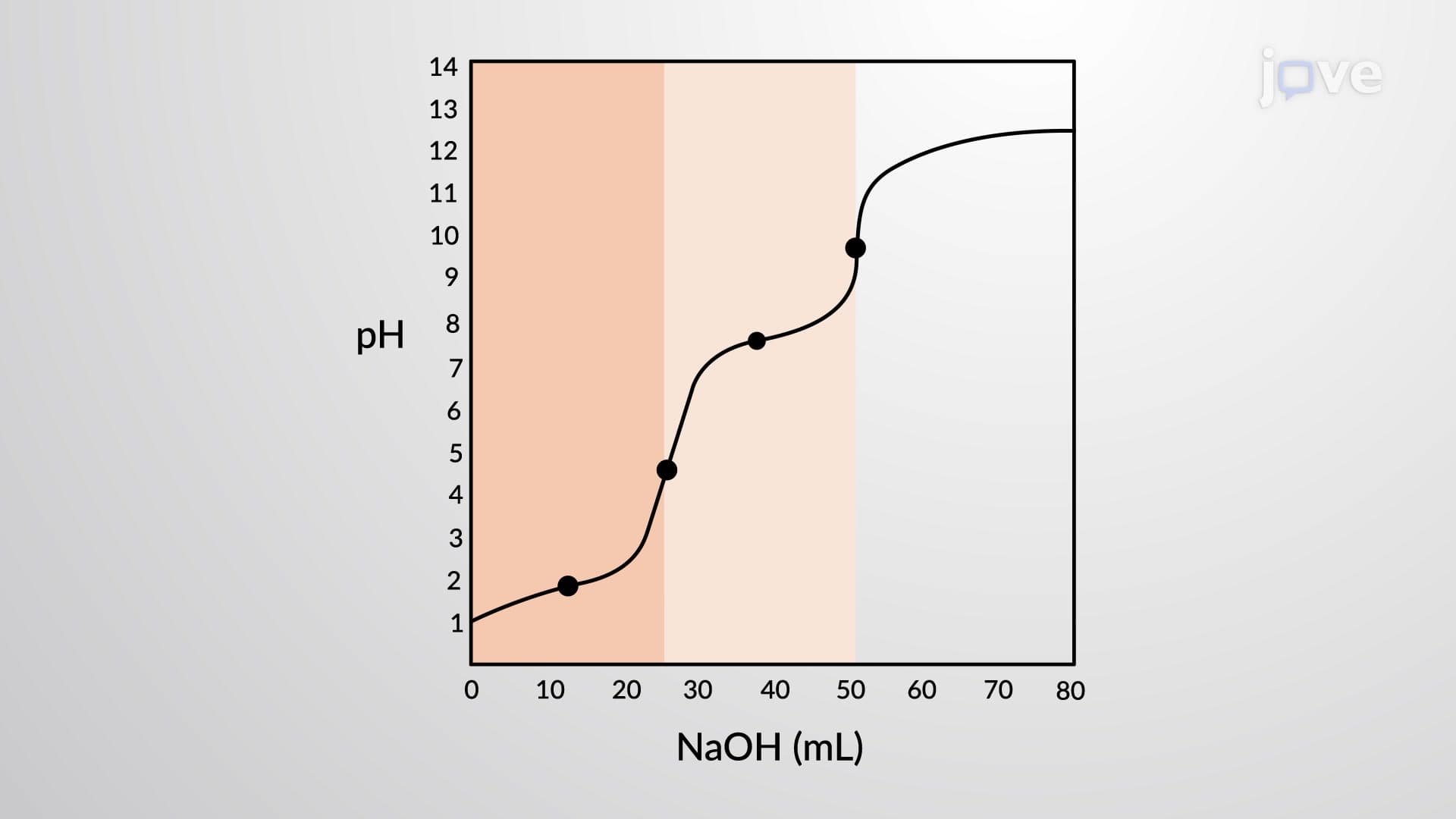
Solution pH dramatically affects compounds containing basic or acidic ions. Basic compounds like calcium hydroxide [Ca(OH)₂] become more soluble in acidic conditions because added protons consume hydroxide ions, shifting equilibrium toward dissolution. Conversely, adding base decreases solubility through the common ion effect with hydroxide.
This pH dependence is crucial in environmental chemistry-acid rain increases heavy metal solubility in soil, while water treatment plants adjust pH to precipitate contaminants. Students studying for the MCAT often encounter these concepts in kidney physiology, where urine pH affects kidney stone formation.
Practical Applications and Exam Strategies
These concepts frequently appear on AP Chemistry exams as equilibrium problems requiring Ksp calculations. Students should practice ICE table setups and learn when to apply the small x approximation. In college organic chemistry, understanding solubility factors helps predict reaction outcomes and purification strategies. Pre-med students will revisit these principles in biochemistry when studying protein folding and drug-receptor interactions.
Frequently Asked Questions
Factors affecting solubility are conditions that influence how much of a substance dissolves in solution, primarily the common ion effect and pH. The common ion effect reduces solubility when the solution contains ions identical to those in the dissolving compound. pH affects compounds with acidic or basic ions by changing the concentration of H⁺ or OH⁻ ions in solution.
AP Chemistry exams emphasize the common ion effect and pH-dependent solubility calculations. Students typically encounter problems involving Ksp expressions, ICE tables, and comparing molar solubility in pure water versus solutions with common ions. Buffer system problems also test understanding of how pH changes affect solubility equilibria.
The MCAT tests solubility principles in biochemistry contexts, particularly drug absorption, kidney stone formation, and protein precipitation. Understanding pH effects helps with amino acid behavior and buffer systems. Common ion effects appear in physiological examples like calcium homeostasis and pharmaceutical solubility enhancement strategies.
Adding salt creates the common ion effect when the salt shares ions with dissolving compounds, reducing their solubility through Le Chatelier's principle. Salt also changes solution ionic strength, affecting activity coefficients and dissolution rates. This principle explains why ocean water has different solubility properties than freshwater for various minerals and gases.
These concepts build naturally on equilibrium principles and Le Chatelier's principle from earlier chemistry courses. Students who understand basic equilibrium and can set up ICE tables typically master solubility factors successfully. The mathematical calculations use algebra skills from previous math courses, making the topic accessible with proper practice.
Practice ICE table setups and Ksp calculations daily, focusing on when to use approximations versus exact solutions. Create concept maps connecting Le Chatelier's principle to common ion effects and pH changes. Work through past AP or college exam problems to recognize question patterns and develop systematic problem-solving approaches.
These principles explain acid rain effects on monument dissolution, groundwater contamination patterns, and water treatment processes. Understanding pH-dependent solubility helps predict how pollutants behave in natural water systems. The common ion effect influences mineral precipitation in industrial wastewater treatment and natural water purification systems.
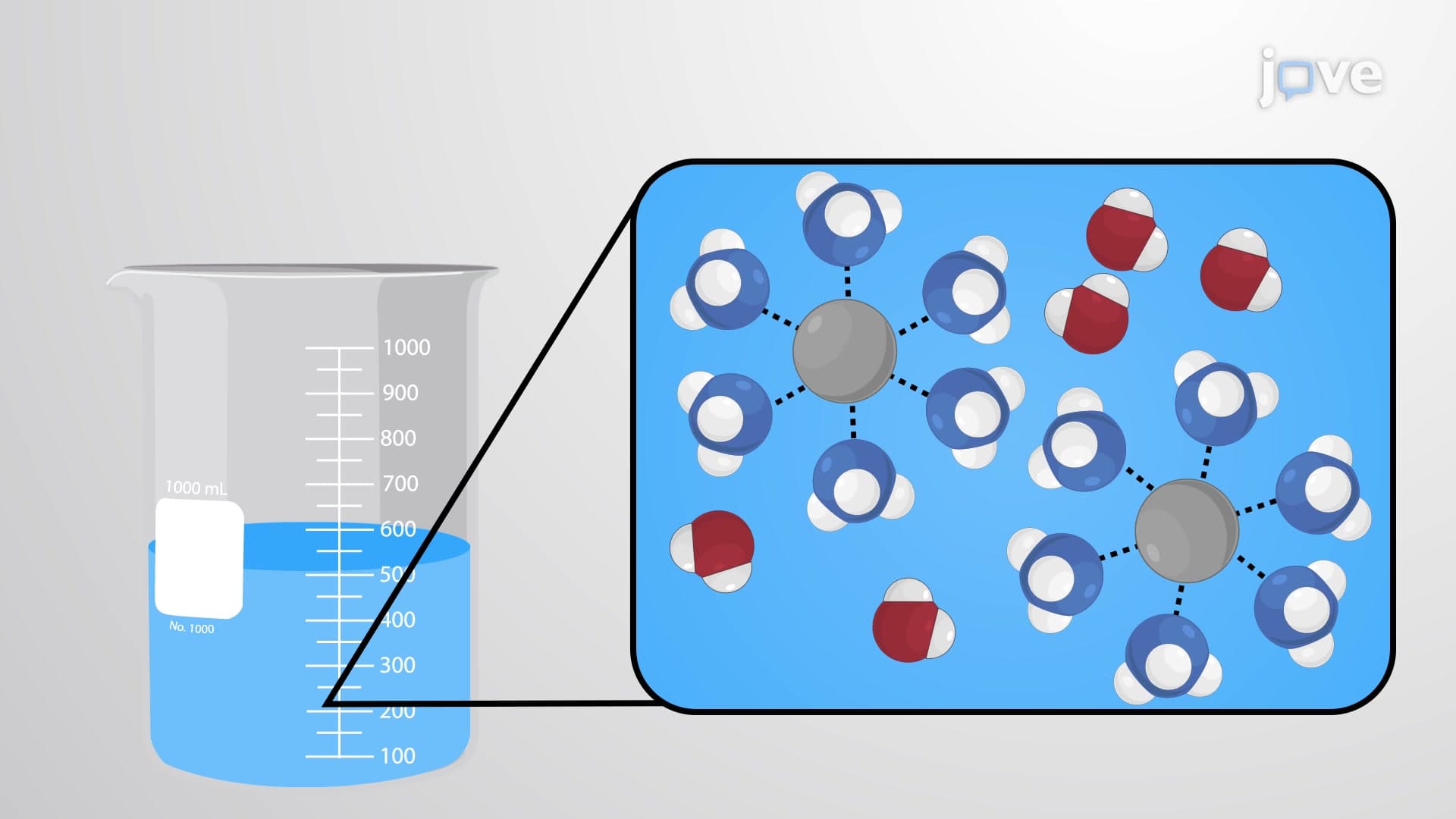
Explore complex ion formation, which can dramatically increase solubility through ligand coordination. Study temperature effects on Ksp values and how they vary for different compound types. Advanced topics include activity coefficients, ionic strength effects, and simultaneous equilibria involving multiple precipitates or competing reactions.
Related Micro-courses