Loading subject page…

- Chemistry
- Acid Base and Solubility Equilibria
- Calculating pH Changes in a Buffer Solution
Micro-course: Acid-base and Solubility Equilibria
925,504 views
Learn key concepts and earn your certificate.


Calculating pH Changes in a Buffer Solution

00:00
02:45
Video Summary: What Is Calculating Ph Changes
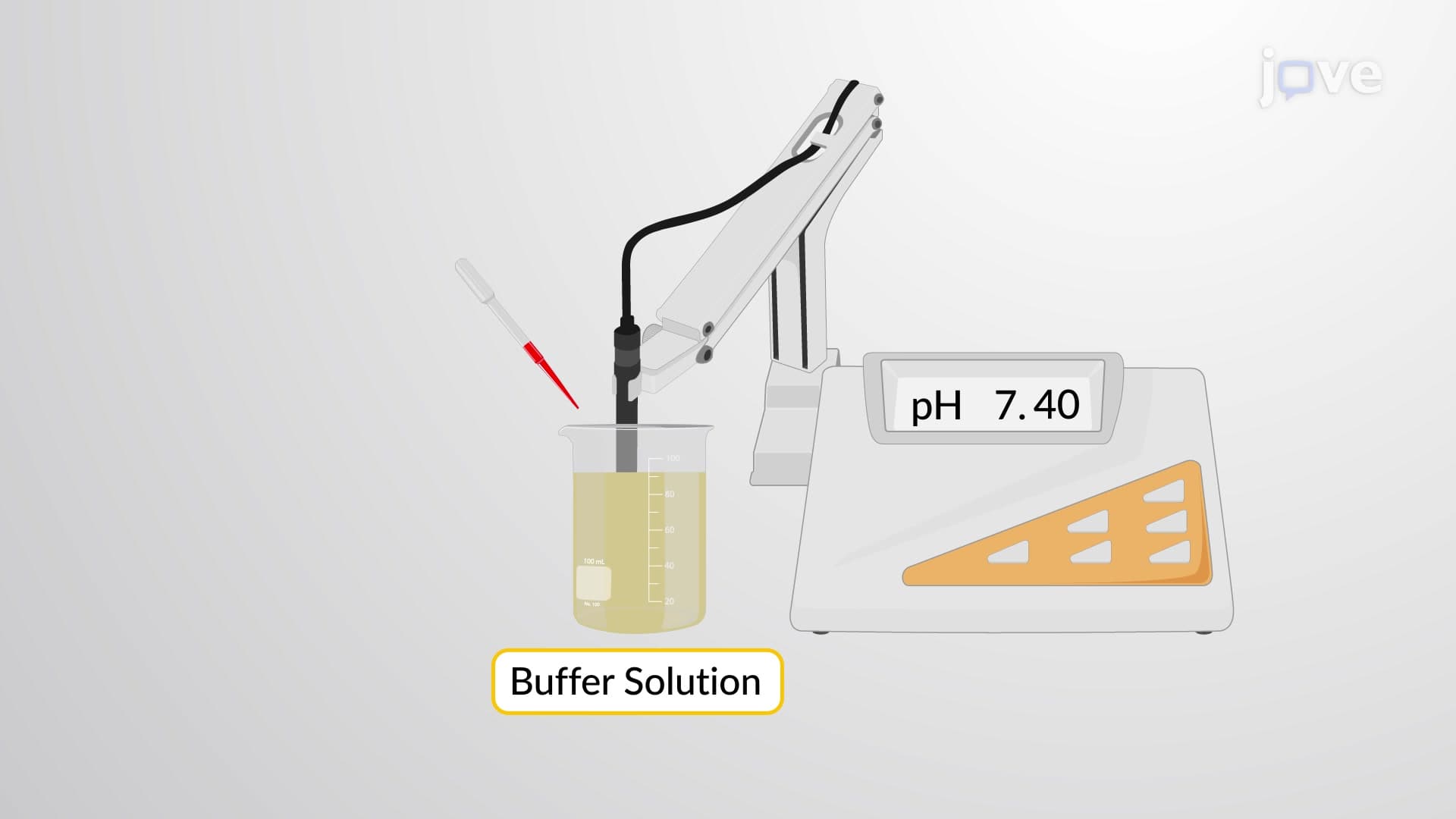
Ever wonder why your blood doesn't become dangerously acidic after drinking a sports drink? Calculating pH changes reveals how buffer systems-like those in human blood and pharmaceutical formulations used in US hospitals-resist dramatic pH shifts when acids or bases are added. This two-step process combines stoichiometric calculations with equilibrium analysis to predict how much a solution's pH will actually change. Understanding what is calculating pH changes is essential for chemistry students and healthcare professionals who work with buffered solutions daily. Watch the full video on JoVE Coach to master this concept with expert-led visuals and step-by-step explanations.
- Understand what is calculating pH changes and why this two-step analytical process is fundamental to buffer chemistry
- Identify the stoichiometric calculation phase that determines concentration changes when strong acids or bases are added
- Apply the Henderson-Hasselbalch equation to calculate new pH values after buffer disruption
- Analyze how buffer systems minimize pH changes compared to unbuffered solutions
- Compare pH changes when adding strong acids versus strong bases to the same buffer system
- Evaluate the effectiveness of different buffer concentrations in resisting pH changes
- Recognize real-world applications in biological systems, pharmaceutical manufacturing, and laboratory procedures
- Explore the relationship between pKa values and optimal buffering capacity ranges
Understanding Calculating pH Changes in Buffer Systems
Calculating pH changes represents a critical analytical skill that combines stoichiometry with acid-base equilibrium principles. This process becomes essential when predicting how buffer solutions-commonly used in biological systems, pharmaceutical formulations, and analytical chemistry labs across US universities and research facilities-respond to the addition of strong acids or bases.
The calculation methodology follows a systematic two-phase approach that ensures accuracy and comprehensiveness in predicting pH shifts.
Phase One: Stoichiometric Analysis of Concentration Changes
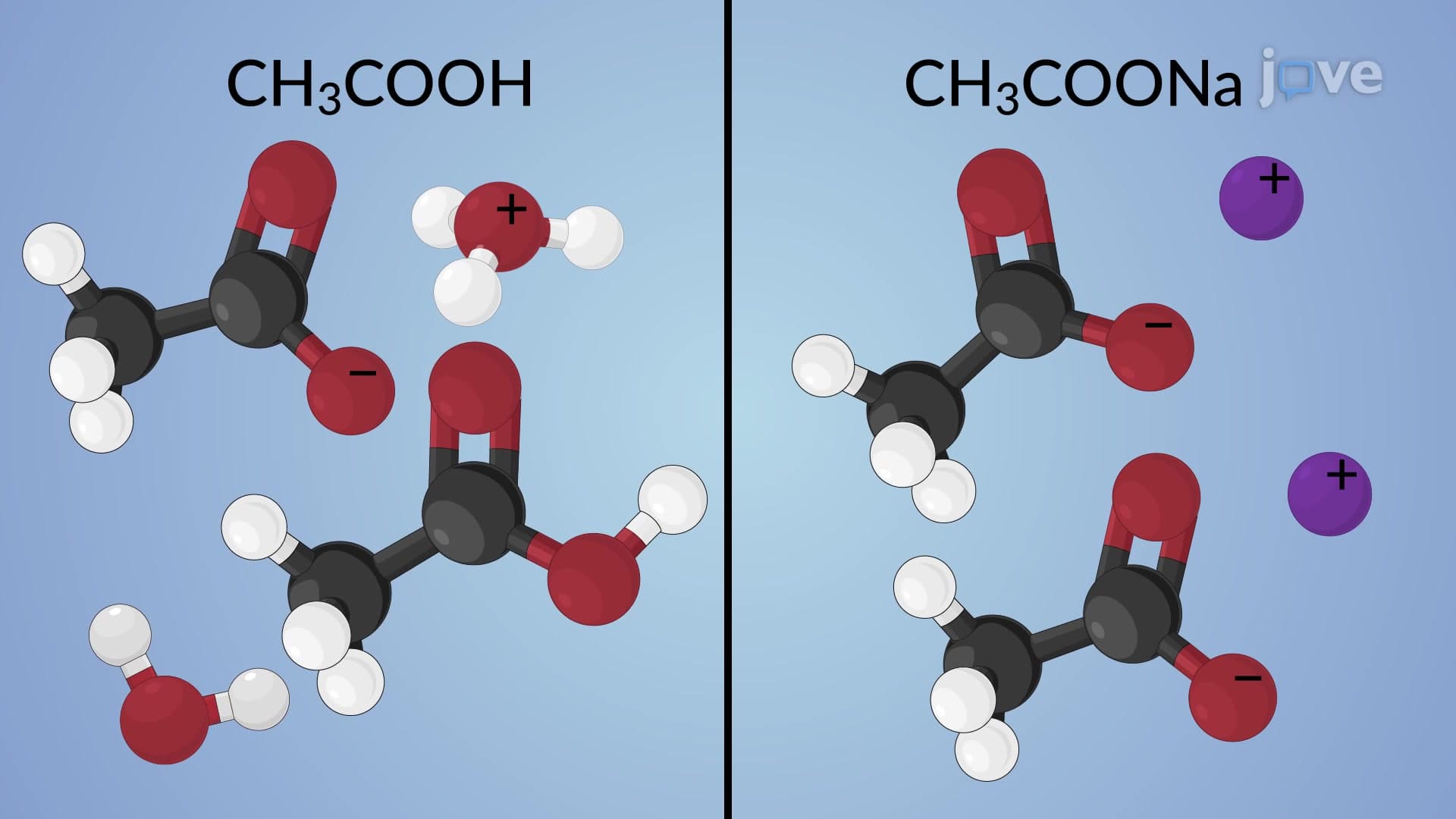
The initial phase focuses on determining how added strong acids or bases alter the concentrations of buffer components. When hydrochloric acid (a strong acid commonly used in US laboratory settings) is added to a buffer system, it completely dissociates and reacts with the basic component of the buffer. This reaction follows simple stoichiometric principles-one mole of added acid consumes exactly one mole of the buffer's basic component while producing one mole of the acidic component.
For instance, in a hydrofluoric acid/sodium fluoride buffer system (commonly studied in AP Chemistry and college-level analytical chemistry courses), adding HCl causes the fluoride ions to neutralize the acid, forming additional hydrofluoric acid molecules. This stoichiometric relationship allows precise calculation of new component concentrations.
Phase Two: Equilibrium Calculations and pH Determination
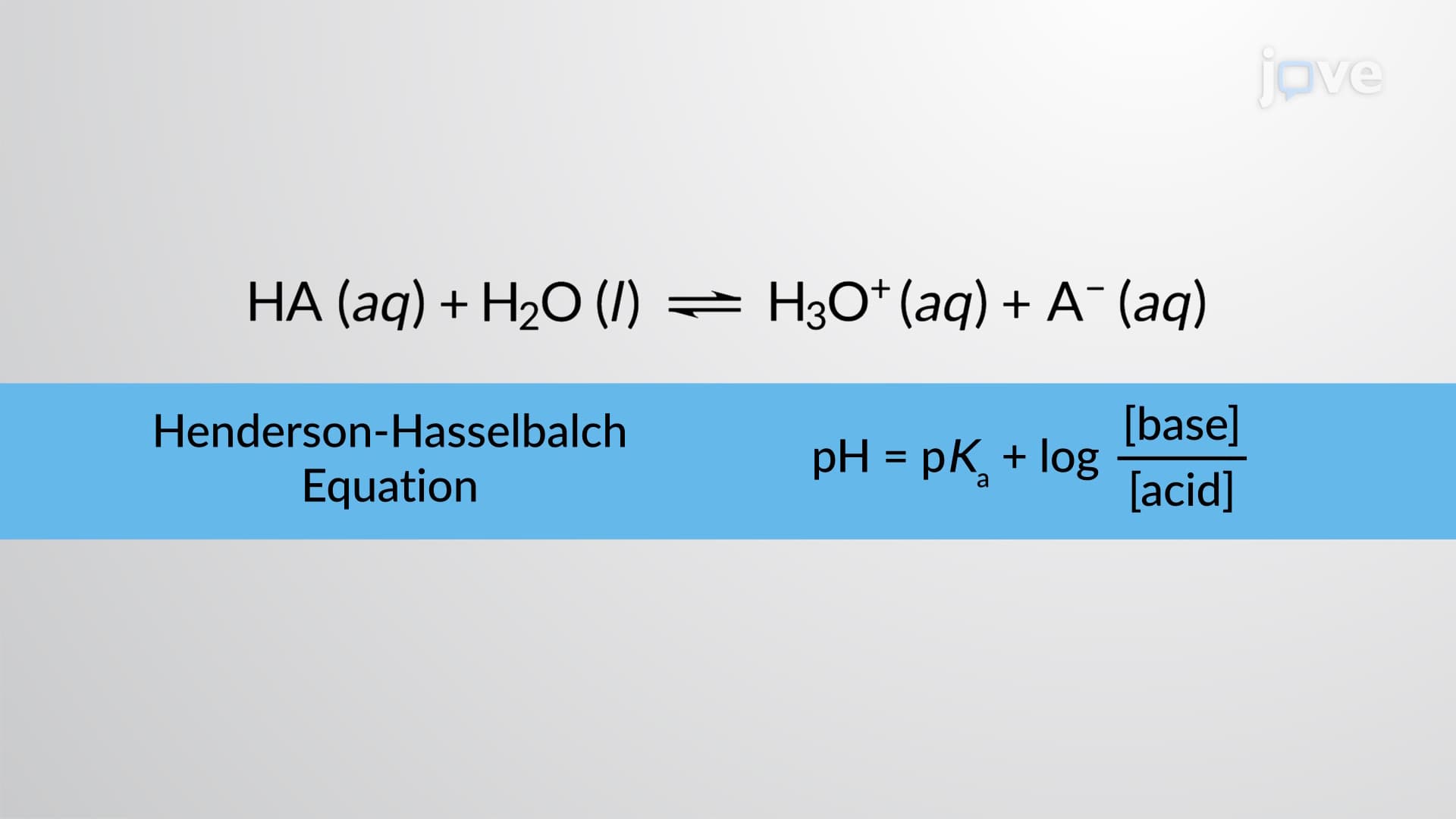
The second phase employs equilibrium principles to determine the new pH value. The Henderson-Hasselbalch equation serves as the primary tool for this calculation, particularly when dealing with buffer systems where concentrations remain relatively high compared to the weak acid's Ka value.
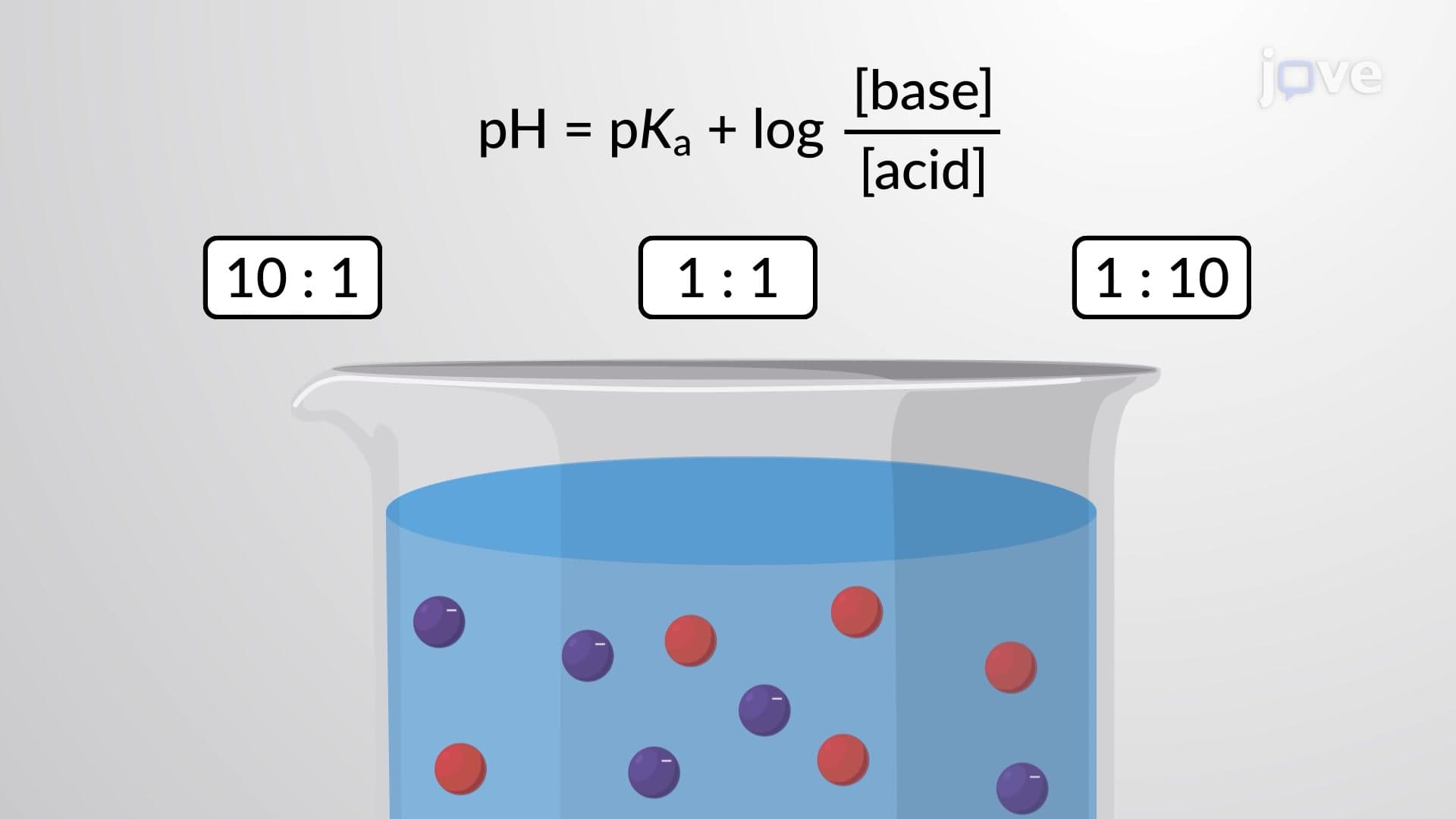
The equation pH = pKa + log([A-]/[HA]) provides a direct pathway to the new pH value using the revised concentrations from the stoichiometric phase. This approach proves especially valuable in MCAT preparation and undergraduate analytical chemistry coursework, where students must quickly and accurately predict buffer behavior.
Practical Applications and Exam Relevance
This calculation methodology appears frequently in standardized exams including the AP Chemistry exam, SAT Subject Tests, and college placement examinations. Students encounter these problems in various contexts, from blood buffer system analysis in biochemistry courses to pharmaceutical buffer design in medicinal chemistry programs at US universities.
Real-world applications extend to clinical laboratories, where technicians must understand how sample preparation affects pH measurements, and to pharmaceutical manufacturing, where buffer systems ensure drug stability and efficacy in FDA-regulated formulations.
Frequently Asked Questions
Calculating pH changes is a two-step analytical method used to predict how much a buffer solution's pH will shift when strong acids or bases are added. This process combines stoichiometric calculations to find new concentrations with equilibrium calculations to determine the resulting pH. It's crucial for understanding biological systems, pharmaceutical formulations, and laboratory procedures where pH stability is essential.
AP Chemistry frequently tests this concept through buffer calculation problems worth 4-7 points on the free-response section. Students must demonstrate both stoichiometric reasoning and equilibrium calculations using the Henderson-Hasselbalch equation. The College Board emphasizes showing complete work for both calculation phases to earn full credit.
The MCAT Chemical and Physical Foundations section regularly includes buffer calculation problems, particularly in biological contexts like blood pH regulation. Pre-med students should master both the mathematical calculations and the physiological significance of buffer systems. Understanding pH changes helps explain enzyme function and drug delivery mechanisms.
Clinical laboratories use these calculations when preparing buffer solutions for diagnostic tests, calibrating pH meters, and ensuring blood gas analysis accuracy. Hospital pharmacists apply these principles when preparing IV solutions and ensuring medication stability. Laboratory technicians must understand how sample handling affects pH measurements in patient testing.
No advanced mathematics is required-basic algebra and logarithmic functions are sufficient. Most students who have completed Algebra II can successfully learn these calculations. The key is understanding the underlying chemistry concepts and practicing systematic problem-solving approaches rather than memorizing complex formulas.
Practice problems systematically using the two-phase approach: always complete stoichiometric calculations first, then apply equilibrium principles. Create formula sheets linking pKa values to common buffer systems, and work through problems from multiple textbooks including those used in AP Chemistry and college general chemistry courses.
These calculations provide the foundation for understanding enzyme kinetics, protein folding, and drug design in biochemistry courses. They also connect to analytical chemistry methods like titrations and electrochemical measurements. Advanced topics include polyprotic acid systems and temperature effects on buffer capacity.
Related Micro-courses