Loading subject page…

- Chemistry
- Acid Base and Solubility Equilibria
- Common Ion Effect
Micro-course: Acid-base and Solubility Equilibria
925,504 views
Learn key concepts and earn your certificate.


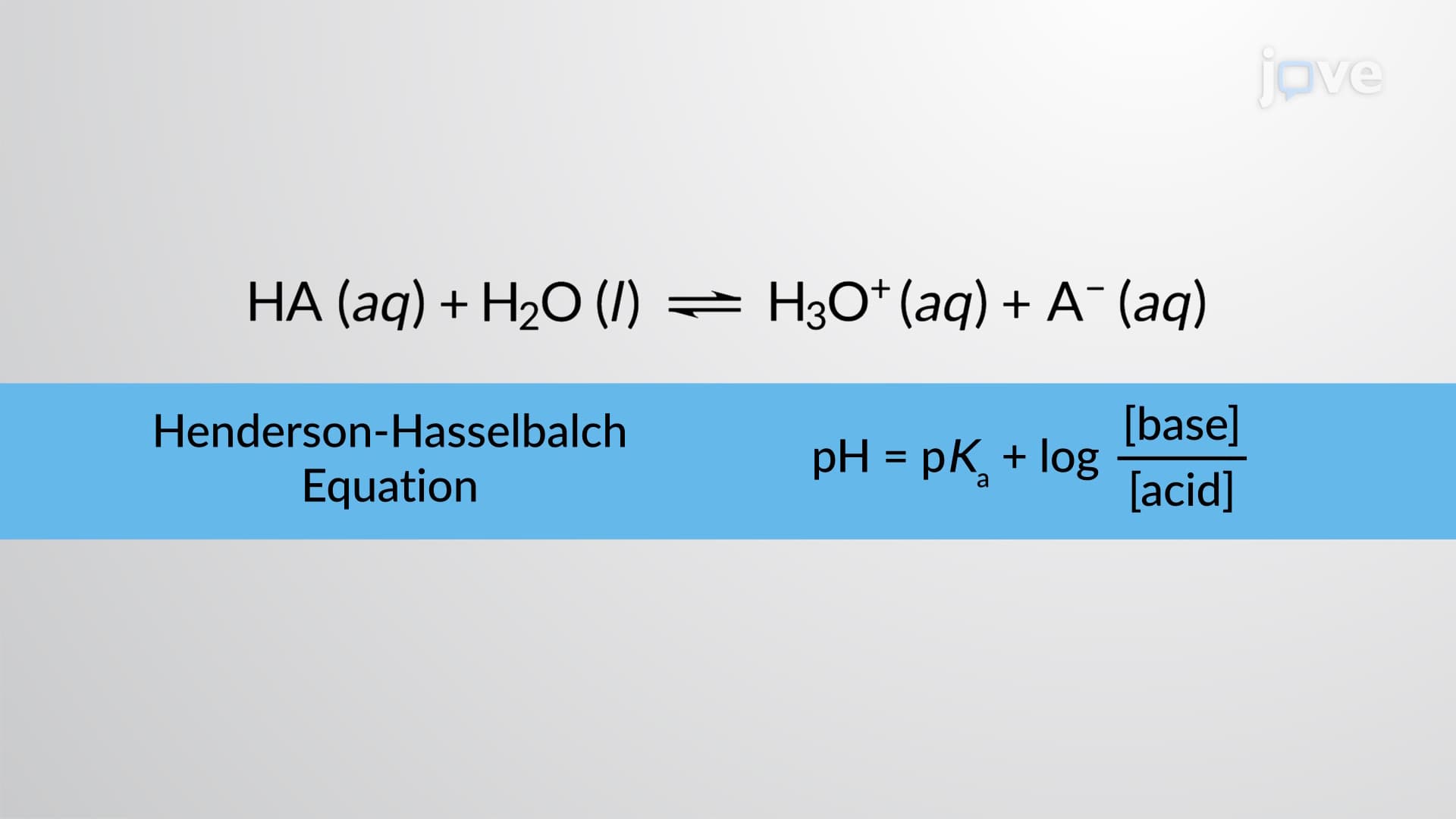
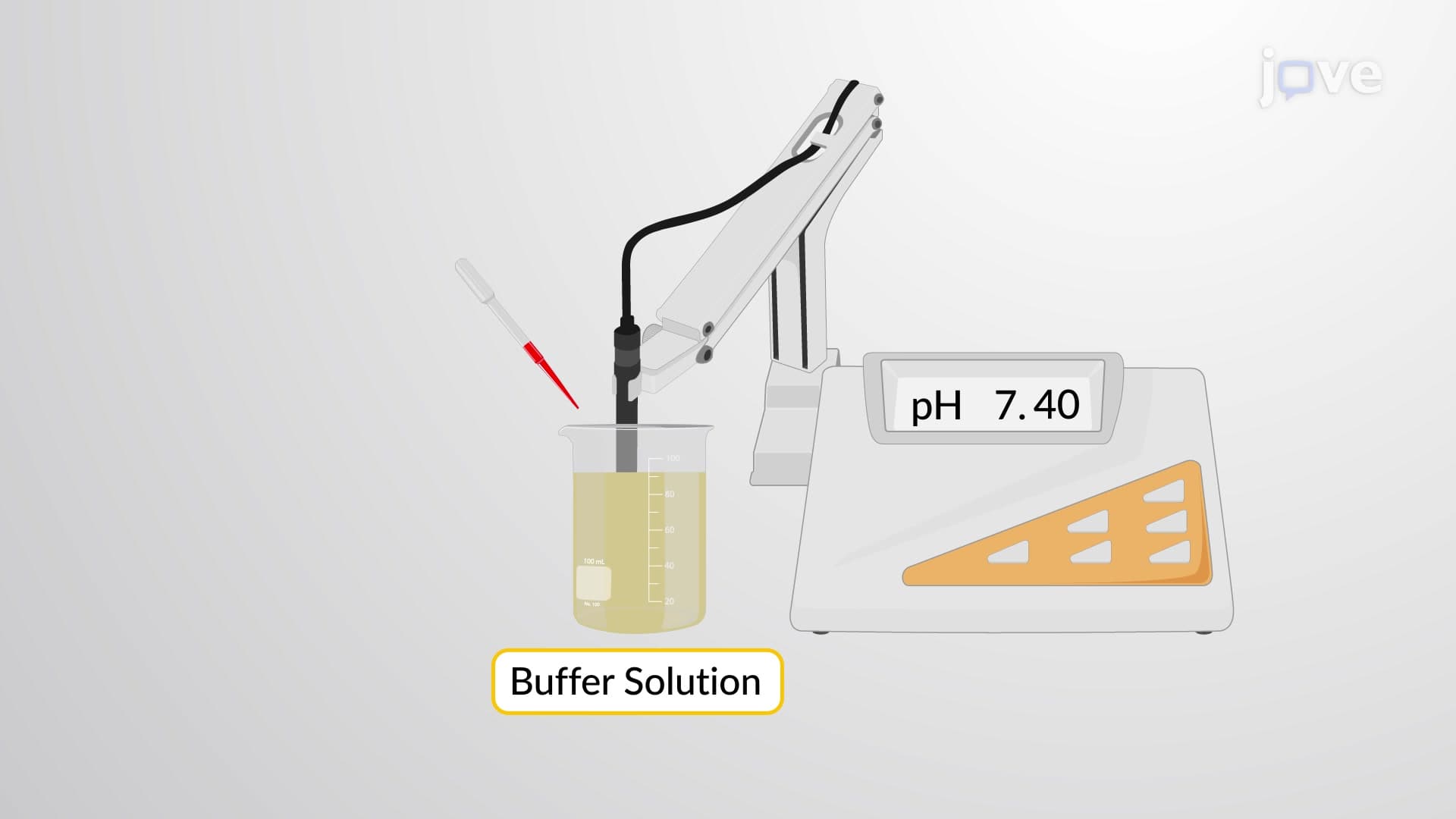
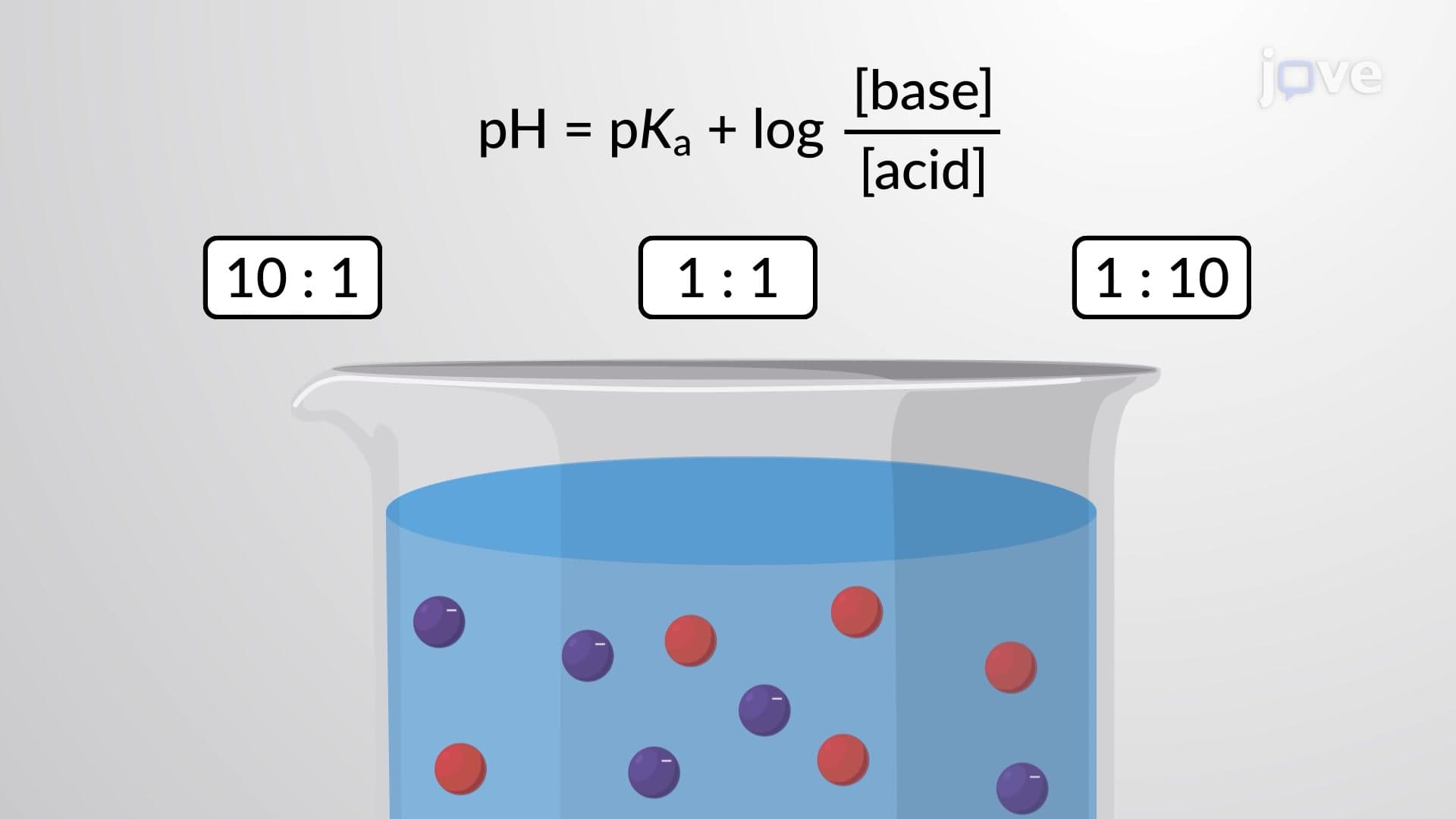
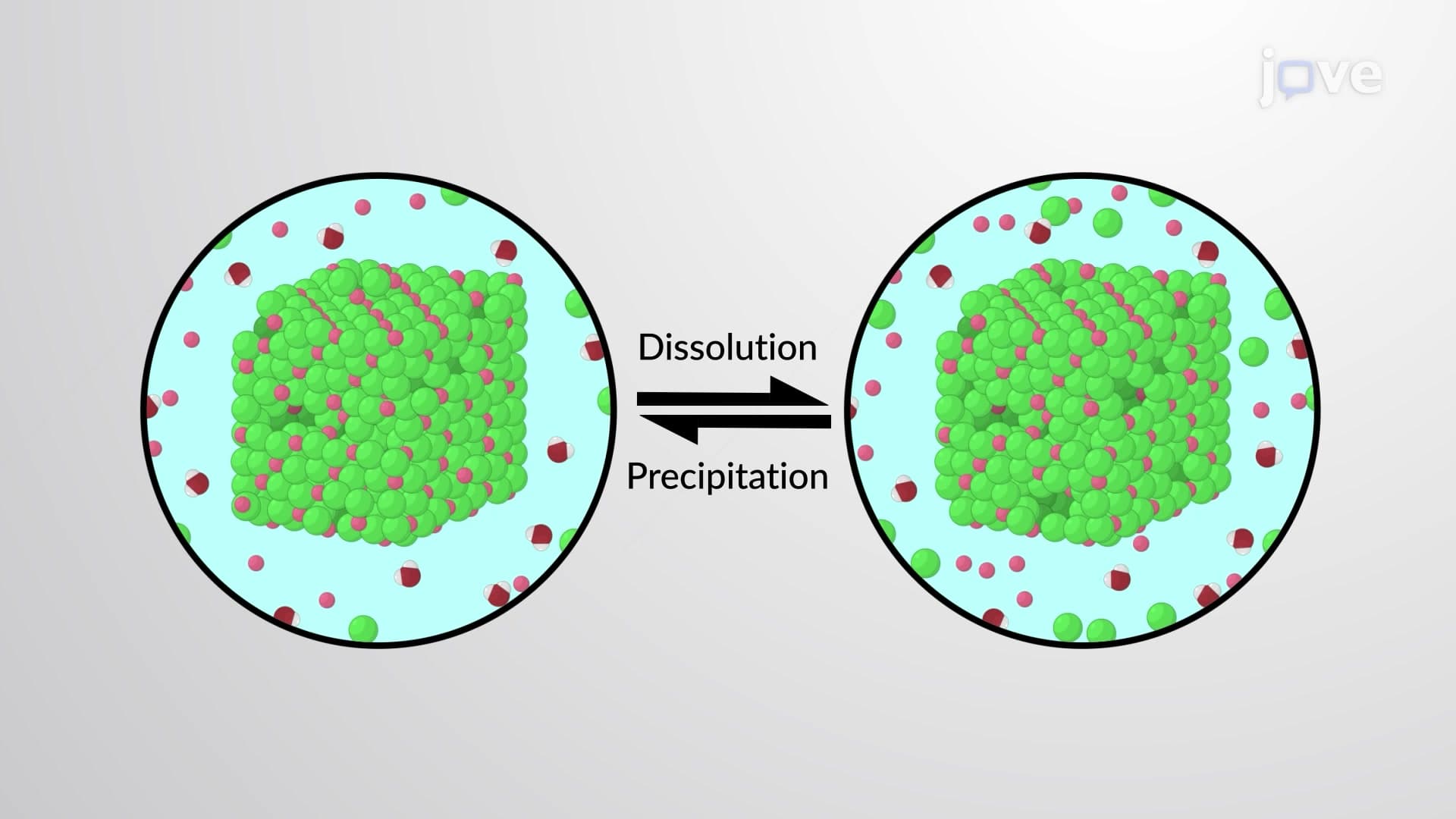
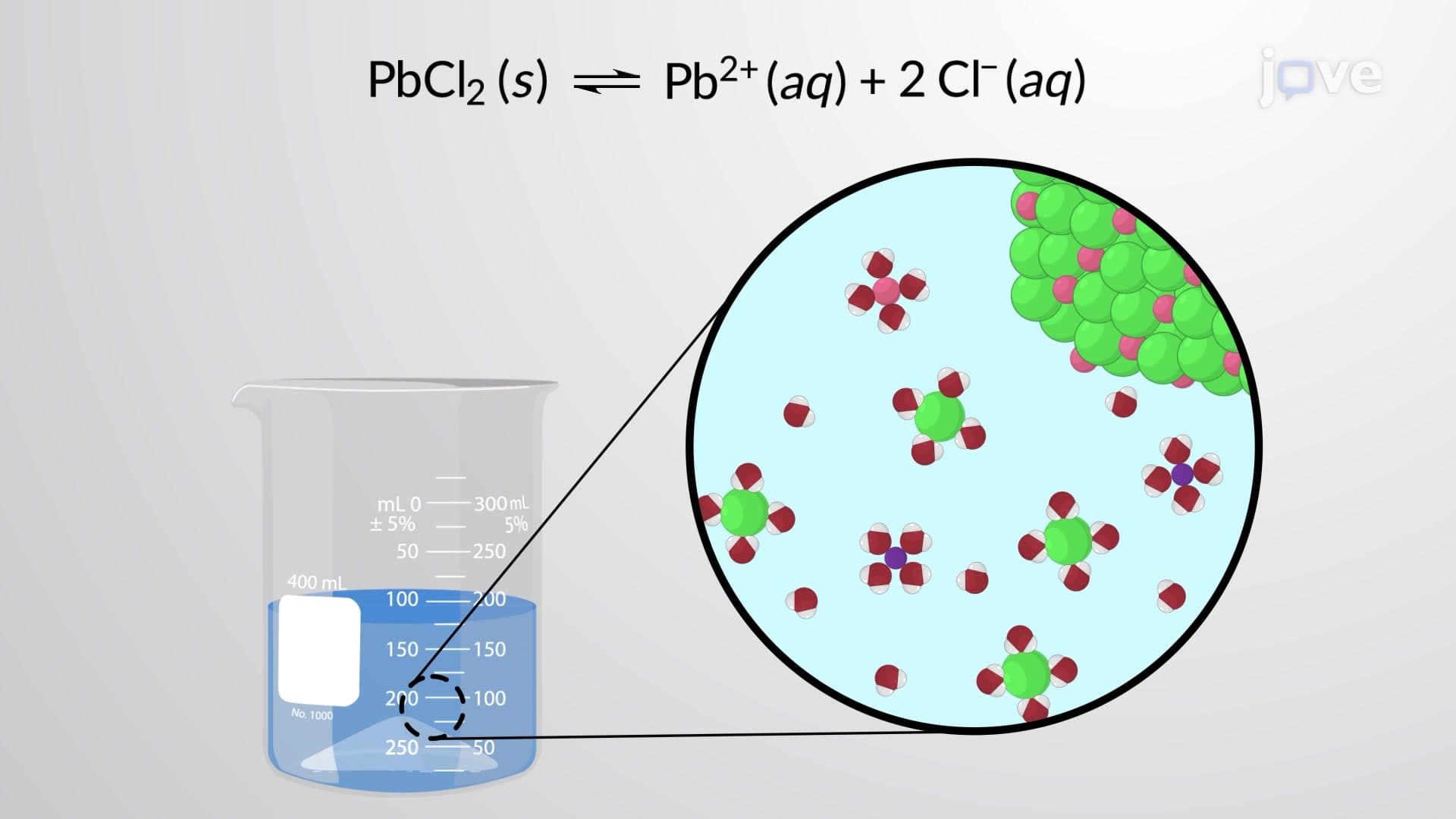
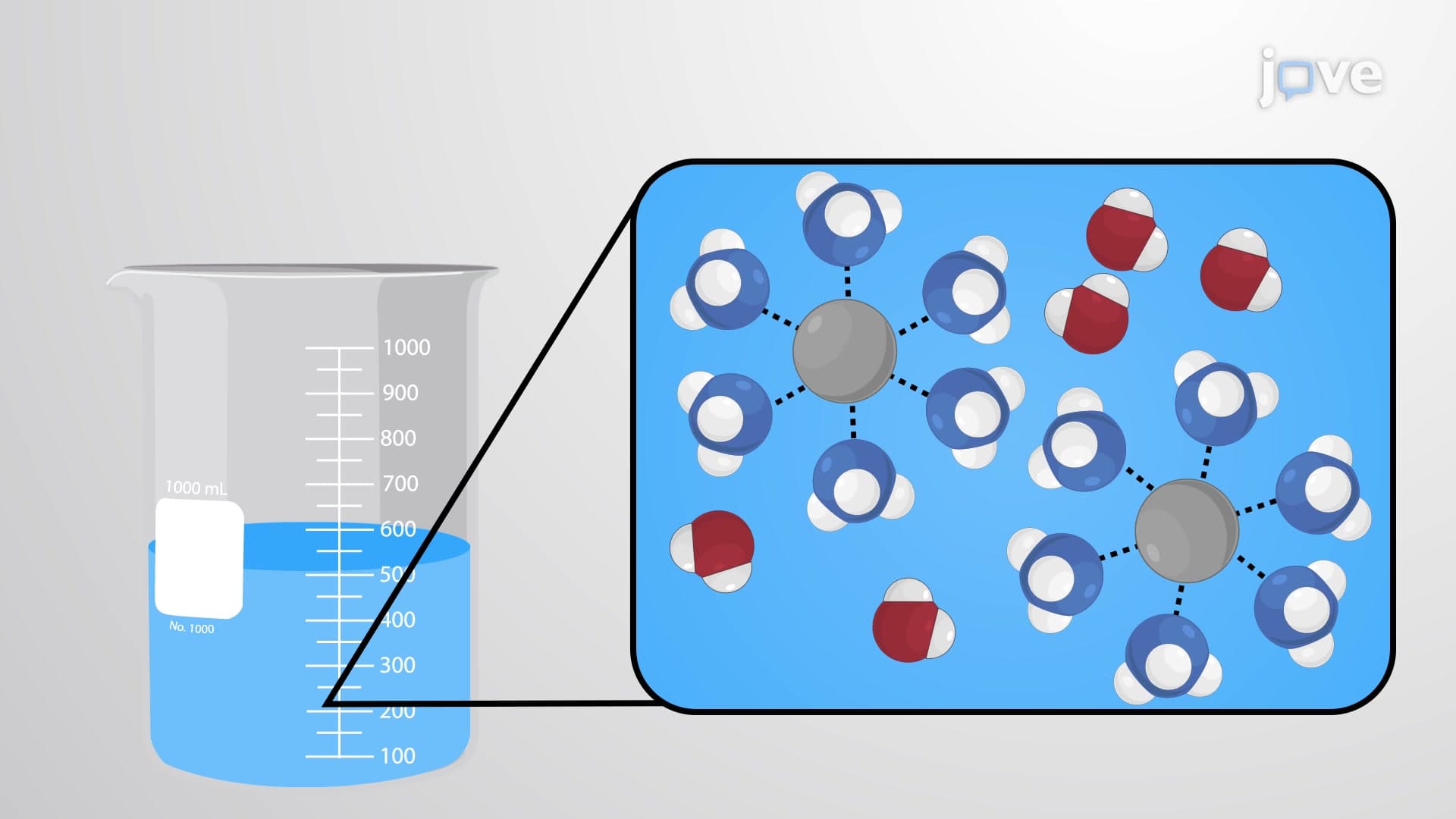
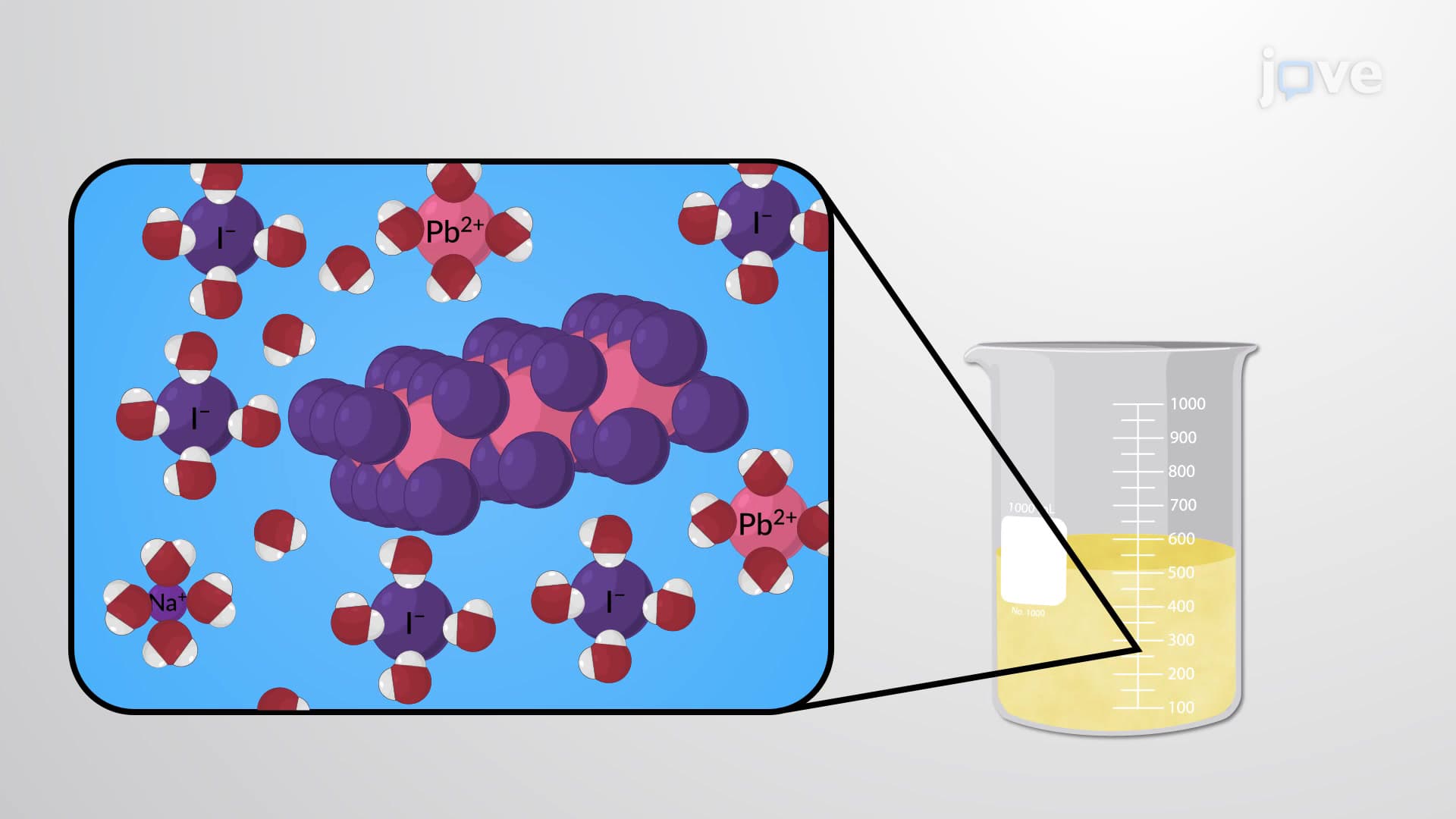
Common Ion Effect

00:00
03:24
Video Summary: What Is Common Ion Effect
Ever wonder why adding table salt to water affects how other salts dissolve? The common ion effect explains this fascinating phenomenon where adding an ion already present in solution dramatically changes chemical equilibrium. In pharmaceutical manufacturing across the US, this principle controls drug crystallization and purification processes. Understanding what is common ion effect helps predict how ionic compounds behave when mixed together in solution. Watch the full video on JoVE Coach to master this concept with expert-led visuals and step-by-step explanations.
- Understand what is common ion effect and how it influences chemical equilibrium in ionic solutions
- Identify common ions in mixed solutions and predict their impact on dissociation reactions
- Analyze how Le Chatelier's principle explains the common ion effect mechanism
- Apply ICE tables and equilibrium expressions to calculate pH changes in common ion systems
- Evaluate the quantitative effects of adding common ions to weak acid and weak base solutions
- Compare dissociation behavior of compounds before and after common ion addition
- Recognize real-world applications of common ion effect in industries and laboratory settings
- Explore problem-solving strategies for common ion effect calculations on standardized exams
Understanding What is Common Ion Effect
The common ion effect represents a fundamental principle in solution chemistry where the presence of an ion common to two different ionic compounds suppresses the dissociation of the less dissociated compound. This phenomenon occurs when you add a highly dissociated salt to a solution containing a weakly dissociated compound that shares a common ion.
Consider the practical example of water treatment plants across the US. When calcium sulfate (slightly soluble) exists in water alongside sodium sulfate (highly soluble), both compounds release sulfate ions. The abundant sulfate ions from sodium sulfate suppress the dissolution of calcium sulfate, reducing water hardness more effectively than predicted by individual solubility rules.
Le Chatelier's Principle and Common Ion Effect Basics
The common ion effect overview connects directly to Le Chatelier's principle, which states that systems at equilibrium respond to stress by shifting to counteract changes. When you introduce additional common ions, the equilibrium shifts toward the molecular form of the weakly dissociated compound.
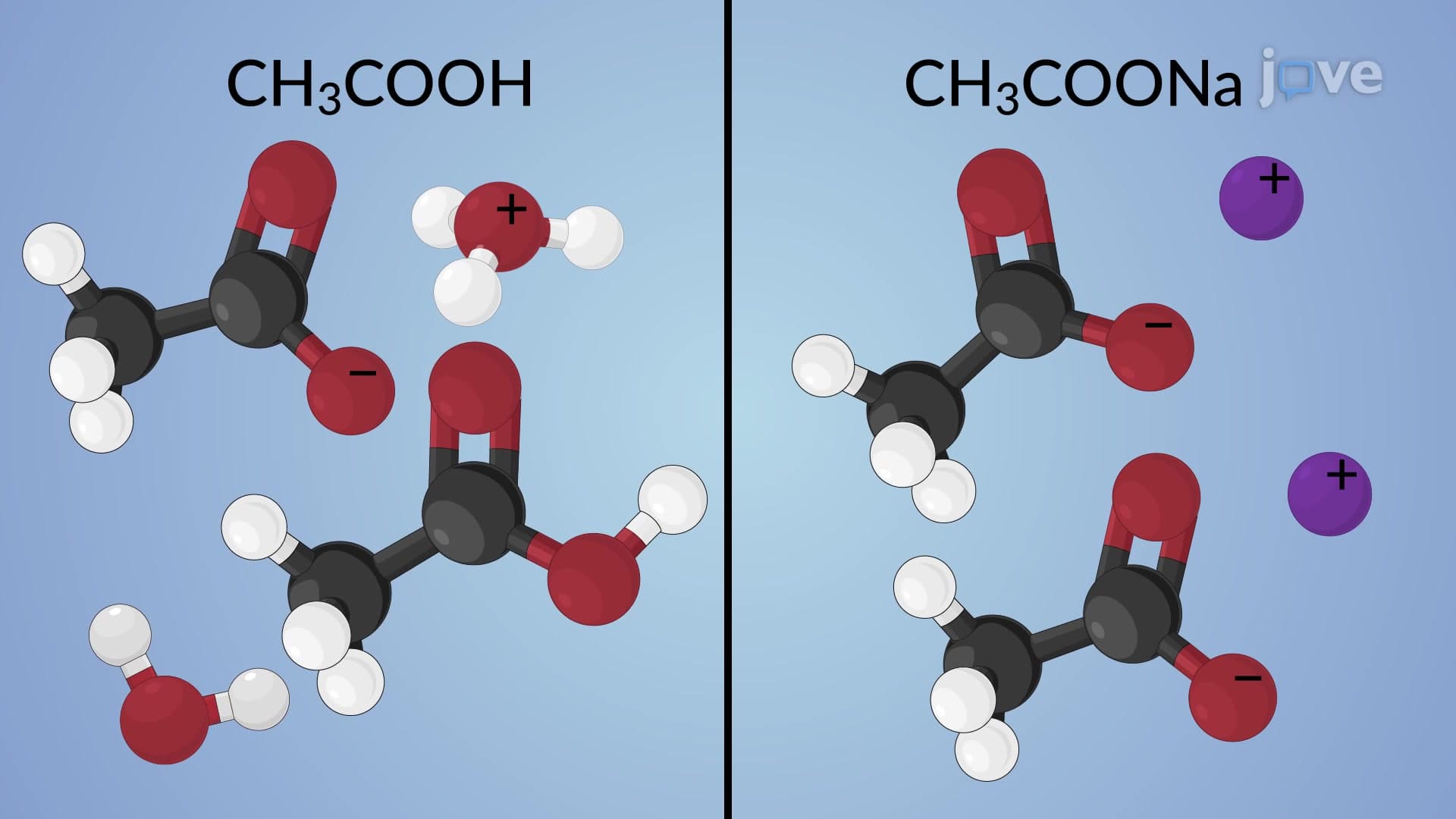
For acetic acid (CH₃COOH) in equilibrium with acetate ions (CH₃COO⁻), adding sodium acetate increases acetate ion concentration. The equilibrium responds by shifting left, converting acetate ions back to molecular acetic acid and reducing the solution's acidity. This common ion effect concept appears frequently in AP Chemistry exams and college-level analytical chemistry courses.
Quantitative Applications and Calculations
Understanding common ion effect requires mastering ICE table calculations. When solving problems involving ammonia (NH₃) and ammonium chloride (NH₄Cl), students must account for the complete dissociation of the salt while treating the weak base dissociation as an equilibrium process.
The mathematical approach involves setting up equilibrium expressions where the common ion concentration receives contributions from both compounds. US pharmaceutical companies utilize these calculations when formulating buffer solutions for injectable medications, ensuring precise pH control despite dilution or contamination.
Industrial and Academic Significance
This common ion effect study guide concept extends beyond classroom theory into practical applications. Medical device manufacturers use common ion principles when designing dialysis solutions, while environmental engineers apply these concepts in wastewater treatment facility design.
Students preparing for the MCAT encounter common ion effect questions in general chemistry sections, particularly regarding biological buffer systems. The concept also appears in college organic chemistry courses when discussing reaction mechanisms involving ionic intermediates, making it essential foundational knowledge for pre-medical students nationwide.
Frequently Asked Questions
The common ion effect occurs when adding a salt containing an ion already present in solution reduces the dissociation of a weakly ionized compound. This happens because the increased ion concentration shifts the equilibrium toward the molecular form, following Le Chatelier's principle.
The common ion effect represents an equilibrium shift phenomenon where introducing additional quantities of an ion common to multiple ionic species suppresses the dissociation of the less dissociated compound. This quantitative relationship involves equilibrium constant expressions and ICE table calculations to determine new concentrations and pH values.
AP Chemistry frequently tests common ion effect through buffer calculation problems and equilibrium shift questions. Students must identify common ions, set up ICE tables, and calculate pH changes when salts are added to weak acid or weak base solutions.
MCAT general chemistry sections include common ion effect in buffer system questions, often relating to physiological pH regulation. Test-takers must calculate how adding salts affects blood buffer capacity and understand common ion principles in kidney function and drug metabolism contexts.
US pharmaceutical companies use common ion effect to control drug crystallization during purification processes. By adding specific salts, manufacturers can reduce the solubility of active pharmaceutical ingredients, improving yield and purity in drug production facilities nationwide.
Understanding common ion effect requires basic algebra and logarithm skills typically taught in high school chemistry. The mathematical concepts involve equilibrium expressions and ICE tables, making it accessible to students with standard chemistry prerequisites.
Practice ICE table setups systematically, focusing on identifying which species dissociate completely versus partially. Work through buffer problems progressively, starting with simple cases before advancing to complex multi-equilibrium systems commonly found on standardized exams.
After understanding common ion effect, explore buffer systems, acid-base titrations, and solubility equilibria. These advanced topics build upon common ion principles and appear frequently in upper-level chemistry courses and professional school entrance exams.
Related Micro-courses