Loading subject page…


925,504 views

Video Summary: What Is Henderson Hasselbalch Equation
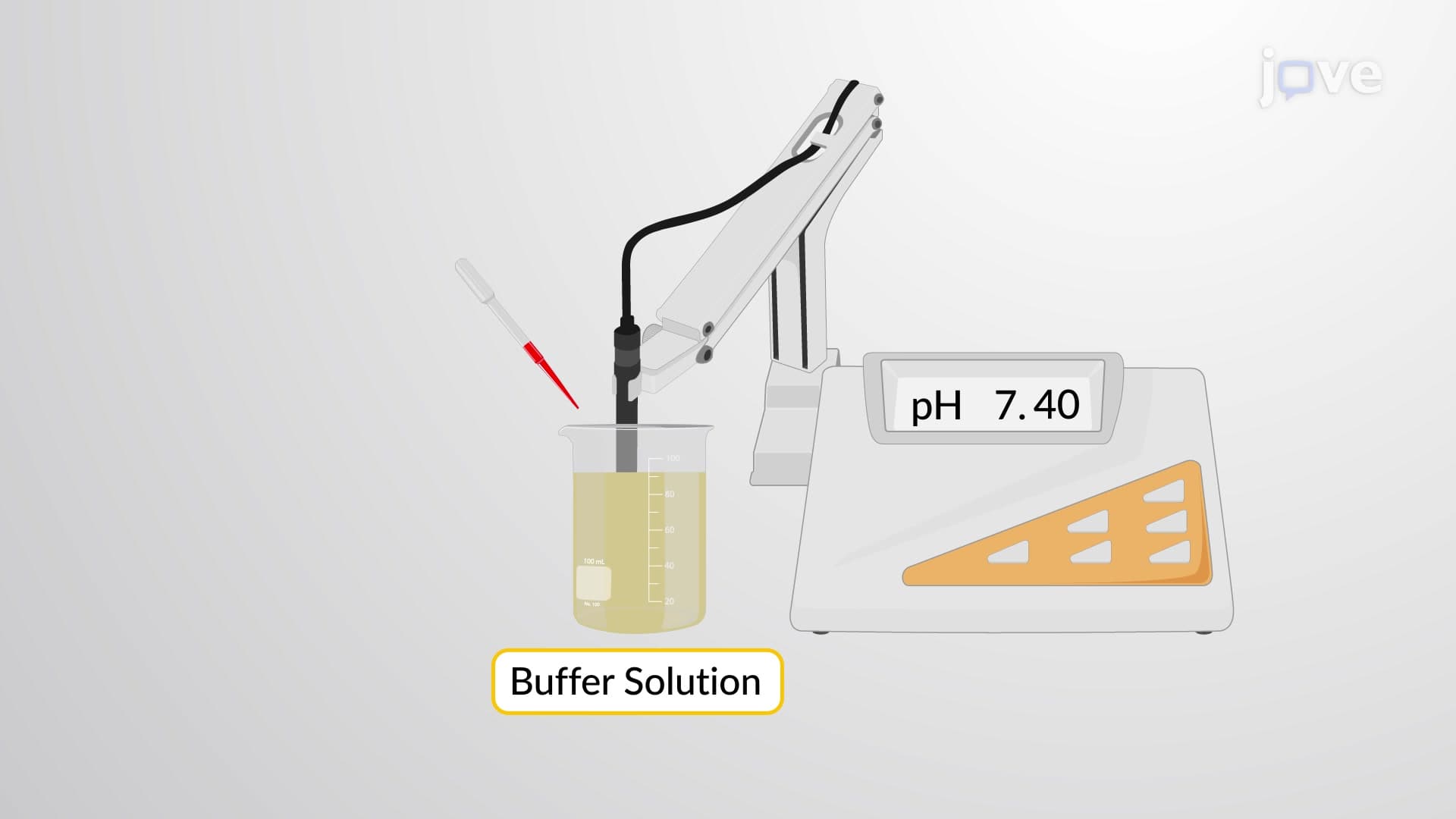
Ever wonder how your blood maintains a stable pH of 7.4 despite constant metabolic changes? The Henderson Hasselbalch equation provides the mathematical foundation for understanding buffer systems that keep biological fluids stable. This fundamental equation allows chemists and medical professionals to calculate pH in buffered solutions, from blood plasma in US hospitals to quality control in pharmaceutical manufacturing. What is Henderson Hasselbalch equation in practice? It's the bridge between theoretical acid-base chemistry and real-world applications. Watch the full video on JoVE Coach to master this concept with expert-led visuals and step-by-step explanations.
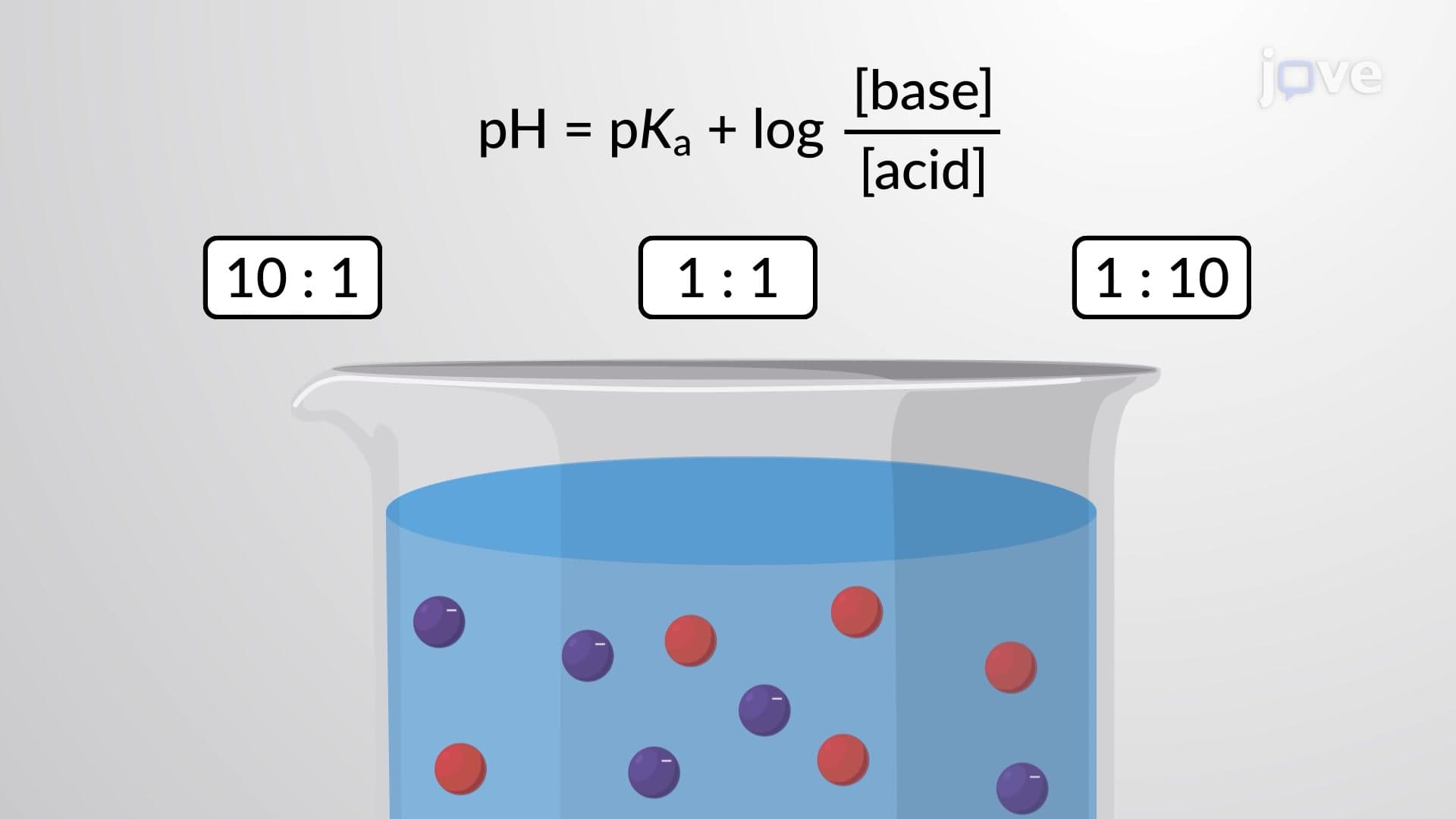
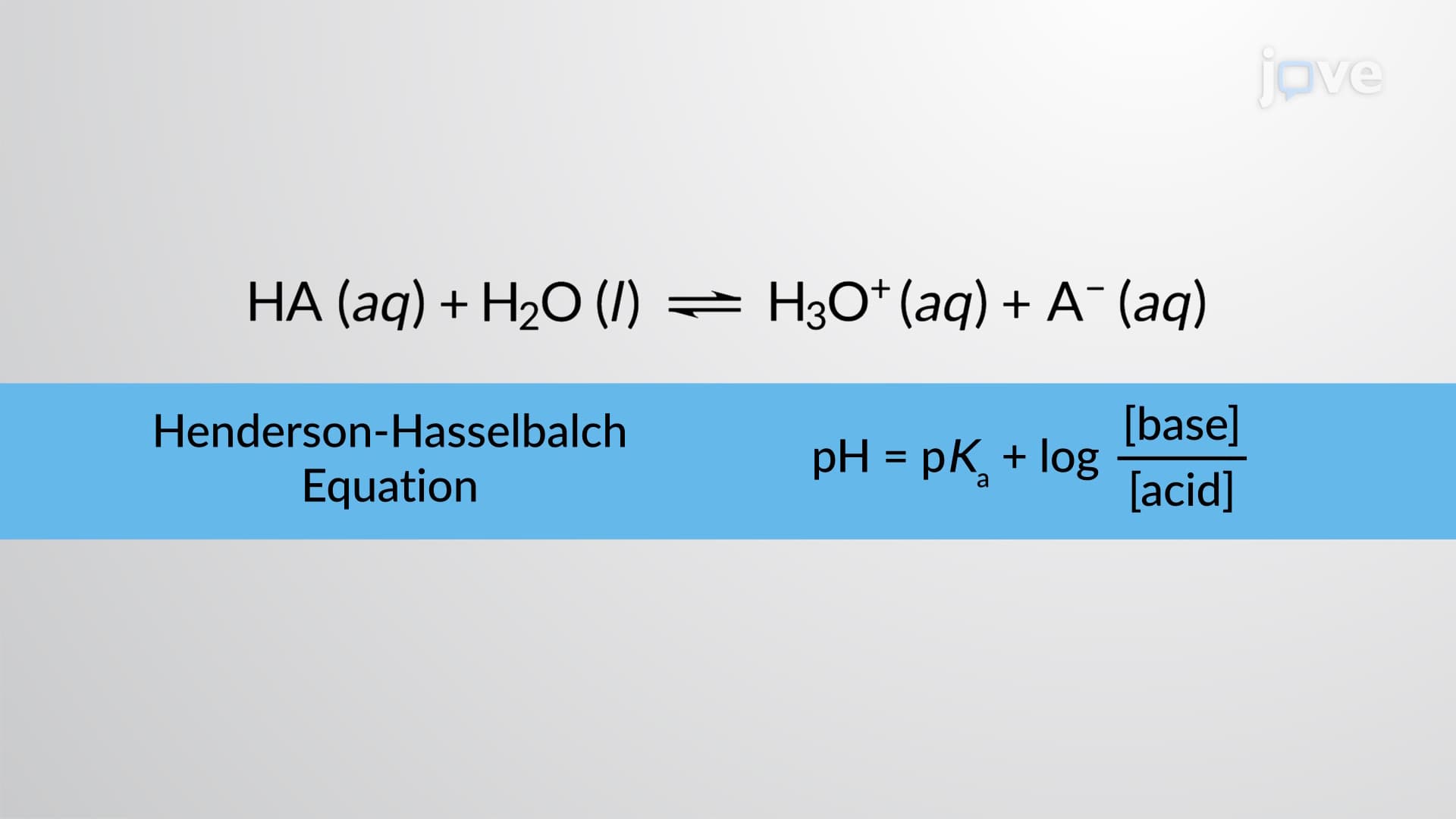
The Henderson Hasselbalch equation represents one of chemistry's most practical tools for understanding acid-base equilibrium. Written as pH = pKa + log([A⁻]/[HA]), this elegant expression connects the measurable pH of a solution to the fundamental properties of weak acids and their conjugate bases. Unlike complex ICE table calculations, this equation provides direct access to buffer behavior when equilibrium approximations hold valid.
The equation emerges from rearranging the acid dissociation constant expression: Ka = [H₃O⁺][A⁻]/[HA]. Taking negative logarithms of both sides transforms this into the familiar Henderson Hasselbalch form. This mathematical transformation reveals why equal concentrations of weak acid and conjugate base (ratio = 1) produce a pH equal to the pKa-a principle crucial for designing pharmaceutical formulations and understanding physiological buffer systems.
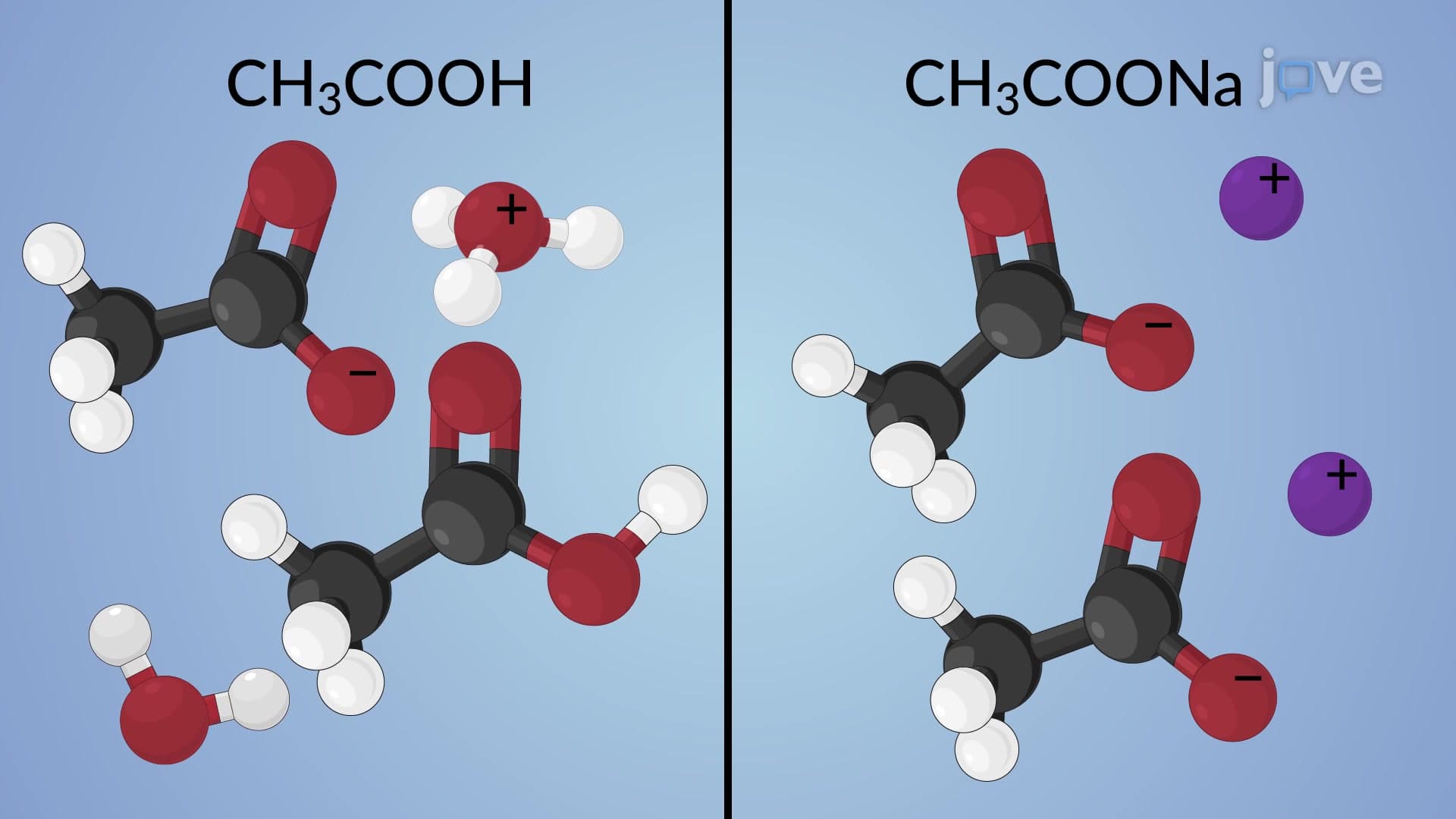
US medical laboratories routinely apply Henderson Hasselbalch principles when analyzing blood gas samples. The bicarbonate buffer system in human blood (HCO₃⁻/H₂CO₃) maintains physiological pH through this equation's predictions. Pharmaceutical companies manufacturing injectable medications must ensure proper pH using Henderson Hasselbalch calculations to prevent tissue damage and maintain drug stability. Environmental chemists monitoring acid rain effects on US waterways also rely on these principles to assess ecosystem buffer capacity.
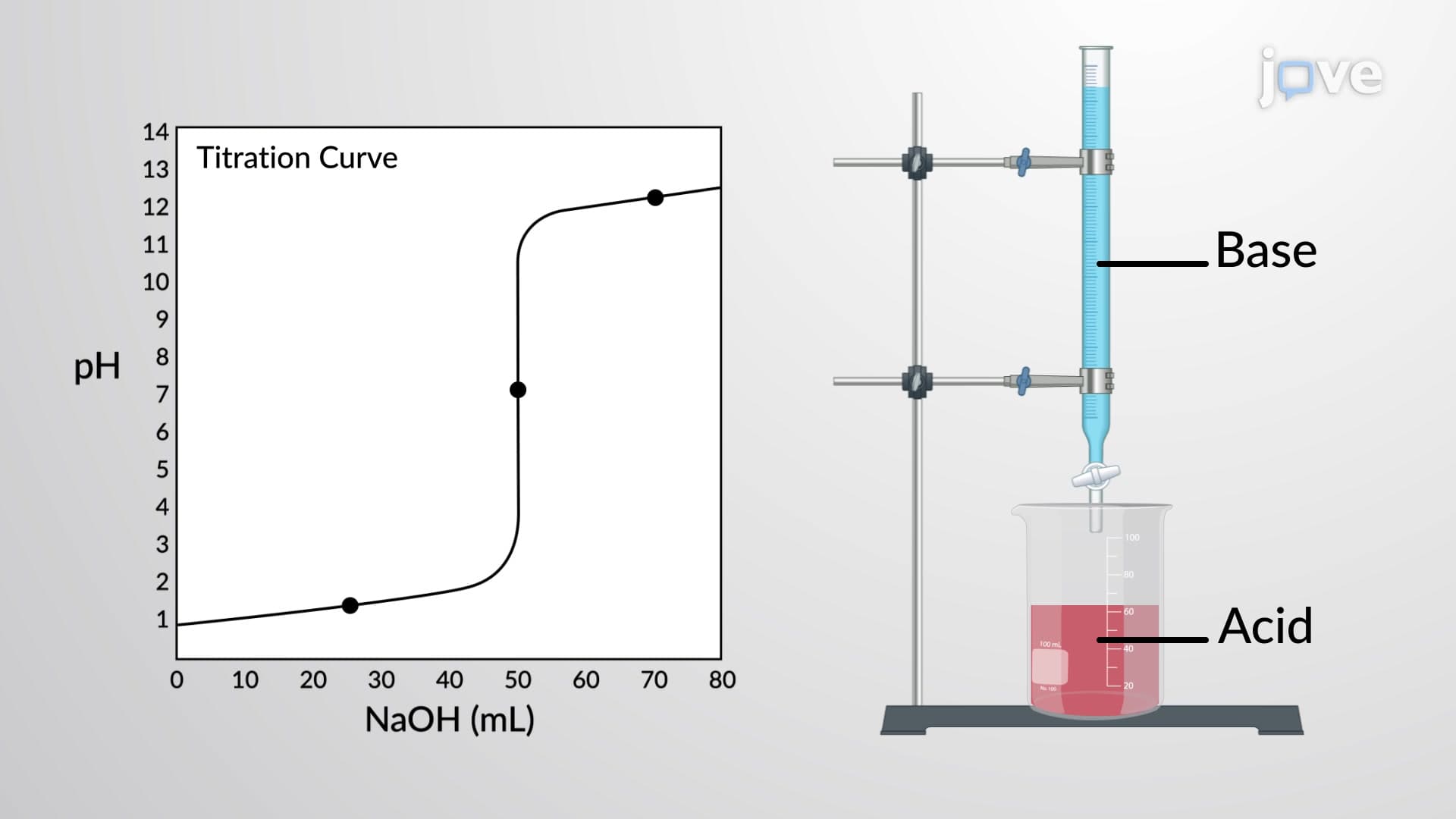
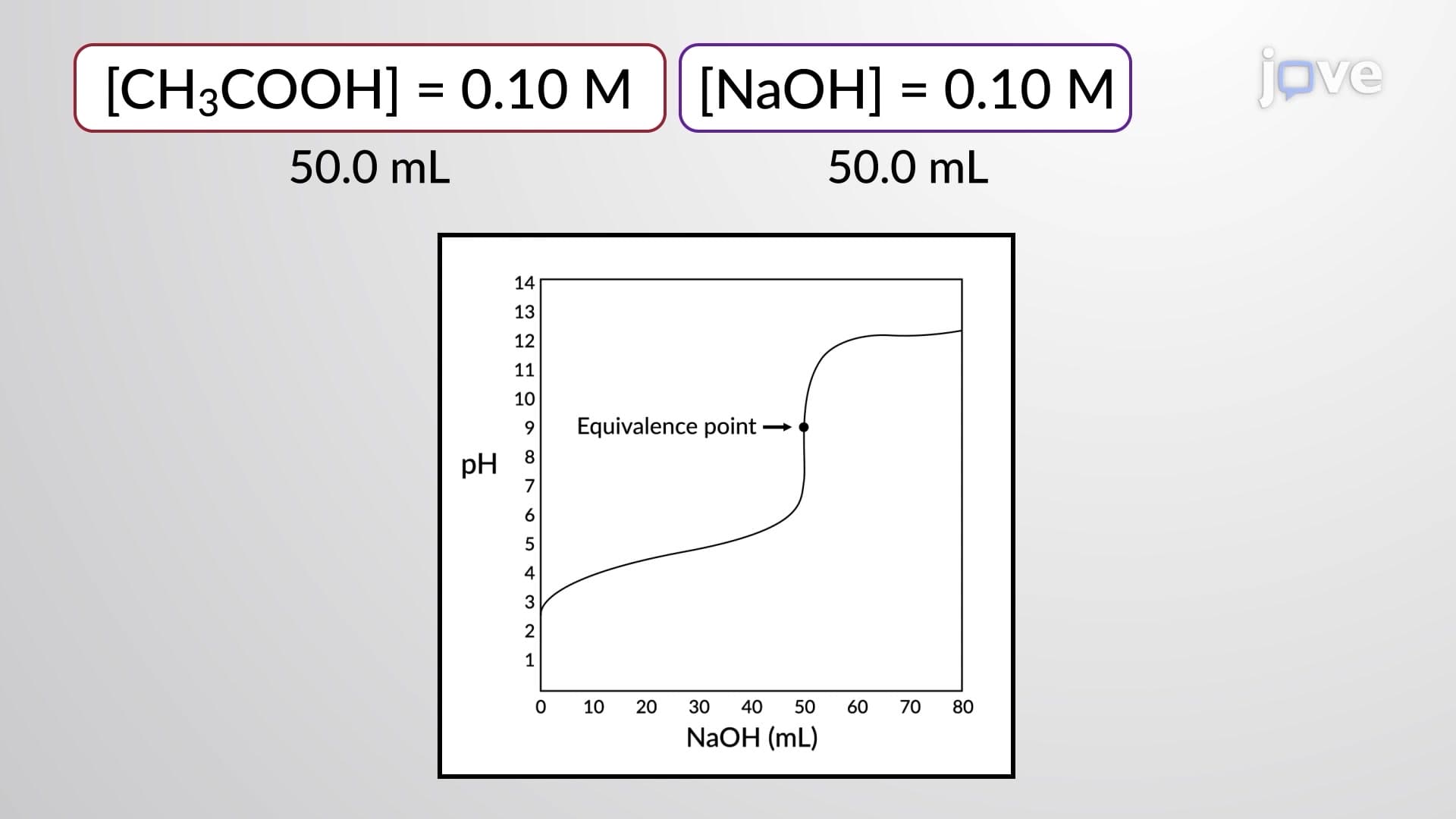
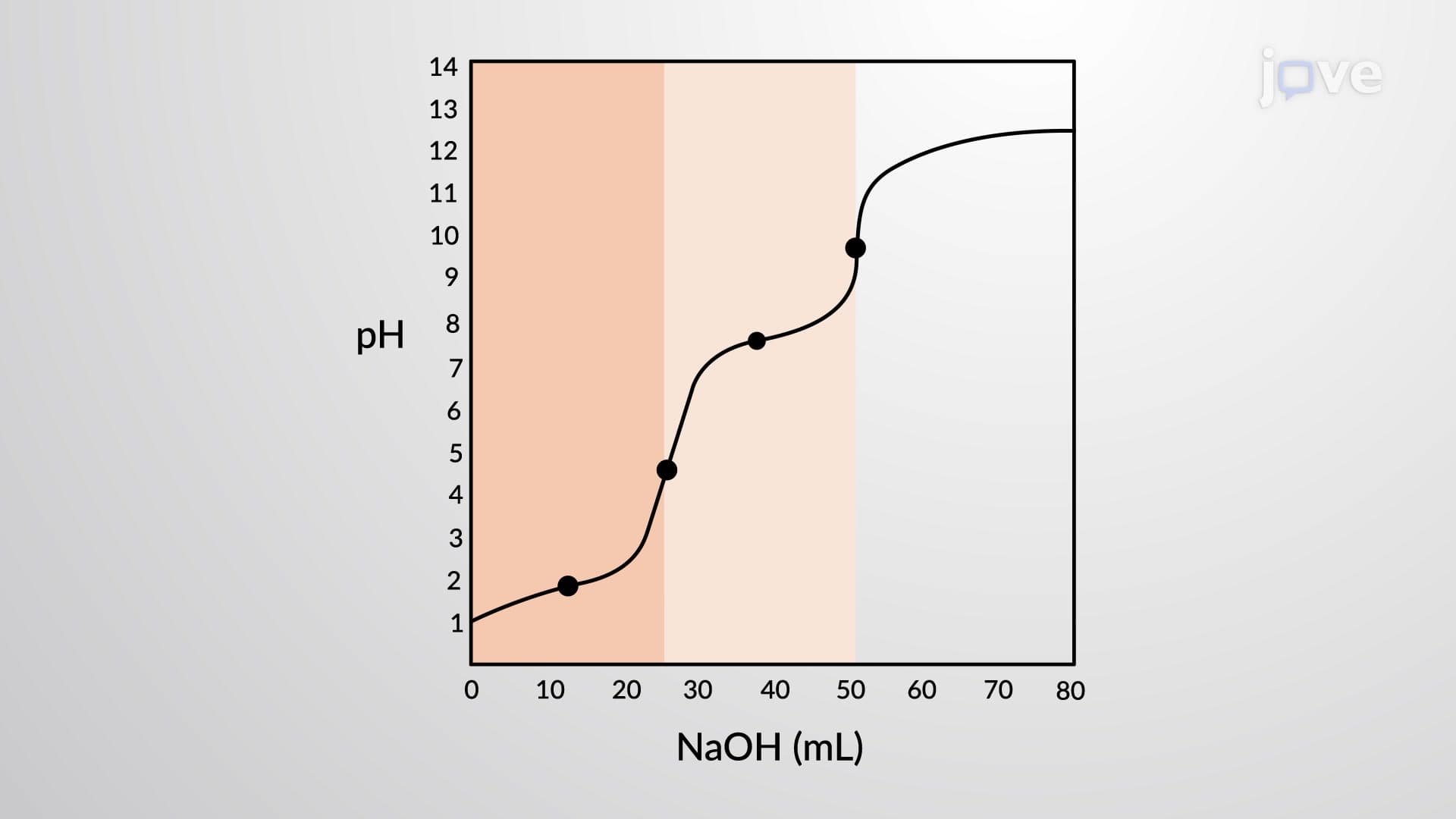
Students preparing for the MCAT, AP Chemistry, or college organic chemistry courses encounter Henderson Hasselbalch problems frequently. The key to success lies in recognizing when approximations apply-typically when the change in hydronium concentration remains below 5% of initial concentrations. Practice with formic acid/formate buffers, acetic acid systems, and biological examples like phosphate buffers builds confidence for standardized exams. Many college chemistry midterms feature multi-step problems combining Henderson Hasselbalch calculations with titration curves and buffer preparation scenarios.
Related Micro-courses