Loading subject page…

Micro-course: Acid-base and Solubility Equilibria
925,504 views
Learn key concepts and earn your certificate.


Indicators

00:00
02:39
Video Summary: What Is Indicators
Ever wonder why litmus paper turns red or blue when dipped in household cleaners? Indicators are chemical compounds that dramatically change color based on a solution's pH level, making invisible acidity or basicity instantly visible. From testing swimming pool water in California to quality control at Coca-Cola's Atlanta facilities, indicators serve as essential pH monitors across countless US industries. Watch the full video on JoVE Coach to master this concept with expert-led visuals and step-by-step explanations.
- Understand what indicators are and how they function as pH-sensitive chemical compounds that change color based on solution acidity or basicity
- Identify the molecular mechanism behind indicator color changes, including the equilibrium between weak acid forms (HIn) and conjugate base forms (In-)
- Analyze the relationship between an indicator's pKa value and its effective pH range for color transitions
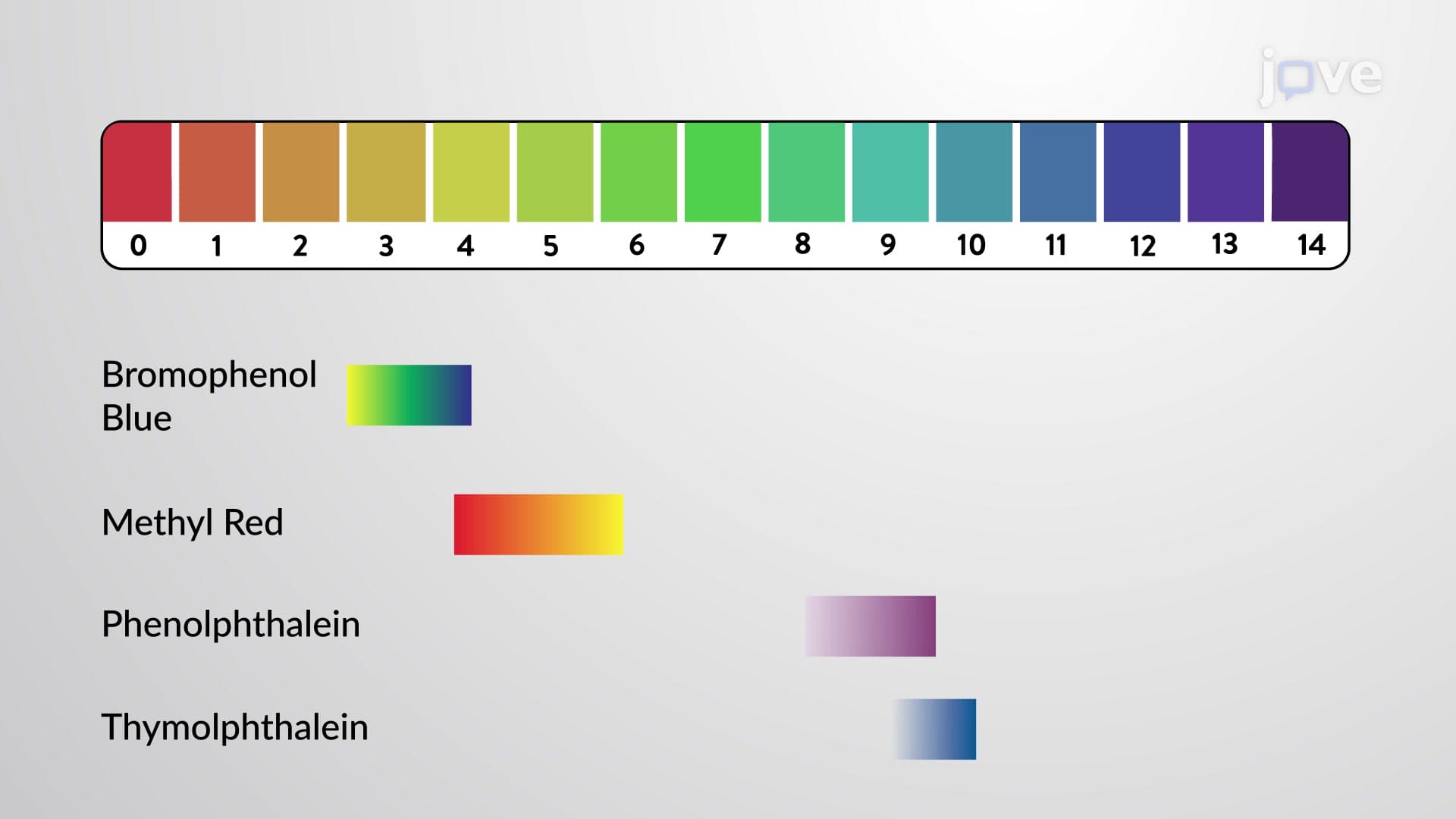
- Compare different types of indicators and their specific pH intervals, such as phenolphthalein (8.3-10) versus methyl red (4.2-6)
- Evaluate which indicators are most appropriate for different types of titrations based on equivalence point locations
- Apply indicator selection principles to distinguish between strong acid-strong base and weak acid-strong base titrations
- Recognize the concept of endpoint versus equivalence point in analytical chemistry applications
- Explore real-world applications of indicators in laboratory analysis, environmental monitoring, and industrial quality control
Understanding What Indicators Are
Indicators represent a fascinating class of chemical compounds that serve as molecular "traffic lights" for pH measurement. These substances contain weak acids that exist in equilibrium with their conjugate bases, with each form displaying distinctly different colors. When the pH of a solution changes, the equilibrium shifts, causing a visible color transformation that allows chemists to monitor acidity levels without expensive electronic equipment.
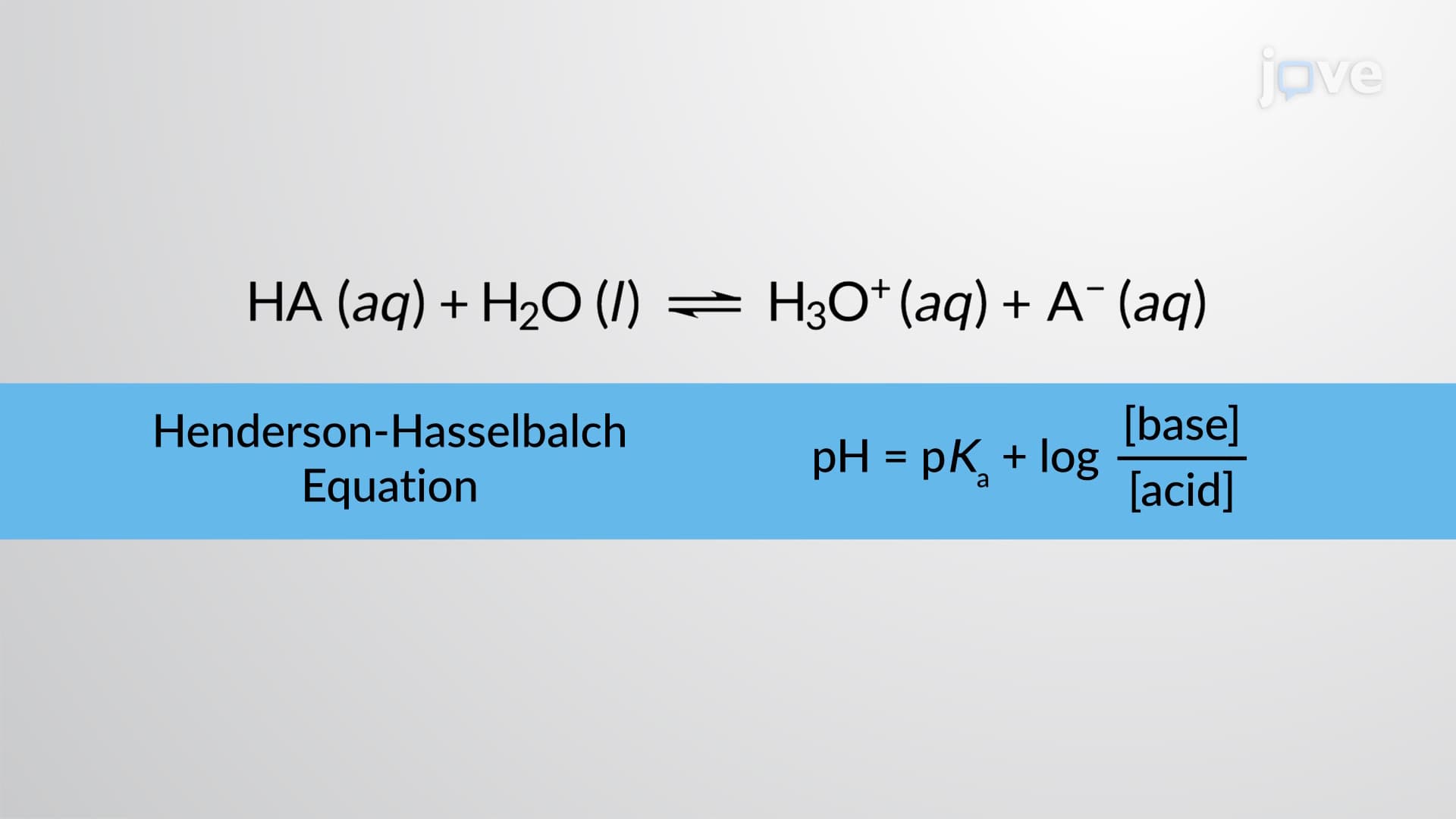
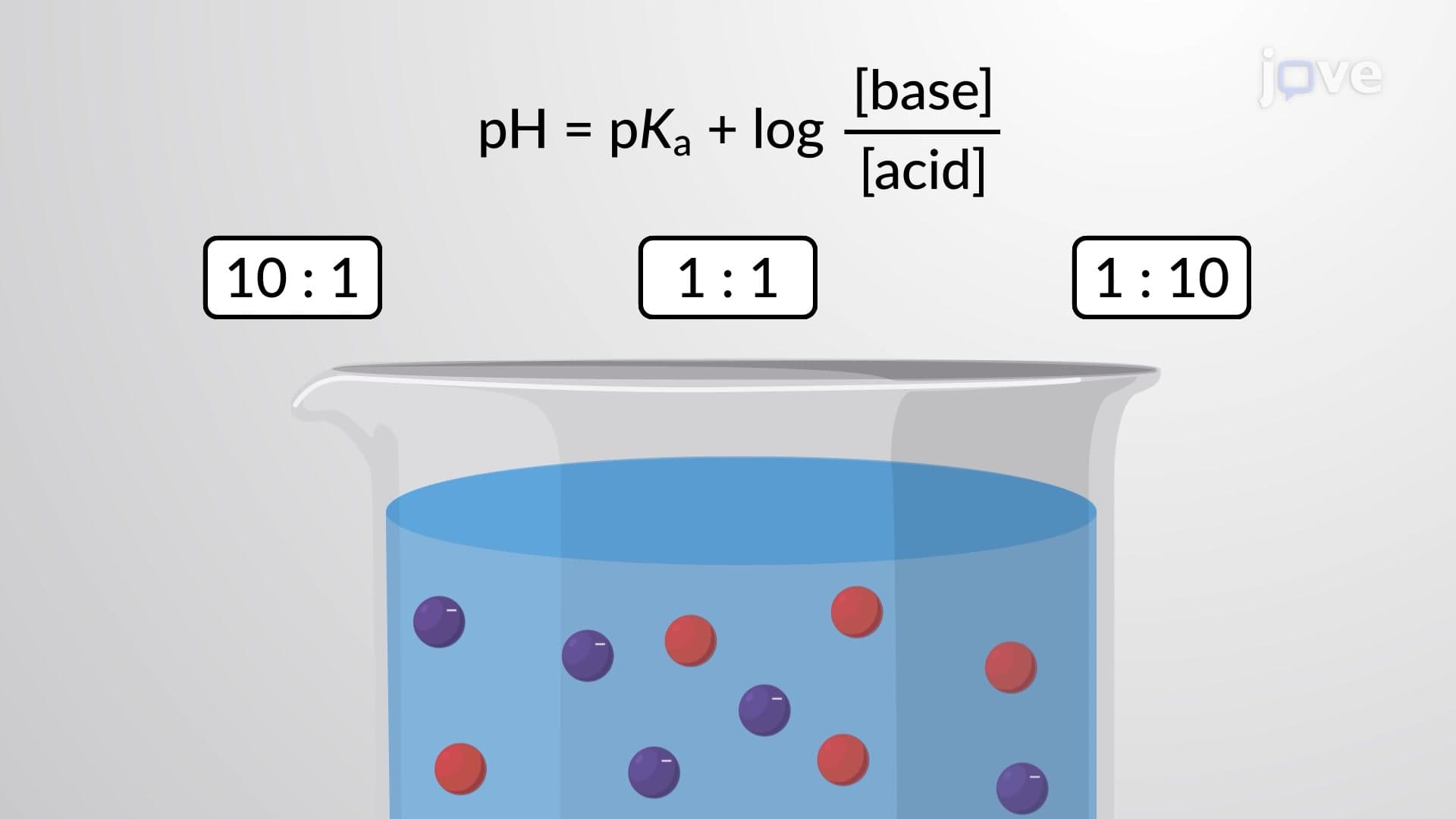
The molecular foundation of indicator behavior centers on the Henderson-Hasselbalch equation and Le Chatelier's principle. Consider an indicator represented as HIn (the acidic form) in equilibrium with H+ + In- (the basic form). When solution pH drops below the indicator's pKa value, high hydronium ion concentration drives the equilibrium toward the HIn form, displaying one characteristic color. Conversely, when pH rises above the pKa, the equilibrium favors the In- form, revealing a completely different color.
Indicator Selection for Titrations
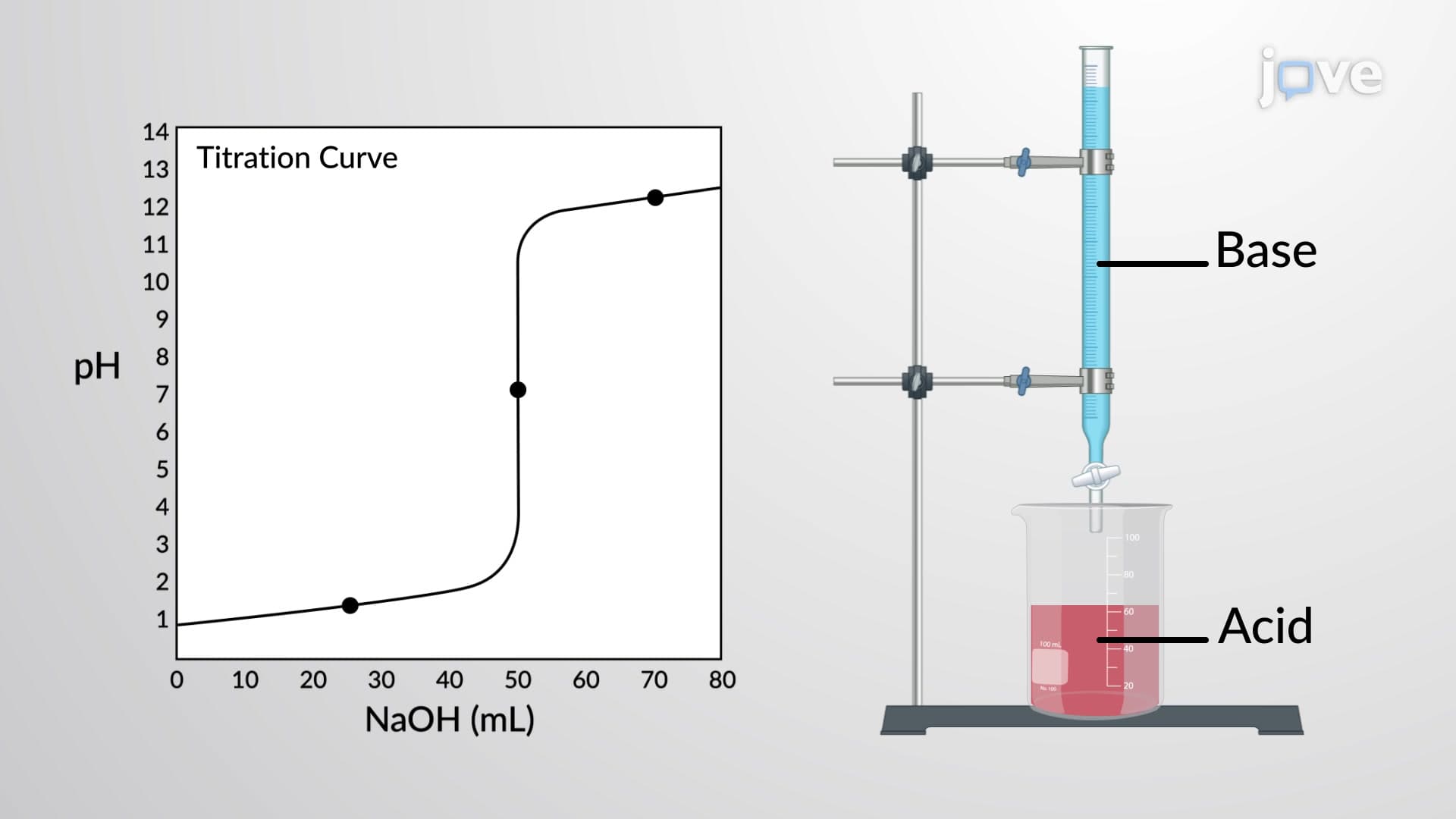
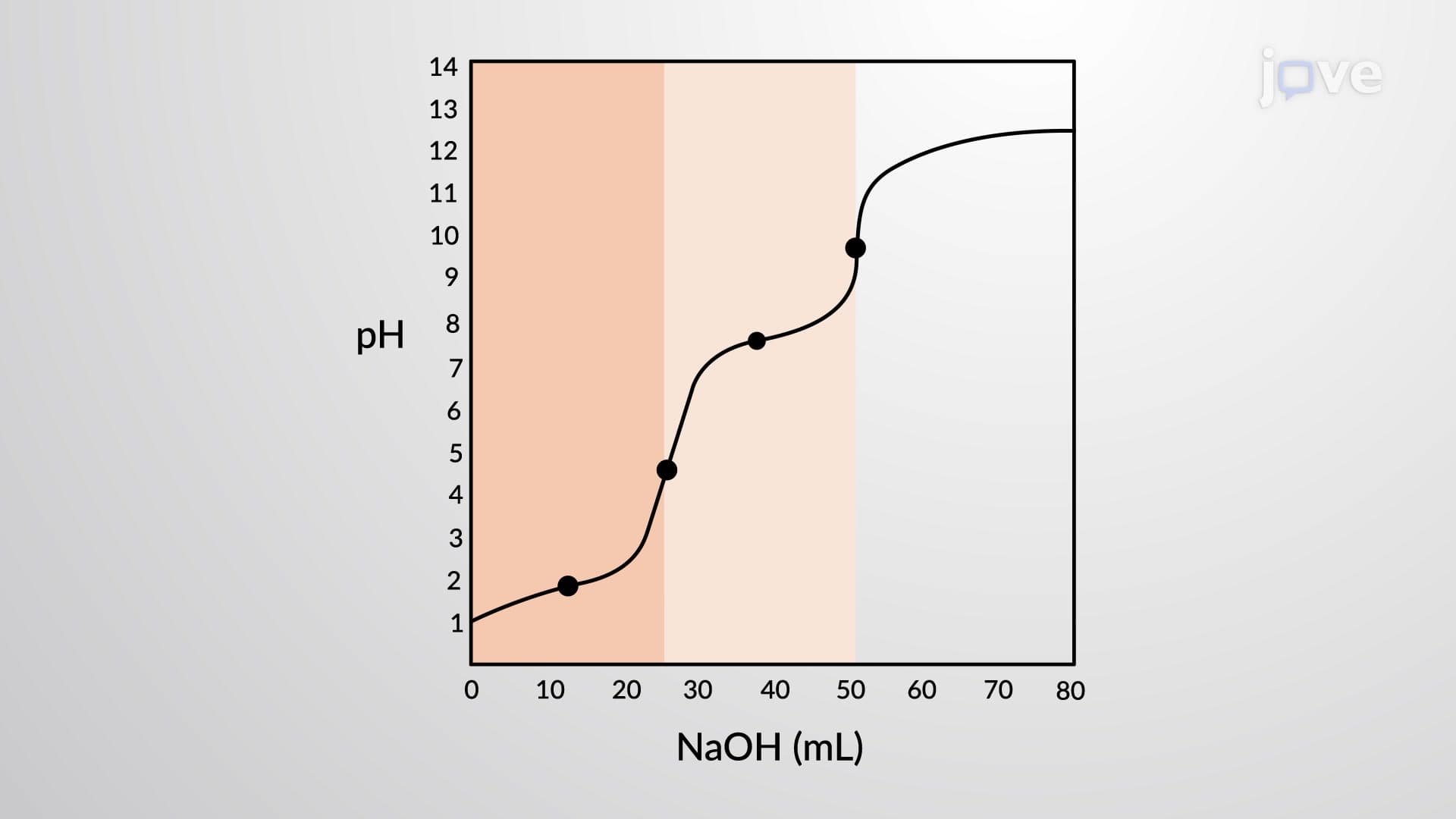
Choosing the appropriate indicator requires understanding the relationship between equivalence points and endpoints. The equivalence point represents the theoretical moment when moles of acid exactly equal moles of base added, while the endpoint marks the observable color change. For accurate results, these two points should coincide as closely as possible.
Strong acid-strong base titrations, such as hydrochloric acid titrated with sodium hydroxide, produce steep pH curves with rapid transitions near the equivalence point. This allows flexibility in indicator choice-both phenolphthalein and methyl red work effectively because their color-change ranges overlap with the sharp pH jump. Students preparing for AP Chemistry exams frequently encounter this concept, as it demonstrates fundamental acid-base equilibrium principles.
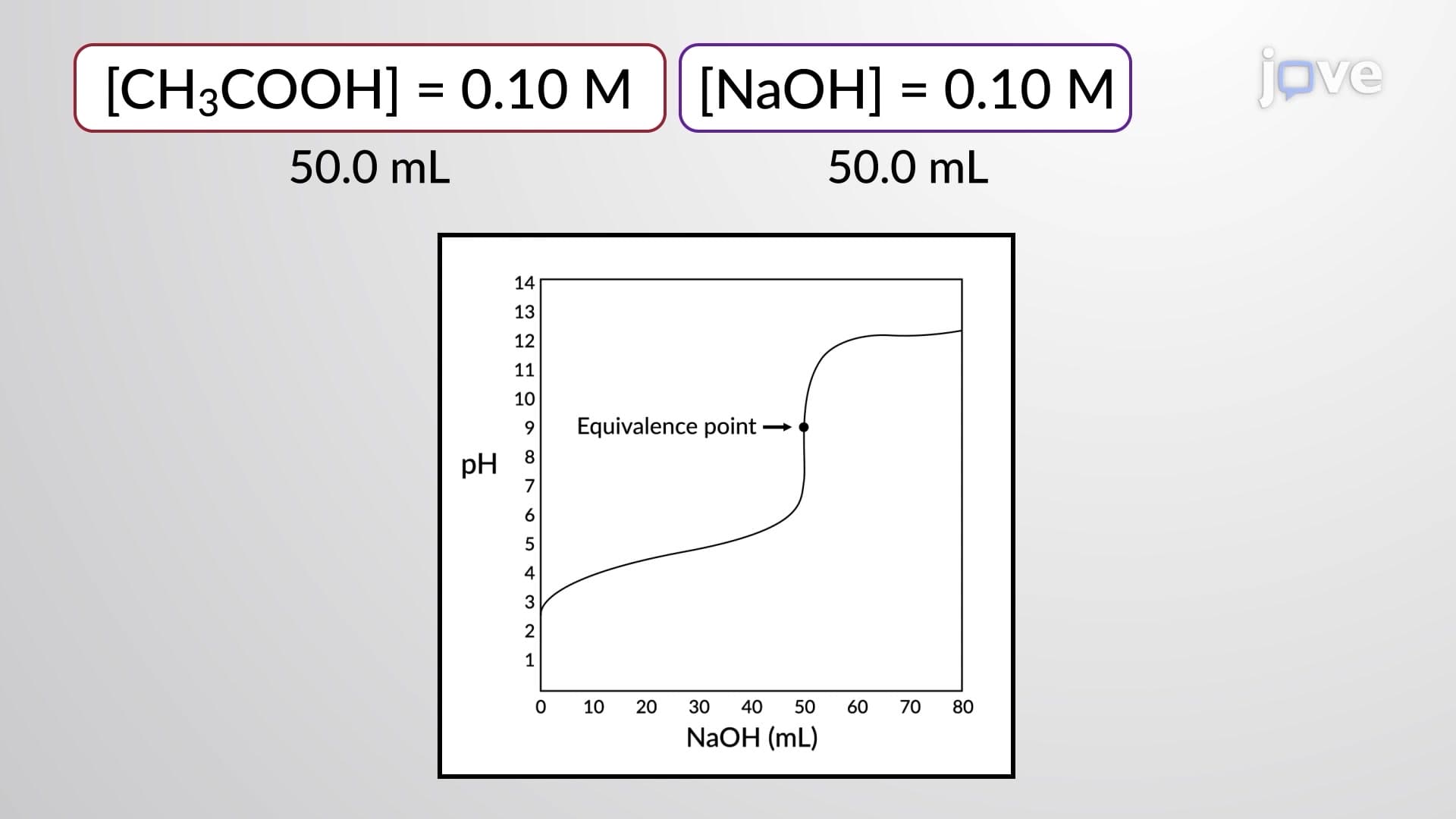
Weak acid-strong base titrations present greater challenges. When titrating acetic acid (found in vinegar) with sodium hydroxide, the pH curve shows a more gradual transition, requiring careful indicator selection. Phenolphthalein remains effective here, but methyl red would change color too early, leading to inaccurate endpoint determination.
Real-World Applications and Exam Relevance
Understanding indicators proves essential for various US career paths. Environmental scientists use indicators to monitor acid rain effects in Adirondack Park lakes, while food scientists at companies like General Mills employ indicators for quality control in product development. Medical laboratory technicians rely on indicator-based tests for urinalysis and blood chemistry panels.
For students preparing for standardized exams, indicators frequently appear on MCAT biochemistry sections, AP Chemistry free-response questions, and college organic chemistry midterms. Mastery requires understanding both theoretical equilibrium concepts and practical laboratory applications, including error analysis when endpoints don't perfectly match equivalence points.
Frequently Asked Questions
Indicators are weak acid compounds that change color based on pH levels by shifting between their acidic (HIn) and basic (In-) forms. When pH changes, the equilibrium between these forms shifts, producing visible color transitions that allow chemists to monitor solution acidity without electronic instruments. This makes them invaluable for laboratory titrations and field testing applications.
AP Chemistry frequently includes indicator questions in both multiple-choice and free-response sections, focusing on titration curve analysis and appropriate indicator selection. Students must identify which indicators work best for different acid-base combinations and explain why certain indicators fail in specific titrations. Practice problems often involve comparing phenolphthalein versus methyl red effectiveness in various scenarios.
MCAT biochemistry sections test indicator knowledge through buffer system analysis and physiological pH regulation concepts. Questions often connect indicator behavior to biological systems like blood pH maintenance or enzyme activity optimization. Understanding Henderson-Hasselbalch relationships with indicators helps solve complex biochemical equilibrium problems that frequently appear in passage-based questions.
Focus on phenolphthalein (colorless to pink, pH 8.3-10), methyl red (red to yellow, pH 4.2-6), and litmus (red to blue, pH 5-8) as these appear most frequently on exams. Know their color changes, pH ranges, and appropriate applications in different titration types. Many professors expect students to select indicators based on equivalence point locations without reference materials.
Pool maintenance companies across the US use phenol red indicators to monitor chlorinated water pH, ensuring swimmer safety and equipment protection. Food manufacturers like Kraft Heinz employ indicators for quality control in sauce production, while environmental consulting firms use indicator solutions to assess groundwater contamination from industrial sites. Pharmaceutical companies rely on indicators for drug purity testing and formulation development.
Basic understanding of acids, bases, and equilibrium concepts provides sufficient foundation for indicator comprehension. While molecular orbital theory offers deeper insight, high school chemistry covering pH calculations and Le Chatelier's principle adequately prepares students for most indicator applications. The visual nature of color changes makes indicators among chemistry's most accessible concepts for beginners.
Progress to buffer systems and their applications in biological chemistry, then explore electrochemical methods like pH meters and ion-selective electrodes. Advanced topics include spectrophotometric analysis and how indicators relate to molecular orbital theory in organic chemistry. These concepts build naturally from indicator fundamentals while preparing students for upper-level analytical chemistry coursework.
Related Micro-courses