Loading subject page…

- Chemistry
- Acid Base and Solubility Equilibria
- Qualitative Analysis
Micro-course: Acid-base and Solubility Equilibria
925,504 views
Learn key concepts and earn your certificate.


Qualitative Analysis

00:00
03:46
Video Summary: What Is Qualitative Analysis
Ever wondered how forensic scientists identify unknown substances at crime scenes? Qualitative analysis chemistry provides the systematic approach to determine which metal ions are present in mystery solutions. This qualitative identification method uses selective precipitation reactions to separate and identify 22 common cations through five distinct groups. For example, the FBI's crime labs regularly use these techniques to analyze trace metal evidence from suspects or victims. Watch the full video on JoVE Coach to master this concept with expert-led visuals and step-by-step explanations.
- Understand what is qualitative analysis and its fundamental role in identifying unknown metal ions through systematic precipitation methods
- Identify the five cation groups based on their solubility characteristics and specific precipitating reagents used in qualitative analysis
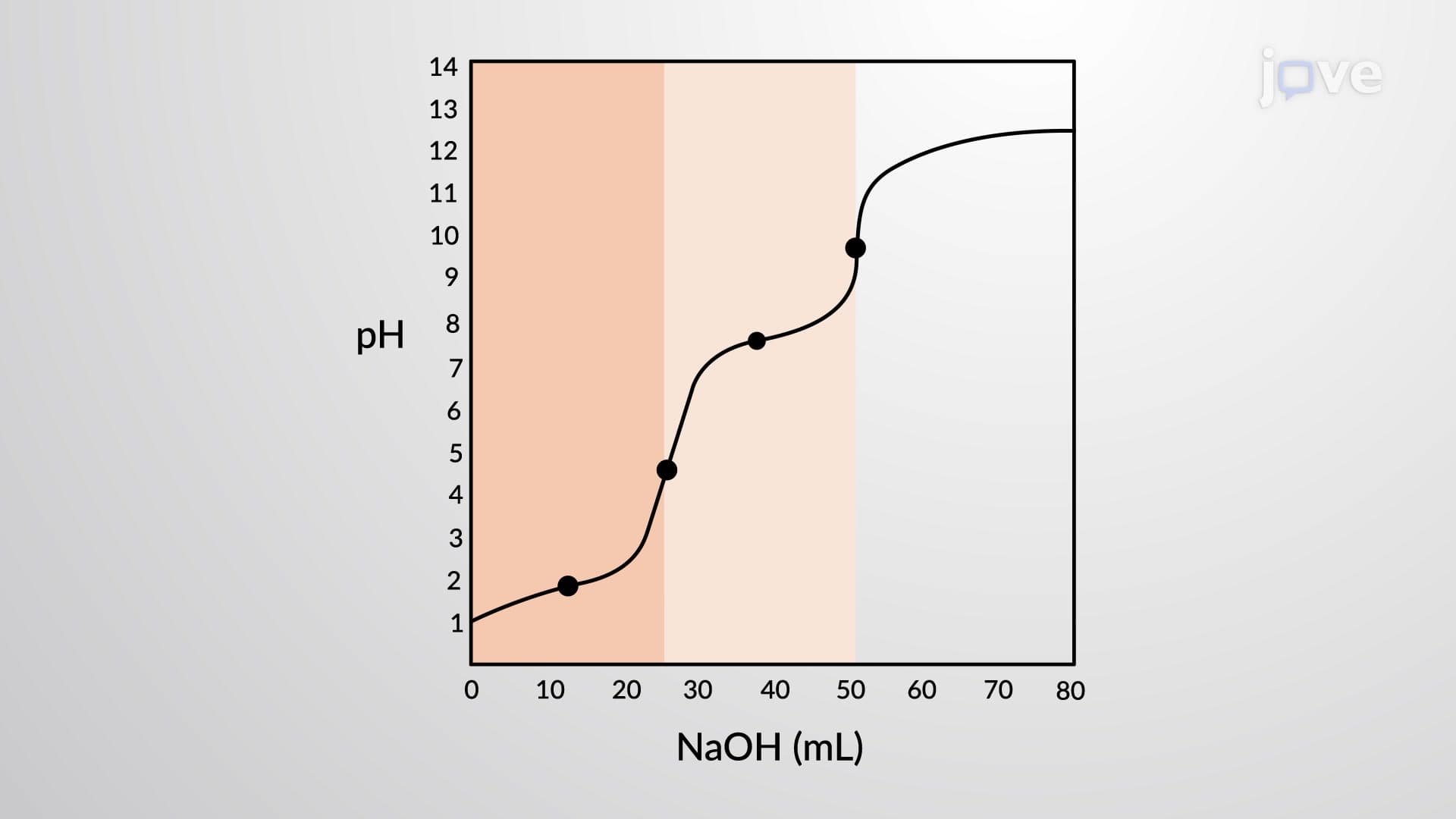
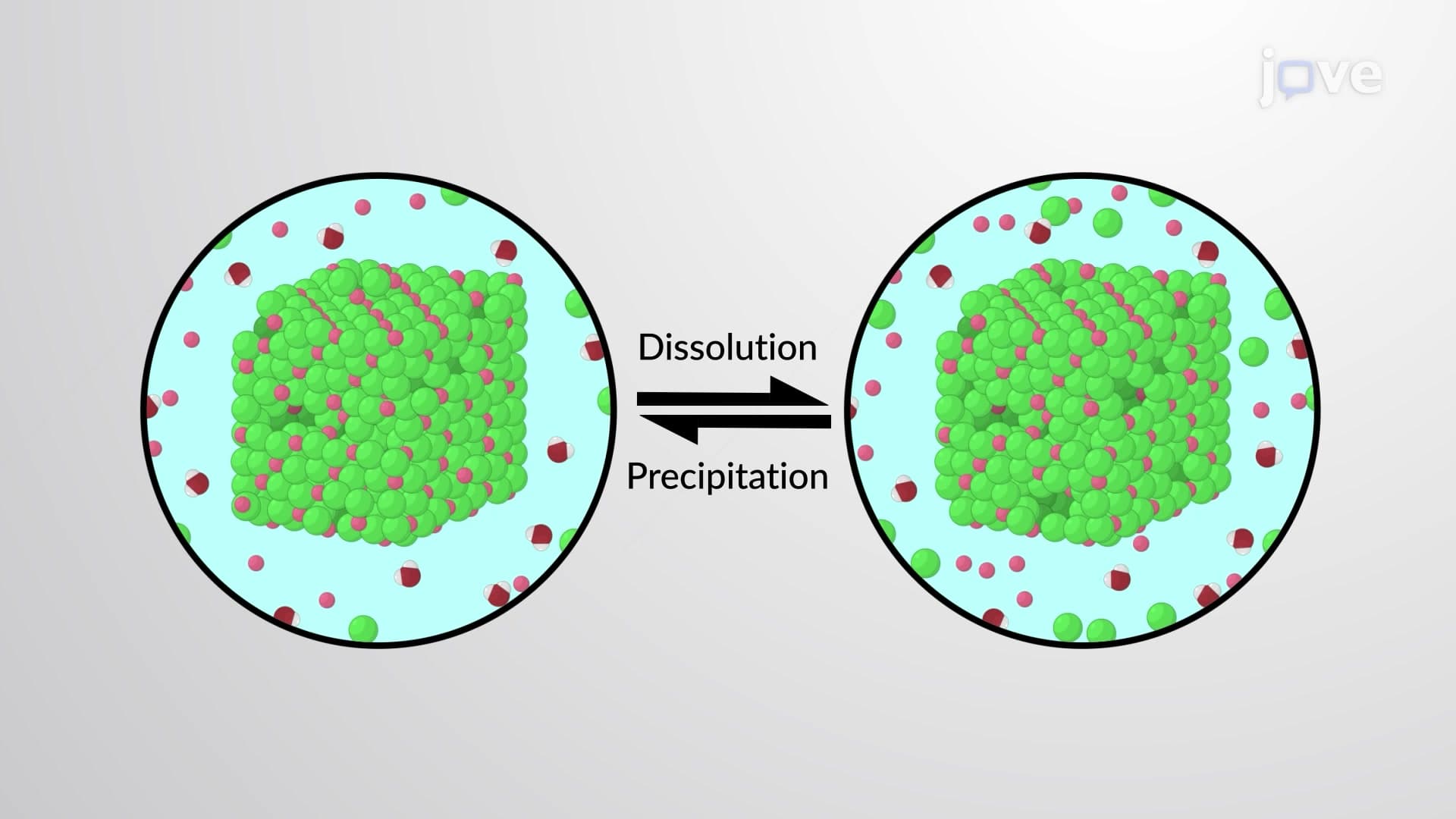
- Analyze how equilibrium shifts and pH changes affect precipitation reactions during the separation process
- Compare the solubility behaviors of different metal sulfides under acidic versus basic conditions
- Evaluate why selective precipitation works as a reliable qualitative analytical technique for cation identification
- Apply knowledge of solubility rules to predict which cations will precipitate with specific reagents
- Recognize the importance of sequential testing and proper separation techniques in qualitative chemical analysis
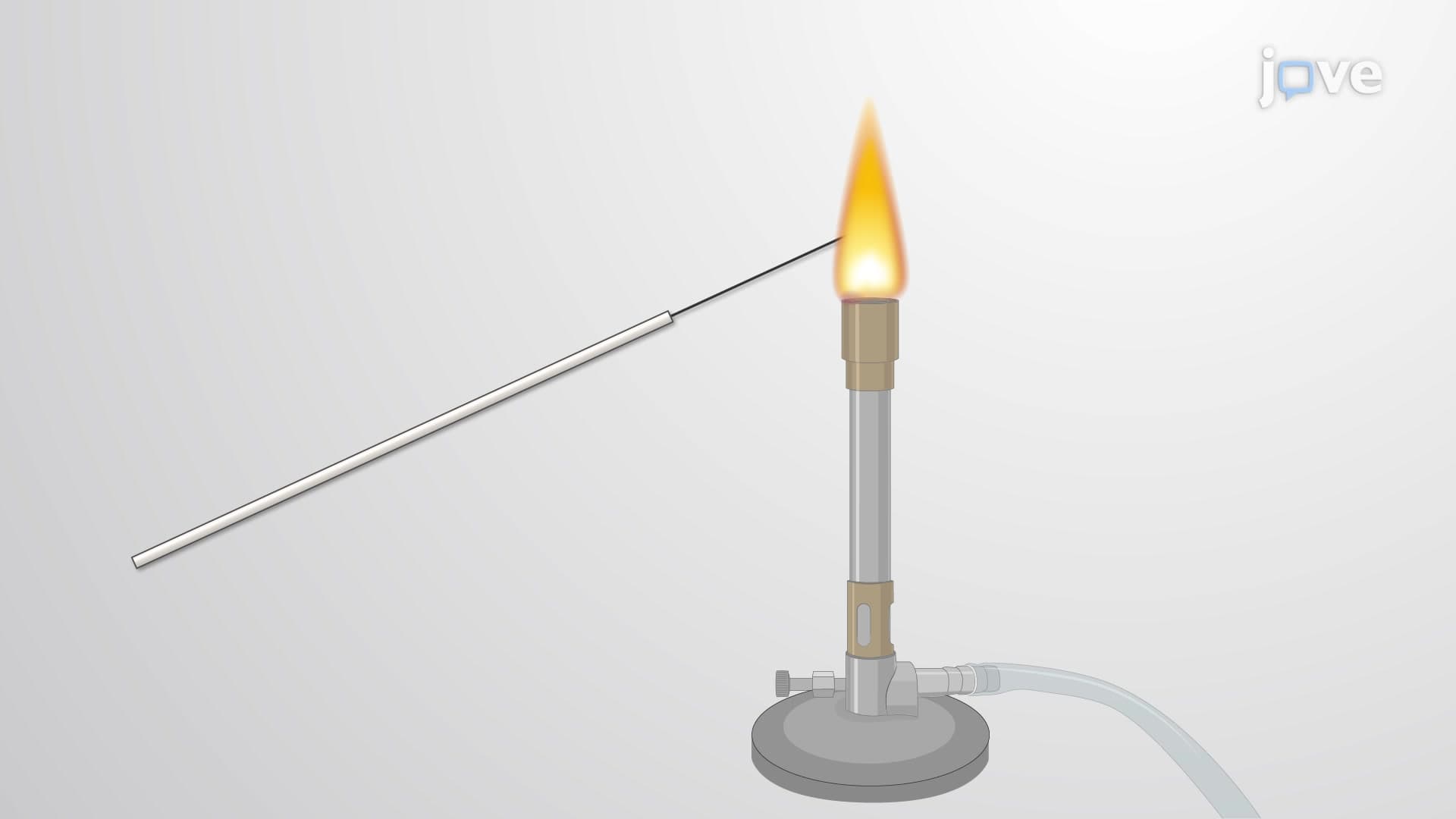
- Explore flame test methods for identifying Group 5 alkali metal cations through characteristic color emission
Understanding Qualitative Analysis in Modern Chemistry
Qualitative analysis represents one of chemistry's most systematic approaches to identifying unknown substances. Unlike quantitative analysis that measures "how much," qualitative analysis answers "what's there." This qualitative analytical technique forms the backbone of analytical chemistry courses across US universities and appears frequently on AP Chemistry exams and college laboratory practicals.
The Five-Group Cation Classification System
The beauty of qualitative analysis chemistry lies in its methodical organization. The 22 most common metal cations are strategically divided into five groups based on their precipitation behavior:
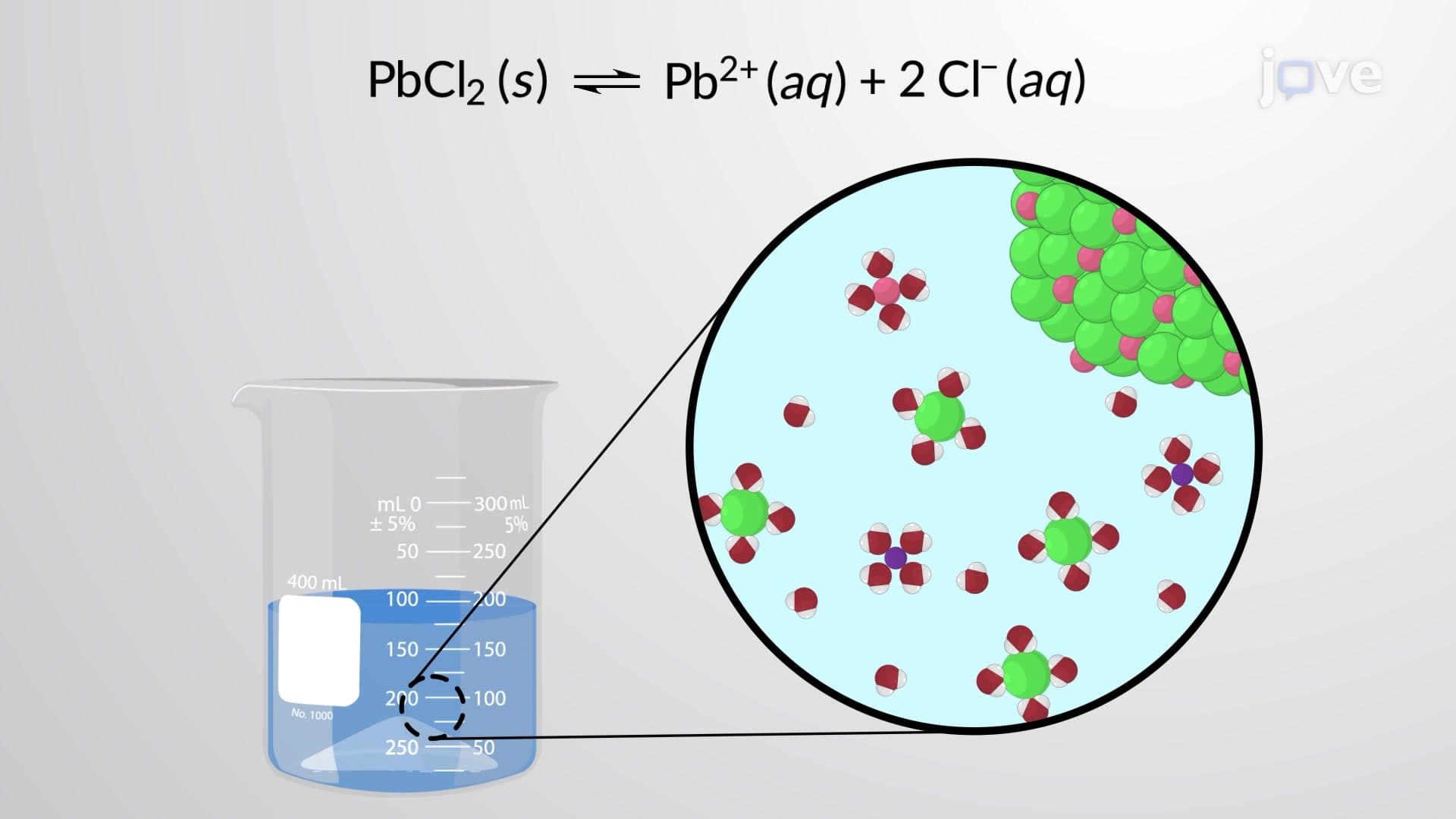
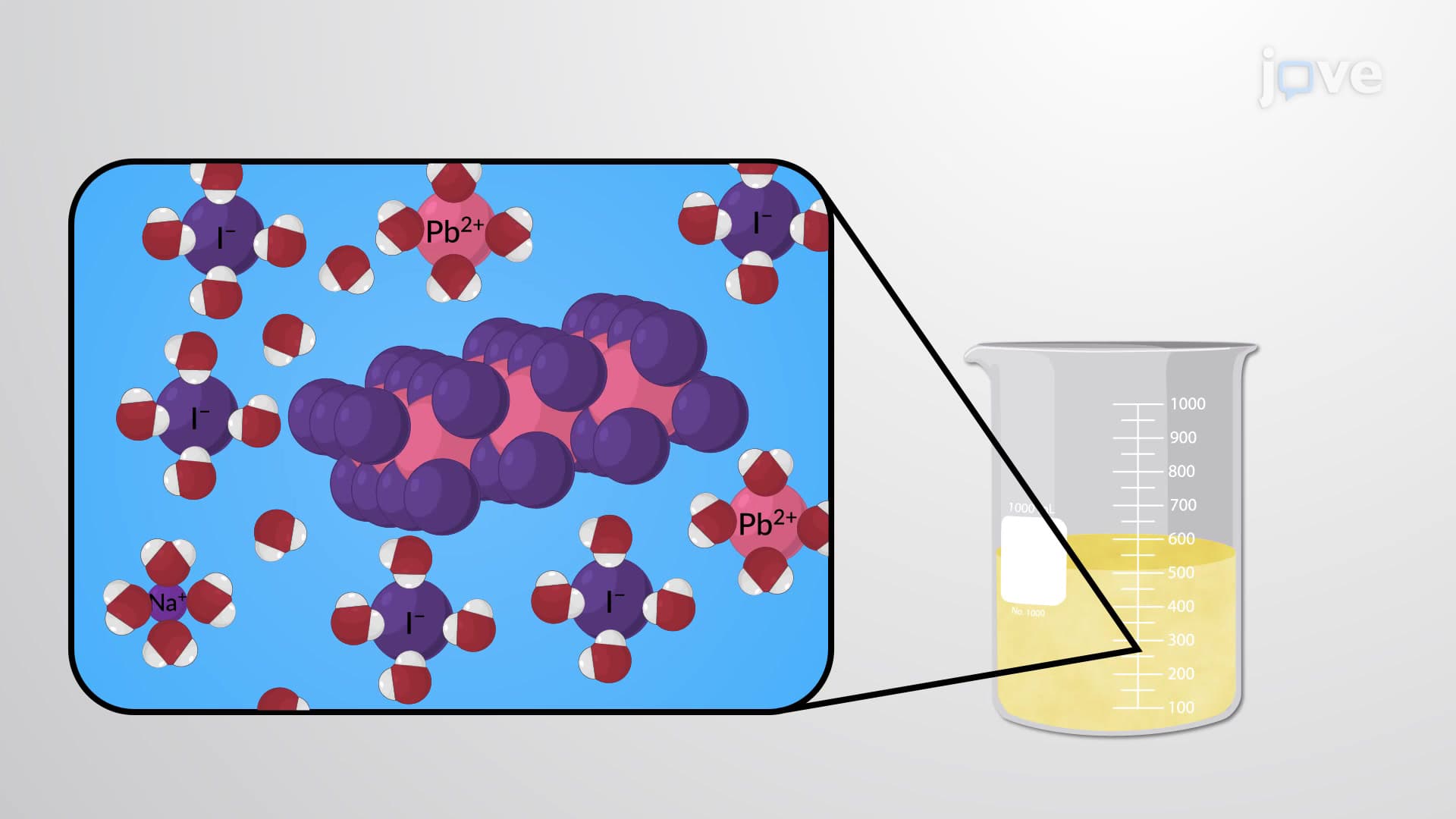
Group 1 (Chloride Group): Silver (Ag+), lead (Pb2+), and mercury (Hg2 2+) ions form insoluble chlorides when treated with 6M hydrochloric acid. This spot test qualitative analysis immediately reveals the presence of these valuable metals-a technique used by precious metal refineries across the United States.
Group 2 (Acid-Insoluble Sulfides): Under acidic conditions, metals like copper, cadmium, and tin form highly insoluble sulfide precipitates when hydrogen sulfide gas is introduced. The high proton concentration maintains equilibrium conditions that keep other metal sulfides soluble.
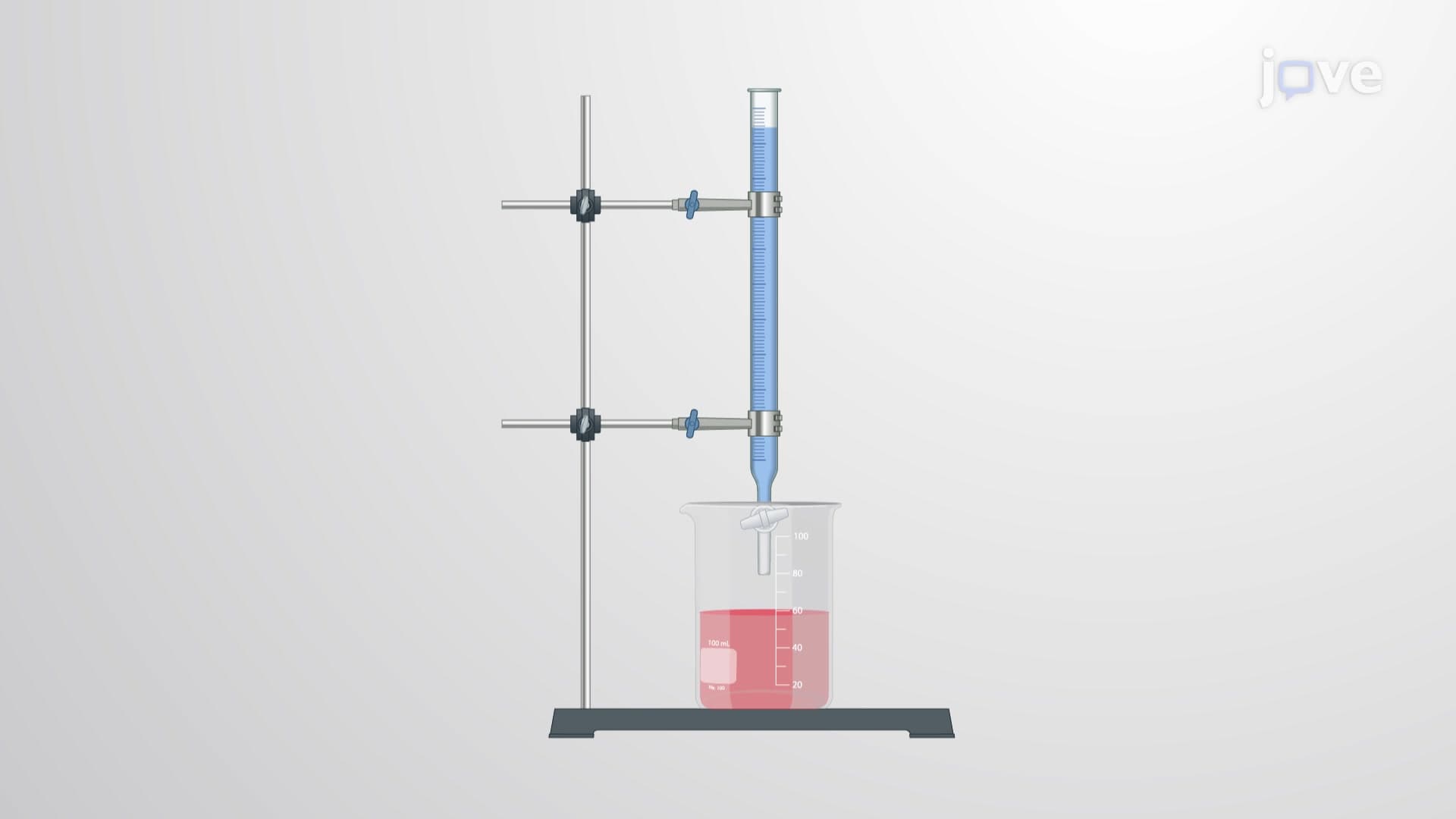
Group 3 (Base-Insoluble Sulfides and Hydroxides): When sodium hydroxide creates basic conditions, the equilibrium shifts dramatically. Metals like iron, aluminum, and chromium-essential components in US steel and aerospace industries-precipitate as hydroxides or newly insoluble sulfides.
Real-World Applications and Exam Relevance
This qualitative analysis definition methods approach appears extensively in MCAT preparation, particularly in general chemistry sections covering equilibrium and precipitation. College students encounter these concepts in analytical chemistry laboratories nationwide, from UCLA to MIT. Environmental testing laboratories use similar principles when analyzing water samples for heavy metal contamination, making this knowledge directly applicable to environmental science careers.
The systematic nature of qualitative analysis teaches critical thinking skills essential for success in healthcare fields. Medical laboratory technicians use comparable methodologies when identifying pathogens or analyzing biological samples, connecting chemistry concepts to practical healthcare applications.
Frequently Asked Questions
Qualitative analysis is a systematic method for identifying which substances are present in an unknown sample, focusing on the "what" rather than "how much." Unlike quantitative analysis that measures concentrations, qualitative techniques like cation group separation reveal the identity of metal ions through selective precipitation reactions, making it essential for forensic science and environmental testing.
AP Chemistry frequently tests qualitative analysis through free-response questions involving precipitation reactions, solubility rules, and equilibrium concepts. Students might encounter problems asking them to predict which cations are present based on experimental observations, or to design separation schemes using the five-group classification system that's standard in US high school curricula.
The MCAT tests your understanding of equilibrium shifts, Le Chatelier's principle, and solubility concepts within qualitative analysis contexts. Success requires memorizing solubility rules, understanding how pH affects precipitation, and connecting these concepts to biological systems-skills that directly translate to medical problem-solving scenarios.
FBI and state crime labs regularly employ qualitative analysis methods to identify trace metals found at crime scenes, on weapons, or in suspicious substances. For example, detecting specific metal ions in paint chips can link suspects to particular locations, while identifying heavy metals in biological samples helps determine poisoning cases.
Not at all-qualitative analysis builds naturally on fundamental concepts like solubility rules and acid-base chemistry that students learn in earlier units. The systematic, step-by-step approach actually helps students organize their thinking about chemical reactions, making it an excellent bridge between basic chemistry and advanced analytical techniques.
Focus on understanding the logic behind each separation step rather than memorizing procedures. Create flowcharts showing the five-group separation scheme, practice predicting precipitation reactions, and work through problems that require you to identify unknown mixtures-this approach mirrors how analytical chemistry is tested at universities nationwide.
Environmental testing laboratories across the US use qualitative analysis principles to identify heavy metal contamination in water supplies, soil samples, and air particulates. Understanding these techniques prepares students for careers with the EPA, state environmental agencies, or private consulting firms that monitor pollution levels and ensure public safety.
Related Micro-courses