Loading…
Loading video…

767,000 views
Ever wonder why aspirin relieves pain while sugar gives you energy, despite both being organic molecules? The secret lies in functional groups — specific atom arrangements that determine molecular behavior and chemical properties. These structural units act like molecular "personality traits," dictating how compounds like the caffeine in your morning coffee interact with your body's receptors. Understanding what are functional groups is fundamental to mastering organic chemistry and biochemistry concepts. Watch the full video on JoVE Coach to master this concept with expert-led visuals and step-by-step explanations.
Functional groups represent the cornerstone of organic chemistry, serving as identifiable clusters of atoms that impart specific chemical properties to molecules. These covalently bonded atomic arrangements function like molecular fingerprints, allowing chemists and biochemists to predict how compounds will behave in reactions and biological systems. For students preparing for the AP Chemistry exam or college organic chemistry courses, mastering functional group identification becomes crucial for success in both multiple-choice and free-response sections.
The simplest functional groups begin with hydrocarbons — molecules containing only carbon and hydrogen atoms. Alkanes feature single C-C bonds (like methane in natural gas), while alkenes contain double bonds (like ethylene used in plastic production), and alkynes possess triple bonds (like acetylene in welding torches). These can form cyclic structures: cycloalkanes with single bonds create saturated rings, while aromatic rings with alternating single-double bonds form the backbone of compounds like benzene-based pharmaceuticals manufactured by major US drug companies.
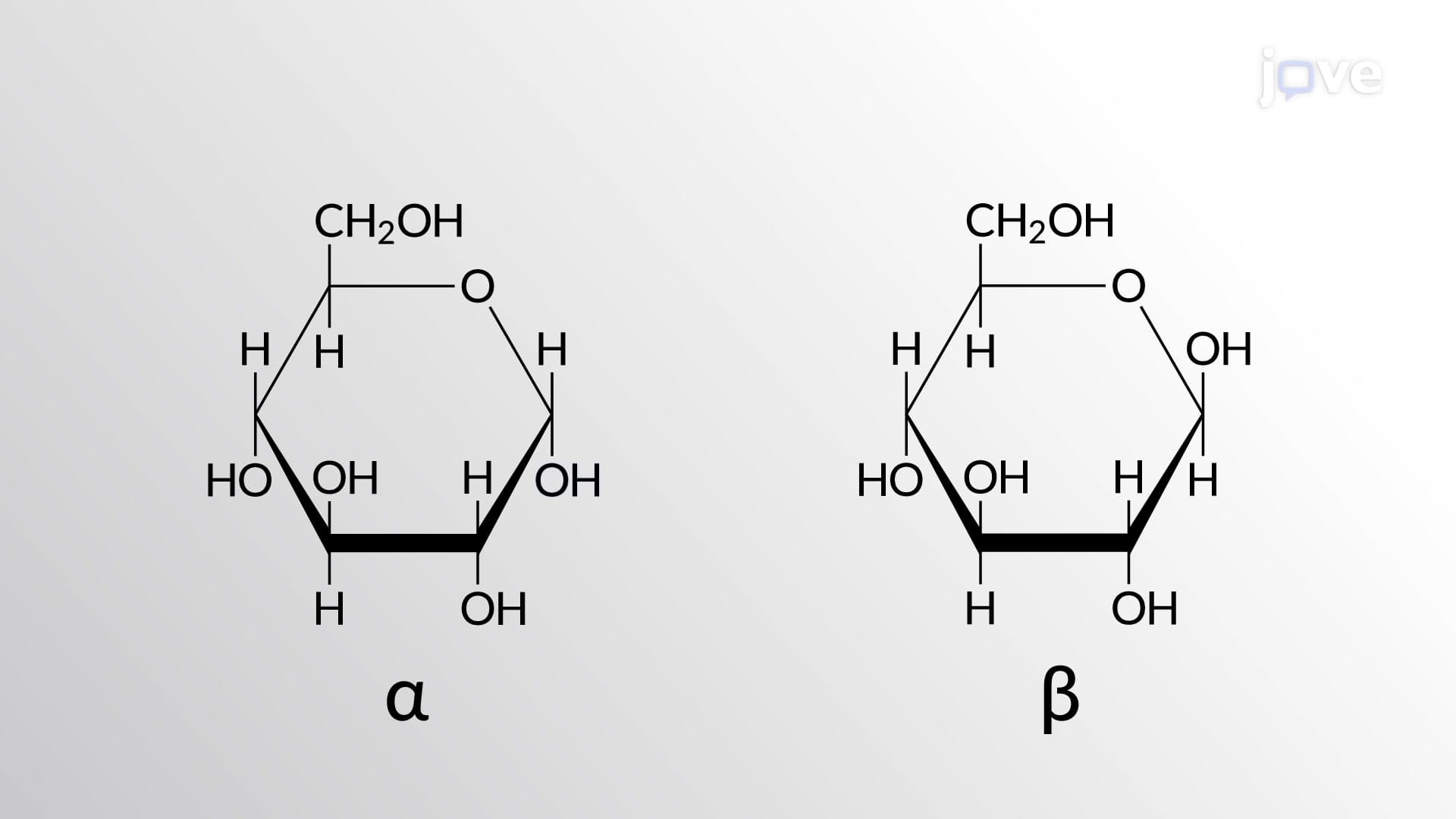
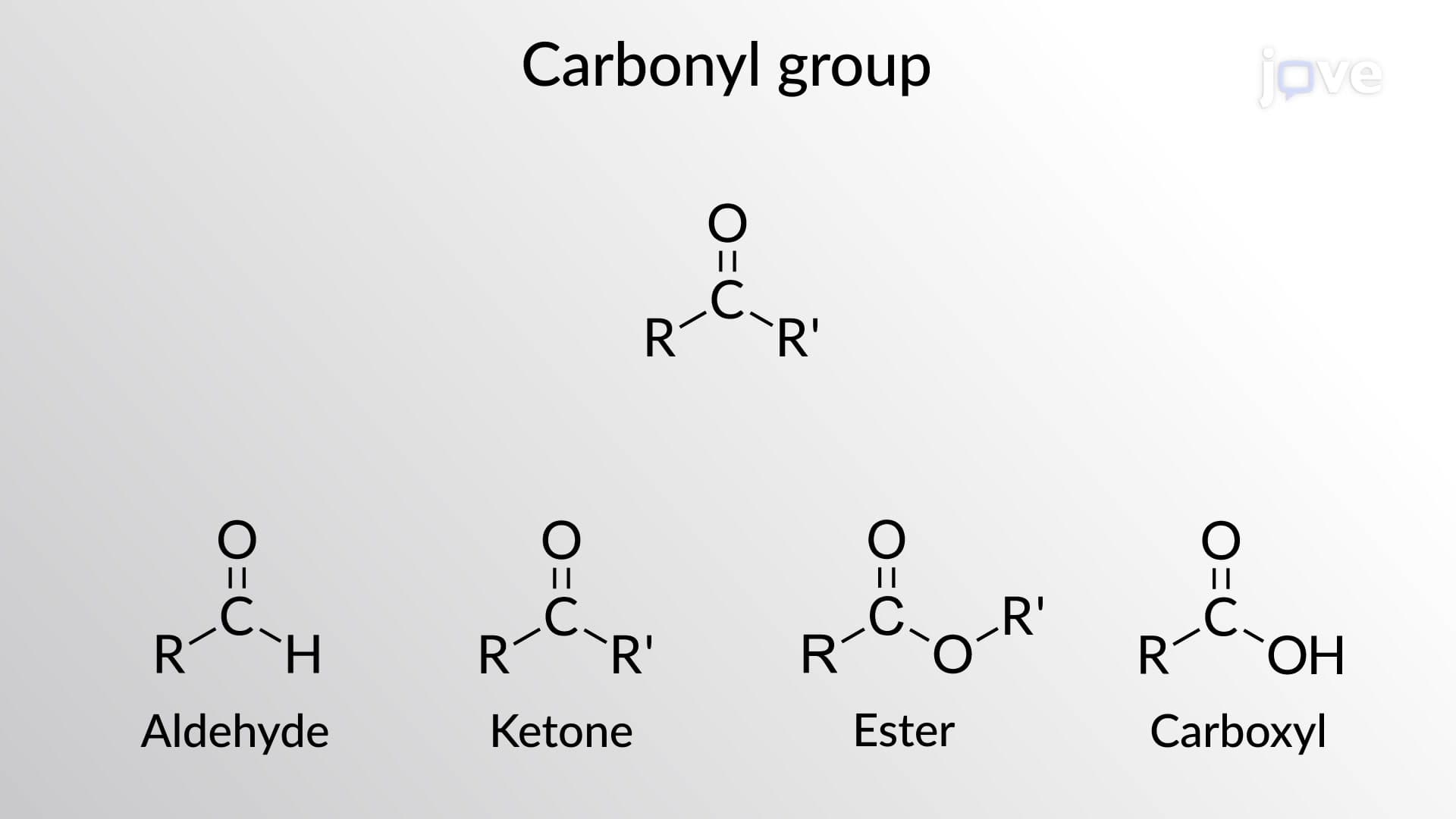
The hydroxyl group (-OH) transforms hydrocarbons into alcohols, appearing in everything from hand sanitizer (ethanol) to table sugar (glucose). Carbonyl groups (C=O) create a diverse family including aldehydes (found in vanilla extract), ketones (like acetone in nail polish remover), esters (giving fruits their aromas), and carboxylic acids (like acetic acid in vinegar). These distinctions become critical when analyzing organic synthesis pathways on the MCAT or identifying unknown compounds in college laboratory courses.
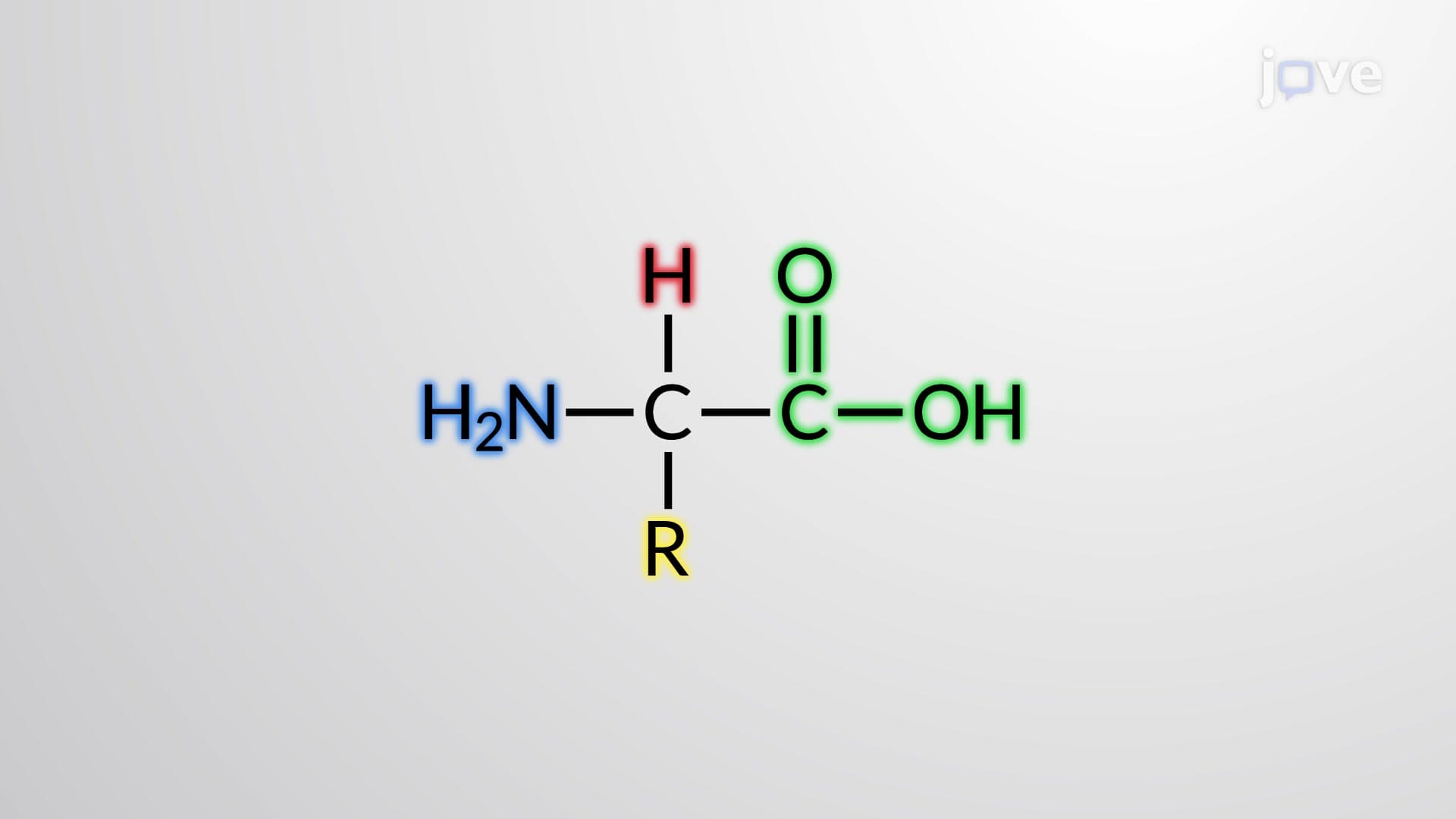
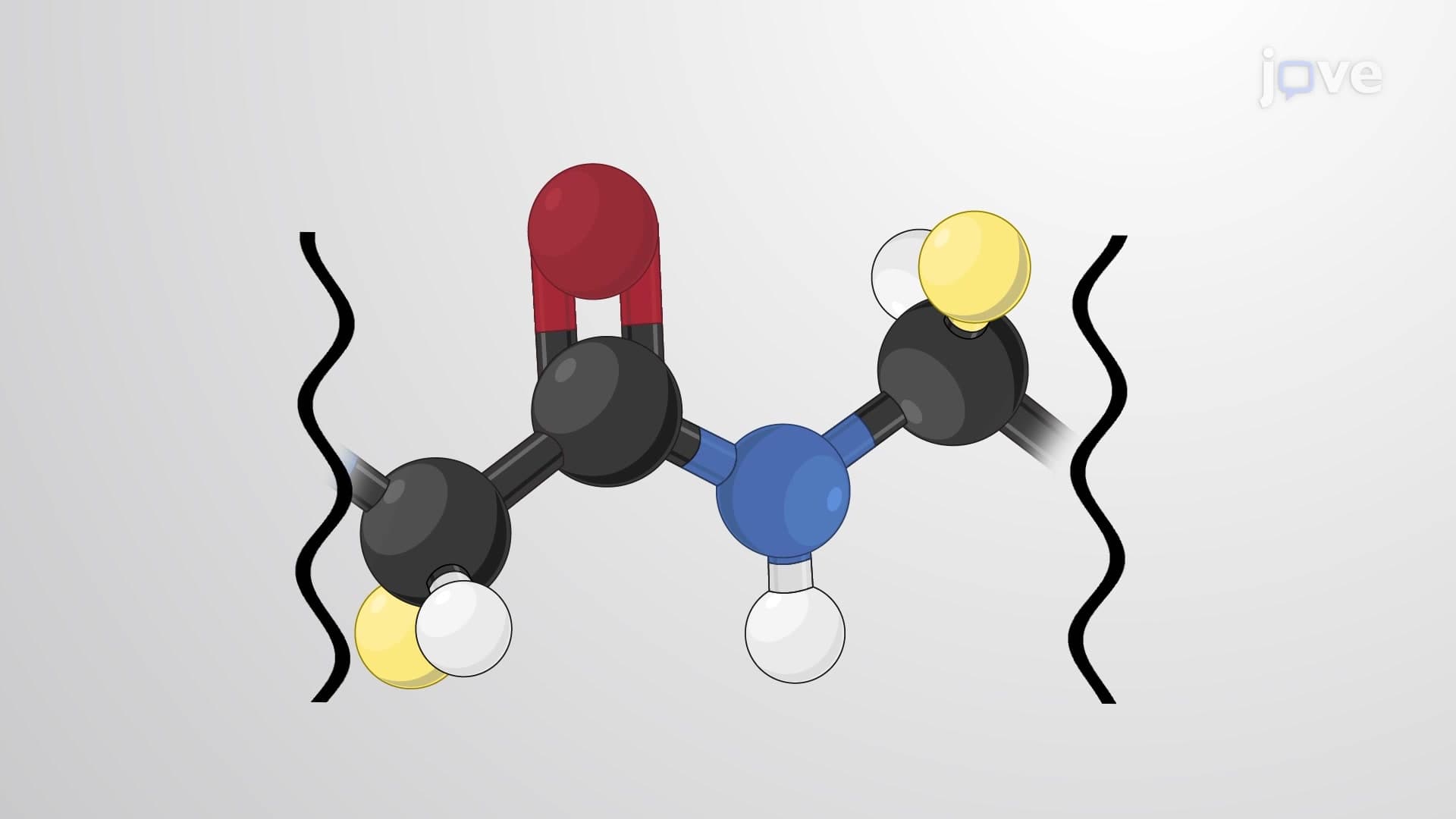
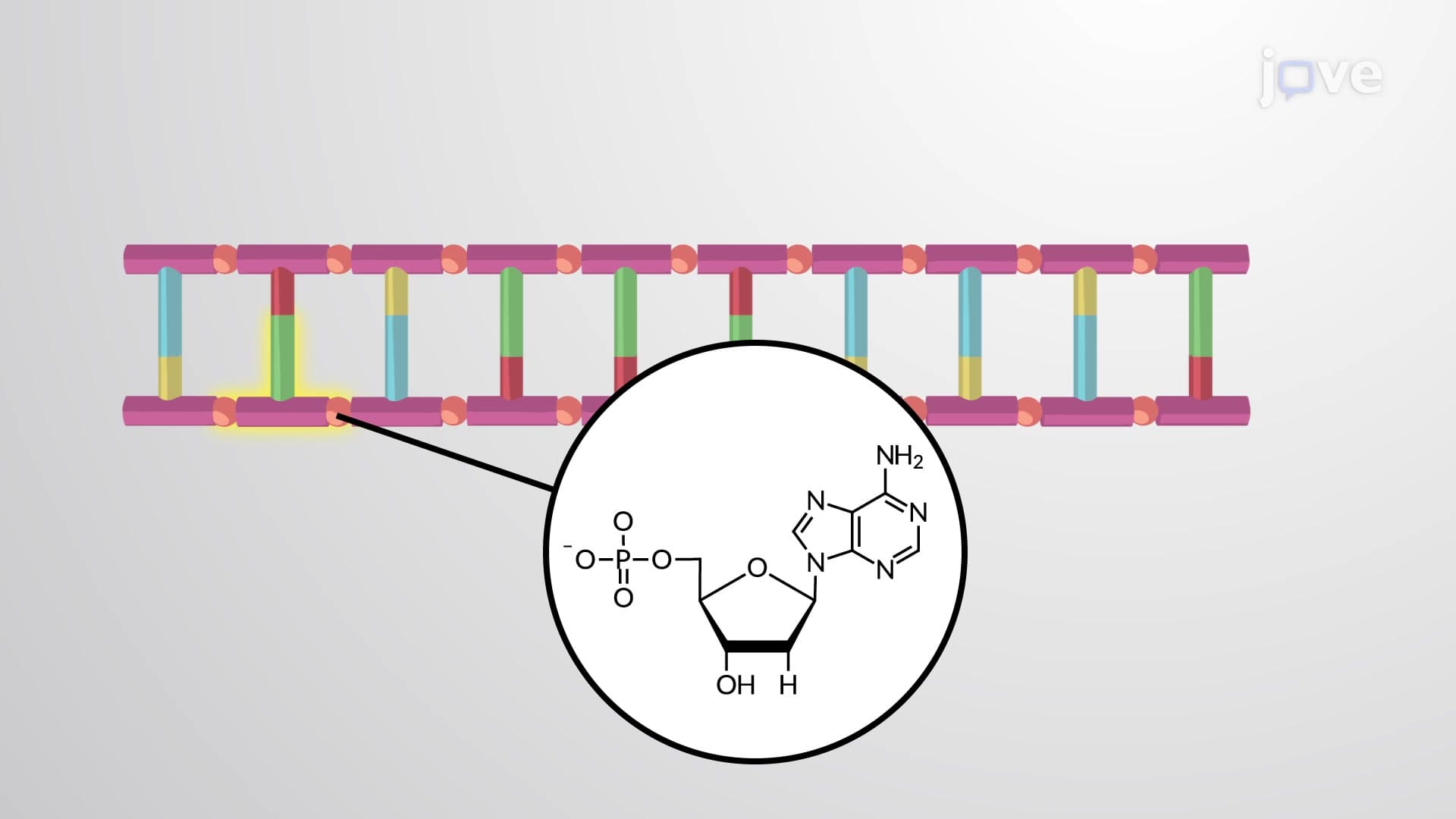
Amino groups (-NH2) define the building blocks of proteins, making them essential for understanding biochemistry concepts tested on pre-med exams like the MCAT. Every amino acid contains both an amino group and a carboxylic acid group, explaining their amphoteric behavior. Phosphate groups appear prominently in ATP (cellular energy currency) and DNA's sugar-phosphate backbone, making them fundamental to both biochemistry and molecular biology coursework. US medical schools heavily emphasize these concepts in pharmacology and physiology courses.
Understanding functional groups provides the foundation for predicting molecular behavior, explaining drug mechanisms, and succeeding in advanced chemistry courses throughout undergraduate and professional education.
Frequently Asked Questions
Functional groups are specific arrangements of atoms within molecules that determine chemical properties and behavior. Think of them as molecular "parts" that give compounds their unique characteristics — like how a hydroxyl group makes alcohols, or how carbonyl groups create aldehydes and ketones. They're the key to understanding why different organic molecules behave differently in reactions.
AP Chemistry emphasizes functional group identification in organic molecules, predicting molecular properties, and explaining intermolecular forces based on functional groups present. You'll encounter them in multiple-choice questions about molecular structure and free-response problems involving organic synthesis. The exam frequently tests hydroxyl, carbonyl, and amino group recognition in biological molecules.
The MCAT heavily emphasizes hydroxyl, carbonyl (aldehydes, ketones, carboxylic acids, esters), amino, and phosphate groups since they appear in biological macromolecules. Focus on their roles in proteins, carbohydrates, lipids, and nucleic acids. Understanding how these groups affect molecular polarity, hydrogen bonding, and biological activity is crucial for both general and organic chemistry sections.
No advanced prerequisites are required — functional groups build naturally from basic atomic structure and bonding concepts. If you understand how atoms share electrons to form covalent bonds, you can master functional groups. Start with simple examples like alcohols and work toward more complex carbonyl-containing molecules as your confidence builds.
US pharmaceutical companies like Pfizer and Johnson & Johnson modify functional groups to optimize drug properties. For example, adding hydroxyl groups increases water solubility, while ester groups can improve drug absorption. The blood pressure medication lisinopril contains multiple functional groups that allow it to bind specifically to ACE enzymes, demonstrating how structure determines biological function.
Create visual flashcards linking each functional group to familiar examples — hydroxyl with alcohol, carbonyl with acetone, amino with protein building blocks. Practice identifying them in biological molecules like glucose, fatty acids, and amino acids. Focus on understanding their chemical behavior rather than just memorizing structures, as this helps with application questions on college exams.
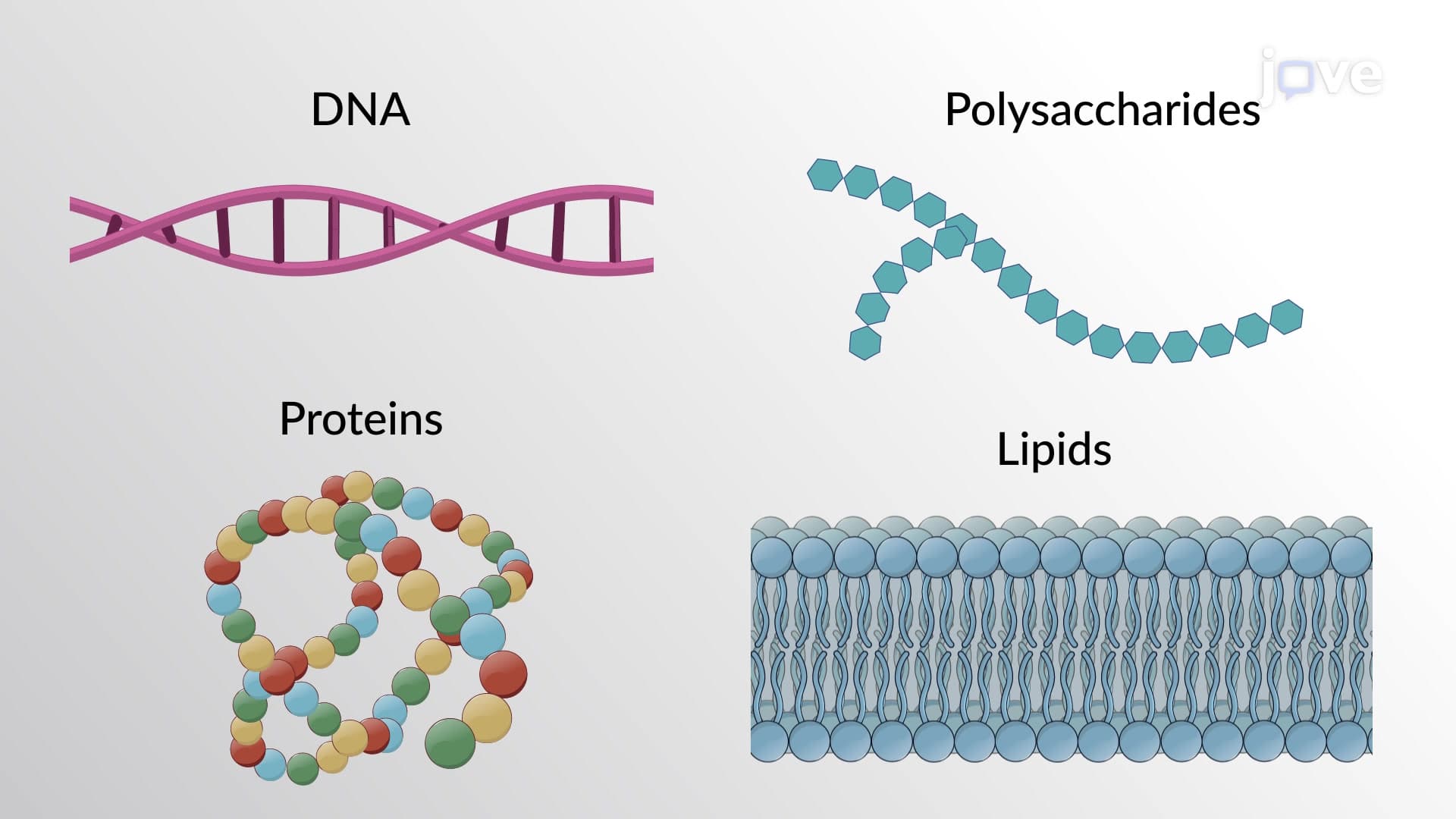
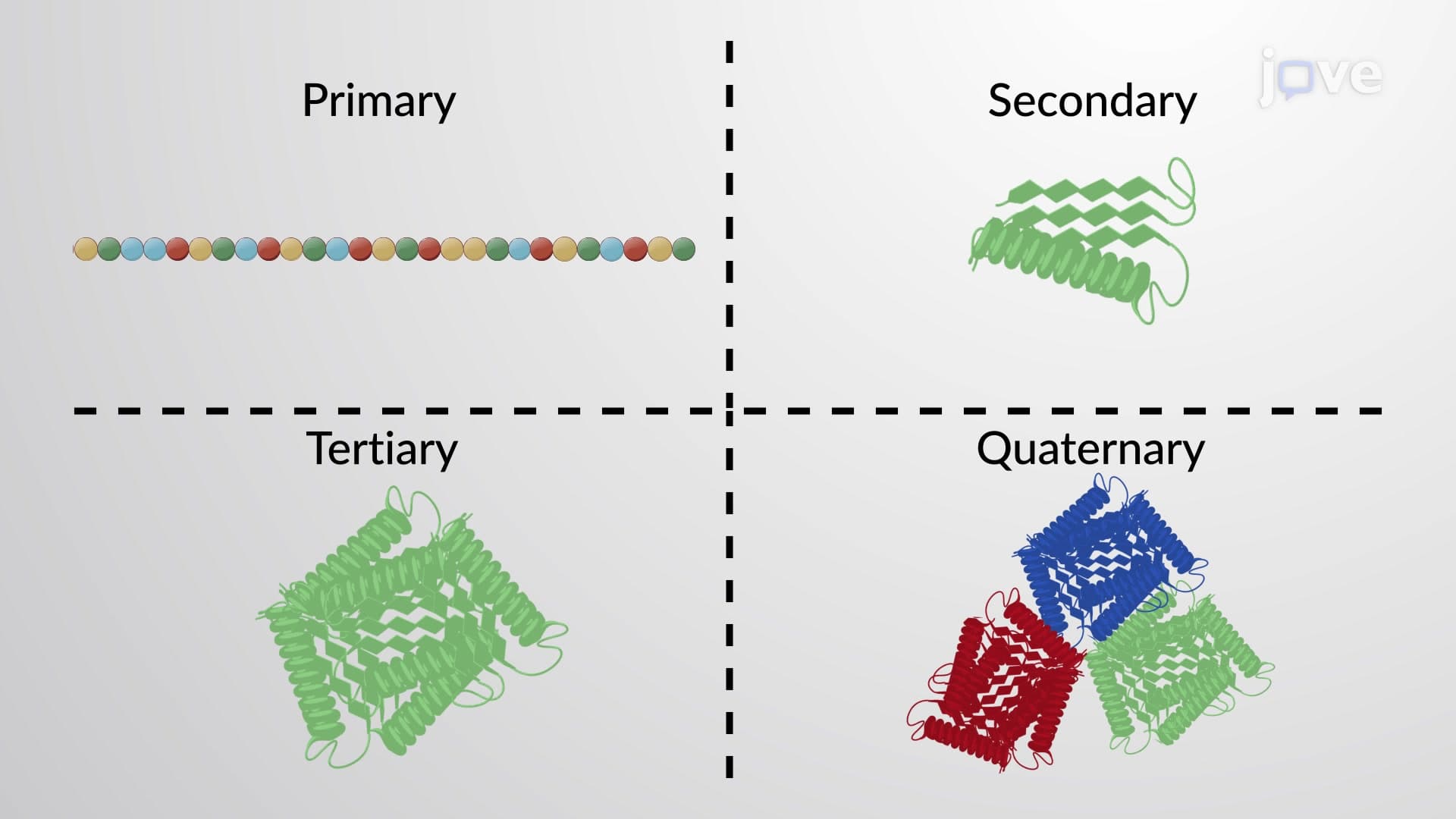
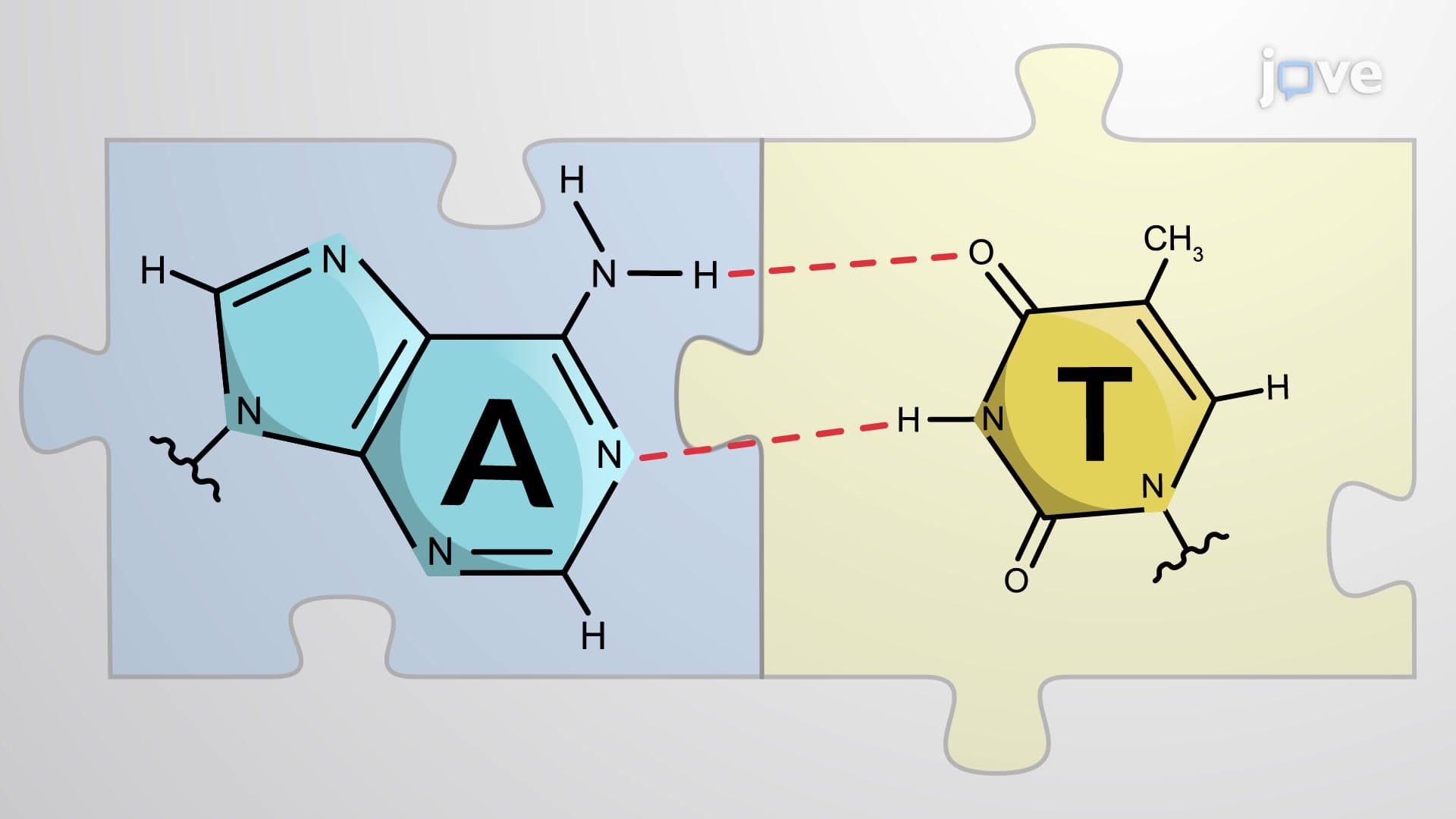
Functional groups explain how biological macromolecules function at the molecular level. Proteins fold based on amino acid functional groups, carbohydrates store energy through hydroxyl and carbonyl interactions, and DNA's phosphate groups enable genetic information storage. This knowledge becomes essential for advanced courses in biochemistry, molecular biology, and pharmacology.
After mastering basic functional groups, explore how they participate in important biological reactions like protein synthesis, cellular respiration, and DNA replication. Study intermolecular forces between functional groups and how they affect drug-receptor interactions. This prepares you for advanced topics in medicinal chemistry and biochemical pathways.
Related Micro-courses

Related Subjects
 Analytical Chemistry 16 micro-courses›
 Organic Chemistry 21 micro-courses›