Loading subject page…


767,000 views

Video Summary: What Is From DNA to Protein
Every cell in your body contains roughly 20,000 genes, yet produces over 100,000 different proteins, how is this possible? The process from DNA to protein involves a sophisticated two-step mechanism that transforms genetic blueprints into functional molecules. Consider how insulin, a life-saving protein for diabetics, begins as a simple DNA sequence in pancreatic cells before becoming the hormone that regulates blood sugar. Understanding What is From DNA To Protein reveals the fundamental process that creates every enzyme, antibody, and structural component in living organisms. Watch the full video on JoVE Coach to master this concept with expert-led visuals and step-by-step explanations.
The journey from DNA to protein represents one of biology's most elegant processes, transforming static genetic information into dynamic, functional molecules. This process, known as the central dogma, occurs in two distinct phases that work seamlessly together to maintain cellular function.
During transcription, RNA polymerase II enzymes unwind DNA's double helix and synthesize a complementary RNA strand. Unlike DNA replication, transcription is highly selective, only specific genes are transcribed when their proteins are needed. This selectivity explains why liver cells produce different proteins than brain cells despite containing identical DNA.
In eukaryotic cells, the newly formed pre-mRNA undergoes processing, including 5' capping, 3' polyadenylation, and intron splicing. This processing, absent in prokaryotes, allows for alternative splicing, a mechanism enabling one gene to produce multiple protein variants. The DSCAM gene in humans can theoretically produce over 38,000 different proteins through alternative splicing.
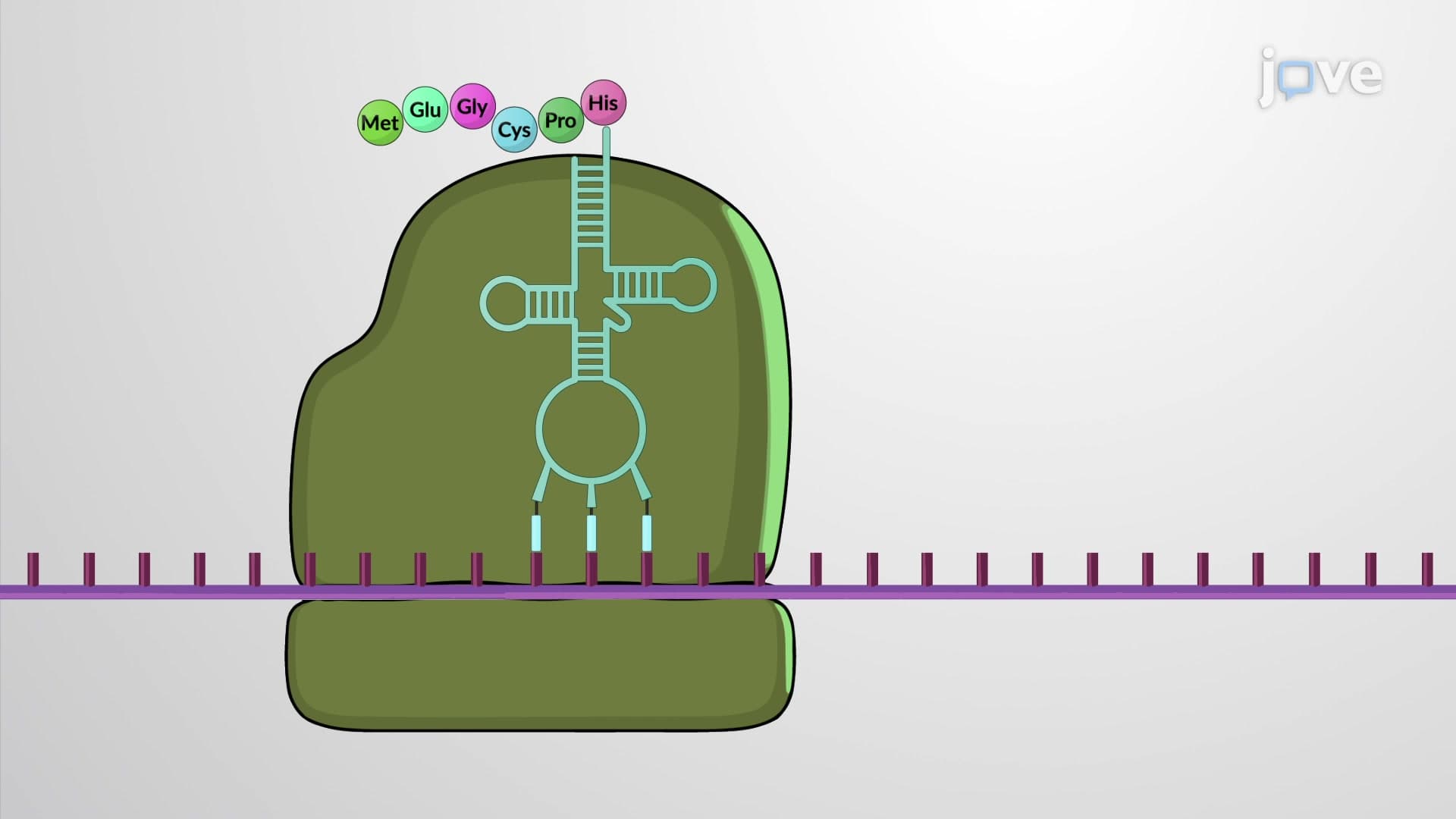
Translation occurs at ribosomes, massive RNA-protein complexes containing binding sites for mRNA and tRNA. The process begins when the small ribosomal subunit recognizes the mRNA's 5' cap and scans for the start codon (AUG). Initiation factors facilitate this recognition, ensuring translation begins at the correct location.
During elongation, tRNA molecules deliver amino acids corresponding to each mRNA codon. The ribosome's peptidyl transferase center catalyzes peptide bond formation between adjacent amino acids. This process continues until reaching a stop codon (UAG, UAA, or UGA), triggering release factors that terminate translation and release the completed polypeptide.
Understanding the from DNA to protein process proves essential for AP Biology, college biochemistry courses, and pre-medical studies. MCAT questions frequently test knowledge of transcription factors, genetic code properties, and translation mechanisms. Medical applications include understanding how genetic mutations affect protein function, leading to diseases like sickle cell anemia (single nucleotide change) or cystic fibrosis (deletion mutations).
Related Micro-courses